



Swipe left or right, or use the buttons. Tap image to zoom.
例句翻译
单词
Lesson 32Lesson 32 - 遮罩切换
|
表情符号
|
单词 | Images | 翻译 | 含义 | 例句 | 例句翻译 | 同义词 | 反义词 | 搭配词 | 助记符 |
|---|---|---|---|---|---|---|---|---|---|---|
|
#621
🤏
|
/ˈpɪd.lɪŋ/
adjective
(皮德林)
••••••
|
- •••••• |
微不足道; 琐碎; 小数额
pidling
••••••
|
trivial; insignificant; small in amount
••••••
|
He was annoyed by the piddling amount of money he received. |
他对他收到的微不足道的金额感到烦恼。
ta dui ta shoudao de wei bu zu dao de jin'e gan dao fan'nao
••••••
|
trivial, insignificant, petty, minor, negligible
••••••
|
significant, substantial, important, major
••••••
|
piddling amount, piddling sum, piddling details
••••••
|
皮德林,意味着一个很小或不重要的事
••••••
|
|
#622
📜
|
/ˈpɒs.tʃə.məs/
adjective
(波斯图马斯)
••••••
|
- •••••• |
死后
bositumas
••••••
|
occurring or continuing after death; published after the author's death
••••••
|
The author received a posthumous award for his last novel.
作者因其最后一部小说获得了死后奖项。
••••••
|
作者因其最后一部小说获得了死后奖项。
Zuozhe yin qi zuihou yi bu xiaoshuo huodele sihou jiangxiang.
••••••
|
after death, postmortem
••••••
|
living, alive, contemporary
••••••
|
posthumous award, posthumous publication, posthumous recognition
••••••
|
Si hou means after death. Like a posthumous award!
••••••
|
|
#623
👉
|
/ˈpɔɪn.tɪd/
adjective
(pointed)
••••••
|
- •••••• |
尖锐的; 直接且明确
jianrui de; zhijie qie mingque
••••••
|
having a sharp end; direct and unambiguous
••••••
|
She made a pointed remark about his behavior.
她对他的行为发表了直截了当的评论。
••••••
|
她对他的行为发表了直截了当的评论。
Ta dui tade xingwei fabiale zhijie le dang de pinglun.
••••••
|
sharp, acute, piercing, direct
••••••
|
blunt, dull, indirect, vague
••••••
|
pointed remark, pointed question, pointed criticism
••••••
|
尖锐的评论直截了当且清晰
••••••
|
|
#624
👥
|
/ˈpɒp.jʊ.lər/
adjective
(流行)
••••••
|
- •••••• |
流行的
liúxíng de
••••••
|
liked or admired by many people; well-known and widely accepted
••••••
|
This restaurant is very popular among young people. |
这家餐厅在年轻人中非常流行。
Zhè jiā cāntīng zài niánqīngrén zhōng fēicháng liúxíng.
••••••
|
famous, well-liked, favored, trendy
••••••
|
unpopular, disliked, unfashionable
••••••
|
popular culture, popular opinion, popular choice
••••••
|
流行的像一首热门中文歌曲
••••••
|
|
#625
🌸
|
/pɪŋk/
adjective
(pɪŋk)
••••••
|
- •••••• |
粉红色
fěnhóng sè
••••••
|
pale red color; slightly red
••••••
|
She wore a beautiful pink dress to the party.
她在聚会上穿了一件漂亮的粉红色裙子。
••••••
|
她在聚会上穿了一件漂亮的粉红色裙子。
Tā zài jùhuì shàng chuānle yī jiàn piàoliang de fěnhóng sè qúnzi.
••••••
|
rose, rosy, salmon, coral, blush
••••••
|
dark, black, deep
••••••
|
pink flowers, pink cheeks, hot pink, baby pink
••••••
|
粉红色是介于红色和白色之间的颜色。
••••••
|
|
#626
💪
|
/ˈpəʊ.tənt/
adjective
(强效)
••••••
|
- •••••• |
强效; 强大的; 有效的
qiángxiào; qiángdà de; yǒuxiào de
••••••
|
having great strength, power, or effect; influential
••••••
|
The medicine is very potent and should be taken carefully.
这药效强,应该小心服用。
••••••
|
这药效强,应该小心服用。
Zhè yào xiào qiáng, yīnggāi xiǎoxīn fúyòng.
••••••
|
powerful, strong, effective, influential
••••••
|
weak, powerless, ineffective
••••••
|
potent medicine, potent force, potent symbol
••••••
|
Think of a powerful Chinese medicine, just like the word '强效'!
••••••
|
|
#627
🏙️
|
/ˈpɒp.jʊ.ləs/
adjective
(波普拉斯)
••••••
|
- •••••• |
人口众多
rénkǒu zhòngduō
••••••
|
having a large population; densely populated; crowded with people
••••••
|
China is the most populous country in the world.
中国是世界上人口最多的国家。
••••••
|
中国是世界上人口最多的国家。
Zhōngguó shì shìjiè shàng rénkǒu zuì duō de guójiā
••••••
|
crowded, densely populated, thronged
••••••
|
sparsely populated, empty, deserted
••••••
|
populous city, populous region, most populous
••••••
|
像中国一样,人口众多
••••••
|
|
#628
☠️
|
/ˈpɔɪ.zən.əs/
adjective
(poisonous)
••••••
|
- •••••• |
有毒的; 毒性; 致命的
yǒu dú de; dú xìng; zhìmìng de
••••••
|
containing poison; toxic; deadly
••••••
|
The snake is highly poisonous and dangerous. |
这条蛇非常有毒且危险。
Zhè tiáo shé fēicháng yǒu dú qiě wéixiǎn.
••••••
|
toxic, venomous, deadly, harmful
••••••
|
harmless, safe, non-toxic, beneficial
••••••
|
poisonous snake, poisonous mushroom, poisonous gas
••••••
|
想象有毒的蛇,带有危险!
••••••
|
|
#629
🙏
|
/pəˈlaɪt/
adjective
(pəˈlaɪt)
••••••
|
- •••••• |
有礼貌的; 尊重的; 彬彬有礼的
you limao de; zunzhong de; binbin you li de
••••••
|
having good manners; respectful; courteous
••••••
|
He was very polite and respectful to everyone.
他对每个人都非常礼貌和尊重。
••••••
|
他对每个人都非常礼貌和尊重。
Ta dui mei ge ren dou feichang limao he zunzhong.
••••••
|
courteous, respectful, well-mannered, civil
••••••
|
rude, impolite, discourteous, disrespectful
••••••
|
polite conversation, polite request, polite manner
••••••
|
Polite 在中文是‘有礼貌的’,你可以想到一个总是彬彬有礼的人。
••••••
|
|
#630
✅
|
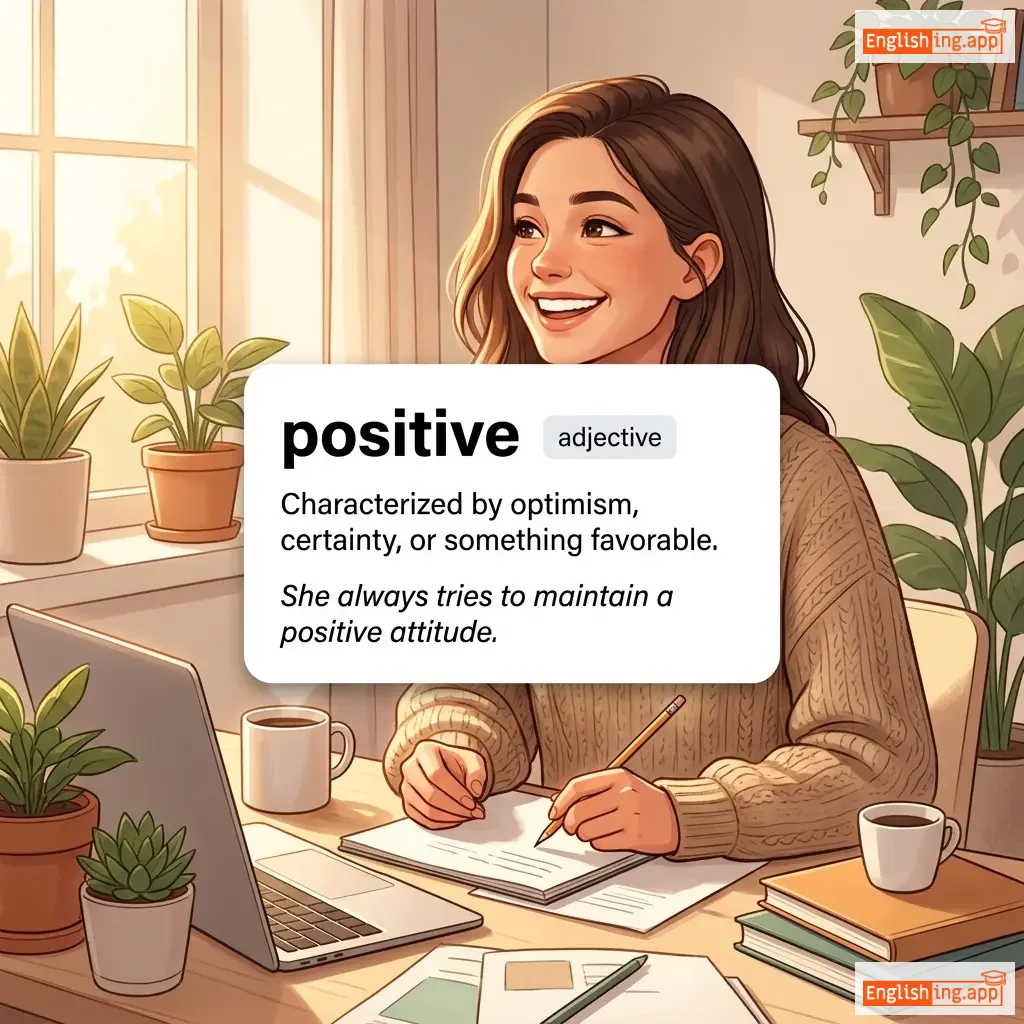
/ˈpɒz.ɪ.tɪv/
adjective
(积极的)
••••••
|
|
积极的
jījí de
••••••
|
good or constructive; optimistic; confident; favorable
••••••
|
She has a positive attitude towards life.
她对生活持积极态度。
••••••
|
她对生活持积极态度。
Tā duì shēnghuó chí jījí tàidù.
••••••
|
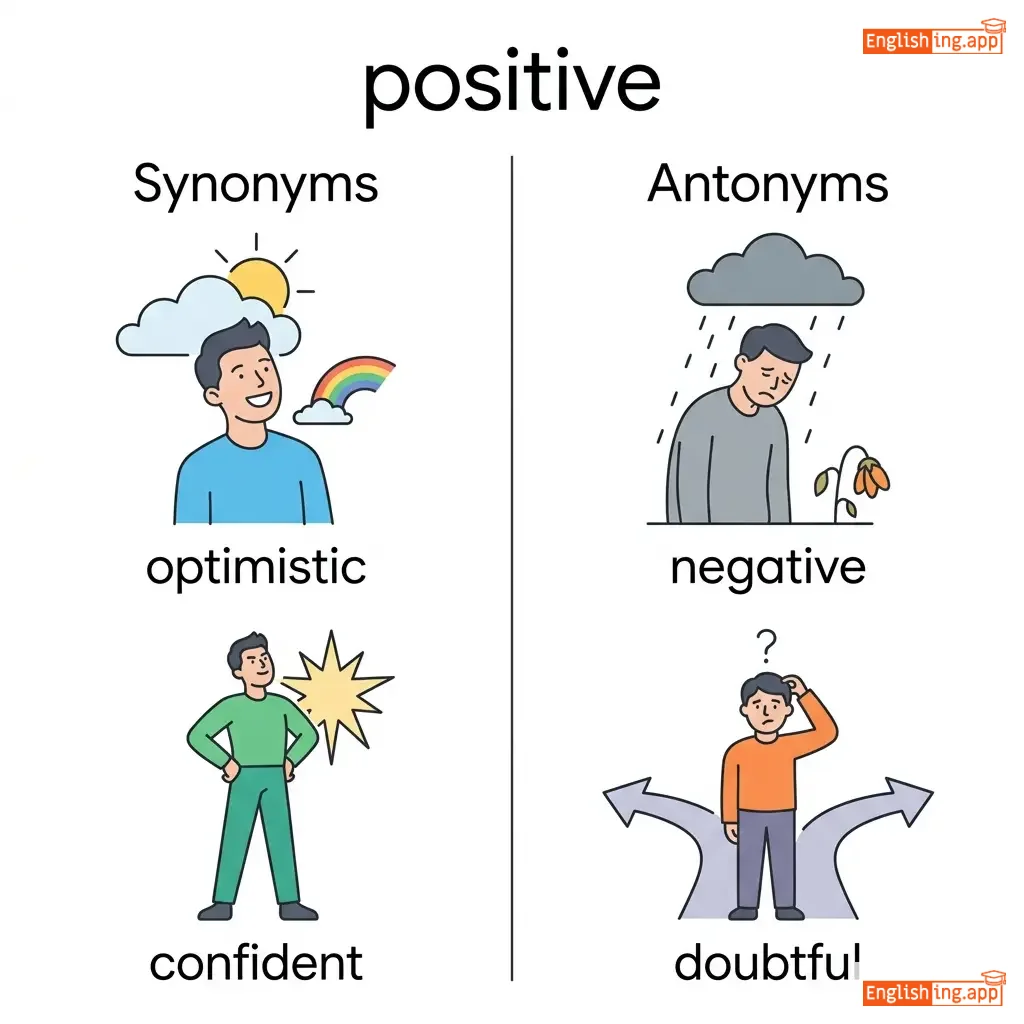
optimistic, confident, affirmative, constructive
••••••
|
negative, pessimistic, doubtful
••••••
|
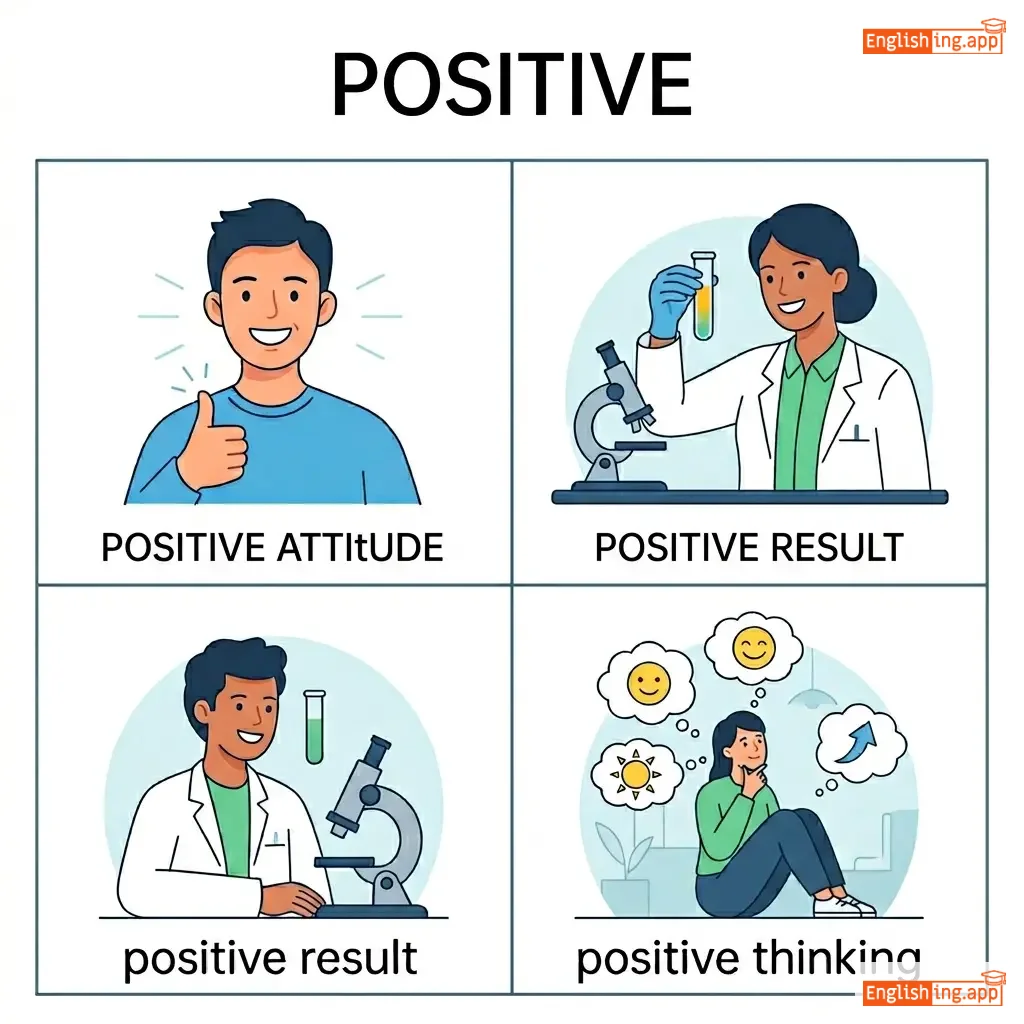
positive thinking, positive feedback, positive result
••••••
|
积极的意味着用乐观的态度面对生活。
••••••
|
|
#631
🙏
|
/ˈpaɪ.əs/
adjective
(派欧斯)
••••••
|
- •••••• |
虔诚的
paious
••••••
|
devoutly religious; showing reverence for God
••••••
|
The pious monk spent hours in prayer every day.
这位虔诚的僧侣每天花费数小时祈祷。
••••••
|
这位虔诚的僧侣每天花费数小时祈祷。
Zhe wei qiancheng de senglu mei tian hua fei shu xiao shi qi dao
••••••
|
devout, religious, holy, righteous, godly
••••••
|
impious, irreligious, godless, sinful
••••••
|
pious believer, pious acts, pious devotion
••••••
|
Pious = 'Pray In Our Souls' 记忆法, 派欧斯提醒你虔诚的心始终在祈祷
••••••
|
|
#632
🌱
|
/pəˈten.ʃəl/
adjective
(潜力)
••••••
|
|
潜力; 发展潜能; 潜藏
qianli
••••••
|
having possibility; capable of development; latent
••••••
|
She has great potential to become a successful artist.
她有很大的潜力成为一位成功的艺术家。
••••••
|
她有很大的潜力成为一位成功的艺术家。
Tā yǒu hěn dà de qiánlì chéngwéi yī wèi chénggōng de yìshùjiā.
••••••
|
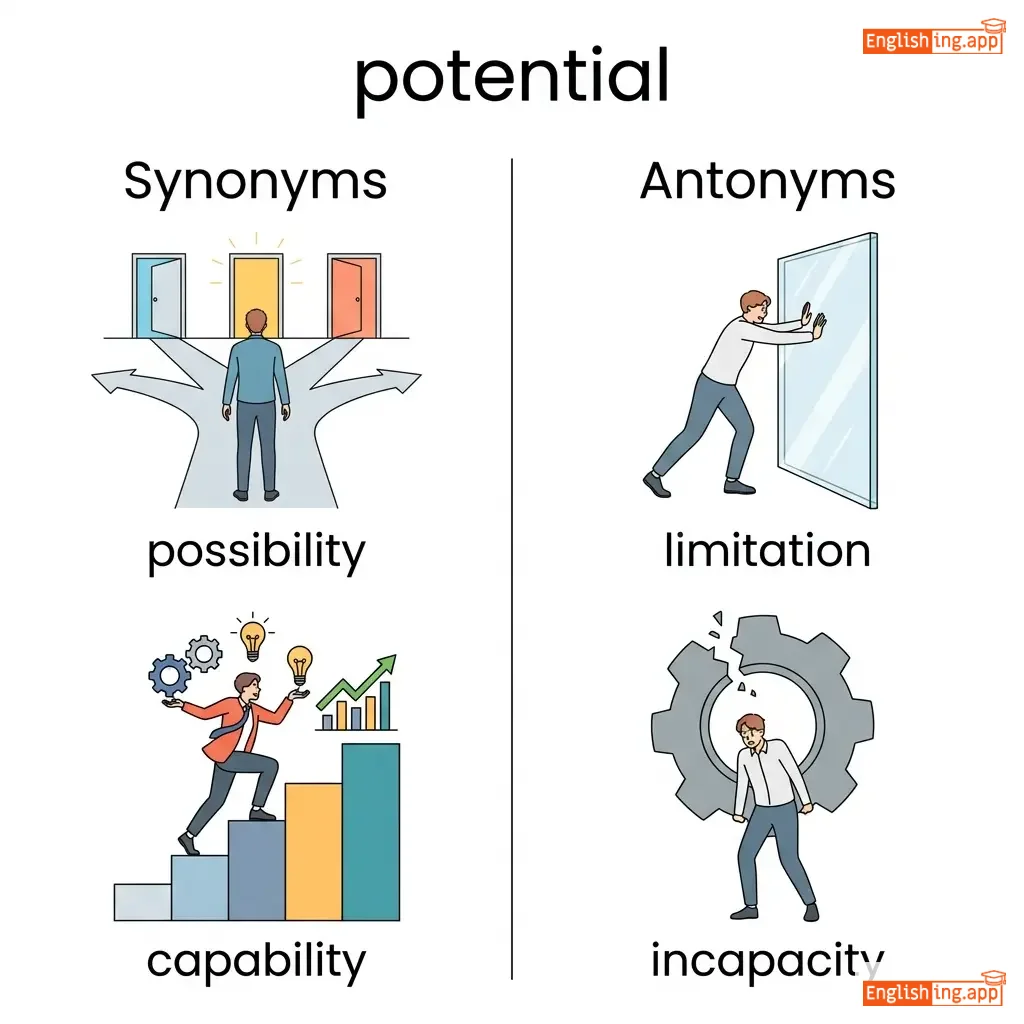
possible, latent, prospective, promising
••••••
|
actual, realized, kinetic
••••••
|
potential candidate, potential problem, potential energy
••••••
|
In Chinese, '潜力' (qiánlì) is a direct equivalent to 'potential', both symbolizing growth.
••••••
|
|
#633
🎩
|
/ˈpɑːm.pəs/
adjective
(庞普斯)
••••••
|
- •••••• |
浮夸的; 自命不凡的; 过度华丽的
fú kuā de; zì mìng bù fán de; guò dù huá lì de
••••••
|
showing off; pretentious; overly grand
••••••
|
His pompous attitude annoyed everyone at the meeting.
他的浮夸态度让会议中的每个人都感到不悦。
••••••
|
他的浮夸态度让会议中的每个人都感到不悦。
Tā de fú kuā tàidù ràng huìyì zhōng de měi gèrén dōu gǎndào bù yuè.
••••••
|
arrogant, pretentious, boastful, conceited
••••••
|
humble, modest, simple, unpretentious
••••••
|
pompous speech, pompous manner, pompous display
••••••
|
Imagine someone showing off with grand, exaggerated actions.
••••••
|
|
#634
🤲
|
/pəˈzes.ɪv/
adjective
(happiness)
••••••
|
- •••••• |
幸福
xìng fú
••••••
|
showing a desire to own or control something; unwilling to share; jealously protective
••••••
|
He is very possessive about his car. |
当她收到奖项时,她无法掩饰自己的幸福。
Dāng tā shōu dào jiǎng xiàng shí, tā wú fǎ yǎn shì zì jǐ de xìng fú.
••••••
|
controlling, protective, jealous, clingy
••••••
|
generous, sharing, unselfish
••••••
|
possessive pronoun, possessive behavior, overly possessive
••••••
|
幸福就像是被阳光照耀的心情。
••••••
|
|
#635
😢
|
/ˈpɪt.i.əs/
adjective
(皮特尤斯)
••••••
|
- •••••• |
可怜的; 引起同情的
pityous
••••••
|
deserving pity; arousing compassion
••••••
|
The piteous cries of the injured animal moved everyone to tears.
受伤动物的悲惨叫声让每个人都泪流满面。
••••••
|
受伤动物的悲惨叫声让每个人都泪流满面。
Shòushāng dòngwù de bēicǎn jiàoshēng ràng měi gè rén dōu lèi liú mǎn miàn.
••••••
|
pitiful, pathetic, touching, heart-rending, sorrowful
••••••
|
joyful, happy, cheerful, heartening
••••••
|
piteous sight, piteous condition, piteous appeal
••••••
|
想象一只受伤的动物发出痛苦的叫声,帮助你记住'可怜的'。
••••••
|
|
#636
🔧
|
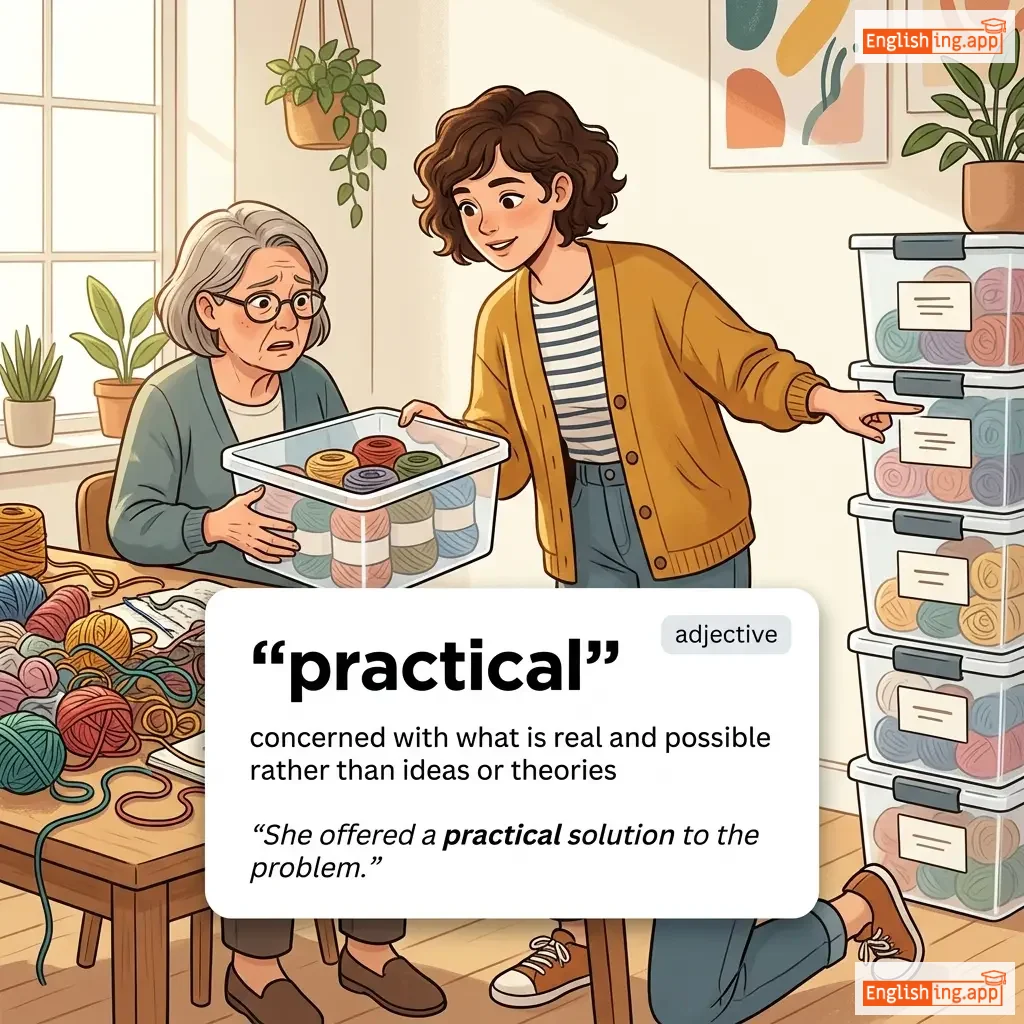
/ˈpræk.tɪ.kəl/
adjective
(práctikal)
••••••
|
|
实际的; 现实的; 明智的
shíjì de
••••••
|
suitable for actual use; realistic; sensible
••••••
|
We need a practical solution to this problem.
我们需要一个实际的问题解决方案。
••••••
|
我们需要一个实际的问题解决方案。
Wǒmen xūyào yīgè shíjì de wèntí jiějué fāng'àn.
••••••
|
realistic, sensible, useful, workable
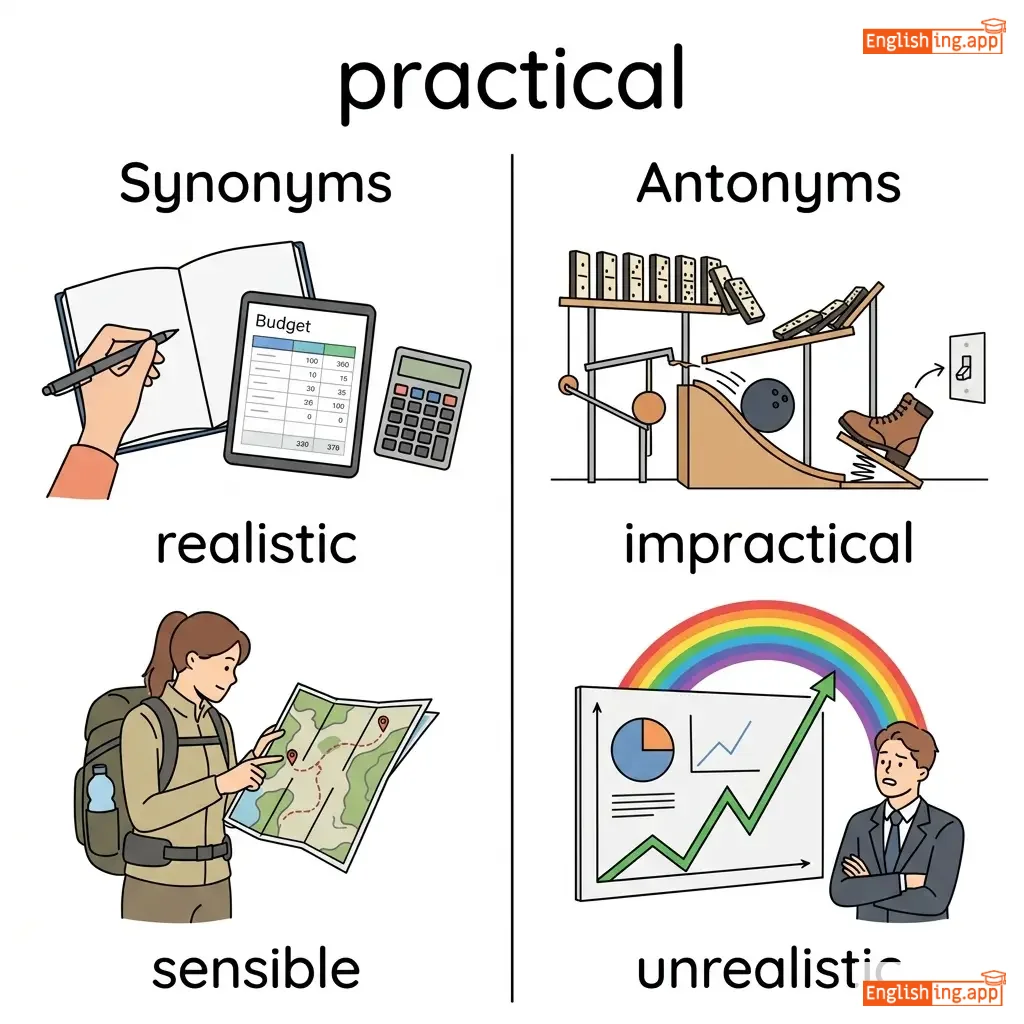
••••••
|
impractical, theoretical, useless
••••••
|
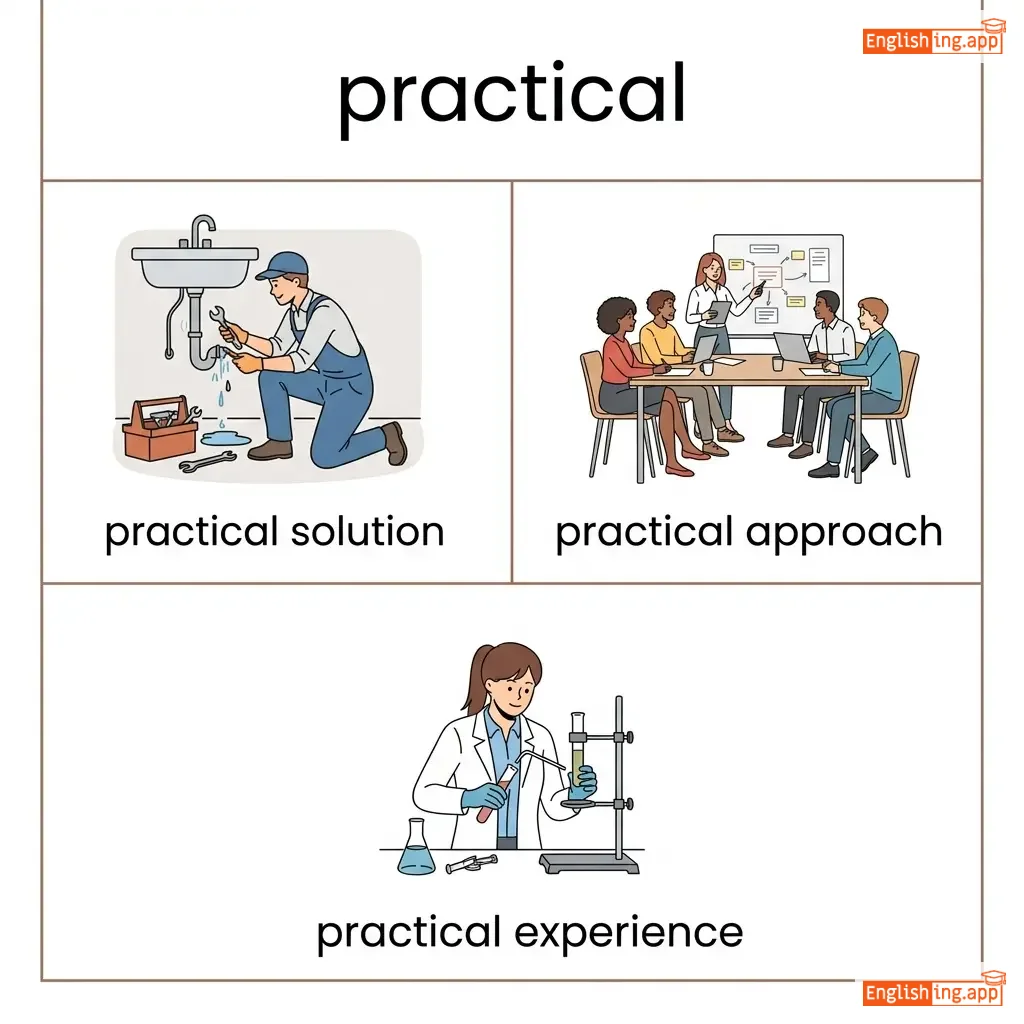
practical advice, practical experience, practical solution
••••••
|
实际的解决方案,能够马上用在现实中。
••••••
|
|
#637
💸
|
/pʊr/
adjective
(贫穷)
••••••
|
- •••••• |
贫困; 低质量
pínkùn; dī zhìliàng
••••••
|
having little money; lacking resources; of low quality
••••••
|
The poor family struggled to make ends meet.
贫困的家庭为了生计而挣扎。
••••••
|
贫困的家庭为了生计而挣扎。
Pínkùn de jiātíng wèile shēngjì ér zhēngzhá.
••••••
|
impoverished, needy, destitute, underprivileged
••••••
|
rich, wealthy, affluent, prosperous
••••••
|
poor quality, poor health, poor performance
••••••
|
贫困是我们努力改变生活的动力。
••••••
|
|
#638
🌾
|
/ˈplen.tɪ.fəl/
adjective
(普伦提福尔)
••••••
|
- •••••• |
丰盛的; 大量的
plentiful
••••••
|
abundant; existing in large quantity
••••••
|
The harvest was plentiful this year due to good weather. |
今年由于良好的天气,收成非常丰盛。
Jinnian youyu lianghao de tianqi, shoucheng feichang fengsheng.
••••••
|
abundant, copious, ample, profuse, bountiful
••••••
|
scarce, sparse, meager, insufficient
••••••
|
plentiful supply, plentiful harvest, plentiful resources
••••••
|
Plentiful = '盘子满了' (Pánzi mǎnle, plate full, a lot of food!)
••••••
|
|
#639
🤔
|
/ˈpɒs.ə.bəl/
adjective
(pò xī bù ěr)
••••••
|
- •••••• |
可能
ke neng
••••••
|
able to be done or achieved; likely to happen; feasible
••••••
|
It is possible to learn a new language at any age.
在任何年龄学习新语言是可能的。
••••••
|
在任何年龄学习新语言是可能的。
Zai ren he nian ling xue xi xin yu yan shi ke neng de.
••••••
|
feasible, achievable, likely, potential
••••••
|
impossible, unlikely, unachievable
••••••
|
possible solution, possible outcome, as soon as possible
••••••
|
‘可能’ 让我们想到任何一件事都是可能的,只要我们努力实现它。
••••••
|
|
#640
👏
|
/ˈpreɪz.wɜː.ði/
adjective
(preɪz.wɜːrði)
••••••
|
- •••••• |
值得赞扬
zhí dé zàn yáng
••••••
|
deserving praise; commendable; admirable
••••••
|
Her charitable work is truly praiseworthy. |
她的慈善工作确实值得赞扬。
Tā de cí shàn gōng zuò què shí zhí dé zàn yáng.
••••••
|
commendable, admirable, laudable, meritorious
••••••
|
blameworthy, condemnable, shameful
••••••
|
praiseworthy effort, praiseworthy achievement, praiseworthy behavior
••••••
|
做值得赞扬的事,不仅自己高兴,也让别人感动。
••••••
|
Vocabulary Quiz
Test your vocabulary by matching words with their translations or meanings.
Login to take the quiz
Comments (0)
Share your thoughts and join the discussion.
Join the discussion by logging in
Login to CommentNo comments yet
Be the first to share your thoughts!