

Traducción
Pasado
Participio Pasado
Tercera Persona Singular
Gerundio
Meaning
Oración de Ejemplo
Traducción de Oración de Ejemplo
Synonyms
Antonyms
Colocaciones
Mnemotécnico
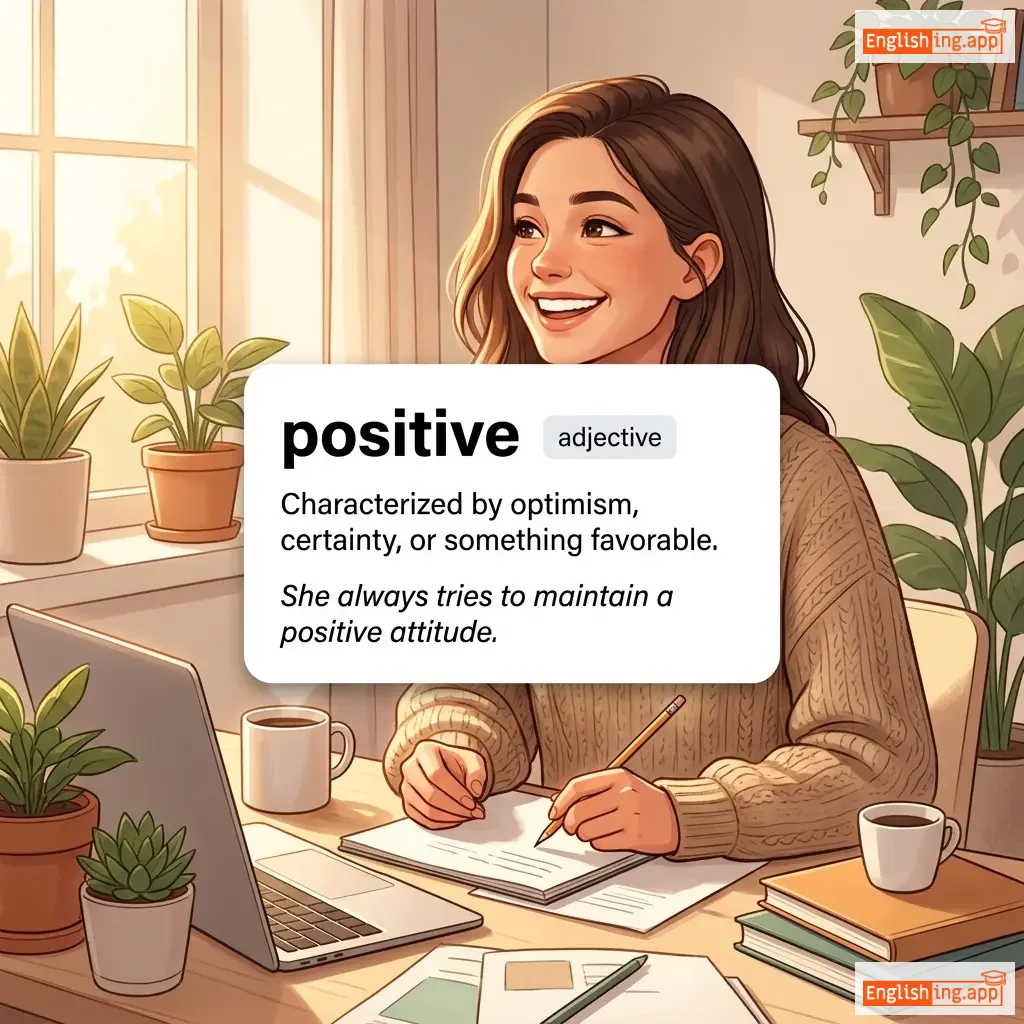
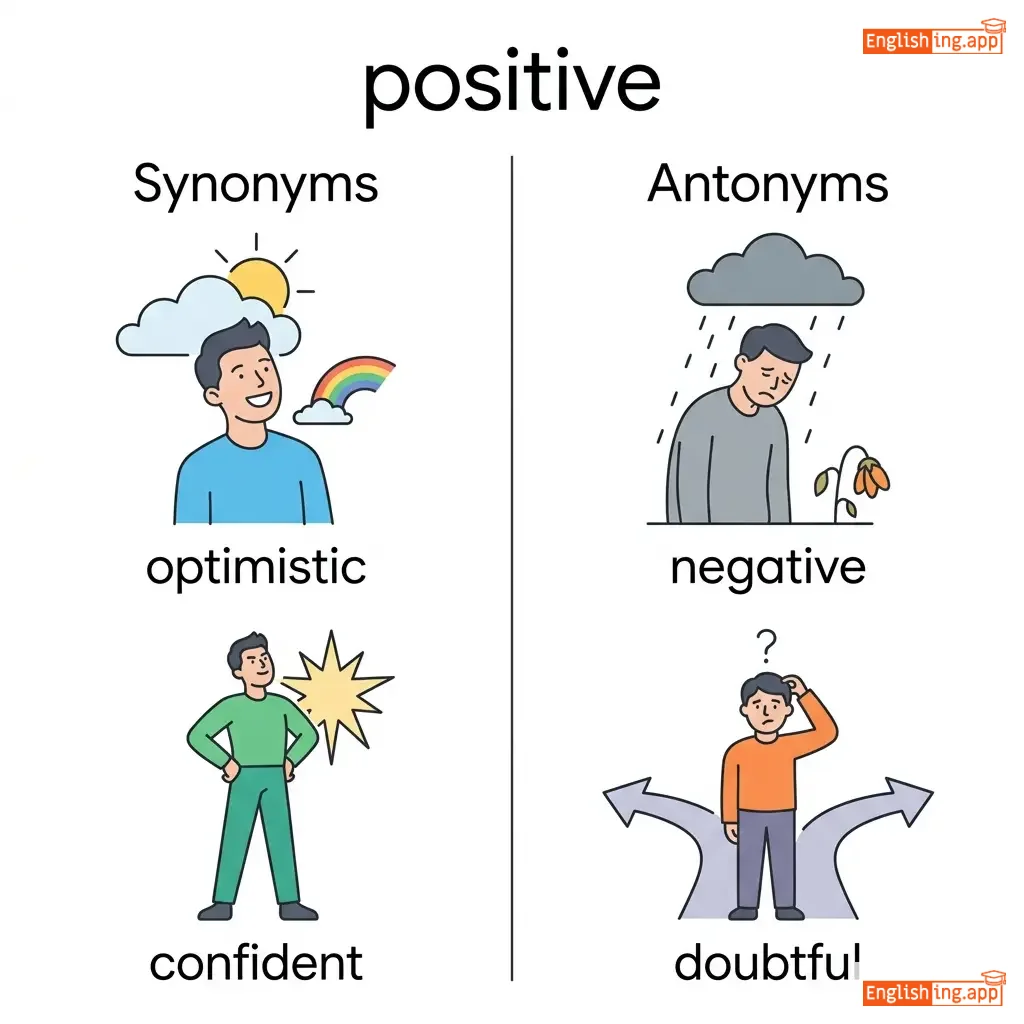
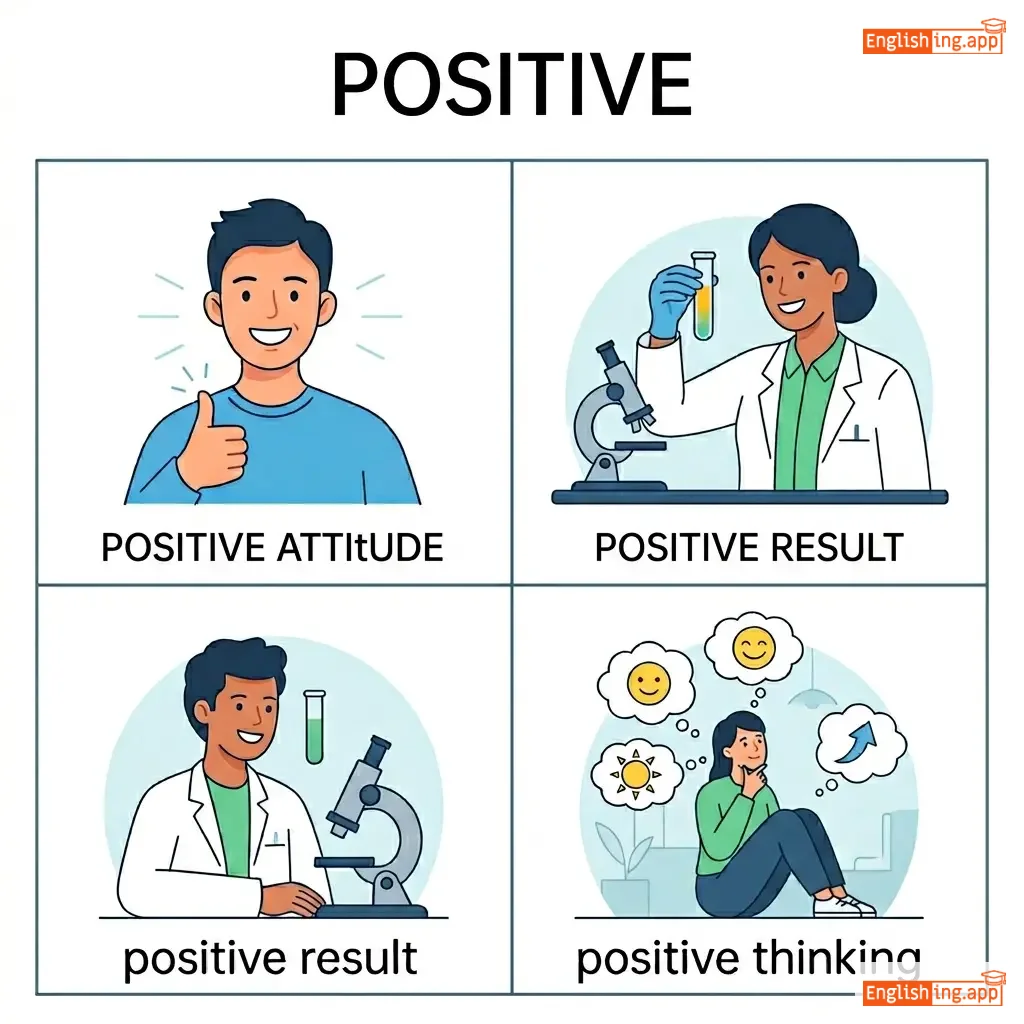

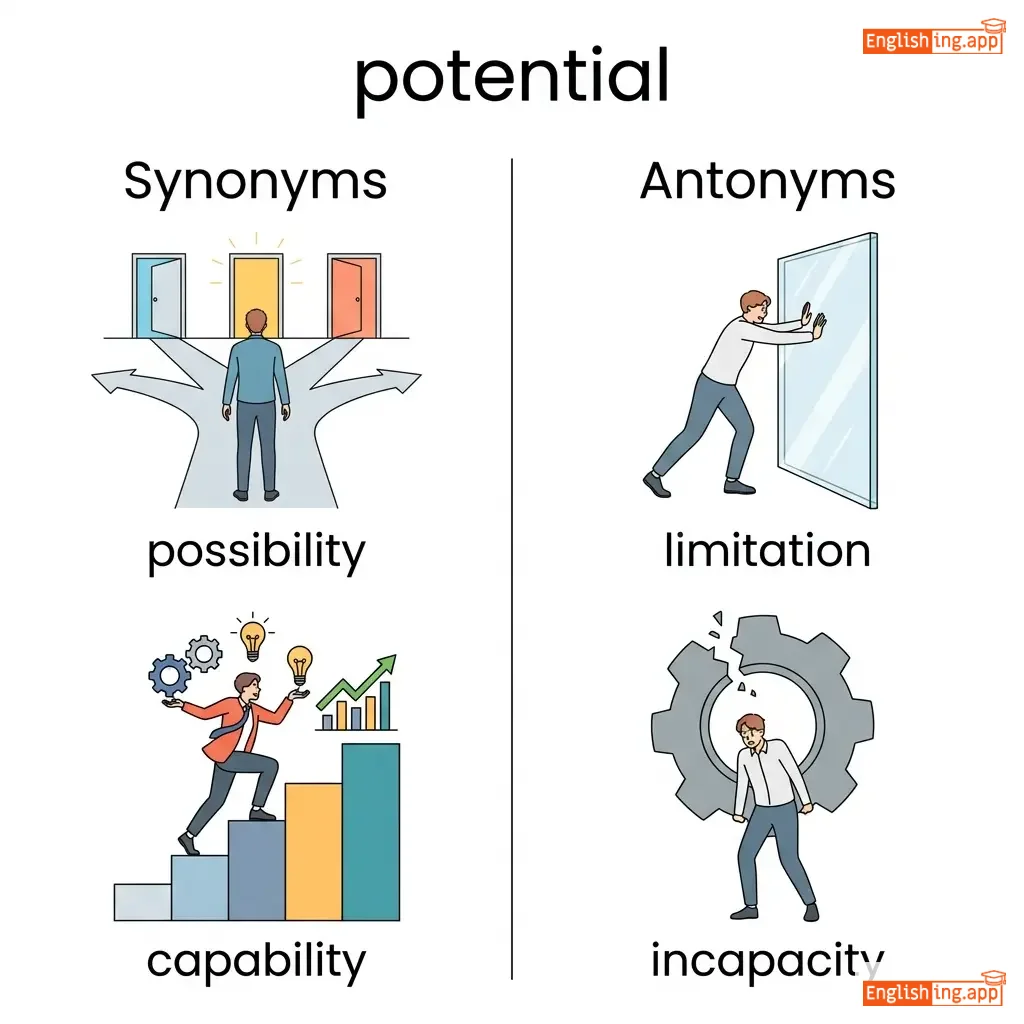

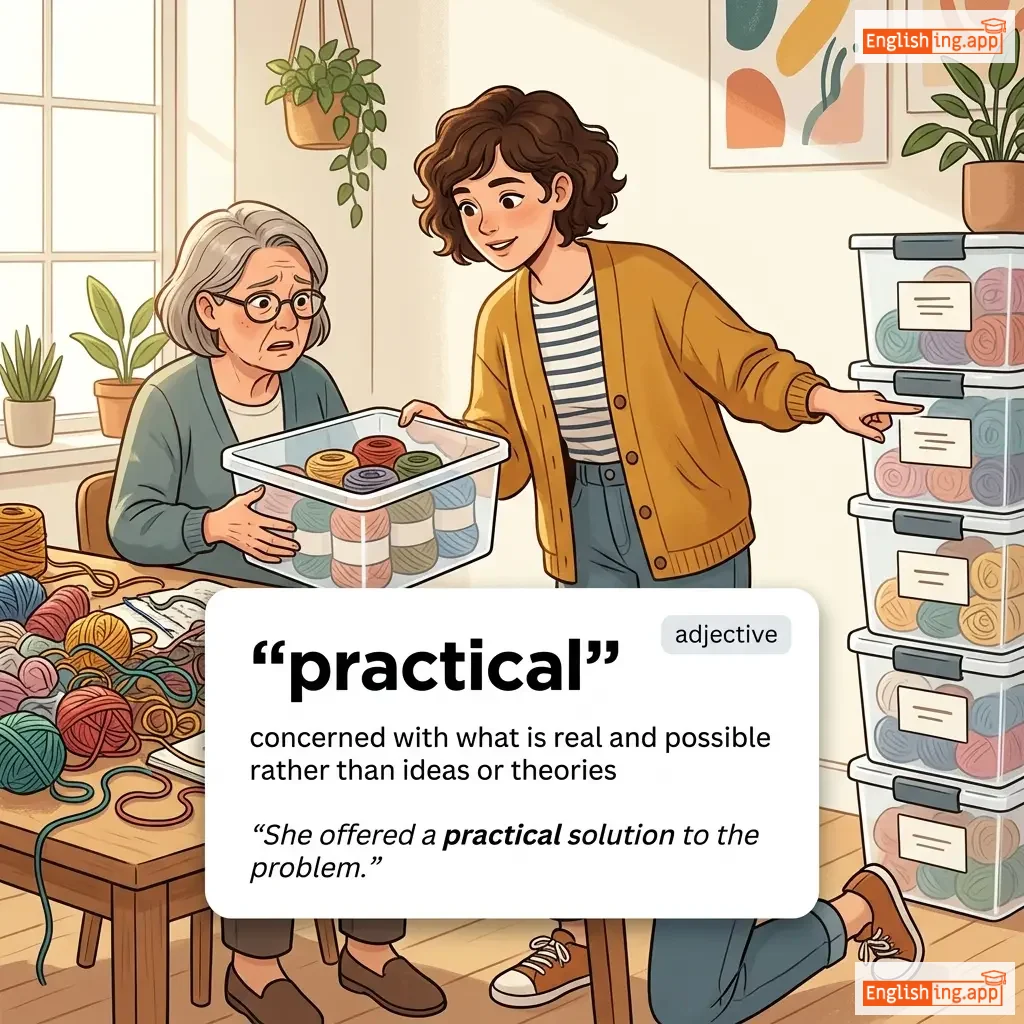
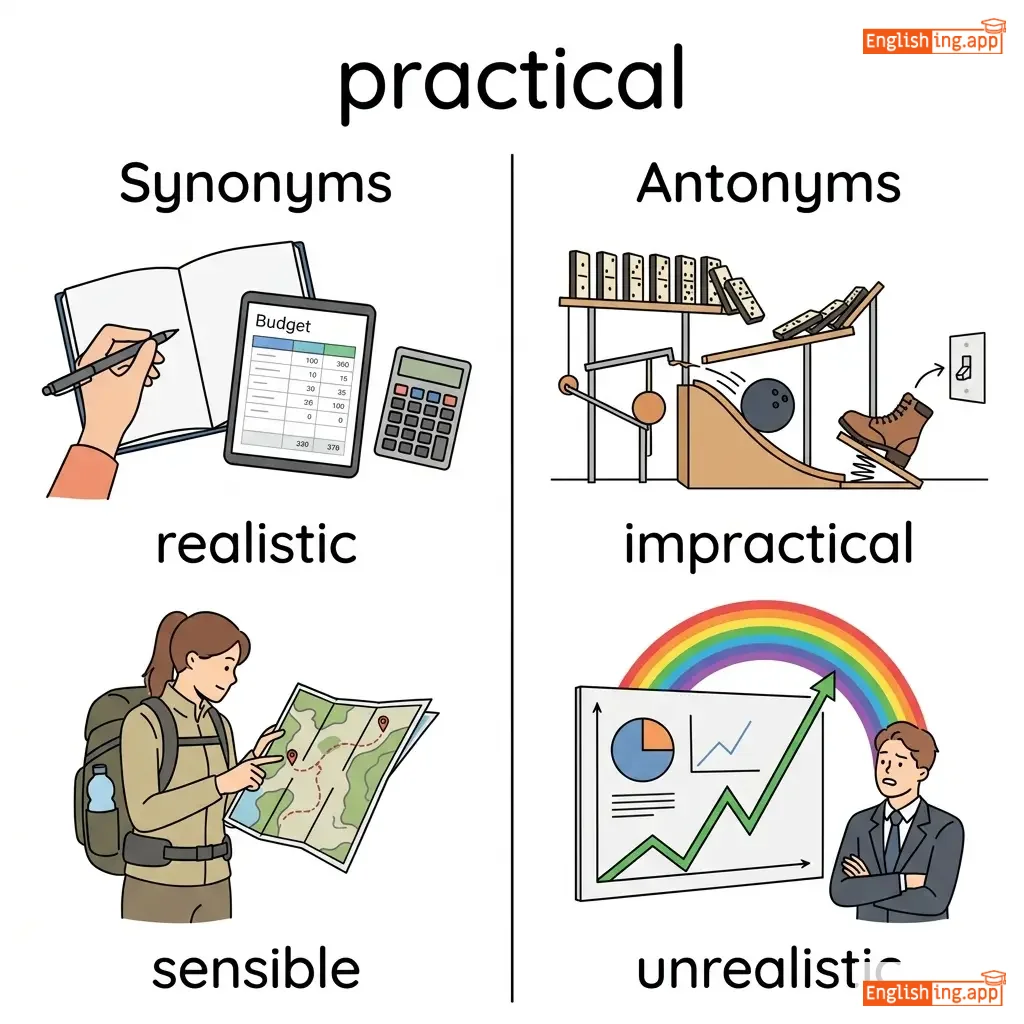
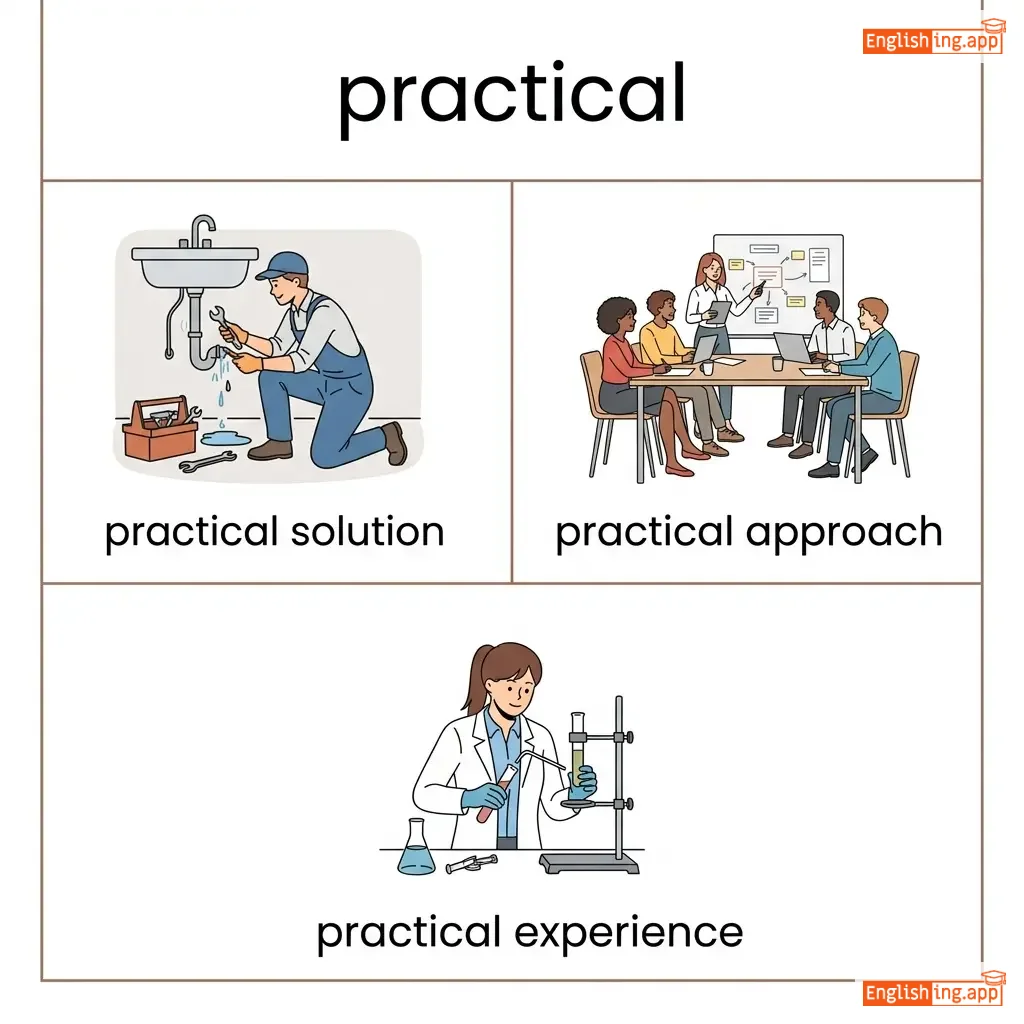
Swipe left or right, or use the buttons. Tap image to zoom.
Traducción de Oración de Ejemplo
Palabra
Lesson 32Lesson 32 - Alternar Máscara
|
Emoji
|
Palabra | Images | Traducción | Meaning | Oración de Ejemplo | Traducción de Oración de Ejemplo | Synonyms | Antonyms | Colocaciones | Mnemotécnico |
|---|---|---|---|---|---|---|---|---|---|---|
|
#621
🤏
|
/ˈpɪd.lɪŋ/
adjective
(píd-ling)
••••••
|
- •••••• |
insignificante; trivial; pequeña cantidad
pidling
••••••
|
trivial; insignificant; small in amount
••••••
|
He was annoyed by the piddling amount of money he received. |
Se molestó por la cantidad insignificante de dinero que recibió.
Se molesto por la cantidad insignificante de dinero que recibio
••••••
|
trivial, insignificant, petty, minor, negligible
••••••
|
significant, substantial, important, major
••••••
|
piddling amount, piddling sum, piddling details
••••••
|
Píd-ling suena a algo tan pequeño como para ser insignificante
••••••
|
|
#622
📜
|
/ˈpɒs.tʃə.məs/
adjective
(póstiumas)
••••••
|
- •••••• |
póstumo
postiumas
••••••
|
occurring or continuing after death; published after the author's death
••••••
|
The author received a posthumous award for his last novel.
El autor recibió un premio póstumo por su última novela.
••••••
|
El autor recibió un premio póstumo por su última novela.
El autor recibio un premio postumo por su ultima novela.
••••••
|
after death, postmortem
••••••
|
living, alive, contemporary
••••••
|
posthumous award, posthumous publication, posthumous recognition
••••••
|
Póstumo comes after death. 'Póstumo' is like the posthumous award.
••••••
|
|
#623
👉
|
/ˈpɔɪn.tɪd/
adjective
(póinted)
••••••
|
- •••••• |
afilado; directo y claro
afilado; directo y claro
••••••
|
having a sharp end; direct and unambiguous
••••••
|
She made a pointed remark about his behavior.
Ella hizo un comentario directo sobre su comportamiento.
••••••
|
Ella hizo un comentario directo sobre su comportamiento.
Ella hizo un comentario directo sobre su comportamiento.
••••••
|
sharp, acute, piercing, direct
••••••
|
blunt, dull, indirect, vague
••••••
|
pointed remark, pointed question, pointed criticism
••••••
|
Un comentario afilado es directo y claro
••••••
|
|
#624
👥
|
/ˈpɒp.jʊ.lər/
adjective
(pópular)
••••••
|
- •••••• |
popular
popular
••••••
|
liked or admired by many people; well-known and widely accepted
••••••
|
This restaurant is very popular among young people. |
Este restaurante es muy popular entre los jóvenes.
Este restaurante es muy popular entre los jóvenes.
••••••
|
famous, well-liked, favored, trendy
••••••
|
unpopular, disliked, unfashionable
••••••
|
popular culture, popular opinion, popular choice
••••••
|
Popular como una canción famosa
••••••
|
|
#625
🌸
|
/pɪŋk/
adjective
(pɪŋk)
••••••
|
- •••••• |
rosado
rosado
••••••
|
pale red color; slightly red
••••••
|
She wore a beautiful pink dress to the party.
Ella llevaba un hermoso vestido rosa en la fiesta.
••••••
|
Ella llevaba un hermoso vestido rosado en la fiesta.
Ella llevaba un hermoso vestido rosado en la fiesta.
••••••
|
rose, rosy, salmon, coral, blush
••••••
|
dark, black, deep
••••••
|
pink flowers, pink cheeks, hot pink, baby pink
••••••
|
Rosado es como un rosa suave, similar a un pálido rojo.
••••••
|
|
#626
💪
|
/ˈpəʊ.tənt/
adjective
(póten(t))
••••••
|
- •••••• |
potente; fuerte; eficaz
potente; fuerte; eficaz
••••••
|
having great strength, power, or effect; influential
••••••
|
The medicine is very potent and should be taken carefully.
La medicina es muy potente y debe tomarse con cuidado.
••••••
|
La medicina es muy potente y debe tomarse con cuidado.
La medicina es muy potente y debe tomarse con cuidado.
••••••
|
powerful, strong, effective, influential
••••••
|
weak, powerless, ineffective
••••••
|
potent medicine, potent force, potent symbol
••••••
|
Imagine a strong, potent medicine helping you like the word 'potente' in Spanish!
••••••
|
|
#627
🏙️
|
/ˈpɒp.jʊ.ləs/
adjective
(पॉपुलस)
••••••
|
- •••••• |
populoso
populoso
••••••
|
having a large population; densely populated; crowded with people
••••••
|
China is the most populous country in the world.
China es el país más poblado del mundo.
••••••
|
China es el país más poblado del mundo.
China es el pais mas poblado del mundo
••••••
|
crowded, densely populated, thronged
••••••
|
sparsely populated, empty, deserted
••••••
|
populous city, populous region, most populous
••••••
|
como China, lleno de gente
••••••
|
|
#628
☠️
|
/ˈpɔɪ.zən.əs/
adjective
(poisonous)
••••••
|
- •••••• |
venenoso; tóxico; mortal
venenoso; toxico; mortal
••••••
|
containing poison; toxic; deadly
••••••
|
The snake is highly poisonous and dangerous. |
La serpiente es muy venenosa y peligrosa.
La serpiente es muy venenosa y peligrosa.
••••••
|
toxic, venomous, deadly, harmful
••••••
|
harmless, safe, non-toxic, beneficial
••••••
|
poisonous snake, poisonous mushroom, poisonous gas
••••••
|
veneno-venenoso; piensa que un veneno de serpiente
••••••
|
|
#629
🙏
|
/pəˈlaɪt/
adjective
(polait)
••••••
|
- •••••• |
educado; respetuoso; cortés
educado; respetuoso; cortes
••••••
|
having good manners; respectful; courteous
••••••
|
He was very polite and respectful to everyone.
Él fue muy educado y respetuoso con todos.
••••••
|
Él fue muy educado y respetuoso con todos.
El fue muy educado y respetuoso con todos.
••••••
|
courteous, respectful, well-mannered, civil
••••••
|
rude, impolite, discourteous, disrespectful
••••••
|
polite conversation, polite request, polite manner
••••••
|
Polite en español es ‘educado’, como el trato respetuoso entre amigos.
••••••
|
|
#630
✅
|
/ˈpɒz.ɪ.tɪv/
adjective
(positivo)
••••••
|
|
positivo
positivo
••••••
|
good or constructive; optimistic; confident; favorable
••••••
|
She has a positive attitude towards life.
Ella tiene una actitud positiva hacia la vida.
••••••
|
Ella tiene una actitud positiva hacia la vida.
Ella tiene una actitud positiva hacia la vida.
••••••
|
optimistic, confident, affirmative, constructive
••••••
|
negative, pessimistic, doubtful
••••••
|
positive thinking, positive feedback, positive result
••••••
|
Positivo significa pensar bien y tener confianza en la vida.
••••••
|
|
#631
🙏
|
/ˈpaɪ.əs/
adjective
(paius)
••••••
|
- •••••• |
piadoso
paius
••••••
|
devoutly religious; showing reverence for God
••••••
|
The pious monk spent hours in prayer every day.
El monje piadoso pasaba horas en oración cada día.
••••••
|
El monje piadoso pasaba horas en oración cada día.
El monje piadoso pasaba horas en oracion cada dia.
••••••
|
devout, religious, holy, righteous, godly
••••••
|
impious, irreligious, godless, sinful
••••••
|
pious believer, pious acts, pious devotion
••••••
|
Pious equals piadoso: Pray Often In Our Santuario, Dios.
••••••
|
|
#632
🌱
|
/pəˈten.ʃəl/
adjective
(potencial)
••••••
|
|
potencial; capacidad de desarrollo; latente
potencial
••••••
|
having possibility; capable of development; latent
••••••
|
She has great potential to become a successful artist.
Ella tiene un gran potencial para convertirse en una artista exitosa.
••••••
|
Ella tiene un gran potencial para convertirse en una artista exitosa.
Ella tiene un gran potencial para convertirse en una artista exitosa.
••••••
|
possible, latent, prospective, promising
••••••
|
actual, realized, kinetic
••••••
|
potential candidate, potential problem, potential energy
••••••
|
In Spanish, 'potencial' sounds like the English word 'potential', helping to remember it.
••••••
|
|
#633
🎩
|
/ˈpɑːm.pəs/
adjective
(pómpus)
••••••
|
- •••••• |
pomposo; pretencioso; excesivamente grandioso
pomposo; pretencioso; excesivamente grandioso
••••••
|
showing off; pretentious; overly grand
••••••
|
His pompous attitude annoyed everyone at the meeting.
Su actitud pomposa molestó a todos en la reunión.
••••••
|
Su actitud pomposa molestó a todos en la reunión.
Su actitud pomposa molesto a todos en la reunión.
••••••
|
arrogant, pretentious, boastful, conceited
••••••
|
humble, modest, simple, unpretentious
••••••
|
pompous speech, pompous manner, pompous display
••••••
|
Imagine a person with a pompous attitude, looking for attention with grand gestures.
••••••
|
|
#634
🤲
|
/pəˈzes.ɪv/
adjective
(happiness)
••••••
|
- •••••• |
felicidad
felicidad
••••••
|
showing a desire to own or control something; unwilling to share; jealously protective
••••••
|
He is very possessive about his car. |
No pudo ocultar su felicidad cuando recibió el premio.
No pudo ocultar su felicidad cuando recibió el premio.
••••••
|
controlling, protective, jealous, clingy
••••••
|
generous, sharing, unselfish
••••••
|
possessive pronoun, possessive behavior, overly possessive
••••••
|
Felicidad suena a felicidad.
••••••
|
|
#635
😢
|
/ˈpɪt.i.əs/
adjective
(pítius)
••••••
|
- •••••• |
lastimoso; compasivo
pityus
••••••
|
deserving pity; arousing compassion
••••••
|
The piteous cries of the injured animal moved everyone to tears.
Los pitéos gritos del animal herido movieron a todos a lágrimas.
••••••
|
Los lastimosos gritos del animal herido movieron a todos a lágrimas.
Los lastimosos gritos del animal herido movieron a todos a lagrimas
••••••
|
pitiful, pathetic, touching, heart-rending, sorrowful
••••••
|
joyful, happy, cheerful, heartening
••••••
|
piteous sight, piteous condition, piteous appeal
••••••
|
Cuando pienses en 'pitéos', recuerda los gritos lastimosos de un animal herido que provocan compasión.
••••••
|
|
#636
🔧
|
/ˈpræk.tɪ.kəl/
adjective
(práctical)
••••••
|
|
práctico; realista; sensato
praktiko
••••••
|
suitable for actual use; realistic; sensible
••••••
|
We need a practical solution to this problem.
Necesitamos una solución práctica para este problema.
••••••
|
Necesitamos una solución práctica para este problema.
Necesitamos una solucion practica para este problema.
••••••
|
realistic, sensible, useful, workable
••••••
|
impractical, theoretical, useless
••••••
|
practical advice, practical experience, practical solution
••••••
|
Cuando algo es práctico, siempre lo podemos usar en la vida real.
••••••
|
|
#637
💸
|
/pʊr/
adjective
(púr)
••••••
|
- •••••• |
pobre; de baja calidad
pobre; de baja calidad
••••••
|
having little money; lacking resources; of low quality
••••••
|
The poor family struggled to make ends meet.
La familia pobre luchó para llegar a fin de mes.
••••••
|
La familia pobre luchó para llegar a fin de mes.
La familia pobre luchó para llegar a fin de mes.
••••••
|
impoverished, needy, destitute, underprivileged
••••••
|
rich, wealthy, affluent, prosperous
••••••
|
poor quality, poor health, poor performance
••••••
|
La pobreza afecta el día a día, pero podemos luchar contra ella.
••••••
|
|
#638
🌾
|
/ˈplen.tɪ.fəl/
adjective
(pléntiful)
••••••
|
- •••••• |
abundante; en gran cantidad
plentiful
••••••
|
abundant; existing in large quantity
••••••
|
The harvest was plentiful this year due to good weather. |
La cosecha fue abundante este año debido al buen clima.
La cosecha fue abundante este año debido al buen clima.
••••••
|
abundant, copious, ample, profuse, bountiful
••••••
|
scarce, sparse, meager, insufficient
••••••
|
plentiful supply, plentiful harvest, plentiful resources
••••••
|
Plentiful = 'Plato lleno' (Full plate, lots of food!)
••••••
|
|
#639
🤔
|
/ˈpɒs.ə.bəl/
adjective
(pósible)
••••••
|
- •••••• |
posible
posible
••••••
|
able to be done or achieved; likely to happen; feasible
••••••
|
It is possible to learn a new language at any age.
Es posible aprender un nuevo idioma a cualquier edad.
••••••
|
Es posible aprender un nuevo idioma a cualquier edad.
Es posible aprender un nuevo idioma a cualquier edad.
••••••
|
feasible, achievable, likely, potential
••••••
|
impossible, unlikely, unachievable
••••••
|
possible solution, possible outcome, as soon as possible
••••••
|
Piensa en algo que puede suceder, como aprender a hablar español en cualquier momento.
••••••
|
|
#640
👏
|
/ˈpreɪz.wɜː.ði/
adjective
(preizwerði)
••••••
|
- •••••• |
digno de elogio
digno de elogio
••••••
|
deserving praise; commendable; admirable
••••••
|
Her charitable work is truly praiseworthy. |
Su trabajo caritativo es verdaderamente digno de elogio.
Su trabajo caritativo es verdaderamente digno de elogio.
••••••
|
commendable, admirable, laudable, meritorious
••••••
|
blameworthy, condemnable, shameful
••••••
|
praiseworthy effort, praiseworthy achievement, praiseworthy behavior
••••••
|
Si algo es digno de elogio, siempre se recuerda como algo bueno.
••••••
|
Vocabulary Quiz
Test your vocabulary by matching words with their translations or meanings.
Login to take the quiz
Comments (0)
Share your thoughts and join the discussion.
Join the discussion by logging in
Login to CommentNo comments yet
Be the first to share your thoughts!