

Traducción
Pasado
Participio Pasado
Tercera Persona Singular
Gerundio
Meaning
Oración de Ejemplo
Traducción de Oración de Ejemplo
Synonyms
Antonyms
Colocaciones
Mnemotécnico

Swipe left or right, or use the buttons. Tap image to zoom.
Traducción de Oración de Ejemplo
Palabra
Lesson 57Lesson 57 - Alternar Máscara
|
Emoji
|
Palabra | Images | Traducción | Meaning | Oración de Ejemplo | Traducción de Oración de Ejemplo | Synonyms | Antonyms | Colocaciones | Mnemotécnico |
|---|---|---|---|---|---|---|---|---|---|---|
|
#1121
🦊
|
/ˈwaɪ.li/
adjective
(wáili)
••••••
|
- •••••• |
astuto; astuto; engañoso
astuto; astuto; enganosos
••••••
|
clever; cunning; sly
••••••
|
The wily fox escaped from the trap using his cunning intelligence.
El zorro wily escapó de la trampa usando su astuta inteligencia.
••••••
|
El zorro astuto escapó de la trampa utilizando su inteligencia astuta.
El zorro astuto escapó de la trampa utilizando su inteligencia astuta
••••••
|
cunning, crafty, sly, clever, shrewd
••••••
|
naive, innocent, straightforward, honest, guileless
••••••
|
wily fox, wily politician, wily scheme, wily smile
••••••
|
Sé un zorro astuto y elige las mejores oportunidades con inteligencia astuta
••••••
|
|
#1122
😴
|
/ˈwɪəri/
adjective
(wíari)
••••••
|
- •••••• |
cansado; agotado
cansado; agotado
••••••
|
feeling or showing extreme tiredness; tired and lacking energy
••••••
|
She felt weary after working twelve hours straight.
Ella se sintió cansada después de trabajar doce horas seguidas.
••••••
|
Ella se sintió cansada después de trabajar doce horas seguidas.
Ella se sintió cansada después de trabajar doce horas seguidas.
••••••
|
tired, exhausted, fatigued, drained
••••••
|
energetic, refreshed, vigorous, lively
••••••
|
weary traveler, grow weary, weary smile
••••••
|
Weary en español es cansado; agotado después de estar muy ocupado
••••••
|
|
#1123
↔️
|
/waɪd/
adjective
(wáid)
••••••
|
- •••••• |
ancho; amplio
ancho; amplio
••••••
|
having a great distance from one side to the other; broad
••••••
|
The river is very wide at this point. |
El río es muy ancho en este punto.
El río es muy ancho en este punto.
••••••
|
broad, extensive, spacious, vast
••••••
|
narrow, thin, restricted
••••••
|
wide range, wide variety, wide open, wide awake
••••••
|
Ancho río, amplio espacio.
••••••
|
|
#1124
🎭
|
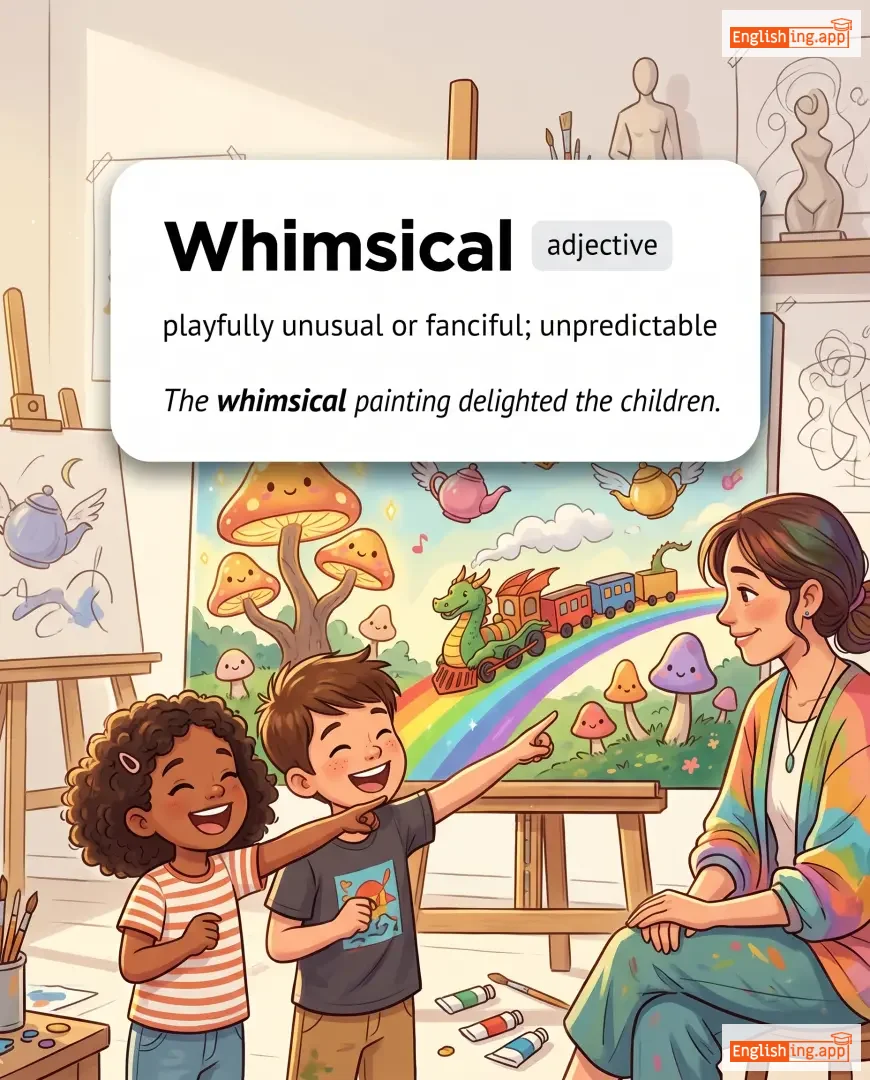
/ˈwɪm.zɪ.kəl/
adjective
(wím-sikal)
••••••
|
|
caprichoso; extraño
caprichoso; extrano
••••••
|
playfully quaint or fanciful, especially in an appealing and amusing way
••••••
|
The artist created whimsical sculptures that delighted children.
El artista creó esculturas caprichosas que encantaron a los niños.
••••••
|
El artista creó esculturas caprichosas que encantaron a los niños.
El artista creo esculturas caprichosas que encantaron a los ninos.
••••••
|
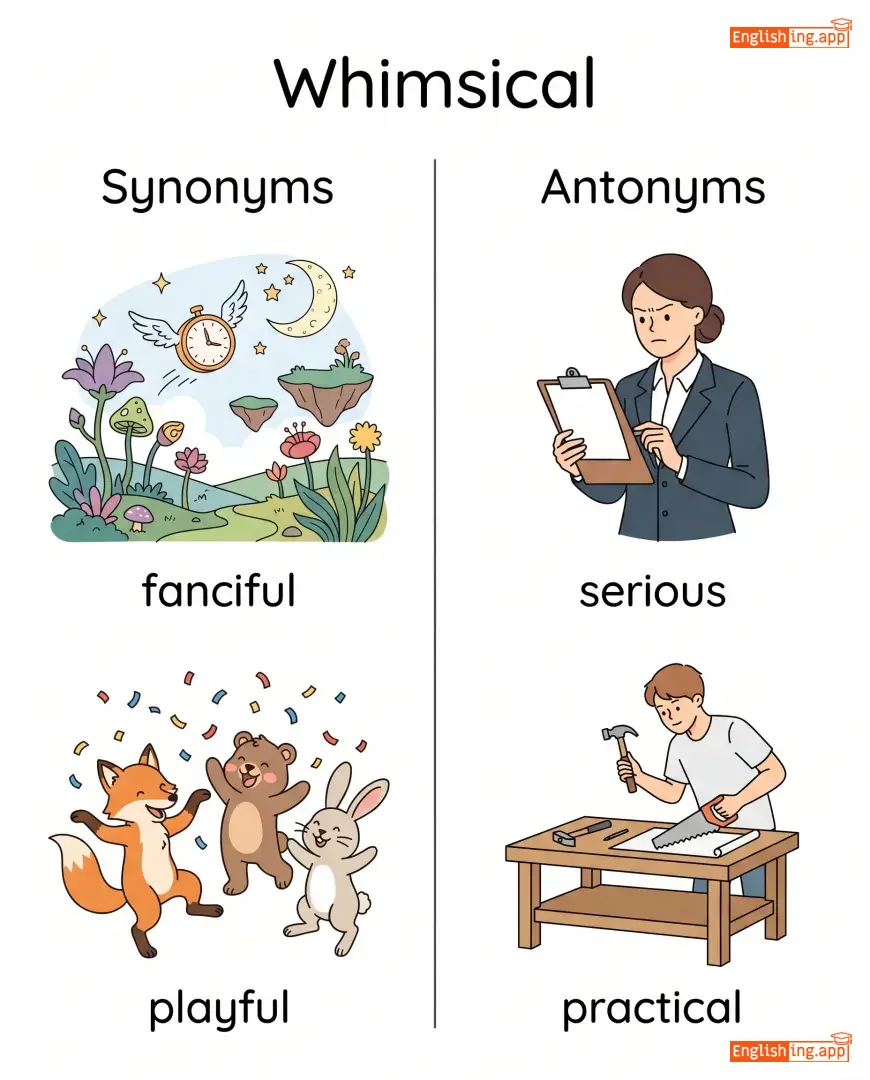
fanciful, playful, quirky, imaginative
••••••
|
serious, solemn, practical, realistic
••••••
|
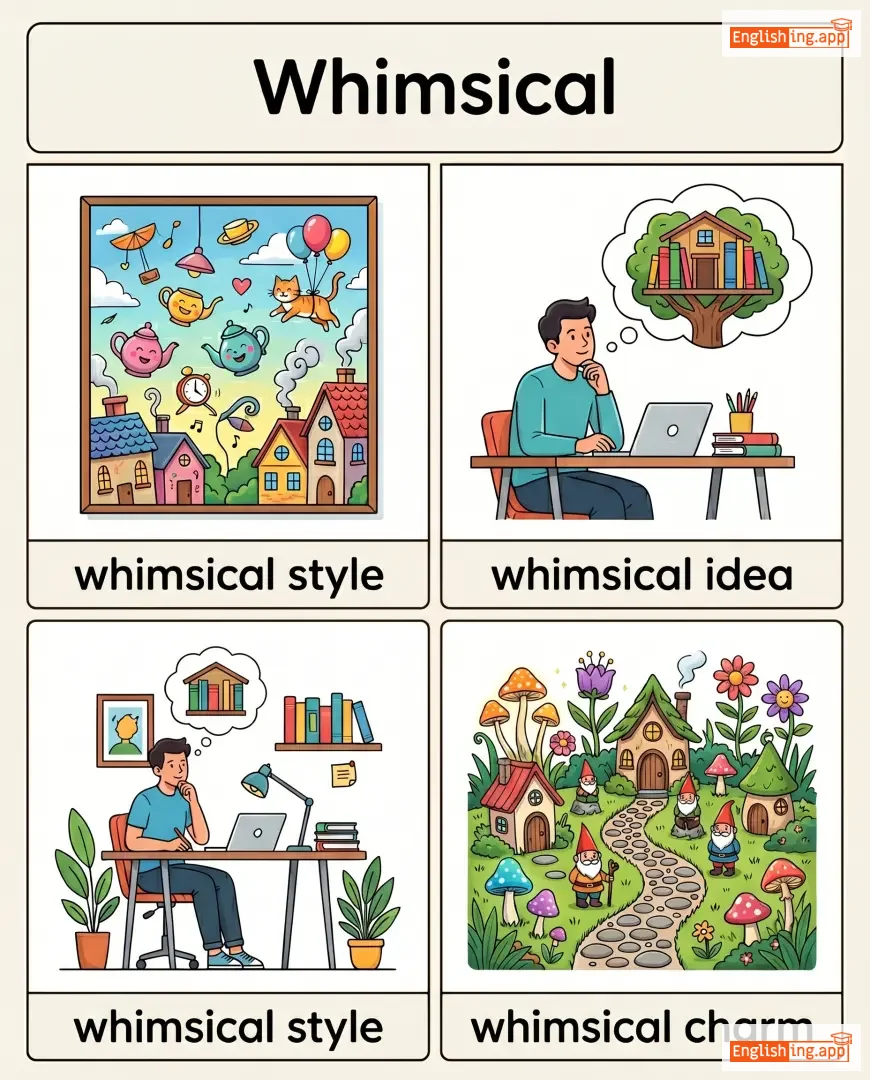
whimsical character, whimsical design, whimsical story
••••••
|
Imagine a whimsical artist creating fun, quirky sculptures!
••••••
|
|
#1125
📶
|
/ˈwaɪə.ləs/
adjective
(wáyarlés)
••••••
|
- •••••• |
inalámbrico; sin cables
inalámbrico; sin cables
••••••
|
operating without wires; using radio waves for communication
••••••
|
My wireless headphones provide excellent sound quality without any cables.
Mis audífonos inalámbricos ofrecen excelente calidad de sonido sin cables.
••••••
|
Mis audífonos inalámbricos ofrecen excelente calidad de sonido sin cables.
Mis audífonos inalámbricos ofrecen excelente calidad de sonido sin cables.
••••••
|
cordless, radio, untethered, cable-free
••••••
|
wired, corded, connected, tethered
••••••
|
wireless network, wireless technology, wireless device, wireless connection
••••••
|
Wireless (Wi-Fi) = Free from wires
••••••
|
|
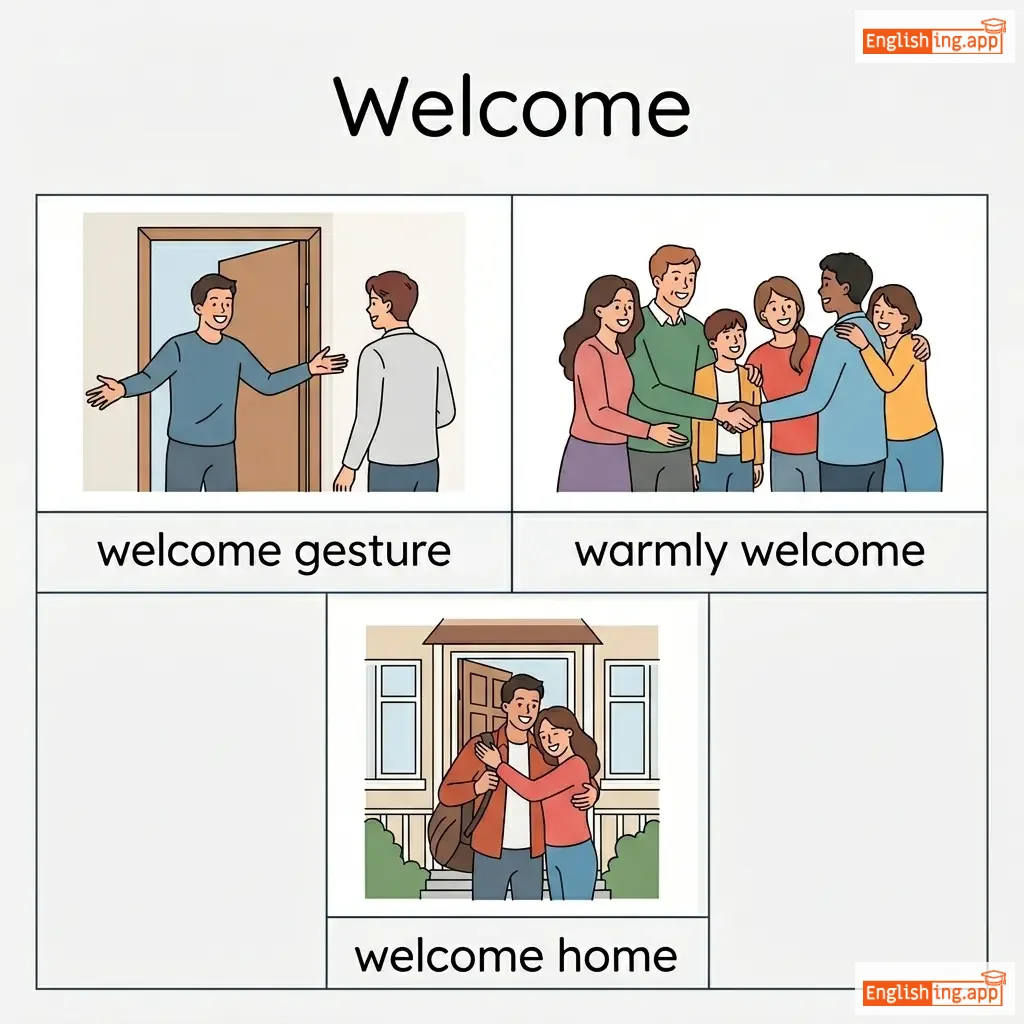
#1126
🤗
|
/ˈwelkəm/
adjective
(wel-kam)
••••••
|
|
bienvenido
bienvenido
••••••
|
received with pleasure; giving pleasure; allowed or invited
••••••
|
You are always welcome in our home. |
Siempre eres bienvenido en nuestra casa.
siempre eres bienvenido en nuestra casa.
••••••
|
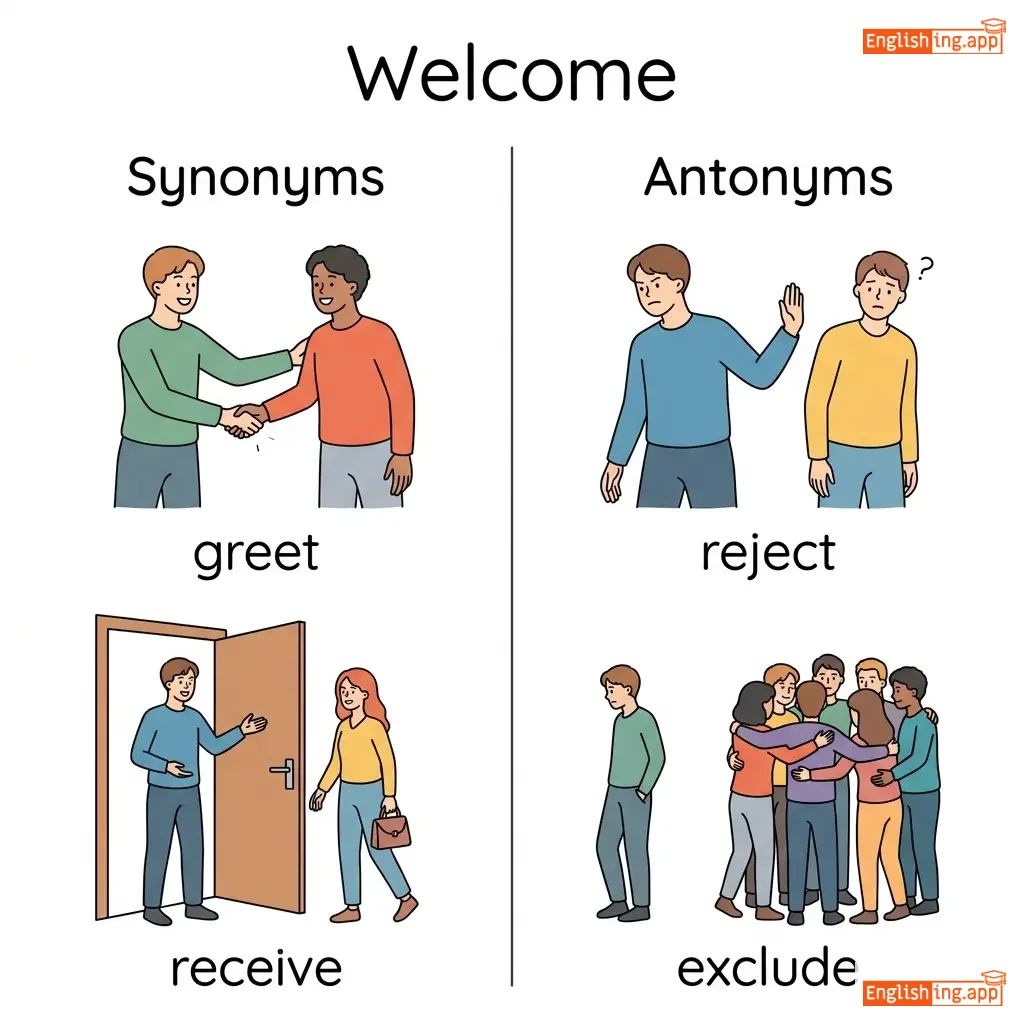
accepted, received, appreciated, invited
••••••
|
unwelcome, unwanted, rejected, excluded
••••••
|
welcome guest, welcome news, feel welcome
••••••
|
Spanish 'bienvenido' means a warm welcome.
••••••
|
|
#1127
🌍
|
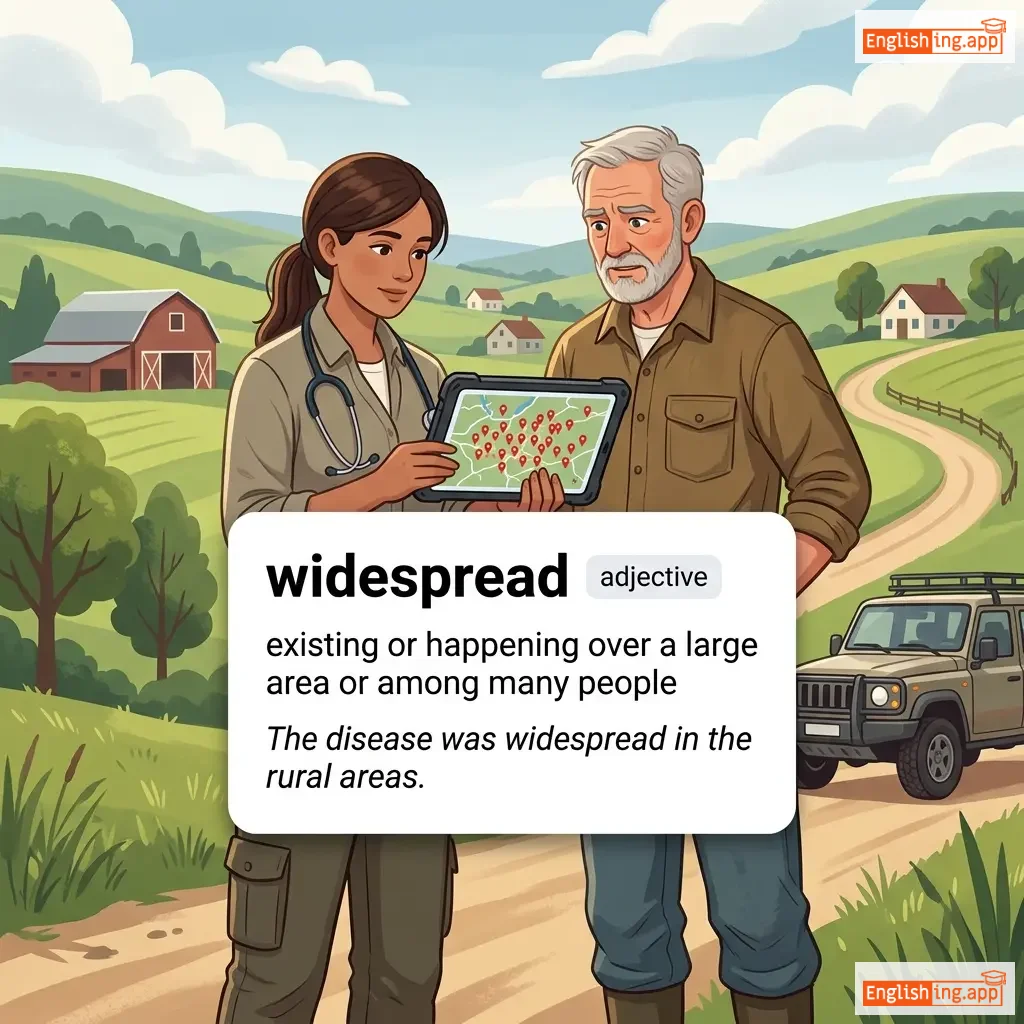
/ˈwaɪd.sprɛd/
adjective
(wáidspred)
••••••
|
|
generalizado
generalizado
••••••
|
existing or happening in many places or among many people
••••••
|
There is widespread support for the new policy. |
Hay un apoyo generalizado para la nueva política.
Hay un apoyo generalizado para la nueva política.
••••••
|
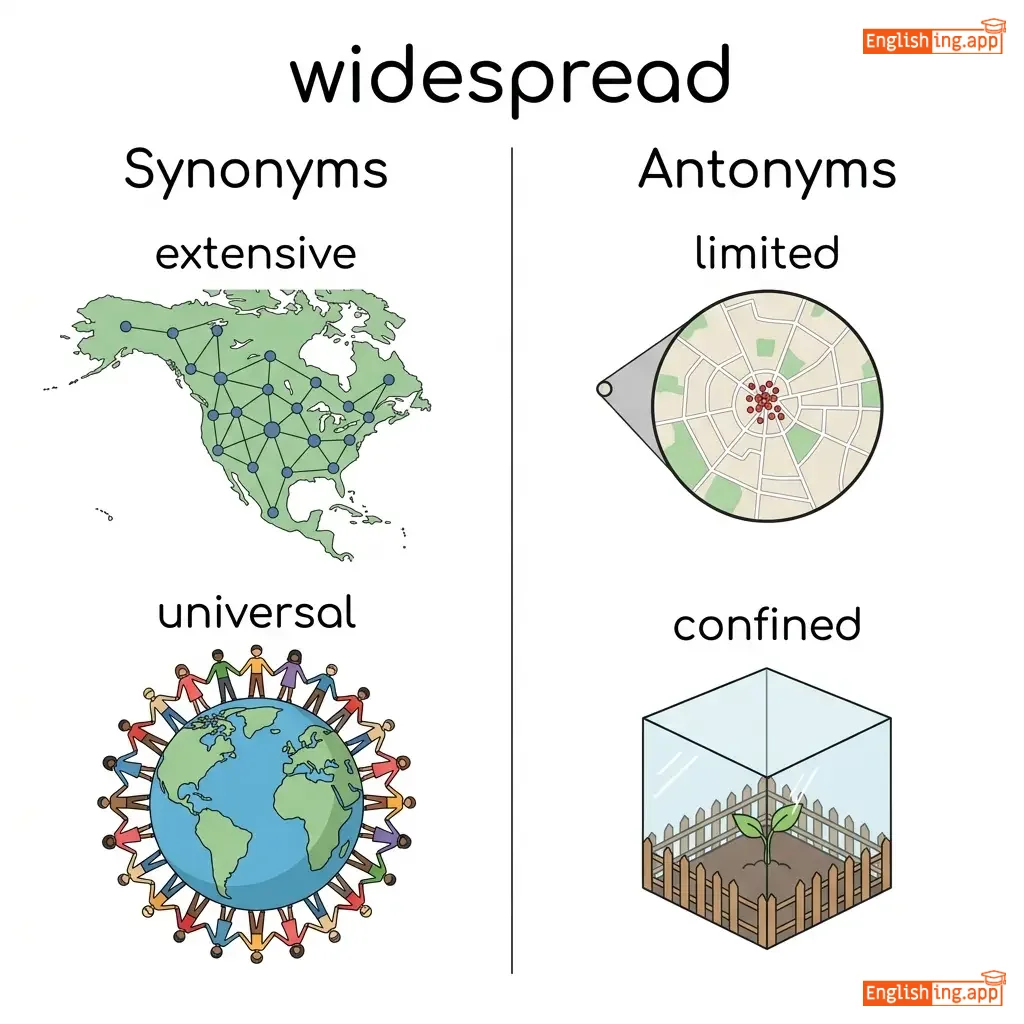
extensive, prevalent, universal, common
••••••
|
limited, localized, restricted, rare
••••••
|
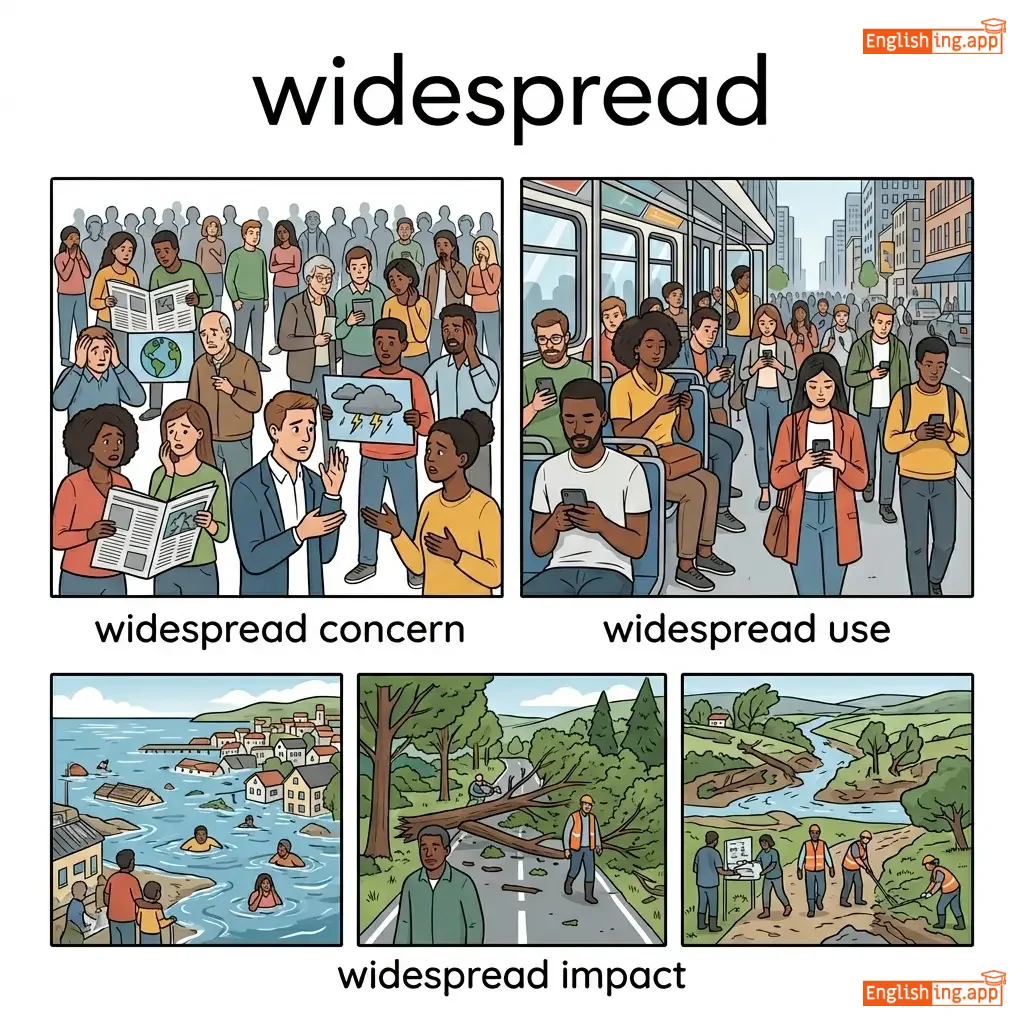
widespread support, widespread use, widespread damage, widespread belief
••••••
|
Spanish 'generalizado' resembles 'widespread'.
••••••
|
|
#1128
⚪
|
/waɪt/
adjective
(wáit)
••••••
|
- •••••• |
blanco; puro
blanco; puro
••••••
|
of the color of snow or milk; pale; pure
••••••
|
She wore a beautiful white dress to the wedding.
Ella usó un hermoso vestido blanco en la boda.
••••••
|
Ella usó un hermoso vestido blanco en la boda.
Ella usó un hermoso vestido blanco en la boda.
••••••
|
pale, colorless, snow-white, ivory
••••••
|
black, dark, colored
••••••
|
white paper, white shirt, white house
••••••
|
In Spanish, 'blanco' is white, just like milk!
••••••
|
|
#1129
🔵
|
/hoʊl/
adjective
(joul)
••••••
|
- •••••• |
entero entera
entero entera
••••••
|
complete; entire; all of something
••••••
|
He ate the whole pizza by himself.
Si comio toda la pizza el solo.
••••••
|
Se comió toda la pizza él solo.
se comio toda la pizza el solo
••••••
|
complete, entire, total, full
••••••
|
partial, incomplete, broken, fragmented
••••••
|
whole story, whole family, whole day
••••••
|
Entender 'entero' = entire — piensa: entero pizza = whole pizza
••••••
|
|
#1130
🐺
|
/waɪld/
adjective
(waild)
••••••
|
- •••••• |
salvaje; indomesticado
salvaje
••••••
|
living in natural conditions; not domesticated or cultivated; uncontrolled
••••••
|
We saw wild animals in the forest.
Vimos animales salvajes en el bosque.
••••••
|
Vimos animales salvajes en el bosque.
Vimos animales salvajes en el bosque.
••••••
|
untamed, savage, fierce, uncontrolled
••••••
|
tame, domestic, civilized, controlled
••••••
|
wild animal, wild nature, wild party, wild guess
••••••
|
Imagine a wild bull in a 'salvaje' state in a forest.
••••••
|
|
#1131
💪❌
|
/wiːk/
adjective
(wík)
••••••
|
- •••••• |
débil; frágil
debil; fragil
••••••
|
lacking physical strength; not strong; fragile
••••••
|
After the illness, he felt weak and tired.
Después de la enfermedad, él se sintió débil y cansado.
••••••
|
Después de la enfermedad, él se sintió débil y cansado.
Despues de la enfermedad, él se sintió débil y cansado.
••••••
|
feeble, frail, fragile, powerless
••••••
|
strong, powerful, robust, sturdy
••••••
|
weak point, weak signal, feel weak, grow weak
••••••
|
Weak in English sounds like 'wík' in Spanish, both meaning 'débil'.
••••••
|
|
#1132
😇
|
/ˌwel bɪˈheɪvd/
adjective
(wel bi'heɪvd)
••••••
|
- •••••• |
bien educado
bien educado
••••••
|
conducting oneself in a proper and polite manner; showing good manners
••••••
|
The children were well-behaved during the ceremony. |
Los niños se comportaron bien durante la ceremonia.
Los niños se comportaron bien durante la ceremonia.
••••••
|
polite, courteous, mannerly, respectful
••••••
|
misbehaved, rude, impolite, unruly
••••••
|
well-behaved child, well-behaved student, well-behaved dog
••••••
|
Spanish 'bien educado' means 'well educated' and helps remember 'well-behaved'.
••••••
|
|
#1133
🌱
|
/ˈhoʊl.səm/
adjective
(jólsom)
••••••
|
- •••••• |
saludable; beneficioso para el bienestar físico o moral
saludable; beneficioso para el bienestar fisico o moral
••••••
|
conducive to or promoting moral or physical well-being; healthy
••••••
|
Eating wholesome food is important for good health.
Comer comida saludable es importante para la buena salud.
••••••
|
Comer comida saludable es importante para la buena salud.
comer comida saludable es importante para la buena salud
••••••
|
healthy, nutritious, beneficial, pure
••••••
|
unhealthy, harmful, unwholesome, toxic
••••••
|
wholesome food, wholesome entertainment, wholesome values
••••••
|
Comer comida saludable es beneficioso para el bienestar físico y moral. (Eating healthy food is beneficial for physical and moral well-being.)
••••••
|
|
#1134
👏
|
/ˌwel ˈdʌn/
adjective
(wel dón)
••••••
|
- •••••• |
bien hecho; completamente cocinado
bien hecho; completamente cocinado
••••••
|
performed skillfully and successfully; cooked thoroughly
••••••
|
The project was well-done and impressed everyone. |
El proyecto estuvo bien hecho y sorprendió a todos.
El proyecto estuvo bien hecho y sorprendió a todos.
••••••
|
excellent, skillful, successful, praiseworthy
••••••
|
poorly done, unsuccessful, inadequate, sloppy
••••••
|
well-done steak, well-done job, well-done performance
••••••
|
Well-done in Spanish means 'bien hecho', just like a project done really well.
••••••
|
|
#1135
😤
|
/ˈwɪl.fəl/
adjective
(wílful)
••••••
|
- •••••• |
terco; intencional
terko; intensional
••••••
|
deliberately stubborn; done on purpose; intentional
••••••
|
His wilful disobedience led to punishment.
Su desobediencia deliberada lo llevó a un castigo.
••••••
|
Su desobediencia deliberada lo llevó a un castigo.
Su desobediencia deliberada lo llevo a un castigo.
••••••
|
stubborn, obstinate, deliberate, intentional
••••••
|
obedient, compliant, accidental, unintentional
••••••
|
wilful disobedience, wilful damage, wilful neglect, wilful ignorance
••••••
|
Wilful = Will + Full (willful like full determination)
••••••
|
|
#1136
💰
|
/ˈwel.θi/
adjective
(wéltʰi)
••••••
|
- •••••• |
rico; adinerado; próspero
rico; adinerado; prospero
••••••
|
having a great deal of money; rich; prosperous
••••••
|
The wealthy businessman donated millions to charity. |
El hombre de negocios rico donó millones a la caridad.
El hombre de negocios rico dono millones a la caridad.
••••••
|
rich, affluent, prosperous, well-off
••••••
|
poor, impoverished, destitute, needy
••••••
|
wealthy family, wealthy individual, become wealthy, extremely wealthy
••••••
|
Un hombre rico tiene un gran flujo de dinero.
••••••
|
|
#1137
😈
|
/ˈwɪk.ɪd/
adjective
(wíked)
••••••
|
- •••••• |
malvado; perverso;
malvado; perverso
••••••
|
evil or morally wrong; intended to or capable of harming someone or something
••••••
|
The wicked queen cast a spell on the princess.
La reina malvada lanzó un hechizo sobre la princesa.
••••••
|
La reina malvada lanzó un hechizo sobre la princesa.
La reina malvada lanzo un hechizo sobre la princesa.
••••••
|
evil, malicious, cruel, sinful
••••••
|
good, virtuous, kind, righteous
••••••
|
wicked person, wicked deed, wicked smile
••••••
|
Malvado y perverso se usan para describir actos de maldad.
••••••
|
|
#1138
💧
|
/wet/
adjective
(wét)
••••••
|
- •••••• |
mojado; empapado;
mojado; empapado;
••••••
|
covered or saturated with water or another liquid; not dry
••••••
|
My clothes are still wet from the rain.
Mis ropas todavía están mojadas de la lluvia.
••••••
|
Mis ropas todavía están mojadas de la lluvia.
Mis ropas todavia estan mojadas de la lluvia.
••••••
|
damp, moist, soaked, drenched
••••••
|
dry, arid, parched, dehydrated
••••••
|
wet clothes, wet weather, get wet
••••••
|
La lluvia moja todo.
••••••
|
|
#1139
🙋♂️
|
/ˈwɪl.ɪŋ/
adjective
(wílɪŋ)
••••••
|
- •••••• |
dispuesto; dispuesto a
dispuesto; dispuesto a
••••••
|
ready, eager, or prepared to do something
••••••
|
She is willing to help with the project. |
Ella está dispuesta a ayudar con el proyecto.
Ella está dispuesta a ayudar con el proyecto.
••••••
|
ready, eager, prepared, inclined
••••••
|
unwilling, reluctant, hesitant, resistant
••••••
|
willing to help, willing participant, willing cooperation, willing spirit
••••••
|
dispuesto = willing, ansioso = eager
••••••
|
|
#1140
😴
|
/ˈwɪr.i.səm/
adjective
(wíerisom)
••••••
|
- •••••• |
agotador; tedioso y aburrido
agotador; tedioso y aburrido
••••••
|
causing tiredness; tedious; boring and exhausting
••••••
|
The wearisome journey took twelve hours to complete. |
El agotador viaje tomó doce horas para completarse.
El agotador viaje tomó doce horas para completarse.
••••••
|
tiresome, tedious, boring, exhausting
••••••
|
refreshing, energizing, exciting, invigorating
••••••
|
wearisome task, wearisome journey, wearisome work, wearisome routine
••••••
|
Weariness from long travels leaves you exhausted and bored!
••••••
|
Vocabulary Quiz
Test your vocabulary by matching words with their translations or meanings.
Login to take the quiz
Comments (0)
Share your thoughts and join the discussion.
Join the discussion by logging in
Login to CommentNo comments yet
Be the first to share your thoughts!