


Swipe left or right, or use the buttons. Tap image to zoom.
例句翻译
单词
Lesson 57Lesson 57 - 遮罩切换
|
表情符号
|
单词 | Images | 翻译 | 含义 | 例句 | 例句翻译 | 同义词 | 反义词 | 搭配词 | 助记符 |
|---|---|---|---|---|---|---|---|---|---|---|
|
#1121
🦊
|
/ˈwaɪ.li/
adjective
(waili)
••••••
|
- •••••• |
狡猾的; 机智的; 狡猾的
jiǎo huá de; jī zhì de; jiǎo huá de
••••••
|
clever; cunning; sly
••••••
|
The wily fox escaped from the trap using his cunning intelligence.
狡猾的狐狸利用自己的聪明才智逃脱了陷阱。
••••••
|
狡猾的狐狸利用自己的聪明才智逃脱了陷阱。
Jiǎo huá de hú lí lì yòng zì jǐ de cōng míng cái zhì táo tuō le xiàn jǐng.
••••••
|
cunning, crafty, sly, clever, shrewd
••••••
|
naive, innocent, straightforward, honest, guileless
••••••
|
wily fox, wily politician, wily scheme, wily smile
••••••
|
成为聪明的狐狸,巧妙地避开人生的陷阱。
••••••
|
|
#1122
😴
|
/ˈwɪəri/
adjective
(wēi'āi)
••••••
|
- •••••• |
疲倦的; 筋疲力尽的
píjuàn de; jīnpí lìjìn de
••••••
|
feeling or showing extreme tiredness; tired and lacking energy
••••••
|
She felt weary after working twelve hours straight.
她工作了十二小时后感到非常疲倦。
••••••
|
她工作了十二小时后感到非常疲倦。
Tā gōngzuòle shí'èr xiǎoshí hòu gǎndào fēicháng píjuàn.
••••••
|
tired, exhausted, fatigued, drained
••••••
|
energetic, refreshed, vigorous, lively
••••••
|
weary traveler, grow weary, weary smile
••••••
|
Weary = 疲倦的, 换句'我做了太多'时就能用
••••••
|
|
#1123
↔️
|
/waɪd/
adjective
(wáid)
••••••
|
- •••••• |
宽; 广
kuan; guang
••••••
|
having a great distance from one side to the other; broad
••••••
|
The river is very wide at this point. |
这条河在这一点非常宽。
Zhe tiao he zai zhe yidian feichang kuan.
••••••
|
broad, extensive, spacious, vast
••••••
|
narrow, thin, restricted
••••••
|
wide range, wide variety, wide open, wide awake
••••••
|
宽广的河流,宽阔的空间。
••••••
|
|
#1124
🎭
|
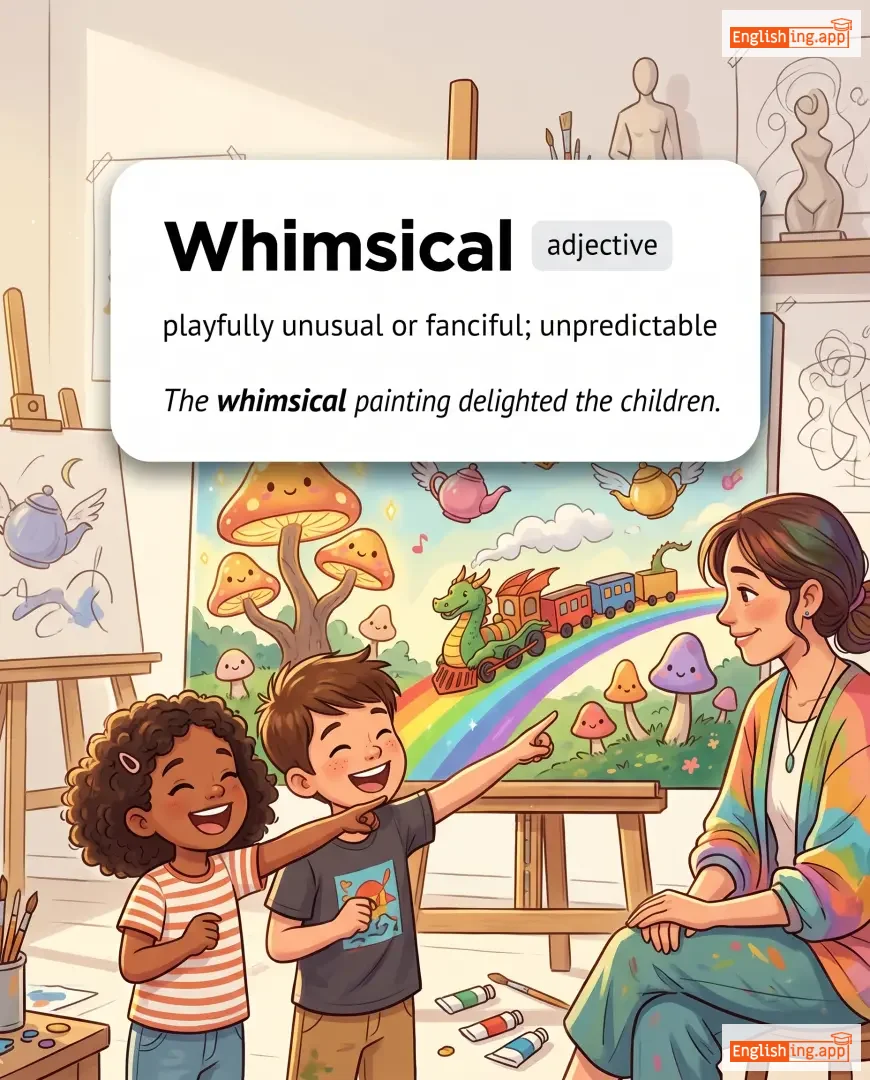
/ˈwɪm.zɪ.kəl/
adjective
(wēimìsī kǎo)
••••••
|
|
异想天开; 古怪
yìxiǎngtiānkāi; gǔguài
••••••
|
playfully quaint or fanciful, especially in an appealing and amusing way
••••••
|
The artist created whimsical sculptures that delighted children.
艺术家创作了富有奇思妙想的雕塑,令孩子们开心。
••••••
|
艺术家创作了富有奇思妙想的雕塑,令孩子们开心。
Yìshùjiā chuàngzuòle fùyǒu qí sī miào xiǎng de diāosù, lìng háizimen kāixīn.
••••••
|
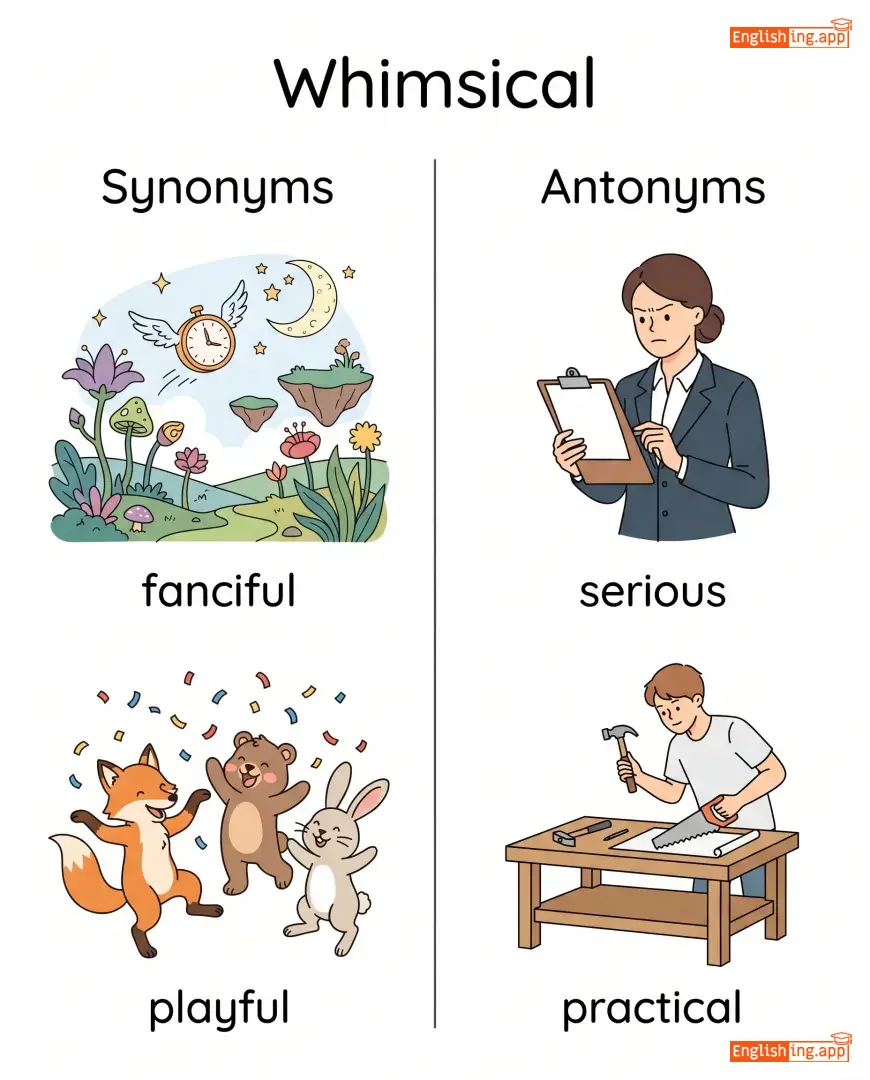
fanciful, playful, quirky, imaginative
••••••
|
serious, solemn, practical, realistic
••••••
|
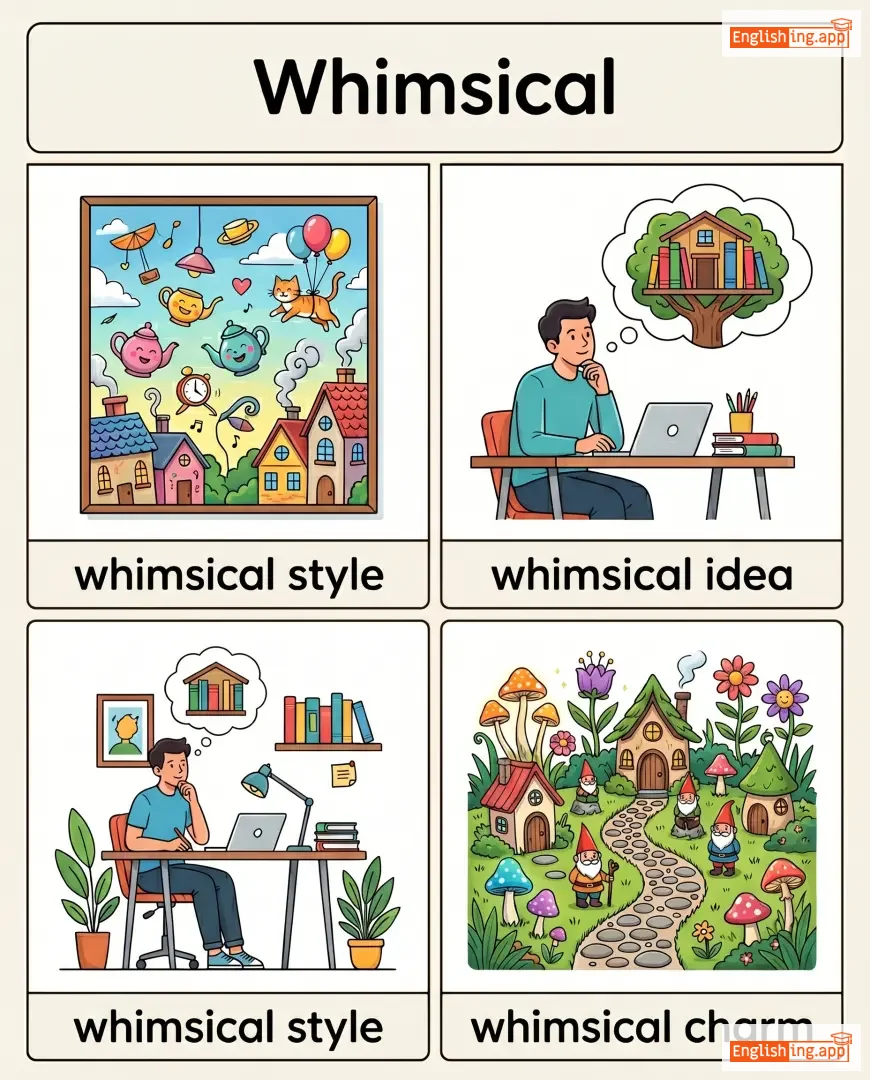
whimsical character, whimsical design, whimsical story
••••••
|
A whimsical artist creates quirky and playful sculptures for kids!
••••••
|
|
#1125
📶
|
/ˈwaɪə.ləs/
adjective
(wǎi'ěr lè sī)
••••••
|
- •••••• |
无线; 无电缆
wúxiàn; wú diànlǎn
••••••
|
operating without wires; using radio waves for communication
••••••
|
My wireless headphones provide excellent sound quality without any cables.
我的无线耳机提供了出色的音质,完全没有电缆。
••••••
|
我的无线耳机提供了出色的音质,完全没有电缆。
wǒ de wúxiàn ěrjī tígōngle chūsè de yīnzhì, wánquán méiyǒu diànlǎn.
••••••
|
cordless, radio, untethered, cable-free
••••••
|
wired, corded, connected, tethered
••••••
|
wireless network, wireless technology, wireless device, wireless connection
••••••
|
Wireless = 无线连接,无需任何电缆
••••••
|
|
#1126
🤗
|
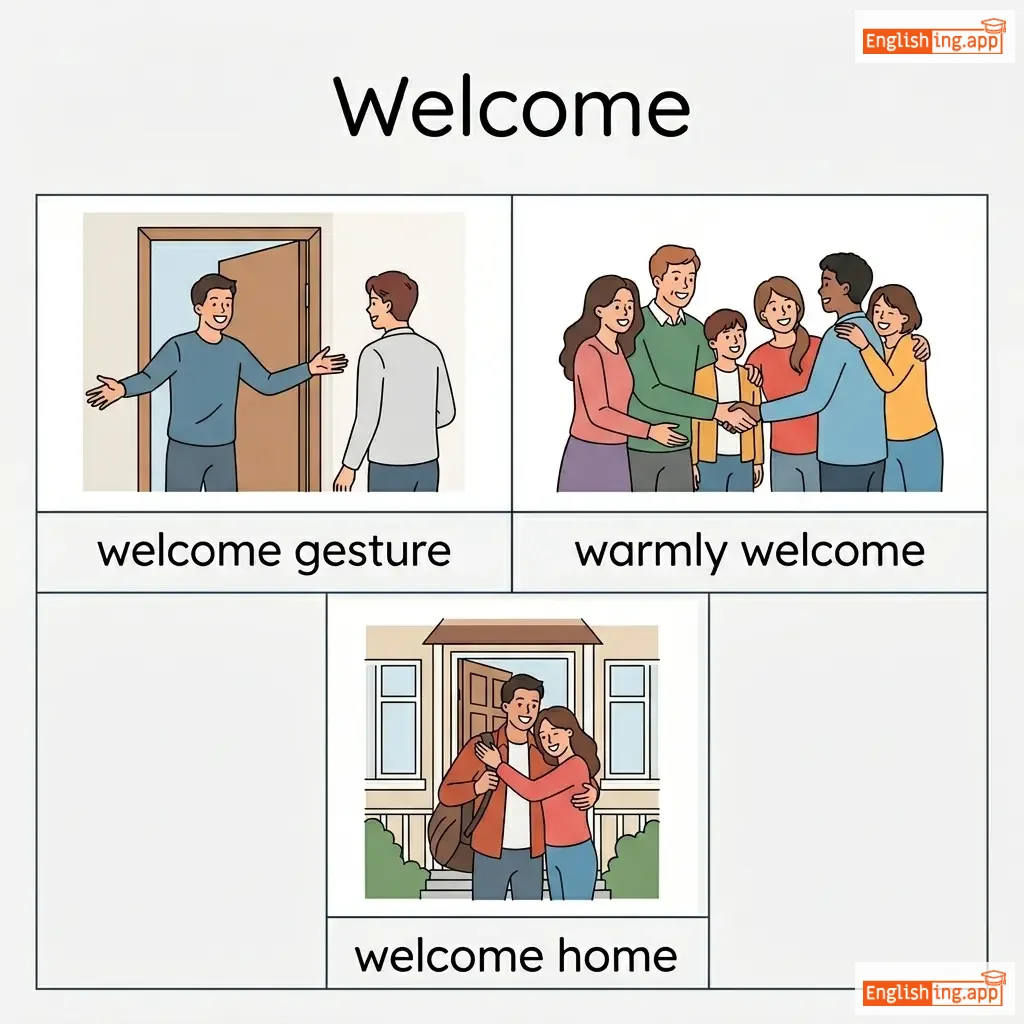
/ˈwelkəm/
adjective
(wéi-kāng)
••••••
|
|
欢迎
huān yíng
••••••
|
received with pleasure; giving pleasure; allowed or invited
••••••
|
You are always welcome in our home. |
你总是在我们家受到欢迎。
nǐ zǒng shì zài wǒmen jiā shòu dào huān yíng.
••••••
|
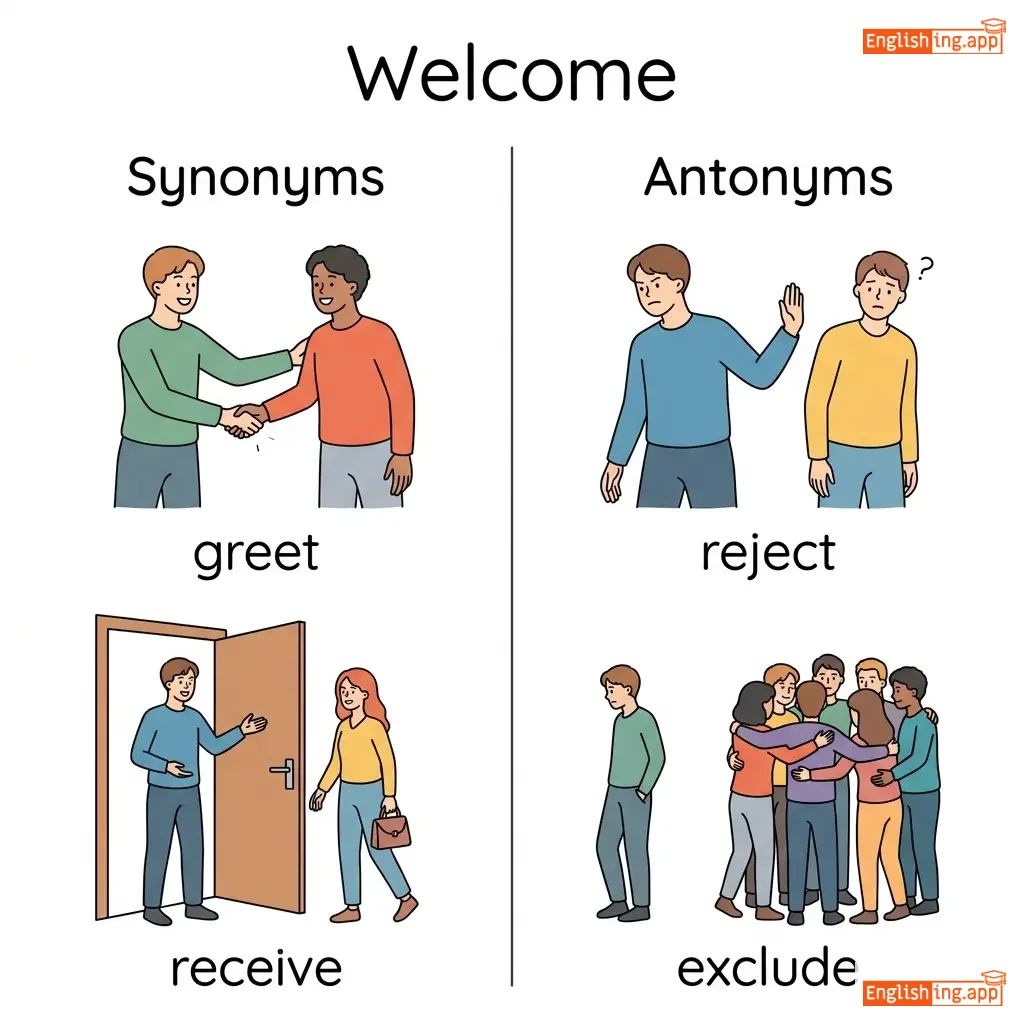
accepted, received, appreciated, invited
••••••
|
unwelcome, unwanted, rejected, excluded
••••••
|
welcome guest, welcome news, feel welcome
••••••
|
Chinese 'huān yíng' is a warm greeting, like a welcome.
••••••
|
|
#1127
🌍
|
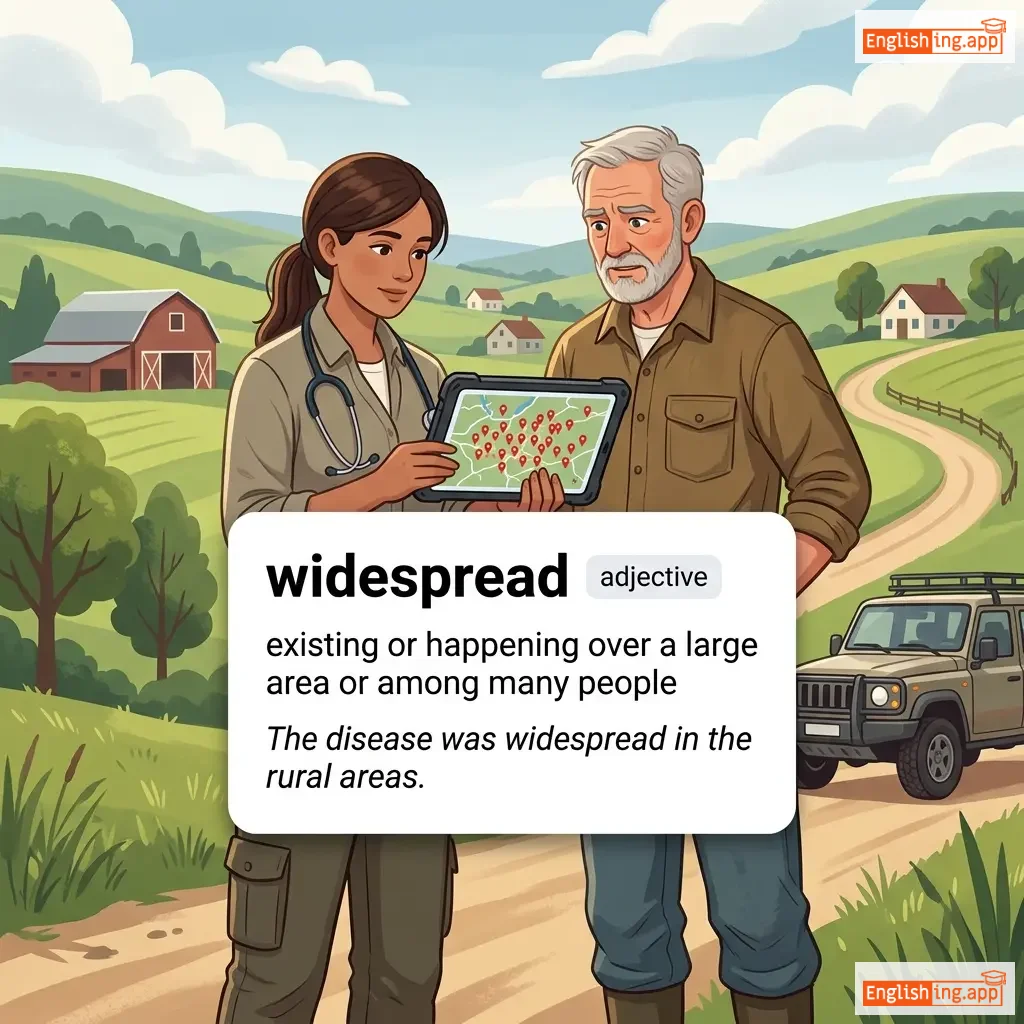
/ˈwaɪd.sprɛd/
adjective
(wáidspred)
••••••
|
|
广泛的
guǎngfàn de
••••••
|
existing or happening in many places or among many people
••••••
|
There is widespread support for the new policy. |
新政策得到了广泛的支持。
xīn zhèngcè dédàole guǎngfàn de zhīchí.
••••••
|
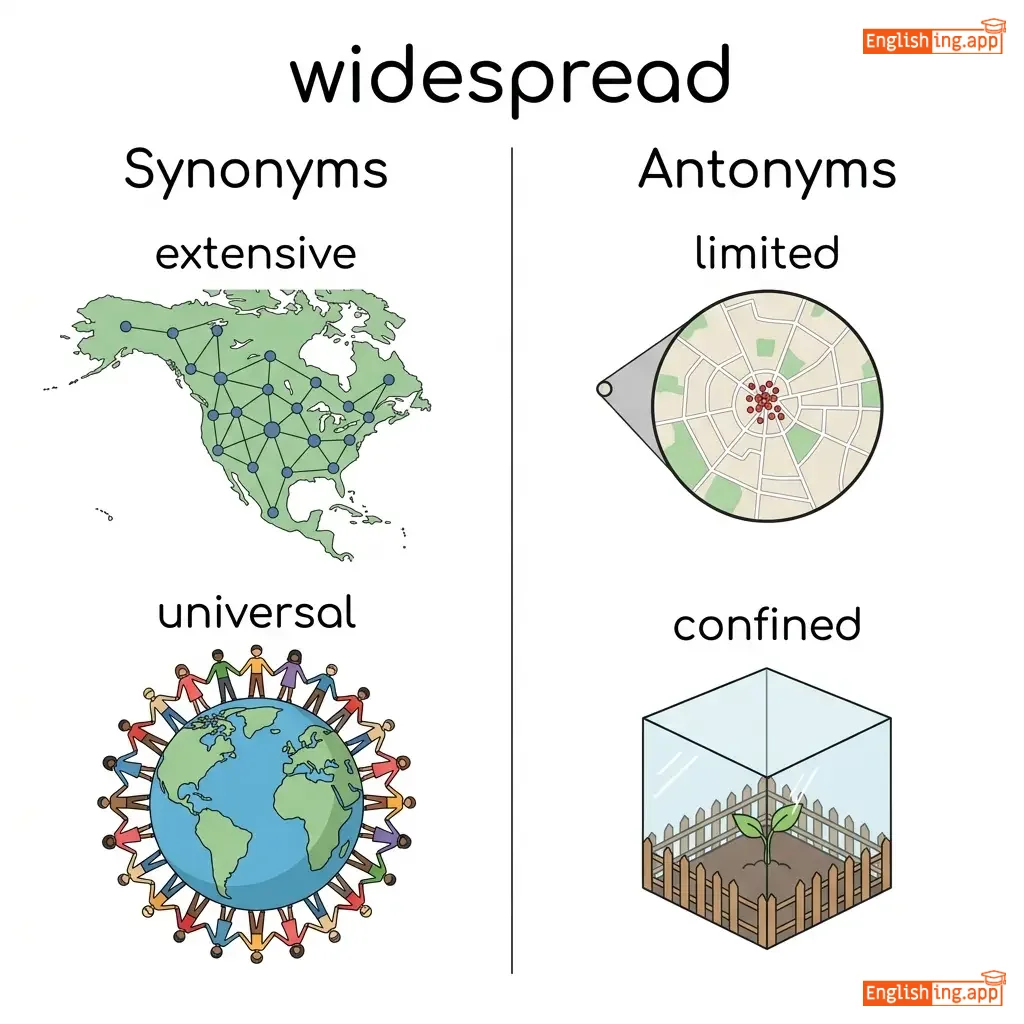
extensive, prevalent, universal, common
••••••
|
limited, localized, restricted, rare
••••••
|
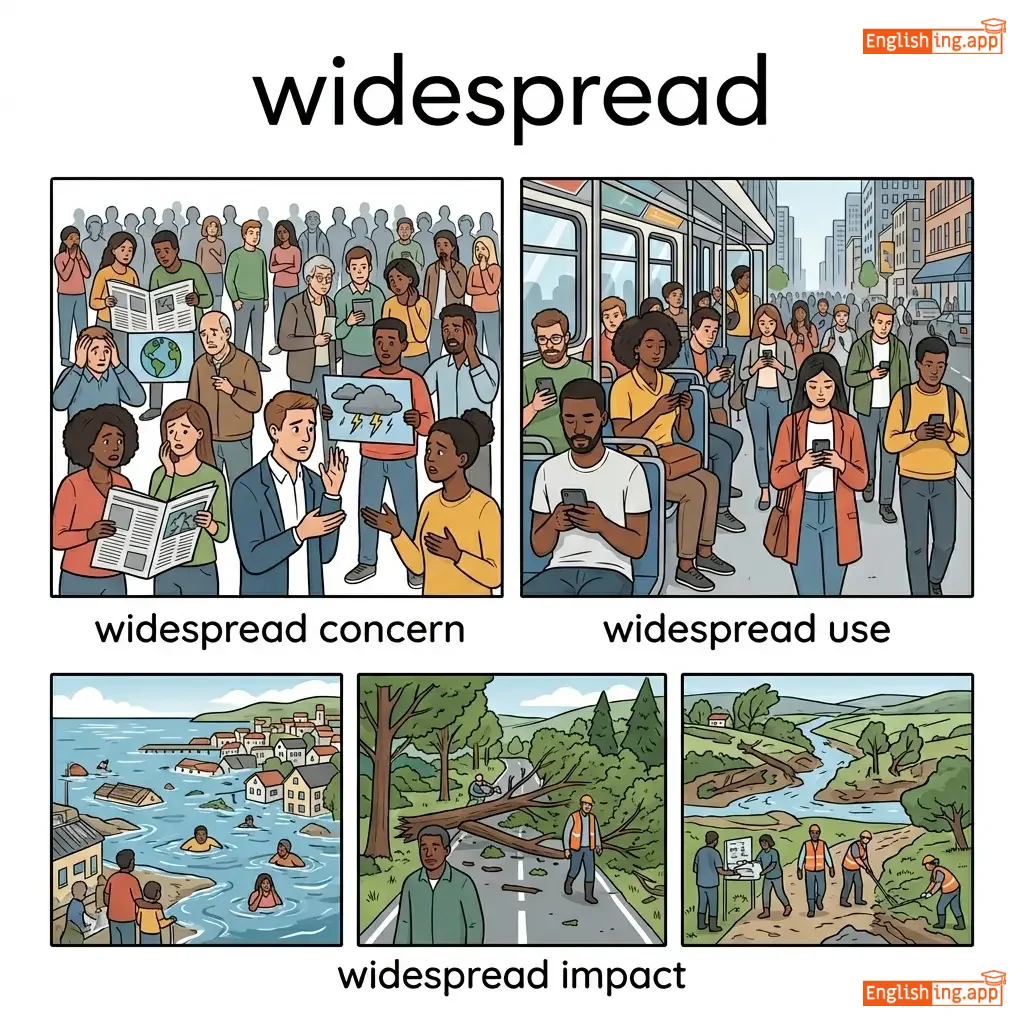
widespread support, widespread use, widespread damage, widespread belief
••••••
|
Chinese '广泛的' matches the meaning of 'widespread'.
••••••
|
|
#1128
⚪
|
/waɪt/
adjective
(wài tè)
••••••
|
- •••••• |
白色; 纯净
bái sè; chún jìng
••••••
|
of the color of snow or milk; pale; pure
••••••
|
She wore a beautiful white dress to the wedding.
她穿着一件美丽的白色婚纱参加婚礼。
••••••
|
她穿着一件美丽的白色婚纱参加婚礼。
Tā chuānzhuó yī jiàn měilì de báisè hūnshā cānjiā hūnlǐ.
••••••
|
pale, colorless, snow-white, ivory
••••••
|
black, dark, colored
••••••
|
white paper, white shirt, white house
••••••
|
In Chinese, '白色' means 'white', just like milk!
••••••
|
|
#1129
🔵
|
/hoʊl/
adjective
(霍尔)
••••••
|
- •••••• |
整个
zhengge
••••••
|
complete; entire; all of something
••••••
|
He ate the whole pizza by himself.
希 吃 德 霍尔 匹萨 拜 希姆塞尔夫。
••••••
|
他一个人把整张披萨吃光了。
ta yige ren ba zheng zhang piza chi guang le
••••••
|
complete, entire, total, full
••••••
|
partial, incomplete, broken, fragmented
••••••
|
whole story, whole family, whole day
••••••
|
整个 (zhengge) = whole — 想像整张披萨 zhengge pizza
••••••
|
|
#1130
🐺
|
/waɪld/
adjective
(waild)
••••••
|
- •••••• |
野生的; 未驯化的
yesheng de
••••••
|
living in natural conditions; not domesticated or cultivated; uncontrolled
••••••
|
We saw wild animals in the forest.
我们在森林中看到了野生动物。
••••••
|
我们在森林中看到了野生动物。
Wǒmen zài sēnlín zhōng kàn dào le yěshēng dòngwù.
••••••
|
untamed, savage, fierce, uncontrolled
••••••
|
tame, domestic, civilized, controlled
••••••
|
wild animal, wild nature, wild party, wild guess
••••••
|
Wild animals run free in the wild forests of China!
••••••
|
|
#1131
💪❌
|
/wiːk/
adjective
(wēk)
••••••
|
- •••••• |
虚弱; 脆弱
xūruò; cuìruò
••••••
|
lacking physical strength; not strong; fragile
••••••
|
After the illness, he felt weak and tired.
生病后,他感到虚弱和疲惫。
••••••
|
生病后,他感到虚弱和疲惫。
Shēngbìng hòu, tā gǎndào xūruò hé píbèi.
••••••
|
feeble, frail, fragile, powerless
••••••
|
strong, powerful, robust, sturdy
••••••
|
weak point, weak signal, feel weak, grow weak
••••••
|
Weak in English sounds like 'wēk' in Chinese, both meaning '虚弱'.
••••••
|
|
#1132
😇
|
/ˌwel bɪˈheɪvd/
adjective
(wēi ěr bī hé wēi dé)
••••••
|
- •••••• |
行为良好
xíngwéi liánghǎo
••••••
|
conducting oneself in a proper and polite manner; showing good manners
••••••
|
The children were well-behaved during the ceremony. |
孩子们在仪式期间表现得很乖。
Háizimen zài yíshì qījiān biǎoxiàn dé hěn guāi.
••••••
|
polite, courteous, mannerly, respectful
••••••
|
misbehaved, rude, impolite, unruly
••••••
|
well-behaved child, well-behaved student, well-behaved dog
••••••
|
Chinese 'xíngwéi liánghǎo' means 'good behavior', which links to 'well-behaved'.
••••••
|
|
#1133
🌱
|
/ˈhoʊl.səm/
adjective
(huóusām)
••••••
|
- •••••• |
有益健康的; 促进身体或道德福祉的
youyi jiankang de; cujin shenti huo daode fuzhi de
••••••
|
conducive to or promoting moral or physical well-being; healthy
••••••
|
Eating wholesome food is important for good health.
吃健康的食物对保持良好的健康很重要。
••••••
|
吃健康的食物对保持良好的健康很重要。
chi jiankang de shiwu dui baochi lianghao de jiankang hen zhongyao
••••••
|
healthy, nutritious, beneficial, pure
••••••
|
unhealthy, harmful, unwholesome, toxic
••••••
|
wholesome food, wholesome entertainment, wholesome values
••••••
|
吃健康的食物促进身心健康。 (Eating healthy food promotes both physical and moral well-being.)
••••••
|
|
#1134
👏
|
/ˌwel ˈdʌn/
adjective
(wēi ěr dūn)
••••••
|
- •••••• |
做得好; 完全煮熟
zuò dé hǎo; wánquán zhǔ shú
••••••
|
performed skillfully and successfully; cooked thoroughly
••••••
|
The project was well-done and impressed everyone. |
项目做得好,令所有人印象深刻。
Xiàngmù zuò dé hǎo, lìng suǒyǒu rén yìnxiàng shēnkè.
••••••
|
excellent, skillful, successful, praiseworthy
••••••
|
poorly done, unsuccessful, inadequate, sloppy
••••••
|
well-done steak, well-done job, well-done performance
••••••
|
Well-done means 'zuò dé hǎo' in Chinese, similar to when something is really well cooked or completed.
••••••
|
|
#1135
😤
|
/ˈwɪl.fəl/
adjective
(威尔福尔)
••••••
|
- •••••• |
固执的; 故意的
guzhi de; guyi de
••••••
|
deliberately stubborn; done on purpose; intentional
••••••
|
His wilful disobedience led to punishment.
他的故意不服从导致了惩罚。
••••••
|
他的故意不服从导致了惩罚。
Tā de gùyì bù fúcóng dǎozhìle chéngfá.
••••••
|
stubborn, obstinate, deliberate, intentional
••••••
|
obedient, compliant, accidental, unintentional
••••••
|
wilful disobedience, wilful damage, wilful neglect, wilful ignorance
••••••
|
Wilful = Will + Full (someone full of strong will, stubborn)
••••••
|
|
#1136
💰
|
/ˈwel.θi/
adjective
(wēi'ěrthī)
••••••
|
- •••••• |
富有的; 有钱的; 繁荣的
fùyǒu de; yǒu qián de; fánróng de
••••••
|
having a great deal of money; rich; prosperous
••••••
|
The wealthy businessman donated millions to charity. |
富有的商人捐赠了数百万美元给慈善事业。
Fùyǒu de shāngrén juānzèngle shù bǎi wàn měiyuán gěi císhàn shìyè.
••••••
|
rich, affluent, prosperous, well-off
••••••
|
poor, impoverished, destitute, needy
••••••
|
wealthy family, wealthy individual, become wealthy, extremely wealthy
••••••
|
富有的人总是为他人带来繁荣。
••••••
|
|
#1137
😈
|
/ˈwɪk.ɪd/
adjective
(wíkèd)
••••••
|
- •••••• |
邪恶的; 恶行的;
xié'è de; èxíng de
••••••
|
evil or morally wrong; intended to or capable of harming someone or something
••••••
|
The wicked queen cast a spell on the princess.
邪恶的女王对公主施下了一个咒语。
••••••
|
邪恶的女王对公主施下了一个咒语。
Xié'è de nǚwáng duì gōngzhǔ shī xiàle yīgè zhòuyǔ.
••••••
|
evil, malicious, cruel, sinful
••••••
|
good, virtuous, kind, righteous
••••••
|
wicked person, wicked deed, wicked smile
••••••
|
邪恶的和恶行的用于描述坏的行为。
••••••
|
|
#1138
💧
|
/wet/
adjective
(wèt)
••••••
|
- •••••• |
湿的; 浸湿的;
shī de; jìn shī de;
••••••
|
covered or saturated with water or another liquid; not dry
••••••
|
My clothes are still wet from the rain.
我的衣服还因为下雨而湿了。
••••••
|
我的衣服还因为下雨而湿了。
wǒ de yīfu hái yīnwèi xiàyǔ ér shī le.
••••••
|
damp, moist, soaked, drenched
••••••
|
dry, arid, parched, dehydrated
••••••
|
wet clothes, wet weather, get wet
••••••
|
下雨的时候,一切都湿了。
••••••
|
|
#1139
🙋♂️
|
/ˈwɪl.ɪŋ/
adjective
(wɪlɪŋ)
••••••
|
- •••••• |
愿意; 准备
yuànyì; zhǔnbèi
••••••
|
ready, eager, or prepared to do something
••••••
|
She is willing to help with the project. |
她愿意帮助项目。
tā yuànyì bāngzhù xiàngmù.
••••••
|
ready, eager, prepared, inclined
••••••
|
unwilling, reluctant, hesitant, resistant
••••••
|
willing to help, willing participant, willing cooperation, willing spirit
••••••
|
愿意 = willing, 准备 = ready
••••••
|
|
#1140
😴
|
/ˈwɪr.i.səm/
adjective
(wēi'érīsīmù)
••••••
|
- •••••• |
令人疲倦的; 乏味且令人筋疲力尽的
lìng rén píbèi de; fáwèi qiě lìng rén jīn pílì jìn de
••••••
|
causing tiredness; tedious; boring and exhausting
••••••
|
The wearisome journey took twelve hours to complete. |
这段令人疲倦的旅程花费了十二个小时。
Zhè duàn lìng rén píbèi de lǚchéng huāfèi le shí'èr gè xiǎoshí.
••••••
|
tiresome, tedious, boring, exhausting
••••••
|
refreshing, energizing, exciting, invigorating
••••••
|
wearisome task, wearisome journey, wearisome work, wearisome routine
••••••
|
Long and boring, it will tire and exhaust you.
••••••
|
Vocabulary Quiz
Test your vocabulary by matching words with their translations or meanings.
Login to take the quiz
Comments (0)
Share your thoughts and join the discussion.
Join the discussion by logging in
Login to CommentNo comments yet
Be the first to share your thoughts!