

Swipe left or right, or use the buttons. Tap image to zoom.
例句翻译
单词
Lesson 17Lesson 17 - 遮罩切换
|
表情符号
|
单词 | Images | 翻译 | 含义 | 例句 | 例句翻译 | 同义词 | 反义词 | 搭配词 | 助记符 |
|---|---|---|---|---|---|---|---|---|---|---|
|
#321
😡
|
/ˈheɪt.fəl/
adjective
(hèitfú)
••••••
|
- •••••• |
可憎的
kězēng de
••••••
|
causing or deserving hatred; extremely unpleasant or offensive
••••••
|
His hateful comments hurt everyone's feelings.
他那些充满仇恨的评论伤害了每个人的感情。
••••••
|
他那些充满仇恨的评论伤害了每个人的感情。
Tā nàxiē chōngmǎn chóuhèn de pínglùn shānghài le měi gè rén de gǎnqíng.
••••••
|
detestable, loathsome, odious, abhorrent
••••••
|
lovable, pleasant, agreeable, likeable
••••••
|
hateful behavior, hateful speech, hateful attitude
••••••
|
可憎的和hateful有相似的意义,都是令人讨厌的
••••••
|
|
#322
🧬
|
/həˈred.ɪ.ter.i/
adjective
(遗传的)
••••••
|
- •••••• |
遗传的; 从祖先传承
yíchuán de; cóng zǔxiān chuánchéng
••••••
|
passed down through family genes; inherited from ancestors
••••••
|
The hereditary disease was passed down through generations. |
遗传性疾病通过几代人传递。
Yíchuán xìng jíbìng tōngguò jǐ dài rén chuándì
••••••
|
inherited, genetic, ancestral, familial
••••••
|
acquired, learned, environmental
••••••
|
hereditary disease, hereditary title, hereditary trait
••••••
|
Hereditary means something that’s passed down through family, like a secret gift.
••••••
|
|
#323
💪
|
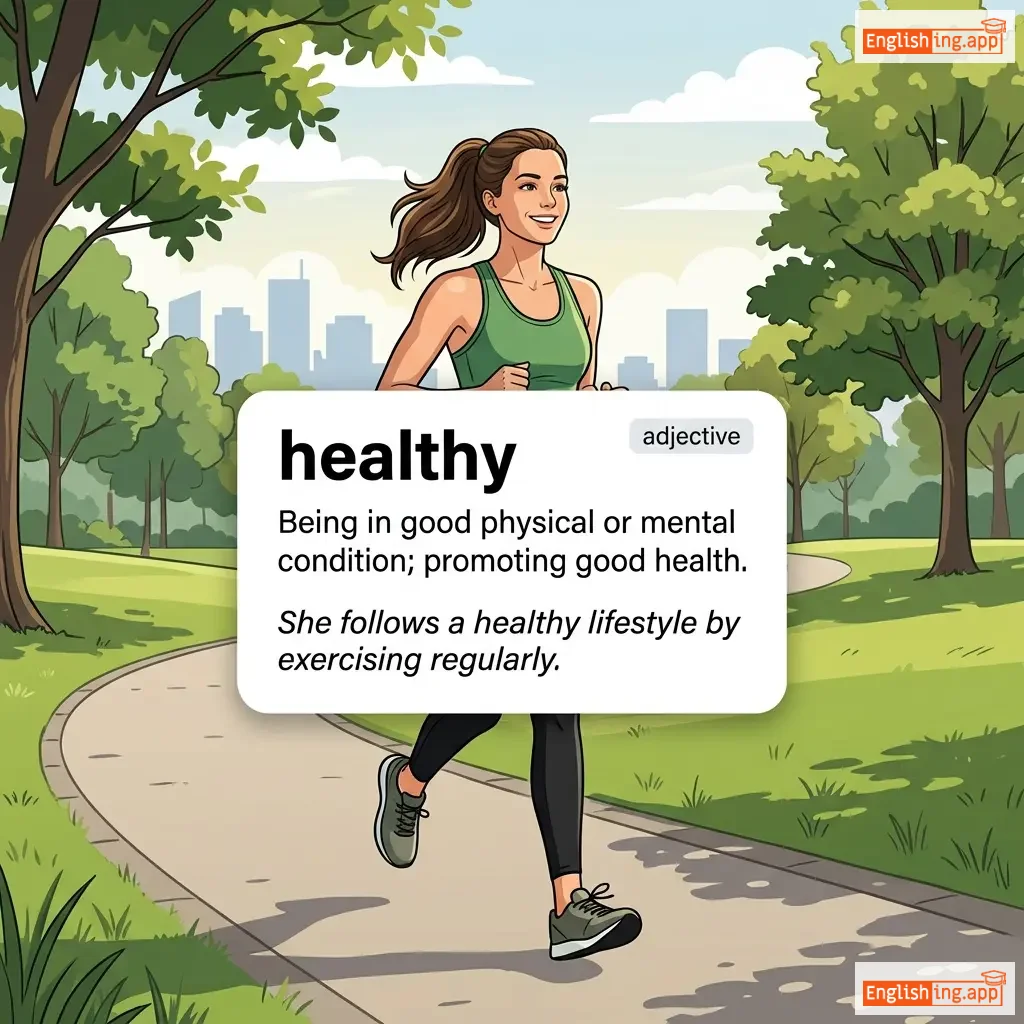
/ˈhelθi/
adjective
(hélthī)
••••••
|
|
健康
jiànkāng
••••••
|
in good physical or mental condition; beneficial to health
••••••
|
She maintains a healthy lifestyle by exercising regularly. |
她通过定期锻炼保持健康的生活方式。
Tā tōngguò dìngqī duànliàn bǎochí jiànkāng de shēnghuó fāngshì.
••••••
|
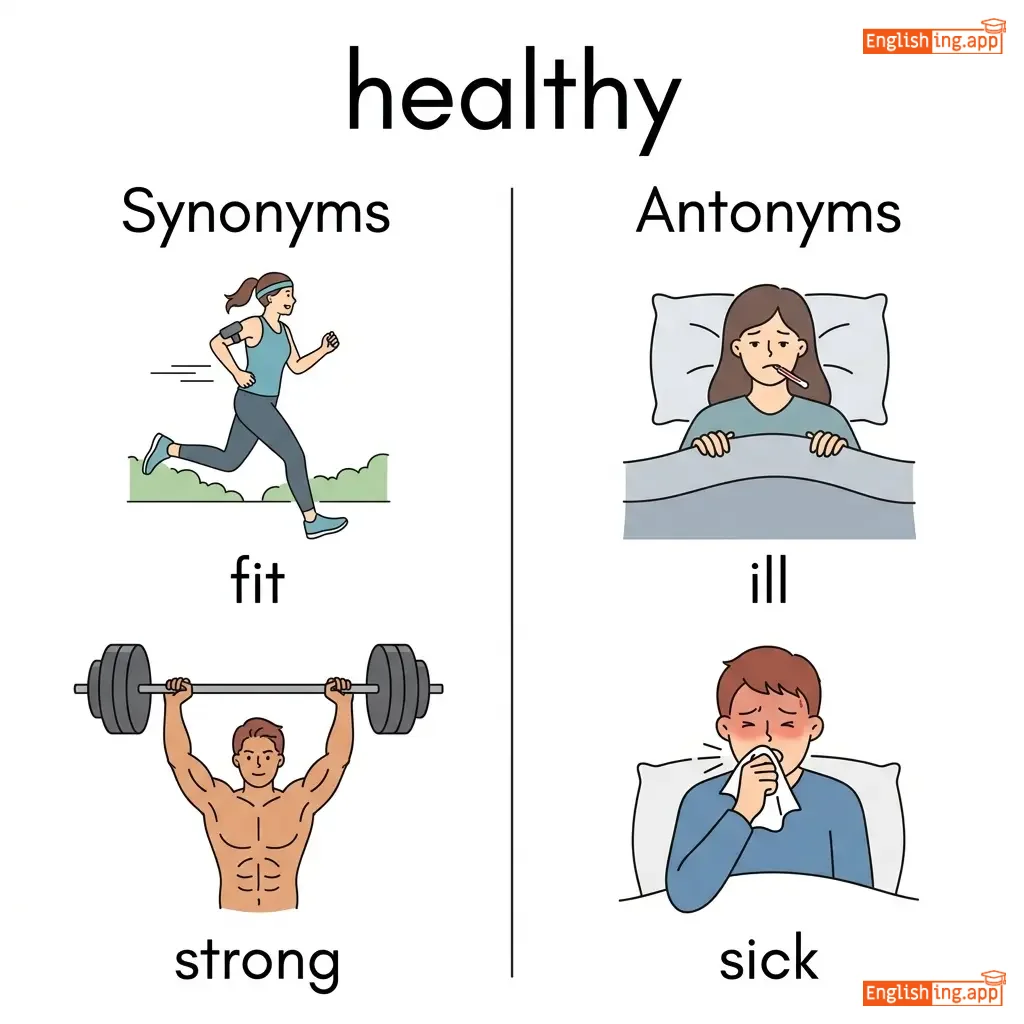
fit, well, robust, strong, sound
••••••
|
unhealthy, sick, ill, weak, diseased
••••••
|
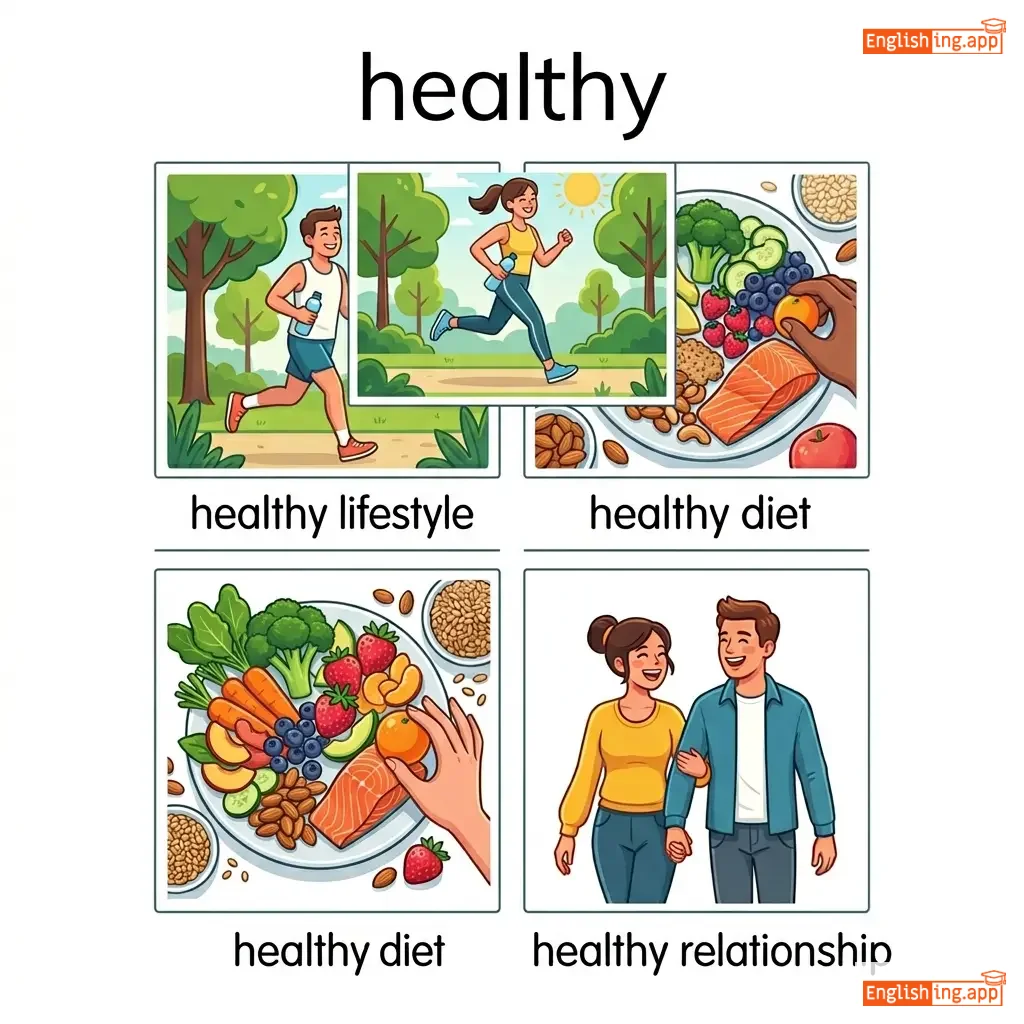
healthy diet, healthy lifestyle, healthy food, healthy habits
••••••
|
Healthy = Jiànkāng. Jiànkāng means the state of good health.
••••••
|
|
#324
😰
|
/ˈhek.tɪk/
adjective
(hè kè tì kè)
••••••
|
- •••••• |
忙碌的; 激烈的; 充满活动的
máng lù de; jī liè de; chōng mǎn huó dòng de
••••••
|
very busy and full of activity; frantic; characterized by intense activity or excitement
••••••
|
My schedule has been hectic lately with back-to-back meetings. |
最近我的日程表因为连场会议而变得忙碌。
zuì jìn wǒ de rì chéng biǎo yīn wèi lián chǎng huì yì ér biàn de máng lù.
••••••
|
busy, frantic, chaotic, frenzied
••••••
|
calm, peaceful, relaxed, tranquil
••••••
|
hectic schedule, hectic pace, hectic lifestyle, hectic day
••••••
|
Visualize a whirlwind of meetings, emails, and constant activity.
••••••
|
|
#325
😤
|
/ˈhɔː.ti/
adjective
(hòutī)
••••••
|
- •••••• |
傲慢的; 高傲的
àomàn de; gāo'ào de
••••••
|
arrogantly superior and disdainful; showing excessive pride
••••••
|
She gave him a haughty look and walked away. |
她给了他一个傲慢的眼神,走开了。
Tā gěile tā yīgè àomàn de yǎnshén, zǒu kāi le.
••••••
|
arrogant, conceited, proud, snobbish
••••••
|
humble, modest, meek, unassuming
••••••
|
haughty manner, haughty attitude, haughty expression
••••••
|
傲慢 (ào màn) = 自高自大,目中无人
••••••
|
|
#326
🤔
|
/ˈhez.ɪ.tənt/
adjective
(赫西坦特)
••••••
|
- •••••• |
犹豫不决的; 不确定的; 拒绝的
yóuyù bù jué de; bù quèdìng de; jùjué de
••••••
|
uncertain or unwilling to act; showing doubt or reluctance
••••••
|
She was hesitant to accept the job offer.
她在接受工作邀请时犹豫不决。
••••••
|
她在接受工作邀请时犹豫不决。
Tā zài jiēshòu gōngzuò yāoqǐng shí yóuyù bù jué.
••••••
|
uncertain, doubtful, reluctant, unsure
••••••
|
confident, certain, decisive, eager
••••••
|
hesitant to speak, hesitant smile, hesitant response
••••••
|
hesitant = 犹豫不决的 - 总是犹豫,直到决定行动.
••••••
|
|
#327
😡
|
/ˈheɪ.nəs/
adjective
(海诺斯)
••••••
|
- •••••• |
恶劣
èliè
••••••
|
extremely wicked or evil; abominable; morally reprehensible
••••••
|
The heinous crime shocked the entire community. |
那起恶劣的罪行震惊了整个社区。
Nà qǐ èliè de zuìxíng zhènjīngle zhěnggè shèqū
••••••
|
atrocious, abominable, wicked, evil
••••••
|
virtuous, good, noble, righteous
••••••
|
heinous crime, heinous act, heinous deed, heinous offense
••••••
|
恶劣罪行震惊社会
••••••
|
|
#328
💔
|
/ˈhɑːrtˌbreɪkɪŋ/
adjective
(hàtè bù léi kè yīng)
••••••
|
- •••••• |
令人心碎的; 令人痛心的; 心碎的
lìng rén xīn suì de; lìng rén tòng xīn de; xīn suì de
••••••
|
causing overwhelming distress; very sad or disappointing
••••••
|
The documentary showed heartbreaking scenes of children in poverty. |
纪录片展示了贫困中孩子们令人心碎的场景。
Jìlùpiàn zhǎnshì le pínkùn zhōng háizimen lìng rén xīn suì de chǎngjǐng.
••••••
|
devastating, tragic, distressing, painful, heartWrenching
••••••
|
heartwarming, uplifting, joyful, encouraging, comforting
••••••
|
heartbreaking story, heartbreaking news, heartbreaking scene, heartbreaking loss
••••••
|
Heartbreaking = 心碎, 就像是深刻的情感打击
••••••
|
|
#329
😊
|
/ˈhɑːrti/
adjective
(hārtī)
••••••
|
- •••••• |
热情友好; 丰富而滋养
reqing youhao; fengfu er ziyang
••••••
|
enthusiastic and friendly; substantial and nourishing
••••••
|
He gave us a hearty welcome when we arrived at his home. |
当我们到达他家时,他给了我们热情的欢迎。
Dang women daoda ta jia shi, ta gei le women reqing de huanying.
••••••
|
warm, enthusiastic, genuine, wholesome, robust
••••••
|
halfhearted, weak, insincere, light, frail
••••••
|
hearty welcome, hearty meal, hearty laugh, hearty appetite
••••••
|
Hearty = '热情' (warmth) + '欢迎' (welcome)
••••••
|
|
#330
🤝
|
/ˈhelp.fəl/
adjective
(海皮尼斯)
••••••
|
- •••••• |
有帮助的; 有益的
you bangzhu de; youyi de
••••••
|
giving or providing assistance; useful; beneficial
••••••
|
She was very helpful in organizing the event.
她在组织活动中非常有帮助。
••••••
|
她在组织活动中非常有帮助。
ta zai zuzhi huodong zhong feichang you bangzhu
••••••
|
useful, beneficial, supportive, accommodating
••••••
|
unhelpful, harmful, obstructive, hindering
••••••
|
helpful advice, helpful person, helpful tip, helpful service
••••••
|
You bangzhu de ru ke pingyuan!
••••••
|
|
#331
⚠️
|
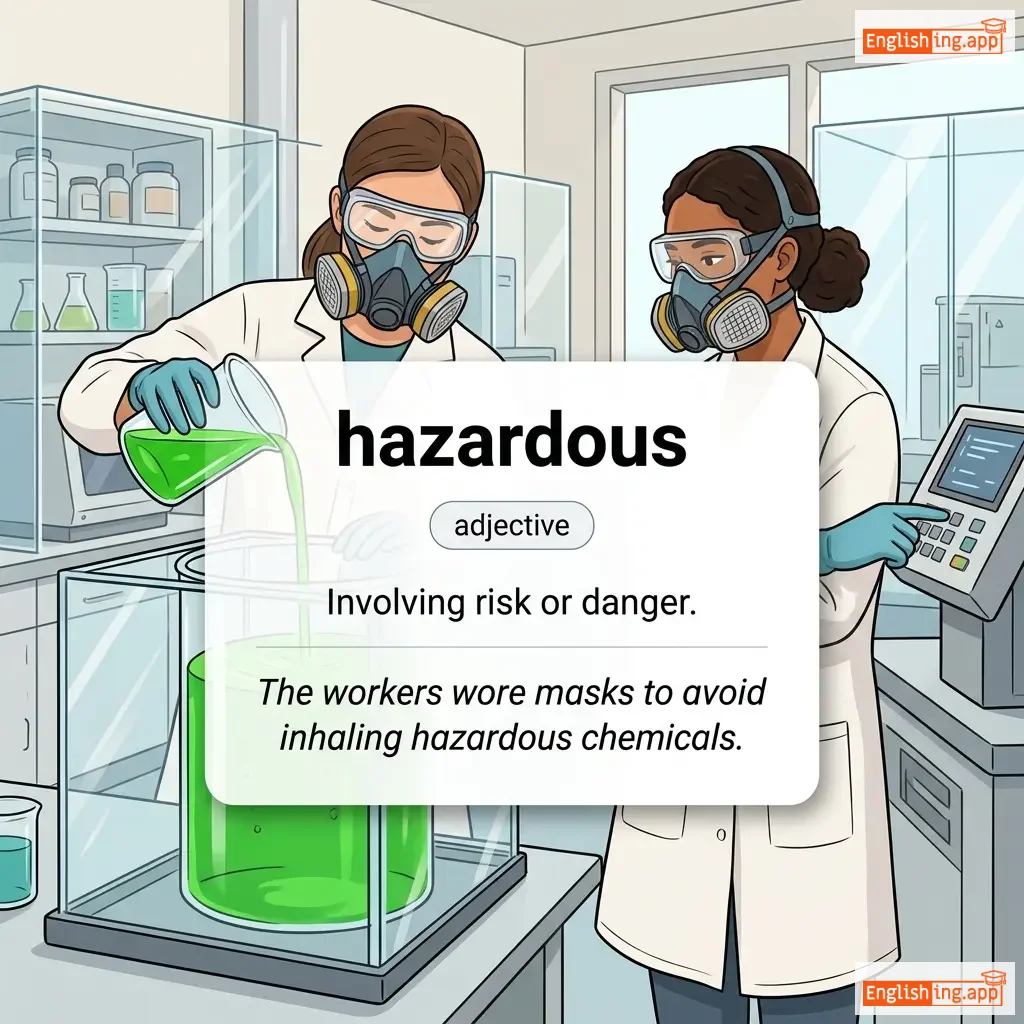
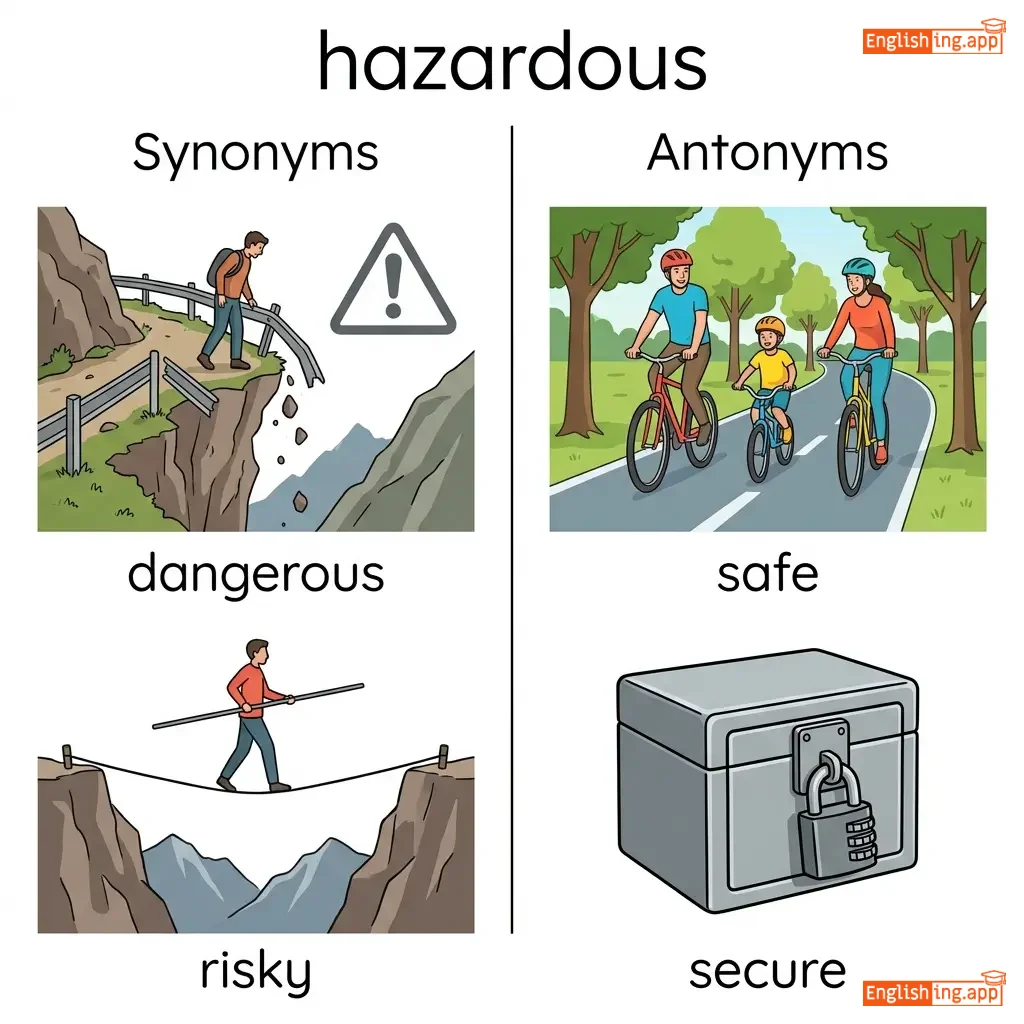
/ˈhæz.ər.dəs/
adjective
(哈扎德斯)
••••••
|
|
危险的; 有风险的;
wei xian de; you feng xian de
••••••
|
risky; dangerous; involving potential harm or loss
••••••
|
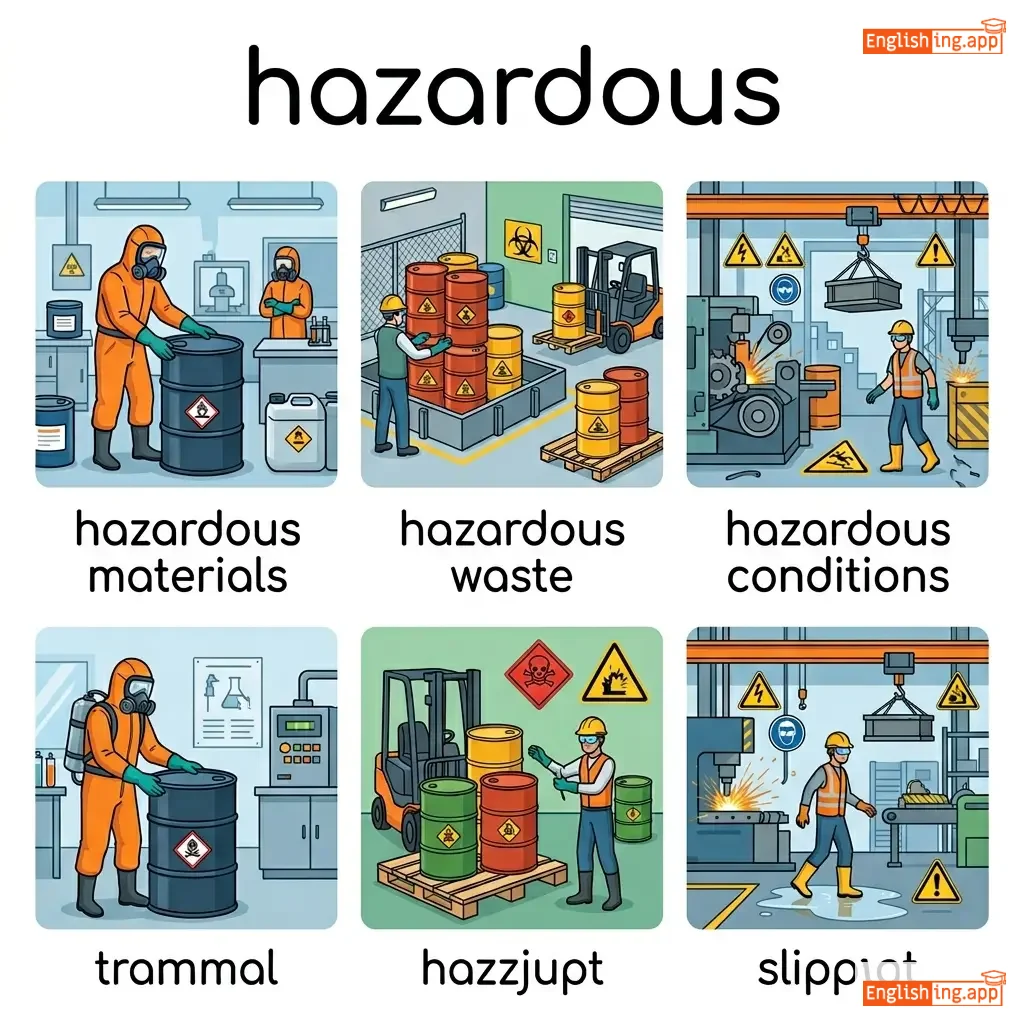
Working with hazardous chemicals requires special training. |
与危险化学品一起工作需要特别的培训。
Yu wei xian hua xue pin yi qi gong zuo xu yao te bie de pei xun.
••••••
|
dangerous, risky, perilous, unsafe
••••••
|
safe, secure, harmless, protected
••••••
|
hazardous waste, hazardous materials, hazardous conditions
••••••
|
Hazardous = wei xian in Chinese, both words reflect danger.
••••••
|
|
#332
🚜
|
/hɪk/
adjective
(hík)
••••••
|
- •••••• |
乡巴佬; 农民
xiangba lao; nongmin
••••••
|
unsophisticated person from a rural area; country bumpkin
••••••
|
He had a hick accent from growing up in a small town. |
他有着乡巴佬的口音,因为他在一个小镇长大。
Ta youzhe xiangba lao de kouxin, yinwei ta zai yige xiaozhen zhǎngdà.
••••••
|
rural, rustic, provincial, country
••••••
|
urban, sophisticated, cosmopolitan, refined
••••••
|
hick town, hick accent, hick mentality
••••••
|
乡巴佬总是带有乡村的味道
••••••
|
|
#333
😇
|
/ˈhevənli/
adjective
(héwénlì)
••••••
|
- •••••• |
天上的; 神圣的; 美味的
tiānshàng de; shénshèng de; měiwèi de
••••••
|
relating to heaven; extremely pleasant or beautiful
••••••
|
The chocolate cake had a heavenly taste that melted in my mouth. |
巧克力蛋糕有一种天上的味道,在我口中融化了。
qiǎokèlì dàngāo yǒu yī zhǒng tiānshàng de wèidào, zài wǒ kǒu zhōng rónghuà le.
••••••
|
divine, celestial, wonderful, delightful, blissful
••••••
|
hellish, terrible, awful, earthly, mundane
••••••
|
heavenly body, heavenly music, heavenly scent, heavenly view
••••••
|
天上的味道,就像巧克力蛋糕融化在嘴里。
••••••
|
|
#334
😔
|
/ˈhelp.ləs/
adjective
(hèlp-lès)
••••••
|
- •••••• |
无助的; 虚弱的; 易受伤的
wúzhù de; xūruò de; yì shòu shāng de
••••••
|
unable to defend oneself or act without help; powerless; vulnerable
••••••
|
The child felt helpless when lost in the crowded market.
The child felt helpless when lost in the crowded market.
••••••
|
当孩子在拥挤的市场中迷路时,他感到无助。
Dāng háizi zài yōngjǐ de shìchǎng zhōng mílù shí, tā gǎndào wúzhù.
••••••
|
powerless, vulnerable, defenseless, weak
••••••
|
powerful, capable, strong, independent
••••••
|
helpless feeling, helpless victim, helpless situation, helpless child
••••••
|
In Chinese, '无助的' captures helpless, meaning unable to act without help.
••••••
|
|
#335
🌫️
|
/ˈheɪ.zi/
adjective
(hāi-zī)
••••••
|
- •••••• |
朦胧的; 模糊的; 不清楚的
ménglóng de; móhu de; bù qīngchǔ de
••••••
|
covered with haze; unclear or vague; lacking clarity
••••••
|
The mountain tops were hazy in the morning mist.
山顶在早晨的雾气中显得朦胧。
••••••
|
山顶在早晨的雾气中显得朦胧。
Shāndǐng zài zǎochén de wùqì zhōng xiǎn de ménglóng.
••••••
|
foggy, misty, unclear, vague
••••••
|
clear, distinct, sharp, vivid
••••••
|
hazy weather, hazy memory, hazy details
••••••
|
Hazy 就像被雾气遮盖的景象,看起来模糊不清。
••••••
|
|
#336
🙈
|
/ˈhɪd.ən/
adjective
(hɪdn)
••••••
|
- •••••• |
隐藏的; 秘密的; 看不见的
yǐn cáng de; mì mì de; kàn bù jiàn de
••••••
|
concealed from view; kept secret; not visible or apparent
••••••
|
There was a hidden camera in the room.
房间里有一个隐藏的摄像头。
••••••
|
房间里有一个隐藏的摄像头。
fángjiān lǐ yǒu yī gè yǐn cáng de shèxiàngtóu.
••••••
|
concealed, secret, invisible, covered
••••••
|
visible, obvious, exposed, apparent
••••••
|
hidden camera, hidden treasure, hidden meaning
••••••
|
隐藏的就像秘密,像一个看不见的摄像头
••••••
|
|
#337
🏋️
|
/ˈhevi/
adjective
(海维)
••••••
|
- •••••• |
沉重的
chénzhòng de
••••••
|
having great weight; intense or severe
••••••
|
The heavy suitcase was difficult to carry up the stairs. |
沉重的行李箱很难提上楼。
chénzhòng de xínglǐxiāng hěn nán tí shàng lóu.
••••••
|
weighty, massive, bulky, dense, substantial
••••••
|
light, weightless, airy, delicate, thin
••••••
|
heavy rain, heavy traffic, heavy weight, heavy burden
••••••
|
沉重的东西很难搬运,就像沉重的行李箱。
••••••
|
|
#338
🍷
|
/ˈhed.i/
adjective
(海迪)
••••••
|
- •••••• |
令人陶醉
lìng rén táo zuì
••••••
|
having a strong or exhilarating effect; intoxicating; exciting
••••••
|
The heady perfume of jasmine filled the garden. |
茉莉花的迷人香气充满了花园。
Mòlì huā de mírén xiāngqì chōngmǎnle huāyuán.
••••••
|
intoxicating, exhilarating, potent, strong
••••••
|
mild, weak, gentle, subtle
••••••
|
heady wine, heady perfume, heady experience
••••••
|
像醉人的香气一样让你感到兴奋
••••••
|
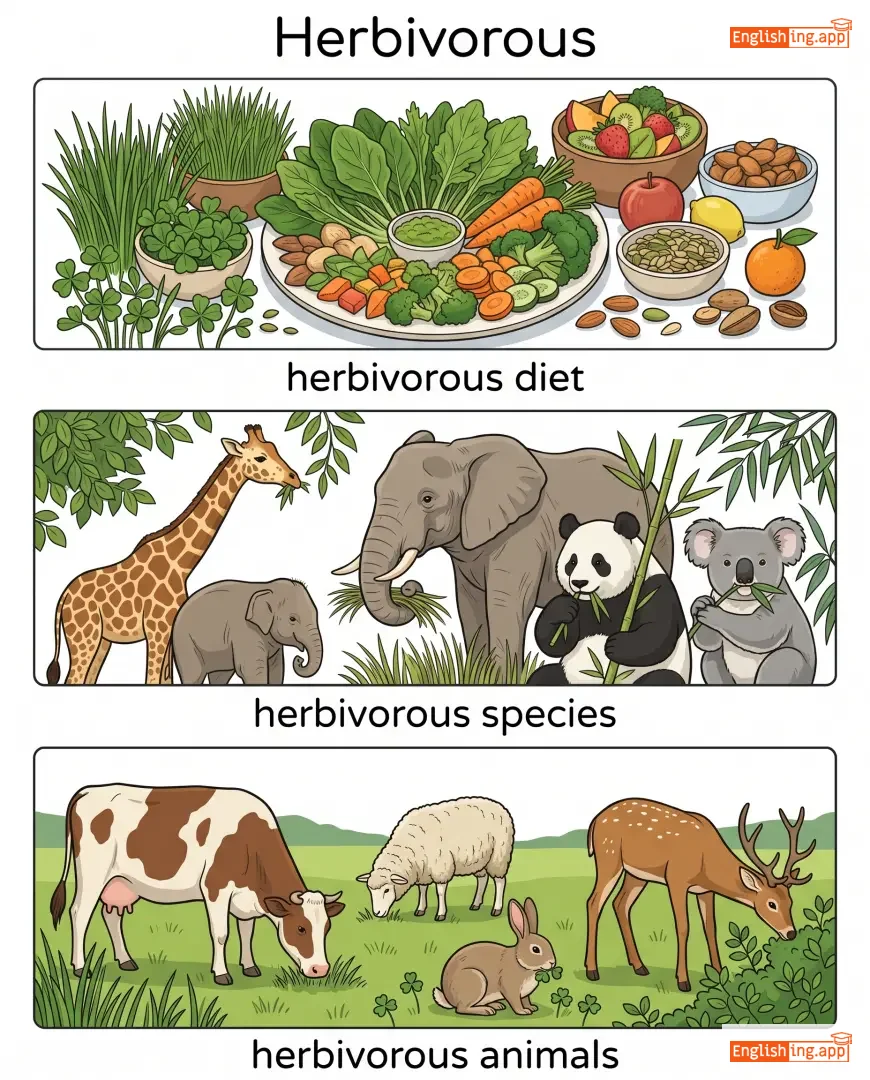
|
#339
🐄
|
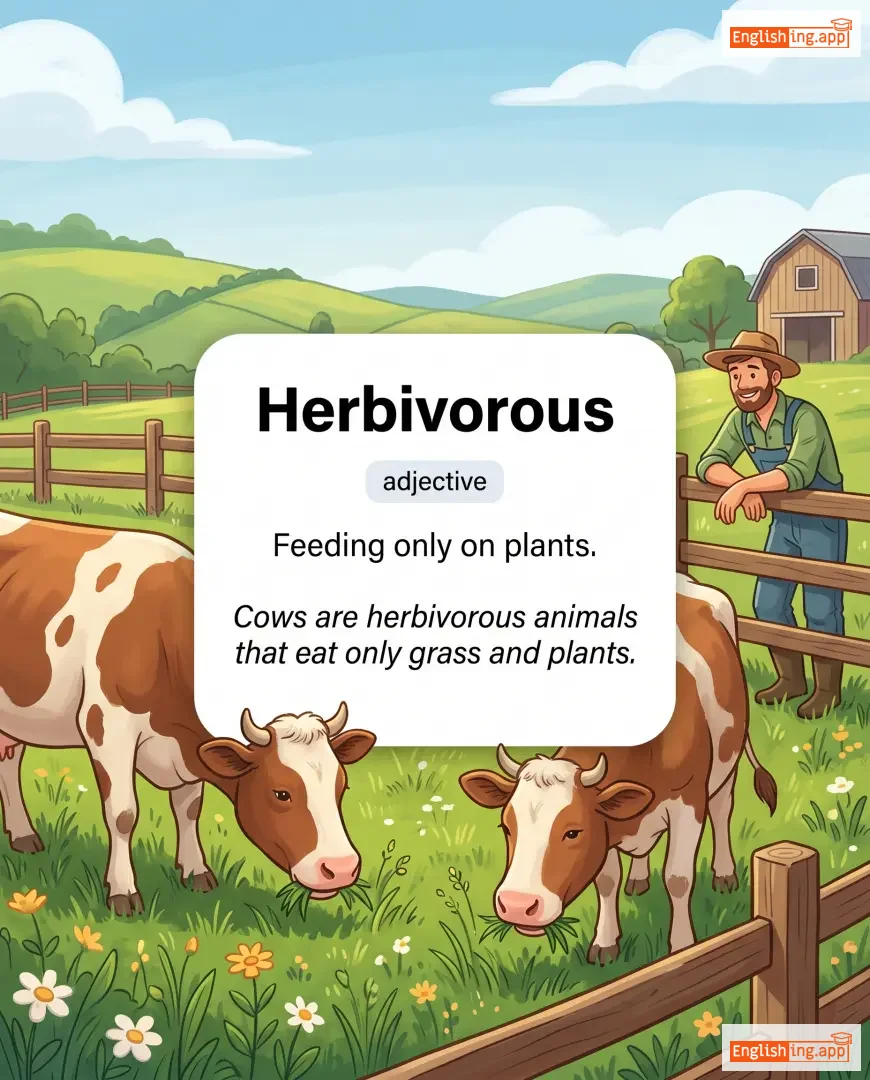
/hɜːrˈbɪv.ər.əs/
adjective
(hɜːrˈbɪv.ər.əs)
••••••
|
|
草食性
caoshixing
••••••
|
feeding on plants; plant-eating
••••••
|
Cows are herbivorous animals that graze on grass. |
牛是草食性动物,吃草。
Niu shi caoshixing dongwu, chi cao.
••••••
|
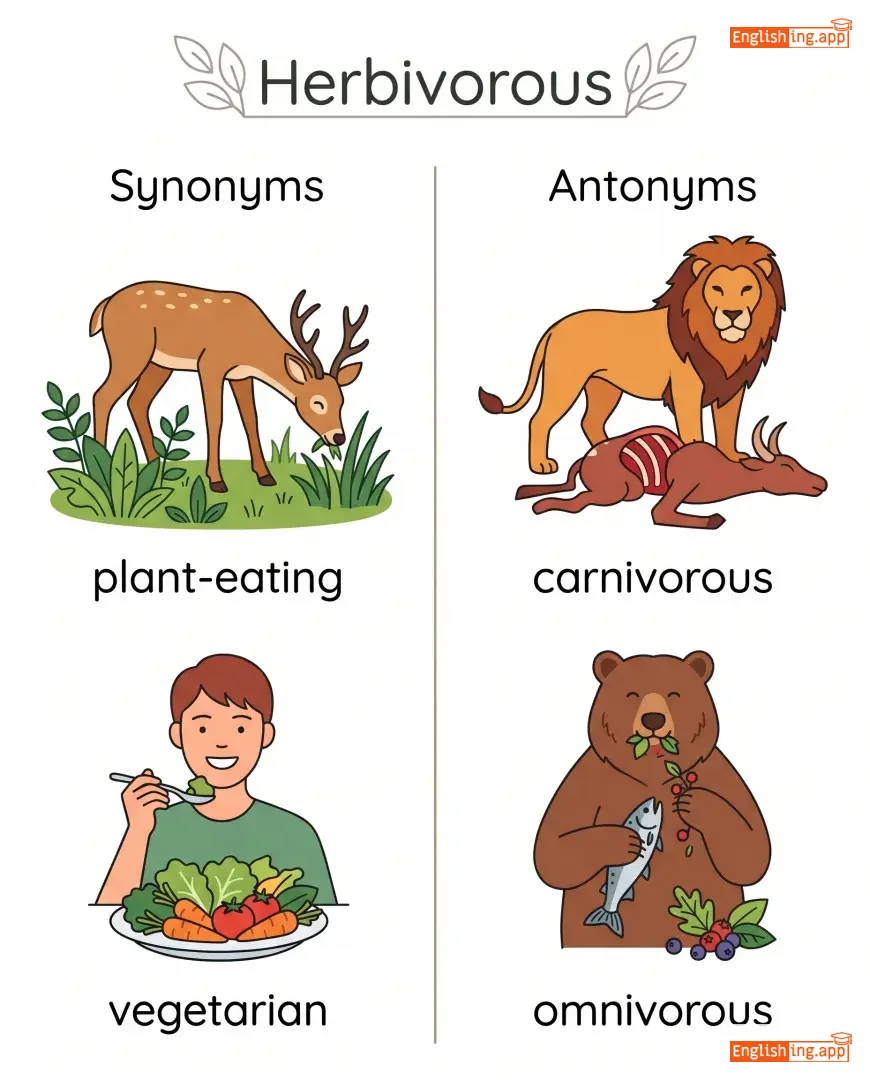
plant-eating, vegetarian, grass-eating
••••••
|
carnivorous, meat-eating, omnivorous
••••••
|
herbivorous animals, herbivorous diet, herbivorous mammals, herbivorous species
••••••
|
草 (cao) = 草食性 (caoshixing)
••••••
|
|
#340
😱
|
/ˈhɪd.i.əs/
adjective
(xīdiè)
••••••
|
- •••••• |
丑陋的; 恶心的; 可怕的
chǒulòu de; èxīn de; kěpà de
••••••
|
extremely ugly or unpleasant; causing shock or disgust
••••••
|
The monster in the movie had a hideous appearance.
电影中的怪物看起来非常丑陋。
••••••
|
电影中的怪物看起来非常丑陋。
Diànyǐng zhōng de guàiwù kàn qǐlái fēicháng chǒulòu.
••••••
|
ugly, grotesque, repulsive, frightful
••••••
|
beautiful, attractive, lovely, pleasant
••••••
|
hideous monster, hideous crime, hideous sight
••••••
|
想象一个非常丑陋的怪物,帮助记住'丑陋'这个词。
••••••
|
Vocabulary Quiz
Test your vocabulary by matching words with their translations or meanings.
Login to take the quiz
Comments (0)
Share your thoughts and join the discussion.
Join the discussion by logging in
Login to CommentNo comments yet
Be the first to share your thoughts!