

翻訳
過去
過去分詞
三人称単数
動名詞
意味
例文
例文の翻訳
同義語
対義語
コロケーション
ニーモニック
Swipe left or right, or use the buttons. Tap image to zoom.
例文の翻訳
単語
Lesson 17Lesson 17 - マスクトグル
|
絵文字
|
単語 | Images | 翻訳 | 意味 | 例文 | 例文の翻訳 | 同義語 | 対義語 | コロケーション | ニーモニック |
|---|---|---|---|---|---|---|---|---|---|---|
|
#321
😡
|
/ˈheɪt.fəl/
adjective
(ヘイトフル)
••••••
|
- •••••• |
憎しみの
nikushimi no
••••••
|
causing or deserving hatred; extremely unpleasant or offensive
••••••
|
His hateful comments hurt everyone's feelings.
彼の憎しみを込めたコメントは皆の感情を傷つけました。
••••••
|
彼の憎しみを込めたコメントは皆の感情を傷つけました。
Kare no nikushimi wo kometa komento wa minna no kanjou wo kizutsukemashita.
••••••
|
detestable, loathsome, odious, abhorrent
••••••
|
lovable, pleasant, agreeable, likeable
••••••
|
hateful behavior, hateful speech, hateful attitude
••••••
|
憎しみの (nikushimi no) と hateful は同じ意味です。
••••••
|
|
#322
🧬
|
/həˈred.ɪ.ter.i/
adjective
(ヘレディタリー)
••••••
|
- •••••• |
遺伝的; 先祖から受け継がれた
identeki; senzo kara uketsugarareta
••••••
|
passed down through family genes; inherited from ancestors
••••••
|
The hereditary disease was passed down through generations. |
遺伝性疾患は世代を超えて受け継がれました。
Idensei shikkan wa sedai o koete uketsugarimashita
••••••
|
inherited, genetic, ancestral, familial
••••••
|
acquired, learned, environmental
••••••
|
hereditary disease, hereditary title, hereditary trait
••••••
|
Hereditary means something passed down like family wisdom.
••••••
|
|
#323
💪
|
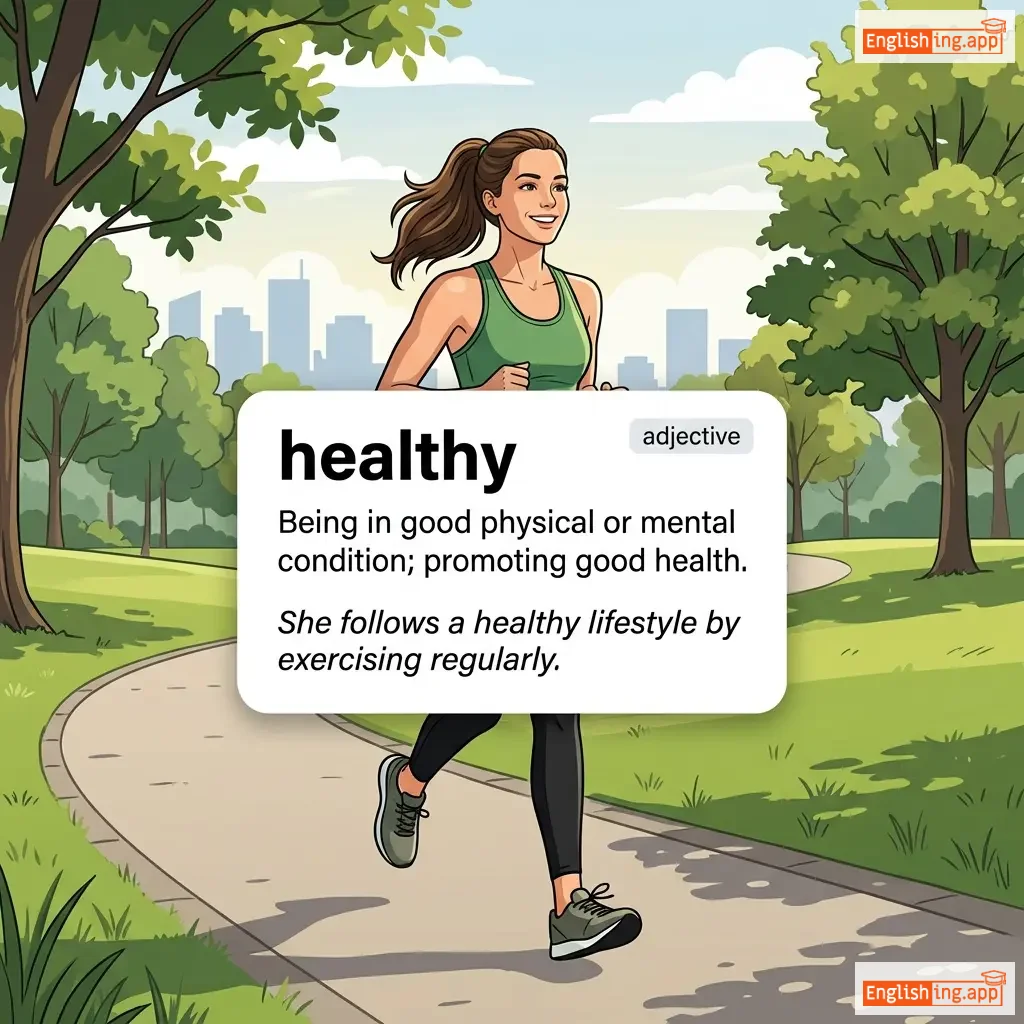
/ˈhelθi/
adjective
(ヘルシー)
••••••
|
|
健康
kenkō
••••••
|
in good physical or mental condition; beneficial to health
••••••
|
She maintains a healthy lifestyle by exercising regularly. |
彼女は定期的に運動して健康的なライフスタイルを維持しています。
Kanojo wa teikiteki ni undō shite kenkō-teki na raifusutairu o iji shiteimasu.
••••••
|
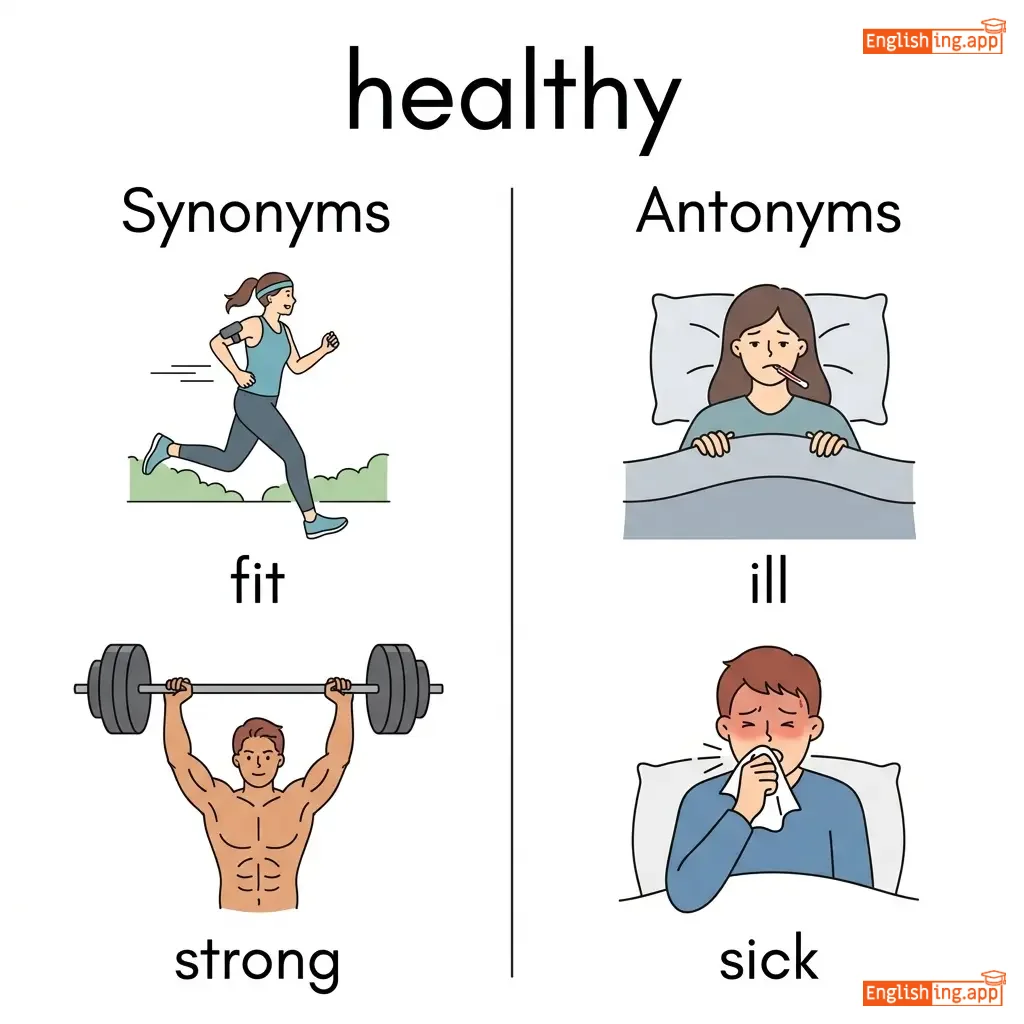
fit, well, robust, strong, sound
••••••
|
unhealthy, sick, ill, weak, diseased
••••••
|
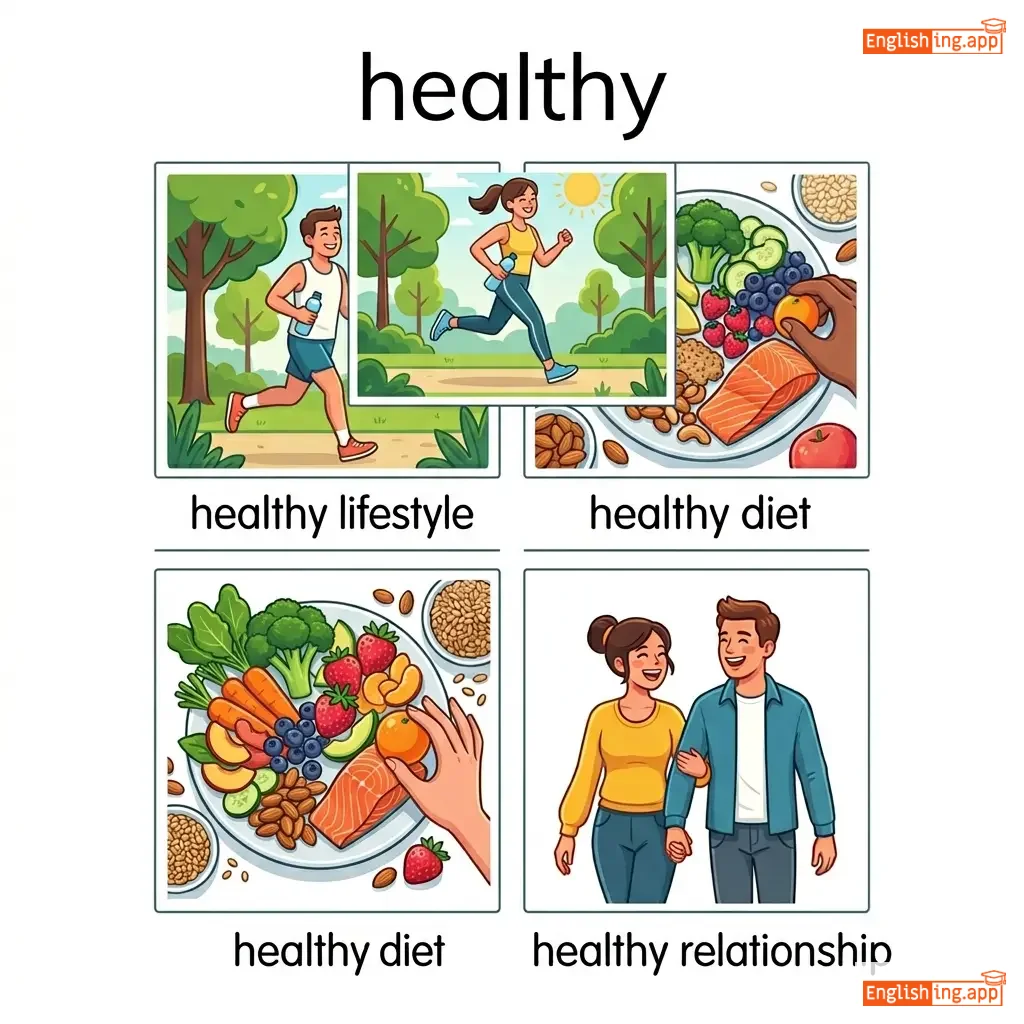
healthy diet, healthy lifestyle, healthy food, healthy habits
••••••
|
Healthy = Kenkō. Kenkō means living a healthy and balanced life.
••••••
|
|
#324
😰
|
/ˈhek.tɪk/
adjective
(ヘクティック)
••••••
|
- •••••• |
忙しい; 熱狂的; 活動的な
isogashii; nekkyō-teki; katsudō-teki na
••••••
|
very busy and full of activity; frantic; characterized by intense activity or excitement
••••••
|
My schedule has been hectic lately with back-to-back meetings. |
最近、私のスケジュールは立て続けの会議で忙しくなっています。
saikin, watashi no sukejūru wa tate tsudzuke no kaigi de isogashiku natteimasu.
••••••
|
busy, frantic, chaotic, frenzied
••••••
|
calm, peaceful, relaxed, tranquil
••••••
|
hectic schedule, hectic pace, hectic lifestyle, hectic day
••••••
|
Imagine a never-ending cycle of back-to-back meetings!
••••••
|
|
#325
😤
|
/ˈhɔː.ti/
adjective
(ホーティ)
••••••
|
- •••••• |
高慢な; 傲慢な
kōman na; gōman na
••••••
|
arrogantly superior and disdainful; showing excessive pride
••••••
|
She gave him a haughty look and walked away. |
彼女は彼に高慢な視線を送り、立ち去った。
Kanojo wa kare ni kōman na shisen o okuri, tachisatta.
••••••
|
arrogant, conceited, proud, snobbish
••••••
|
humble, modest, meek, unassuming
••••••
|
haughty manner, haughty attitude, haughty expression
••••••
|
高慢 (kōman) = 上から目線で他人を見下ろす、傲慢な態度
••••••
|
|
#326
🤔
|
/ˈhez.ɪ.tənt/
adjective
(ヘジタント)
••••••
|
- •••••• |
ためらう; 不確か; 気が進まない
tamerau; futashika; ki ga susumanai
••••••
|
uncertain or unwilling to act; showing doubt or reluctance
••••••
|
She was hesitant to accept the job offer.
彼女は仕事のオファーを受け入れることに躊躇していた。
••••••
|
彼女は仕事のオファーを受け入れることに躊躇していた。
Kanojo wa shigoto no ofā o ukeireru koto ni chūcho shite ita.
••••••
|
uncertain, doubtful, reluctant, unsure
••••••
|
confident, certain, decisive, eager
••••••
|
hesitant to speak, hesitant smile, hesitant response
••••••
|
hesitant = ためらう - いつも決断をためらう。
••••••
|
|
#327
😡
|
/ˈheɪ.nəs/
adjective
(ヘイナス)
••••••
|
- •••••• |
凶悪
kyouaku
••••••
|
extremely wicked or evil; abominable; morally reprehensible
••••••
|
The heinous crime shocked the entire community. |
その凶悪な犯罪はコミュニティ全体を衝撃を与えた。
Sono kyouaku na hanzai wa komyuniti zentai wo shougeki wo ataeta
••••••
|
atrocious, abominable, wicked, evil
••••••
|
virtuous, good, noble, righteous
••••••
|
heinous crime, heinous act, heinous deed, heinous offense
••••••
|
凶悪犯罪がコミュニティを衝撃
••••••
|
|
#328
💔
|
/ˈhɑːrtˌbreɪkɪŋ/
adjective
(ハートブレイキング)
••••••
|
- •••••• |
胸が痛むような; 心を打つ; 哀れな
mune ga itamu you na; kokoro o utsu; aware na
••••••
|
causing overwhelming distress; very sad or disappointing
••••••
|
The documentary showed heartbreaking scenes of children in poverty. |
ドキュメンタリーは貧困の中の子供たちの胸が痛むようなシーンを見せました。
Dokyumentarī wa hinkon no naka no kodomotachi no mune ga itamu yō na shīn o misemashita.
••••••
|
devastating, tragic, distressing, painful, heartWrenching
••••••
|
heartwarming, uplifting, joyful, encouraging, comforting
••••••
|
heartbreaking story, heartbreaking news, heartbreaking scene, heartbreaking loss
••••••
|
Heartbreaking = 胸が痛むような, 感情的な影響を与える
••••••
|
|
#329
😊
|
/ˈhɑːrti/
adjective
(hāti)
••••••
|
- •••••• |
熱心で友好的; 豊富で栄養豊富
nesshin de yūkōteki; hōfu de eiyō-yutaka
••••••
|
enthusiastic and friendly; substantial and nourishing
••••••
|
He gave us a hearty welcome when we arrived at his home. |
彼は私たちが家に到着したとき、熱心な歓迎をしてくれました。
Kare wa watashitachi ga ie ni tōchaku shita toki, nesshin na kangei o shite kuremashita.
••••••
|
warm, enthusiastic, genuine, wholesome, robust
••••••
|
halfhearted, weak, insincere, light, frail
••••••
|
hearty welcome, hearty meal, hearty laugh, hearty appetite
••••••
|
Hearty = '熱心' (warm) + '歓迎' (welcome)
••••••
|
|
#330
🤝
|
/ˈhelp.fəl/
adjective
(ハピネス)
••••••
|
- •••••• |
役立つ; 有益な
yakudatsu; yuueki na
••••••
|
giving or providing assistance; useful; beneficial
••••••
|
She was very helpful in organizing the event.
彼女はイベントの準備に非常に役立ちました。
••••••
|
彼女はイベントの準備に非常に役立ちました。
kanojo wa ibento no junbi ni hijō ni yakudachimashita
••••••
|
useful, beneficial, supportive, accommodating
••••••
|
unhelpful, harmful, obstructive, hindering
••••••
|
helpful advice, helpful person, helpful tip, helpful service
••••••
|
Yakudatsu na to dōni ikimasu!
••••••
|
|
#331
⚠️
|
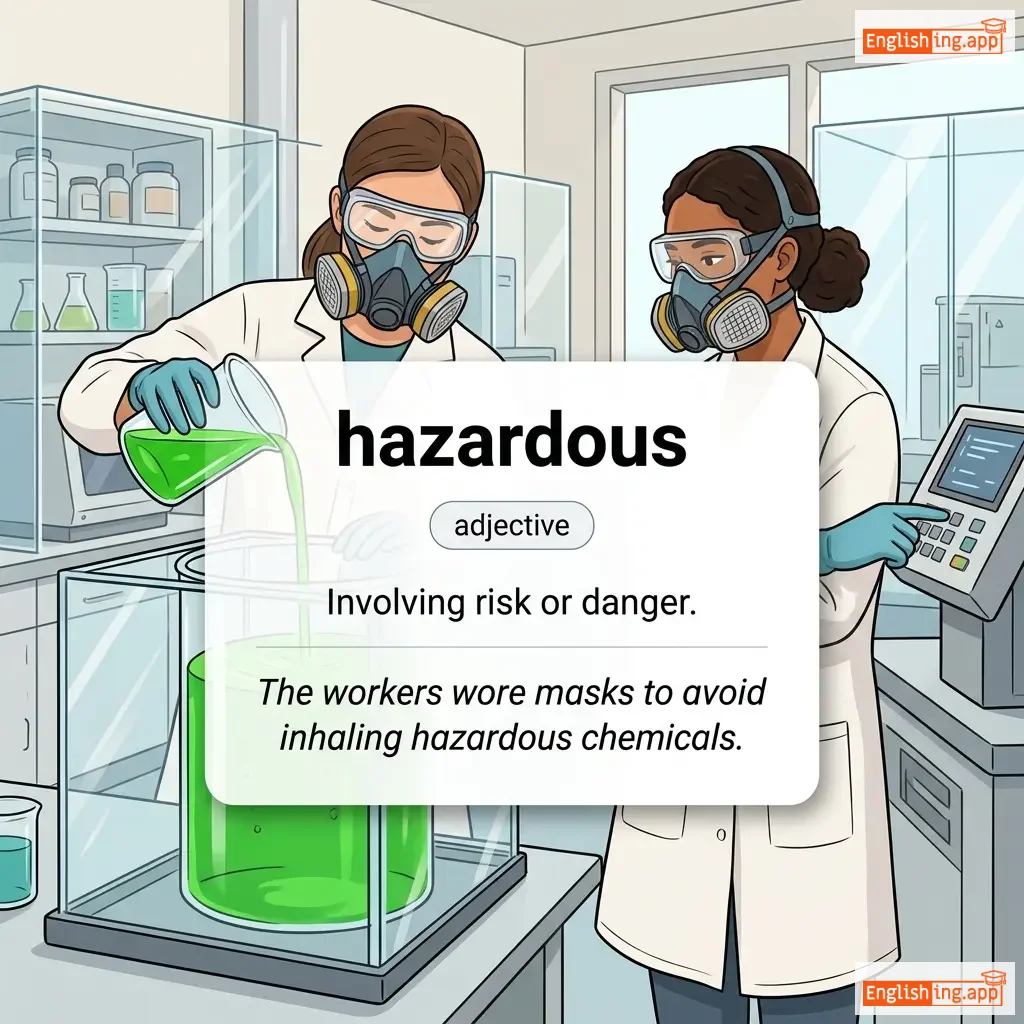
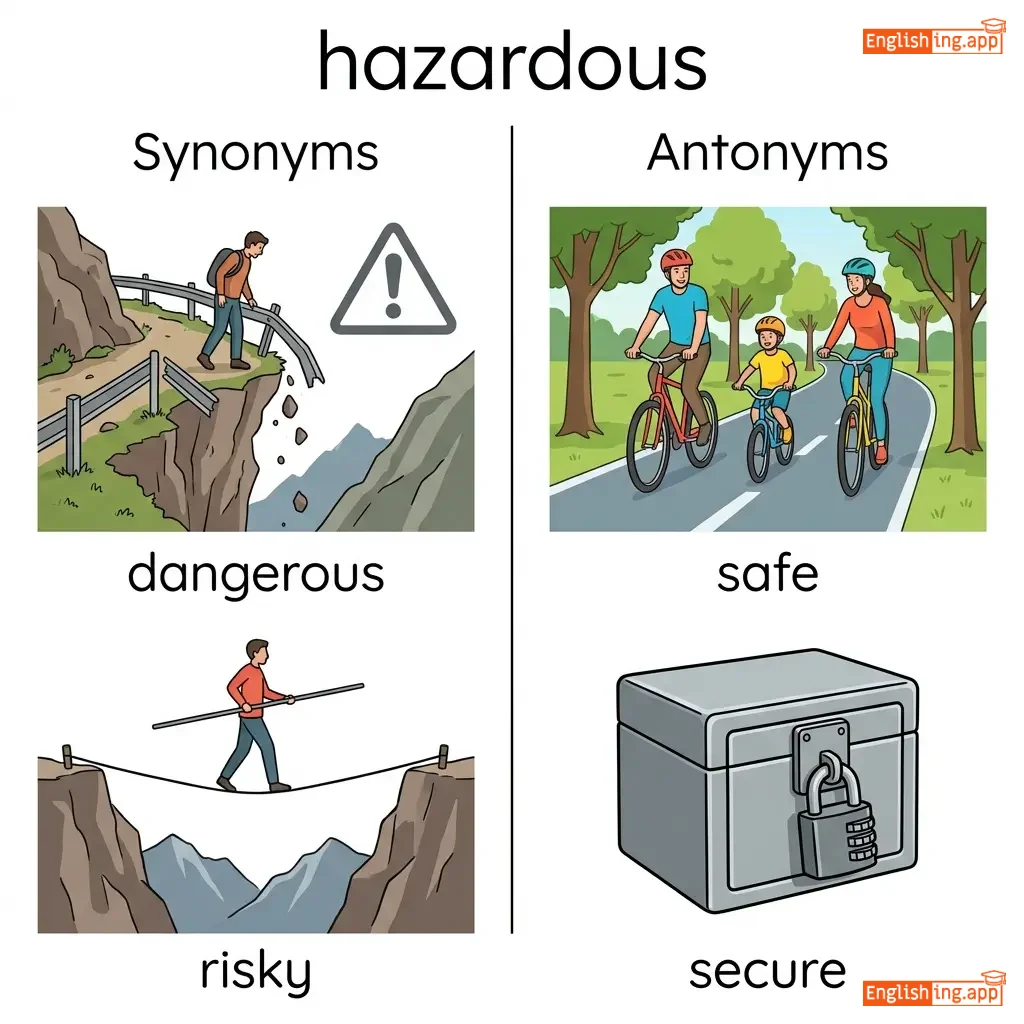
/ˈhæz.ər.dəs/
adjective
(ハザードス)
••••••
|
|
危険な; 危険を伴う;
kiken na; kiken wo tomonau
••••••
|
risky; dangerous; involving potential harm or loss
••••••
|
Working with hazardous chemicals requires special training. |
危険な化学薬品で作業するには特別な訓練が必要です。
Kiken na kagaku yakuhin de sagyou suru ni wa tokubetsu na kunren ga hitsuyou desu.
••••••
|
dangerous, risky, perilous, unsafe
••••••
|
safe, secure, harmless, protected
••••••
|
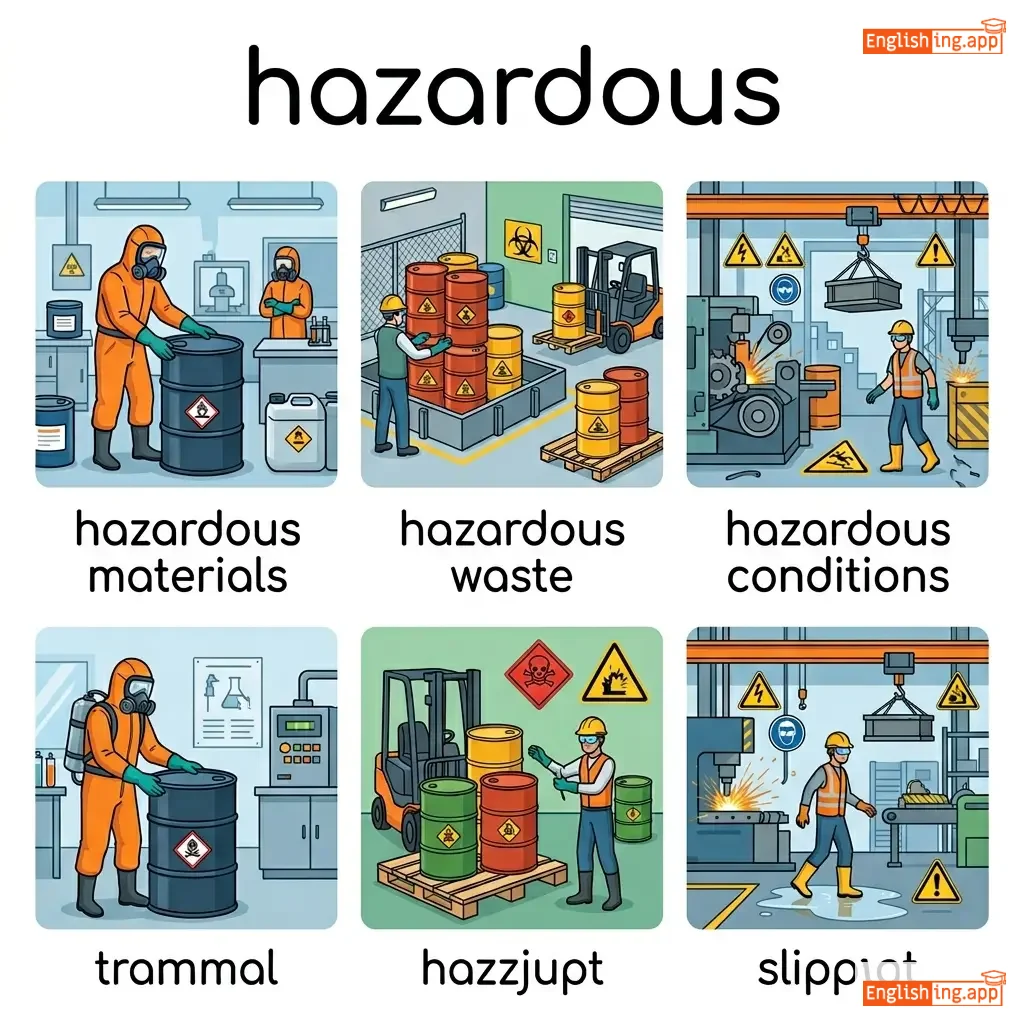
hazardous waste, hazardous materials, hazardous conditions
••••••
|
Hazardous sounds similar to 'kiken' (danger) in Japanese.
••••••
|
|
#332
🚜
|
/hɪk/
adjective
(hik)
••••••
|
- •••••• |
田舎者; 田舎の人
inakamono; inaka no hito
••••••
|
unsophisticated person from a rural area; country bumpkin
••••••
|
He had a hick accent from growing up in a small town. |
彼は小さな町で育ったため、田舎者のアクセントがあった。
Kare wa chiisana machi de sodatta tame, inakamono no akusento ga atta.
••••••
|
rural, rustic, provincial, country
••••••
|
urban, sophisticated, cosmopolitan, refined
••••••
|
hick town, hick accent, hick mentality
••••••
|
田舎者はいつも田舎のアクセントを持っている
••••••
|
|
#333
😇
|
/ˈhevənli/
adjective
(hevunrii)
••••••
|
- •••••• |
天のような; 神聖な; 美味しい
ten no you na; shinsei na; oishii
••••••
|
relating to heaven; extremely pleasant or beautiful
••••••
|
The chocolate cake had a heavenly taste that melted in my mouth. |
チョコレートケーキは天のような味わいで、口の中で溶けました。
chokorēto kēki wa ten no yō na ajiwai de, kuchi no naka de tokemashita.
••••••
|
divine, celestial, wonderful, delightful, blissful
••••••
|
hellish, terrible, awful, earthly, mundane
••••••
|
heavenly body, heavenly music, heavenly scent, heavenly view
••••••
|
天のような = 口の中で溶けるチョコレートケーキの味。
••••••
|
|
#334
😔
|
/ˈhelp.ləs/
adjective
(ヘルプレス)
••••••
|
- •••••• |
無力; 助けがない; 脆弱
muryoku; tasuke ga nai; zeijaku
••••••
|
unable to defend oneself or act without help; powerless; vulnerable
••••••
|
The child felt helpless when lost in the crowded market.
その子供は混雑した市場で迷子になったとき、無力だと感じた。
••••••
|
その子供は混雑した市場で迷子になったとき、無力だと感じた。
Sono kodomo wa konzatsu shita ichiba de maigo ni natta toki, muryoku da to kanjita.
••••••
|
powerless, vulnerable, defenseless, weak
••••••
|
powerful, capable, strong, independent
••••••
|
helpless feeling, helpless victim, helpless situation, helpless child
••••••
|
In Japanese, '無力' is like 'helpless' and means without power or assistance.
••••••
|
|
#335
🌫️
|
/ˈheɪ.zi/
adjective
(ヘイジー)
••••••
|
- •••••• |
ぼんやりした; 曖昧な; ぼやけた
bonyari shita; aimai na; boyaketa
••••••
|
covered with haze; unclear or vague; lacking clarity
••••••
|
The mountain tops were hazy in the morning mist.
山の頂上は朝の霧の中でぼんやりしていました。
••••••
|
山の頂上は朝の霧の中でぼんやりしていました。
Yama no chōjō wa asa no kiri no naka de bonyari shite imashita.
••••••
|
foggy, misty, unclear, vague
••••••
|
clear, distinct, sharp, vivid
••••••
|
hazy weather, hazy memory, hazy details
••••••
|
Hazy は霧のようにぼんやりしている状態を意味します。
••••••
|
|
#336
🙈
|
/ˈhɪd.ən/
adjective
(ヒドゥン)
••••••
|
- •••••• |
隠れた; 秘密の; 見えない
kakureta; himitsu no; mienai
••••••
|
concealed from view; kept secret; not visible or apparent
••••••
|
There was a hidden camera in the room.
部屋には隠れたカメラがありました。
••••••
|
部屋には隠れたカメラがありました。
heya ni wa kakureta kamera ga arimashita.
••••••
|
concealed, secret, invisible, covered
••••••
|
visible, obvious, exposed, apparent
••••••
|
hidden camera, hidden treasure, hidden meaning
••••••
|
隠れたは見えないもの、秘密にされたカメラのように
••••••
|
|
#337
🏋️
|
/ˈhevi/
adjective
(ヘヴィ)
••••••
|
- •••••• |
重い
omoi
••••••
|
having great weight; intense or severe
••••••
|
The heavy suitcase was difficult to carry up the stairs. |
重いスーツケースを階段で運ぶのは大変だった。
omoi suutsukeesu o kaidan de hakobu no wa taihen datta.
••••••
|
weighty, massive, bulky, dense, substantial
••••••
|
light, weightless, airy, delicate, thin
••••••
|
heavy rain, heavy traffic, heavy weight, heavy burden
••••••
|
重い物は持ち運びにくい、重いスーツケースのように。
••••••
|
|
#338
🍷
|
/ˈhed.i/
adjective
(ヘディ)
••••••
|
- •••••• |
陶酔的
tōsuiteki
••••••
|
having a strong or exhilarating effect; intoxicating; exciting
••••••
|
The heady perfume of jasmine filled the garden. |
ジャスミンの陶酔的な香りが庭に満ちていた。
Jasumin no tōsuiteki na kaori ga niwa ni michite ita.
••••••
|
intoxicating, exhilarating, potent, strong
••••••
|
mild, weak, gentle, subtle
••••••
|
heady wine, heady perfume, heady experience
••••••
|
魅力的な香りがあなたを酔わせる
••••••
|
|
#339
🐄
|
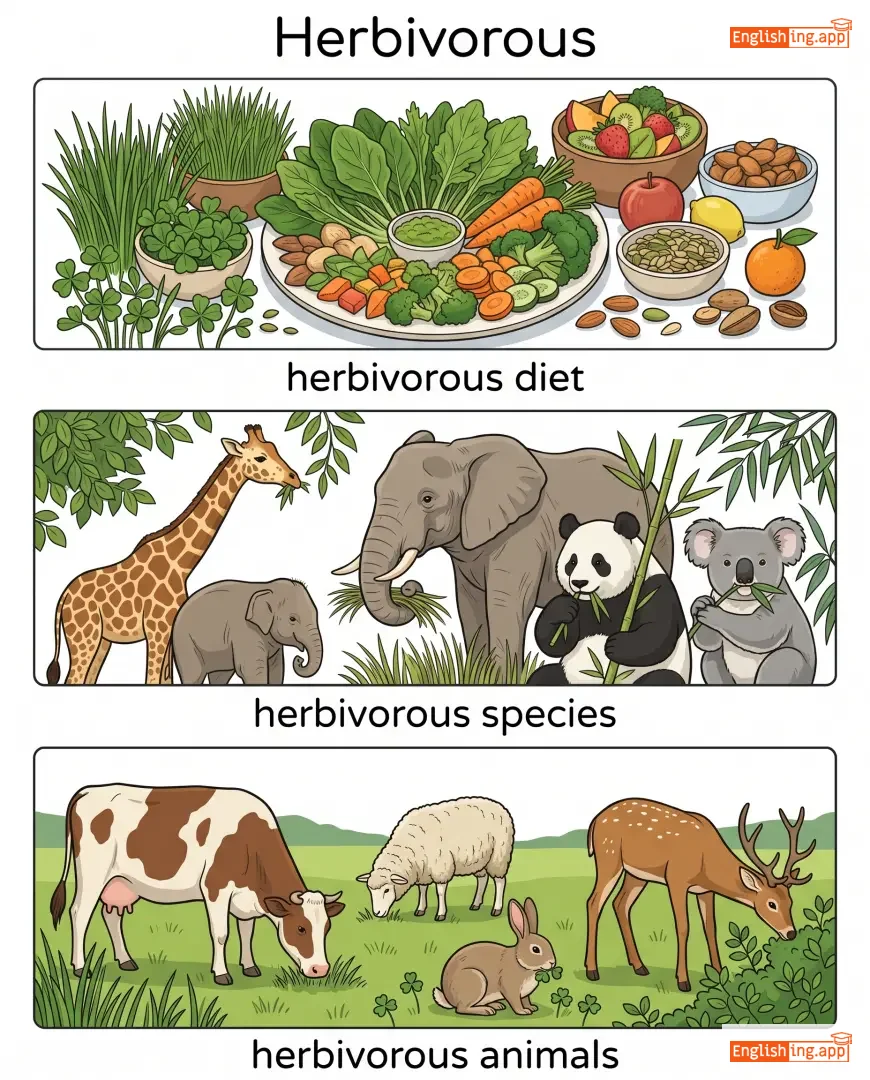
/hɜːrˈbɪv.ər.əs/
adjective
(ハービヴォラス)
••••••
|
|
草食性
soushokusei
••••••
|
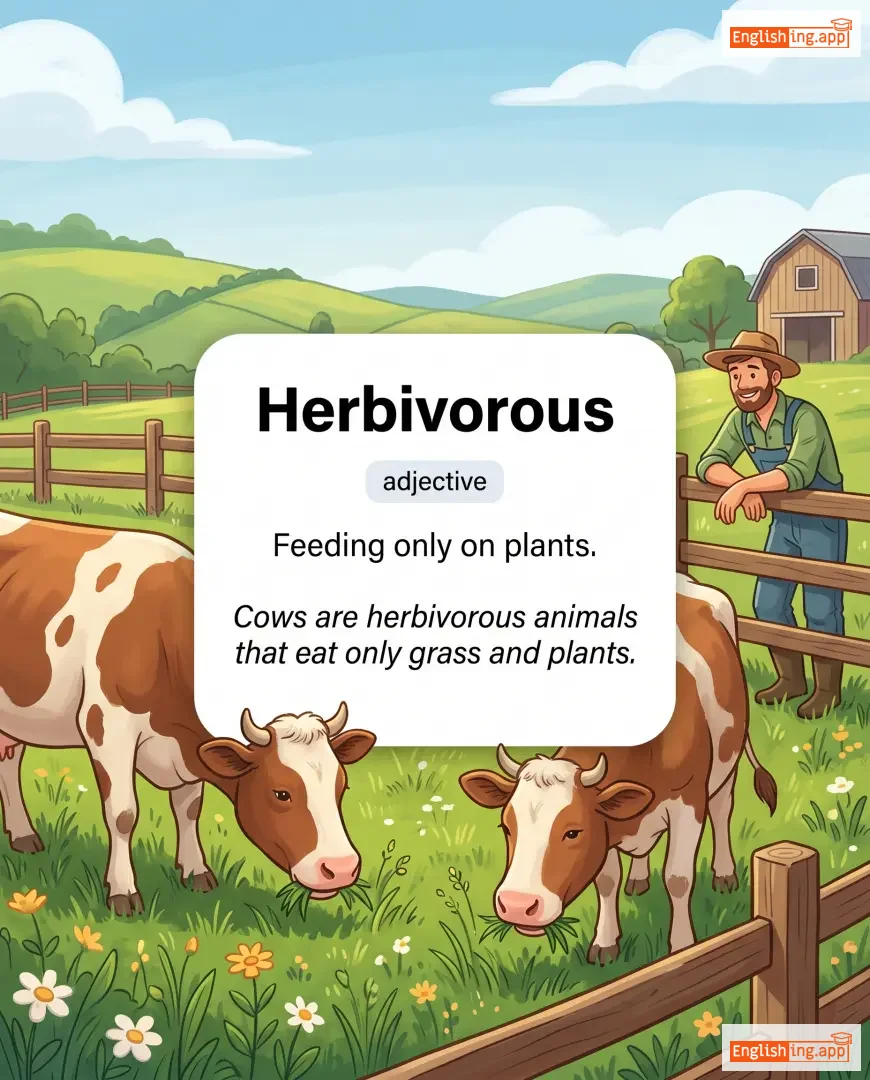
feeding on plants; plant-eating
••••••
|
Cows are herbivorous animals that graze on grass. |
牛は草食性の動物で、草を食べる。
Ushi wa soushokusei no doubutsu de, kusa wo taberu.
••••••
|
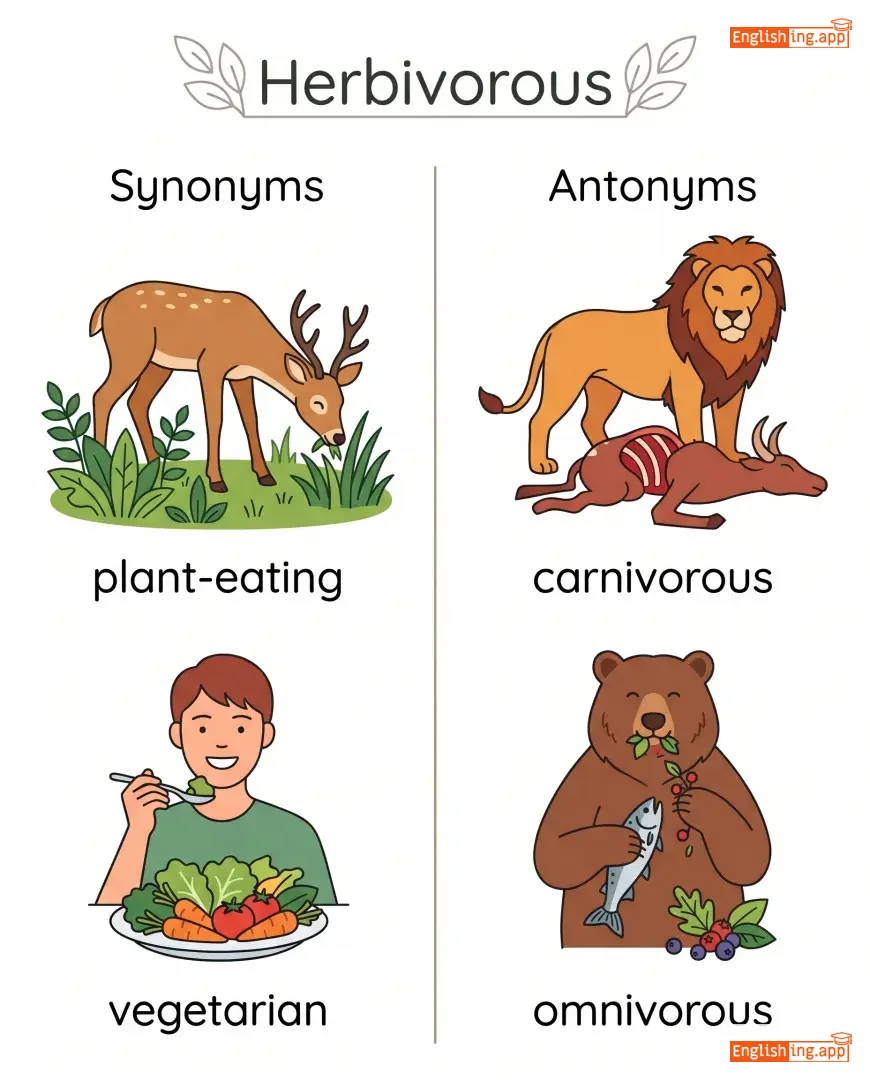
plant-eating, vegetarian, grass-eating
••••••
|
carnivorous, meat-eating, omnivorous
••••••
|
herbivorous animals, herbivorous diet, herbivorous mammals, herbivorous species
••••••
|
草 (kusa) = 草食性 (soushokusei)
••••••
|
|
#340
😱
|
/ˈhɪd.i.əs/
adjective
(hideosu)
••••••
|
- •••••• |
ひどい; 醜い; 恐ろしい
hidoi; minikui; osoroshii
••••••
|
extremely ugly or unpleasant; causing shock or disgust
••••••
|
The monster in the movie had a hideous appearance.
映画のモンスターはひどい外見をしていました。
••••••
|
映画のモンスターはひどい外見をしていました。
Eiga no monsutā wa hidoi gaiken o shite imashita.
••••••
|
ugly, grotesque, repulsive, frightful
••••••
|
beautiful, attractive, lovely, pleasant
••••••
|
hideous monster, hideous crime, hideous sight
••••••
|
映画のモンスターを思い浮かべて、'ひどい'を覚えてください。
••••••
|
Vocabulary Quiz
Test your vocabulary by matching words with their translations or meanings.
Login to take the quiz
Comments (0)
Share your thoughts and join the discussion.
Join the discussion by logging in
Login to CommentNo comments yet
Be the first to share your thoughts!