

翻訳
過去
過去分詞
三人称単数
動名詞
意味
例文
例文の翻訳
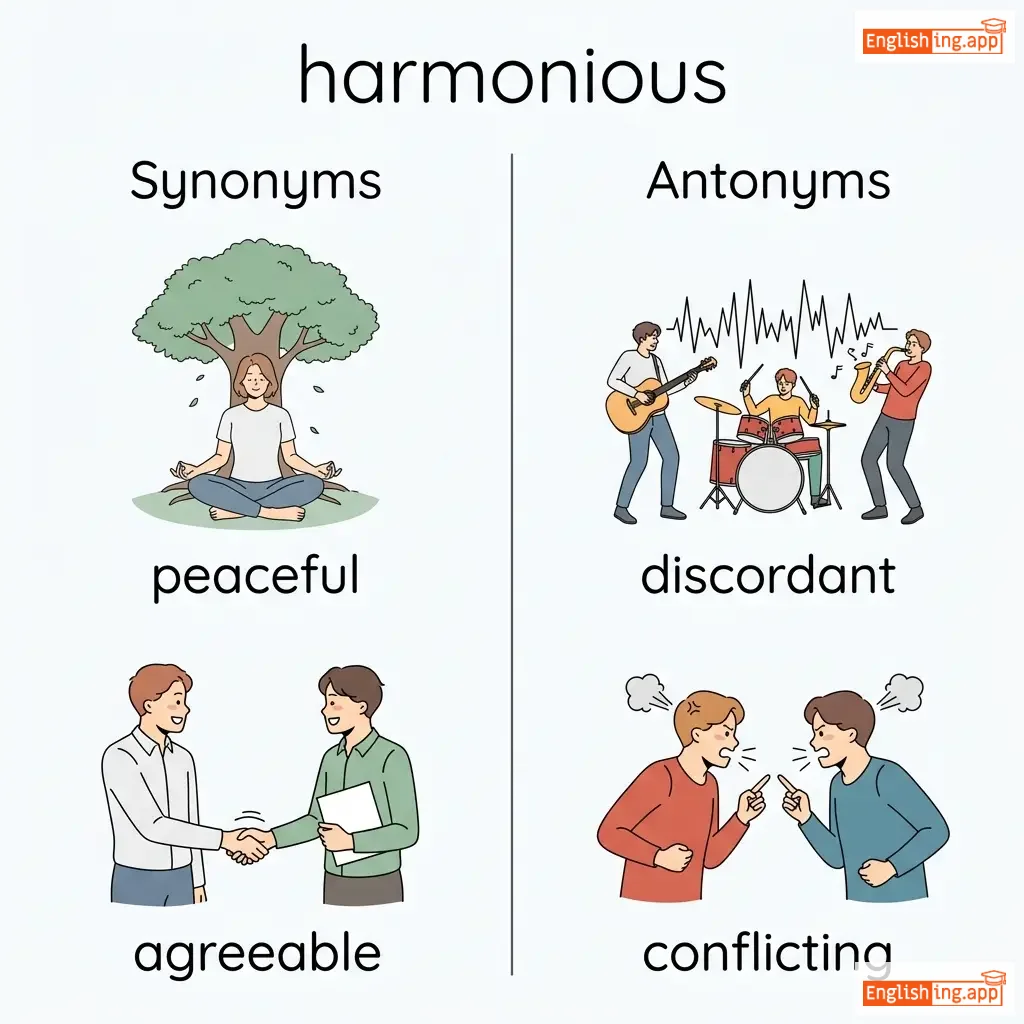
同義語
対義語
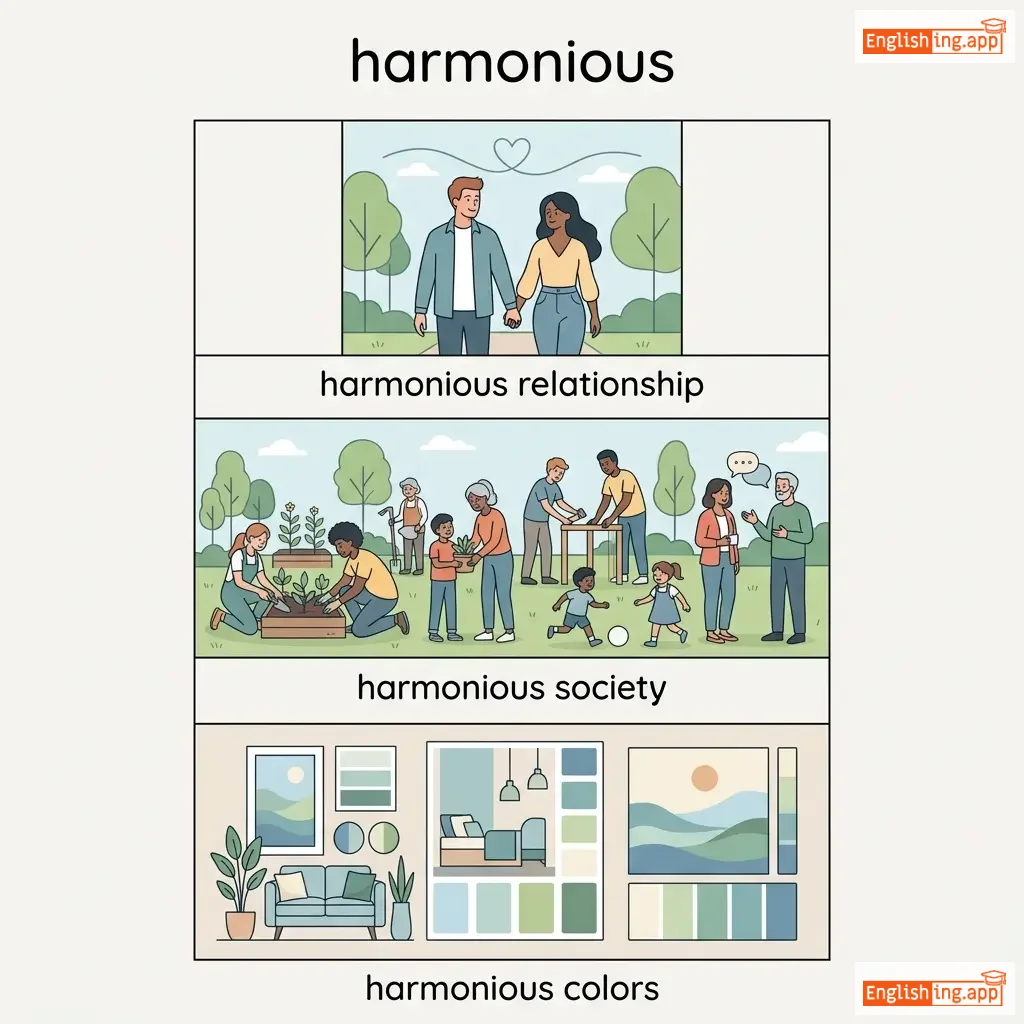
コロケーション
ニーモニック
Swipe left or right, or use the buttons. Tap image to zoom.
例文の翻訳
単語
Lesson 16Lesson 16 - マスクトグル
|
絵文字
|
単語 | Images | 翻訳 | 意味 | 例文 | 例文の翻訳 | 同義語 | 対義語 | コロケーション | ニーモニック |
|---|---|---|---|---|---|---|---|---|---|---|
|
#301
✨
|
/ˈɡlɔːr.i.əs/
adjective
(グローリアス)
••••••
|
- •••••• |
壮大な; 有名な;
soudaina; yuumei na
••••••
|
magnificent; famous; having great beauty or splendor
••••••
|
The sunset was absolutely glorious.
その夕焼けは絶対にグローリアスでした。
••••••
|
その夕焼けは絶対に壮大でした。
Sono yuuyake wa zettai ni soudaina deshita.
••••••
|
magnificent, splendid, wonderful, brilliant
••••••
|
terrible, awful, shameful, disgraceful
••••••
|
glorious victory, glorious day, glorious sunshine, glorious moment
••••••
|
'Glorious' is like 'グローリアス' in Japanese, reflecting magnificence.
••••••
|
|
#302
☠️
|
/ˈhɑːrmfəl/
adjective
(ハームフル)
••••••
|
- •••••• |
有害な
yūgaina
••••••
|
causing or likely to cause harm; damaging
••••••
|
Smoking is harmful to your health. |
喫煙は健康に有害です。
Kitsuen wa kenko ni yūgaina desu.
••••••
|
damaging, dangerous, detrimental, destructive
••••••
|
harmless, beneficial, helpful, safe
••••••
|
harmful effects, harmful chemicals, harmful substances
••••••
|
有害な is a direct match to 'harmful'.
••••••
|
|
#303
🙏
|
/ˈɡreɪ.ʃəs/
adjective
(グレイシャス)
••••••
|
- •••••• |
優雅な; 礼儀正しい; 寛大な;
yūgana; reigi tadashī; kandaina;
••••••
|
kind; courteous; generous;
••••••
|
She was very gracious and thanked everyone for their help. |
彼女はとても優雅で、すべての人に助けてくれたことに感謝しました。
Kanojo wa totemo yūgana de, subete no hito ni tasukete kureta koto ni kansha shimashita.
••••••
|
kind, courteous, polite, generous
••••••
|
rude, ungracious, discourteous
••••••
|
gracious host, gracious manner, gracious living
••••••
|
In Japanese, '優雅な' means gracious or elegant.
••••••
|
|
#304
🚫
|
/ˈɡraʊnd.ləs/
adjective
(グラウンドレス)
••••••
|
- •••••• |
根拠がない; 理由がない
konkyo ga nai; riyuu ga nai
••••••
|
without foundation or justification; baseless
••••••
|
His accusations against her were completely groundless. |
彼の彼女に対する非難は完全に根拠がなかった。
Kare no kanojo ni taisuru hinan wa kanzen ni konkyo ga nakatta.
••••••
|
baseless, unfounded, unjustified, without basis
••••••
|
justified, founded, valid, substantiated
••••••
|
groundless fears, groundless accusations, groundless rumor
••••••
|
Groundless = 根拠がない, まるで基盤のない家のよう
••••••
|
|
#305
😞
|
/ɡlʌm/
adjective
(グラム)
••••••
|
- •••••• |
憂鬱な; 落ち込んだ; 元気がない
yūutsu na; ochikonda; genki ga nai
••••••
|
sad; dejected; downcast; gloomy
••••••
|
He looked glum after hearing the bad news.
彼は悪いニュースを聞いた後、元気がなく見えました。
••••••
|
彼は悪いニュースを聞いた後、元気がなく見えました。
Kare wa warui nyūsu o kiita ato, genki ga naku miemashita.
••••••
|
sad, dejected, despondent, morose
••••••
|
cheerful, happy, joyful, upbeat
••••••
|
glum expression, glum mood, look glum, feel glum
••••••
|
Remember that 'glum' and 'gloomy' both mean '憂鬱' in Japanese.
••••••
|
|
#306
🕊️
|
/ˈhɑːrmləs/
adjective
(ハームレス)
••••••
|
- •••••• |
無害な; 無実の; 安全な
mugai na; mujitsu no; anzen na
••••••
|
not able or likely to cause harm; innocent; safe
••••••
|
The snake looks dangerous but it's actually harmless. |
ヘビは危険に見えるが、実際には無害だ。
Hebi wa kiken ni mieru ga, jissai ni wa mugai da.
••••••
|
safe, innocent, benign, non-toxic
••••••
|
harmful, dangerous, toxic, destructive
••••••
|
harmless fun, harmless joke, harmless bacteria
••••••
|
'Mugai' in Japanese sounds like 'no harm' (harmless).
••••••
|
|
#307
😠
|
/ˈɡrʌm.pi/
adjective
(グランピー)
••••••
|
- •••••• |
不機嫌な; イライラした;
fukigen na; iraira shita;
••••••
|
bad-tempered and irritable; easily annoyed
••••••
|
He was grumpy all morning because he didn't sleep well. |
彼は朝からずっと不機嫌でした、よく眠れなかったからです。
Kare wa asa kara zutto fukigen deshita, yoku nemurenakatta kara desu.
••••••
|
irritable, cranky, bad-tempered, moody
••••••
|
cheerful, pleasant, good-natured, happy
••••••
|
grumpy mood, grumpy old man, feeling grumpy
••••••
|
不機嫌な人を‘グランピー’と言います。
••••••
|
|
#308
⏳
|
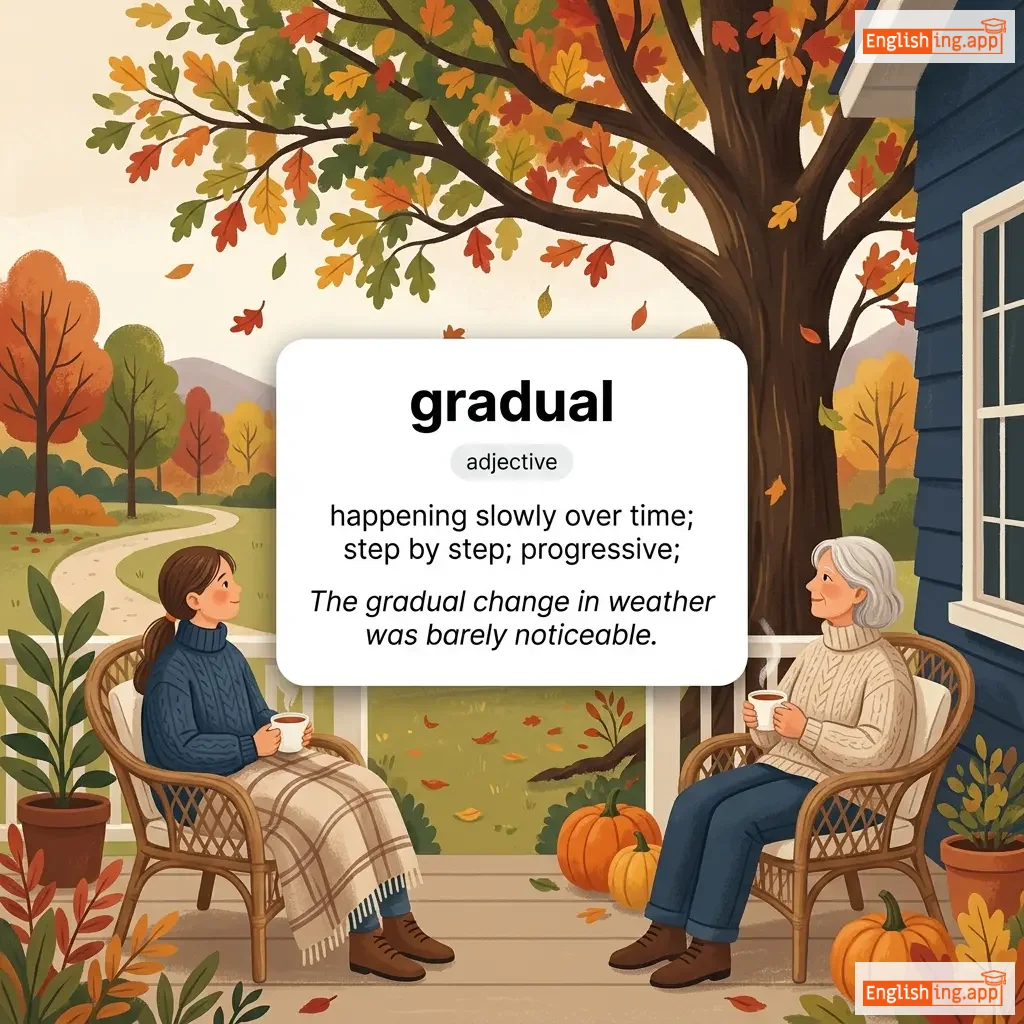
/ˈɡrædʒ.u.əl/
adjective
(gurajūaru)
••••••
|
|
段階的な; 徐々の; 進行中の;
dankai-teki na; jojo no; shinkōchū no;
••••••
|
happening slowly over time; step by step; progressive;
••••••
|
The gradual change in weather was barely noticeable.
天気の徐々の変化はほとんど気づかれなかった。
••••••
|
天気の徐々の変化はほとんど気づかれなかった。
Tenki no jojo no henka wa hotondo kizukarenakatta.
••••••
|
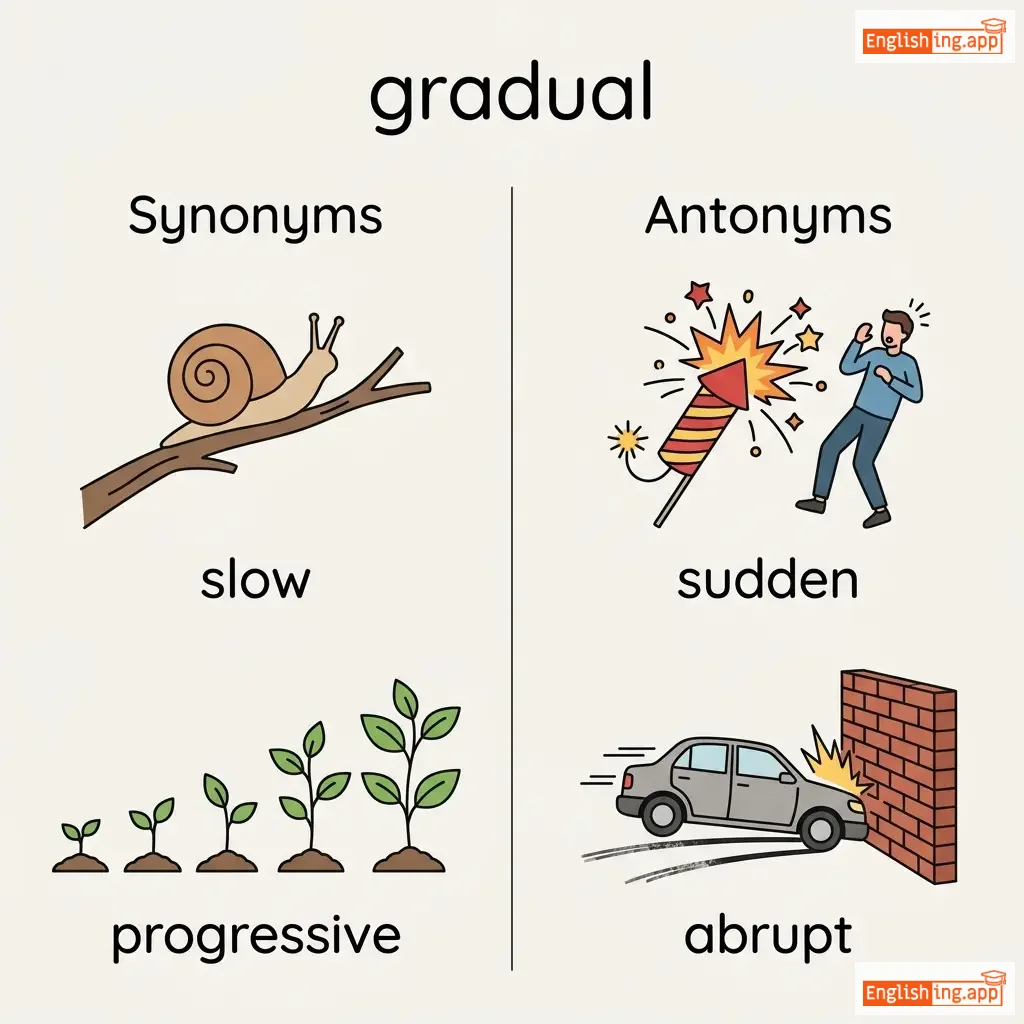
slow, progressive, incremental, step-by-step
••••••
|
sudden, abrupt, rapid, immediate
••••••
|
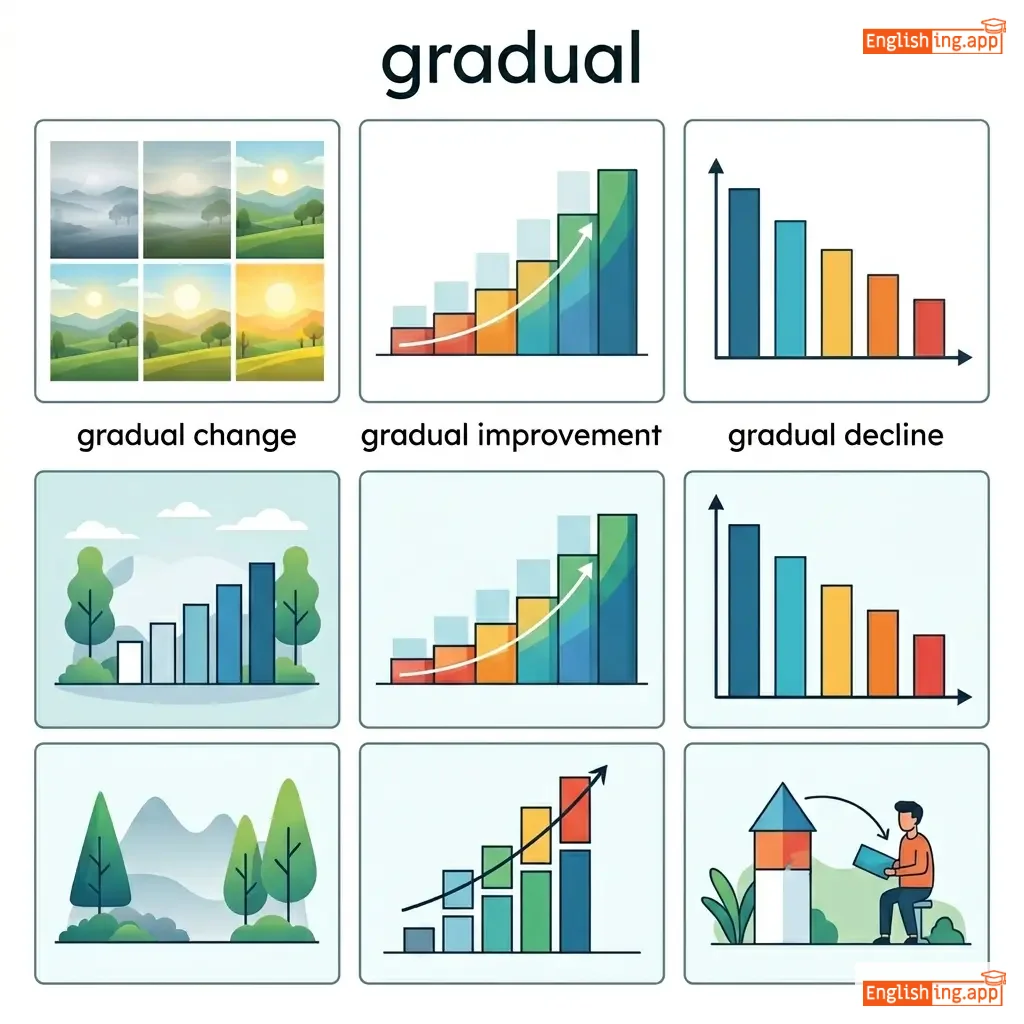
gradual change, gradual improvement, gradual decline
••••••
|
Gradualは時間とともにゆっくり進むこと、天気が変わるように。
••••••
|
|
#309
🏰
|
/ɡrænd/
adjective
(グランド)
••••••
|
- •••••• |
壮大; 素晴らしい; 優れた;
soudai; subarashii; sugureta;
••••••
|
impressive; magnificent; excellent;
••••••
|
The grand palace impressed all the visitors. |
その壮大な宮殿は全ての訪問者を感動させました。
Sono soudaina kyuuden wa subete no houmonsha wo kandou sasemashita.
••••••
|
magnificent, impressive, majestic, splendid
••••••
|
modest, humble, small, insignificant
••••••
|
grand opening, grand piano, grand total
••••••
|
Grand = 素晴らしい (Magnificent)
••••••
|
|
#310
😔
|
/ˈɡɪl.ti/
adjective
(ギルティ)
••••••
|
- •••••• |
有罪
yūzai
••••••
|
having committed a crime or offense; feeling responsible for wrongdoing
••••••
|
She felt guilty about lying to her parents. |
彼女は両親に嘘をついたことに対して有罪だと感じていた。
Kanojo wa ryōshin ni uso o tsuita koto ni taishite yūzai da to kanjite ita.
••••••
|
culpable, responsible, blameworthy, at fault
••••••
|
innocent, guiltless, blameless, not guilty
••••••
|
guilty conscience, plead guilty, feel guilty
••••••
|
有罪感を感じるのは、罪を犯したからです
••••••
|
|
#311
😊
|
/ɡʊd/
adjective
(gud)
••••••
|
- •••••• |
良い; 優れた; 有益な;
ii; sugureta; yūeki na
••••••
|
satisfactory; pleasant; beneficial; of high quality
••••••
|
She is a good student.
彼女は良い学生です。
••••••
|
彼女は良い学生です。
Kanojo wa yoi gakusei desu.
••••••
|
excellent, fine, great, nice
••••••
|
bad, poor, terrible, awful
••••••
|
good idea, good job, good morning, good luck
••••••
|
良い (ii) + Good (gud) = 良い Good
••••••
|
|
#312
🎵
|
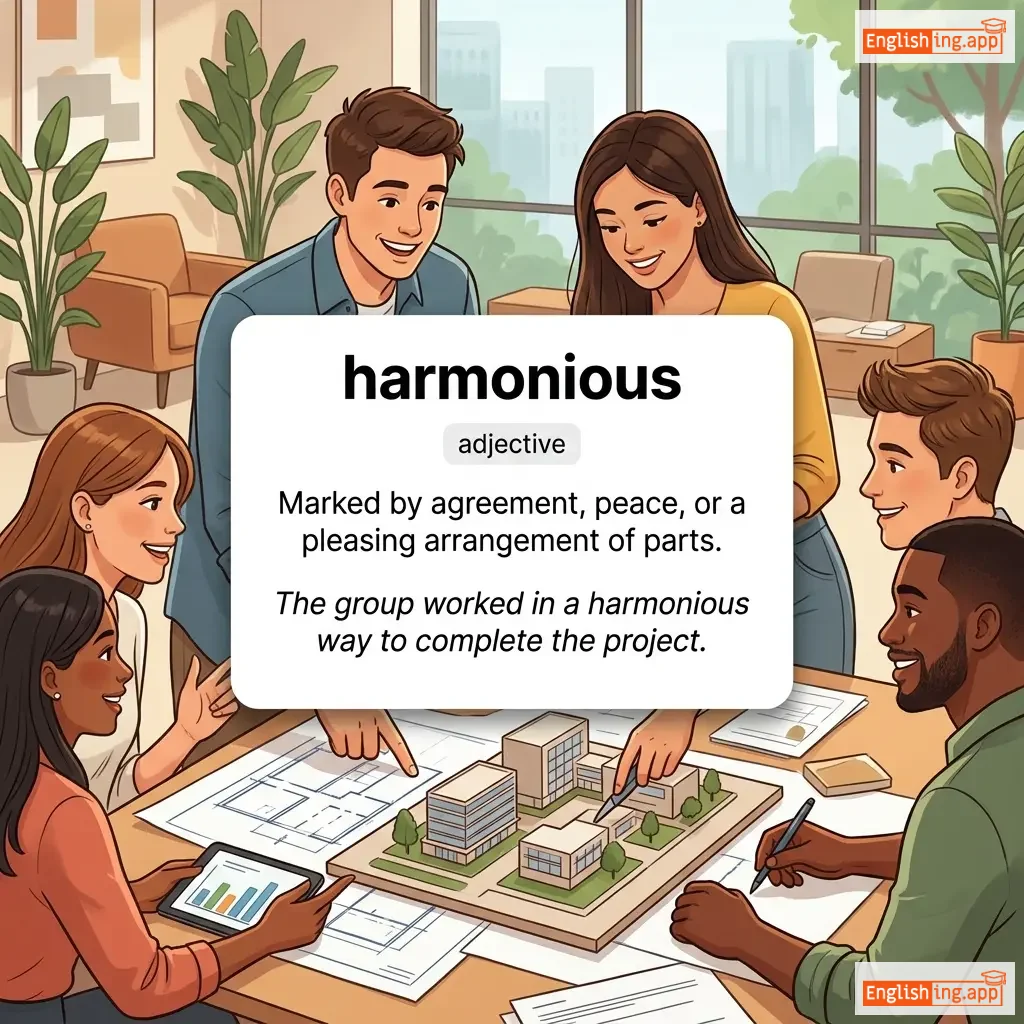
/hɑːrˈmoʊniəs/
adjective
(ハーモニアス)
••••••
|
|
調和の取れた; メロディアスな; 平和的な
chōwa no toreta; merodiasuna; heiwateki na
••••••
|
forming a pleasing or consistent whole; melodious; peaceful
••••••
|
The choir sang in harmonious voices. |
合唱団は調和の取れた声で歌いました。
Kasshōdan wa chōwa no toreta koe de utaimashita.
••••••
|
melodious, peaceful, balanced, coordinated
••••••
|
discordant, conflicting, chaotic, dissonant
••••••
|
harmonious relationship, harmonious colors, harmonious melody
••••••
|
調和の取れた歌声は平和と幸せをもたらす。
••••••
|
|
#313
🎨
|
/ˈɡræf.ɪk/
adjective
(グラフィック)
••••••
|
- •••••• |
グラフィック; 視覚的; 鮮明な;
gurafikku
••••••
|
relating to visual design; vivid; clearly described;
••••••
|
The graphic design was colorful and eye-catching.
グラフィックデザインはカラフルで目を引くものでした。
••••••
|
グラフィックデザインはカラフルで目を引くものでした。
Gurafikku dezain wa karafuru de me wo hiku mono deshita.
••••••
|
visual, pictorial, illustrative, vivid
••••••
|
abstract, vague, unclear, indistinct
••••••
|
graphic design, graphic novel, graphic description
••••••
|
グラフィックデザインは視覚的に魅力的です。
••••••
|
|
#314
🏠
|
/ˈhæb.ɪ.tə.bəl/
adjective
(ハビタブル)
••••••
|
- •••••• |
居住可能
kyojū kanō
••••••
|
suitable or good enough to live in
••••••
|
The planet Mars may become habitable in the future.
火星は将来、居住可能になるかもしれません。
••••••
|
火星は将来、居住可能になるかもしれません。
Kasei wa shōrai, kyojū kanō ni naru kamoshiremasen.
••••••
|
livable, inhabitable, suitable for living
••••••
|
uninhabitable, unlivable, unsuitable
••••••
|
habitable planet, habitable zone, barely habitable
••••••
|
居住可能 = 居住するのに最適な場所、つまり火星も居住可能になる!
••••••
|
|
#315
💖
|
/ˈɡɔːr.dʒəs/
adjective
(ɡɔːrʒəs)
••••••
|
- •••••• |
非常に美しい; 魅力的; 視覚的に印象的
hijō ni utsukushī; miryokuteki; shikakuteki ni inshō-teki
••••••
|
extremely beautiful; attractive; visually stunning
••••••
|
The bride looked absolutely gorgeous.
花嫁は絶対に美しく見えました。
••••••
|
花嫁は絶対に美しく見えました。
Hanayome wa zettai ni utsukushiku miemashita.
••••••
|
beautiful, stunning, magnificent, lovely
••••••
|
ugly, hideous, repulsive, unattractive
••••••
|
gorgeous dress, gorgeous weather, gorgeous view, absolutely gorgeous
••••••
|
結婚式では花嫁は常に絶対に美しく見えるべきです!
••••••
|
|
#316
😠
|
/hɑːrʃ/
adjective
(ハーシュ)
••••••
|
- •••••• |
厳しい; 荒い; 残酷な; 厳格な
kibishī; arai; zankokuna; genkakuna
••••••
|
unpleasantly hard or rough in texture; cruel or severe
••••••
|
The teacher gave harsh criticism about my work.
先生は私の仕事に厳しい批評をしました。
••••••
|
先生は私の仕事に厳しい批評をしました。
Sensei wa watashi no shigoto ni kibishī hihyō o shimashita.
••••••
|
severe, rough, cruel, stern
••••••
|
gentle, mild, soft, kind
••••••
|
harsh weather, harsh words, harsh reality
••••••
|
もし 'harsh' なら、厳しくて荒い感じだね!
••••••
|
|
#317
🙏
|
/ˈɡreɪt.fəl/
adjective
(ɡreɪtfʊl)
••••••
|
- •••••• |
感謝している
kansha shite iru
••••••
|
thankful; appreciative;
••••••
|
I am grateful for your kindness and support. |
あなたの親切とサポートに感謝しています。
Anata no shinsetsu to sapōto ni kansha shiteimasu.
••••••
|
thankful, appreciative, obliged, indebted
••••••
|
ungrateful, unappreciative, thankless
••••••
|
grateful for, deeply grateful, grateful heart
••••••
|
感謝の気持ちが幸せを運ぶ。
••••••
|
|
#318
🥰
|
/ˈɡreɪs.fəl/
adjective
(gureisufuru)
••••••
|
- •••••• |
優雅な; 滑らかな; 洗練された; 動きや振る舞いの美しさを持つ
yūgana; namerakana; senrensareta; ugoki ya furumai no utsukushisa o motsu
••••••
|
elegant; smooth; refined; having beauty of movement or manner
••••••
|
The dancer moved with graceful elegance.
ダンサーは優雅に動きました。
••••••
|
ダンサーは優雅に動きました。
Dansā wa yūgana ni ugokimashita.
••••••
|
elegant, refined, smooth, fluid
••••••
|
clumsy, awkward, ungainly, crude
••••••
|
graceful movement, graceful dancer, graceful pose, graceful manner
••••••
|
Graceful = moves that speak elegance
••••••
|
|
#319
😴
|
/ˈhæɡ.ərd/
adjective
(ハガード)
••••••
|
- •••••• |
疲れ果てて病気のように見える、特に疲労、心配、または苦しみから
tsukarehatete byouki no you ni mieru, toku ni hirou, shinpai, mata wa kurushimi kara
••••••
|
looking exhausted and unwell, especially from fatigue, worry, or suffering
••••••
|
After working three nights without sleep, he looked haggard. |
三晩寝ずに働いた後、彼は疲れ果てて見えた。
San ban nezu ni hataraita ato, kare wa tsukarehatete mieta.
••••••
|
exhausted, worn-out, gaunt, drawn
••••••
|
refreshed, energetic, vibrant, healthy
••••••
|
haggard appearance, look haggard, haggard face
••••••
|
Haggard = 疲れすぎて不健康に見える
••••••
|
|
#320
🏃♂️
|
/ˈheɪsti/
adjective
(ヘイスティ)
••••••
|
- •••••• |
急いだ; 慌ただしい
isoida; awatadashii
••••••
|
done or acting with excessive speed or urgency; hurried
••••••
|
Don't make hasty decisions when you're angry. |
怒っているときに急いだ決定をしないでください。
Okotte iru toki ni isoida kettei o shinaide kudasai.
••••••
|
quick, rushed, hurried, rash
••••••
|
careful, deliberate, slow, thoughtful
••••••
|
hasty decision, hasty retreat, hasty conclusion
••••••
|
急いで決めたことは後悔することが多い。
••••••
|
Vocabulary Quiz
Test your vocabulary by matching words with their translations or meanings.
Login to take the quiz
Comments (0)
Share your thoughts and join the discussion.
Join the discussion by logging in
Login to CommentNo comments yet
Be the first to share your thoughts!