

翻訳
過去
過去分詞
三人称単数
動名詞
意味
例文
例文の翻訳
同義語
対義語
コロケーション
ニーモニック
Swipe left or right, or use the buttons. Tap image to zoom.
例文の翻訳
単語
Lesson 33Lesson 33 - マスクトグル
|
絵文字
|
単語 | Images | 翻訳 | 意味 | 例文 | 例文の翻訳 | 同義語 | 対義語 | コロケーション | ニーモニック |
|---|---|---|---|---|---|---|---|---|---|---|
|
#641
📚
|
/prɪˈpærəˌtɔːri/
adjective
(プレパラトリー)
••••••
|
- •••••• |
準備的な; 入門的な; 準備のための
pureparatori
••••••
|
preliminary; introductory; intended as preparation
••••••
|
She attended preparatory classes before the final exam. |
彼女は最終試験の前に準備クラスに参加しました。
Kanojo wa saishū shiken no mae ni junbi kurasu ni sanka shimashita.
••••••
|
preliminary, introductory, initial
••••••
|
final, concluding, advanced
••••••
|
preparatory work, preparatory school, preparatory course
••••••
|
最終試験の前に準備クラスを受ける
••••••
|
|
#642
⬇️
|
/proʊn/
adjective
(プロン)
••••••
|
- •••••• |
傾向がある
keikou ga aru
••••••
|
having a tendency to; inclined; lying face down
••••••
|
He is prone to making mistakes when he's tired.
彼は疲れているときにミスをする傾向があります。
••••••
|
彼は疲れているときにミスをする傾向があります。
Kare wa tsukarete iru toki ni misu o suru keikou ga arimasu.
••••••
|
inclined, liable, susceptible, disposed
••••••
|
upright, resistant, immune
••••••
|
prone to error, prone position, accident-prone
••••••
|
疲れた時に傾向があるとミスをしてしまう。
••••••
|
|
#643
⏮️
|
/ˈpriː.vi.əs/
adjective
(ハピネス)
••••••
|
- •••••• |
前の
mae no
••••••
|
occurring before in time or order; earlier; former
••••••
|
I reviewed the previous chapter before starting the new one.
私は新しい章を始める前に前の章を復習しました。
••••••
|
私は新しい章を始める前に前の章を復習しました。
Watashi wa atarashii shou wo hajimeru mae ni mae no shou wo fukushuu shimashita.
••••••
|
former, earlier, preceding, prior
••••••
|
next, following, subsequent, later
••••••
|
previous experience, previous year, previous chapter, previous owner
••••••
|
‘前の’ という言葉は、過去の経験が新しいものを理解するのに役立つことを示しています。
••••••
|
|
#644
🔒
|
/ˈpraɪ.vət/
adjective
(プライベート)
••••••
|
- •••••• |
プライベート; 秘密の; 公開しない; 個人的な
puraibēto; himitsu no; kōkai shinai; kojinteki na
••••••
|
personal; confidential; not public; individual
••••••
|
This is a private conversation between two friends.
これは二人の友達の間のプライベートな会話です。
••••••
|
これは二人の友達の間のプライベートな会話です。
Kore wa futari no tomodachi no aida no puraibēto na kaiwa desu.
••••••
|
personal, confidential, secret, individual
••••••
|
public, open, shared, common
••••••
|
private property, private life, private school, private sector
••••••
|
プライベートな会話は信頼できる人々の間で行われます。
••••••
|
|
#645
👔
|
/prɪˈzentəbl/
adjective
(prezentāburu)
••••••
|
- •••••• |
見栄えが良い; 公の場に適した
miebāe ga yoi; kōno ba ni tekishita
••••••
|
neat and suitable for being seen in public; acceptable in appearance
••••••
|
Make sure you look presentable for the job interview.
面接のために見た目をきちんと整えてください。
••••••
|
面接のために見た目をきちんと整えてください。
mensetsu no tame ni mitame o kichin to totonoete kudasai
••••••
|
neat, tidy, respectable, suitable
••••••
|
scruffy, untidy, disheveled, inappropriate
••••••
|
look presentable, presentable appearance, presentable condition
••••••
|
面接に向けて、きちんと見えるように準備してください。
••••••
|
|
#646
💰
|
/ˈprɑːspərəs/
adjective
(プロスペラス)
••••••
|
- •••••• |
繁栄している; 成功している;
hanei shiteiru; seikou shiteiru
••••••
|
successful in material terms; flourishing financially
••••••
|
The company became very prosperous after launching their new product.
その企業は新製品を発売した後、非常に繁栄しました。
••••••
|
その企業は新製品を発売した後、非常に繁栄しました。
Sono kigyou wa shin seihin o hatsubai shita ato, hijou ni hanei shimashita.
••••••
|
wealthy, affluent, successful, thriving
••••••
|
poor, unsuccessful, declining, struggling
••••••
|
prosperous business, prosperous nation, prosperous future
••••••
|
新製品を発売して繁栄する企業
••••••
|
|
#647
👑
|
/ˈprɪv.ə.lɪdʒd/
adjective
(プリヴィリッジド)
••••••
|
- •••••• |
恵まれた
megumareta
••••••
|
having special advantages; favored; elite
••••••
|
She comes from a privileged background with many opportunities.
彼女は機会に恵まれた背景を持っている。
••••••
|
彼女は機会に恵まれた背景を持っている。
Kanojo wa kikai ni megumareta haikei o motte iru.
••••••
|
advantaged, favored, elite, fortunate
••••••
|
disadvantaged, underprivileged, deprived, unlucky
••••••
|
privileged position, privileged information, privileged few, privileged class
••••••
|
VIPの冠を想像して Privileged = 恵まれた background
••••••
|
|
#648
💎
|
/ˈpraɪs.ləs/
adjective
(ˈpɾajs.ləs)
••••••
|
- •••••• |
無価値な; 計り知れない価値がある
mukachina; hakarishirenai kachi ga aru
••••••
|
extremely valuable; invaluable; beyond price
••••••
|
Her grandmother's antique jewelry is absolutely priceless.
彼女の祖母の古代の宝石は絶対に無価値だ。
••••••
|
彼女の祖母の古代の宝石は絶対に無価値だ。
Kanojo no sobo no kodai no hōseki wa zettai ni mukachida.
••••••
|
invaluable, precious, valuable, treasured
••••••
|
worthless, cheap, valueless, insignificant
••••••
|
priceless artifact, priceless moment, priceless collection, priceless treasure
••••••
|
無価値なものは計り知れない価値を持っている。
••••••
|
|
#649
🪨
|
/ˈprɪm.ɪ.tɪv/
adjective
(プリミティブ)
••••••
|
- •••••• |
原始的; 基本的; 粗野; 未発達; 単純
genshiteki; kihonteki; soya; mihattatsu; tanjun
••••••
|
ancient; basic; crude; undeveloped; simple
••••••
|
The tribe still uses primitive tools for hunting and farming.
部族は狩猟と農業のために未開の道具を使用し続けています。
••••••
|
部族は狩猟と農業のために未開の道具を使用し続けています。
Buzoku wa shuryō to nōgyō no tame ni mikai no dōgu o shiyō shitsuzuketeimasu.
••••••
|
ancient, basic, crude, simple
••••••
|
modern, advanced, sophisticated, refined
••••••
|
primitive tools, primitive society, primitive conditions, primitive technology
••••••
|
未開の道具で狩猟する部族
••••••
|
|
#650
🤔
|
/ˈprɒb.ə.bəl/
adjective
(プロバブル)
••••••
|
- •••••• |
可能性がある
kanousei ga aru
••••••
|
likely to happen; expected; plausible
••••••
|
It is probable that it will rain tomorrow according to the weather forecast. |
天気予報によると、明日は雨が降る可能性が高いです。
Tenki yohou ni yoru to, ashita wa ame ga furu kanousei ga takai desu.
••••••
|
likely, possible, plausible, expected
••••••
|
improbable, unlikely, impossible, doubtful
••••••
|
probable cause, probable outcome, highly probable, most probable
••••••
|
明日は雨が降る可能性が高いから傘を持って行こう!
••••••
|
|
#651
🌸
|
/ˈprɪti/
adjective
(priti)
••••••
|
- •••••• |
可愛い; 美しい; 魅力的
kawaii; utsukushii; miryokuteki
••••••
|
attractive in a delicate way; fairly or moderately
••••••
|
She wore a pretty dress to the party.
彼女はパーティーにかわいいドレスを着て行きました。
••••••
|
彼女はパーティーにかわいいドレスを着て行きました。
Kanojo wa pātii ni kawaii doresu o kite ikimashita.
••••••
|
beautiful, lovely, attractive, charming
••••••
|
ugly, unattractive, plain, hideous
••••••
|
pretty girl, pretty good, pretty much
••••••
|
パーティーで可愛いドレスを着ると、さらに魅力的に見える!
••••••
|
|
#652
😤
|
/praʊd/
adjective
(praud)
••••••
|
- •••••• |
誇り
hokori
••••••
|
feeling deep pleasure from one's achievements; having high self-respect
••••••
|
She was proud of her daughter's academic achievements.
彼女は娘の学業成就に誇りを持っていました。
••••••
|
彼女は娘の学業成就に誇りを持っていました。
Kanojo wa musume no gakugyō jōju ni hokori o motte imashita.
••••••
|
pleased, satisfied, delighted, honored
••••••
|
ashamed, humble, modest, embarrassed
••••••
|
proud moment, proud parent, proud achievement
••••••
|
In Japanese, '誇り' (hokori) means pride, and is a representation of feeling proud.
••••••
|
|
#653
🎯
|
/ˈprɪn.sə.pəl/
adjective
(purinsiparu)
••••••
|
- •••••• |
主要な; 最も重要な; 主な; 校長
shuyouna; mottomo juuyou na; omona; kouchou
••••••
|
main; primary; most important; chief
••••••
|
The principal reason for the meeting was to discuss the budget. |
会議の主要な理由は予算について議論することでした。
Kaigi no shuyouna riyuu wa yosan ni tsuite giron suru koto deshita.
••••••
|
main, primary, chief, major
••••••
|
secondary, minor, subsidiary, lesser
••••••
|
principal reason, principal amount, principal concern, principal objective
••••••
|
学校の校長は、いつも最も重要な決定を下します。
••••••
|
|
#654
⚠️
|
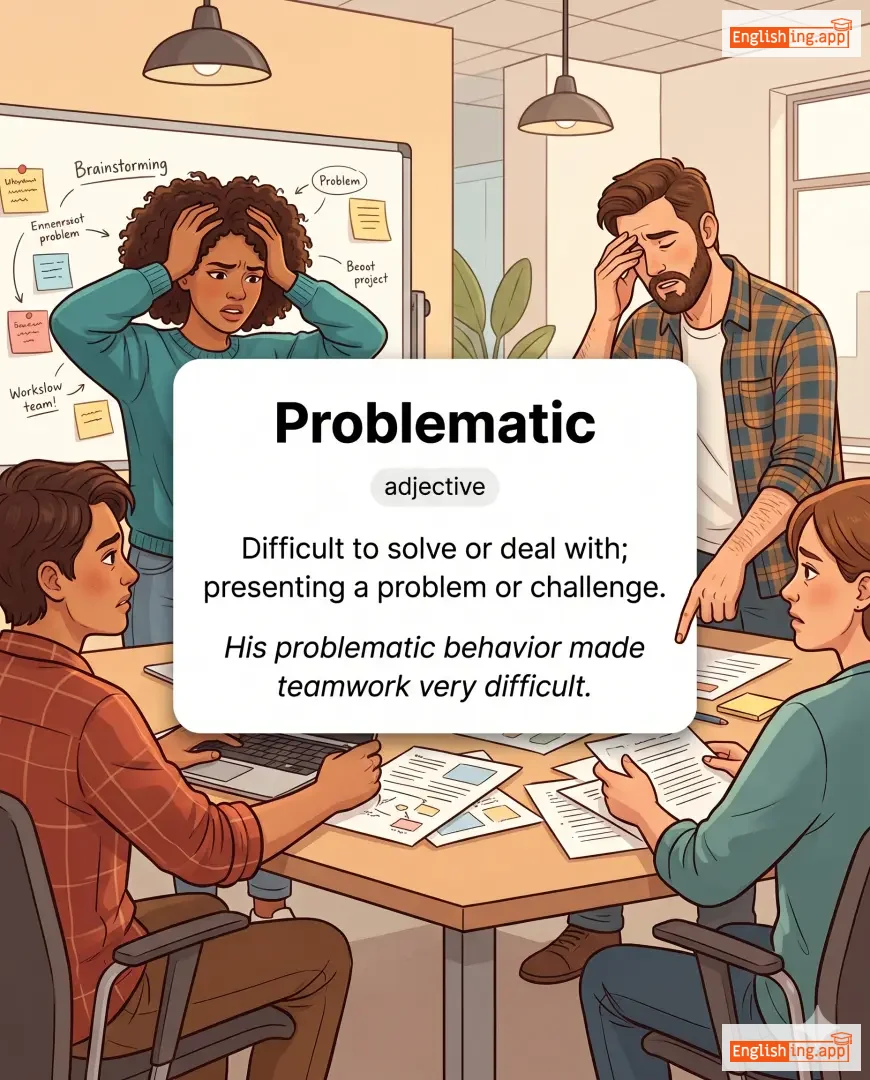
/ˌprɒb.ləˈmæt.ɪk/
adjective
(プロブレマティック)
••••••
|
|
問題のある; 問題を引き起こす
mondai no aru; mondai o hikiokosu
••••••
|
causing problems; troublesome; difficult to deal with
••••••
|
The new policy changes are problematic and need to be reviewed.
新しい政策変更は問題があり、再評価する必要があります。
••••••
|
新しい政策変更は問題があり、再評価する必要があります。
Atarashii seisaku henkou wa mondai ga ari, saihyouka suru hitsuyou ga arimasu.
••••••
|
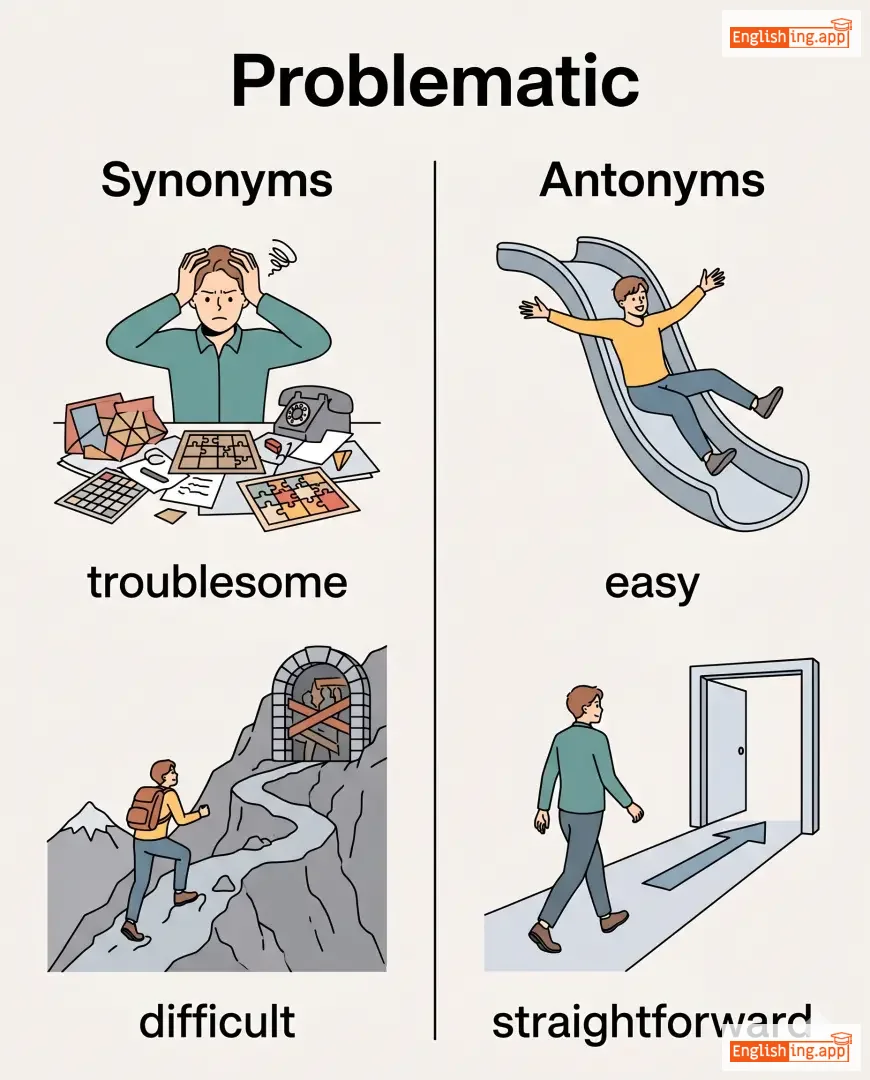
troublesome, difficult, challenging, questionable
••••••
|
unproblematic, easy, simple, straightforward
••••••
|
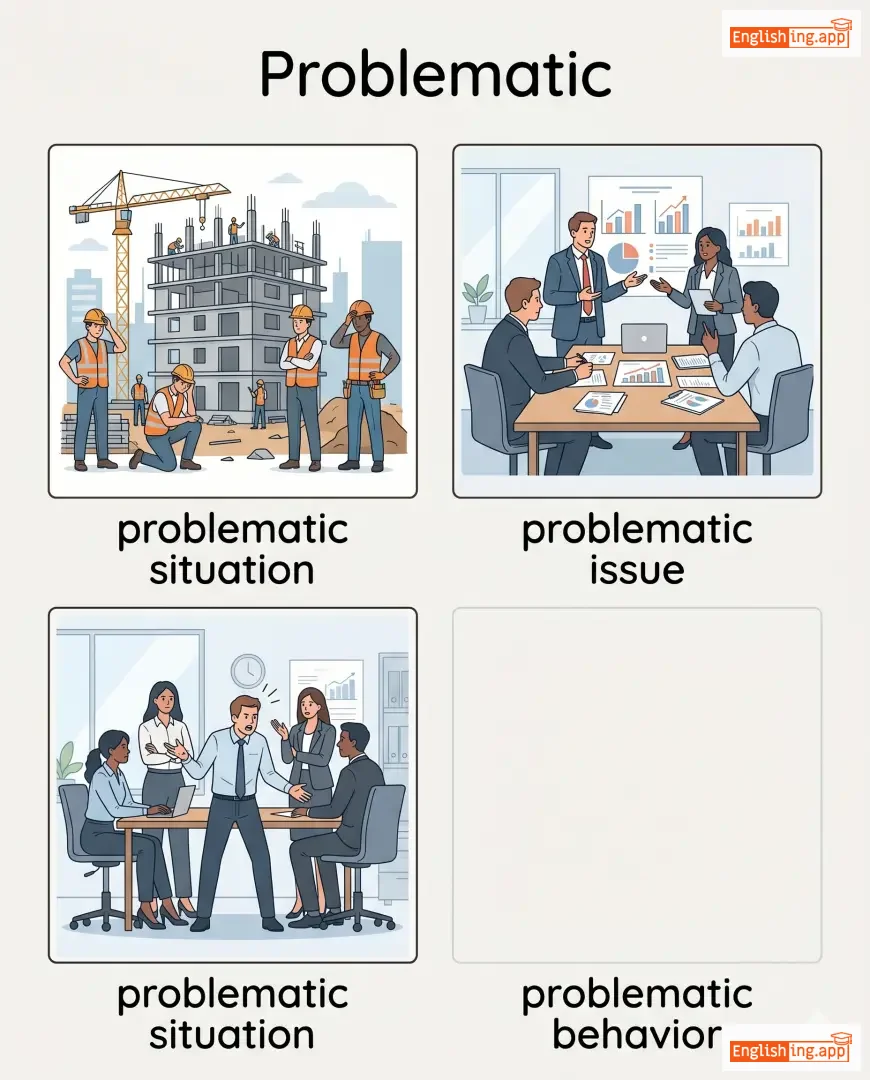
problematic situation, problematic behavior, highly problematic, potentially problematic
••••••
|
問題 (mondai) + の (no) = 問題のある (mondai no aru)
••••••
|
|
#655
📈
|
/ˈprevələnt/
adjective
(プレヴァレント)
••••••
|
- •••••• |
蔓延している
manen shite iru
••••••
|
widespread; existing very commonly; generally occurring
••••••
|
Smoking is still prevalent among teenagers despite health warnings.
健康警告にもかかわらず、喫煙は若者の間で依然として蔓延している。
••••••
|
健康警告にもかかわらず、喫煙は若者の間で依然として蔓延している。
kenkou keikoku ni mo kakawarazu kitsuen wa wakamono no aida de izen toshite manen shite iru
••••••
|
widespread, common, frequent, extensive
••••••
|
rare, uncommon, infrequent, isolated
••••••
|
prevalent disease, prevalent opinion, prevalent practice
••••••
|
Prevalent = PRE VALENT 先に広がる 蔓延 の イメージ many in town が 広がる
••••••
|
|
#656
⏰
|
/prəˈvɪʒənəl/
adjective
(仮の)
••••••
|
- •••••• |
仮の
kari no
••••••
|
arranged for the present; temporary; subject to later confirmation
••••••
|
The provisional agreement will be reviewed next month. |
仮の合意は来月レビューされます。
Kari no gōi wa raigetsu rebyū saremasu.
••••••
|
temporary, interim, tentative, conditional
••••••
|
permanent, final, definitive, confirmed
••••••
|
provisional government, provisional license, provisional agreement
••••••
|
In Japanese, '仮の' means provisional – temporary, just like an arrangement that may change.
••••••
|
|
#657
⏪
|
/ˈpraɪ.ər/
adjective
(プライアー)
••••••
|
- •••••• |
事前の
puraiya
••••••
|
existing or coming before in time; previous; earlier
••••••
|
You need prior approval before making any changes to the system.
システムに変更を加える前には、事前の承認が必要です。
••••••
|
システムに変更を加える前には、事前の承認が必要です。
Shisutemu ni henkou o kuwaeru mae ni wa jizen no shonin ga hitsuyou desu
••••••
|
previous, earlier, former, preceding
••••••
|
subsequent, later, following, after
••••••
|
prior approval, prior experience, prior knowledge, prior notice
••••••
|
PRE zen no shonin: imagine a door tag that says PRE ZEN NO SHONIN to remember that Prior means 事前の and you need prior approval
••••••
|
|
#658
🛡️
|
/prɪˈventɪv/
adjective
(プリベンティブ)
••••••
|
- •••••• |
予防的; 何かが起こるのを防ぐために設計された
puribentibu
••••••
|
designed to prevent something from happening; protective against disease
••••••
|
Regular exercise is a preventive measure against heart disease. |
定期的な運動は心臓病予防の手段です。
Teikiteki na undō wa shinzōbyō yobō no shudan desu.
••••••
|
protective, precautionary, prophylactic, defensive
••••••
|
curative, remedial, therapeutic, corrective
••••••
|
preventive medicine, preventive care, preventive measures
••••••
|
予防的運動で心臓を守る
••••••
|
|
#659
💪
|
/prəˈdʌk.tɪv/
adjective
(プロダクティブ)
••••••
|
- •••••• |
生産的な
seisantekina
••••••
|
efficient; yielding good results; fruitful
••••••
|
Working from home has made me more productive than ever before.
自宅勤務は私をこれまで以上に生産的にしました。
••••••
|
自宅勤務は私をこれまで以上に生産的にしました。
Jitaku kinmu wa watashi o koremade ijou ni seisantekina shimashita.
••••••
|
efficient, fruitful, effective, constructive
••••••
|
unproductive, inefficient, wasteful, counterproductive
••••••
|
productive work, productive meeting, highly productive, productive capacity
••••••
|
生産的な = よい結果を生むために
••••••
|
|
#660
😠
|
/prəˈvoʊkɪŋ/
adjective
(プロヴォーキング)
••••••
|
- •••••• |
挑発的
chouhatsuteki
••••••
|
causing anger or strong reaction; irritating; stimulating
••••••
|
His provoking comments made everyone angry.
his provoking comments made everyone angry
••••••
|
彼の挑発的なコメントは皆を怒らせた。
Kare no chouhatsuteki na komento wa mina o okorase ta.
••••••
|
irritating, annoying, aggravating, inciting
••••••
|
calming, soothing, peaceful, pacifying
••••••
|
provoking behavior, provoking remarks, thought-provoking
••••••
|
挑発的な言葉で強い反応を引き出す
••••••
|
Vocabulary Quiz
Test your vocabulary by matching words with their translations or meanings.
Login to take the quiz
Comments (0)
Share your thoughts and join the discussion.
Join the discussion by logging in
Login to CommentNo comments yet
Be the first to share your thoughts!