

翻訳
過去
過去分詞
三人称単数
動名詞
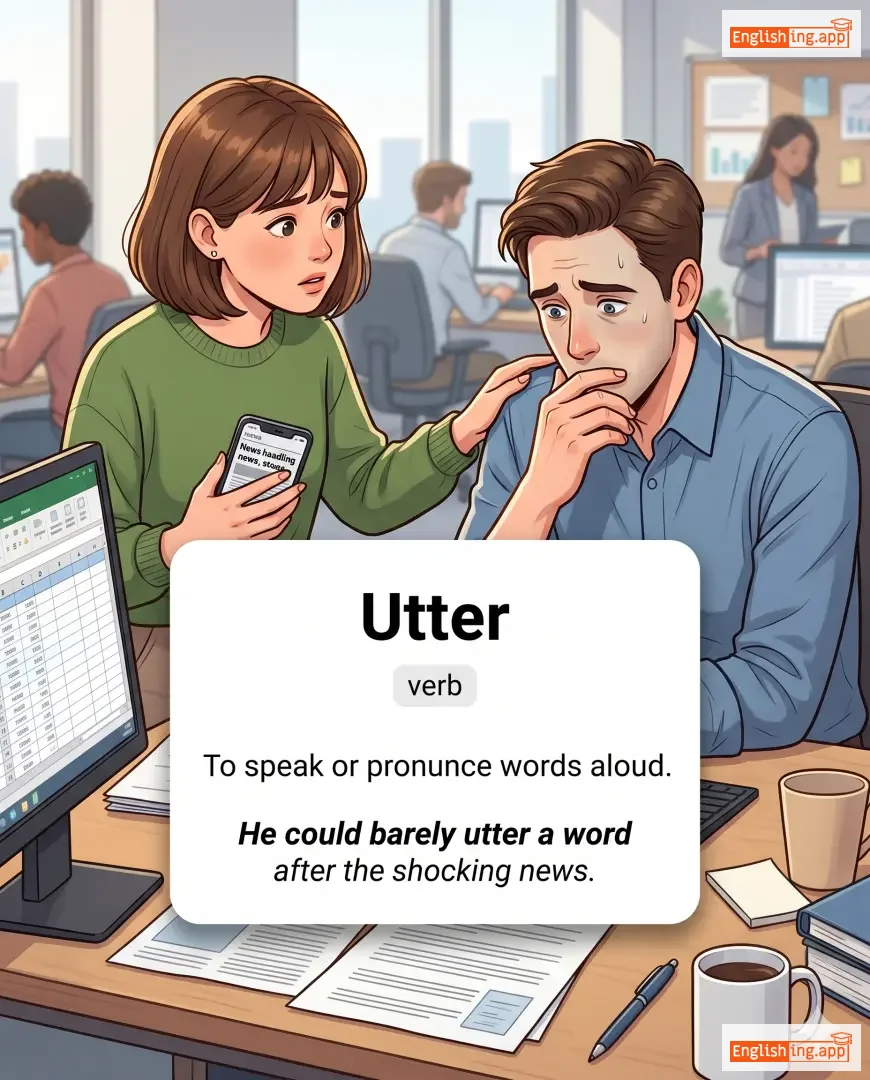
意味
例文
例文の翻訳
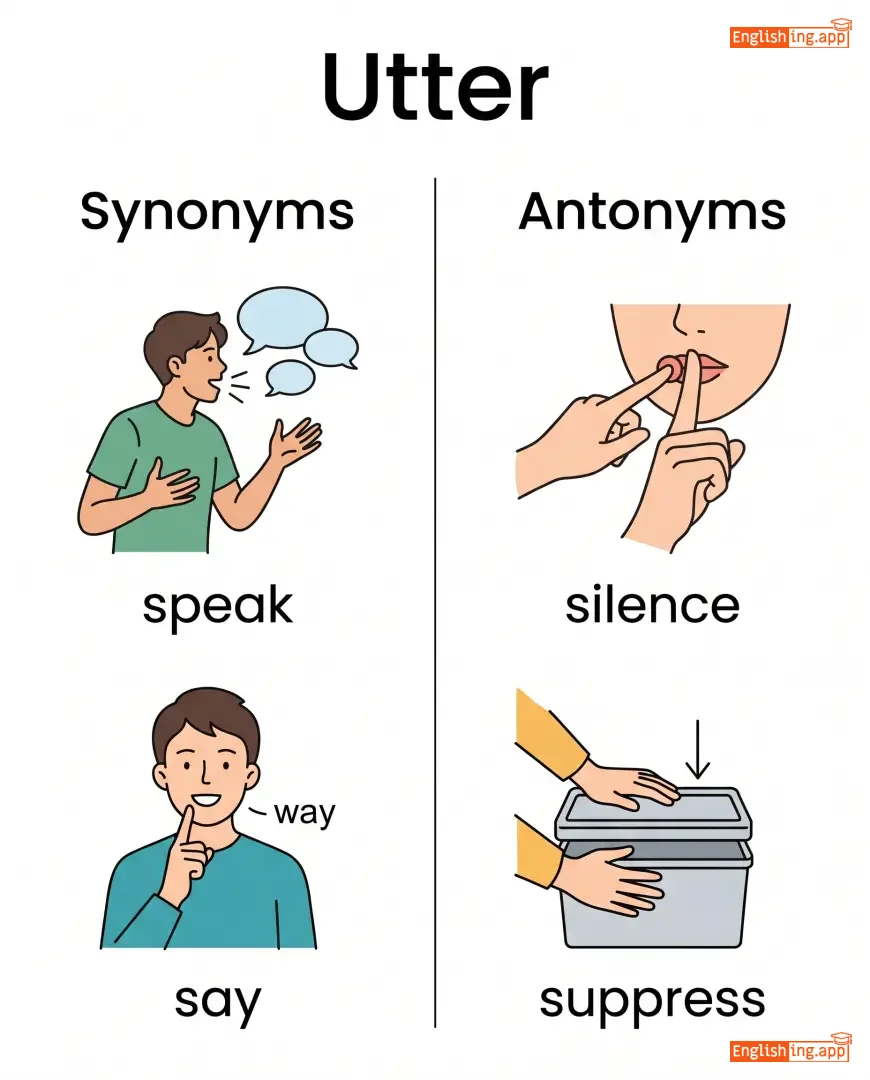
同義語
対義語
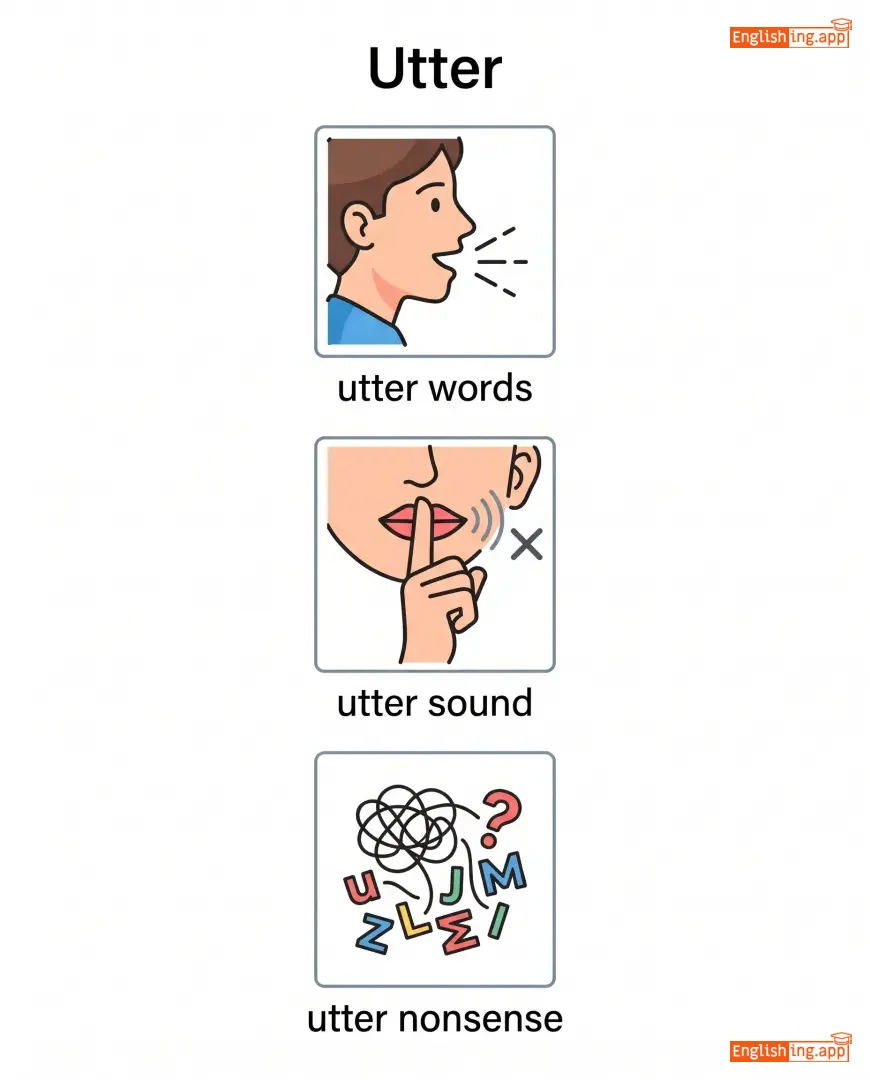
コロケーション
ニーモニック
Swipe left or right, or use the buttons. Tap image to zoom.
例文の翻訳
単語
Lesson 54Lesson 54 - マスクトグル
|
絵文字
|
単語 | Images | 翻訳 | 意味 | 例文 | 例文の翻訳 | 同義語 | 対義語 | コロケーション | ニーモニック |
|---|---|---|---|---|---|---|---|---|---|---|
|
#1061
🎒
|
/ˈvæɡəbɒnd/
adjective
(ヴァガボンド)
••••••
|
- •••••• |
放浪者
hōrōsha
••••••
|
wandering from place to place without a home or job
••••••
|
The vagabond lifestyle suited him perfectly as he loved traveling.
そのヴァガボンドのライフスタイルは、彼が旅行するのが大好きだったので、彼に完璧に合っていました。
••••••
|
その放浪者のライフスタイルは、彼が旅行するのが大好きだったので、彼に完璧に合っていました。
Sono hōrōsha no raifusutairu wa, kare ga ryokō suru no ga daisuki datta node, kare ni kanpeki ni atte imashita.
••••••
|
wandering, nomadic, roaming, homeless
••••••
|
settled, permanent, stable, rooted
••••••
|
vagabond lifestyle, vagabond existence, vagabond spirit
••••••
|
放浪者(Hōrōsha)を思い浮かべて、家がなく旅をしている人をイメージしてみよう。
••••••
|
|
#1062
🔮
|
/ʌnˈjuː.ʒu.əl/
adjective
(an-yu-zu-aru)
••••••
|
- •••••• |
異常な; 奇妙な;
ijou na; kimyou na
••••••
|
not typical; strange; different from what is normal
••••••
|
She wore an unusual dress to the party.
彼女はパーティーに珍しいドレスを着ていた。
••••••
|
彼女はパーティーに異常なドレスを着ていた。
Kanojo wa paatii ni ijou na doresu wo kiteita.
••••••
|
strange, odd, peculiar, rare, uncommon
••••••
|
usual, normal, typical, common, ordinary
••••••
|
unusual behavior, unusual circumstances, quite unusual
••••••
|
Unusual sounds like '異常な', think of '異' (strange) and '常' (ordinary)
••••••
|
|
#1063
👎
|
/ʌnˈwɜːrði/
adjective
(アンワーシー)
••••••
|
- •••••• |
値しない; 価値がない
ataishinai; kachi ga nai
••••••
|
not deserving respect or attention; lacking worth or merit
••••••
|
He felt unworthy of such praise and recognition.
彼はそのような賞賛と認識を受けるには値しないと感じた。
••••••
|
彼はそのような賞賛と認識を受けるには値しないと感じた。
Kare wa sono yōna shōsan to ninshiki o ukeru ni wa atai shinai to kanjita.
••••••
|
undeserving, inadequate, inferior, worthless
••••••
|
worthy, deserving, adequate, valuable
••••••
|
unworthy of praise, feel unworthy, unworthy candidate
••••••
|
アンワーシー – Unworthy in Japanese, someone unworthy of respect.
••••••
|
|
#1064
🔧
|
/ˈjuːs.fəl/
adjective
(yūsu-furu)
••••••
|
- •••••• |
役に立つ; 実用的な
yaku ni tatsu; jitsuyō-teki na
••••••
|
having a beneficial purpose; practical
••••••
|
This tool is very useful for fixing problems.
このツールは問題を解決するために非常に役立ちます。
••••••
|
このツールは問題を解決するために非常に役立ちます。
kono tsūru wa mondai o kaiketsu suru tame ni hijō ni yaku datchimasu.
••••••
|
helpful, beneficial, practical, handy, valuable
••••••
|
useless, harmful, worthless, ineffective
••••••
|
useful tool, useful information, very useful, quite useful
••••••
|
Usefulのように役に立つツール、問題を解決するために役立ちます
••••••
|
|
#1065
🚶
|
/ˈveɪɡrənt/
adjective
(veɪɡrənt)
••••••
|
- •••••• |
放浪者; ホームレス
hōrōsha; hōmuresu
••••••
|
wandering aimlessly; having no settled home
••••••
|
The vagrant man was asking for food near the station.
その放浪者は駅の近くで食べ物を求めていました。
••••••
|
その放浪者は駅の近くで食べ物を求めていました。
Sono hōrōsha wa eki no chikaku de tabemono o motomete imashita.
••••••
|
homeless, wandering, nomadic, itinerant
••••••
|
settled, housed, permanent, stable
••••••
|
vagrant person, vagrant population, vagrant behavior
••••••
|
ホームレスな放浪者が駅前をさまよう。
••••••
|
|
#1066
❌
|
/ʌnˈwɒn.tɪd/
adjective
(アンウォンティッド)
••••••
|
- •••••• |
望まれない
nozomarenai
••••••
|
not desired or welcome; not wanted
••••••
|
He felt like an unwanted guest at the meeting. |
彼は会議で望まれない客のように感じた。
kare wa kaigi de nozomarenai kyaku no you ni kanjita
••••••
|
undesired, unwelcome, unnecessary, rejected
••••••
|
wanted, desired, welcome, needed
••••••
|
unwanted attention, unwanted pregnancy, unwanted guest
••••••
|
望まれない = 会議での不必要な客のような存在
••••••
|
|
#1067
⛰️
|
/ˈʌpˌhɪl/
adjective
(アップヒル)
••••••
|
- •••••• |
困難な; 大きな努力が必要な; 上向きの傾斜
konnan na; ookina doryoku ga hitsuyou na; ue-muki no keisha
••••••
|
difficult; requiring great effort; sloping upward
••••••
|
Learning a new language can be an uphill battle. |
新しい言語を学ぶことは困難な戦いである可能性があります。
Atarashii gengo o manabu koto wa konnan na tatakai de aru kanousei ga arimasu.
••••••
|
difficult, challenging, arduous, tough
••••••
|
easy, downhill, simple, effortless
••••••
|
uphill battle, uphill struggle, uphill task
••••••
|
'アップヒル'(上向きの傾斜)と'困難'(konnan)を組み合わせて覚えます。
••••••
|
|
#1068
🗑️
|
/ˈjuːs.ləs/
adjective
(yūsuresu)
••••••
|
- •••••• |
無駄
muda
••••••
|
having no beneficial purpose; not useful
••••••
|
This broken computer is completely useless.
この壊れたコンピュータは完全に役に立たない。
••••••
|
この壊れたコンピュータは完全に役に立たない。
Kono kowareta konpyūta wa kanzen ni yaku ni tatanai.
••••••
|
worthless, ineffective, pointless, futile, unhelpful
••••••
|
useful, helpful, valuable, effective, beneficial
••••••
|
completely useless, totally useless, useless information, useless attempt
••••••
|
In Japanese, '無駄' (muda) means useless, similar to 'useless' in English.
••••••
|
|
#1069
🚫
|
/ʌnˈwel.kəm/
adjective
(アンウェルカム)
••••••
|
- •••••• |
不快な; 望ましくない; 招待されていない
fukai na; nozomashikunai; shoutai sarete inai
••••••
|
not wanted or accepted; not invited or pleasant
••••••
|
The unwelcome news ruined their vacation plans.
その歓迎されないニュースは彼らの休暇計画を台無しにしました。
••••••
|
その歓迎されないニュースは彼らの休暇計画を台無しにしました。
Sono kangei sarenai nyuusu wa karera no kyūka keikaku o dainashi ni shimashita.
••••••
|
unwanted, undesired, unpleasant, disagreeable
••••••
|
welcome, pleasant, desired, invited
••••••
|
unwelcome visitor, unwelcome news, unwelcome surprise
••••••
|
‘歓迎’は良いこと、でも‘不歓迎’は悪いこと。
••••••
|
|
#1070
🔝
|
/ˈʌt.moʊst/
adjective
(アトモスト)
••••••
|
- •••••• |
最大の; 極限
saida no; kyokugen
••••••
|
greatest; most extreme; maximum possible
••••••
|
She showed utmost care while handling the fragile items.
Shee shod utmost kehr wail handling dee frajil aitems.
••••••
|
彼女は壊れやすいアイテムを扱うとき、最大の配慮を示しました。
Kanojo wa kowareyasui aitemu o atsukau toki, saidai no hairyo o shimeshimashita.
••••••
|
greatest, maximum, extreme, highest, supreme
••••••
|
least, minimum, lowest, smallest
••••••
|
utmost care, utmost importance, utmost respect, with utmost
••••••
|
Japanese speakers connect '最大' with 'utmost' because they both express maximum or ultimate.
••••••
|
|
#1071
🚫👋
|
/ʌnˈtʌtʃəbəl/
adjective
(アンタッチャブル)
••••••
|
- •••••• |
触れられない; 批判や攻撃を受けない
furerarenai; hihan ya kōgeki o ukenai
••••••
|
not able to be touched or affected; beyond criticism or attack
••••••
|
The CEO seemed untouchable despite the scandal.
CEOはスキャンダルにもかかわらず、アンタッチャブルのように見えた。
••••••
|
CEOはスキャンダルにもかかわらず、アンタッチャブルのように見えた。
CEO wa sukyandaru ni mo kakawarazu, antatchaburu no yō ni mieta.
••••••
|
invulnerable, invincible, sacred, immune
••••••
|
vulnerable, touchable, accessible, reachable
••••••
|
untouchable leader, untouchable status, seemingly untouchable
••••••
|
アンタッチャブル - '触れられない人、その存在'!
••••••
|
|
#1072
📢
|
/ˈʌpˌrɔːr/
adjective
(apruar)
••••••
|
- •••••• |
騒動; 騒音; 公共の怒りの爆発
sōdō; sōon; kōkyō no ikari no bakuhatsu
••••••
|
a loud and impassioned noise or disturbance; an outbreak of public anger
••••••
|
The controversial decision caused an uproar among the citizens. |
その議論を呼ぶ決定は市民の間で騒動を引き起こした。
Sono giron o yobu kettei wa shimin no aida de sōdō o hikiokoshita.
••••••
|
commotion, disturbance, tumult, chaos
••••••
|
calm, peace, quiet, silence
••••••
|
cause an uproar, public uproar, uproar over
••••••
|
No •••••• |
|
#1073
🕴️
|
/ˈʌpˌraɪt/
adjective
(apraito)
••••••
|
- •••••• |
正直で道徳的に正しい; 垂直または立っている位置
seichoku de dōtoku-teki ni tadashī; suichoku mata wa tatte iru ichi
••••••
|
honest and morally correct; vertical or erect in position
••••••
|
She is known for being an upright and honest businesswoman. |
彼女は正直で正しいビジネスウーマンとして知られています。
Kanojo wa seichoku de tadashī bijinesu ūman toshite shirareteimasu.
••••••
|
honest, ethical, virtuous, vertical
••••••
|
dishonest, corrupt, horizontal, bent
••••••
|
upright citizen, upright posture, morally upright
••••••
|
Upright は、道徳的に正しく、立っていることを示す言葉です。
••••••
|
|
#1074
💯
|
/ˈʌt.ɚ/
adjective
(アター)
••••••
|
|
完全な; 絶対的な; 全体の
kanzen na; zettaiteki na; zentai no
••••••
|
complete; absolute; total
••••••
|
The movie was an utter disaster at the box office. |
その映画は興行収入で完全に失敗しました。
Sono eiga wa kōgyō shūnyū de kanzen ni shippai shimashita
••••••
|
complete, absolute, total, pure, sheer
••••••
|
partial, incomplete, limited, moderate
••••••
|
utter disaster, utter chaos, utter silence, utter failure
••••••
|
In Japanese, '完全な' (kanzen na) gives the sense of something being total or absolute.
••••••
|
|
#1075
🤒
|
/ʌnˈwel/
adjective
(アンウェル)
••••••
|
- •••••• |
体調不良; 病気
taichō furyō; byōki
••••••
|
not in good health; feeling sick or ill
••••••
|
She has been feeling unwell since yesterday. |
彼女は昨日から体調が悪い。
Kanojo wa kinō kara taichō ga warui.
••••••
|
sick, ill, poorly, ailing, indisposed
••••••
|
well, healthy, fine, good
••••••
|
feeling unwell, looking unwell, quite unwell
••••••
|
In Japanese, '体調不良' represents being unwell, which is similar to the English meaning.
••••••
|
|
#1076
❌
|
/ʌnˈtru/
adjective
(アン・トゥルー)
••••••
|
- •••••• |
嘘の; 間違った
uso no; machigatta
••••••
|
not true; false; incorrect
••••••
|
His statement about the incident was completely untrue. |
彼の事件に関する声明は完全に嘘でした。
Kare no jiken ni kansuru seimei wa kanzen ni uso deshita.
••••••
|
false, incorrect, wrong, inaccurate
••••••
|
true, correct, accurate, right
••••••
|
untrue statement, completely untrue, prove untrue
••••••
|
嘘 = Untrue
••••••
|
|
#1077
🚨
|
/ˈɜːrdʒənt/
adjective
(アージェント)
••••••
|
- •••••• |
緊急
kinkyuu
••••••
|
requiring immediate action or attention; pressing
••••••
|
The patient needs urgent medical attention.
患者は緊急の医療支援が必要です。
••••••
|
患者は緊急の医療支援が必要です。
Kanja wa kinkyuu no iryou shien ga hitsuyou desu.
••••••
|
pressing, critical, immediate, important
••••••
|
non-urgent, delayed, optional, unimportant
••••••
|
urgent matter, urgent need, urgent care
••••••
|
A sudden medical emergency needs urgent care, just like ‘kinkyuu’!
••••••
|
|
#1078
😤
|
/ʌnˈwɪl.ɪŋ/
adjective
(アンウィリング)
••••••
|
- •••••• |
嫌がる; したくない;
iyagaru; shitakunai
••••••
|
not ready to do something; reluctant; not wanting to do
••••••
|
He was unwilling to share his secret with anyone.
彼は誰にも自分の秘密を共有することを望まなかった。
••••••
|
彼は誰にも自分の秘密を共有することを望まなかった。
Kare wa dare ni mo jibun no himitsu o kyōyū suru koto o nozomanakatta.
••••••
|
reluctant, hesitant, resistant, disinclined
••••••
|
willing, eager, ready, keen
••••••
|
unwilling participant, unwilling to help, unwilling witness
••••••
|
Think of being unwilling to share a secret in Japanese, like not wanting to do something.
••••••
|
|
#1079
🏠
|
/ˈveɪ.kənt/
adjective
(veɪkənt)
••••••
|
- •••••• |
空いている; 未使用; 利用可能
aite iru; mi shiyou; riyou kanou
••••••
|
empty; not occupied; available
••••••
|
There is a vacant apartment on the second floor.
2階には空いているアパートがあります。
••••••
|
2階には空いているアパートがあります。
2-kai ni wa aite iru apāto ga arimasu.
••••••
|
empty, unoccupied, available, free, blank
••••••
|
occupied, filled, taken, busy, engaged
••••••
|
vacant position, vacant lot, vacant apartment, vacant seat
••••••
|
空いている場所に何か新しいものを置く。
••••••
|
|
#1080
📦
|
/ʌnˈjuzd/
adjective
(アンユーズド)
••••••
|
- •••••• |
未使用の; 使われていない
mishiyou no; tsukawarete inai
••••••
|
not being used; not having been used before
••••••
|
There are many unused rooms in this old mansion.
この古い館には未使用の部屋がたくさんあります。
••••••
|
この古い館には未使用の部屋がたくさんあります。
Kono furui yakata ni wa mishiyou no heya ga takusan arimasu.
••••••
|
unoccupied, vacant, idle, dormant
••••••
|
used, occupied, employed, utilized
••••••
|
unused space, unused resources, unused potential
••••••
|
In Japanese, '未使用の' means unused, perfect for a forgotten room in a mansion.
••••••
|
Vocabulary Quiz
Test your vocabulary by matching words with their translations or meanings.
Login to take the quiz
Comments (0)
Share your thoughts and join the discussion.
Join the discussion by logging in
Login to CommentNo comments yet
Be the first to share your thoughts!