

翻訳
過去
過去分詞
三人称単数
動名詞
意味
例文
例文の翻訳
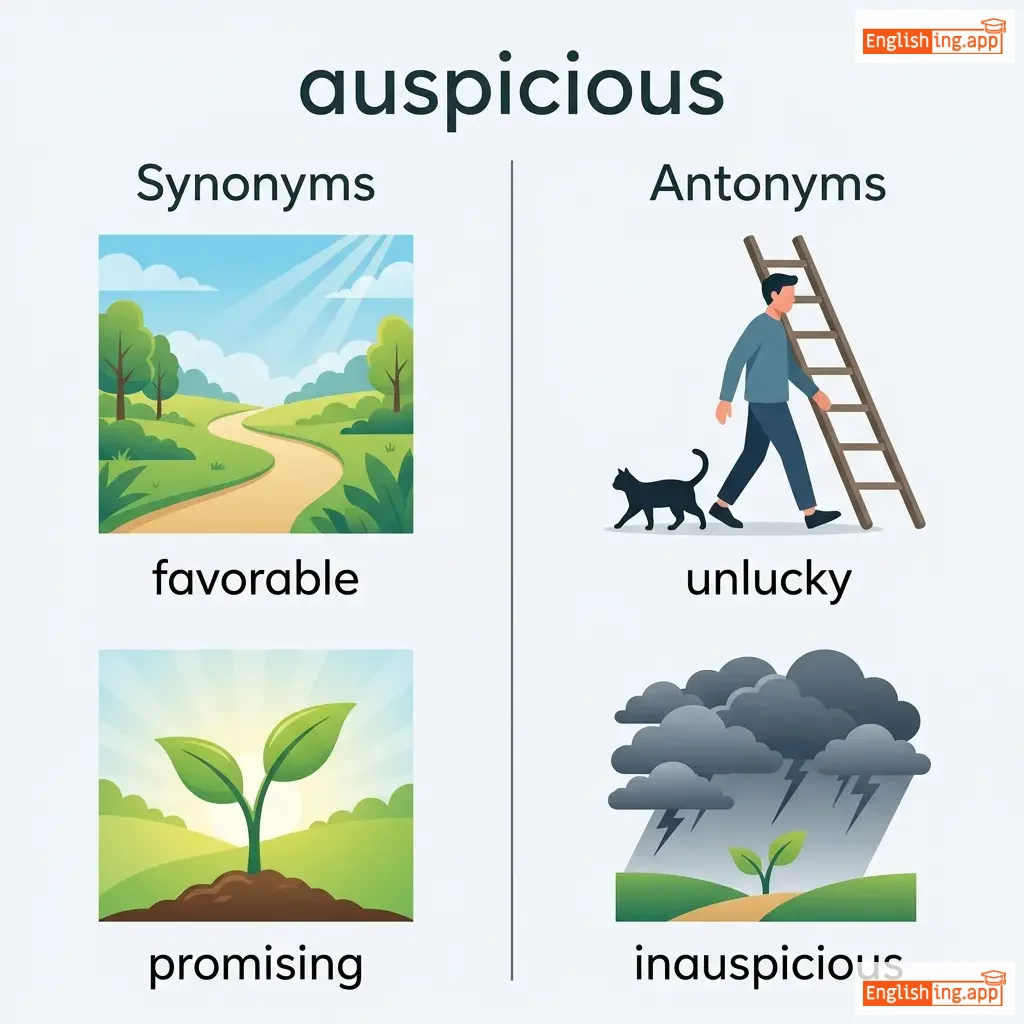
同義語
対義語
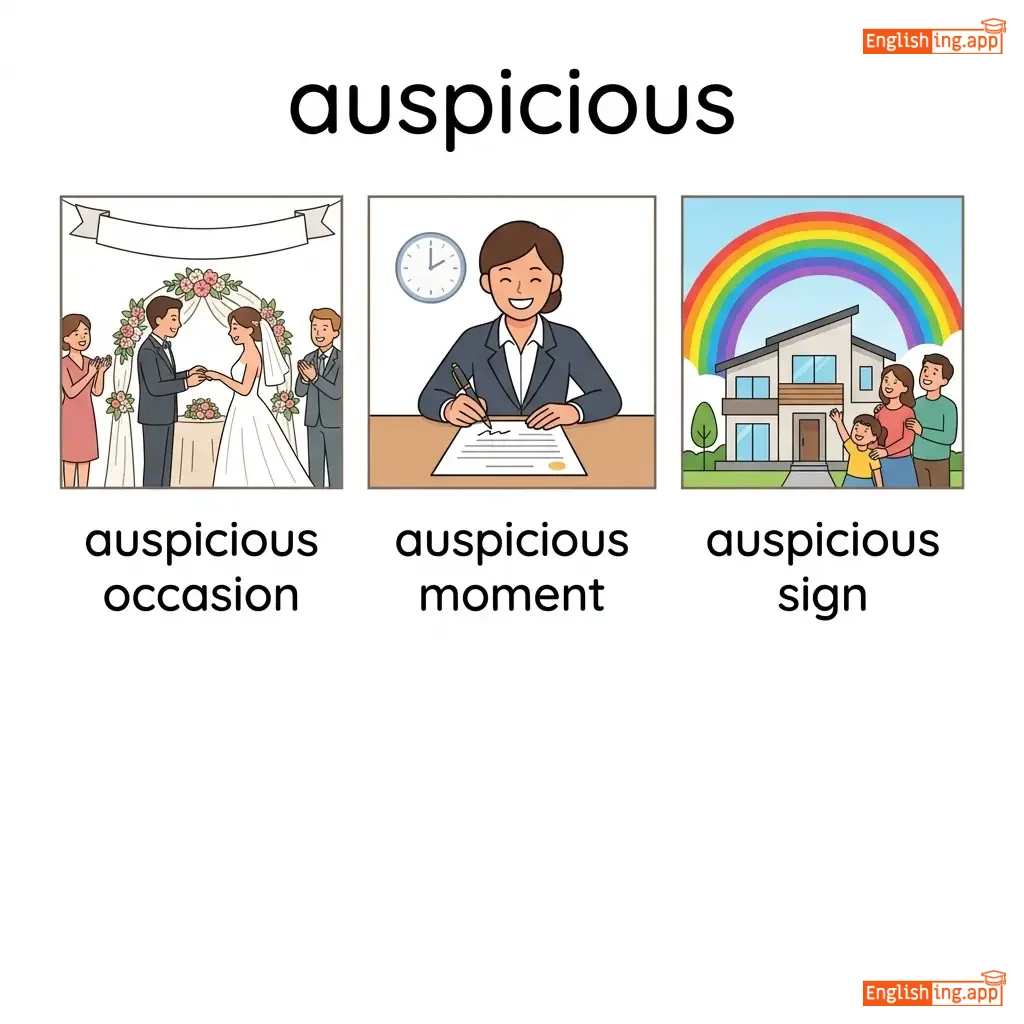
コロケーション
ニーモニック

Swipe left or right, or use the buttons. Tap image to zoom.
例文の翻訳
単語
Lesson 3Lesson 3 - マスクトグル
|
絵文字
|
単語 | Images | 翻訳 | 意味 | 例文 | 例文の翻訳 | 同義語 | 対義語 | コロケーション | ニーモニック |
|---|---|---|---|---|---|---|---|---|---|---|
|
#41
😍
|
/əˈpiː.lɪŋ/
adjective
(アピールリング)
••••••
|
- •••••• |
魅力的な; 面白い; 楽しい
miryokuteki na; omoshiroi; tanoshii
••••••
|
attractive; interesting; pleasing
••••••
|
The colorful garden looks very appealing to visitors.
色とりどりの庭は訪問者に非常に魅力的に見えます。
••••••
|
色とりどりの庭は訪問者に非常に魅力的に見えます。
Irotoridori no niwa wa hōmonsha ni hijō ni miryokuteki ni miemasu.
••••••
|
attractive, charming, alluring, enticing
••••••
|
repulsive, unattractive, disgusting
••••••
|
appealing idea, appealing offer, visually appealing
••••••
|
Appealing sounds like 'miryokuteki' – this colorful garden looks very miryokuteki (appealing).
••••••
|
|
#42
👁️
|
/əˈten.tɪv/
adjective
(アテントィヴ)
••••••
|
- •••••• |
注意深い; 用心深い; 観察力のある
chūi bukai; yōjin bukai; kansatsu-ryoku no aru
••••••
|
careful to pay attention; alert and observant
••••••
|
The attentive student listened carefully to every word the teacher said. |
注意深い学生は、教師が言ったすべての言葉に注意深く耳を傾けました。
chūi bukai gakusei wa, kyōshi ga itta subete no kotoba ni chūi bukaku mimi o katamukemashita.
••••••
|
alert, observant, careful, watchful
••••••
|
inattentive, careless, distracted
••••••
|
attentive listener, attentive care, attentive service
••••••
|
注意深い (chūi bukai) - まるで常に周りを警戒している探偵のよう。
••••••
|
|
#43
👑
|
/ˌærɪˈstɒkrætɪk/
adjective
(アリストクラティック)
••••••
|
- •••••• |
アリストクラティック; 上流階級の
arisutorakutikku
••••••
|
noble; having the manners of the upper class
••••••
|
She had an aristocratic bearing that commanded respect.
彼女はアリストクラティックな態度を持っていて、尊敬を集めていた。
••••••
|
彼女はアリストクラティックな態度を持っていて、尊敬を集めていた。
Kanojo wa arisutorakutikku na taido o motte ite, sonkei o atsumete ita.
••••••
|
noble, patrician, elegant, refined
••••••
|
common, plebeian, vulgar, lowly
••••••
|
aristocratic family, aristocratic manner, aristocratic lifestyle
••••••
|
日本語で 'アリストクラティック' は貴族や上流階級を意味し、英語の 'aristocratic' と同じです。
••••••
|
|
#44
💪
|
/əˈsɜːr.tɪv/
adjective
(アサーティブ)
••••••
|
- •••••• |
自己主張の強い; 自信に満ちた
jiko shuchou no tsuyoi; jishin ni michita
••••••
|
confident and forceful; having a strong personality
••••••
|
She is very assertive when speaking in meetings.
彼女は会議で話すとき、とてもアサーティブです。
••••••
|
彼女は会議で話すとき、とてもアサーティブです。
Kanojo wa kaigi de hanasu toki, totemo asatibu desu.
••••••
|
confident, bold, forceful, decisive
••••••
|
passive, timid, submissive, meek
••••••
|
assertive behavior, assertive communication, assertive personality
••••••
|
アサーティブでいることは、強いリーダーシップの証です。
••••••
|
|
#45
📈
|
/əˈpriː.ʃə.bəl/
adjective
(アプリシアブル)
••••••
|
- •••••• |
顕著な; 重要な; 数量的にかなり
kenchona; jūyōna; suuryōteki ni kanari
••••••
|
noticeable; significant; considerable in amount
••••••
|
There was an appreciable improvement in his test scores.
テストのスコアに顕著な改善が見られました。
••••••
|
テストのスコアに顕著な改善が見られました。
Tesuto no sukōa ni kenchona kaizen ga miraremashita.
••••••
|
noticeable, significant, considerable, substantial
••••••
|
negligible, insignificant, imperceptible
••••••
|
appreciable difference, appreciable amount, appreciable change
••••••
|
顕著な改善が目に見えるように改善されます。
••••••
|
|
#46
🦁
|
/ɔːˈdeɪ.ʃəs/
adjective
(オーデイシャス)
••••••
|
|
大胆
daitan
••••••
|
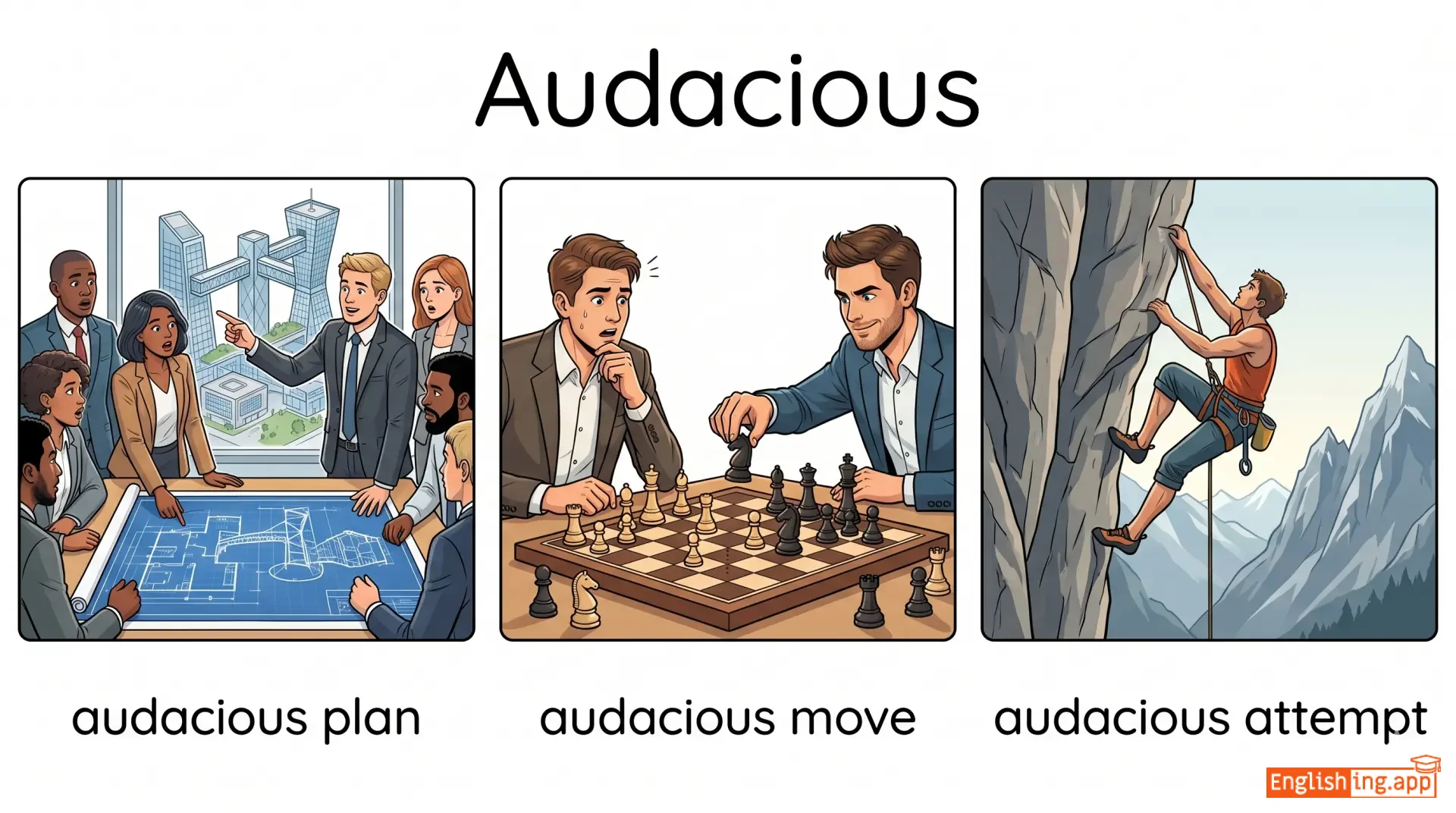
showing willingness to take bold risks; daring
••••••
|
His audacious plan to climb the mountain without proper equipment shocked everyone. |
彼の大胆な計画は、適切な装備なしで山を登ろうとすることで、全員を驚かせた。
Kare no daitan na keikaku wa, tekisetsu na sōbi nashi de yama o noborou to suru koto de, zen'in o odorokaseta.
••••••
|
bold, daring, fearless, brave
••••••
|
timid, cautious, careful, cowardly
••••••
|
audacious plan, audacious move, audacious behavior
••••••
|
大胆 = '大'(大きい)と '胆'(胆力)から、リスクを恐れずに挑戦する人物
••••••
|
|
#47
🧠
|
/əˈstuːt/
adjective
(アスチュート)
••••••
|
|
鋭い; 賢い
surudoi; kashikoi
••••••
|
having or showing an ability to accurately assess situations; clever and shrewd
••••••
|
He made an astute observation about the market trends. |
彼は市場動向について鋭い観察を行いました。
Kare wa shijō dōkō ni tsuite surudoi kansatsu o okonai mashita.
••••••
|
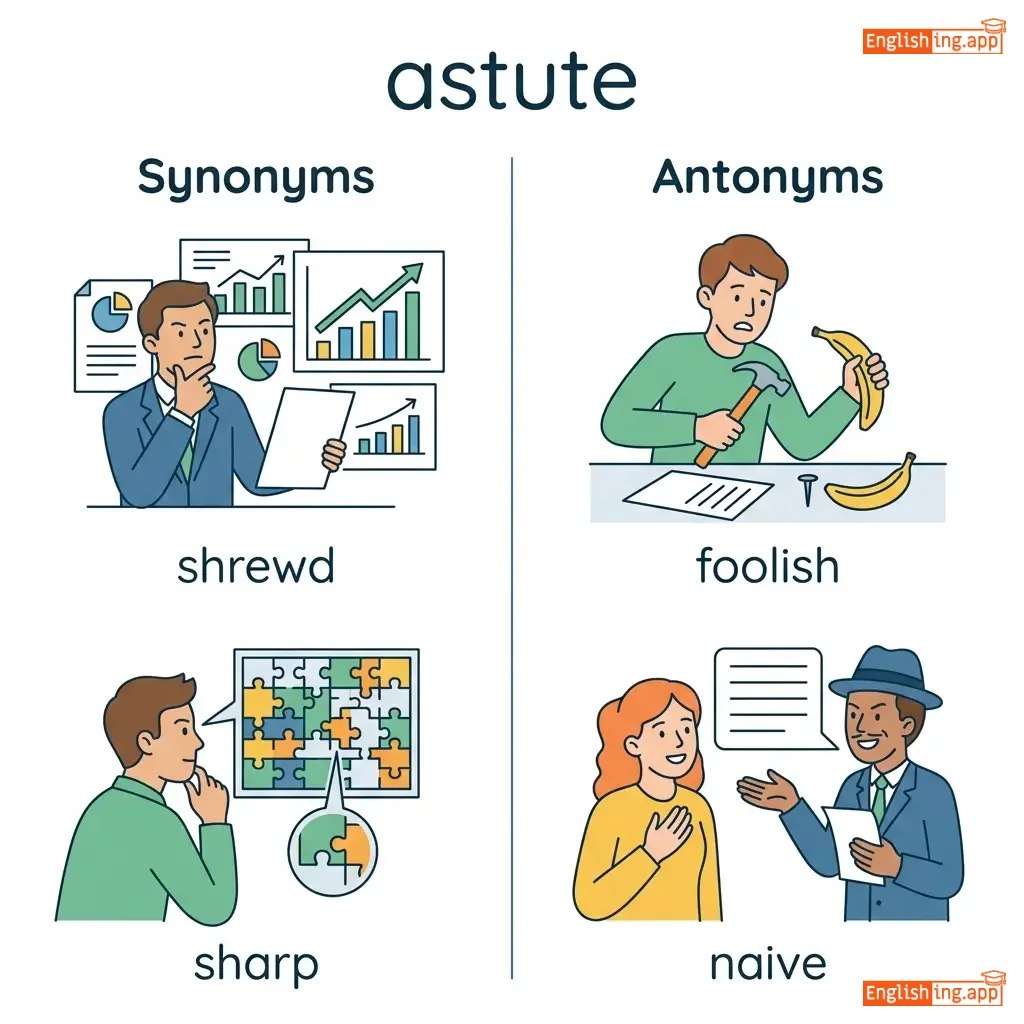
clever, shrewd, sharp, perceptive
••••••
|
naive, foolish, obtuse, gullible
••••••
|
astute observation, astute investor, astute analysis
••••••
|
Japanese speakers associate '鋭い' with someone who is sharp and perceptive like an astute person.
••••••
|
|
#48
😤
|
/ˈærəɡənt/
adjective
(アロガント)
••••••
|
- •••••• |
傲慢; 高慢
arrogant
••••••
|
having an exaggerated sense of one's importance; proud
••••••
|
His arrogant behavior made him very unpopular. |
彼の傲慢な態度は彼を非常に不人気にした。
Kare no gouman na taido wa kare o hijou ni funinki ni shita.
••••••
|
conceited, proud, haughty, cocky
••••••
|
humble, modest, meek, unassuming
••••••
|
arrogant attitude, arrogant person, arrogant behavior
••••••
|
傲慢な人は、傲慢であることを自覚していないことが多い
••••••
|
|
#49
🎨
|
/ˈɑːtfəl/
adjective
(アートフル)
••••••
|
- •••••• |
巧妙な; 技巧的; ずるい
artful
••••••
|
clever or skillful, especially in a cunning way
••••••
|
She gave an artful answer that avoided the real question. |
彼女は本当の質問を避ける巧妙な答えを出しました。
kanojo wa hontou no shitsumon o sakeru koumyou na kotae o dashimashita.
••••••
|
clever, cunning, skillful, crafty
••••••
|
artless, naive, clumsy, unskilled
••••••
|
artful dodger, artful design, artful strategy
••••••
|
Artful (trickster) + Japanese (巧妙な) - Imagine a tricky fox being clever
••••••
|
|
#50
⚛️
|
/əˈtɒm.ɪk/
adjective
(原子)
••••••
|
- •••••• |
原子
genshi
••••••
|
relating to atoms or atomic energy; extremely small
••••••
|
The atomic structure of hydrogen is the simplest. |
水素の原子構造は最も単純です。
Suizo no genshi kōzō wa mottomo tanjun desu.
••••••
|
nuclear, molecular, subatomic, microscopic
••••••
|
macroscopic, massive, large-scale, molecular
••••••
|
atomic energy, atomic bomb, atomic structure
••••••
|
原子という言葉は小さいものを連想させる。
••••••
|
|
#51
🧠
|
/ˌæp.rɪˈhen.sə.bəl/
adjective
(アプリヘンシブル)
••••••
|
- •••••• |
理解可能な
rikai kanou na
••••••
|
able to be understood or grasped; comprehensible
••••••
|
The complex theory became apprehensible after the professor's explanation. |
その複雑な理論は教授の説明後に理解可能になった。
Sono fukuzatsu na riron wa kyoushu no setsumei go ni rikai kanou ni natta.
••••••
|
comprehensible, understandable, graspable, intelligible
••••••
|
incomprehensible, unintelligible, bewildering
••••••
|
easily apprehensible, barely apprehensible, clearly apprehensible
••••••
|
教授の説明で難解な理論が理解できる
••••••
|
|
#52
👂
|
/ˈɔː.də.bəl/
adjective
(オーディブル)
••••••
|
- •••••• |
聞こえる
kikoeru
••••••
|
able to be heard; loud enough to hear
••••••
|
The speaker's voice was barely audible from the back of the large hall. |
スピーカーの声は大きなホールの後ろからほとんど聞こえませんでした。
su-pi-ka- no koe wa ookina ho-ru no ushiro kara hotondo kikoemasen deshita.
••••••
|
hearable, perceptible, clear, distinct
••••••
|
inaudible, silent, mute, quiet
••••••
|
audible sound, barely audible, clearly audible
••••••
|
In Japanese, 'kikoeru' helps you remember that something is audible, like hearing it clearly.
••••••
|
|
#53
🤖
|
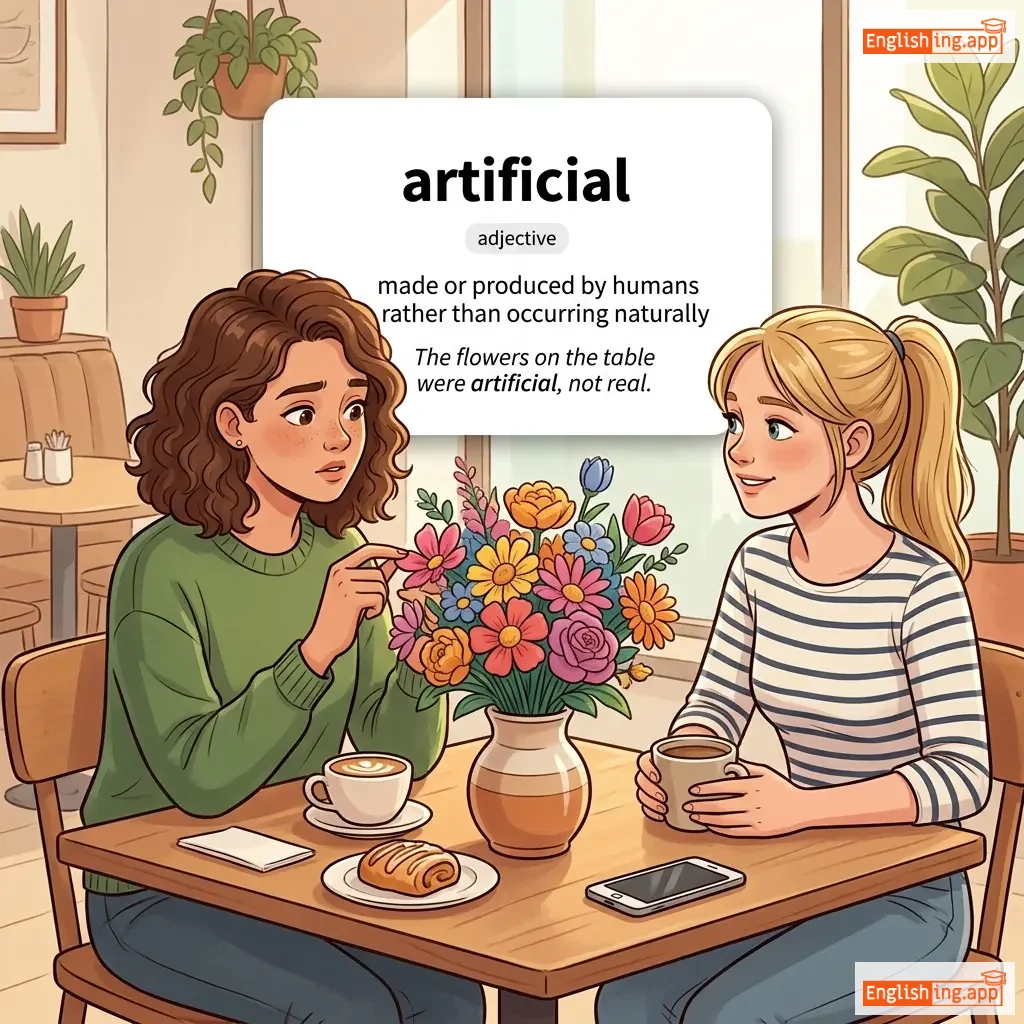
/ˌɑːtɪˈfɪʃəl/
adjective
(アーティフィシャル)
••••••
|
|
人工的な; 自然でない;
jinkō-teki na; shizen de nai;
••••••
|
made by humans rather than occurring naturally; fake
••••••
|
The artificial flowers looked almost real.
人工の花はほぼ本物のように見えました。
••••••
|
人工の花はほぼ本物のように見えました。
Jinkō no hana wa hobo honmono no yō ni miemashita.
••••••
|
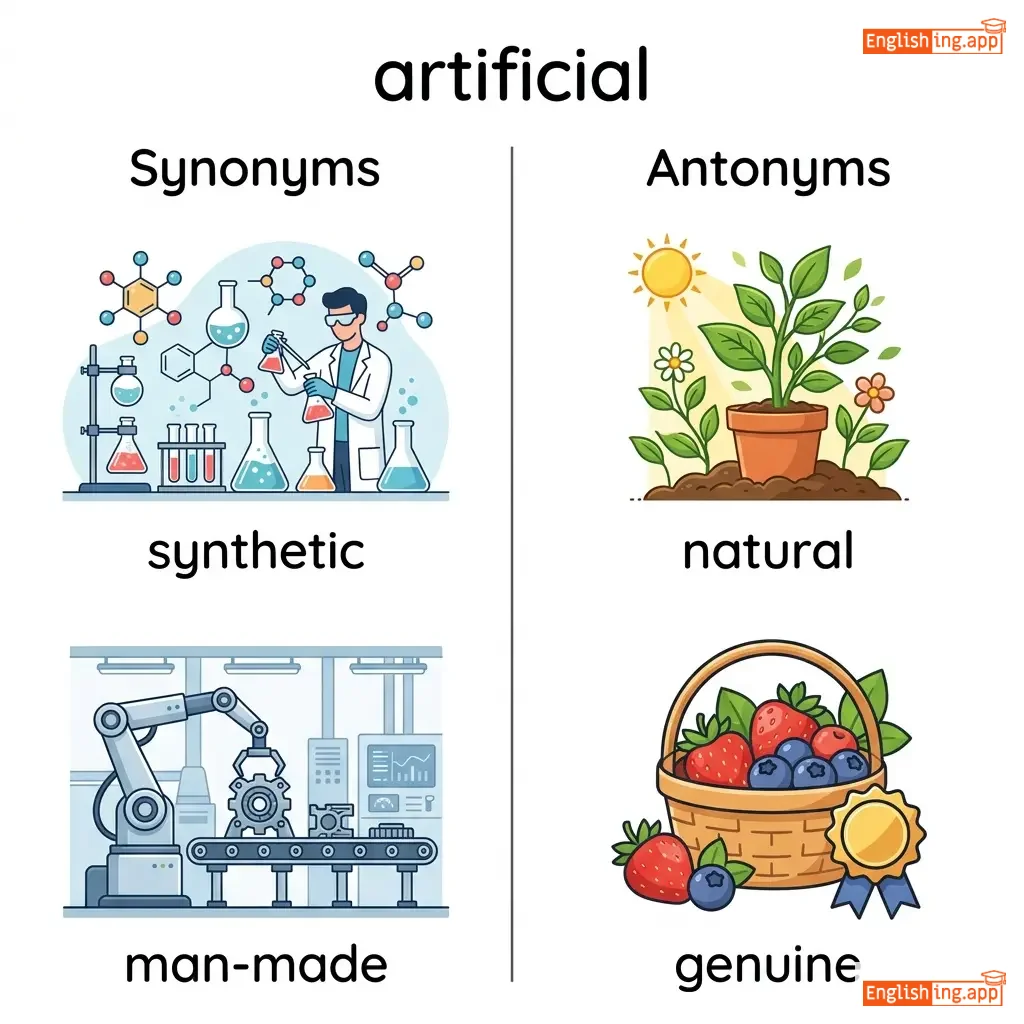
synthetic, fake, man-made, manufactured
••••••
|
natural, genuine, real, authentic
••••••
|
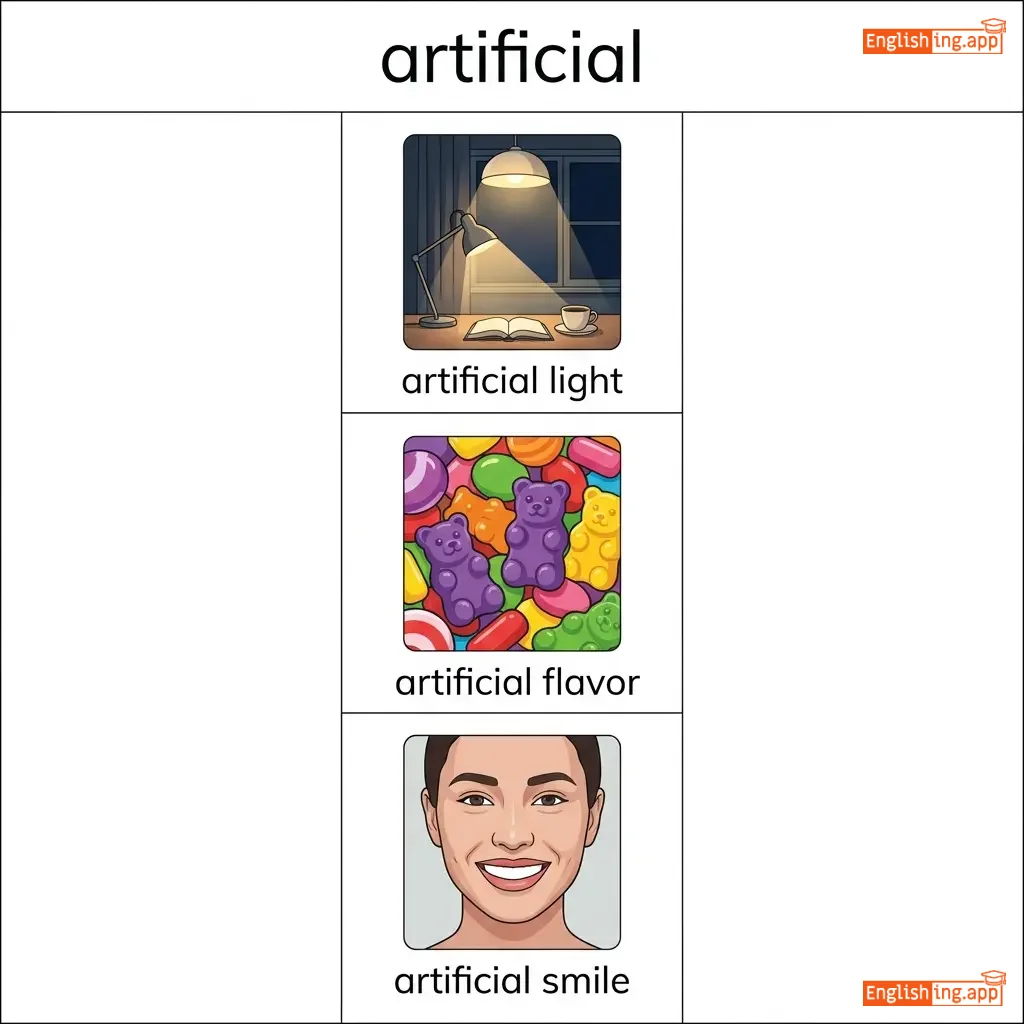
artificial intelligence, artificial light, artificial flavor
••••••
|
In Japanese, '人工的な' (artificial) reminds you of flowers that are man-made, yet look real!
••••••
|
|
#54
😱
|
/əˈtrəʊ.ʃəs/
adjective
(アトロシャス)
••••••
|
- •••••• |
ひどい; 極端に悪いまたは不快な
hidoi; kyokutan ni warui matawa fukai na
••••••
|
horrifyingly wicked; extremely bad or unpleasant
••••••
|
The conditions in the prison were atrocious. |
刑務所の状態はひどかった。
Keimusho no joutai wa hidokatta.
••••••
|
horrible, terrible, dreadful, appalling
••••••
|
excellent, wonderful, admirable, praiseworthy
••••••
|
atrocious crime, atrocious behavior, atrocious conditions
••••••
|
Atrocious sounds like 'hidoi' - both relate to something horrifying.
••••••
|
|
#55
🌊
|
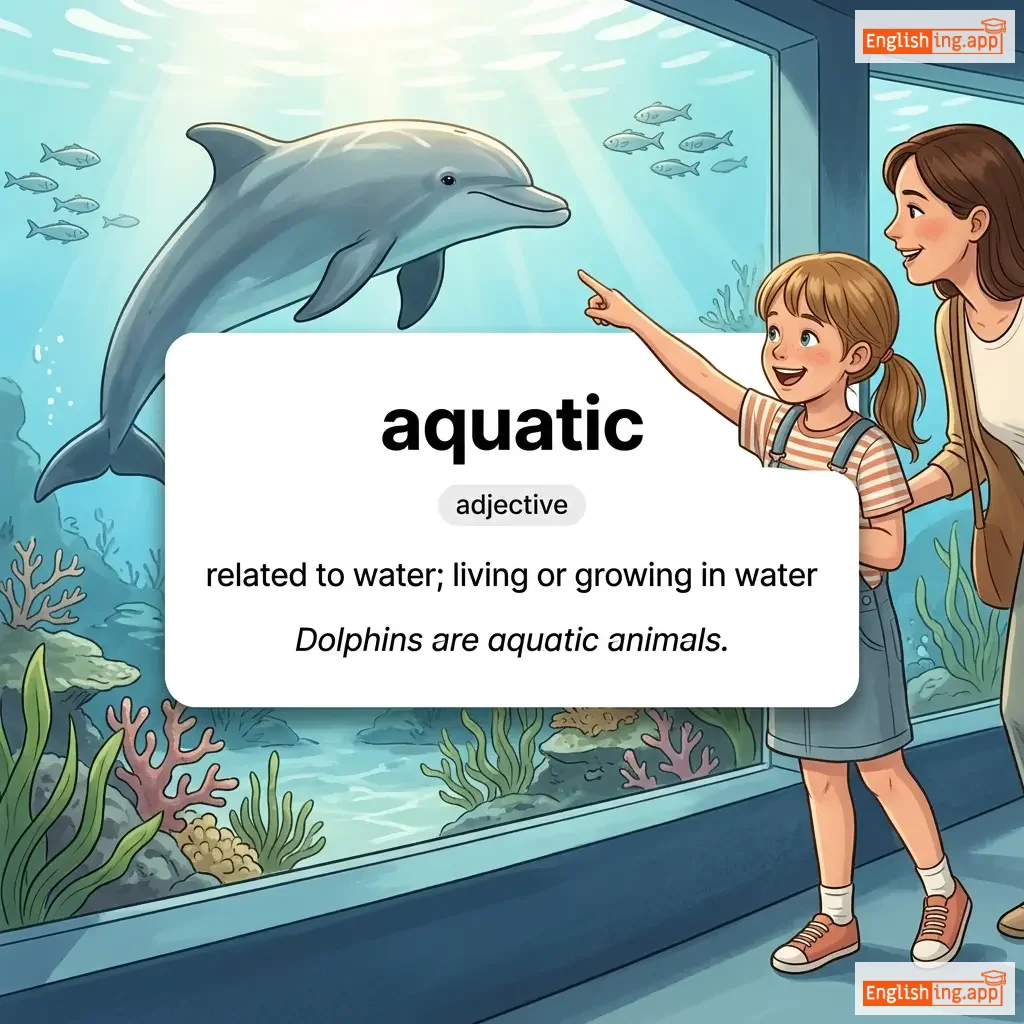
/əˈkwæt.ɪk/
adjective
(アクアティック)
••••••
|
|
水生の; 水中で生きる
suisei no; suichū de ikiru
••••••
|
relating to water; living or growing in water
••••••
|
Dolphins are aquatic mammals that live in the ocean.
イルカは海に住む水生哺乳類です。
••••••
|
イルカは海に住む水生哺乳類です。
Iruka wa umi ni sumu suisei honyūrui desu.
••••••
|
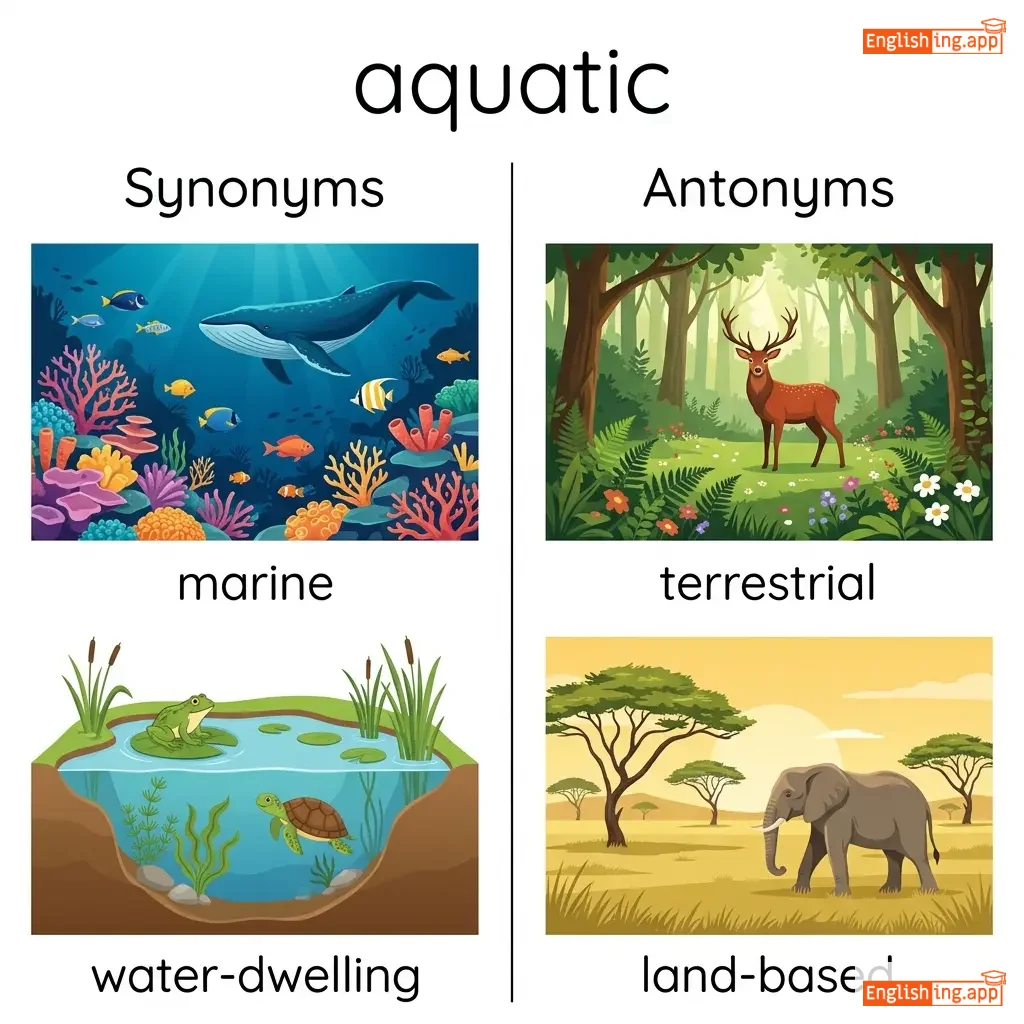
marine, water-based, oceanic, maritime
••••••
|
terrestrial, land-based, aerial
••••••
|
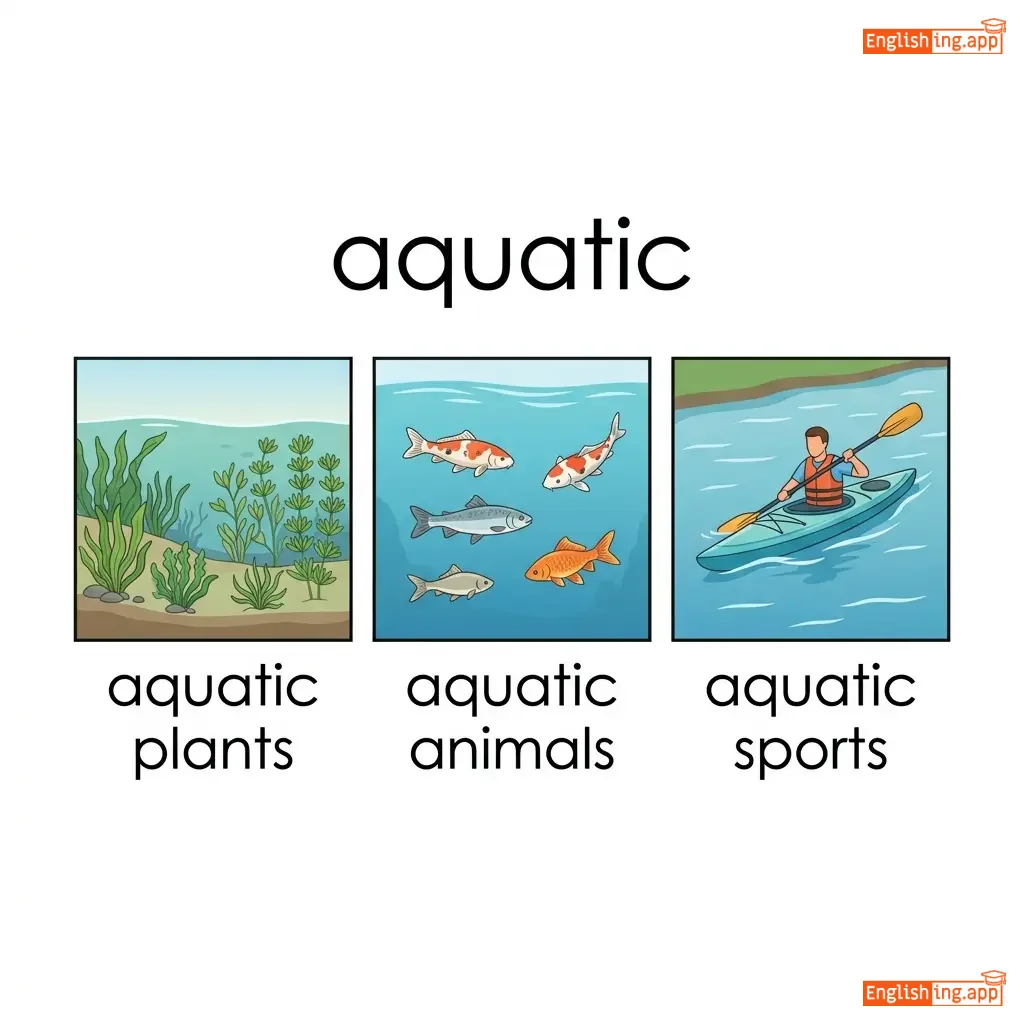
aquatic animals, aquatic plants, aquatic sports
••••••
|
水生の means living in water, just like dolphins in the sea.
••••••
|
|
#56
🍀
|
/ɔːˈspɪʃ.əs/
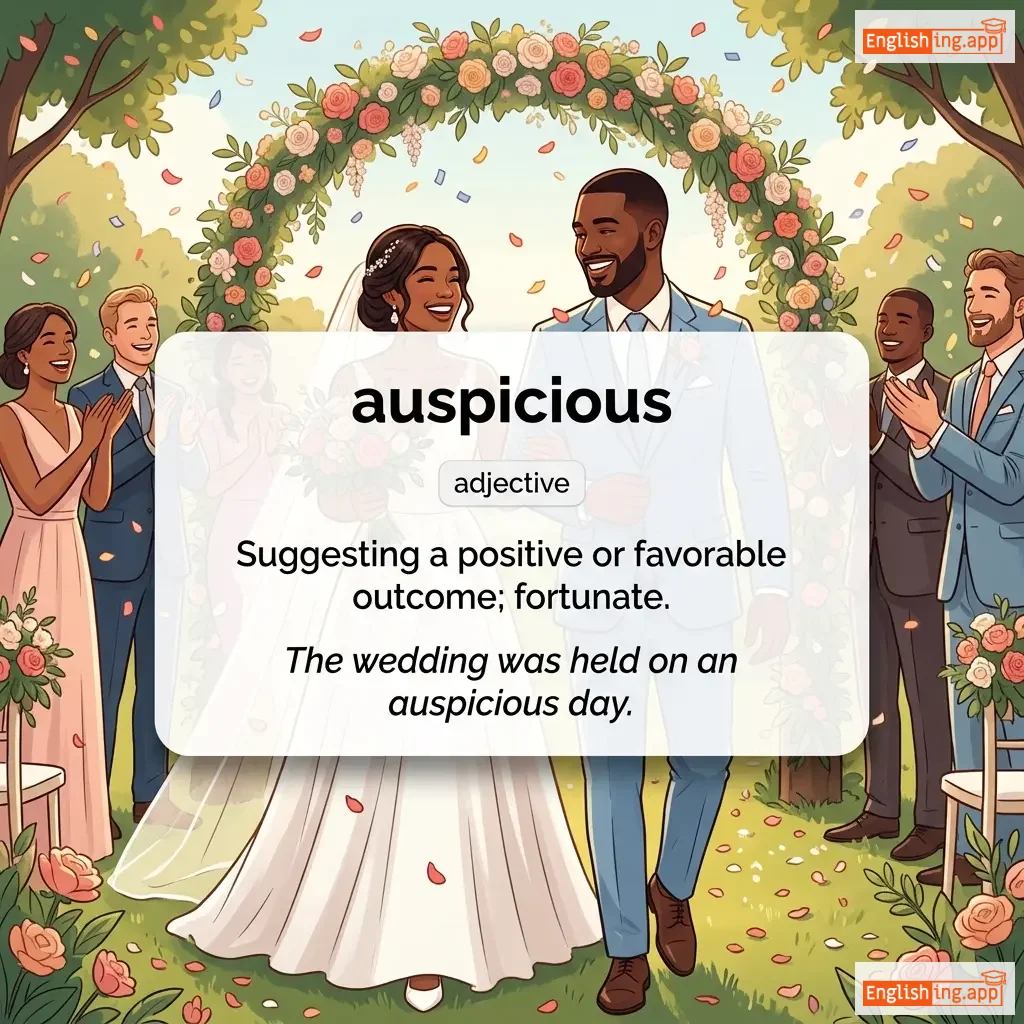
adjective
(オスピシャス)
••••••
|
|
縁起の良い; 幸運な; 成功を約束する
engi no yoi; kouun na; seikou o yakusoku suru
••••••
|
favorable; promising success; lucky
••••••
|
The wedding was planned for an auspicious day according to their family traditions. |
結婚式は家族の伝統に従って縁起の良い日を選んで計画されました。
Kekkonshiki wa kazoku no dentou ni shitagatte engi no yoi hi o erande keikaku saremashita.
••••••
|
favorable, promising, lucky, fortunate
••••••
|
inauspicious, unlucky, unfavorable, ominous
••••••
|
auspicious occasion, auspicious beginning, auspicious time
••••••
|
縁起の良い sounds like 'auspicious', a lucky start.
••••••
|
|
#57
😳
|
/əˈʃeɪmd/
adjective
(アシェイムド)
••••••
|
- •••••• |
恥ずかしい
hazukashii
••••••
|
feeling embarrassed or guilty because of one's actions
••••••
|
He was ashamed of his poor performance. |
彼は自分の悪い成績に恥ずかしさを感じていた。
Kare wa jibun no warui seiseki ni hazukashisa o kanjite ita.
••••••
|
embarrassed, guilty, humiliated, mortified
••••••
|
proud, unashamed, confident, shameless
••••••
|
feel ashamed, deeply ashamed, ashamed of yourself
••••••
|
恥ずかしい(hazukashii)は、羞恥心を感じることに関連し、アシェイムドを思い出させる。
••••••
|
|
#58
🔥
|
/ˈɑːr.dənt/
adjective
(アーデント)
••••••
|
- •••••• |
熱心な; 熱烈な; 情熱的な
nesshin na; netsuretsu na; jounetsu teki na
••••••
|
very enthusiastic; passionate; fervent
••••••
|
She is an ardent supporter of environmental conservation. |
彼女は環境保護の熱心な支持者です。
Kanojo wa kankyō hogo no nesshin na shijisha desu.
••••••
|
passionate, fervent, zealous, enthusiastic
••••••
|
indifferent, apathetic, lukewarm, halfhearted
••••••
|
ardent supporter, ardent believer, ardent desire
••••••
|
Ardentとアーデントは発音が似ていて、彼女は情熱的に環境保護を支援します。
••••••
|
|
#59
😍
|
/əˈtræk.tɪv/
adjective
(アトラクティブ)
••••••
|
- •••••• |
魅力的
miryokuteki
••••••
|
pleasing or appealing to the senses; having a quality that draws interest
••••••
|
The garden looks very attractive in spring.
春には庭がとてもアトラクティブに見えます。
••••••
|
春には庭がとても魅力的に見えます。
Haru ni wa niwa ga totemo miryokuteki ni miemasu.
••••••
|
appealing, beautiful, charming, alluring
••••••
|
unattractive, repulsive, ugly, unappealing
••••••
|
attractive offer, attractive appearance, attractive personality
••••••
|
Imagine a garden that looks 'miryokuteki' (attractive) in the spring.
••••••
|
|
#60
✅
|
/ɔːˈθen.tɪk/
adjective
(オーセンティック)
••••••
|
- •••••• |
本物の; 真実の; 偽物ではない
honmono no; shinjitsu no; nisemono de wa nai
••••••
|
genuine; real; not fake or copied
••••••
|
The museum displays only authentic artifacts from ancient civilizations. |
博物館は古代文明からの本物の遺物のみを展示しています。
Hakubutsukan wa kodai bunmei kara no honmono no ibutsu nomi o tenji shiteimasu.
••••••
|
genuine, real, original, true
••••••
|
fake, false, counterfeit, artificial
••••••
|
authentic experience, authentic food, authentic documents
••••••
|
本物の遺物はいつでも本物です。
••••••
|
Vocabulary Quiz
Test your vocabulary by matching words with their translations or meanings.
Login to take the quiz
Comments (0)
Share your thoughts and join the discussion.
Join the discussion by logging in
Login to CommentNo comments yet
Be the first to share your thoughts!