

翻訳
過去
過去分詞
三人称単数
動名詞
意味
例文
例文の翻訳
同義語
対義語
コロケーション
ニーモニック
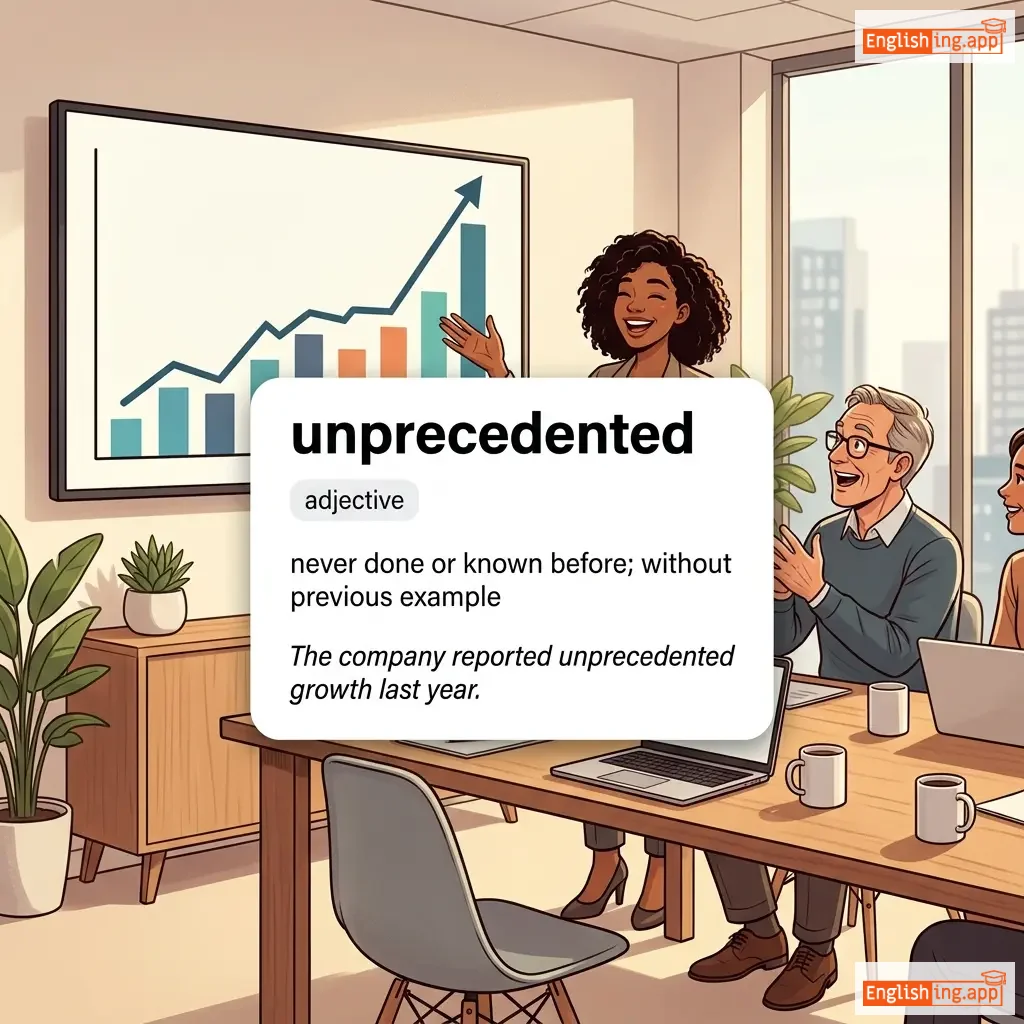
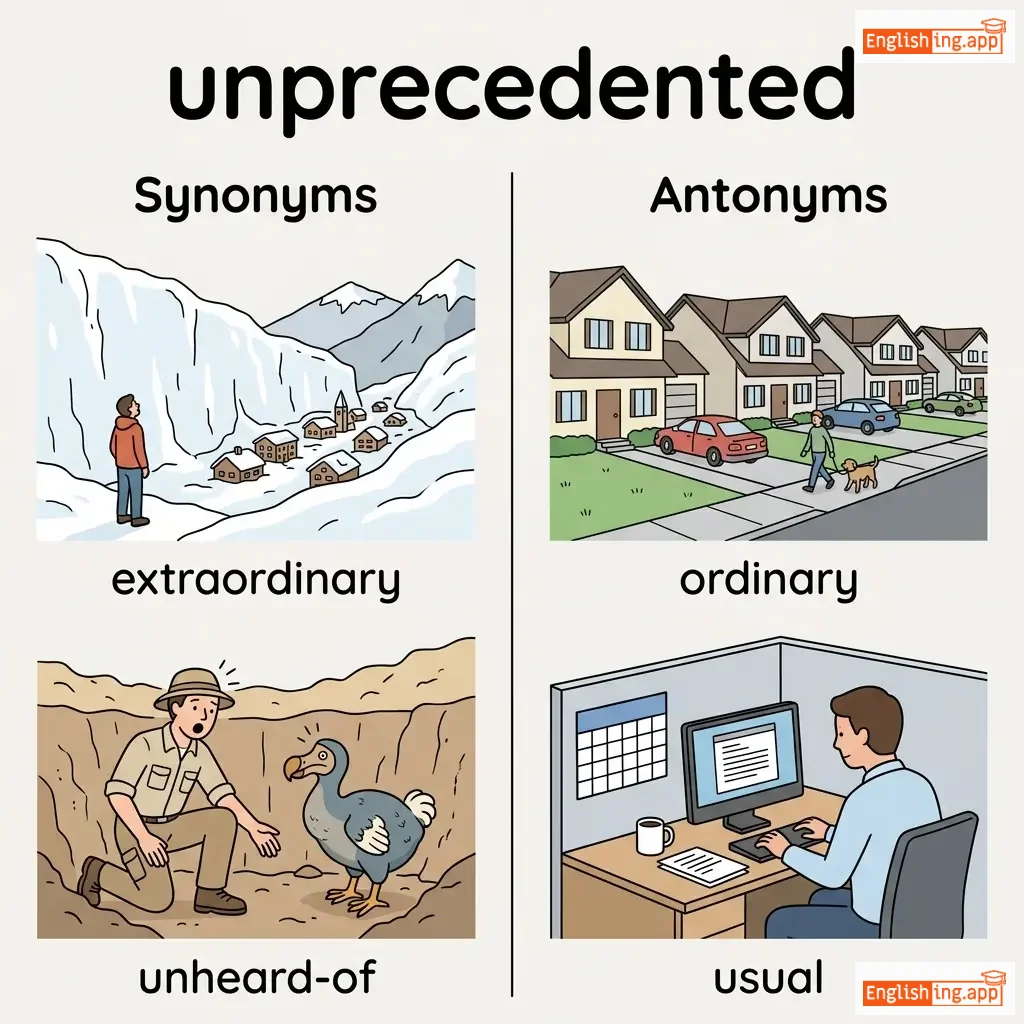
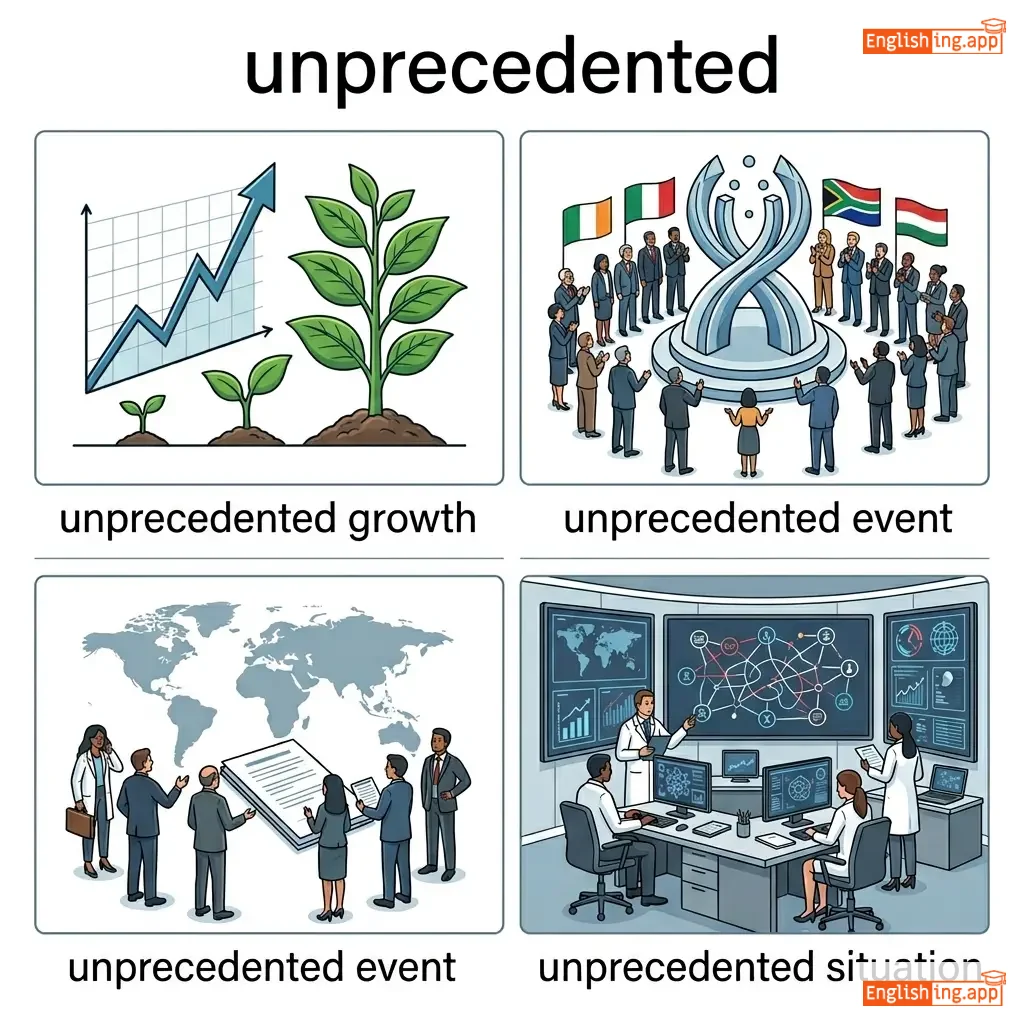
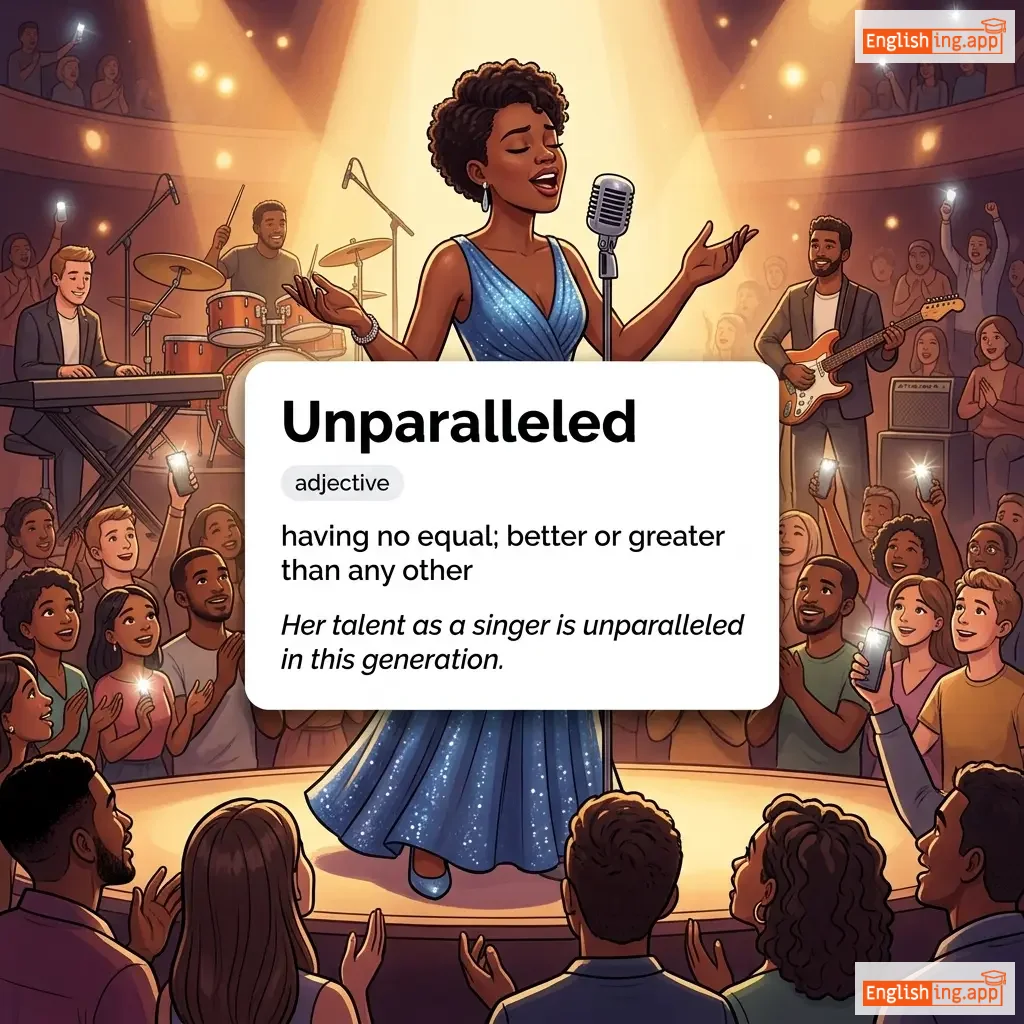
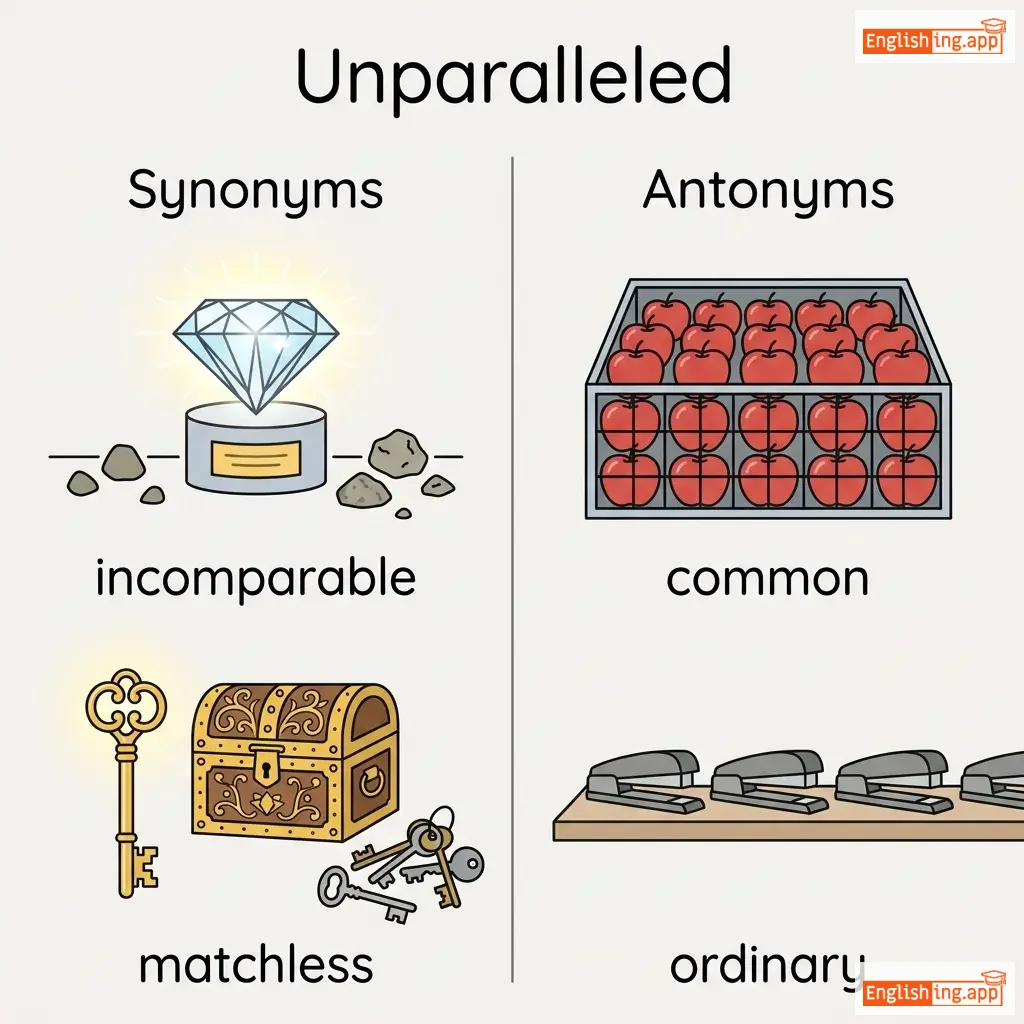

Swipe left or right, or use the buttons. Tap image to zoom.
例文の翻訳
単語
Lesson 52Lesson 52 - マスクトグル
|
絵文字
|
単語 | Images | 翻訳 | 意味 | 例文 | 例文の翻訳 | 同義語 | 対義語 | コロケーション | ニーモニック |
|---|---|---|---|---|---|---|---|---|---|---|
|
#1021
📉
|
/ʌnˈprɒf.ɪ.tə.bl̩/
adjective
(アンプロフィタブル)
••••••
|
- •••••• |
採算が取れない
saisan ga torenai
••••••
|
not yielding profit or gain; not producing financial benefit
••••••
|
The unprofitable business was forced to close down after three years. |
採算が取れないビジネスは3年後に閉店を余儀なくされました。
Saisan ga torenai bijinesu wa san nen go ni heiten o yoginaku saremashita.
••••••
|
unpaying, unremunerative, loss-making
••••••
|
profitable, lucrative, gainful
••••••
|
unprofitable business, unprofitable venture, unprofitable investment
••••••
|
採算が取れない(saisan ga torenai)とは、利益を生まないことです。
••••••
|
|
#1022
😞
|
/ʌnˈlʌki/
adjective
(アンラッキー)
••••••
|
- •••••• |
不運; ラッキーでない
fuun; rakkī denai
••••••
|
having bad luck; unfortunate
••••••
|
He was unlucky to miss the winning shot. |
彼は勝つシュートを外して不運だった。
Kare wa katsu shūto o hazushite fuun datta.
••••••
|
unfortunate, hapless, cursed
••••••
|
lucky, fortunate, blessed
••••••
|
unlucky day, unlucky number, unlucky person
••••••
|
不運の時は、'アンラッキー'という言葉がぴったりです。
••••••
|
|
#1023
😣
|
/ʌnˈplɛz.ənt/
adjective
(アンプレザント)
••••••
|
- •••••• |
不快な
fukai na
••••••
|
not giving or causing pleasure; disagreeable
••••••
|
The medicine had an unpleasant taste. |
その薬は不快な味がしました。
Sono kusuri wa fukai na aji ga shimashita.
••••••
|
disagreeable, distasteful, horrible, nasty
••••••
|
pleasant, agreeable, nice, enjoyable
••••••
|
unpleasant experience, unpleasant smell, unpleasant surprise
••••••
|
不快なという意味は 'unpleasant' と同じです。
••••••
|
|
#1024
👁️
|
/ˌʌnˈnoʊ.tɪst/
adjective
(アンノウティスト)
••••••
|
- •••••• |
気づかれなかった; 無視された
kizukarenakatta; mushi sareta
••••••
|
not seen or observed; ignored
••••••
|
His hard work went unnoticed by his manager. |
彼の努力はマネージャーに気づかれませんでした。
Kare no doryoku wa manejā ni kizukaremasen deshita.
••••••
|
overlooked, ignored, unseen, invisible
••••••
|
noticed, observed, seen, visible
••••••
|
go unnoticed, remain unnoticed, pass unnoticed
••••••
|
Japanese: 気づかれなかった - まるで気づかれなかったように。
••••••
|
|
#1025
❌
|
/ʌnˈkwɒl.ɪ.faɪd/
adjective
(アンカリファイド)
••••••
|
- •••••• |
資格がない; 経験不足の;
shikakuganai; keiken busoku no
••••••
|
not having the necessary skills or qualifications; complete or absolute
••••••
|
He was unqualified for the engineering position due to lack of experience.
彼は経験不足でエンジニアの職に不適格でした。
••••••
|
彼は経験不足でエンジニアの職に不適格でした。
Kare wa keiken busoku de enjinia no shoku ni futekikaku deshita.
••••••
|
incompetent, inexperienced, untrained
••••••
|
qualified, competent, experienced
••••••
|
unqualified person, unqualified success, unqualified opinion
••••••
|
資格がなければ、エンジニアにはなれない—まるで部品が足りない機械のように。
••••••
|
|
#1026
🤹♂️
|
/ʌnˈmænɪdʒəbəl/
adjective
(アンマネージャブル)
••••••
|
- •••••• |
管理できない; 手に負えない
kanri dekinai; te ni oenai
••••••
|
difficult or impossible to control or handle
••••••
|
The large class became unmanageable without proper supervision. |
適切な監視がなければ、大きなクラスは管理できなくなった。
tekisetsu na kanshi ga nakereba, ookina kurasu wa kanri dekinakunatta.
••••••
|
uncontrollable, unwieldy, chaotic
••••••
|
manageable, controllable, orderly
••••••
|
unmanageable situation, unmanageable behavior, unmanageable workload
••••••
|
管理できない – それは手に負えない状況だ。
••••••
|
|
#1027
🆕
|
/ʌnˈprɛs.ɪ.dən.tɪd/
adjective
(anpuresidentedo)
••••••
|
|
前例のない
zenrei no nai
••••••
|
never done or known before; having no previous example
••••••
|
The company achieved unprecedented growth this year. |
その会社は今年、前例のない成長を達成しました。
sono kaisha wa kotoshi, zenrei no nai seichou wo tassei shimashita
••••••
|
unparalleled, extraordinary, remarkable, unique
••••••
|
typical, ordinary, common, usual
••••••
|
unprecedented success, unprecedented scale, unprecedented circumstances
••••••
|
Unprecedented - '前例のない' translates to 'without previous example' in Japanese
••••••
|
|
#1028
📋
|
/ˌʌnəˈfɪʃ.əl/
adjective
(アノフィシャル)
••••••
|
- •••••• |
非公式な
hikoushiki na
••••••
|
not officially authorized or confirmed; informal
••••••
|
The unofficial results showed a close race. |
非公式な結果は接戦を示しました。
hikoushiki na kekka wa sessen o shimeshita.
••••••
|
informal, unauthorized, casual, private
••••••
|
official, formal, authorized, sanctioned
••••••
|
unofficial report, unofficial visit, unofficial capacity
••••••
|
非公式なイベントは、公式に認められないけれど楽しいです。
••••••
|
|
#1029
💸
|
/ˌʌnˈpeɪd/
adjective
(アンペイド)
••••••
|
- •••••• |
無給の; 支払いなし
mukyuu no; shiharai nashi
••••••
|
not paid for; without payment or salary
••••••
|
She worked as an unpaid intern for six months. |
彼女は無給のインターンとして6ヶ月間働きました。
Kanojo wa mukyuu no intaan toshite rokkagetsu kan hatarakimashita
••••••
|
outstanding, unsettled, voluntary, free
••••••
|
paid, settled, compensated, salaried
••••••
|
unpaid bills, unpaid work, unpaid leave, unpaid volunteer
••••••
|
Unpaid in Japanese means '無給の'; 支払いがない、ただの仕事.
••••••
|
|
#1030
😰
|
/ʌnprɪˈpɛrd/
adjective
(anpuripeado)
••••••
|
- •••••• |
準備不足
junbi busoku
••••••
|
not ready or able to deal with something
••••••
|
He was unprepared for the difficult exam.
彼は難しい試験に準備していなかった。
••••••
|
彼は難しい試験に準備していなかった。
Kare wa muzukashii shiken ni junbi shite inakatta
••••••
|
unready, caught off guard, surprised
••••••
|
prepared, ready, equipped, organized
••••••
|
unprepared student, caught unprepared, unprepared speech
••••••
|
Japanese '準備不足' means lack of preparation
••••••
|
|
#1031
⚖️
|
/ʌnˈlɔːfl/
adjective
(アンローフル)
••••••
|
- •••••• |
違法; 不法
ihou; bufou
••••••
|
not authorized by law; illegal
••••••
|
The court declared the search unlawful.
裁判所はその捜索を不法と宣言しました。
••••••
|
裁判所はその捜索を不法と宣言しました。
Saibansho wa sono sōsaku o bufō to sengen shimashita.
••••••
|
illegal, forbidden, prohibited, unauthorized
••••••
|
lawful, legal, authorized, legitimate
••••••
|
unlawful activity, unlawful entry, unlawful arrest
••••••
|
Just like 'bufō', unlawful is an act not allowed by law.
••••••
|
|
#1032
😵💫
|
/ʌnˈmaɪndfəl/
adjective
(アンマインドフル)
••••••
|
- •••••• |
無頓着な; 注意しない;
mutonchakuna; chūi shinai
••••••
|
not paying attention; careless; heedless
••••••
|
She was unmindful of the danger around her.
彼女は周りの危険に気づいていませんでした。
••••••
|
彼女は周りの危険に気づいていませんでした。
Kanojo wa mawari no kiken ni kidzuiteimasendeshita.
••••••
|
careless, heedless, inattentive
••••••
|
mindful, careful, attentive
••••••
|
unmindful of consequences, unmindful behavior, unmindful attitude
••••••
|
無関心でただ前だけを見る
••••••
|
|
#1033
🏆
|
/ˌʌnˈpær.ə.leld/
adjective
(アンパラレルド)
••••••
|
|
比類のない; 無比; 唯一無二
hirui no nai; mubi; yuiitsumuni
••••••
|
having no equal; better or greater than any other
••••••
|
Her talent as a singer is unparalleled in this generation.
彼女の歌手としての才能はこの世代で比類のないものです。
••••••
|
彼女の歌手としての才能はこの世代で比類のないものです。
Kanojo no kashu to shite no sainou wa kono sedai de hirui no nai mono desu.
••••••
|
incomparable, matchless, unique, exceptional
••••••
|
common, ordinary, typical, comparable
••••••
|
unparalleled success, unparalleled beauty, unparalleled achievement
••••••
|
Japanese '比類のない' means unmatched, similar to 'unparalleled'.
••••••
|
|
#1034
🤖
|
/ʌnˈnætʃərəl/
adjective
(アンナチュラル)
••••••
|
- •••••• |
不自然な
fushizen na
••••••
|
not existing in nature; artificial; forced
••••••
|
The actor's smile looked unnatural and forced.
俳優の笑顔はアンナチュラルで、無理をしているように見えた。
••••••
|
俳優の笑顔は不自然で、無理をしているように見えた。
haiyuu no egao wa fushizen de muri o shiteiru you ni mieta
••••••
|
artificial, fake, forced
••••••
|
natural, genuine, authentic
••••••
|
unnatural behavior, unnatural smile, unnatural pose
••••••
|
‘Fushizen’ means not natural — also the title of a famous Japanese drama!
••••••
|
|
#1035
📉
|
/ʌnprəˈdʌk.tɪv/
adjective
(アンプロダクティブ)
••••••
|
- •••••• |
非生産的; 効率が悪い
hi seisan-teki; kōritsu ga warui
••••••
|
not achieving much; not producing good results
••••••
|
The meeting was unproductive and wasted everyone's time.
会議はアンプロダクティブで、全員の時間を無駄にしました。
••••••
|
会議は非生産的で、全員の時間を無駄にしました。
Kaigi wa hi seisan-teki de, zen'in no jikan o muda ni shimashita
••••••
|
ineffective, fruitless, futile, useless
••••••
|
productive, effective, fruitful, successful
••••••
|
unproductive meeting, unproductive day, unproductive discussion
••••••
|
非生産的 = 非 (not) + 生産的 (productive)
••••••
|
|
#1036
≠
|
/ʌnˈlaɪk/
adjective
(アンライク)
••••••
|
- •••••• |
異なる; 類似していない
kotonaru; ruiji shite inai
••••••
|
different from; not similar to
••••••
|
Unlike his brother, he prefers quiet activities.
アンライク彼の兄、彼は静かな活動を好む。
••••••
|
彼の兄とは異なり、彼は静かな活動を好む。
Kare no ani to wa kotonari, kare wa shizuka na katsudou wo konomu.
••••••
|
different from, dissimilar to, contrary to
••••••
|
like, similar to, same as
••••••
|
unlike others, unlike before, unlike anything
••••••
|
'Unlike' と言うと、違いを表現する時に使います。
••••••
|
|
#1037
😡
|
/ˌʌnˈpɑr.də.nə.bəl/
adjective
(アンパードナブル)
••••••
|
- •••••• |
許されざる
yurusa rezaru
••••••
|
too bad to be forgiven; inexcusable
••••••
|
His betrayal of trust was an unpardonable offense.
彼の裏切りは許されざる犯罪でした。
••••••
|
彼の裏切りは許されざる犯罪でした。
kare no uragiri wa yurusarezaru hanzai deshita
••••••
|
inexcusable, unforgivable, intolerable, heinous
••••••
|
forgivable, excusable, pardonable, acceptable
••••••
|
unpardonable sin, unpardonable crime, unpardonable behavior
••••••
|
Unpardonable = yurusa rezaru = 許しがたい、許されない
••••••
|
|
#1038
🚫
|
/ʌnˈnesəseri/
adjective
(アンネセサリー)
••••••
|
- •••••• |
不必要な; 無駄な
fuhitsuyōna; mudana
••••••
|
not needed; not required; pointless
••••••
|
The meeting was unnecessary since all decisions were already made.
その会議は必要ありませんでした、すべての決定はすでに下されていました。
••••••
|
その会議は必要ありませんでした、すべての決定はすでに下されていました。
Sono kaigi wa hitsuyō arimasen deshita, subete no kettei wa sude ni kudasarete imashita.
••••••
|
unneeded, pointless, redundant
••••••
|
necessary, essential, required
••••••
|
unnecessary expense, unnecessary risk, unnecessary delay
••••••
|
不必要なものは、時間の無駄です。
••••••
|
|
#1039
🚫
|
/ʌnprəˈfɛʃ.ən.əl/
adjective
(アンプロフェッショナル)
••••••
|
- •••••• |
不专业
fujōzu
••••••
|
not conforming to the standards expected in a particular profession
••••••
|
His unprofessional behavior led to his dismissal from the company. |
彼の不専門的な行動は、会社からの解雇を引き起こしました。
Kare no fujōzu na kōdō wa, kaisha kara no kaiko o hikiokoshimashita.
••••••
|
inappropriate, improper, unethical, incompetent
••••••
|
professional, appropriate, ethical, competent
••••••
|
unprofessional conduct, unprofessional behavior, unprofessional appearance
••••••
|
不専門的 - それは専門職の基準に合わない行動です。
••••••
|
|
#1040
🤔
|
/ʌnˈlaɪkli/
adjective
(anraikuri)
••••••
|
- •••••• |
ありそうにない; 予想外の
arisō ni nai; yosōgai no
••••••
|
not likely to happen; improbable
••••••
|
It's unlikely to rain today with such clear skies.
Its anraikuri tu rein tudei wid sach kiriā sukaizu.
••••••
|
こんなに晴れた空では、今日は雨が降る可能性は低い。
Konna ni hareta sora de wa, kyō wa ame ga furu kanōsei wa hikui.
••••••
|
improbable, doubtful, remote, questionable
••••••
|
likely, probable, certain, expected
••••••
|
unlikely event, unlikely scenario, unlikely outcome
••••••
|
Unlikely = ありそうにない、起こりにくい
••••••
|
Vocabulary Quiz
Test your vocabulary by matching words with their translations or meanings.
Login to take the quiz
Comments (0)
Share your thoughts and join the discussion.
Join the discussion by logging in
Login to CommentNo comments yet
Be the first to share your thoughts!