

翻訳
過去
過去分詞
三人称単数
動名詞
意味
例文
例文の翻訳
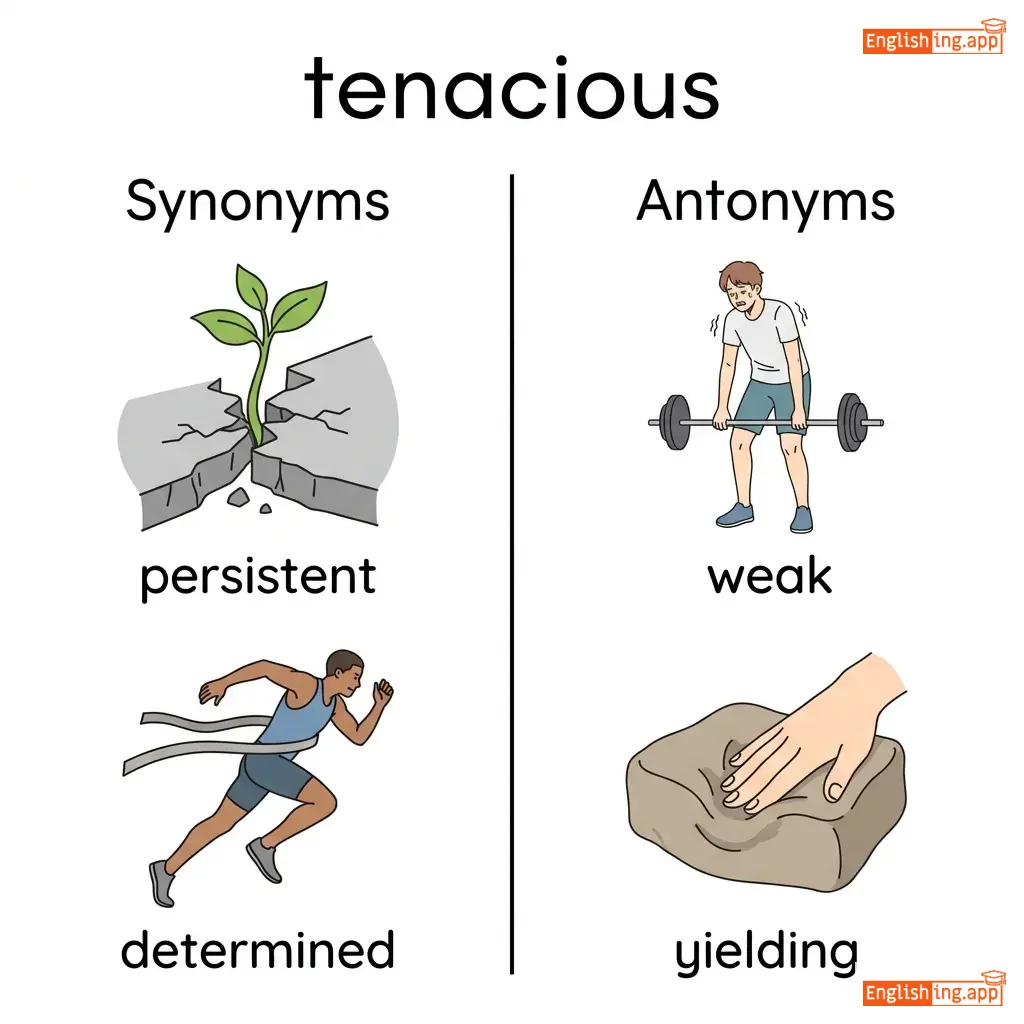
同義語
対義語
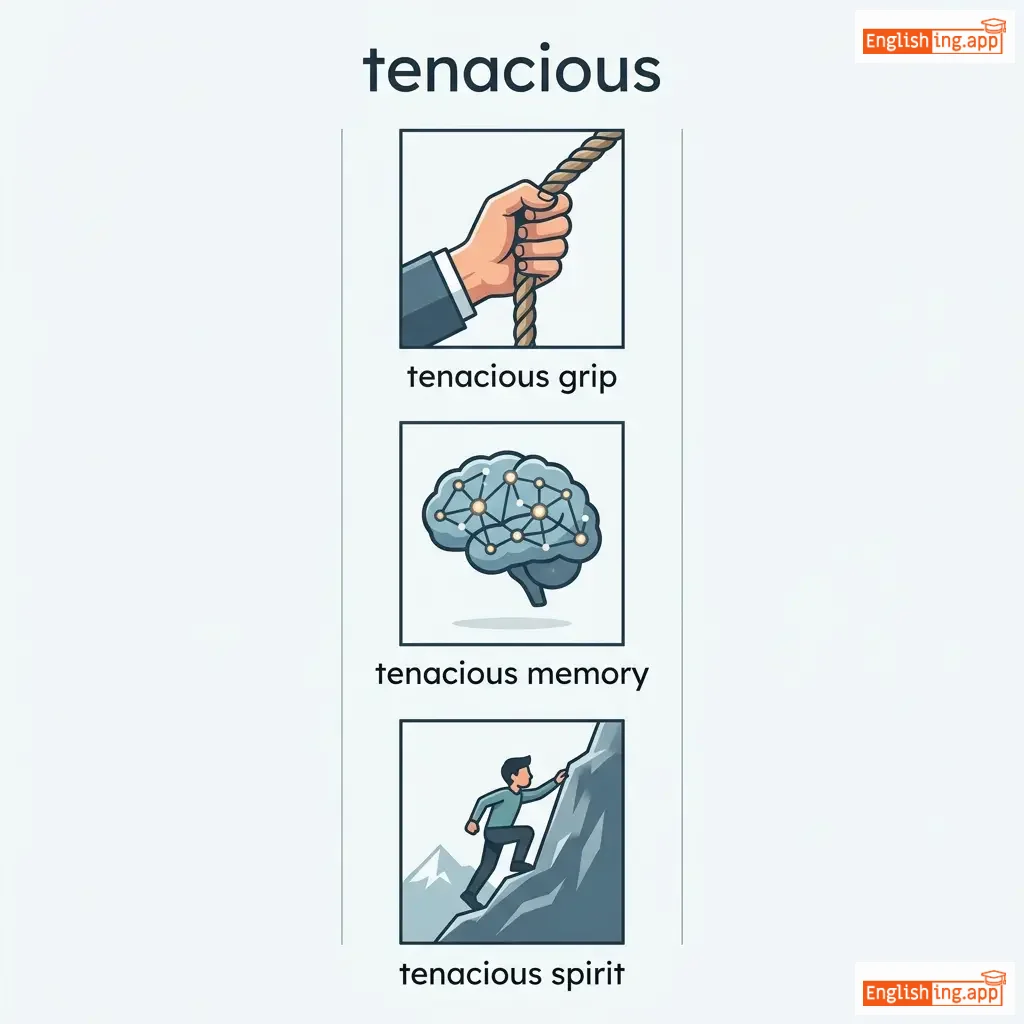
コロケーション
ニーモニック
Swipe left or right, or use the buttons. Tap image to zoom.
例文の翻訳
単語
Lesson 46Lesson 46 - マスクトグル
|
絵文字
|
単語 | Images | 翻訳 | 意味 | 例文 | 例文の翻訳 | 同義語 | 対義語 | コロケーション | ニーモニック |
|---|---|---|---|---|---|---|---|---|---|---|
|
#901
📏
|
/θɪn/
adjective
(θin)
••••••
|
- •••••• |
薄い; 細い
usui; hosoi
••••••
|
having little thickness; not thick; slender
••••••
|
She wore a thin jacket in the cold weather.
彼女は寒い天気で薄いジャケットを着ていました。
••••••
|
彼女は寒い天気で薄いジャケットを着ていました。
kanojo wa samui tenki de usui jaketto o kite imashita
••••••
|
slender, slim, narrow, skinny
••••••
|
thick, fat, wide, broad
••••••
|
thin layer, thin ice, thin air, thin line
••••••
|
薄いと細い — 紙のように薄い。
••••••
|
|
#902
🐕
|
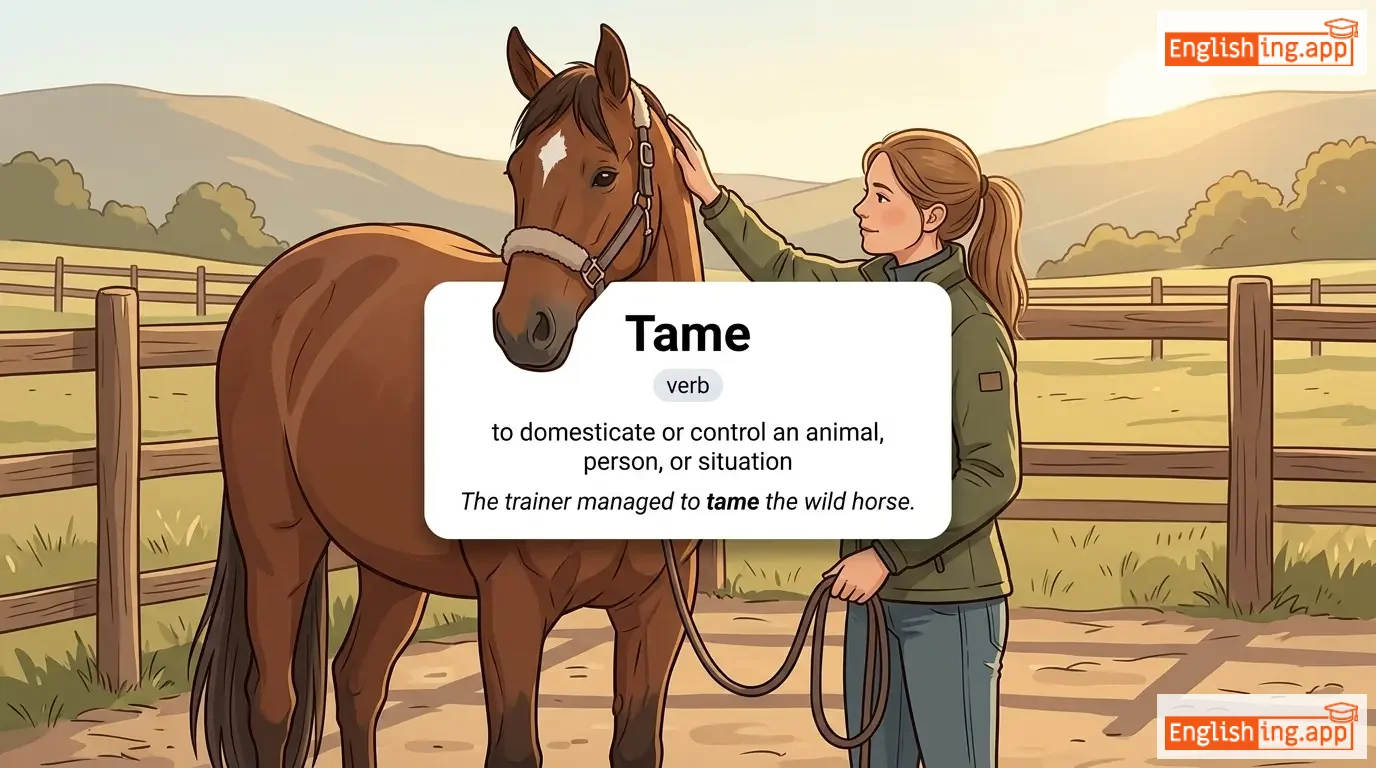
/teɪm/
adjective
(テイム)
••••••
|
|
飼い慣らされた; おとなしい; 従順な
kainarasareta; otonashii; juujunna
••••••
|
domesticated and not wild; gentle and easy to control
••••••
|
The tame lion performed tricks in the circus. |
飼い慣らされたライオンはサーカスで芸をしました。
Kainarasareta raion wa saakasu de gei o shimashita.
••••••
|
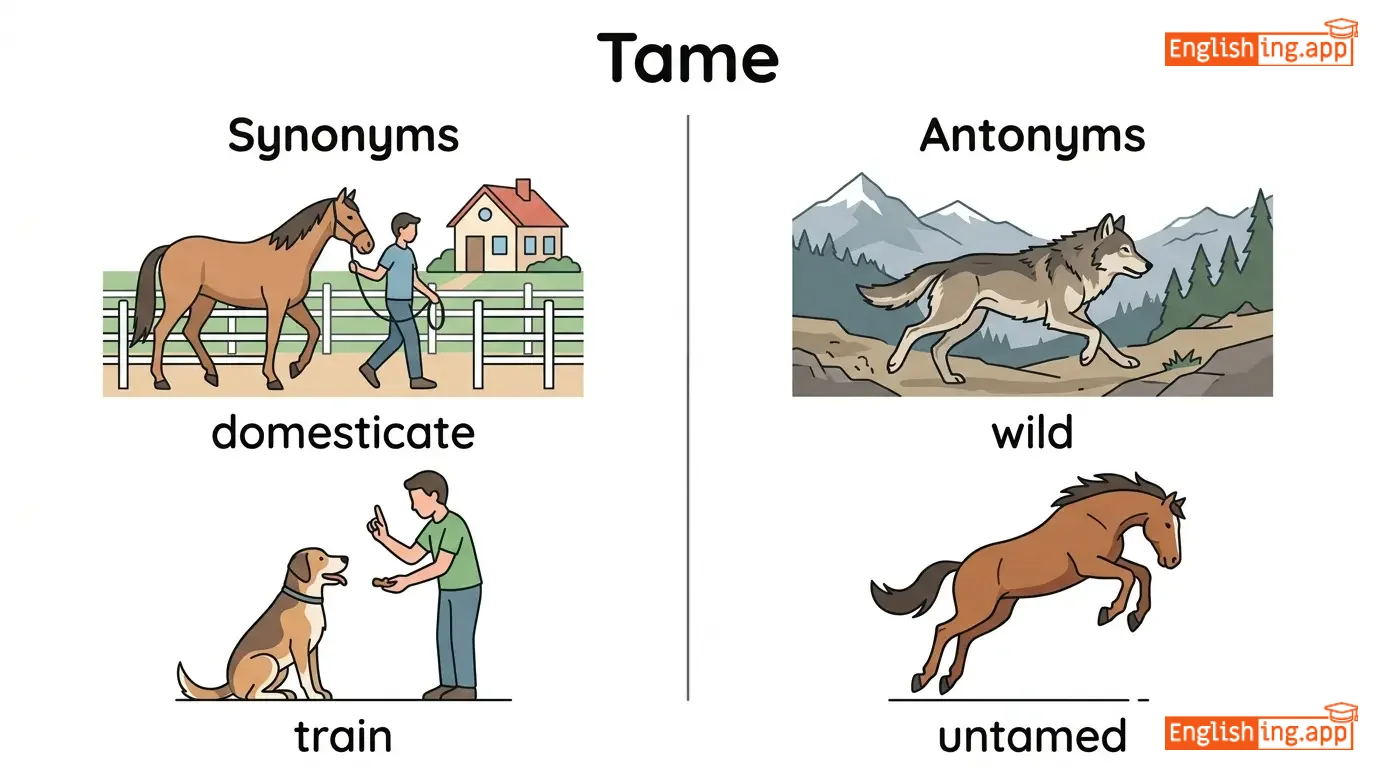
domesticated, gentle, docile, obedient
••••••
|
wild, fierce, untamed, savage
••••••
|
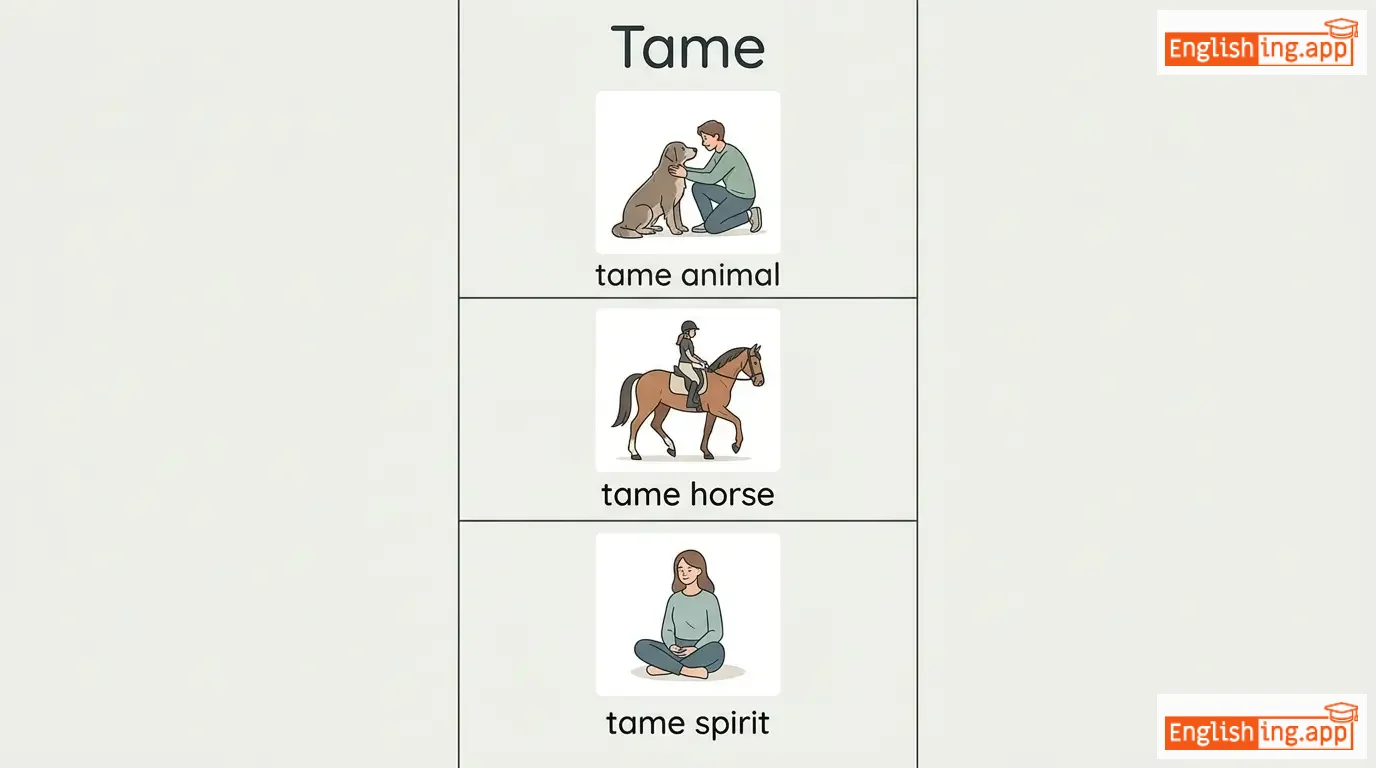
tame animal, tame lion, tame behavior
••••••
|
Tame lion = 'kainarasareta' in Japanese
••••••
|
|
#903
🤔
|
/ˈten.tə.tɪv/
adjective
(テンテイティブ)
••••••
|
- •••••• |
仮の; 不確かな
kari no; fukakuna
••••••
|
not certain or fixed; provisional; hesitant or unsure
••••••
|
We made tentative plans to meet next week. |
私たちは来週会うための仮の計画を立てました。
Watashitachi wa raishū au tame no kari no keikaku o tatemashita.
••••••
|
provisional, experimental, uncertain, hesitant
••••••
|
definite, certain, final, decisive
••••••
|
tentative agreement, tentative plans, tentative proposal
••••••
|
仮の計画、まだ決まってないので不確かだね。
••••••
|
|
#904
😢
|
/ˈtɪərfəl/
adjective
(ティアフル)
••••••
|
- •••••• |
涙を流す; 泣きやすい
namida o nagasu; nakiyasui
••••••
|
expressing or showing sadness and sorrow; inclined to weep
••••••
|
She gave a tearful goodbye to her friends at the airport.
彼女は空港で友達に涙ながらの別れを告げた。
••••••
|
彼女は空港で友達に涙ながらの別れを告げた。
Kanojo wa kūkō de tomodachi ni namida nagara no wakare o tsugeta.
••••••
|
weeping, crying, sorrowful, mournful
••••••
|
cheerful, happy, joyful, dry-eyed
••••••
|
tearful goodbye, tearful reunion, tearful eyes, tearful voice
••••••
|
涙を流す、'tearful' のように。
••••••
|
|
#905
💧
|
/ˈθɜːr.sti/
adjective
(θɜːrsti)
••••••
|
- •••••• |
喉が渇いた
nodo ga kawaita
••••••
|
feeling a need to drink; having a strong desire for something
••••••
|
I am very thirsty after running in the heat. |
暑さで走った後、私はとても喉が渇いています。
atsusa de hashitta ato, watashi wa totemo nodo ga kawaitaimasu.
••••••
|
parched, dehydrated, dry
••••••
|
satisfied, hydrated, quenched
••••••
|
thirsty for knowledge, thirsty work, make thirsty
••••••
|
喉が渇いた: 走った後で水を欲しがる
••••••
|
|
#906
😍
|
/ˈtæn.tə.laɪ.zɪŋ/
adjective
(タントライジング)
••••••
|
- •••••• |
魅力的だが手の届かない
miryokuteki daga te no todokanai
••••••
|
tempting and attractive but out of reach
••••••
|
The tantalizing aroma of fresh bread filled the bakery. |
新鮮なパンの魅力的な香りがベーカリーを満たした。
Shinsen na pan no miryokuteki na kaori ga beākarii o mitashita.
••••••
|
tempting, enticing, alluring, seductive
••••••
|
repulsive, unappealing, disgusting
••••••
|
tantalizing smell, tantalizing offer, tantalizing glimpse
••••••
|
新鮮なパンの香りを想像してみて。手が届かないけれど、どうしても引き寄せられる。
••••••
|
|
#907
🌡️
|
/ˈtep.ɪd/
adjective
(テピッド)
••••••
|
- •••••• |
ぬるい
nurui
••••••
|
only slightly warm; lukewarm; showing little enthusiasm
••••••
|
The tea was tepid and unappetizing. |
お茶はぬるくて、あまり食欲をそそらなかった。
Ocha wa nurukute, amari shokuyoku o sosoranakatta.
••••••
|
lukewarm, cool, halfhearted, unenthusiastic
••••••
|
hot, boiling, enthusiastic, passionate
••••••
|
tepid water, tepid response, tepid applause
••••••
|
In Japan, tea that’s neither too hot nor too cold is 'nurui', just like tepid tea.
••••••
|
|
#908
⚙️
|
/ˈteknɪkəl/
adjective
(テクニカル)
••••••
|
- •••••• |
技術的な; 専門的な;
gijutsuteki na; senmonteki na
••••••
|
relating to or involving special skills or knowledge; requiring specialized training
••••••
|
The manual contains technical instructions for operating the machine.
マニュアルには機械操作に関するテクニカルな指示が含まれています。
••••••
|
マニュアルには機械操作に関するテクニカルな指示が含まれています。
Manyuaru ni wa kikai sōsa ni kansuru tekunikaru na shiji ga fukumareteimasu.
••••••
|
specialized, scientific, technological, professional
••••••
|
simple, basic, general, non-technical
••••••
|
technical skills, technical problem, technical support, technical knowledge
••••••
|
テクニカルは専門的な知識やスキルに関連しています。
••••••
|
|
#909
😴
|
/ˈtiːdiəs/
adjective
(ティディアス)
••••••
|
- •••••• |
退屈な; 面倒な
taikutsu na; mendou na
••••••
|
tiresome because of length or dullness; boring and monotonous
••••••
|
The lecture was so tedious that many students fell asleep.
その講義はとても退屈で、多くの学生が眠ってしまいました。
••••••
|
その講義はとても退屈で、多くの学生が眠ってしまいました。
Sono kougi wa totemo taikutsu de, ooku no gakusei ga nemutte shimaimashita.
••••••
|
boring, monotonous, dull, tiresome
••••••
|
exciting, interesting, engaging, stimulating
••••••
|
tedious work, tedious process, tedious task, tedious journey
••••••
|
When a lecture is long and boring, it is 'taikutsu na' and 'mendou na'.
••••••
|
|
#910
😰
|
/ˈter.ə.bl̩/
adjective
(テリブル)
••••••
|
- •••••• |
恐ろしい; 悪い
osoroshii; warui
••••••
|
extremely bad or serious; causing fear or dread; very poor quality
••••••
|
The weather was terrible during our vacation. |
私たちの休暇中、天気は恐ろしかった。
Watashitachi no kyūka-chū, tenki wa osoroshikatta.
••••••
|
awful, horrible, dreadful, appalling, frightening
••••••
|
wonderful, excellent, great, fantastic
••••••
|
terrible accident, terrible weather, terrible mistake
••••••
|
悪い天気が続くと、すべてが'恐ろしい'!
••••••
|
|
#911
☢️
|
/ˈteɪn.tɪd/
adjective
(テインテッド)
••••••
|
- •••••• |
汚染された; 汚れた
osen sareta; yogoreta
••••••
|
contaminated or affected by something bad or undesirable
••••••
|
The water supply was tainted with harmful chemicals. |
水供給は有害な化学物質で汚染されていた。
Mizu kyōkyū wa yūgaina kagakubusshitsu de osen sarete ita.
••••••
|
contaminated, polluted, corrupted, spoiled
••••••
|
pure, clean, untainted, pristine
••••••
|
tainted food, tainted reputation, tainted evidence
••••••
|
The Japanese word '汚染' (osen) relates closely to 'contaminated', making it easy to remember.
••••••
|
|
#912
🎨
|
/ˈteɪst.fəl/
adjective
(テイストフル)
••••••
|
- •••••• |
味わい深い; エレガント; 良いセンスのある
ajiwai fukai; ereganto; yoi sensu no aru
••••••
|
showing good judgment in matters of style and beauty
••••••
|
She decorated her home in a very tasteful manner.
彼女は非常にセンスの良い方法で家を飾りました。
••••••
|
彼女は非常にセンスの良い方法で家を飾りました。
Kanojo wa hijō ni sensu no yoi hōhō de ie o kazari mashita.
••••••
|
elegant, refined, stylish, sophisticated
••••••
|
tasteless, vulgar, crude, tacky
••••••
|
tasteful decoration, tasteful design, tasteful clothing
••••••
|
センスよく装飾された家
••••••
|
|
#913
🍰
|
/ˈtemptɪŋ/
adjective
(テンプティング)
••••••
|
- •••••• |
魅力的
miryokuteki
••••••
|
appealing to or attracting someone, even if wrong or inadvisable; alluring
••••••
|
The chocolate cake looked very tempting in the bakery window. |
ベーカリーの窓にチョコレートケーキがとても魅力的に見えた。
Beekarii no mado ni chokoreeto keeki ga totemo miryokuteki ni mieta.
••••••
|
alluring, attractive, enticing, appealing
••••••
|
repulsive, unappealing, disgusting, off-putting
••••••
|
tempting offer, tempting food, tempting opportunity, tempting proposal
••••••
|
魅力的 = 魅力
••••••
|
|
#914
😝
|
/ˈteɪst.ləs/
adjective
(テイストレス)
••••••
|
- •••••• |
味がない
aji ga nai
••••••
|
lacking flavor; showing poor judgment in style
••••••
|
The soup was completely tasteless and needed more seasoning.
スープは完全にテイストレスで、さらに調味料が必要でした。
••••••
|
スープは完全に味がなく、さらに調味料が必要でした。
Sūpu wa kanzen ni aji ga naku, sara ni chōmiryō ga hitsuyō deshita.
••••••
|
flavorless, bland, insipid, vulgar
••••••
|
tasty, flavorful, tasteful, refined
••••••
|
tasteless food, tasteless joke, tasteless comment
••••••
|
味がない = 味がないスープ、それにもっと調味料が必要です
••••••
|
|
#915
🙏
|
/ˈθæŋk.fəl/
adjective
(サンクフル)
••••••
|
- •••••• |
感謝している
kansha shite iru
••••••
|
pleased and relieved; expressing gratitude; appreciative
••••••
|
I am thankful for all your help and support.
あなたの助けとサポートに感謝しています。
••••••
|
あなたの助けとサポートに感謝しています。
Anata no tasuke to sapōto ni kansha shite imasu.
••••••
|
grateful, appreciative, obliged, indebted
••••••
|
ungrateful, unappreciative, thankless
••••••
|
thankful for, deeply thankful, truly thankful
••••••
|
Saying thankful in Japanese shows appreciation and gratitude.
••••••
|
|
#916
⭐
|
/ˈtæl.ən.tɪd/
adjective
(タレント)
••••••
|
- •••••• |
才能がある
sainou ga aru
••••••
|
having a natural ability or skill in a particular area
••••••
|
She is a talented musician who plays multiple instruments.
彼女は多くの楽器を演奏する才能ある音楽家です。
••••••
|
彼女は多くの楽器を演奏する才能ある音楽家です。
Kanojo wa ōku no gakki o ensō suru sainō aru ongakuka desu.
••••••
|
gifted, skilled, accomplished, capable
••••••
|
untalented, inept, incompetent, unskilled
••••••
|
talented artist, talented performer, talented individual
••••••
|
‘Talent’ は日本語で ‘才能がある’ (sainou ga aru) という意味です。
••••••
|
|
#917
💪
|
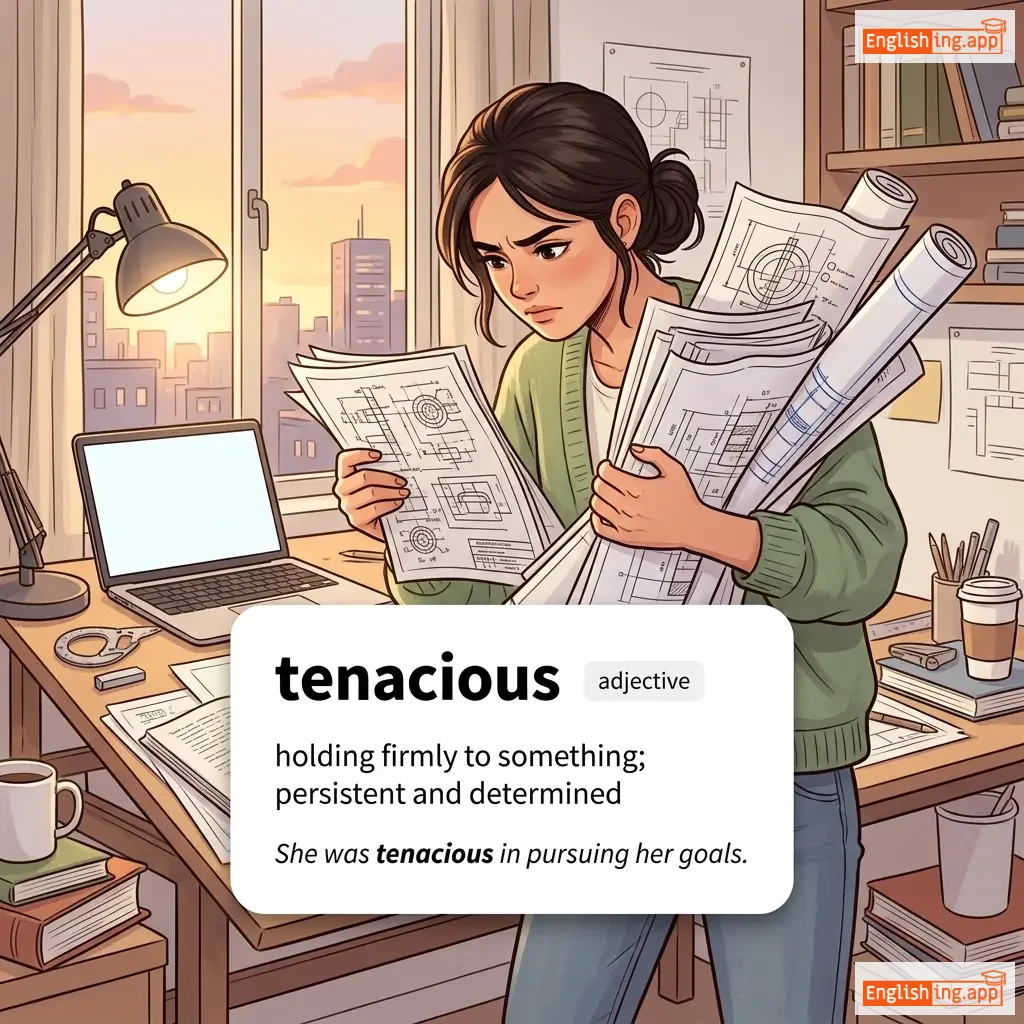
/təˈneɪʃəs/
adjective
(テネイシャス)
••••••
|
|
粘り強い; 執拗な; 決意に満ちた
nebarizuyoi; shūjō na; ketsui ni michita
••••••
|
holding firmly to something; persistent and determined; not easily giving up
••••••
|
She was tenacious in pursuing her dreams despite many obstacles.
彼女は多くの障害にもかかわらず、夢を追い続けていた。
••••••
|
彼女は多くの障害にもかかわらず、夢を追い続けていた。
Kanojo wa ōku no shōgai ni mo kakawarazu, yume o oitsuzukete ita.
••••••
|
persistent, determined, resolute, stubborn
••••••
|
weak, yielding, irresolute, giving up easily
••••••
|
tenacious fighter, tenacious grip, tenacious pursuit, tenacious spirit
••••••
|
Tenacious = Ten (十) + Cious (粘り); 目標を貫く
••••••
|
|
#918
😋
|
/ˈteɪ.sti/
adjective
(テスティ)
••••••
|
- •••••• |
美味しい
oishii
••••••
|
having a pleasant flavor; delicious
••••••
|
The pizza was really tasty with fresh ingredients. |
そのピザは新鮮な材料で本当に美味しかった。
sono piza wa shinsen na zairyō de hontōni oishikatta
••••••
|
delicious, flavorful, savory, yummy
••••••
|
tasteless, bland, unappetizing
••••••
|
tasty food, tasty meal, tasty snack
••••••
|
美味しいピザはみんなを幸せにする
••••••
|
|
#919
📏
|
/θɪk/
adjective
(zick)
••••••
|
- •••••• |
厚い; 濃い;
atsui; koi
••••••
|
having a large distance between opposite sides; dense; not thin
••••••
|
The book has thick pages and a heavy cover.
その本は厚いページと重いカバーがあります。
••••••
|
その本は厚いページと重いカバーがあります。
Sono hon wa atsui pēji to omoi kabā ga arimasu.
••••••
|
dense, wide, broad, heavy, substantial
••••••
|
thin, narrow, slim, fine
••••••
|
thick book, thick hair, thick fog, thick skin
••••••
|
Japanese word '厚い' means thick, and '濃い' means dense
••••••
|
|
#920
🗣️
|
/ˈtɔː.kə.tɪv/
adjective
(トークアティヴ)
••••••
|
- •••••• |
おしゃべり
oshaberi
••••••
|
fond of talking; speaking freely and at length
••••••
|
My talkative neighbor loves to chat about everything. |
私のおしゃべりな隣人は、何でも話すのが大好きです。
Watashi no oshaberi na rinjin wa, nandemo hanasu no ga daisuki desu.
••••••
|
chatty, verbose, loquacious, garrulous
••••••
|
quiet, silent, reserved, taciturn
••••••
|
talkative person, talkative mood, talkative nature
••••••
|
おしゃべりは、'話す'ことに関連しており、長く話すことを意味します。
••••••
|
Vocabulary Quiz
Test your vocabulary by matching words with their translations or meanings.
Login to take the quiz
Comments (0)
Share your thoughts and join the discussion.
Join the discussion by logging in
Login to CommentNo comments yet
Be the first to share your thoughts!