

翻訳
過去
過去分詞
三人称単数
動名詞
意味
例文
例文の翻訳
同義語
対義語
コロケーション
ニーモニック
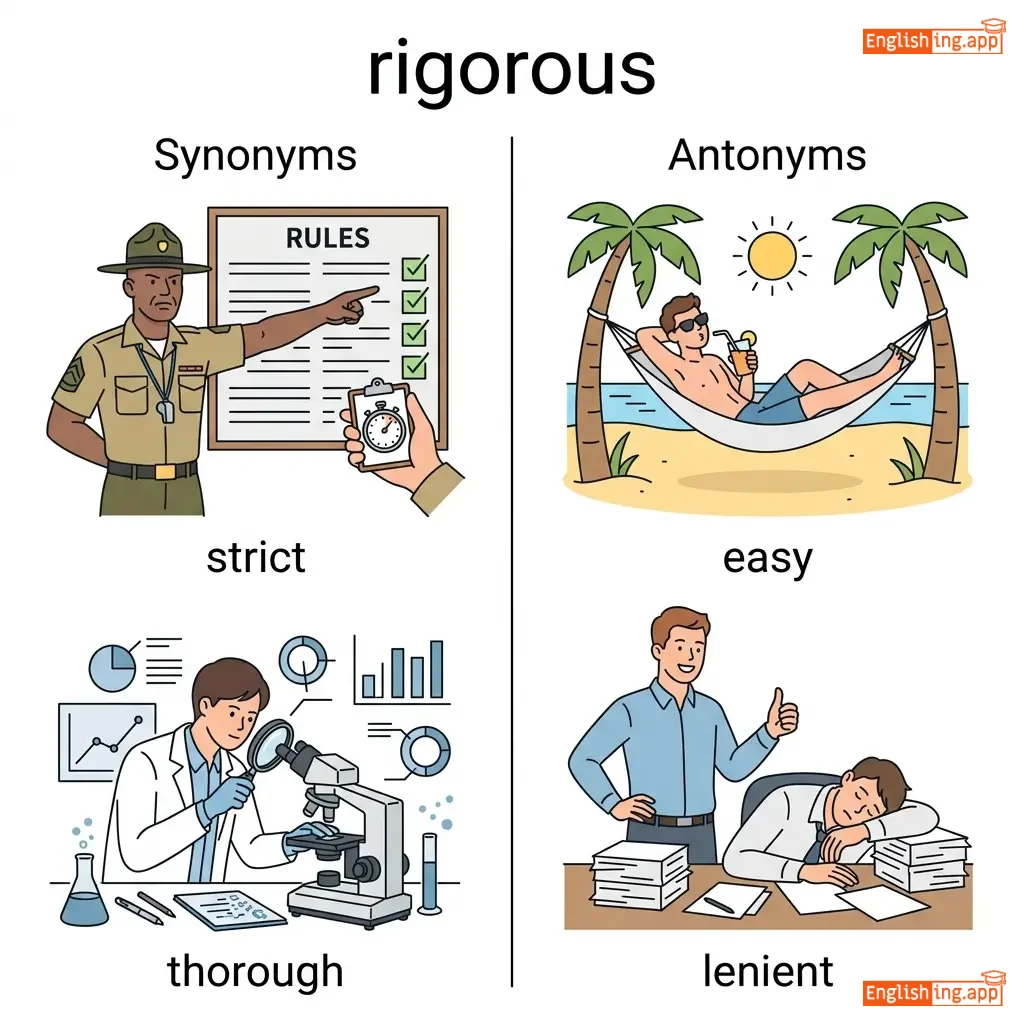
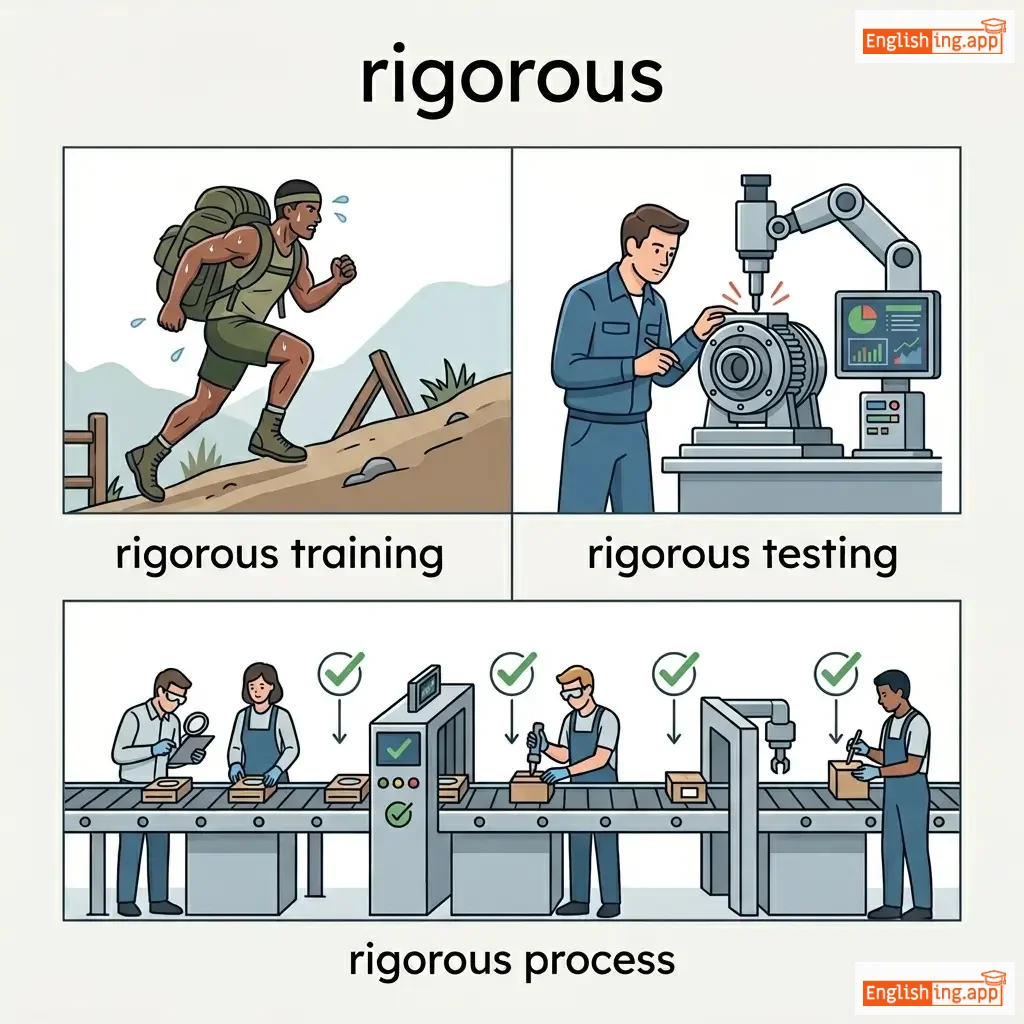
Swipe left or right, or use the buttons. Tap image to zoom.
例文の翻訳
単語
Lesson 38Lesson 38 - マスクトグル
|
絵文字
|
単語 | Images | 翻訳 | 意味 | 例文 | 例文の翻訳 | 同義語 | 対義語 | コロケーション | ニーモニック |
|---|---|---|---|---|---|---|---|---|---|---|
|
#741
🤡
|
/rɪˈdɪk.jə.ləs/
adjective
(リディキュラス)
••••••
|
- •••••• |
馬鹿げた; ばかばかしい; 不合理な
bakageta; bakabakashii; fugorinai
••••••
|
extremely silly or unreasonable; deserving or causing laughter
••••••
|
The idea of building a house without tools is ridiculous. |
道具なしで家を建てるアイデアは馬鹿げている。
Dougu nashi de ie wo tateru aidea wa bakageteiru.
••••••
|
absurd, foolish, silly, preposterous, ludicrous
••••••
|
sensible, reasonable, logical, wise, rational
••••••
|
ridiculous idea, ridiculous price, ridiculous behavior, absolutely ridiculous
••••••
|
馬鹿げた = 笑い
••••••
|
|
#742
👑
|
/ˈrɔɪ.əl/
adjective
(ロイヤル)
••••••
|
- •••••• |
ロイヤル
royaru
••••••
|
belonging to or connected with the monarch or monarchy; magnificent; excellent
••••••
|
The royal family attended the ceremony. |
ロイヤルファミリーが式典に出席しました。
Royaru famirī ga shikiten ni shusseki shimashita.
••••••
|
regal, majestic, noble, imperial
••••••
|
common, ordinary, plebeian
••••••
|
royal family, royal palace, royal decree, royal treatment
••••••
|
王様のように、ロイヤルは最高です。
••••••
|
|
#743
🕯️
|
/ˈrɪtʃ.u.əl/
adjective
(リチュアル)
••••••
|
- •••••• |
儀式
gishiki
••••••
|
relating to religious or ceremonial practices
••••••
|
The wedding ceremony included many traditional ritual elements.
結婚式では多くの伝統的な儀式が行われました。
••••••
|
結婚式では多くの伝統的な儀式が行われました。
Kekkonshiki de wa ōku no dentō-teki na gishiki ga okonawaremashita.
••••••
|
ceremonial, traditional, customary
••••••
|
casual, informal, spontaneous
••••••
|
ritual ceremony, daily ritual, religious ritual
••••••
|
儀式とは宗教や儀式的な活動を指します。
••••••
|
|
#744
🏠
|
/ˈruː.mi/
adjective
(ルーミー)
••••••
|
- •••••• |
広々とした; 広いスペースのある
hirobito shita; hiroi supēsu no aru
••••••
|
spacious; having a lot of room
••••••
|
The apartment is very roomy with spacious bedrooms.
アパートメントは広々としており、広いベッドルームがあります。
••••••
|
アパートメントは広々としており、広いベッドルームがあります。
Apātomento wa hirobito toshite ori, hiroi beddo rūmu ga arimasu.
••••••
|
spacious, large, capacious, ample
••••••
|
cramped, small, narrow, tight
••••••
|
roomy apartment, roomy car, roomy house
••••••
|
Roomy means spacious, like an apartment with plenty of space!
••••••
|
|
#745
⚖️
|
/ˈraɪ.tʃəs/
adjective
(raichəs)
••••••
|
- •••••• |
正義の; 公正な; 道徳的な
seigi no; kōsei na; dōtoku-teki na
••••••
|
morally right or justifiable; virtuous; having strong moral principles
••••••
|
She felt righteous anger at the unfair treatment of workers. |
彼女は労働者の不当な扱いに対して正義の怒りを感じました。
Kanojo wa rōdōsha no futō na atsukai ni taishite seigi no ikari o kanjimashita.
••••••
|
virtuous, moral, ethical, just, upright
••••••
|
wicked, immoral, sinful, corrupt, unethical
••••••
|
righteous anger, righteous indignation, righteous cause, self-righteous
••••••
|
正義と美徳は道徳的な感情を生み出す
••••••
|
|
#746
😤
|
/ruːd/
adjective
(ルード)
••••••
|
- •••••• |
失礼な; 無礼な; 粗野な; 厳しい
shitsureina; bureina; soyana; kibishii
••••••
|
impolite; discourteous; lacking civility; rough or harsh in manner
••••••
|
It was rude of him to interrupt the meeting. |
会議を中断することは失礼でした。
Kaigi o chudan suru koto wa shitsurei deshita.
••••••
|
impolite, discourteous, disrespectful, ill-mannered
••••••
|
polite, courteous, respectful, well-mannered
••••••
|
rude behavior, rude comment, rude awakening, rude gesture
••••••
|
無礼な行動は人々を避ける原因となる
••••••
|
|
#747
🌳
|
/ˈruː.tɪd/
adjective
(ルーティッド)
••••••
|
- •••••• |
根付いた
ruutiddo
••••••
|
deeply established; firmly fixed
••••••
|
His beliefs are deeply rooted in tradition.
彼の信念は伝統に深く根ざしている。
••••••
|
彼の信念は伝統に深く根ざしている。
Kare no shinnen wa dentou ni fukaku nezashite iru.
••••••
|
established, embedded, ingrained, fixed
••••••
|
superficial, temporary, movable, shallow
••••••
|
deeply rooted, rooted in tradition, rooted beliefs
••••••
|
Rooted = ROOT の 根(ね) が deep in tradition のイメージで覚えよう
••••••
|
|
#748
💪
|
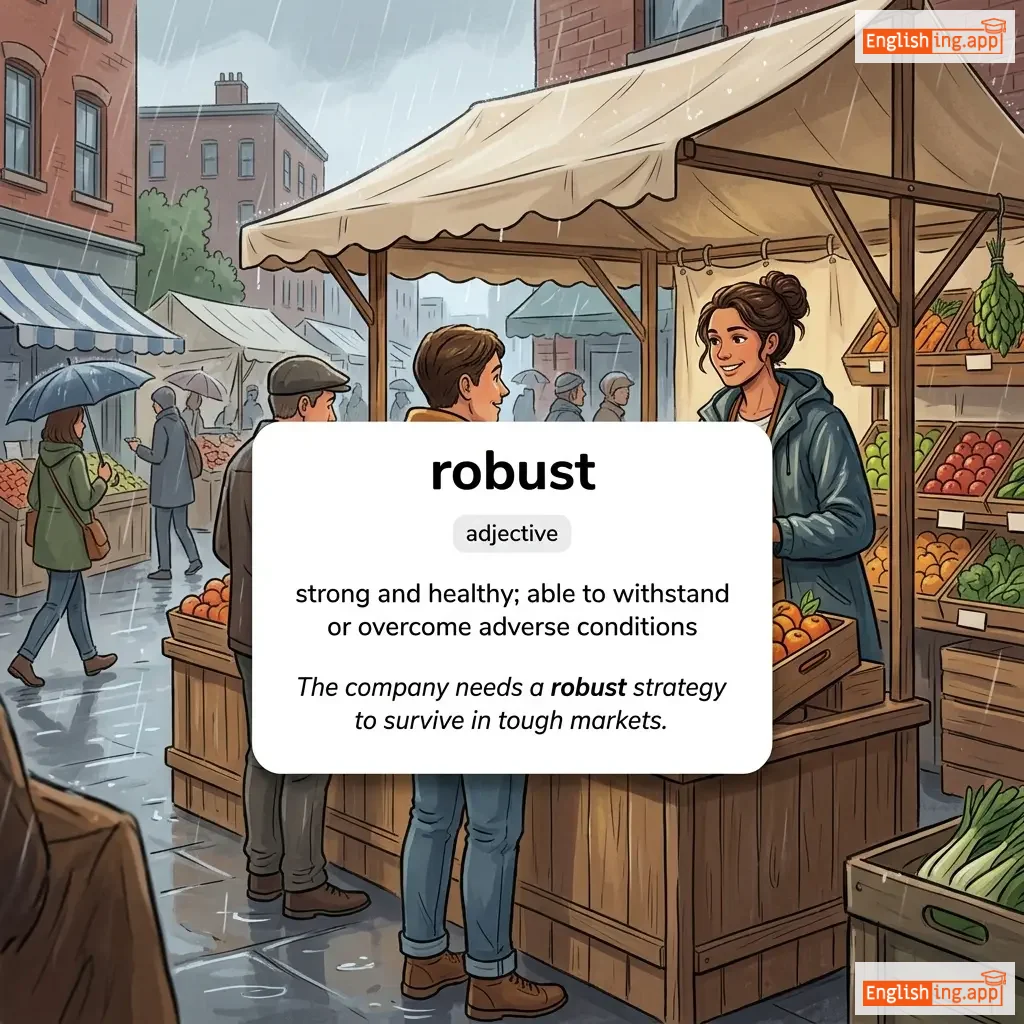
/roʊˈbʌst/
adjective
(ロバスト)
••••••
|
|
強くて健康的な; 頑丈
tsuyokute kenko-teki na; ganjō
••••••
|
strong and healthy; sturdy
••••••
|
The robust construction of the building helped it survive the earthquake. |
その頑丈な建物の構造は、地震を生き延びるのに役立ちました。
Sono ganjōna tatemono no kōzō wa, jishin o ikinobiru no ni yakudachimashita.
••••••
|
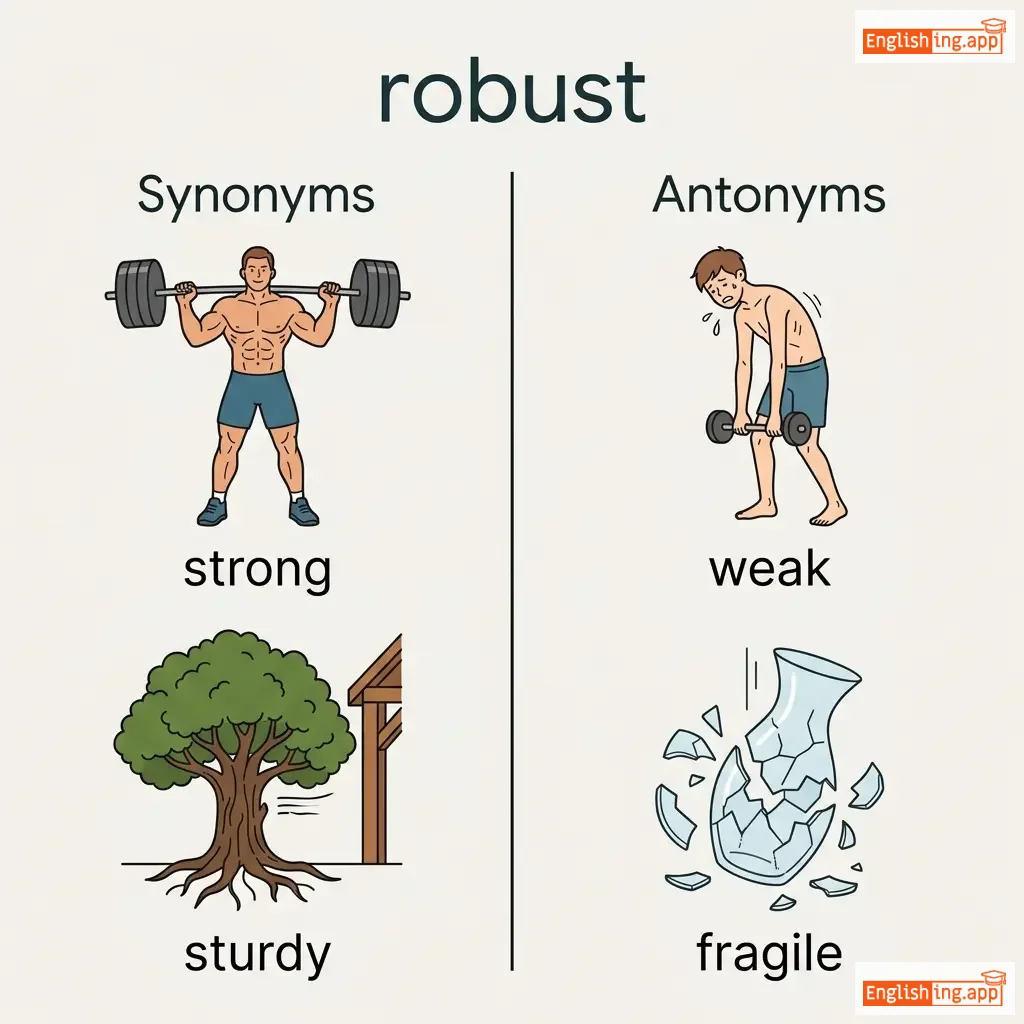
strong, sturdy, powerful, vigorous
••••••
|
weak, frail, fragile, delicate
••••••
|
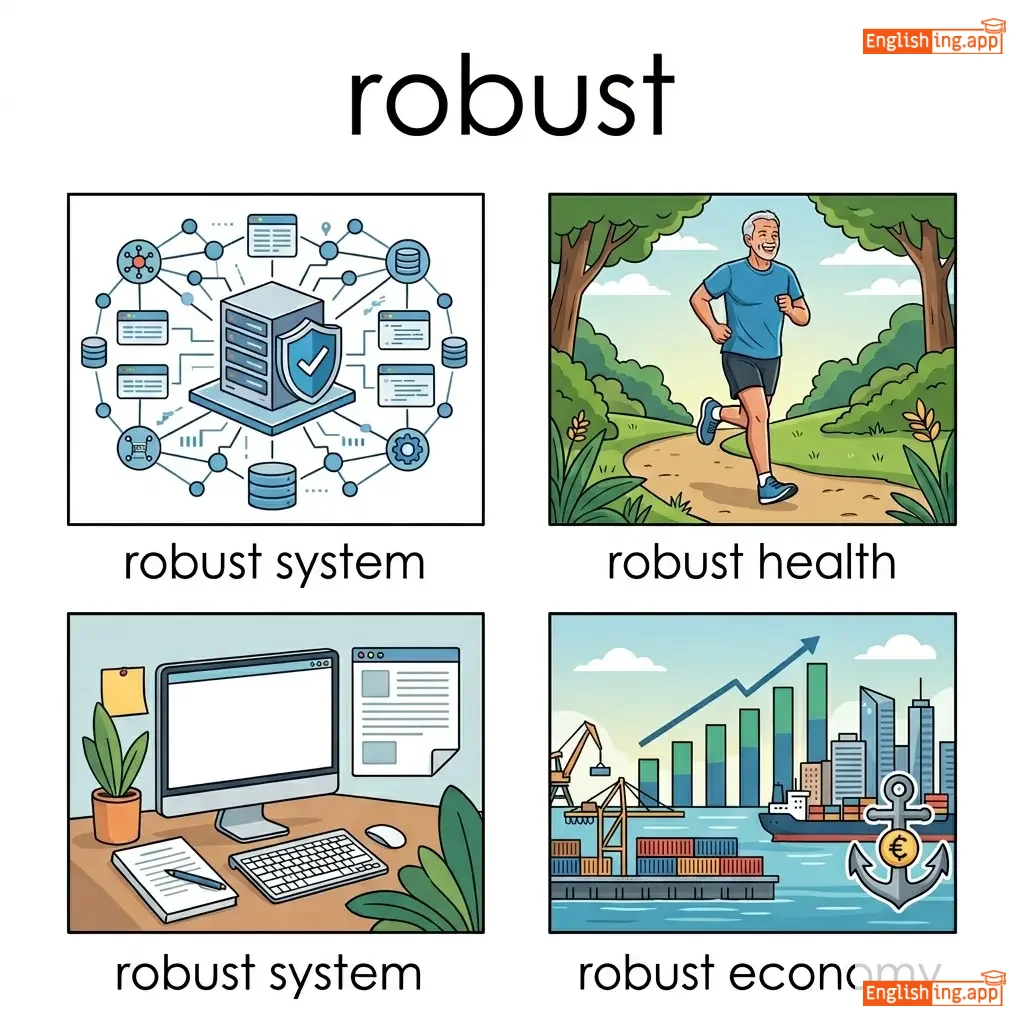
robust health, robust economy, robust defense
••••••
|
頑丈な建物はどんな地震にも耐える!
••••••
|
|
#749
🪨
|
/ˈrɑː.ki/
adjective
(roki)
••••••
|
- •••••• |
岩だらけの; 不安定な; 難しい
iwa darake no; fuantei na; muzukashī
••••••
|
full of rocks; unsteady; difficult
••••••
|
The rocky path made hiking difficult for the tourists.
岩だらけの道は観光客のハイキングを難しくしました。
••••••
|
岩だらけの道は観光客のハイキングを難しくしました。
Iwa darake no michi wa kankōkyaku no haikingu o muzukashiku shimashita.
••••••
|
stony, rough, rugged, bumpy
••••••
|
smooth, flat, even, level
••••••
|
rocky road, rocky terrain, rocky relationship
••••••
|
岩だらけの道は不安定で難しいものです。
••••••
|
|
#750
🍎🤢
|
/ˈrɒt.ən/
adjective
(ロッテン)
••••••
|
- •••••• |
腐った; 悪い
kusatta; warui
••••••
|
decayed; spoiled; bad
••••••
|
The apple is rotten and should be thrown away. |
リンゴは腐っていて、捨てるべきです。
Ringo wa kusatte ite, suteru beki desu.
••••••
|
decayed, spoiled, putrid, bad
••••••
|
fresh, good, wholesome, healthy
••••••
|
rotten apple, rotten food, rotten smell
••••••
|
腐ったリンゴは悪い味がする。
••••••
|
|
#751
🪨
|
/ˈrɪdʒ.ɪd/
adjective
(リジッド)
••••••
|
- •••••• |
硬直
kōchiku
••••••
|
hard and stiff; not able to bend; strict and unwilling to change
••••••
|
The company has a rigid dress code that all employees must follow. |
会社にはすべての従業員が従う必要がある厳格なドレスコードがあります。
Kaisha ni wa subete no jūgyōin ga shitagau hitsuyō ga aru genkaku na doresu kōdo ga arimasu.
••••••
|
stiff, inflexible, hard, strict, unyielding
••••••
|
flexible, soft, bendable, adaptable, lenient
••••••
|
rigid rules, rigid structure, rigid thinking, rigid control
••••••
|
硬直したドレスコード、すべて従うべき
••••••
|
|
#752
🔰
|
/ˌruː.dɪˈmen.tər.i/
adjective
(ルディメンタリー)
••••••
|
- •••••• |
基本的な; 初歩的な; 未発達な; 発展の初期段階にある
kihonteki na; shohoteki na; mihattatsu na; hatten no shoki dankai ni aru
••••••
|
basic; elementary; undeveloped; in the earliest stage of development
••••••
|
She has only rudimentary knowledge of French. |
彼女はフランス語についての初歩的な知識しか持っていません。
kanojo wa furansugo ni tsuite no shohoteki na chishiki shika motteimasen.
••••••
|
basic, elementary, primitive, fundamental
••••••
|
advanced, sophisticated, developed, complex
••••••
|
rudimentary knowledge, rudimentary skills, rudimentary understanding, rudimentary form
••••••
|
ルディメンタリーの知識は、何かを学ぶ最初のステップ
••••••
|
|
#753
😏
|
/ˈroʊ.ɡɪʃ/
adjective
(ロギッシュ)
••••••
|
- •••••• |
いたずらな; 狡猾な
itazurana; kōkatsu na
••••••
|
mischievous; playfully dishonest
••••••
|
His roguish smile suggested he was up to some mischief.
彼のロギッシュな笑顔は、彼が何かいたずらを仕掛けていることを示唆していました。
••••••
|
彼のいたずらな笑顔は、彼が何かいたずらを仕掛けていることを示唆していました。
Kare no itazurana egao wa, kare ga nanika itazura o shikakete iru koto o shisa shiteimashita.
••••••
|
mischievous, playful, impish, cheeky
••••••
|
honest, serious, straightforward, sincere
••••••
|
roguish smile, roguish charm, roguish behavior
••••••
|
Roguish = いたずらな、子供のような悪戯
••••••
|
|
#754
🪨
|
/rʌf/
adjective
(rafu)
••••••
|
- •••••• |
ざらざらした; 荒い; 厳しい
zarazara shita; arai; kibishii
••••••
|
having an uneven surface; not smooth; harsh
••••••
|
The rough surface of the rock hurt my hands.
岩石のざらざらした表面が私の手を傷つけました。
••••••
|
岩石のざらざらした表面が私の手を傷つけました。
Ganseki no zarazara shita hyōmen ga watashi no te o kizu tsukemashita.
••••••
|
coarse, uneven, harsh, bumpy
••••••
|
smooth, soft, gentle, even
••••••
|
rough surface, rough sea, rough draft
••••••
|
何かがざらざらしていて、触ると痛いとき、それは厳しいことを意味します。
••••••
|
|
#755
📏
|
/ˈrɪɡ.ər.əs/
adjective
(リゴラス)
••••••
|
|
厳格
genkaku
••••••
|
very thorough and demanding; strict and severe
••••••
|
The university requires rigorous academic standards for graduation. |
大学は卒業のために厳格な学問基準を要求しています。
Daigaku wa sotsugyō no tame ni genkaku na gakumon kijun o yōkyū shiteimasu.
••••••
|
strict, demanding, thorough, exacting, stringent
••••••
|
lenient, easy, relaxed, loose, casual
••••••
|
rigorous testing, rigorous training, rigorous standards, rigorous analysis
••••••
|
Rigorous studying means '厳格' to pass exams
••••••
|
|
#756
🏔️
|
/ˈrʌɡ.ɪd/
adjective
(ラギッド)
••••••
|
- •••••• |
でこぼこで不規則な; 不規則な表面を持つ; 強くて丈夫な
dekoboko de fukisokuna; fukisokuna hyōmen o motsu; tsuyokute jōbuna
••••••
|
rough and uneven; having a rough irregular surface; tough and strong
••••••
|
The hikers crossed the rugged mountain terrain.
ハイカーたちは荒れた山岳地帯を越えた。
••••••
|
ハイカーたちは荒れた山岳地帯を越えた。
Haikā-tachi wa areta sangaku chitai o koeta.
••••••
|
rough, uneven, rocky, harsh
••••••
|
smooth, even, gentle, refined
••••••
|
rugged terrain, rugged landscape, rugged coastline, rugged features
••••••
|
'Rugged' を不規則で強いものとして覚えておいてください
••••••
|
|
#757
💕
|
/roʊˈmæn.tɪk/
adjective
(ロマンチック)
••••••
|
- •••••• |
ロマンチック
romanchikku
••••••
|
relating to love; idealistic; dreamy
••••••
|
They enjoyed a romantic dinner by candlelight.
彼らはろうそくの光でロマンチックなディナーを楽しんでいました。
••••••
|
彼らはろうそくの光でロマンチックなディナーを楽しんでいました。
Karera wa rousoku no hikari de romanchikku na dinā o tanoshinde imashita.
••••••
|
loving, passionate, sentimental, dreamy
••••••
|
practical, realistic, unromantic, prosaic
••••••
|
romantic dinner, romantic movie, romantic relationship
••••••
|
ロマンチック = 愛とキャンドルライト
••••••
|
|
#758
🍎
|
/raɪp/
adjective
(raɪp)
••••••
|
- •••••• |
熟した; 食べる準備ができた
jukushita; taberu junbi ga dekita
••••••
|
fully developed and ready to eat; mature; ready for action or use
••••••
|
The bananas are ripe and ready to eat. |
バナナは熟して食べる準備ができています。
banana wa jukushite taberu junbi ga dekiteimasu.
••••••
|
mature, ready, developed, perfect, seasoned
••••••
|
unripe, green, immature, underdeveloped, raw
••••••
|
ripe fruit, ripe for change, ripe old age, ripe opportunity
••••••
|
熟したバナナは常に食べる準備ができています。
••••••
|
|
#759
😤
|
/ˈraʊ.di/
adjective
(ラウディ)
••••••
|
- •••••• |
騒々しい; 無秩序な; 破壊的な
souzoushii; muchitsujona; hakai-teki na
••••••
|
disorderly; unruly; noisy and disruptive
••••••
|
The rowdy children were making too much noise. |
騒々しい子供たちは大きな音を立てていた。
Souzoushii kodomotachi wa ookina oto o tateteita.
••••••
|
unruly, disorderly, boisterous, wild
••••••
|
calm, peaceful, quiet, well-behaved
••••••
|
rowdy behavior, rowdy crowd, rowdy party
••••••
|
騒がしい子供たちは 'rowdy' という言葉で表されます。
••••••
|
|
#760
🌾
|
/ˈrʊr.əl/
adjective
(ルーラル)
••••••
|
- •••••• |
田舎の
ruuraru
••••••
|
relating to the countryside; characteristic of farming or country life
••••••
|
She grew up in a rural area far from the city.
彼女は街から遠く離れた田舎の地域で育った。
••••••
|
彼女は街から遠く離れた田舎の地域で育ちました。
Kanojowamachikaratookuhanaretainakanochiikidesodatta
••••••
|
countryside, agricultural, pastoral, rustic
••••••
|
urban, metropolitan, city, suburban
••••••
|
rural area, rural community, rural development, rural life
••••••
|
Rural = ルーラル, inaka no life; imagine a barn under a wide sky
••••••
|
Vocabulary Quiz
Test your vocabulary by matching words with their translations or meanings.
Login to take the quiz
Comments (0)
Share your thoughts and join the discussion.
Join the discussion by logging in
Login to CommentNo comments yet
Be the first to share your thoughts!