

翻訳
過去
過去分詞
三人称単数
動名詞
意味
例文
例文の翻訳
同義語
対義語
コロケーション
ニーモニック

Swipe left or right, or use the buttons. Tap image to zoom.
例文の翻訳
単語
Lesson 30Lesson 30 - マスクトグル
|
絵文字
|
単語 | Images | 翻訳 | 意味 | 例文 | 例文の翻訳 | 同義語 | 対義語 | コロケーション | ニーモニック |
|---|---|---|---|---|---|---|---|---|---|---|
|
#581
💪
|
/ɒmˈnɪp.ə.tənt/
adjective
(オムニポテント)
••••••
|
|
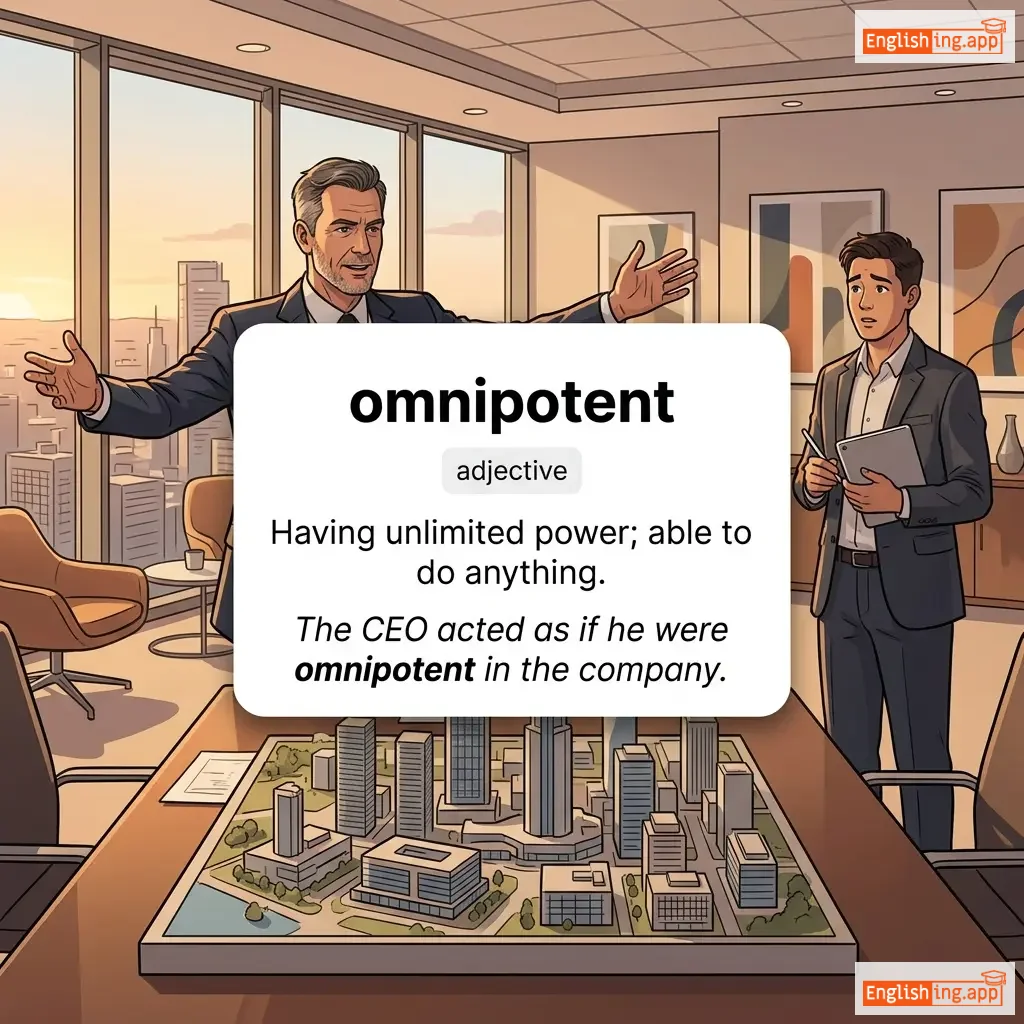
全能
zen'nō
••••••
|
having unlimited power; all-powerful
••••••
|
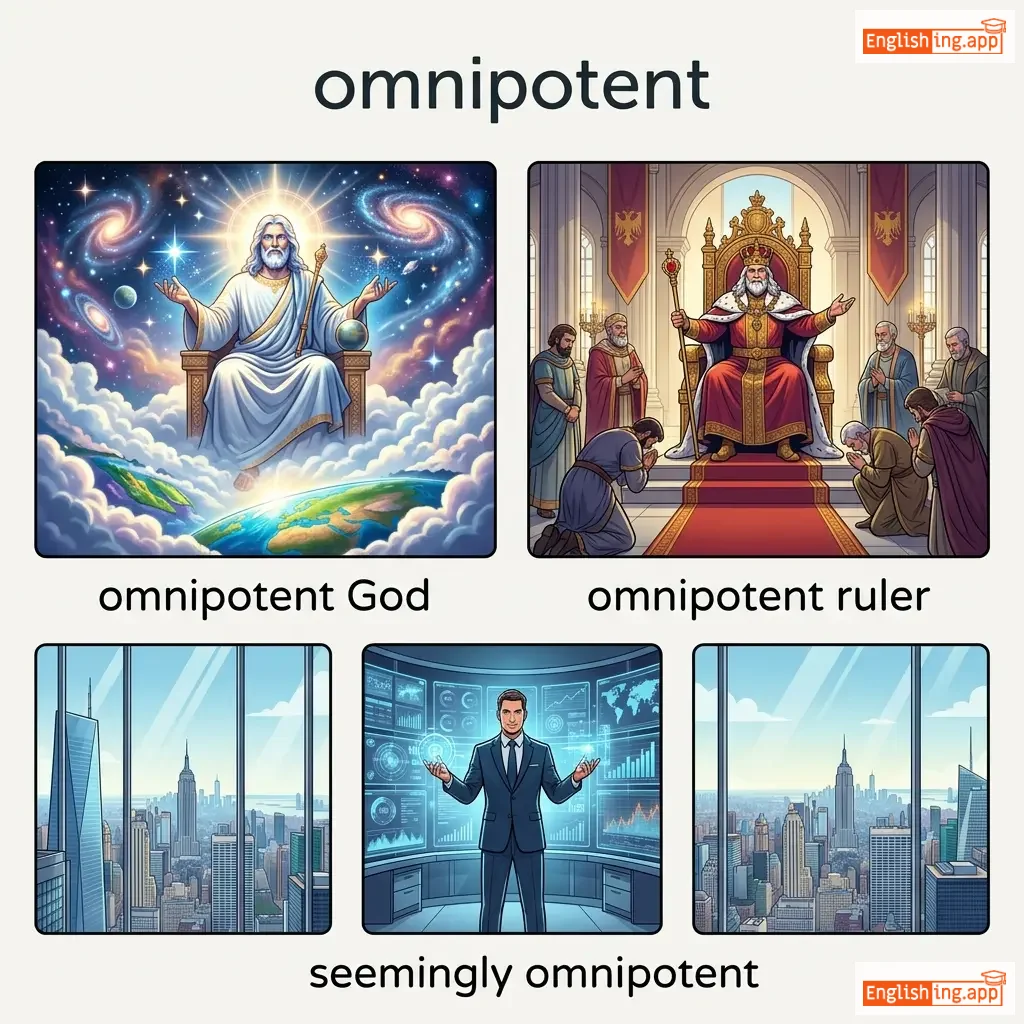
Many religions believe that God is omnipotent. |
多くの宗教では神は全能であると信じられています。
Ōku no shūkyō de wa kami wa zen'nō de aru to shinjirareteimasu.
••••••
|
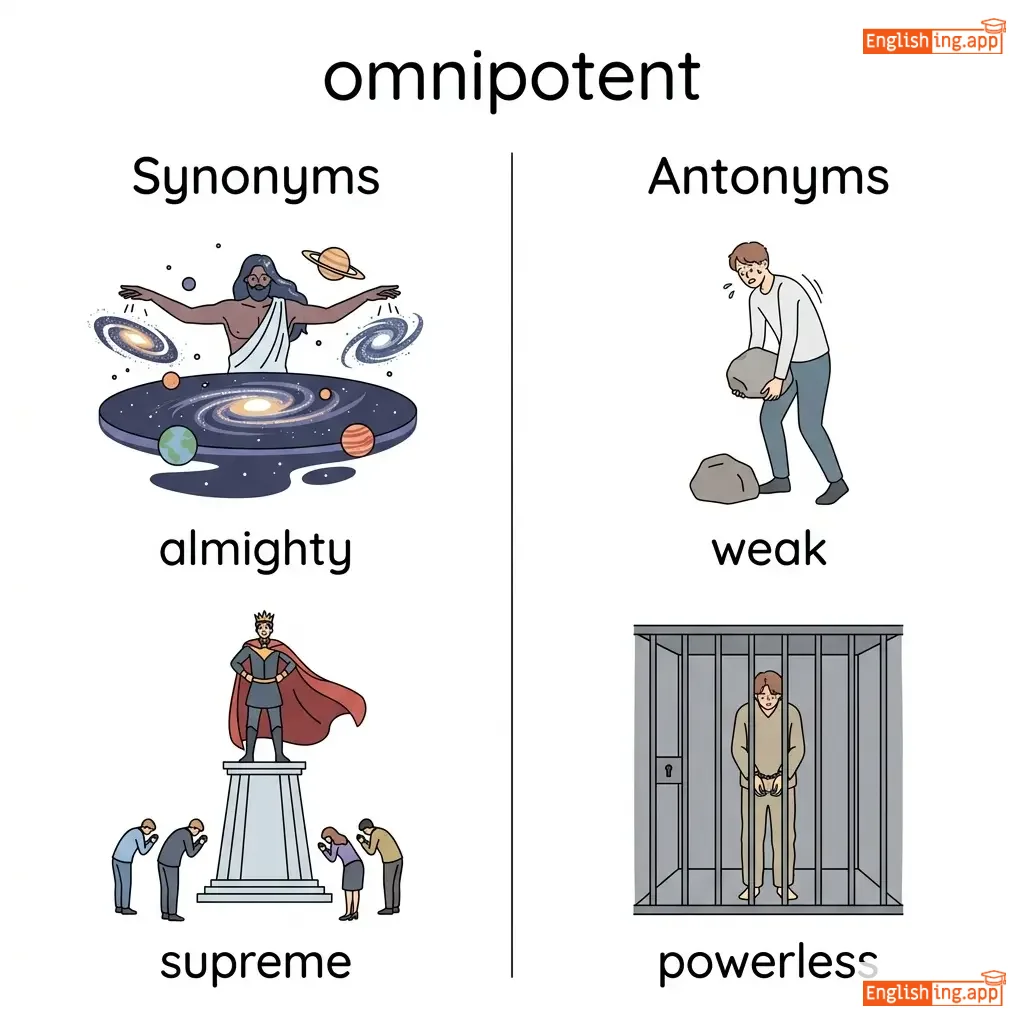
all-powerful, almighty, supreme
••••••
|
powerless, weak, impotent
••••••
|
omnipotent being, omnipotent power, omnipotent force
••••••
|
全能の神を思い描いて、すべてを操る力を持っている存在として感じてください。
••••••
|
|
#582
🔵
|
/əˈrɪdʒ.ɪ.nəl/
adjective
(オリジナル)
••••••
|
- •••••• |
元の; 基本的な; 本物の
moto no, kihonteki na, honmono no
••••••
|
first; fundamental; primary; authentic
••••••
|
This is the original document, not a copy. |
これはオリジナルの文書で、コピーではありません。
Kore wa orijinaru no bunsho de, kopī de wa arimasen.
••••••
|
authentic, genuine, first, initial
••••••
|
copied, duplicate, fake, imitation
••••••
|
original idea, original document, original version, original author
••••••
|
オリジナルはいつも本物です。
••••••
|
|
#583
🤲
|
/ˈoʊ.pən ˈhæn.dɪd/
adjective
(オープン-ハンデッド)
••••••
|
- •••••• |
寛大な; 自由な
kandaina; jiyūna
••••••
|
Generous; liberal; giving freely;
••••••
|
He is very open-handed with his money and always helps those in need. |
彼は自分の金に非常に寛大で、いつも困っている人々を助けています。
Kare wa jibun no kane ni hijō ni kandaina de, itsumo komatte iru hitobito o tasuketeimasu.
••••••
|
generous, liberal, charitable, giving
••••••
|
stingy, tight-fisted, miserly, selfish
••••••
|
open-handed generosity, open-handed gesture, open-handed approach
••••••
|
Japanese '寛大な' connects to 'open-handed' through kindness.
••••••
|
|
#584
⚙️
|
/ˈɒp.ʃən.əl/
adjective
(オプショナル)
••••••
|
- •••••• |
任意
nin'i
••••••
|
not compulsory; left to choice
••••••
|
Wearing a tie is optional for this event.
このイベントでネクタイを着用するのはオプショナルです。
••••••
|
このイベントではネクタイの着用は任意です。
Kono ibento de wa nekutai no chakuyou wa nin'i desu.
••••••
|
voluntary, elective, discretionary
••••••
|
mandatory, compulsory, required
••••••
|
optional subject, optional feature, optional extra
••••••
|
オプションとして選べることが任意
••••••
|
|
#585
🌍
|
/ˌɒm.nɪˈprez.ənt/
adjective
(オムニプレゼント)
••••••
|
|
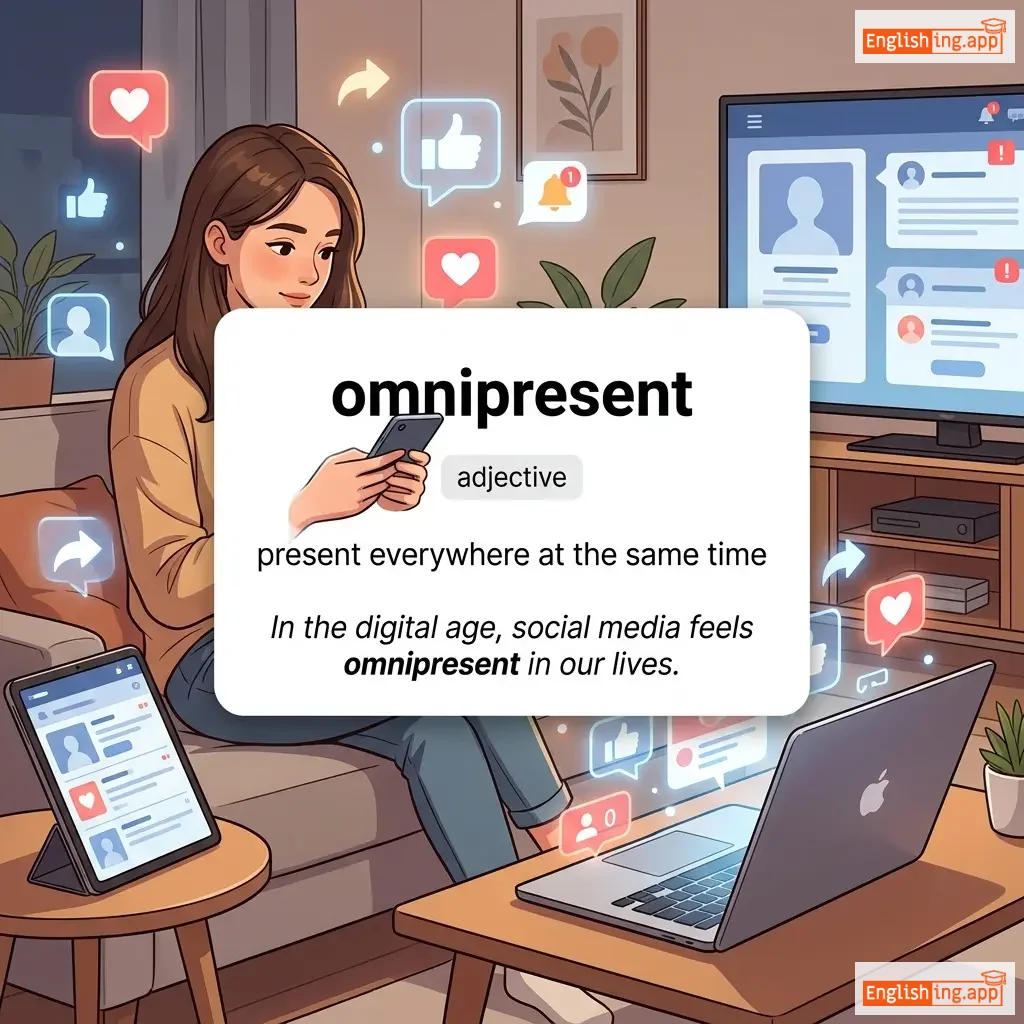
至る所に存在する; どこにでもある
itaru tokoro ni sonzai suru; doko ni demo aru
••••••
|
present everywhere; existing in all places
••••••
|
The internet makes information seem omnipresent in our daily lives.
インターネットは私たちの日常生活の中で情報をオムニプレゼントに見せます。
••••••
|
インターネットは私たちの日常生活の中で情報をオムニプレゼントに見せます。
Intānetto wa watashitachi no nichijō seikatsu no naka de jōhō o omnipurezento ni misemasu.
••••••
|
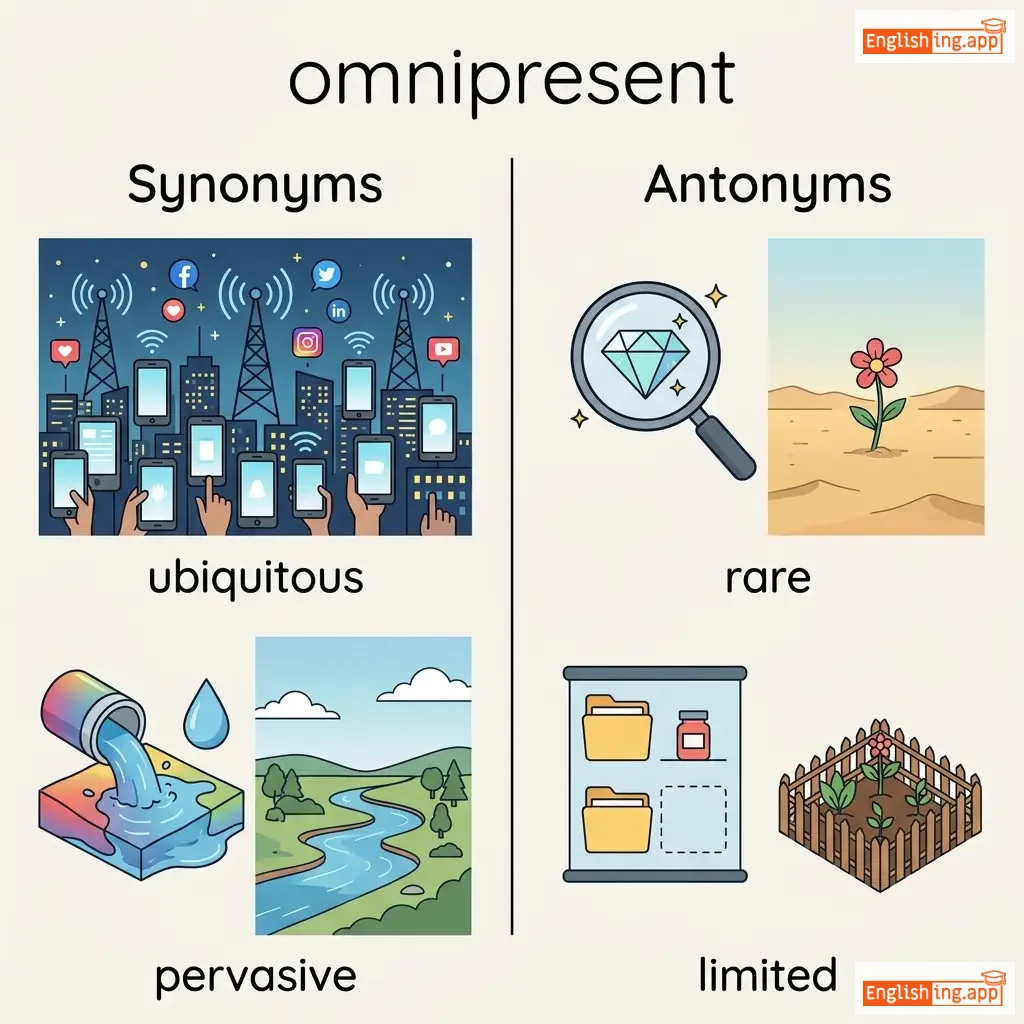
ubiquitous, everywhere, universal
••••••
|
absent, limited, localized
••••••
|
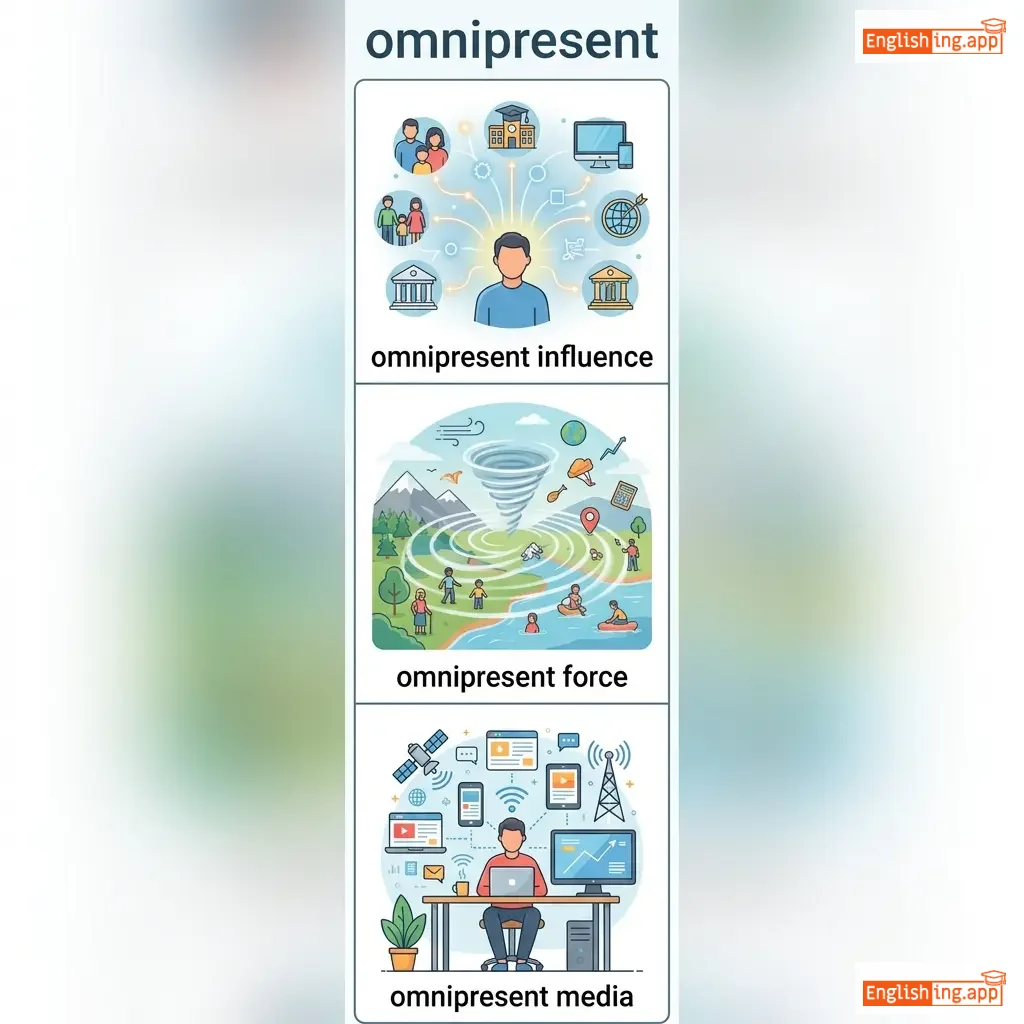
omnipresent force, omnipresent influence, omnipresent technology
••••••
|
オムニプレゼントはあらゆる場所にあるもの、インターネットのように。
••••••
|
|
#586
😢
|
/ˈaʊt.kɑːst/
adjective
(アウトキャスト)
••••••
|
- •••••• |
社会的に排除された人
shakaiteki ni haijo sareta hito
••••••
|
rejected by society; excluded person
••••••
|
He felt like an outcast in his new school. |
彼は新しい学校でアウトキャストのように感じていた。
Kare wa atarashii gakkou de autokyasuto no you ni kanjite ita.
••••••
|
exile, pariah, reject, outsider
••••••
|
insider, member, accepted, included
••••••
|
social outcast, feel outcast, outcast community
••••••
|
Outcast = 社会的に排除された人, 排除された人が孤立して感じるように。
••••••
|
|
#587
🗣️
|
/ˈɔː.rəl/
adjective
(オラル)
••••••
|
- •••••• |
口頭の; 口に関する
oral
••••••
|
spoken rather than written; relating to the mouth
••••••
|
The oral examination will test your speaking skills. |
口頭試験はあなたの話す能力をテストします。
Kōtō shiken wa anata no hanasu nōryoku o tesuto shimasu.
••••••
|
spoken, verbal, vocal
••••••
|
written, silent, mute
••••••
|
oral exam, oral tradition, oral history
••••••
|
口から出る口頭試験
••••••
|
|
#588
💝
|
/ˈoʊ.pən ˈhɑrt.ɪd/
adjective
(オープン・ハーティッド)
••••••
|
- •••••• |
オープンハート; 寛大で誠実; 心温かく受け入れる;
o-pun ha-to; kandai de seijitsu; kokoro atatakai ukeireru;
••••••
|
Kind and generous; sincere and honest; warmly receptive;
••••••
|
She welcomed the strangers with an open-hearted smile and invited them for dinner. |
彼女は見知らぬ人々を心温かい笑顔で迎え、夕食に招待した。
Kanojo wa mishiranu hitobito o kokoro atatakai egao de mukae, yuushoku ni shoutai shita.
••••••
|
sincere, genuine, warm, kind, generous
••••••
|
cold-hearted, insincere, reserved, aloof
••••••
|
open-hearted welcome, open-hearted conversation, open-hearted person
••••••
|
心を開いて、暖かい歓迎をしよう
••••••
|
|
#589
⚙️
|
/ˈɑp.ər.ə.tɪv/
adjective
(オペラティブ)
••••••
|
- •••••• |
作動中の; 効力を持つ; 仕事をしている; 操作可能な;
sādō-chū no; kōryoku o motsu; shigoto o shite iru; sōsa kanō na;
••••••
|
Functioning; in effect; working; active;
••••••
|
The new safety protocols became operative immediately after the accident. |
新しい安全プロトコルは事故後すぐに作動しました。
Atarashī anzen purotokoru wa jiko-go sugu ni sadō shimashita.
••••••
|
active, functional, working, effective, operational
••••••
|
inoperative, inactive, non-functional, ineffective
••••••
|
operative system, operative procedure, operative condition
••••••
|
In Japanese, 'operative' is like a protocol that activates immediately after an accident.
••••••
|
|
#590
📋
|
/ˈɔː.də.li/
adjective
(オーダリー)
••••••
|
- •••••• |
整然とした; 系統的な; 平和的な
orderli
••••••
|
well-organized; systematic; peaceful
••••••
|
Please keep your desk orderly and clean. |
デスクを整然とした状態できれいに保ってください。
Desuku o seiri sareta jōtai de kirei ni tamotte kudasai.
••••••
|
organized, neat, systematic
••••••
|
disorderly, chaotic, messy
••••••
|
orderly fashion, orderly queue, orderly manner
••••••
|
Orderly = オーダリー、すべてが整然とした状態
••••••
|
|
#591
🧠
|
/ɒmˈnɪʃ.ənt/
adjective
(オムニシエント)
••••••
|
- •••••• |
全知の
zenchi no
••••••
|
having complete knowledge; all-knowing
••••••
|
The narrator in the novel appears to be omniscient, knowing every character's thoughts. |
小説の語り手は全知であるかのようで、すべての登場人物の思考を知っている。
Shōsetsu no katarite wa zenchi de aru ka no yō de, subete no tōjō jinbutsu no shikō o shitte iru.
••••••
|
all-knowing, wise, perceptive
••••••
|
ignorant, unaware, clueless
••••••
|
omniscient narrator, omniscient being, omniscient perspective
••••••
|
全知の神のようにすべてを知っている
••••••
|
|
#592
📅
|
/ˌfæʃ.ənd/
adjective
(アウトデイテッド)
••••••
|
- •••••• |
時代遅れ
jidaiokure
••••••
|
obsolete; no longer current
••••••
|
This computer software is completely outdated.
このソフトウェアは完全に時代遅れです。
••••••
|
このソフトウェアは完全に時代遅れです。
Kono sofutowea wa kanzen ni jidaiokure desu.
••••••
|
obsolete, old-fashioned, antiquated, expired
••••••
|
modern, current, updated, contemporary
••••••
|
outdated information, outdated technology, outdated system
••••••
|
Outdatedは日本語で時代遅れ、古いソフトウェアのように。
••••••
|
|
#593
↔️
|
/ˈɑp.ə.zɪt/
adjective
(オポジット)
••••••
|
- •••••• |
反対の; 完全に異なる; 向かい合っている; 逆の;
hantai no
••••••
|
Contrary; completely different; facing each other; reverse;
••••••
|
They have opposite views on politics but remain good friends. |
彼らは政治に関して対立した見解を持っていますが、良い友達のままです。
Karera wa seiji ni kanshite tairitsu shita kenkai o motteimasu ga, yoi tomodachi no mama desu.
••••••
|
contrary, reverse, opposing, conflicting, different
••••••
|
same, similar, identical, corresponding
••••••
|
opposite direction, opposite opinion, opposite effect
••••••
|
Hantai, opposite; opposite views yet true friendship remains.
••••••
|
|
#594
😐
|
/ˈɔː.dɪ.nər.i/
adjective
(オーディナリー)
••••••
|
- •••••• |
普通の; 一般的な; 特別ではない
ordinary
••••••
|
normal; usual; not special
••••••
|
It was just an ordinary day at the office.
それはオフィスでのただの普通の日でした。
••••••
|
それはオフィスでのただの普通の日でした。
Sore wa ofisu de no tada no futsuu no hi deshita.
••••••
|
normal, common, regular
••••••
|
extraordinary, special, unique
••••••
|
ordinary people, ordinary life, ordinary circumstances
••••••
|
普通の日は何も特別ではないが、普通でも重要なことがある。
••••••
|
|
#595
🍽️
|
/ɒmˈnɪv.ər.əs/
adjective
(オムニヴォアス)
••••••
|
- •••••• |
雑食性
zasshokusei
••••••
|
eating both plants and animals; feeding on various kinds of food
••••••
|
Bears are omnivorous animals that eat both plants and meat. |
クマは雑食性の動物で、植物と肉を食べます。
Kuma wa zasshokusei no dōbutsu de, shokubutsu to niku o tabemasu.
••••••
|
all-eating, varied diet, mixed feeding
••••••
|
herbivorous, carnivorous, vegetarian
••••••
|
omnivorous diet, omnivorous animals, omnivorous feeding
••••••
|
クマは雑食性の動物で、植物と肉を食べることができるから、雑食性です。
••••••
|
|
#596
🗣️
|
/ˌaʊtˈspoʊkən/
adjective
(アウトスポークン)
••••••
|
- •••••• |
率直
sotchoku
••••••
|
frank; speaking directly
••••••
|
She is known for being outspoken about social issues. |
彼女は社会問題について率直に話すことで知られています。
Kanojo wa shakai mondai ni tsuite sotchoku ni hanasu koto de shirareteimasu.
••••••
|
frank, candid, direct, vocal
••••••
|
reserved, quiet, diplomatic, tactful
••••••
|
outspoken critic, outspoken advocate, outspoken opinion
••••••
|
率直に言うことは、日本語でも英語でもストレートに話すことを意味します。
••••••
|
|
#597
😰
|
/əˈprɛs.ɪv/
adjective
(オプレッシブ)
••••••
|
- •••••• |
抑圧的
yokuatsuteki
••••••
|
Harsh and authoritarian; overwhelming; causing distress; tyrannical;
••••••
|
The oppressive heat made it difficult to work outside during the summer. |
厳しい暑さは夏の間外で働くのを難しくした。
Kibishī atsusa wa natsu no aida soto de hataraku no o muzukashiku shita.
••••••
|
harsh, severe, tyrannical, overwhelming, burdensome
••••••
|
liberating, freeing, gentle, mild, lenient
••••••
|
oppressive heat, oppressive regime, oppressive atmosphere
••••••
|
抑圧的な暑さはまるで暴君の支配のようだ
••••••
|
|
#598
🚫
|
/əʊˈpeɪk/
adjective
(オペイク)
••••••
|
|
不透明; 密な、不透過
futōmei; mitsu na, futōka
••••••
|
not allowing light to pass through; not transparent
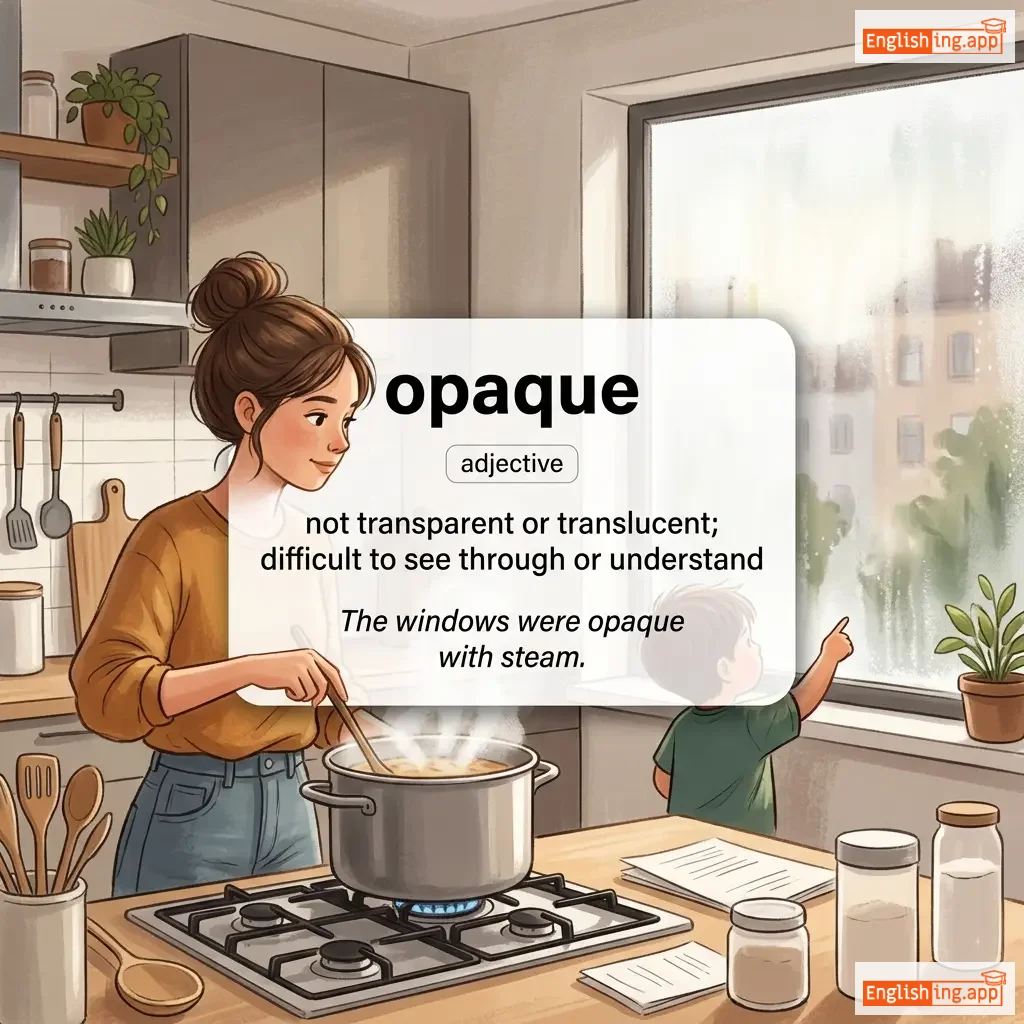
••••••
|
The thick fog made the windows completely opaque.
ジー ズィック フォグ メイド ザ ウィンドウズ コンプリートリー オペイク。
••••••
|
濃霧は窓を完全に不透明にしました。
Nōmu wa mado o kanzen ni futōmei ni shimashita.
••••••
|
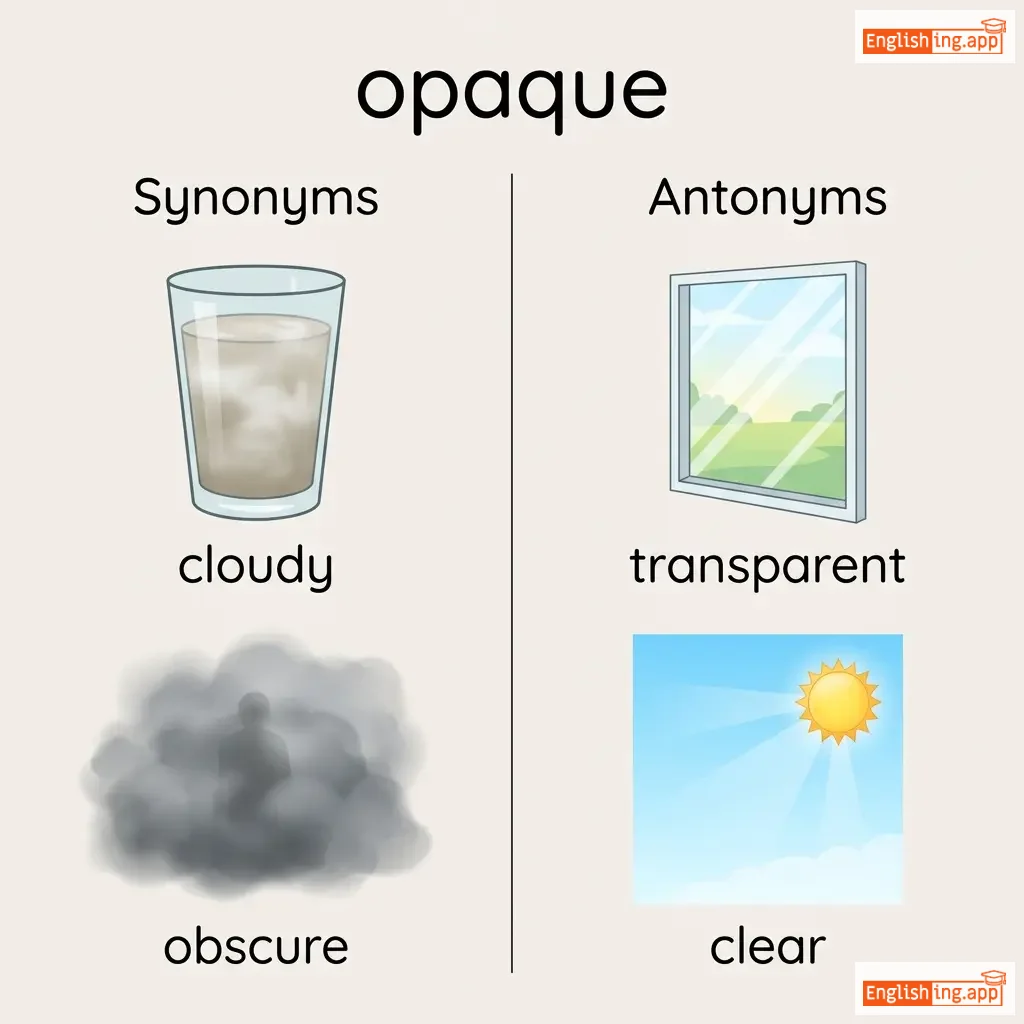
non-transparent, cloudy, murky
••••••
|
transparent, clear, translucent
••••••
|
opaque glass, opaque material, opaque substance
••••••
|
Opaque = 曇った窓が見えなくなる!
••••••
|
|
#599
🏮
|
/ˌɔː.riˈen.təl/
adjective
(オリエンタル)
••••••
|
- •••••• |
東アジアの国々に関連する; 東方
oriental
••••••
|
relating to the countries of East Asia; eastern
••••••
|
The museum has a beautiful collection of oriental art. |
博物館には美しいオリエンタルアートのコレクションがあります。
Hakubutsukan ni wa utsukushī oriental āto no korekushon ga arimasu
••••••
|
eastern, Asian, Far Eastern
••••••
|
western, occidental
••••••
|
oriental art, oriental culture, oriental cuisine
••••••
|
In Japanese, 'Tōhō' aligns with Eastern traditions, just like Oriental art.
••••••
|
|
#600
🕊️
|
/ˈpiːs.ə.bəl/
adjective
(ピースアブル)
••••••
|
- •••••• |
平和的な; 紛争を避ける傾向のある
heiwateki na; funsō o sakeru keikō no aru
••••••
|
peaceful; inclined to avoid conflict
••••••
|
The peaceable protest ended without any violence.
平和的な抗議は暴力なしで終わった。
••••••
|
平和的な抗議は暴力なしで終わった。
Heiwateki na kōgi wa bōryoku nashi de owatta.
••••••
|
peaceful, calm, gentle, tranquil
••••••
|
violent, aggressive, hostile, warlike
••••••
|
peaceable solution, peaceable nature, peaceable assembly
••••••
|
平和はすべてを支配する。
••••••
|
Vocabulary Quiz
Test your vocabulary by matching words with their translations or meanings.
Login to take the quiz
Comments (0)
Share your thoughts and join the discussion.
Join the discussion by logging in
Login to CommentNo comments yet
Be the first to share your thoughts!