

翻訳
過去
過去分詞
三人称単数
動名詞
意味
例文
例文の翻訳
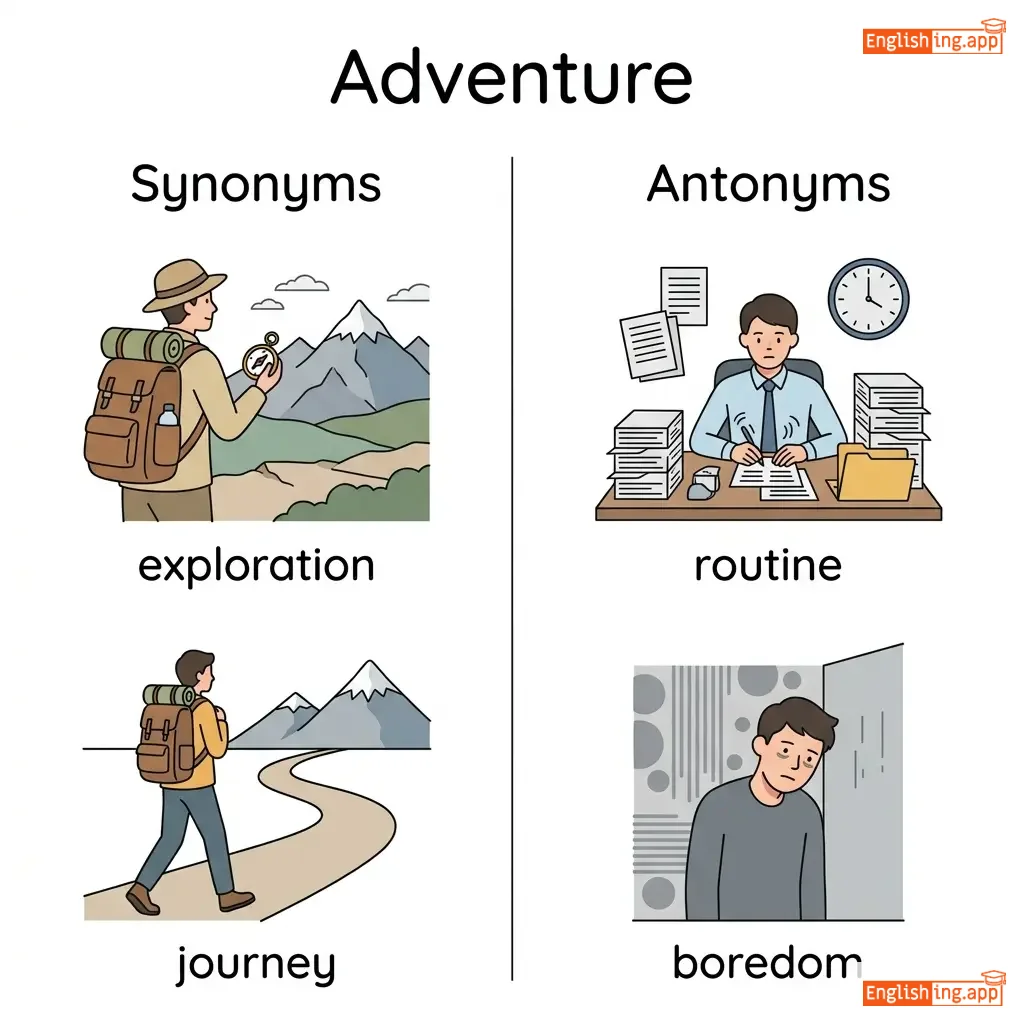
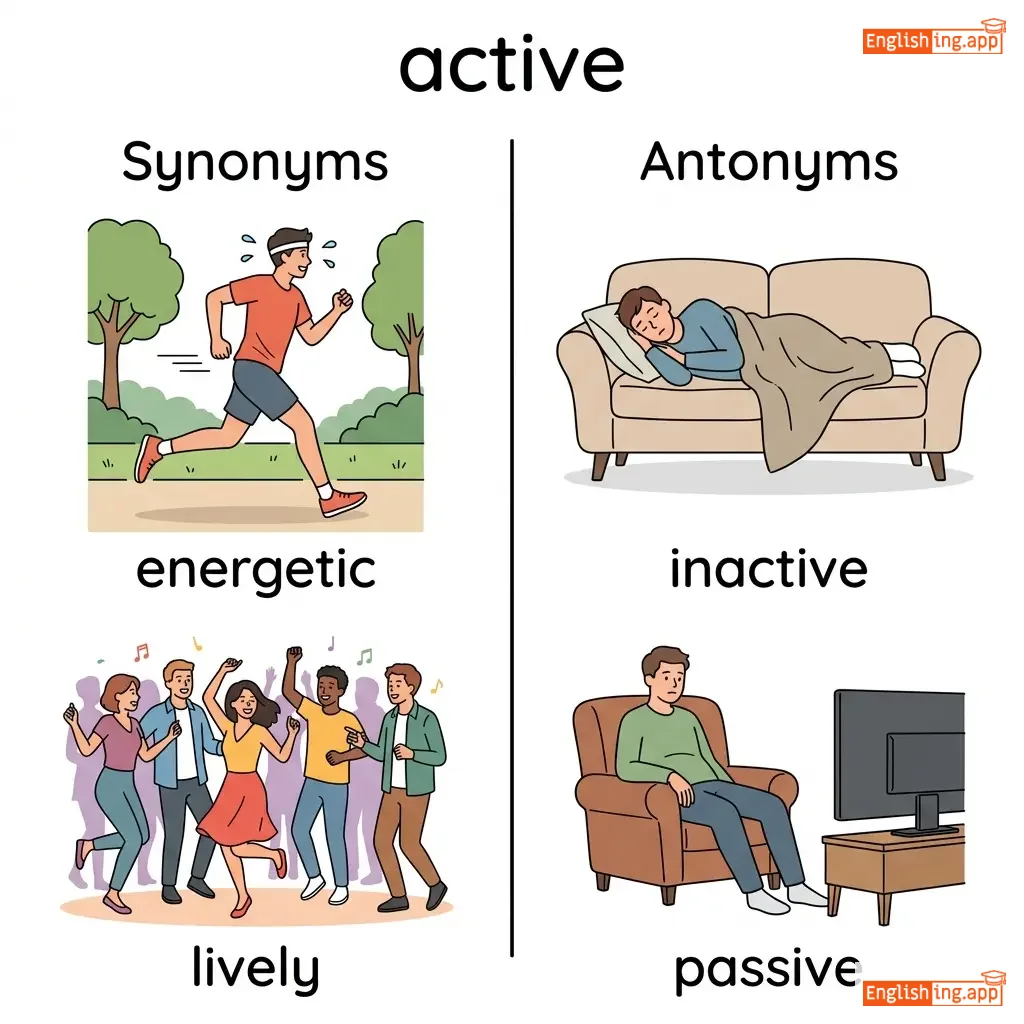
同義語
対義語
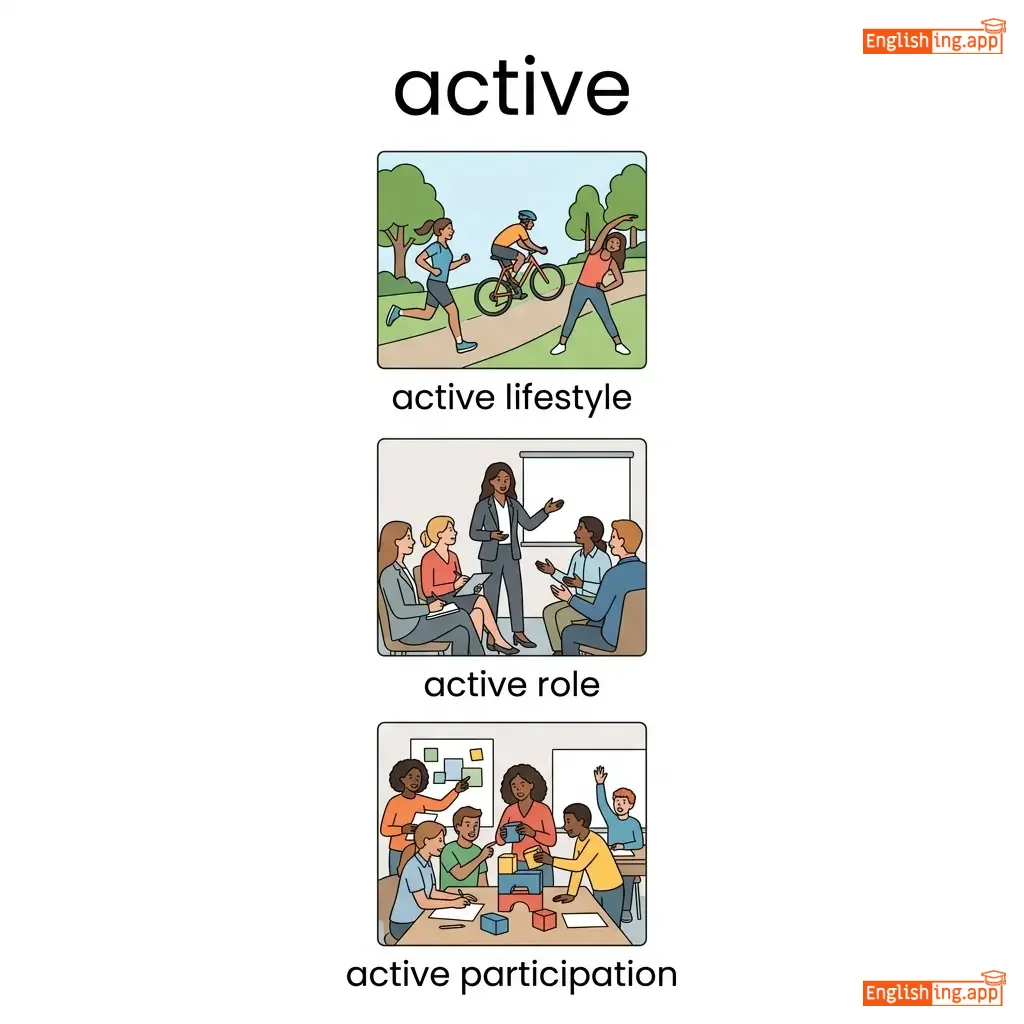
コロケーション
ニーモニック
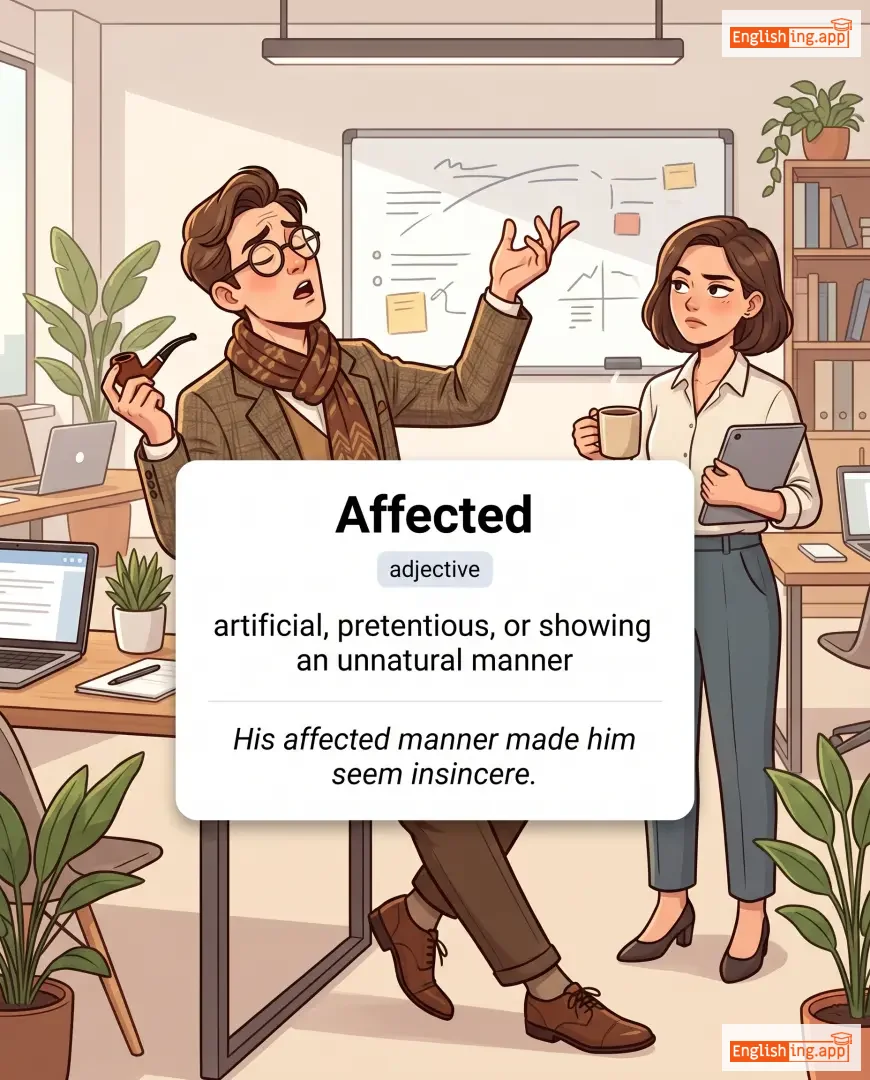
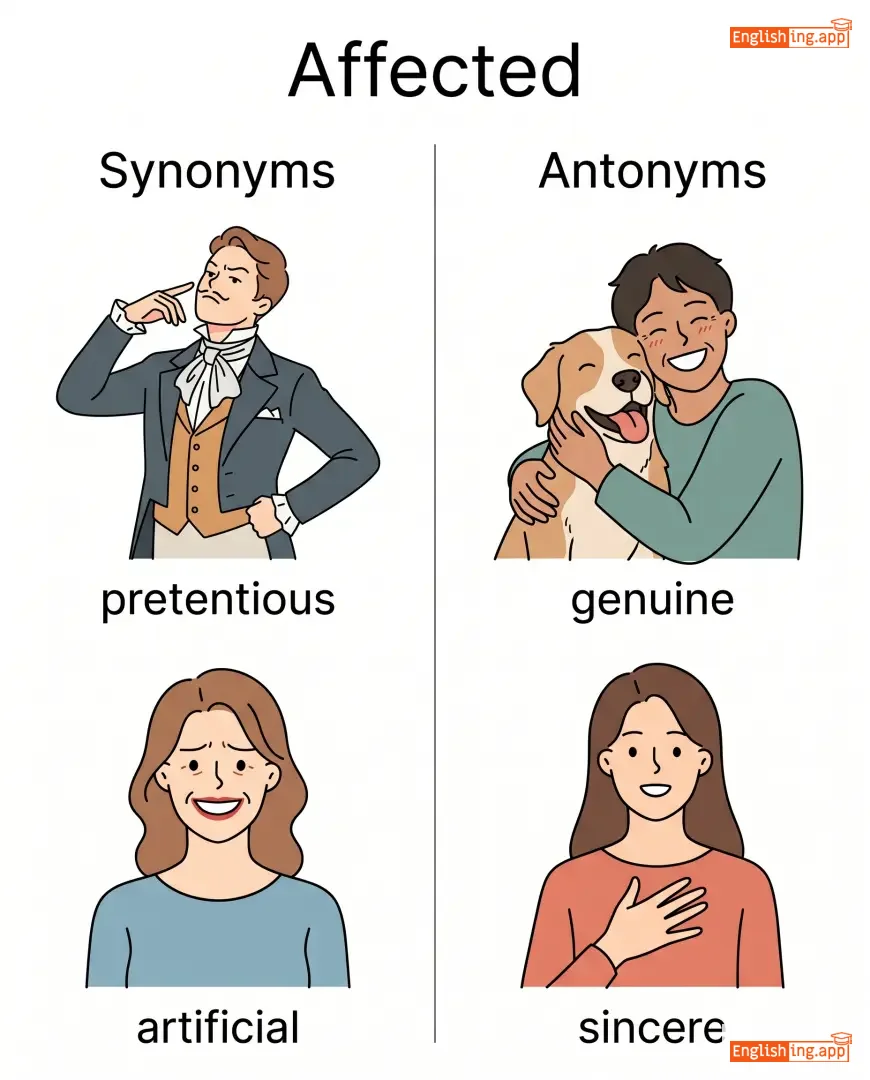
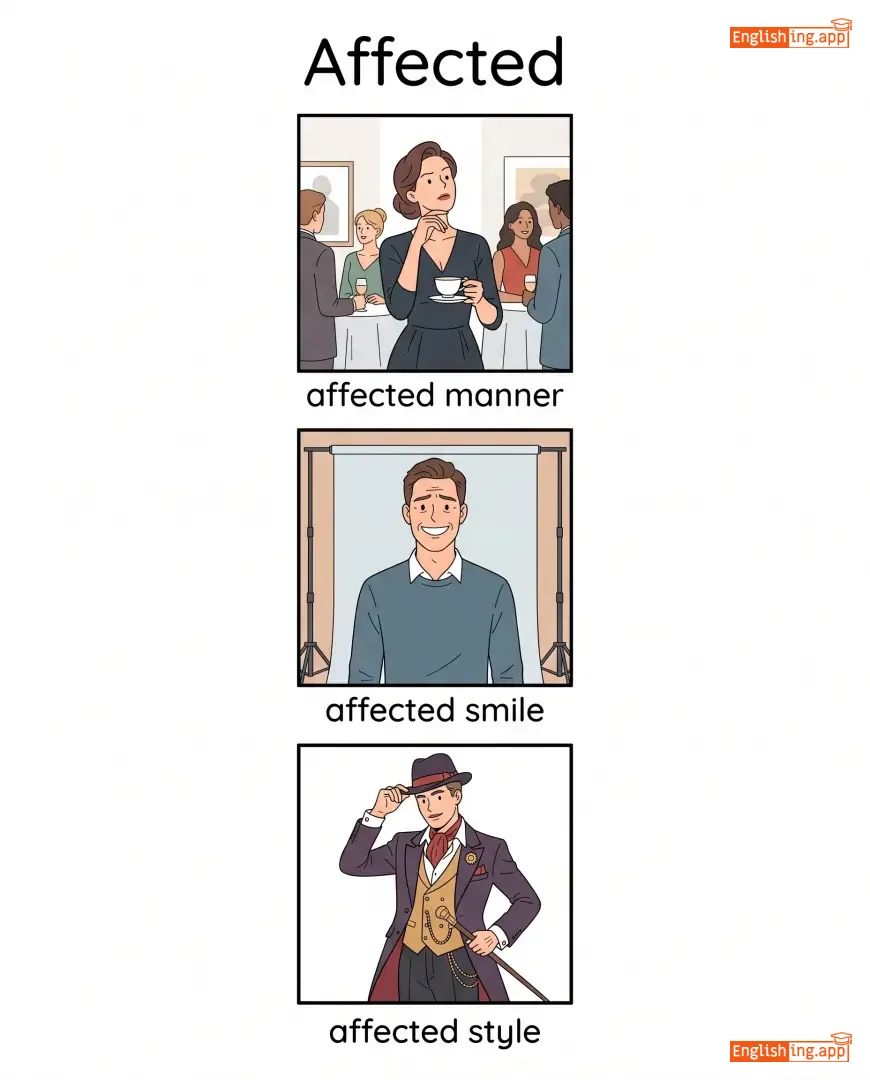
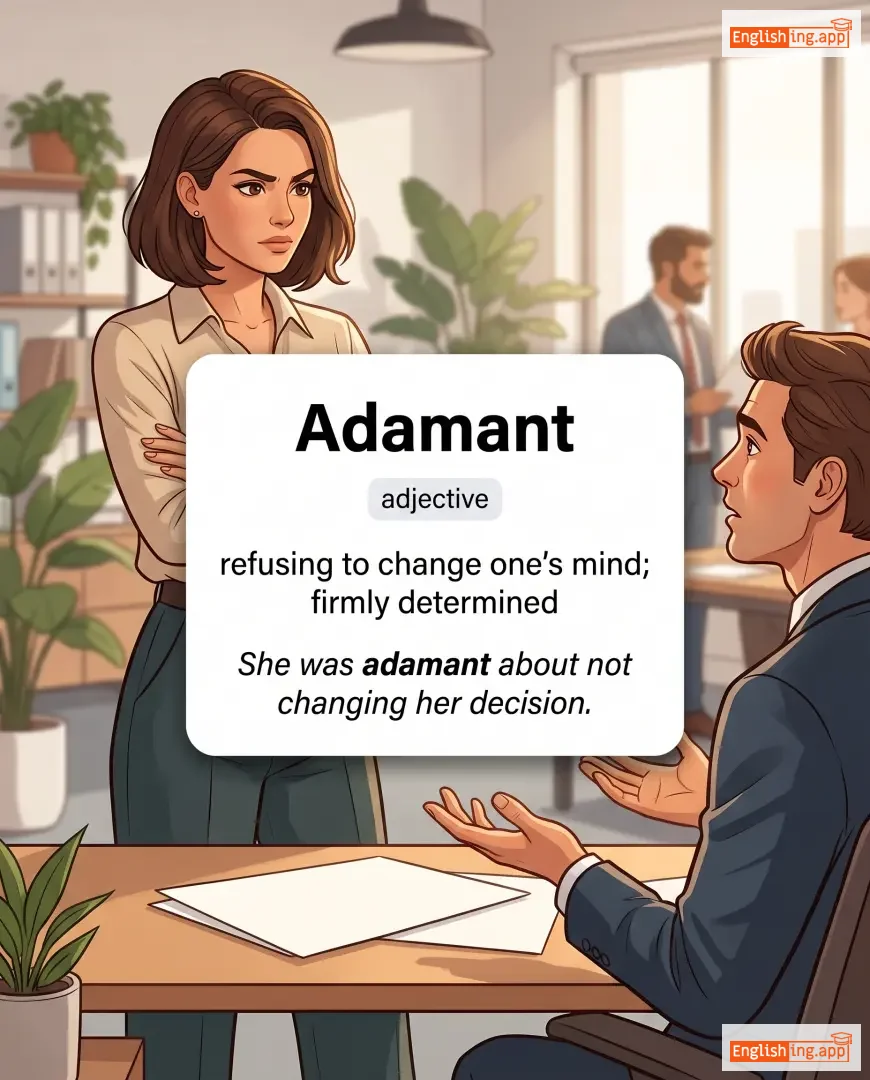




Swipe left or right, or use the buttons. Tap image to zoom.
例文の翻訳
単語
Lesson 1Lesson 1 - マスクトグル
|
絵文字
|
単語 | Images | 翻訳 | 意味 | 例文 | 例文の翻訳 | 同義語 | 対義語 | コロケーション | ニーモニック |
|---|---|---|---|---|---|---|---|---|---|---|
|
#1
😔
|
/əˈfektɪd/
adjective
(アフェクテッド)
••••••
|
|
影響を受けた;影響を与えられた
eikyō o uketa; eikyō o ataerareta
••••••
|
influenced; impacted; touched by something
••••••
|
The flood-affected areas need immediate assistance. |
洪水の影響を受けた地域は、即時の支援が必要です。
Kōzui no eikyō o uketa chiiki wa, sokujitsu no shien ga hitsuyō desu.
••••••
|
influenced, impacted, touched
••••••
|
unaffected, untouched, immune
••••••
|
badly affected, seriously affected, directly affected
••••••
|
影響を受けた: 洪水の影響
••••••
|
|
#2
🤮
|
/æbˈhɔːr.ənt/
adjective
(アボレント)
••••••
|
- •••••• |
忌まわしい; 嫌悪すべき
imawashii; ken'o subeki
••••••
|
extremely unpleasant and causing disgust; detestable
••••••
|
The idea of animal cruelty is abhorrent to most people.
動物虐待の考えはほとんどの人々にとって嫌悪感を抱かせます。
••••••
|
動物虐待の考えはほとんどの人々にとって嫌悪感を抱かせます。
Dōbutsu gyaku dai no kangae wa hotondo no hitobito ni totte ken'okanshō o idakase masu.
••••••
|
detestable, loathsome, repugnant, revolting, disgusting
••••••
|
agreeable, pleasant, delightful, appealing
••••••
|
abhorrent behavior, abhorrent practice, find abhorrent
••••••
|
忌まわしい (imawashii) という言葉は、嫌悪感を呼び起こすものを指します。
••••••
|
|
#3
💪
|
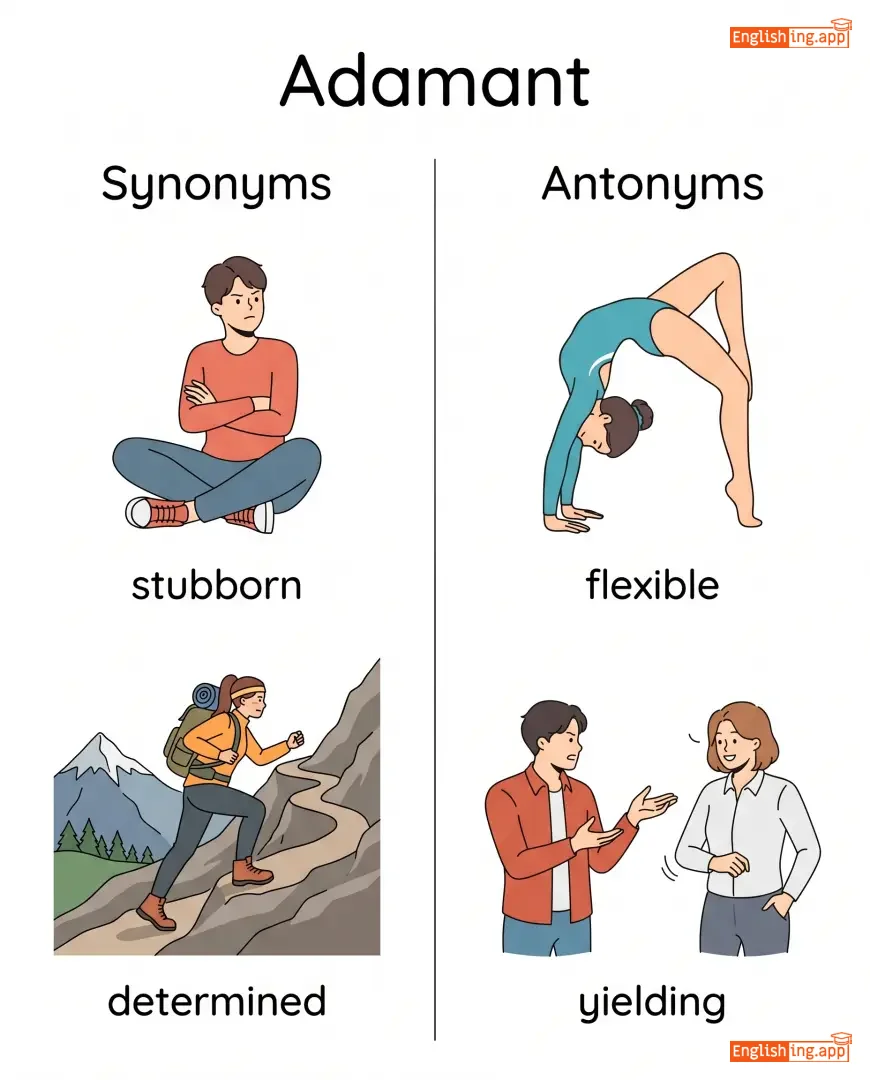
/ˈædəmənt/
adjective
(アダマント)
••••••
|
|
頑固な; 断固とした; 不屈の
ganko na; danko to shita; fukutsu no
••••••
|
একগুঁয়ে; জেদী; দৃঢ়সংকল্প; অনমনীয়;
••••••
|
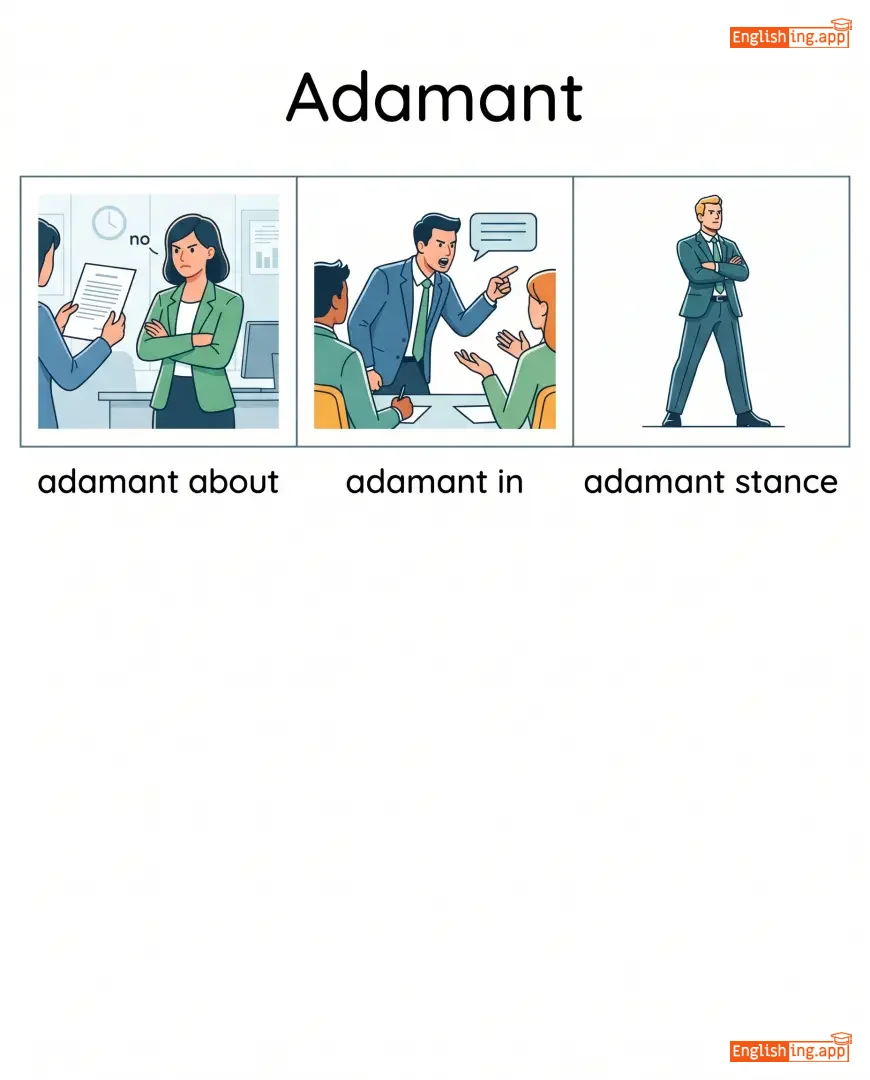
She was adamant about her decision to leave the company. |
彼女は会社を辞める決断に対して頑固だった。
kanojo wa kaisha o yameru ketsudan ni taishite ganko datta.
••••••
|
stubborn, inflexible, unyielding, resolute
••••••
|
flexible, yielding, compromising, compliant
••••••
|
adamant refusal, adamant opposition, remain adamant
••••••
|
頑固な人は不屈の精神を持っている!
••••••
|
|
#4
✅
|
/ˌædvənˈteɪdʒəs/
adjective
(ædvənˈteɪdʒəs)
••••••
|
- •••••• |
有利な; 便利な; 利益を生む
yūrina; benrina; rieki o umu
••••••
|
beneficial; favorable; profitable
••••••
|
This position offers advantageous opportunities for career growth.
このポジションはキャリアの成長のための有利な機会を提供します。
••••••
|
このポジションはキャリアの成長のための有利な機会を提供します。
Kono pojishon wa kyaria no seichō no tame no yūri na kikai o teikyō shimasu.
••••••
|
beneficial, favorable, profitable, useful
••••••
|
disadvantageous, harmful, unfavorable, detrimental
••••••
|
advantageous position, advantageous deal, advantageous opportunity
••••••
|
In Japanese, '有利な' means a 'beneficial' opportunity!
••••••
|
|
#5
⚖️
|
/əˈkaʊn.tə.bəl/
adjective
(アカウンタブル)
••••••
|
|
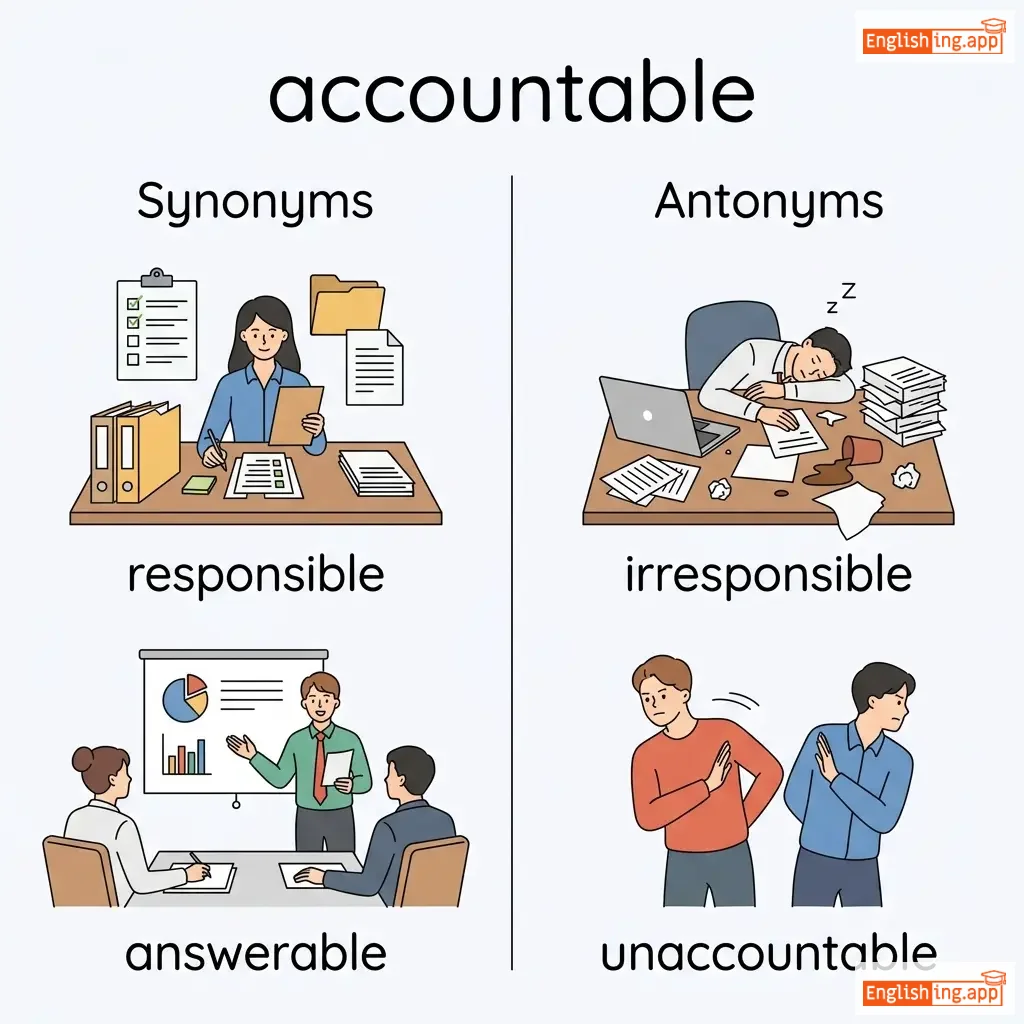
責任がある; 責任を負う
sekinin ga aru; sekinin o ou
••••••
|
responsible for your decisions or actions and expected to explain them when you are asked
••••••
|
The government should be held accountable for its policies.
政府はその政策に対して責任を持つべきです。
••••••
|
政府はその政策に対して責任を持つべきです。
Seifu wa sono seisaku ni taishite sekinin o motsu beki desu.
••••••
|
responsible, answerable, liable, culpable
••••••
|
unaccountable, irresponsible, exempt
••••••
|
held accountable, accountable for, accountable to
••••••
|
Accountable means being responsible, just like the government being accountable for its actions.
••••••
|
|
#6
🤗
|
/əˈfekʃənət/
adjective
(アフェクショネット)
••••••
|
- •••••• |
愛情深い; 思いやりのある; 優しい; 愛情を示す
aijoubukai; omoiyari no aru; yasashii; aijou o shimesu
••••••
|
loving; caring; tender; showing affection
••••••
|
She is very affectionate towards her children.
彼女は子供たちにとても愛情深いです。
••••••
|
彼女は子供たちにとても愛情深いです。
Kanojo wa kodomotachi ni totemo aijoubukai desu.
••••••
|
loving, caring, tender, warm
••••••
|
cold, distant, unloving, harsh
••••••
|
affectionate nature, affectionate person, deeply affectionate
••••••
|
Picture someone holding their children with love and tenderness, showing affection.
••••••
|
|
#7
🗺️
|
/ədˈventʃər/
adjective
(アドベンチャー)
••••••
|
|
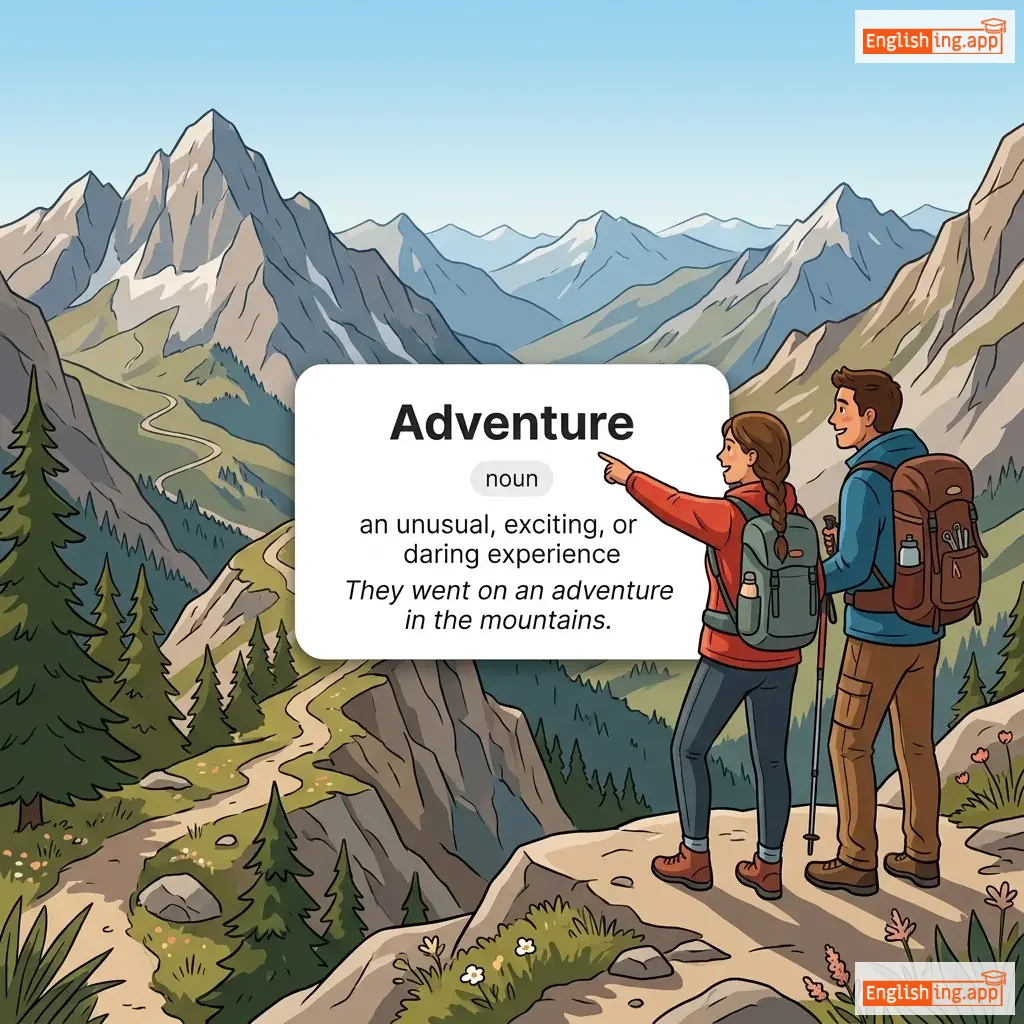
冒険; 刺激的な体験;
bōken; shigeki-teki na taiken;
••••••
|
exciting experience; risky undertaking; bold enterprise
••••••
|
Their mountain climbing adventure was both thrilling and dangerous. |
彼らの登山の冒険は、興奮と危険が両方ともあった。
karera no tōzan no bōken wa, kōfun to kiken ga ryōhō tomo atta.
••••••
|
expedition, journey, quest, exploration
••••••
|
routine, safety, security, caution
••••••
|
great adventure, outdoor adventure, adventure story
••••••
|
アドベンチャー!冒険に出て、新しい発見をしてみよう!
••••••
|
|
#8
🏷️
|
/ədˈhiːsɪv/
adjective
(アドヘシブ)
••••••
|
- •••••• |
粘着性
nenchakusei
••••••
|
আঠালো; চটচটে;
••••••
|
The adhesive tape stuck firmly to the wall. |
接着テープは壁にしっかりとくっつきました。
Setsuzaku tēpu wa kabe ni shikkari to kuttsukimashita.
••••••
|
sticky, tacky, gluey, cohesive
••••••
|
non-stick, slippery, loose, detached
••••••
|
adhesive tape, adhesive bandage, adhesive properties
••••••
|
In Japanese, 粘着性 means sticky, just like adhesive.
••••••
|
|
#9
🏠🏠
|
/əˈdʒeɪsənt/
adjective
(アジャセント)
••••••
|
- •••••• |
隣接する
rinsetsu suru
••••••
|
পার্শ্ববর্তী; সংলগ্ন; নিকটবর্তী;
••••••
|
The hotel is adjacent to the shopping mall. |
ホテルはショッピングモールの隣にあります。
Hoteru wa shoppingu mōru no tonari ni arimasu.
••••••
|
neighboring, adjoining, bordering, next to
••••••
|
distant, remote, separate, far
••••••
|
adjacent rooms, adjacent buildings, adjacent areas
••••••
|
Adjacent: 隣接するというのは、ものがすぐ近くにあることです。
••••••
|
|
#10
📝
|
/əˈfɔːrsed/
adjective
(aforsed)
••••••
|
- •••••• |
前述の
zenshutsu no
••••••
|
mentioned before; previously stated
••••••
|
The aforesaid conditions must be met before approval. |
前述の条件は承認前に満たす必要があります。
Zenshutsu no jōken wa shōnin mae ni mitasu hitsuyō ga arimasu.
••••••
|
aforementioned, above-mentioned, previously stated
••••••
|
following, subsequent, later-mentioned
••••••
|
aforesaid person, aforesaid document, aforesaid terms
••••••
|
Aforesaid = Previously mentioned in Japanese
••••••
|
|
#11
🎢
|
/ədˈventʃərəs/
adjective
(アドベンチャラス)
••••••
|
|
冒険的な; リスクを取る
bōkenteki na; risuku o toru
••••••
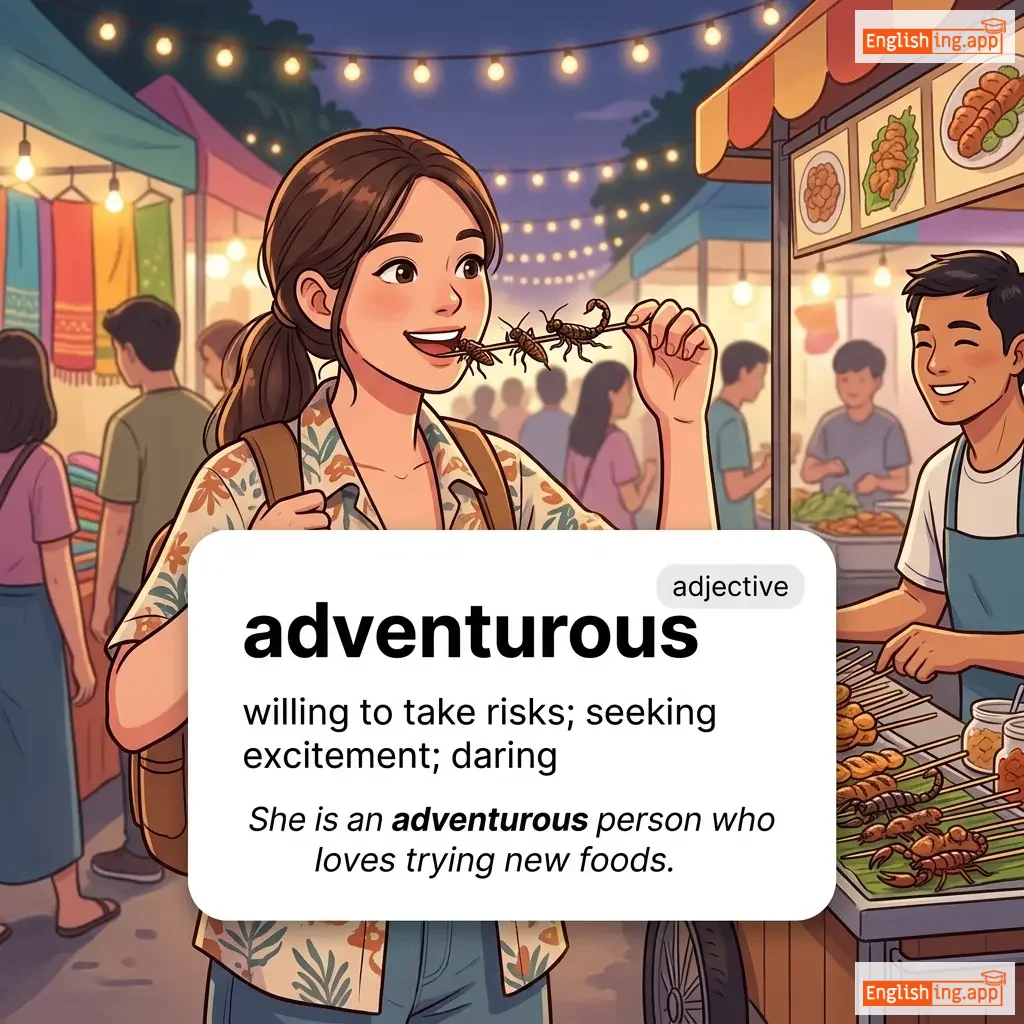
|
willing to take risks; seeking excitement; daring
••••••
|
She is an adventurous person who loves trying new foods. |
彼女は新しい料理を試すのが大好きな冒険心のある人です。
Kanojo wa atarashī ryōri o tamesu no ga daisuki na bōken-shin no aru hito desu.
••••••
|
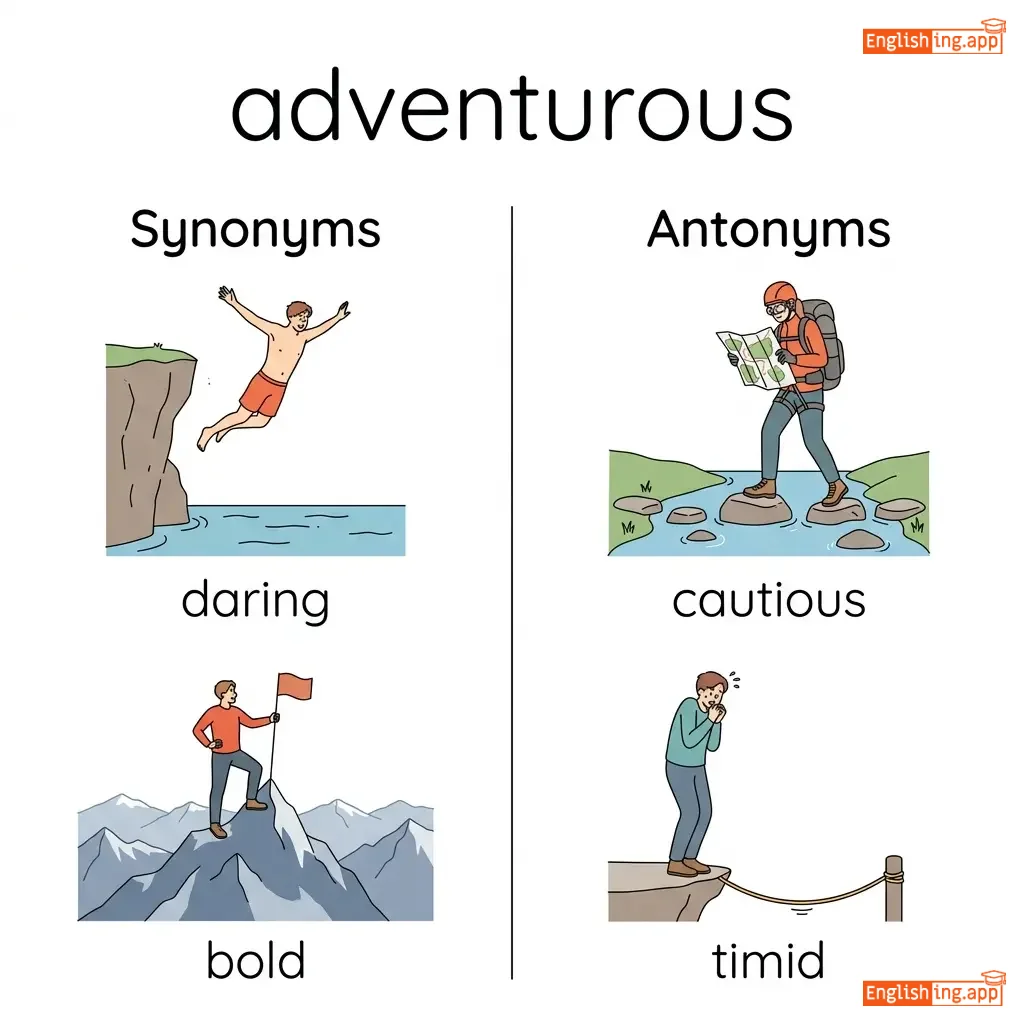
daring, bold, brave, fearless
••••••
|
cautious, timid, careful, conservative
••••••
|
adventurous spirit, adventurous traveler, adventurous eater
••••••
|
冒険的な人生を送り、どんどん新しい経験を試してみよう!
••••••
|
|
#12
🎯
|
/ˈæk.jə.rət/
adjective
(エイキュレート)
••••••
|
- •••••• |
正確; 正しい;
seikaku; tadashii
••••••
|
correct, exact, and without any mistakes
••••••
|
The weather forecast was completely accurate.
天気予報は完全に正確でした。
••••••
|
天気予報は完全に正確でした。
tenki yohou wa kanzen ni seikaku deshita.
••••••
|
precise, exact, correct, right, true
••••••
|
inaccurate, wrong, incorrect, imprecise
••••••
|
accurate information, accurate measurement, highly accurate
••••••
|
正確な予測はどんな天気でも間違いなく当たる!
••••••
|
|
#13
🔧
|
/əˈdʒʌstəbəl/
adjective
(アジャスタブル)
••••••
|
- •••••• |
調整可能な; 可変の; 調節できる;
chōseikanō na; kahen no; chōsetsu dekiru;
••••••
|
নিয়মযোগ্য; পরিবর্তন-সাধ্য; সমন্বয়যোগ্য;
••••••
|
This chair has an adjustable height feature.
この椅子は高さが調節可能です。
••••••
|
この椅子は高さが調節可能です。
Kono isu wa takasa ga chōsetsu kanō desu.
••••••
|
modifiable, changeable, flexible, variable
••••••
|
fixed, rigid, unchangeable, permanent
••••••
|
adjustable seat, adjustable wrench, adjustable settings
••••••
|
調整可能は何かを変更できることを意味します。椅子の高さのように。
••••••
|
|
#14
😰
|
/ˈædʒɪteɪtɪd/
adjective
(エイジテイテッド)
••••••
|
- •••••• |
動揺した; 不安な; 落ち着かない; 否定的に興奮した
dōyō shita; fuan na; ochitsukanai; hitei-teki ni kōfun shita
••••••
|
disturbed; anxious; restless; excited in a negative way
••••••
|
He became agitated when he heard the bad news. |
彼は悪いニュースを聞いて動揺した。
Kare wa warui nyūsu o kiite dōyō shita.
••••••
|
upset, disturbed, anxious, restless
••••••
|
calm, peaceful, serene, composed
••••••
|
highly agitated, increasingly agitated, visibly agitated
••••••
|
No •••••• |
|
#15
😷
|
/ˈæk.rɪd/
adjective
(アクリッド)
••••••
|
- •••••• |
辛くて不快な
tsurakute fukai na
••••••
|
having a strong, unpleasant, and sharp smell or taste
••••••
|
The acrid smoke from the fire made everyone cough.
火事のアクリッドな煙がみんなを咳き込ませた。
••••••
|
火事の辛くて不快な煙がみんなを咳き込ませた。
Kaji no tsurakute fukai na kemuri ga minna o sekikomase ta.
••••••
|
pungent, bitter, sharp, harsh, caustic
••••••
|
sweet, mild, pleasant, gentle
••••••
|
acrid smoke, acrid smell, acrid taste
••••••
|
アクリッドな煙で皆が咳き込む
••••••
|
|
#16
⚠️
|
/ˈædvɜːrs/
adjective
(アドバース)
••••••
|
- •••••• |
不利な; 有害な; 否定的な
furi na; yūgaina; hiteiteki na
••••••
|
harmful; unfavorable; opposing; negative
••••••
|
The adverse weather conditions forced them to cancel the event.
厳しい天候条件がイベントを中止させました。
••••••
|
厳しい天候条件がイベントを中止させました。
Kibishī tenkō jōken ga ibento o chūshi saremashita.
••••••
|
unfavorable, hostile, harmful, detrimental
••••••
|
favorable, beneficial, positive, advantageous
••••••
|
adverse effects, adverse conditions, adverse reaction
••••••
|
厳しい条件はすべて中止を引き起こします。
••••••
|
|
#17
😊
|
/əˈɡriːəbl/
adjective
(アグリーブル)
••••••
|
- •••••• |
快適な; 楽しい; 魅力的な; 同意する気持ち
kaiteki na; tanoshī; miryokuteki na; dōi suru kimochi
••••••
|
pleasant; enjoyable; delightful; willing to agree
••••••
|
The weather is very agreeable today. |
今日はとても快適な天気です。
Kyou wa totemo kaiteki na tenki desu.
••••••
|
pleasant, enjoyable, delightful, nice
••••••
|
disagreeable, unpleasant, awful, terrible
••••••
|
agreeable person, agreeable weather, mutually agreeable
••••••
|
アグリーブル = 同意の気持ちで快適
••••••
|
|
#18
👨
|
/ˈædʌlt/
adjective
(アダルト)
••••••
|
- •••••• |
成人
seijin
••••••
|
fully grown; mature; of legal age
••••••
|
The movie is intended for adult audiences only. |
この映画は成人の観客専用です。
Kono eiga wa seijin no kankyaku sen'yō desu.
••••••
|
mature, grown-up, full-grown, developed
••••••
|
child, juvenile, immature, young
••••••
|
adult education, adult supervision, adult responsibility
••••••
|
Adult = 成人 = 'S' for seijin
••••••
|
|
#19
👏
|
/ˈædmərəbəl/
adjective
(アドマイラブル)
••••••
|
- •••••• |
賞賛に値する
shousan ni ataisuru
••••••
|
প্রশংসনীয়; চমৎকার;
••••••
|
Her dedication to helping others is truly admirable.
彼女の他人を助ける献身は本当に賞賛に値します。
••••••
|
彼女の他人を助ける献身は本当に賞賛に値します。
Kanojo no tanin o tasukeru kenshin wa hontou ni shousan ni atai shimasu.
••••••
|
praiseworthy, commendable, laudable, excellent
••••••
|
deplorable, despicable, contemptible, shameful
••••••
|
admirable qualities, admirable effort, admirable courage
••••••
|
賞賛に値するものは素晴らしい行いです。
••••••
|
|
#20
🏃♂️
|
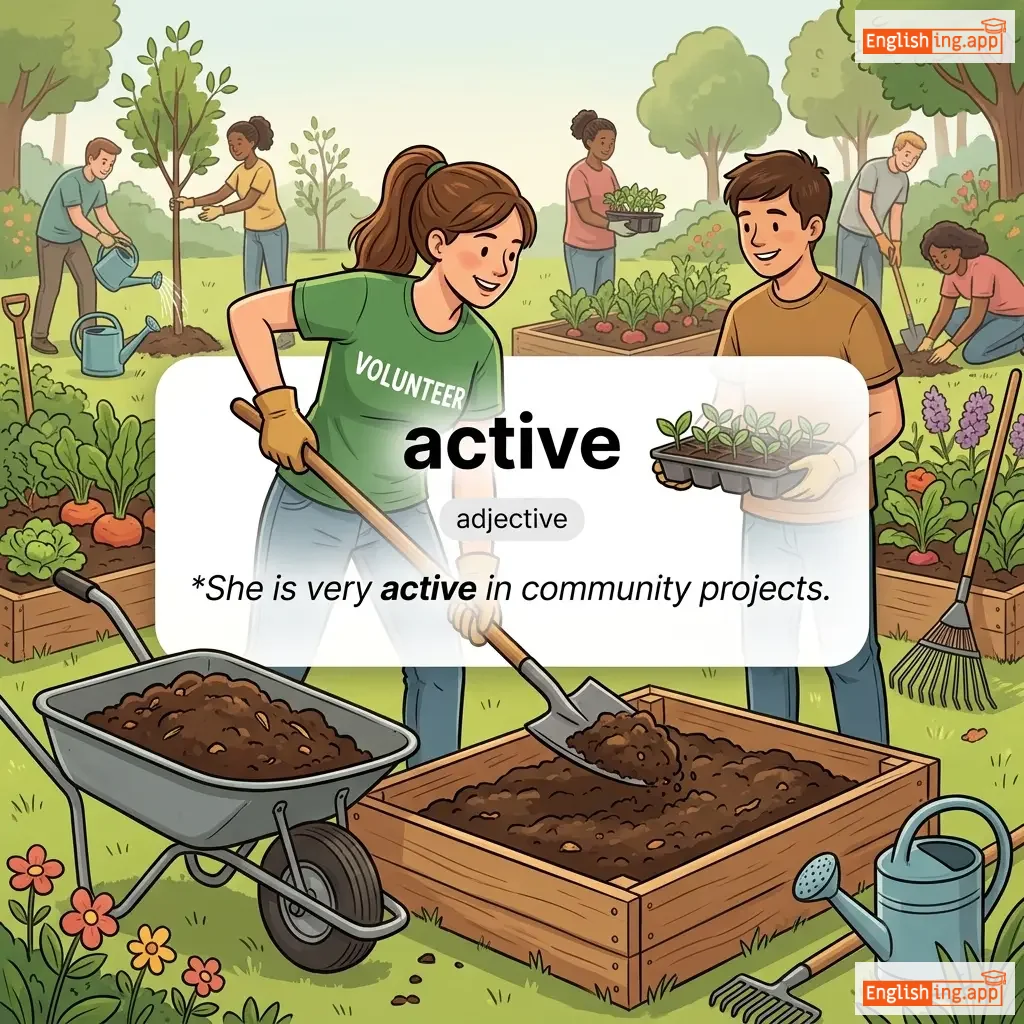
/ˈæk.tɪv/
adjective
(アクティブ)
••••••
|
|
アクティブ
akutibu
••••••
|
doing things or ready to do things; energetic
••••••
|
She leads an active lifestyle with regular exercise.
彼女は定期的な運動でアクティブなライフスタイルを送っています。
••••••
|
彼女は定期的な運動でアクティブなライフスタイルを送っています。
Kanojo wa teikiteki na undou de akutibu na raifusutairu o okutteimasu.
••••••
|
energetic, busy, dynamic, lively, vigorous
••••••
|
inactive, passive, idle, dormant
••••••
|
active lifestyle, active participation, stay active
••••••
|
アクティブ = active, 元気いっぱいな状態
••••••
|
Vocabulary Quiz
Test your vocabulary by matching words with their translations or meanings.
Login to take the quiz
Comments (0)
Share your thoughts and join the discussion.
Join the discussion by logging in
Login to CommentNo comments yet
Be the first to share your thoughts!