

翻訳
過去
過去分詞
三人称単数
動名詞
意味
例文
例文の翻訳
同義語
対義語
コロケーション
ニーモニック
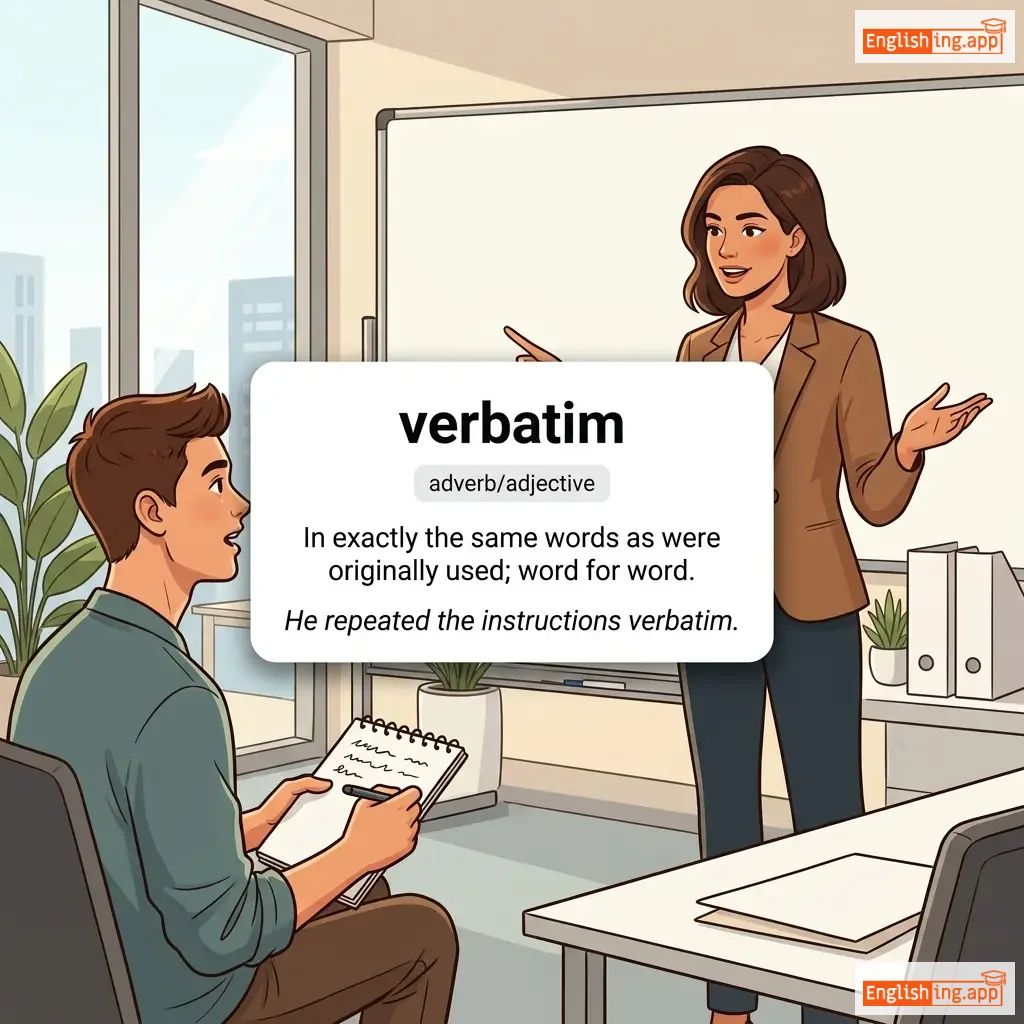
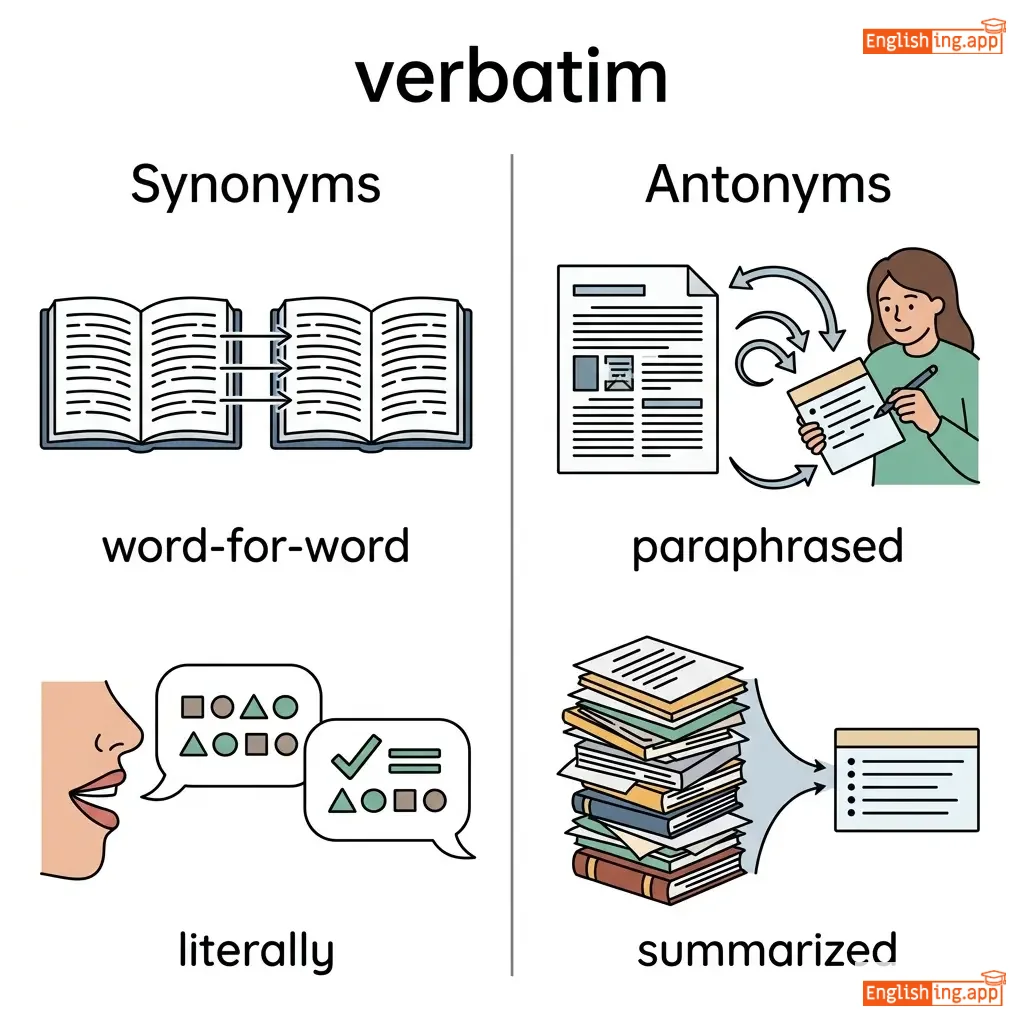
Swipe left or right, or use the buttons. Tap image to zoom.
例文の翻訳
単語
Lesson 55Lesson 55 - マスクトグル
|
絵文字
|
単語 | Images | 翻訳 | 意味 | 例文 | 例文の翻訳 | 同義語 | 対義語 | コロケーション | ニーモニック |
|---|---|---|---|---|---|---|---|---|---|---|
|
#1081
🌟
|
/ˈvaɪ.brənt/
adjective
(ヴァイブレント)
••••••
|
- •••••• |
活気のある; 鮮やかな; 生き生きとした
kakki no aru; azayakana; ikikito shita
••••••
|
full of energy and life; bright and striking
••••••
|
The vibrant colors of the sunset painted the sky beautifully. |
夕焼けの鮮やかな色が美しく空を染めた。
yūyake no azayakana iro ga utsukushiku sora o sometta
••••••
|
lively, energetic, bright, vivid, dynamic
••••••
|
dull, lifeless, bland, monotonous, colorless
••••••
|
vibrant colors, vibrant community, vibrant personality, vibrant culture
••••••
|
Think of a vibrant cityscape full of energy and brightness.
••••••
|
|
#1082
✅
|
/ˈvælɪd/
adjective
(バリッド)
••••••
|
- •••••• |
有効; 法的または公式に受け入れられる
yūkō
••••••
|
legally or officially acceptable; having a sound basis in logic or fact
••••••
|
The passport is valid for ten years.
パスポートは10年間有効です。
••••••
|
パスポートは10年間有効です。
Pasupo-to wa jūnenkan yūkō desu.
••••••
|
legitimate, legal, authentic, genuine
••••••
|
invalid, illegal, false, fake
••••••
|
valid passport, valid argument, valid point, valid reason
••••••
|
Think of 'バリッド' as 'valid' — if something is valid, it’s good to go!
••••••
|
|
#1083
😠
|
/ˈvendʒ.fəl/
adjective
(ヴェンジフル)
••••••
|
- •••••• |
復讐心の強い
fukushūshin no tsuyoi
••••••
|
seeking to harm someone in return for a perceived injury; vindictive
••••••
|
She felt vengeful after her friend betrayed her trust.
彼女は友達に裏切られた後、復讐心を感じた。
••••••
|
彼女は友達に裏切られた後、復讐心を感じた。
Kanojo wa tomodachi ni uragirarareta ato, fukushūshin o kanjita.
••••••
|
vindictive, revengeful, spiteful, retaliatory
••••••
|
forgiving, merciful, compassionate, benevolent
••••••
|
vengeful spirit, vengeful thoughts, vengeful person
••••••
|
彼女は裏切られた後、復讐心を感じていた。
••••••
|
|
#1084
🎨
|
/ˈvɛərid/
adjective
(ヴァリッド)
••••••
|
- •••••• |
多様な; 異なるタイプを含む
tayōna; kotonaru taipu o fukumu
••••••
|
showing differences; diverse; containing different types
••••••
|
The museum has a varied collection of ancient artifacts. |
その博物館には古代のアーティファクトの多様なコレクションがあります。
Sono hakubutsukan ni wa kodai no ādifakuto no tayōna korekushon ga arimasu.
••••••
|
diverse, mixed, assorted, different
••••••
|
uniform, identical, same, consistent
••••••
|
varied collection, varied experiences, varied diet, varied background
••••••
|
様々な色や形を思い浮かべてみてください、それが多様性です。
••••••
|
|
#1085
😡
|
/ˈvɪʃ.əs/
adjective
(ビシャス)
••••••
|
- •••••• |
悪質な; 残酷な; 野生の
akushitsu na; zankoku na; yasei no
••••••
|
deliberately cruel or violent; having a savage nature
••••••
|
The vicious dog attacked anyone who came near its territory. |
その悪質な犬は、自分の領土に近づく者すべてに攻撃を仕掛けた。
sono akushitsu na inu wa, jibun no ryōdo ni chikazuku mono subete ni kōgeki o shikaketa
••••••
|
cruel, savage, brutal, fierce, malicious
••••••
|
kind, gentle, benevolent, compassionate, merciful
••••••
|
vicious attack, vicious cycle, vicious rumors, vicious behavior
••••••
|
Viciousは悪質な犬のよう
••••••
|
|
#1086
💎
|
/ˈvæljʊəbl/
adjective
(ˈvæljʊəbl)
••••••
|
- •••••• |
価値がある; 重要な
kachi ga aru; jūyōna
••••••
|
worth a great deal of money; extremely useful or important
••••••
|
The painting is very valuable and worth millions.
その絵画は非常に価値があり、何百万ドルもの価値がある。
••••••
|
その絵画は非常に価値があり、何百万ドルもの価値がある。
Sono kaiga wa hijō ni kachi ga ari, nanbyakuman doru mono kachi ga aru.
••••••
|
precious, expensive, costly, priceless
••••••
|
worthless, cheap, valueless, insignificant
••••••
|
valuable asset, valuable experience, valuable time, valuable information
••••••
|
V – 価値がある (kachi ga aru) ものは重要です
••••••
|
|
#1087
😌
|
/ˈviː.ni.əl/
adjective
(ヴィニアル)
••••••
|
- •••••• |
許しがたい; 深刻ではない; 小さな
yurushigatai; shinkoku de wa nai; chiisana
••••••
|
forgivable; not seriously wrong; minor
••••••
|
His late arrival was considered a venial offense. |
彼の遅れた到着は許しがたい違反と見なされました。
Kare no okureta tōchaku wa yurushigatai ihan to minasaremashita.
••••••
|
forgivable, pardonable, excusable, minor
••••••
|
mortal, serious, grave, unforgivable
••••••
|
venial sin, venial fault, venial offense
••••••
|
小さな過ちも許される
••••••
|
|
#1088
🔀
|
/ˈvɛəriəs/
adjective
(ヴァリアス)
••••••
|
- •••••• |
さまざまな; 多様な種類の
samazamana; tayōna shurui no
••••••
|
several different; many different types of
••••••
|
She has lived in various countries around the world.
彼女は世界中の様々な国で生活していました。
••••••
|
彼女は世界中の様々な国で生活していました。
Kanojo wa sekaijū no samazamana kuni de seikatsu shite imashita.
••••••
|
different, several, numerous, many
••••••
|
single, one, same, identical
••••••
|
various reasons, various methods, various sources, various options
••••••
|
In Japanese, 'さまざまな' means 'various', helping recall the idea of diversity.
••••••
|
|
#1089
🌊
|
/væst/
adjective
(ヴァスト)
••••••
|
- •••••• |
広大な; 巨大な; 広がる
koudaina; kyodaina; hirogaru
••••••
|
extremely large in size, amount, or extent; immense
••••••
|
The vast ocean stretched endlessly to the horizon.
広大な海が地平線まで無限に広がっている。
••••••
|
広大な海は地平線まで広がっていた。
Koudai na umi wa chiheisen made hirogatte ita.
••••••
|
huge, enormous, immense, massive
••••••
|
tiny, small, limited, narrow
••••••
|
vast majority, vast area, vast knowledge, vast difference
••••••
|
広大な海をイメージして覚えよう。
••••••
|
|
#1090
🐍
|
/ˈven.ə.məs/
adjective
(ベノマス)
••••••
|
- •••••• |
毒性のある; 悪意のある;
dokusei no aru; akui no aru
••••••
|
secreting venom; full of malice or spite; extremely hostile
••••••
|
The venomous snake struck quickly at its prey. |
毒ヘビはすばやく獲物を攻撃した。
Doku hebi wa subayaku emono wo kōgeki shita.
••••••
|
poisonous, toxic, malicious, spiteful
••••••
|
harmless, benign, kind, gentle
••••••
|
venomous snake, venomous bite, venomous attack
••••••
|
毒 + 攻撃 = 毒蛇が速く攻撃
••••••
|
|
#1091
❓
|
/veɪɡ/
adjective
(ベイグ)
••••••
|
- •••••• |
あいまい; 不確か
aimai; futashika
••••••
|
unclear or uncertain in meaning; not clearly expressed
••••••
|
His explanation was too vague for me to understand. |
彼の説明は私にはあまりにもあいまいで、理解できませんでした。
Kare no setsumei wa watashi ni wa amarini mo aimai de, rikai dekimasen deshita
••••••
|
unclear, ambiguous, indefinite, imprecise
••••••
|
clear, specific, precise, definite
••••••
|
vague idea, vague memory, vague answer
••••••
|
あいまいという言葉は、英語の vague と似ており、どちらも不確かなことを意味します
••••••
|
|
#1092
💨
|
/ˈveɪpərəs/
adjective
(ヴェイポラス)
••••••
|
- •••••• |
蒸気のような; 曖昧な
jōki no yō na; aimaina
••••••
|
consisting of vapor; vague or insubstantial
••••••
|
The morning air was filled with vaporous mist.
ザ・モーニングエア・ワズ・フィルド・ウィズ・ヴェイポラス・ミスト。
••••••
|
朝の空気は蒸気のような霧で満たされていました。
Asa no kūki wa jōki no yō na kiri de mitasarete imashita.
••••••
|
misty, hazy, gaseous, ethereal
••••••
|
solid, concrete, substantial, clear
••••••
|
vaporous cloud, vaporous substance, vaporous atmosphere, vaporous form
••••••
|
ヴェイポラス(vaporous)は蒸気(蒸気)や霧を連想させます。
••••••
|
|
#1093
🔥
|
/ˈviːəmənt/
adjective
(ビエメント)
••••••
|
- •••••• |
強烈な; 熱烈な; 情熱的な; 活発な
kyōretsu na; netsuretsu na; jōnetsuteki na; kappatsu na
••••••
|
showing strong feeling; forceful; passionate; intense
••••••
|
She gave a vehement denial of the accusations. |
彼女はその告発に対して強烈に否定した。
Kanojo wa sono kokuhatsu ni taishite kyōretsu ni hitei shita.
••••••
|
passionate, intense, forceful, fierce
••••••
|
mild, gentle, calm, subdued
••••••
|
vehement protest, vehement denial, vehement opposition, vehement argument
••••••
|
No •••••• |
|
#1094
🔄
|
/ˈvɛriəbl/
adjective
(ベリアブル)
••••••
|
- •••••• |
変動可能な
hendō kanōna
••••••
|
able to change; not consistent or having a fixed pattern
••••••
|
The weather has been very variable this week.
今週の天気は非常に変わりやすかったです。
••••••
|
今週の天気は非常に変わりやすかったです。
konshū no tenki wa hijō ni kawariyasukatta desu
••••••
|
changeable, fluctuating, unstable, inconsistent
••••••
|
constant, fixed, stable, unchanging
••••••
|
variable weather, variable rate, variable cost, variable speed
••••••
|
Variable = 変わる = 天気が変わる
••••••
|
|
#1095
🏔️
|
/ˈven.tʃər.əs/
adjective
(ベンチャラス)
••••••
|
- •••••• |
冒険的な; 大胆な
bōken-teki na; daitan na
••••••
|
willing to take risks; adventurous; bold
••••••
|
The venturous explorer climbed the dangerous mountain.
その冒険的な探検家は危険な山を登った。
••••••
|
冒険的な探検家は危険な山を登った。
Bōken-teki na tanken-ka wa kiken na yama o nobotta.
••••••
|
adventurous, daring, bold, courageous
••••••
|
cautious, timid, careful, conservative
••••••
|
venturous spirit, venturous journey, venturous person
••••••
|
Venturous = 冒険 + 大胆
••••••
|
|
#1096
💄
|
/veɪn/
adjective
(ヴェイン)
••••••
|
- •••••• |
虚栄心; 無駄
kyoeishin; muda
••••••
|
having excessive pride in one's appearance; futile or unsuccessful
••••••
|
She spent hours in front of the mirror being quite vain. |
彼女は鏡の前で何時間も過ごし、かなり虚栄心が強かった。
Kanojo wa kagami no mae de nanjikan mo sugoshi, kanari kyoeishin ga tsuyokatta.
••••••
|
conceited, proud, narcissistic, futile
••••••
|
humble, modest, successful, effective
••••••
|
vain attempt, vain person, vain effort
••••••
|
虚栄心とvainの関係、見た目に過度な誇り
••••••
|
|
#1097
👴
|
/ˈvɛnərəbəl/
adjective
(ベネラブル)
••••••
|
- •••••• |
尊敬すべき; 立派な
sonkei subeki; rippa na
••••••
|
deserving respect due to age, wisdom, or character; revered
••••••
|
The venerable professor has taught at the university for fifty years. |
その尊敬すべき教授は大学で50年間教えてきました。
Sono sonkei subeki kyoju wa daigaku de gojuunenkan oshiete kimashita.
••••••
|
respected, revered, esteemed, honored
••••••
|
disrespected, dishonored, despised, scorned
••••••
|
venerable institution, venerable tradition, venerable elder, venerable sage
••••••
|
In Japanese, '尊敬' means respect, aligning well with the meaning of venerable.
••••••
|
|
#1098
🔀
|
/ˈvɛriənt/
adjective
(ヴァリアント)
••••••
|
- •••••• |
変種;異なるバージョン
henshu; kotonaru bājon
••••••
|
differing in form, details, or in some other respect; alternative
••••••
|
There are several variant spellings of this word.
この単語にはいくつかの異なる綴りがあります。
••••••
|
この単語にはいくつかの異なる綴りがあります。
Kono tango ni wa ikutsuka no kotonaru tsuzuri ga arimasu.
••••••
|
different, alternative, modified, divergent
••••••
|
standard, original, uniform, identical
••••••
|
variant form, variant spelling, variant version, genetic variant
••••••
|
日本語では、'変種'は異なる形やバージョンを意味します。
••••••
|
|
#1099
📝
|
/vɜːrˈbeɪ.tɪm/
adjective
(バーベイティム)
••••••
|
|
逐語的に; 文字通り
chikugoteki ni; moji doori
••••••
|
in exactly the same words; word for word; literal
••••••
|
She repeated his speech verbatim without changing a single word.
彼女は言葉を一切変えずに、彼のスピーチを逐語的に繰り返しました。
••••••
|
彼女は言葉を一切変えずに、彼のスピーチを逐語的に繰り返しました。
Kanojo wa kotoba wo issai kaezu ni, kare no supiichi wo chikugoteki ni kurikaeshimashita.
••••••
|
word-for-word, exactly, literally, precisely
••••••
|
paraphrased, summarized, interpreted, approximate
••••••
|
verbatim quote, verbatim record, verbatim transcript
••••••
|
日本語で '逐語的に' という言葉は、まったく同じように繰り返すことを意味します。
••••••
|
|
#1100
⚔️
|
/ˈvæljənt/
adjective
(ヴァリアント)
••••••
|
- •••••• |
勇敢な; 英雄的な
yūkan na; eiyū-teki na
••••••
|
showing courage or determination; brave and heroic
••••••
|
The valiant soldier fought bravely to protect his country.
その勇敢な兵士は国を守るために勇敢に戦いました。
••••••
|
その勇敢な兵士は国を守るために勇敢に戦いました。
Sono yūkan na heishi wa kuni o mamoru tame ni yūkan ni tatakaimashita.
••••••
|
brave, courageous, heroic, bold
••••••
|
cowardly, timid, fearful, weak
••••••
|
valiant effort, valiant warrior, valiant attempt
••••••
|
‘勇敢’と‘英雄’を組み合わせて記憶しよう!
••••••
|
Vocabulary Quiz
Test your vocabulary by matching words with their translations or meanings.
Login to take the quiz
Comments (0)
Share your thoughts and join the discussion.
Join the discussion by logging in
Login to CommentNo comments yet
Be the first to share your thoughts!