

翻訳
過去
過去分詞
三人称単数
動名詞
意味
例文
例文の翻訳
同義語
対義語
コロケーション
ニーモニック
Swipe left or right, or use the buttons. Tap image to zoom.
例文の翻訳
単語
Lesson 26Lesson 26 - マスクトグル
|
絵文字
|
単語 | Images | 翻訳 | 意味 | 例文 | 例文の翻訳 | 同義語 | 対義語 | コロケーション | ニーモニック |
|---|---|---|---|---|---|---|---|---|---|---|
|
#501
🧠
|
/ˈmen.təl/
adjective
(メンタル)
••••••
|
- •••••• |
精神的な
mentaru
••••••
|
relating to the mind; intellectual; psychological
••••••
|
She has strong mental health and resilience.
彼女は強いメンタルヘルスと回復力を持っています。
••••••
|
彼女は強いメンタルヘルスと回復力を持っています。
Kanojo wa tsuyoi mentaru herusu to kaifukuryoku o motteimasu.
••••••
|
psychological, intellectual, cognitive
••••••
|
physical, bodily
••••••
|
mental health, mental strength, mental capacity
••••••
|
Mnemonic: メンタル equals mental imagine a cute robot Mentaru guarding your brain and whispering keep your mind strong
••••••
|
|
#502
⚡
|
/moʊˈmentəs/
adjective
(モメンタス)
••••••
|
- •••••• |
重要
jūyō
••••••
|
of great importance or significance; having far-reaching consequences
••••••
|
The signing of the peace treaty was a momentous occasion for both countries. |
平和条約の署名は、両国にとって重要な出来事でした。
Heiwa jōyaku no shomei wa, ryōkoku ni totte jūyōna dekigoto deshita.
••••••
|
significant, important, historic, crucial, pivotal
••••••
|
trivial, insignificant, unimportant, minor
••••••
|
momentous decision, momentous occasion, momentous event, momentous day
••••••
|
重要な瞬間は、長期的な影響を与えるものです。
••••••
|
|
#503
🦅
|
/ˈmaɪ.ɡrə.tɔːr.i/
adjective
(マイグレトリー)
••••••
|
- •••••• |
移動性の
idousei no
••••••
|
moving from one place to another; characterized by seasonal movement
••••••
|
Many birds are migratory and travel thousands of miles each season.
多くの鳥は移動性があり、毎シーズン数千マイルも飛ぶ。
••••••
|
多くの鳥は移動性があり、毎シーズン数千マイルも飛ぶ。
ooku no tori wa idousei ga ari, mai shiizun suusen mairu mo tobu.
••••••
|
nomadic, roaming, traveling, wandering
••••••
|
stationary, settled, permanent, resident
••••••
|
migratory birds, migratory pattern, migratory route, migratory species
••••••
|
移動性の鳥は、南に向かって冬の寒さを避けます。
••••••
|
|
#504
🔍
|
/maɪˈnuːt/
adjective
(ミニット)
••••••
|
- •••••• |
非常に小さい; 微細; 詳細な; 精密な
hijō ni chiisai; bisai; shōsai na; seimitsu na
••••••
|
extremely small; tiny; detailed; precise
••••••
|
The scientist examined minute details under the microscope.
科学者は顕微鏡で微細な詳細を調べました。
••••••
|
科学者は顕微鏡で微細な詳細を調べました。
Kagakusha wa kenbikyō de bisai na shōsai o shirabemashita.
••••••
|
tiny, small, microscopic, minuscule
••••••
|
huge, enormous, massive, gigantic
••••••
|
minute details, minute particles, minute examination
••••••
|
小さなディテールは常に精密に見られる。
••••••
|
|
#505
🤲
|
/ˈmɜː.sɪ.fəl/
adjective
(マーシフル)
••••••
|
- •••••• |
慈悲深い; 同情的な
jihi fukai; dōjō-teki na
••••••
|
showing compassion or forgiveness; kind and forgiving
••••••
|
The merciful judge gave him a lighter sentence.
慈悲深い裁判官は彼に軽い判決を与えました。
••••••
|
慈悲深い裁判官は彼に軽い判決を与えました。
Jihi fukai saiban-kan wa kare ni karui hanketsu o ataemashita.
••••••
|
compassionate, kind, forgiving
••••••
|
merciless, cruel, harsh
••••••
|
merciful God, merciful judge, merciful heart
••••••
|
Merciful = 慈悲深い, 優しく、許す裁判官。
••••••
|
|
#506
💰
|
/ˈmʌnid/
adjective
(マニッド)
••••••
|
- •••••• |
金持ち; 裕福な; 富裕な
manid
••••••
|
having much money; wealthy; rich
••••••
|
She comes from a moneyed family with extensive real estate holdings. |
彼女は広範な不動産を持つ裕福な家庭から来ています。
kanojo wa kōhan'na fudōsan o motsu yūfukuna katei kara kiteimasu.
••••••
|
wealthy, rich, affluent, prosperous, well-off
••••••
|
poor, impoverished, destitute, penniless
••••••
|
moneyed class, moneyed elite, moneyed interests, moneyed family
••••••
|
お金を持っていることを思い出して、あなたは manid です。
••••••
|
|
#507
✨
|
/mɪˈrækjələs/
adjective
(ミラクル)
••••••
|
- •••••• |
奇跡的; 驚くべき; 非凡な
kiseki teki; odorokubeki; hibon na
••••••
|
supernatural; amazing; extraordinary
••••••
|
Her miraculous recovery amazed all the doctors. |
彼女の奇跡的な回復は、すべての医師を驚かせました。
kanojo no kiseki teki na kaifuku wa, subete no ishi o odorokasemashita
••••••
|
wonderful, amazing, extraordinary, supernatural
••••••
|
ordinary, normal, natural, expected
••••••
|
miraculous recovery, miraculous escape, miraculous healing
••••••
|
奇跡的な回復は奇妙な力の証
••••••
|
|
#508
🎭
|
/ˈmɪm.ɪk/
adjective
(ミミック)
••••••
|
- •••••• |
模倣的な; 模倣する能力がある
mōhō-tekina; mōhō suru nōryoku ga aru
••••••
|
imitating or copying; having the ability to imitate
••••••
|
The child has mimic behavior and copies everything his parents do.
その子供は模倣行動をして、親がすることをすべてコピーします。
••••••
|
その子供は模倣行動をして、親がすることをすべてコピーします。
Sono kodomo wa mōhō kōdō o shite, oya ga suru koto o subete kopī shimasu.
••••••
|
imitative, copying, imitating, emulating
••••••
|
original, authentic, genuine, unique
••••••
|
mimic behavior, mimic ability, mimic skills, mimic performance
••••••
|
Mimic、いつも親の後ろをついて回る子供。
••••••
|
|
#509
🧘
|
/ˈmaɪnd.fəl/
adjective
(マインドフル)
••••••
|
- •••••• |
注意深い; 意識的
chūibukai; ishikiteki
••••••
|
being conscious or aware; paying attention to the present moment
••••••
|
She is always mindful of her surroundings and pays attention to details.
彼女は常に自分の周りに注意を払い、詳細に気を配っています。
••••••
|
彼女は常に自分の周りに注意を払い、詳細に気を配っています。
Kanojo wa jōzu ni jibun no mawari ni chūi o harai, shōsai ni ki o haiteimasu.
••••••
|
aware, conscious, attentive, careful
••••••
|
mindless, careless, inattentive, oblivious
••••••
|
mindful eating, mindful meditation, mindful approach, mindful practice
••••••
|
Mindfulは日本語で、意識的に注意を払うという意味です。
••••••
|
|
#510
🔀
|
/ˌmɪsəˈleɪniəs/
adjective
(ミセラニアス)
••••••
|
- •••••• |
雑多な; 混合された; 多様な
zatta na; kongō sareta; tayō na
••••••
|
various; diverse; mixed; assorted
••••••
|
The box contained miscellaneous items from different periods. |
箱には異なる時期のさまざまなアイテムが含まれていました。
Hako ni wa kotonaru jiki no samazama na aitemu ga fukumarete imashita.
••••••
|
various, diverse, mixed, assorted
••••••
|
uniform, similar, identical, homogeneous
••••••
|
miscellaneous items, miscellaneous expenses, miscellaneous category
••••••
|
‘Zatta’ means varied, a great match for the diverse nature of miscellaneous items.
••••••
|
|
#511
😠
|
/ˈmɜː.sɪ.ləs/
adjective
(マーシレス)
••••••
|
- •••••• |
容赦ない; 残酷な;
yōsha nai; zankokuna;
••••••
|
showing no mercy or pity; cruel and heartless
••••••
|
The merciless dictator showed no compassion. |
容赦のない独裁者は、同情を示さなかった。
Yōsha no nai dokusaisha wa, dōjō o shimesanakatta.
••••••
|
cruel, ruthless, heartless
••••••
|
merciful, kind, compassionate
••••••
|
merciless attack, merciless criticism, merciless punishment
••••••
|
容赦ないとは、全く優しさを持たないこと。
••••••
|
|
#512
😴
|
/məˈnɒtənəs/
adjective
(モノトーン)
••••••
|
- •••••• |
単調な; 退屈な; 繰り返しの
moton
••••••
|
lacking in variety; tediously unvarying; boring and repetitive
••••••
|
The monotonous sound of the rain made everyone feel sleepy.
雨のモノトーンな音がみんなを眠くさせた。
••••••
|
雨の単調な音がみんなを眠くさせた。
Ame no tanchō na oto ga minna o nemuku sasen ta.
••••••
|
boring, tedious, dull, repetitive, unchanging
••••••
|
exciting, varied, interesting, dynamic, stimulating
••••••
|
monotonous voice, monotonous work, monotonous routine, monotonous sound
••••••
|
単調な雨音で皆眠くなる
••••••
|
|
#513
💸
|
/ˈmɪn.dʒi/
adjective
(ミンジ)
••••••
|
- •••••• |
ケチ; 吝嗇
kechi; rinshaku
••••••
|
mean or stingy; unwilling to spend money
••••••
|
He is too mingy to spend money on anything but necessities.
彼は必要なもの以外にお金を使うのがあまりにもケチだ。
••••••
|
彼は必要なもの以外にお金を使うのがあまりにもケチだ。
Kare wa hitsuyou na mono igai ni okane o tsukau no ga amari ni mo kechi da.
••••••
|
stingy, miserly, cheap, tight-fisted
••••••
|
generous, liberal, extravagant, lavish
••••••
|
mingy person, mingy behavior, mingy attitude, mingy spending
••••••
|
Mingyは必要なものにしかお金を使わないケチな人です。
••••••
|
|
#514
😈
|
/ˈmɪstʃɪvəs/
adjective
(ミスチヴァス)
••••••
|
- •••••• |
いたずらな; おてんばな; わんぱくな
itazura na; otenba na; wanpaku na
••••••
|
playfully naughty; causing minor trouble; impish
••••••
|
The mischievous child hid his sister's favorite toy. |
いたずらな子供が姉のお気に入りのおもちゃを隠した。
itazura na kodomo ga ane no okiniiri no omocha wo kakushita
••••••
|
naughty, playful, impish, prankish
••••••
|
well-behaved, obedient, good, innocent
••••••
|
mischievous smile, mischievous behavior, mischievous child
••••••
|
Imagine a mischievous child hiding toys while being playful
••••••
|
|
#515
🏆
|
/ˌmer.ɪˈtɔː.ri.əs/
adjective
(メリトリアス)
••••••
|
- •••••• |
称賛に値する
shōsan ni ataisuru
••••••
|
deserving reward or praise; commendable; worthy of recognition
••••••
|
His meritorious service to the community was recognized.
彼の社会への価値ある貢献は認められました。
••••••
|
彼の社会への価値ある貢献は認められました。
kare no shakai e no kachi aru kōken wa mitomeraremashita
••••••
|
praiseworthy, commendable, worthy
••••••
|
unworthy, disgraceful, blameworthy
••••••
|
meritorious service, meritorious conduct, meritorious achievement
••••••
|
称賛 (praise) + 貢献 (contribution)
••••••
|
|
#516
👹
|
/ˈmɒnstrəs/
adjective
(モンスターのような)
••••••
|
- •••••• |
非常に大きい; 衝撃的な悪または間違い; 異常または不自然
monsutā no yōna
••••••
|
extremely large; shockingly evil or wrong; abnormal or unnatural
••••••
|
The monstrous crime shocked the entire community. |
そのモンスターのような犯罪はコミュニティ全体を驚かせました。
Sono monsutā no yōna hanzai wa komyuniti zentai o odorokasemashita.
••••••
|
enormous, hideous, atrocious, terrible, horrific
••••••
|
beautiful, lovely, pleasant, gentle, kind
••••••
|
monstrous crime, monstrous behavior, monstrous size, monstrous act
••••••
|
Monstrous crime – big crime, bad crime!
••••••
|
|
#517
⬇️
|
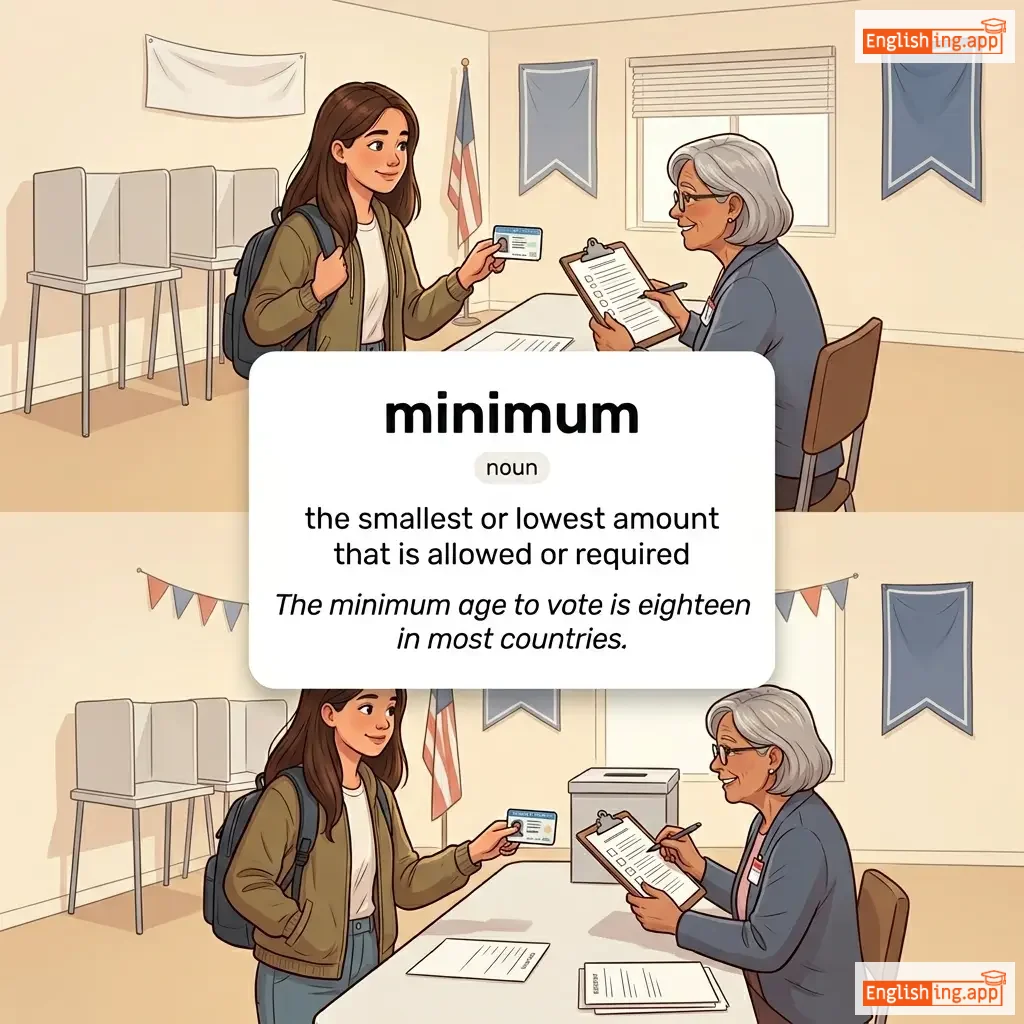
/ˈmɪn.ɪ.məm/
adjective
(ミニマム)
••••••
|
|
最小
saishō
••••••
|
the smallest or lowest amount; least possible
••••••
|
The minimum age requirement for this job is eighteen years.
この仕事の最小年齢要件は18歳です。
••••••
|
この仕事の最小年齢要件は18歳です。
Kono shigoto no saishō nenrei yōken wa 18-sai desu.
••••••
|
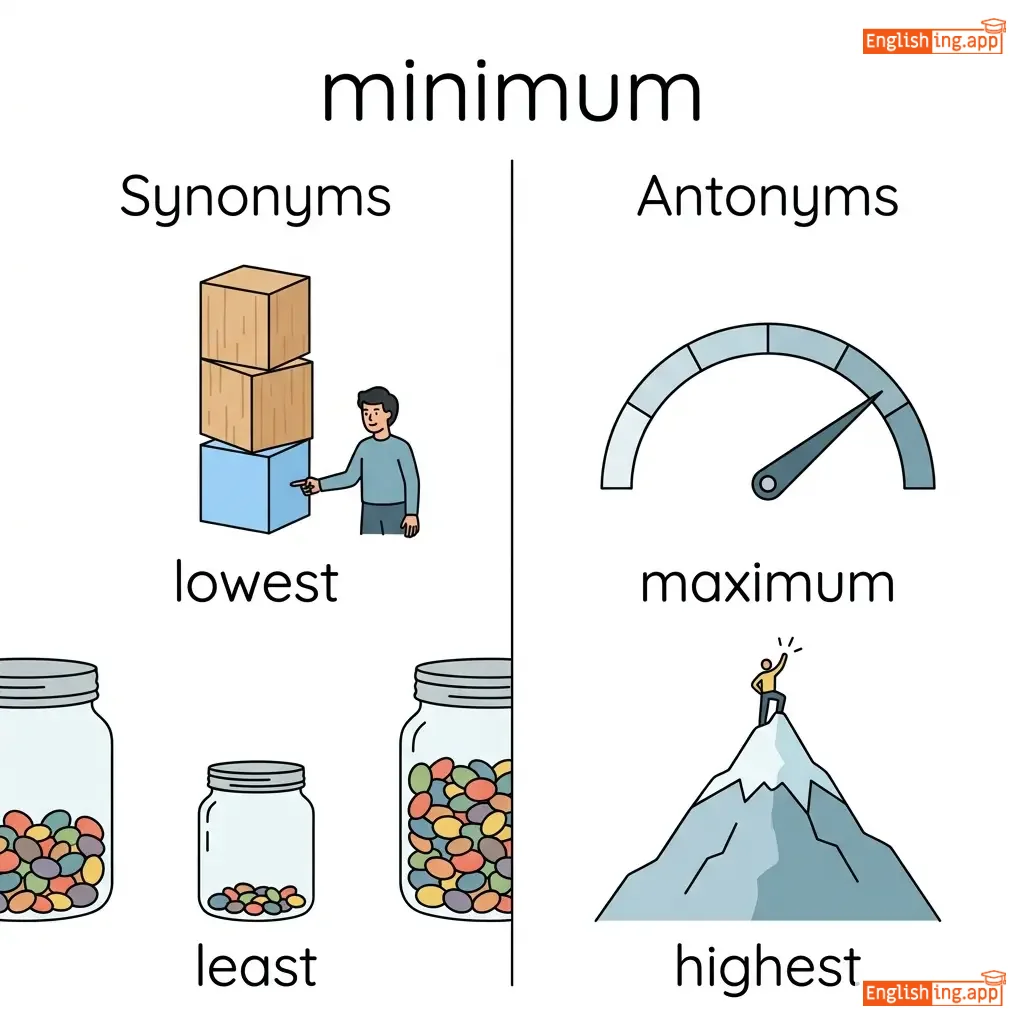
lowest, smallest, least, tiniest
••••••
|
maximum, highest, greatest, largest
••••••
|
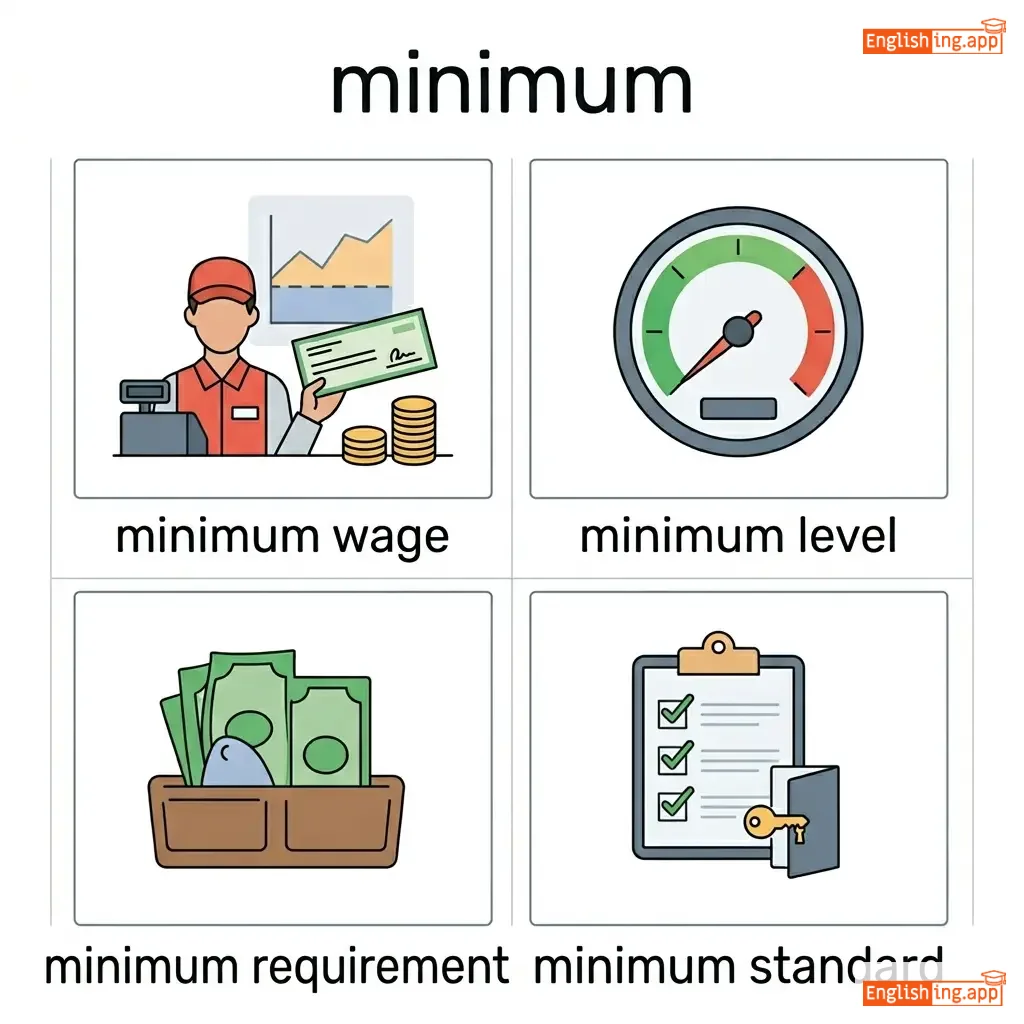
minimum wage, minimum requirement, minimum standard, minimum effort
••••••
|
Saishō sounds like 'say-show'. Imagine the least amount as the smallest possible 'show'.
••••••
|
|
#518
👨💼
|
/ˈmɪd.əl.eɪdʒd/
adjective
(ミドルエイジド)
••••••
|
- •••••• |
中年
chūnen
••••••
|
being of an age between young and old; typically between 40-60 years old
••••••
|
The middle-aged man started a new career.
中年の男性が新しいキャリアを始めた。
••••••
|
中年の男性が新しいキャリアを始めた。
Chūnen no dansei ga atarashī kyaria o hajimeta.
••••••
|
mature, adult, in one's forties or fifties
••••••
|
young, elderly, teenage
••••••
|
middle-aged man, middle-aged woman, middle-aged crisis
••••••
|
Middle-aged means 'chūnen' years, in between youth and old age.
••••••
|
|
#519
😢
|
/ˈmɪzərəbəl/
adjective
(ミゼラブル)
••••••
|
- •••••• |
惨め; 不幸; 苦しみを引き起こす
mijime; fukou; kurushimi o hikiokosu
••••••
|
very unhappy; wretched; causing suffering
••••••
|
He felt miserable after losing his job.
彼は仕事を失った後、ひどく落ち込んでいました。
••••••
|
彼は仕事を失った後、ひどく落ち込んでいました。
Kare wa shigoto o ushinatta ato, hidoku ochikonde imashita.
••••••
|
wretched, unhappy, sad, dejected
••••••
|
happy, joyful, cheerful, content
••••••
|
miserable weather, miserable life, feel miserable
••••••
|
Miserable sounds like 'misery', imagine a very sad, miserable situation to recall its meaning.
••••••
|
|
#520
⚖️
|
/ˈmɒrəl/
adjective
(モラル)
••••••
|
- •••••• |
道徳的; 倫理的; 美徳のある
moral
••••••
|
relating to principles of right and wrong behavior; ethical; virtuous
••••••
|
It is our moral duty to help those in need. |
困っている人々を助けることは、私たちの道徳的義務です。
Komatte iru hitobito o tasukeru koto wa, watashitachi no dōtokuteki gimu desu.
••••••
|
ethical, righteous, virtuous, principled, honorable
••••••
|
immoral, unethical, corrupt, wrong, evil
••••••
|
moral duty, moral support, moral values, moral responsibility
••••••
|
モラルは正しい行動を指し、常に良いことをするためのガイドラインです。
••••••
|
Vocabulary Quiz
Test your vocabulary by matching words with their translations or meanings.
Login to take the quiz
Comments (0)
Share your thoughts and join the discussion.
Join the discussion by logging in
Login to CommentNo comments yet
Be the first to share your thoughts!