

翻訳
過去
過去分詞
三人称単数
動名詞
意味
例文
例文の翻訳
同義語
対義語
コロケーション
ニーモニック
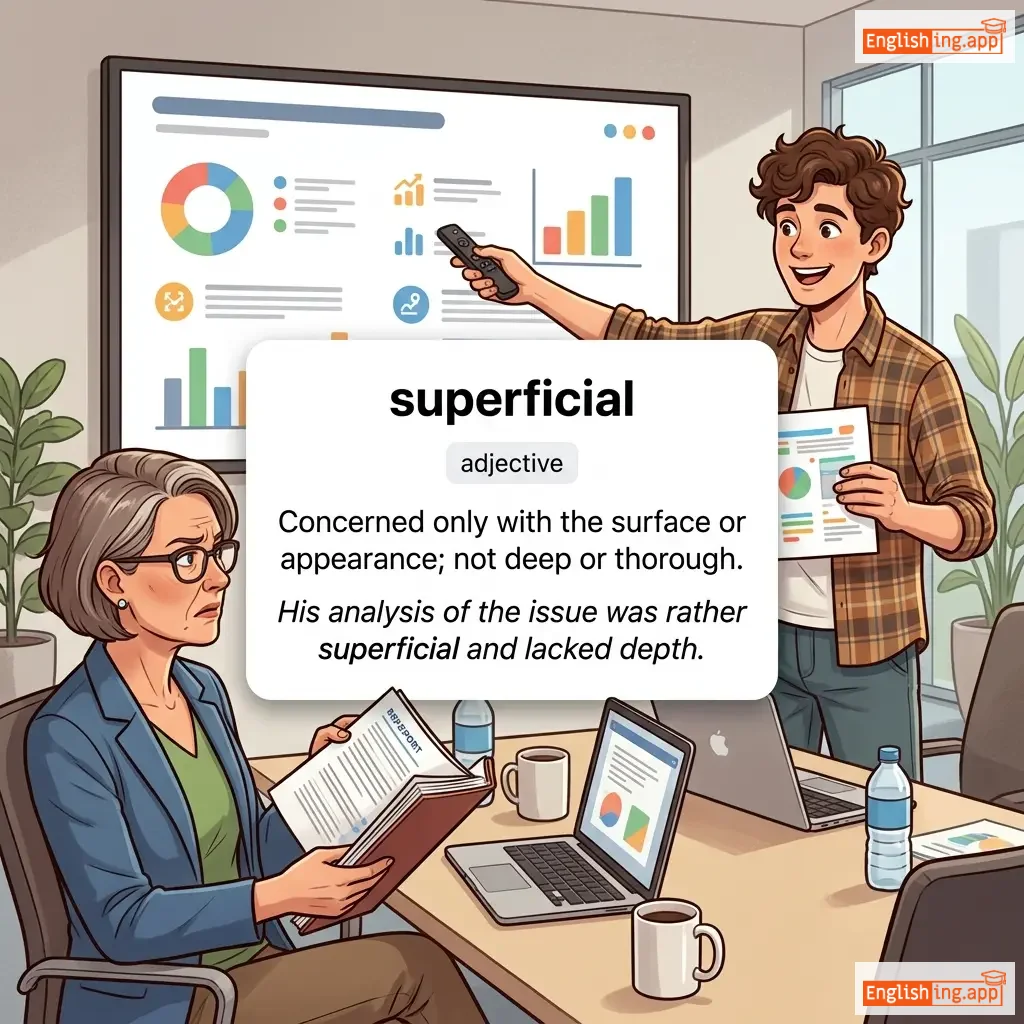
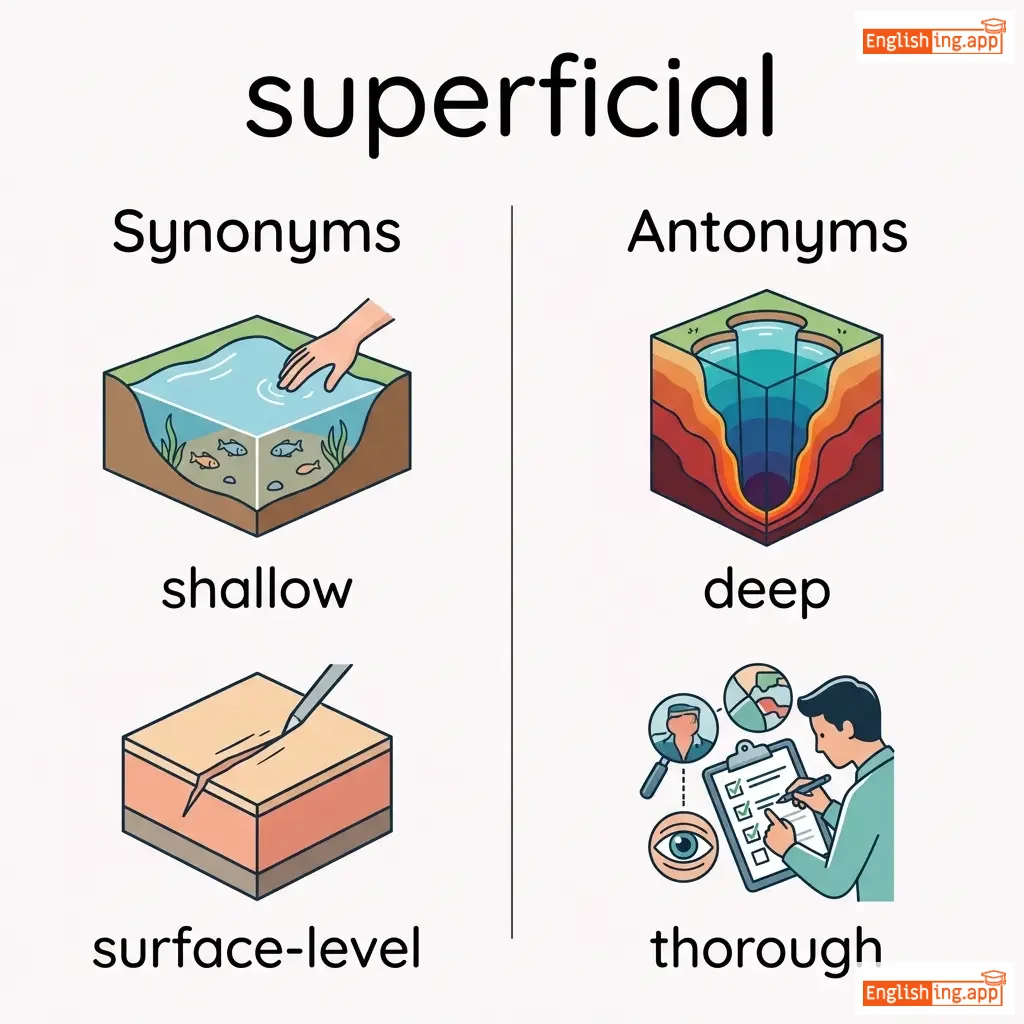
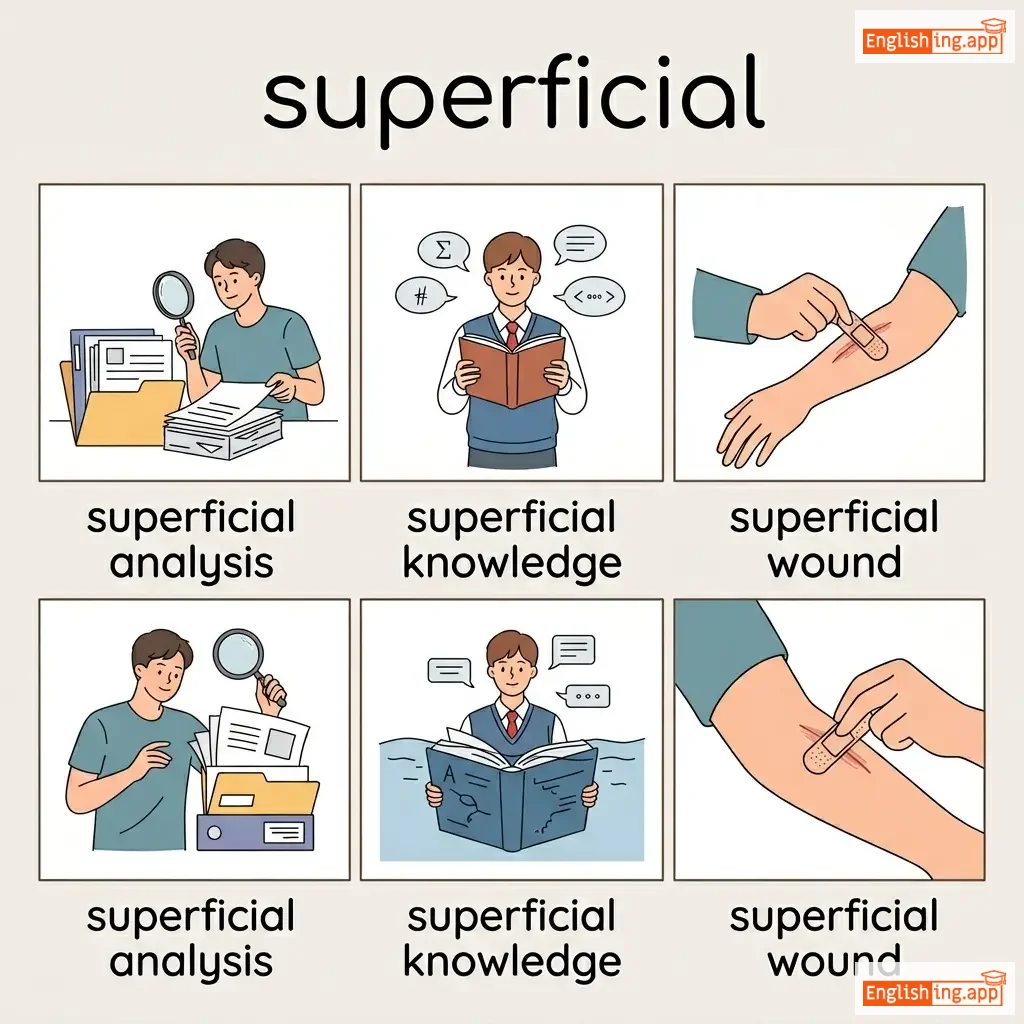
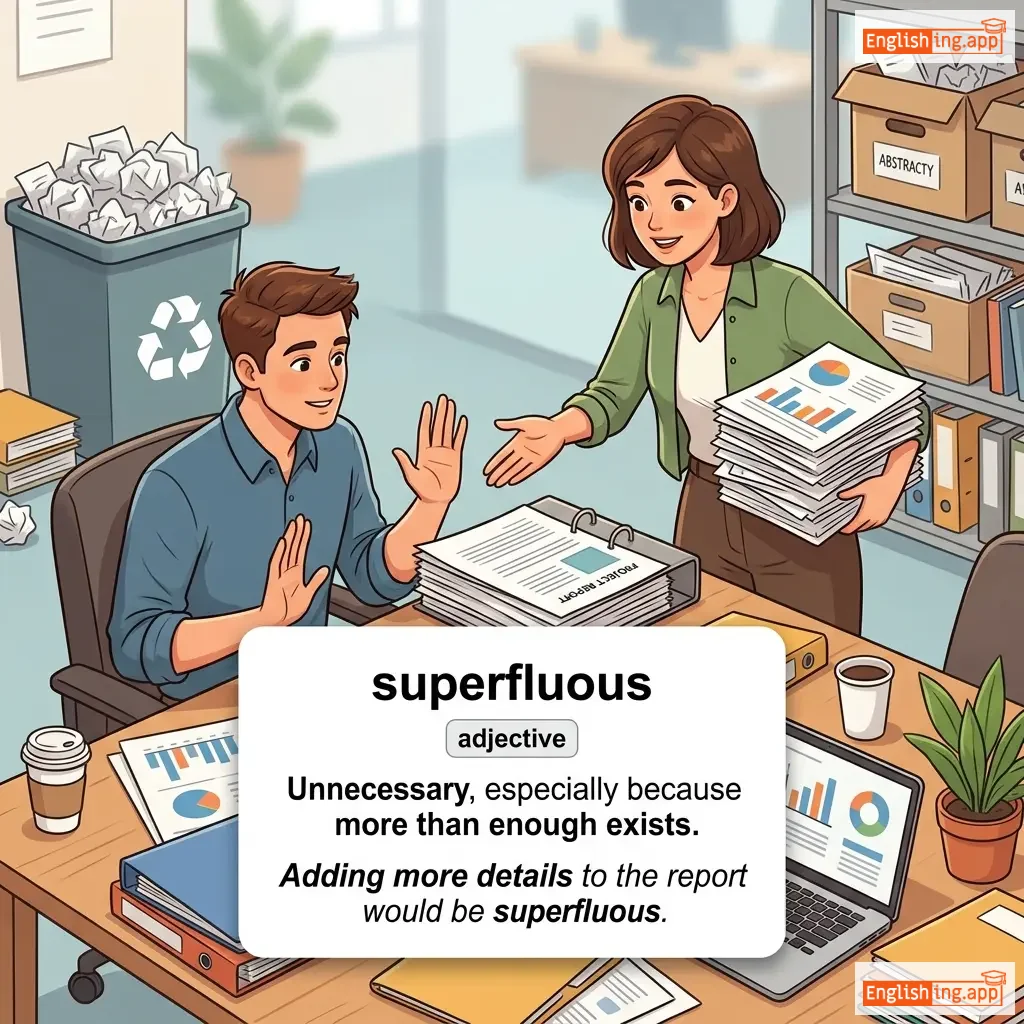
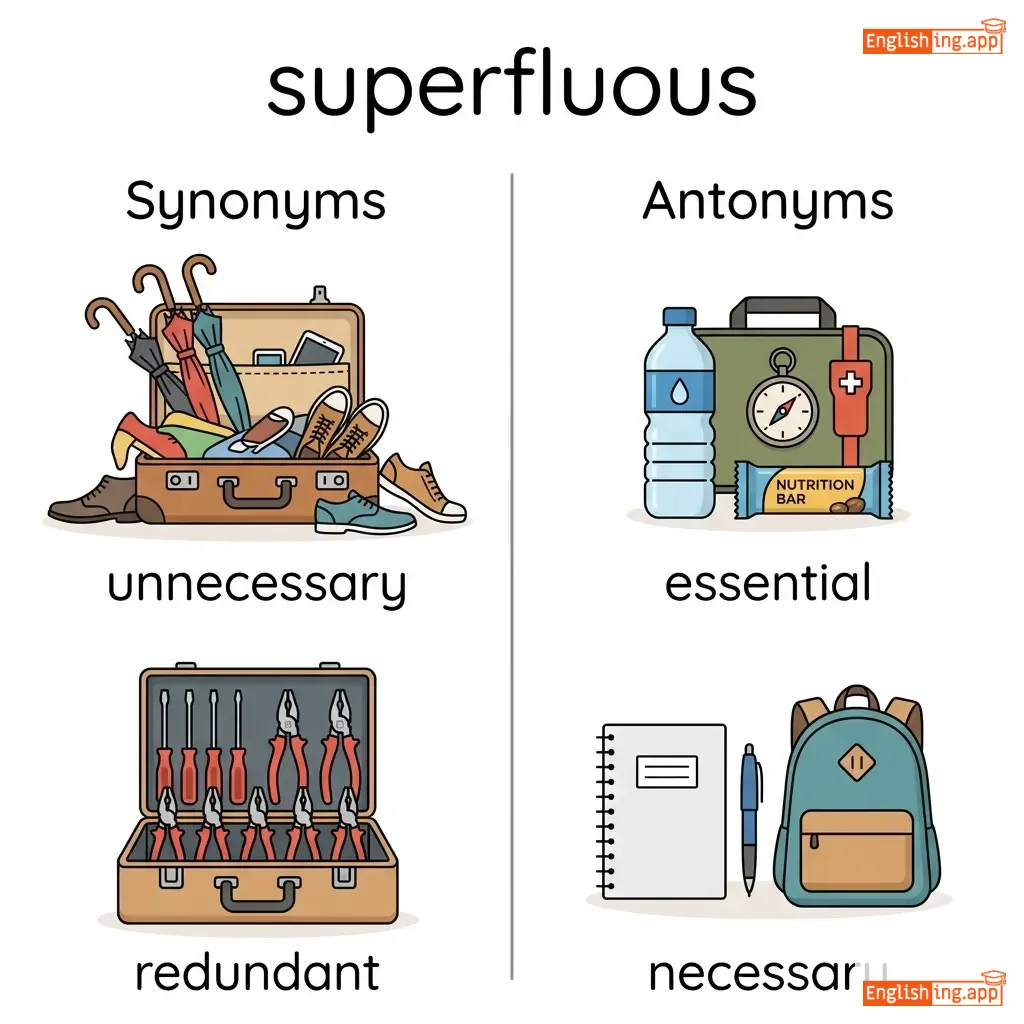
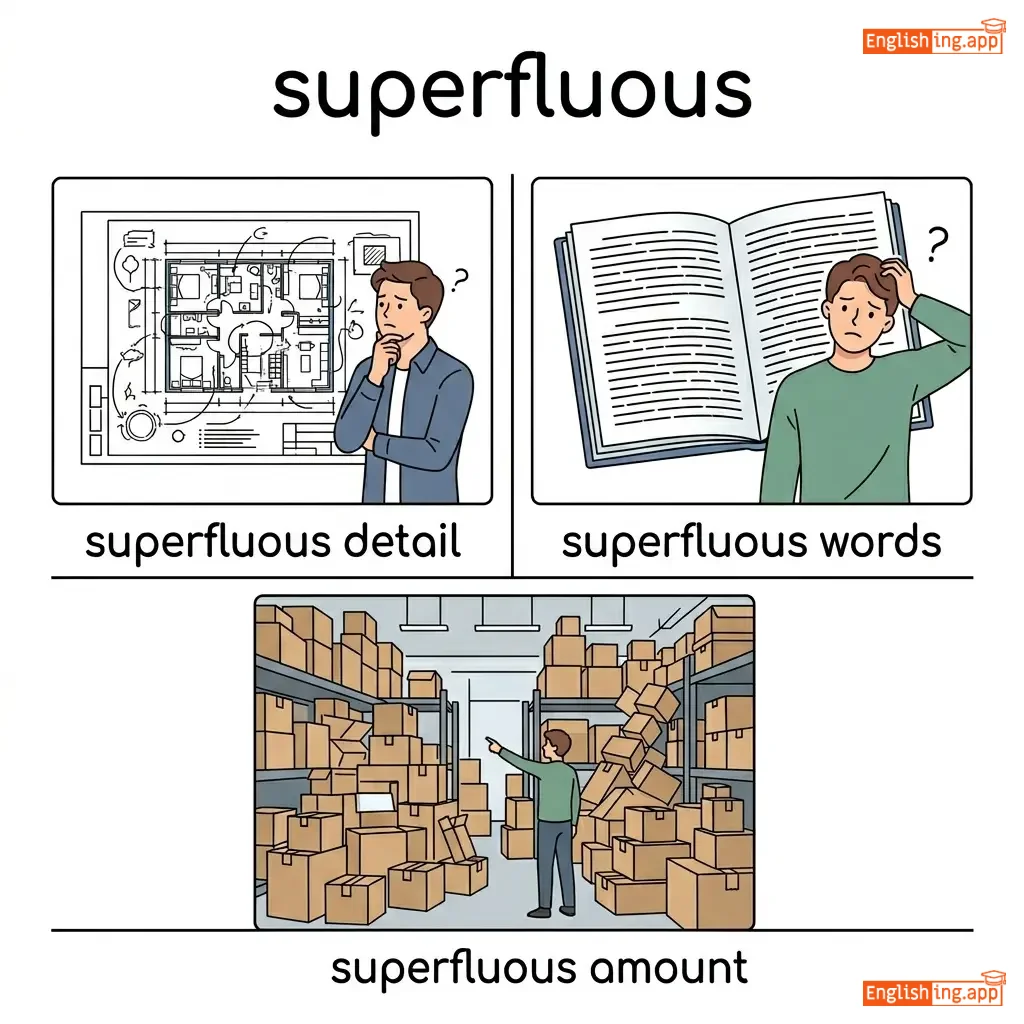
Swipe left or right, or use the buttons. Tap image to zoom.
例文の翻訳
単語
Lesson 45Lesson 45 - マスクトグル
|
絵文字
|
単語 | Images | 翻訳 | 意味 | 例文 | 例文の翻訳 | 同義語 | 対義語 | コロケーション | ニーモニック |
|---|---|---|---|---|---|---|---|---|---|---|
|
#881
🤗
|
/ˌsɪm.pəˈθet.ɪk/
adjective
(シンパセティック)
••••••
|
- •••••• |
思いやりのある; 理解力のある; 敏感な;
omoiyari no aru; rikai-ryoku no aru; binkan na;
••••••
|
showing compassion or understanding for someone's feelings or situation
••••••
|
She was very sympathetic when I told her about my problems. |
私が自分の問題について話したとき、彼女はとても思いやりがありました。
Watashi ga jibun no mondai ni tsuite hanashita toki, kanojo wa totemo omoiyari ga arimashita.
••••••
|
compassionate, understanding, caring, empathetic
••••••
|
unsympathetic, indifferent, cold, heartless
••••••
|
sympathetic ear, sympathetic listener, sympathetic response
••••••
|
シンパシーで心をつなげ、共感の力で支える。
••••••
|
|
#882
😤
|
/ˈsʌl.ki/
adjective
(サルキー)
••••••
|
- •••••• |
不機嫌で無口; 気分屋
fukigen de mukuchi; kibunya
••••••
|
bad-tempered and sullen; moody
••••••
|
The child became sulky when he couldn't get his favorite toy.
その子供はお気に入りのおもちゃが手に入らなかったとき、サルキーになった。
••••••
|
その子供はお気に入りのおもちゃが手に入らなかったとき、不機嫌になった。
Sono kodomo wa okiniiri no omocha ga te ni hairanakatta toki, fukigen ni natta.
••••••
|
moody, grumpy, petulant, sullen
••••••
|
cheerful, happy, pleasant, good-natured
••••••
|
sulky mood, sulky behavior, sulky child
••••••
|
サルキーな子供は何も言わずに座っている。
••••••
|
|
#883
🏆
|
/sər'pæs.ɪŋ/
adjective
(サーパッシング)
••••••
|
- •••••• |
卓越; 優れた; 非常に優れた
takuwetsu, sugureta, hijō ni sugureta
••••••
|
exceeding; going beyond; outstanding
••••••
|
Her surpassing beauty made everyone stop and stare.
彼女の卓越した美しさは、誰もが立ち止まり、見入ってしまった。
••••••
|
彼女の卓越した美しさは、誰もが立ち止まり、見入ってしまった。
Kanojo no takuwetsu shita utsukushisa wa, dare mo ga tachidomari, miitte shimatta.
••••••
|
exceeding, outstanding, extraordinary, exceptional
••••••
|
ordinary, mediocre, average, inferior
••••••
|
surpassing beauty, surpassing excellence, surpassing skill
••••••
|
卓越は他のすべてを超えること、目立つ美しさを持つことです。
••••••
|
|
#884
👻
|
/ˌsuː.pəˈnætʃ.ər.əl/
adjective
(スーパーナチュラル)
••••••
|
- •••••• |
超自然的な
suupaanachuraru
••••••
|
relating to things that cannot be explained by natural or scientific laws; beyond the normal or physical world
••••••
|
The old house was said to have supernatural powers.
その古い家には超自然的な力があると言われていた。
••••••
|
その古い家には超自然的な力があると言われていた。
Sono furui ie ni wa choushizen teki na chikara ga aru to iwarete ita
••••••
|
paranormal, mystical, otherworldly, unearthly
••••••
|
natural, normal, ordinary, earthly
••••••
|
supernatural powers, supernatural forces, supernatural beings
••••••
|
スーパーヒーローが NATURAL の世界を超える image で覚える: Supernatural の意味は 超自然的な力
••••••
|
|
#885
🤝
|
/ˈtækt.fəl/
adjective
(タクトフル)
••••••
|
- •••••• |
気配りのある; 巧妙な;
kikubari no aru; koumyou na;
••••••
|
showing skill and sensitivity in dealing with others or difficult situations
••••••
|
He gave a tactful response to avoid hurting her feelings. |
彼は彼女の感情を傷つけないように、気配りのある返答をした。
Kare wa kanojo no kanjou wo kizutsukenai you ni, kikubari no aru hentou wo shita.
••••••
|
diplomatic, discreet, considerate, polite
••••••
|
tactless, blunt, insensitive, rude
••••••
|
tactful approach, tactful manner, tactful response
••••••
|
気配り (kikubari) は、他人に気を使って答えること。
••••••
|
|
#886
☀️
|
/ˈsʌn.i/
adjective
(sani)
••••••
|
- •••••• |
晴れた; 楽観的な
hareta; rakkan-tekina
••••••
|
bright with sunlight; cheerful and optimistic
••••••
|
It's a beautiful sunny day perfect for a picnic. |
今日は素晴らしい晴れた日で、ピクニックに最適です。
Kyou wa subarashii hareta hi de, pikunikku ni saiteki desu.
••••••
|
bright, cheerful, radiant, clear
••••••
|
cloudy, gloomy, dark, overcast
••••••
|
sunny day, sunny weather, sunny disposition
••••••
|
Sunny in Japanese is bright, cheerful, and perfect for a picnic!
••••••
|
|
#887
😲
|
/sər'praɪzd/
adjective
(サープライズド)
••••••
|
- •••••• |
驚いた
odoroita
••••••
|
feeling or showing surprise; astonished
••••••
|
I was surprised to see my old friend at the market.
私は市場で古い友達を見て驚きました。
••••••
|
私は市場で古い友達を見て驚きました。
Watashi wa ichiba de furui tomodachi wo mite odoroimashita.
••••••
|
astonished, amazed, shocked, startled
••••••
|
unsurprised, expectant, prepared, anticipated
••••••
|
pleasantly surprised, quite surprised, genuinely surprised
••••••
|
驚いた時の顔を思い浮かべてください、驚きはその瞬間の感情です。
••••••
|
|
#888
✈️
|
/ˌsuː.pəˈsɒn.ɪk/
adjective
(スーパーソニック)
••••••
|
- •••••• |
音速より速い; 音速を超える速度に関連する
onsoku yori hayai; onsoku o koeru sokudo ni kanren suru
••••••
|
faster than the speed of sound; relating to speeds greater than the speed of sound
••••••
|
The supersonic jet broke the sound barrier. |
超音速ジェットは音の壁を破った。
Chōonsoku jetto wa oto no kabe o yabutta
••••••
|
ultra-fast, hypersonic, high-speed
••••••
|
subsonic, slow, sluggish
••••••
|
supersonic speed, supersonic aircraft, supersonic flight
••••••
|
音速を超える速さで壁を破る
••••••
|
|
#889
➕
|
/ˌsʌp.lɪˈmen.tər.i/
adjective
(サプリメンタリー)
••••••
|
- •••••• |
補足的な; 追加的な; 余分な
hosokuteki na; tsuikatekina; yobun na
••••••
|
completing or making an addition to something; additional; extra
••••••
|
Students need to buy supplementary books for the course.
学生はコースのために補助教材を購入する必要があります。
••••••
|
学生はコースのために補助教材を購入する必要があります。
gakusei wa kōsu no tame ni hojokyōzai o kōnyū suru hitsuyō ga arimasu.
••••••
|
additional, extra, complementary, auxiliary
••••••
|
primary, main, essential, basic
••••••
|
supplementary material, supplementary income, supplementary information
••••••
|
補足的な adds more to your learning, like extra books!
••••••
|
|
#890
😯
|
/sər'praɪz.ɪŋ/
adjective
(サプライズイング)
••••••
|
- •••••• |
驚くべき; 予想外の
odorokubeki; yosougai no
••••••
|
causing surprise; unexpected; remarkable
••••••
|
It's surprising how quickly children learn new languages. |
子供たちが新しい言語をどれだけ早く学ぶかは驚くべきことです。
Kodomo-tachi ga atarashī gengo o dore dake hayaku manabu ka wa odorokubeki koto desu.
••••••
|
astonishing, amazing, unexpected, remarkable
••••••
|
predictable, expected, ordinary, unsurprising
••••••
|
surprising news, surprising result, not surprising
••••••
|
驚くべき (surprising) は予想外 (unexpected) の結果です。
••••••
|
|
#891
⚡
|
/ˈsʌdən/
adjective
(サドン)
••••••
|
- •••••• |
突然の; 急な; 思いがけない;
totsuzen no; kyū na; omoigakenai
••••••
|
happening or done quickly and unexpectedly; abrupt
••••••
|
There was a sudden change in the weather. |
天気に突然の変化がありました。
tenki ni totsuzen no henka ga arimashita.
••••••
|
abrupt, unexpected, rapid, swift
••••••
|
gradual, slow, expected, planned
••••••
|
sudden change, sudden death, sudden movement
••••••
|
No •••••• |
|
#892
🏊♂️
|
/ˌsuː.pəˈfɪʃ.əl/
adjective
(スーパーフィシャル)
••••••
|
|
表面的; 浅い; 徹底的でない
hyōmēnteki; asai; tetteiteki denai
••••••
|
existing or occurring at or on the surface; shallow; not thorough or deep
••••••
|
His knowledge of the subject was only superficial. |
そのテーマについての彼の知識は表面的なものでした。
sono tēma ni tsuite no kare no chishiki wa hyōmēnteki na mono deshita
••••••
|
shallow, surface-level, cursory, skin-deep
••••••
|
deep, thorough, profound, comprehensive
••••••
|
superficial knowledge, superficial understanding, superficial wound
••••••
|
水面のように浅く、深くない。
••••••
|
|
#893
👑
|
/suːˈpriːm/
adjective
(スプリーム)
••••••
|
- •••••• |
最高の
saikō no
••••••
|
highest in rank, authority, or quality; greatest; most important
••••••
|
The Supreme Court made the final decision. |
最高裁判所は最終的な決定を下しました。
Saikō saiban-sho wa saishū-teki na kettei o kudashimashita
••••••
|
highest, ultimate, paramount, top
••••••
|
lowest, inferior, subordinate, minor
••••••
|
supreme court, supreme authority, supreme power
••••••
|
No •••••• |
|
#894
🗑️
|
/suːˈpɜː.flu.əs/
adjective
(スーパーフルーアス)
••••••
|
|
不必要な
suupaafuruuasu
••••••
|
unnecessary; excessive; more than what is needed
••••••
|
The long introduction was superfluous and should be removed.
長い導入は不必要で、削除されるべきだ。
••••••
|
長い導入は不必要で、削除されるべきだ。
Nagai dounyuu wa fuhitsuyoude, sakujo sareru bekida.
••••••
|
unnecessary, excessive, redundant, surplus
••••••
|
necessary, essential, required, needed
••••••
|
superfluous information, superfluous details, superfluous words
••••••
|
Super + Full + Us = スーパーフルーアス. Visualize a Super hero with a full bag labeled 'us' and realize this is too much.
••••••
|
|
#895
🤔
|
/sə'spɪʃ.əs/
adjective
(サスペシャス)
••••••
|
- •••••• |
疑わしい; 不審な
utagawashii, fushinna
••••••
|
having or showing distrust; doubtful; questionable
••••••
|
The police found his behavior very suspicious.
警察は彼の行動が非常に疑わしいと感じました。
••••••
|
警察は彼の行動が非常に疑わしいと感じました。
Keisatsu wa kare no kōdō ga hijō ni utagawashii to kanjimashita.
••••••
|
doubtful, questionable, dubious, distrustful
••••••
|
trusting, unsuspicious, certain, confident
••••••
|
suspicious behavior, suspicious activity, look suspicious
••••••
|
Suspiciousは日本語で疑わしい、警察が怪しい行動に疑いを持つ場合に使います。
••••••
|
|
#896
✅
|
/səˈfɪʃənt/
adjective
(サフィシエント)
••••••
|
- •••••• |
十分な; 目的に適した; 満足な
juubunna; mokuteki ni tekishita; manzoku na
••••••
|
enough; adequate for the purpose; satisfactory
••••••
|
We have sufficient time to complete the project.
私たちはプロジェクトを完了するための十分な時間があります。
••••••
|
私たちはプロジェクトを完了するための十分な時間があります。
Watashitachi wa purojekuto o kanryou suru tame no juubunna jikan ga arimasu.
••••••
|
enough, adequate, satisfactory, ample
••••••
|
insufficient, inadequate, lacking, deficient
••••••
|
sufficient time, sufficient evidence, sufficient funds
••••••
|
Sufficient in Japanese is 'juubunna' – just imagine 'juu' for enough in all things!
••••••
|
|
#897
✅
|
/ʃʊr/
adjective
(shur)
••••••
|
- •••••• |
確か; 確実に
tashika; kakujitsu ni
••••••
|
completely confident that something is true; certain; definitely true
••••••
|
I am sure that he will come tomorrow. |
私は彼が明日来ると確信しています。
watashi wa kare ga ashita kuru to kakushin shiteimasu
••••••
|
certain, confident, positive, definite
••••••
|
uncertain, doubtful, unsure, hesitant
••••••
|
make sure, sure thing, for sure
••••••
|
Japanese '確か' is very similar to English 'sure', meaning certain.
••••••
|
|
#898
👑
|
/suːˈpɪə.ri.ər/
adjective
(スーパーリア)
••••••
|
- •••••• |
優れている; 平均以上
sugureteiru; heikin ijō
••••••
|
higher in rank, quality, or importance; better than average
••••••
|
This product is superior to all others in the market. |
この製品は市場の他のすべての製品より優れています。
Kono seihin wa shijō no hoka no subete no seihin yori sugureteimasu.
••••••
|
better, excellent, outstanding, supreme
••••••
|
inferior, worse, lower, substandard
••••••
|
superior quality, superior performance, superior officer
••••••
|
Superior = すべてに優れている
••••••
|
|
#899
🍯
|
/swiːt/
adjective
(スウィート)
••••••
|
- •••••• |
甘い; 親切な; 魅力的な
amai, shinsetsu na, miryokuteki na
••••••
|
having a pleasant taste; kind and gentle; pleasing
••••••
|
She has a sweet voice that everyone loves to hear.
シー ハズ ア スウィート ボイス ザット エヴリワン ラブズ トゥ ヒア。
••••••
|
彼女は甘い声を持っていて、皆が聴きたがる。
Kanojo wa amai koe o motte ite, minna ga kikitaru.
••••••
|
pleasant, lovely, kind, gentle, sugary
••••••
|
bitter, sour, harsh, unpleasant, rude
••••••
|
sweet taste, sweet smell, sweet dreams, sweet person
••••••
|
Sweet is like 甘い, and 甘い means sweet!
••••••
|
|
#900
⚠️
|
/ˌsuːɪˈsaɪdəl/
adjective
(スイサイダル)
••••••
|
- •••••• |
自殺的
jisatsuteki
••••••
|
relating to or having thoughts of killing oneself; extremely dangerous or harmful
••••••
|
The reckless driving was suicidal behavior. |
無謀な運転は自殺的な行動でした。
Mubō na unten wa jisatsuteki na kōdō deshita.
••••••
|
self-destructive, dangerous, reckless, deadly
••••••
|
safe, careful, protective, life-affirming
••••••
|
suicidal thoughts, suicidal behavior, suicidal tendencies
••••••
|
自殺的は日本語で自殺を指し、英語のsuicidalと一致
••••••
|
Vocabulary Quiz
Test your vocabulary by matching words with their translations or meanings.
Login to take the quiz
Comments (0)
Share your thoughts and join the discussion.
Join the discussion by logging in
Login to CommentNo comments yet
Be the first to share your thoughts!