

翻訳
過去
過去分詞
三人称単数
動名詞
意味
例文
例文の翻訳
同義語
対義語
コロケーション
ニーモニック
Swipe left or right, or use the buttons. Tap image to zoom.
例文の翻訳
単語
Lesson 40Lesson 40 - マスクトグル
|
絵文字
|
単語 | Images | 翻訳 | 意味 | 例文 | 例文の翻訳 | 同義語 | 対義語 | コロケーション | ニーモニック |
|---|---|---|---|---|---|---|---|---|---|---|
|
#781
🌲
|
/ˈʃeɪ.di/
adjective
(shē-di)
••••••
|
- •••••• |
日陰の; 疑わしい; 不誠実な;
higasa no; utagawashī; fuseijitsuna
••••••
|
providing shade; dishonest; suspicious
••••••
|
The shady businessman made a suspicious deal. |
その日陰の商人は疑わしい取引をしました。
Sono higasa no shōnin wa utagawashī torihiki o shimashita.
••••••
|
suspicious, dishonest, dubious, questionable
••••••
|
honest, trustworthy, reliable, sunny
••••••
|
shady business, shady character, shady deal
••••••
|
日陰商人 - 疑わしい取引を常にする!
••••••
|
|
#782
🗓️
|
/ˈsiː.z ə n.əl/
adjective
(シーズナル)
••••••
|
- •••••• |
季節的
kisetsuteki
••••••
|
relating to or occurring in a particular season; changing according to the seasons
••••••
|
Many businesses hire seasonal workers during the holidays. |
多くの企業は休暇中に季節労働者を雇います。
Ōku no kigyō wa kyūka-chū ni kisetsu rōdō-sha o yatō shimasu.
••••••
|
periodic, cyclical, temporary, recurring
••••••
|
permanent, year-round, constant, steady
••••••
|
seasonal work, seasonal changes, seasonal depression, seasonal fruit
••••••
|
季節労働者は四季のように変化します。
••••••
|
|
#783
↔️
|
/ˈsep.ər.ət/
adjective
(セパレート)
••••••
|
- •••••• |
別々; 異なる; 個別; 分離
betsu betsu; kotonaru; kobetsu; bunri
••••••
|
distinct; not connected; individual; apart
••••••
|
Please keep your personal and professional lives separate.
個人的な生活とプロフェッショナルな生活は分けておいてください。
••••••
|
個人的な生活とプロフェッショナルな生活は分けておいてください。
Kojinteki na seikatsu to purofesshonaru na seikatsu wa wakete oite kudasai.
••••••
|
distinct, individual, independent, apart, detached
••••••
|
connected, joined, united, combined, together
••••••
|
separate rooms, separate ways, keep separate, completely separate
••••••
|
In Japanese, '別々' means separate, like keeping them distinct.
••••••
|
|
#784
😤
|
/ˈselfɪʃ/
adjective
(selfish)
••••••
|
- •••••• |
利己的
rikoteki
••••••
|
caring only about oneself rather than others
••••••
|
He was too selfish to share his food with others.
彼は他の人と食べ物を共有するにはあまりにも自己中心的だった。
••••••
|
彼は他の人と食べ物を共有するにはあまりにも自己中心的だった。
Kare wa hoka no hito to tabemono o kyōyū suru ni wa amari ni mo jikochūshinteki datta.
••••••
|
self-centered, egotistic, greedy, inconsiderate
••••••
|
selfless, generous, altruistic, considerate
••••••
|
selfish behavior, selfish person, selfish motives
••••••
|
利己的な人は、他人よりも自分のことを優先し、絶対に分け合おうとしません。
••••••
|
|
#785
🫨
|
/ˈʃeɪ.ki/
adjective
(sheiki)
••••••
|
- •••••• |
不安定な; 震える; 信頼できない; 弱い
fuanteina; furueru; shinraidekinai; yowai
••••••
|
unstable; trembling; unreliable; weak
••••••
|
His voice was shaky with nervousness. |
彼の声は緊張で震えていた。
Kare no koe wa kinchou de furueteita.
••••••
|
unstable, unsteady, trembling, wobbly
••••••
|
stable, steady, firm, solid
••••••
|
shaky hands, shaky foundation, shaky voice
••••••
|
緊張しているとき、声が'不安定'にshakyになる。
••••••
|
|
#786
🌍
|
/ˈsek.j ə.l ər/
adjective
(セキュラー)
••••••
|
- •••••• |
世俗的
sekyura
••••••
|
not connected with religious or spiritual matters; worldly
••••••
|
The country maintains a secular government that separates religion from politics.
その国は宗教と政治を分離する世俗的な政府を維持している。
••••••
|
その国は宗教と政治を分離する世俗的な政府を維持している。
sono kuni wa shukyou to seiji o bunri suru sezokuteki na seifu o iji shite iru
••••••
|
worldly, non-religious, temporal, civil
••••••
|
religious, spiritual, sacred, clerical
••••••
|
secular education, secular society, secular government, secular music
••••••
|
Sekyura: See-kyu-ra. Picture a globe 世界 wearing a badge reading 'Sec You Lar' to remind worldly not religious
••••••
|
|
#787
🔢
|
/ˈsɪr.i.əl/
adjective
(シリアル)
••••••
|
- •••••• |
連続した; シリアル
renzokushita; shiriaru
••••••
|
happening in a series; consecutive; arranged in order
••••••
|
The serial killer was finally caught after years of investigation.
シリアルキラーは長年の調査の後、ついに捕まった。
••••••
|
連続した殺人者は、長年の調査の後、ついに捕まった。
Renzokushita satsujin-sha wa, naganen no chosa no ato, tsuini tsukamatta.
••••••
|
consecutive, sequential, successive, continuous, ordered
••••••
|
random, scattered, disconnected, sporadic, isolated
••••••
|
serial number, serial killer, serial publication, serial drama
••••••
|
Serial killer caught after a series of events.
••••••
|
|
#788
💪
|
/self səˈfɪʃənt/
adjective
(セルフサフィシエント)
••••••
|
- •••••• |
自給自足
jikyuu jisoku
••••••
|
able to provide for oneself without depending on others
••••••
|
The farm is completely self-sufficient in producing vegetables. |
その農場は野菜の生産に完全に自給自足です。
Sono noujou wa yasai no seisan ni kanzen ni jikyuu jisoku desu.
••••••
|
independent, self-reliant, autonomous, self-supporting
••••••
|
dependent, reliant, needy, helpless
••••••
|
self-sufficient community, self-sufficient economy, self-sufficient lifestyle
••••••
|
他の助けを借りず、全て自分で行う農場のようなもの。
••••••
|
|
#789
🤩
|
/senˈseɪʃənəl/
adjective
(センセーショナル)
••••••
|
- •••••• |
センセーショナル; 印象的; 驚異的
sensēshonaru; inshō-teki; kyōiteki
••••••
|
causing great excitement or shock; extremely impressive
••••••
|
The sensational performance left the audience speechless.
そのセンセーショナルなパフォーマンスは観客を言葉を失わせました。
••••••
|
そのセンセーショナルなパフォーマンスは観客を言葉を失わせました。
sono sensēshonaru na pafōmansu wa kankyaku o kotoba o ushinawase mashita.
••••••
|
spectacular, amazing, extraordinary, remarkable
••••••
|
ordinary, boring, dull, unremarkable
••••••
|
sensational news, sensational story, sensational performance
••••••
|
センセーショナルなパフォーマンスで観客を驚かせる!
••••••
|
|
#790
😐
|
/ˈsɪr.i.əs/
adjective
(セリアス)
••••••
|
- •••••• |
真剣; 真面目; 重要;
shinken
••••••
|
thoughtful; grave; requiring careful consideration; not joking
••••••
|
This is a serious matter that needs immediate attention. |
これは即座に注意が必要な真剣な問題です。
Kore wa sokuzani chuui ga hitsuyou na shinken na mondai desu.
••••••
|
grave, solemn, earnest, thoughtful, critical
••••••
|
funny, lighthearted, casual, playful, humorous
••••••
|
serious problem, serious consideration, serious injury, serious business
••••••
|
真剣に取り組まなければならない重要な事柄。
••••••
|
|
#791
🔍
|
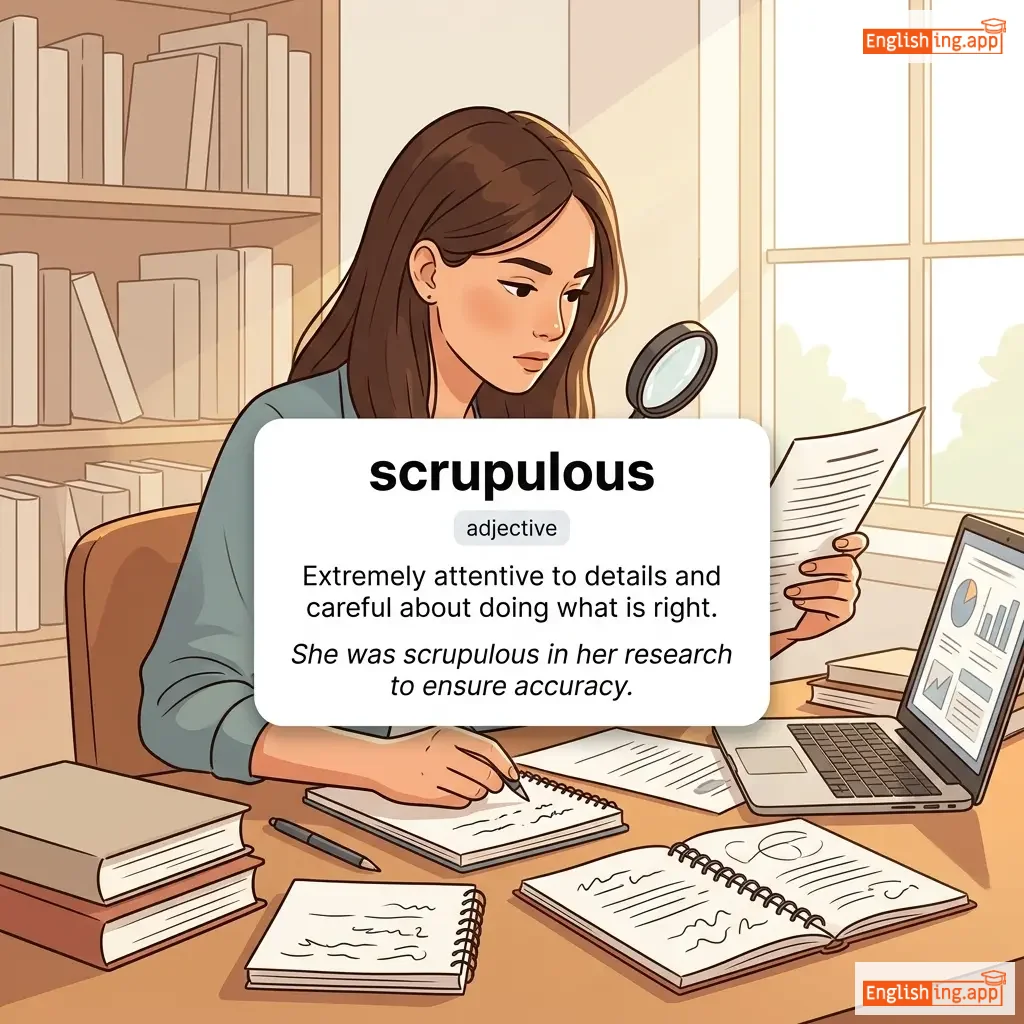
/ˈskruːpjələs/
adjective
(スクルーピュラス)
••••••
|
|
慎重な; 倫理的な; 良心的な
shinchou na; rinriteki na; ryoushin-teki na
••••••
|
extremely careful and precise; having moral integrity; conscientious
••••••
|
She was scrupulous about checking every detail before submitting the report.
彼女は報告書を提出する前に、すべての詳細を慎重に確認していました。
••••••
|
彼女は報告書を提出する前に、すべての詳細を慎重に確認していました。
Kanojo wa houkokusho o teishutsu suru mae ni, subete no shousai o shinchou ni kakunin shite imashita.
••••••
|
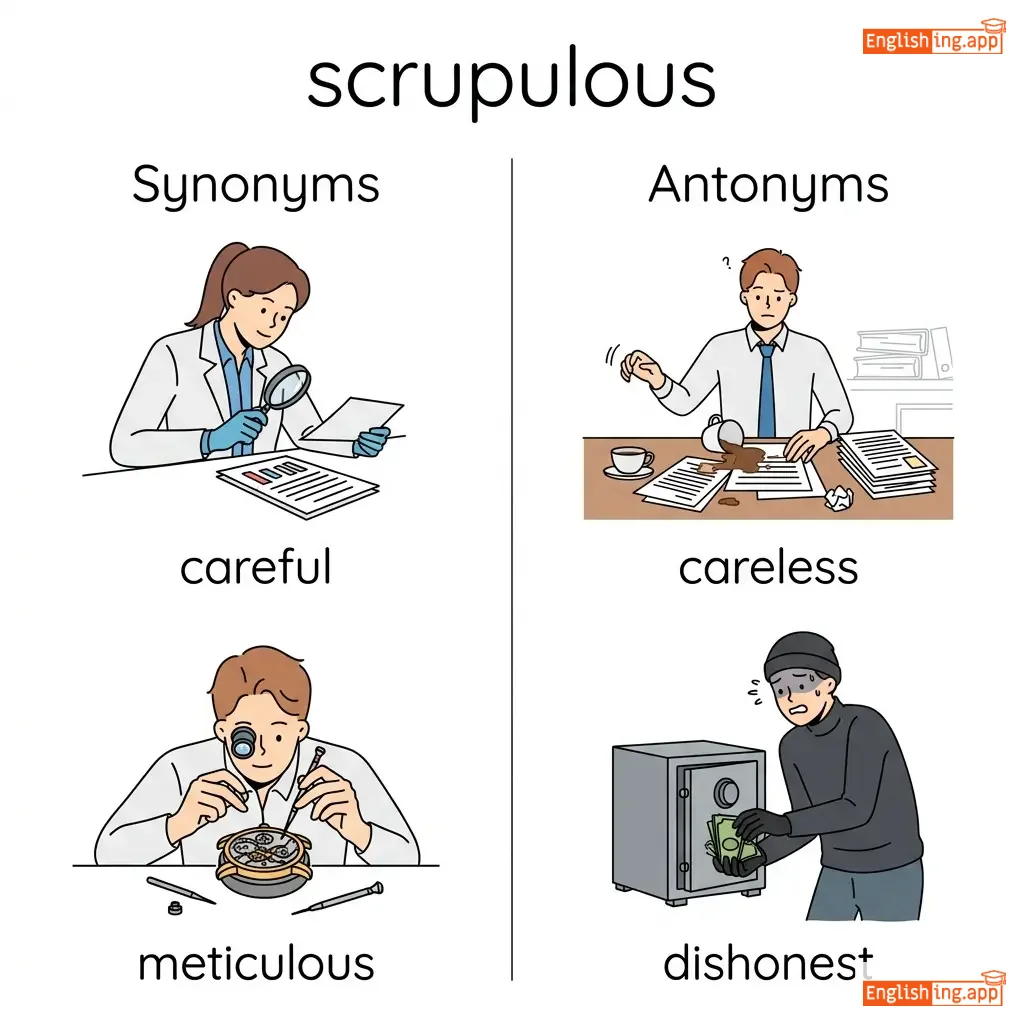
meticulous, thorough, careful, conscientious, precise
••••••
|
careless, sloppy, unscrupulous, negligent, reckless
••••••
|
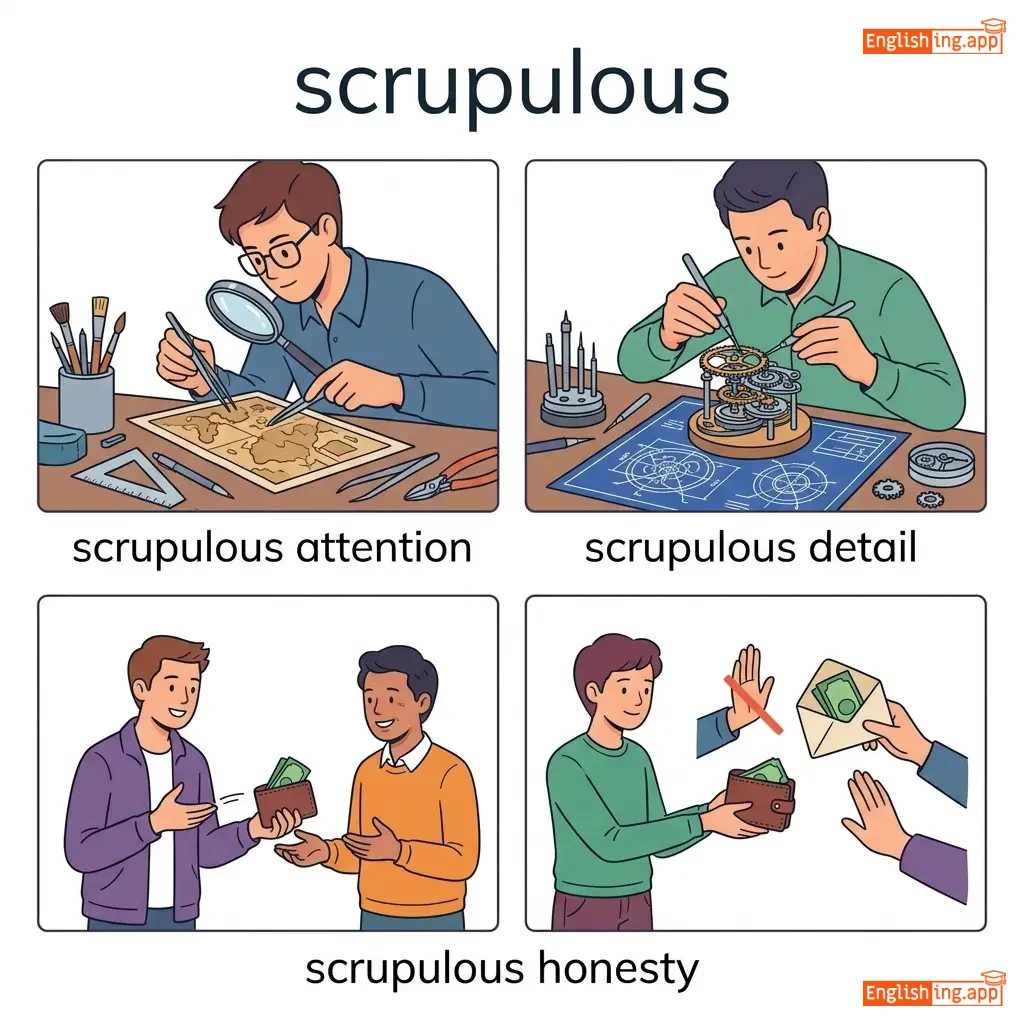
scrupulous attention, scrupulous care, scrupulous honesty, scrupulous detail
••••••
|
Imagine a person who checks every detail carefully, showing moral integrity.
••••••
|
|
#792
💪
|
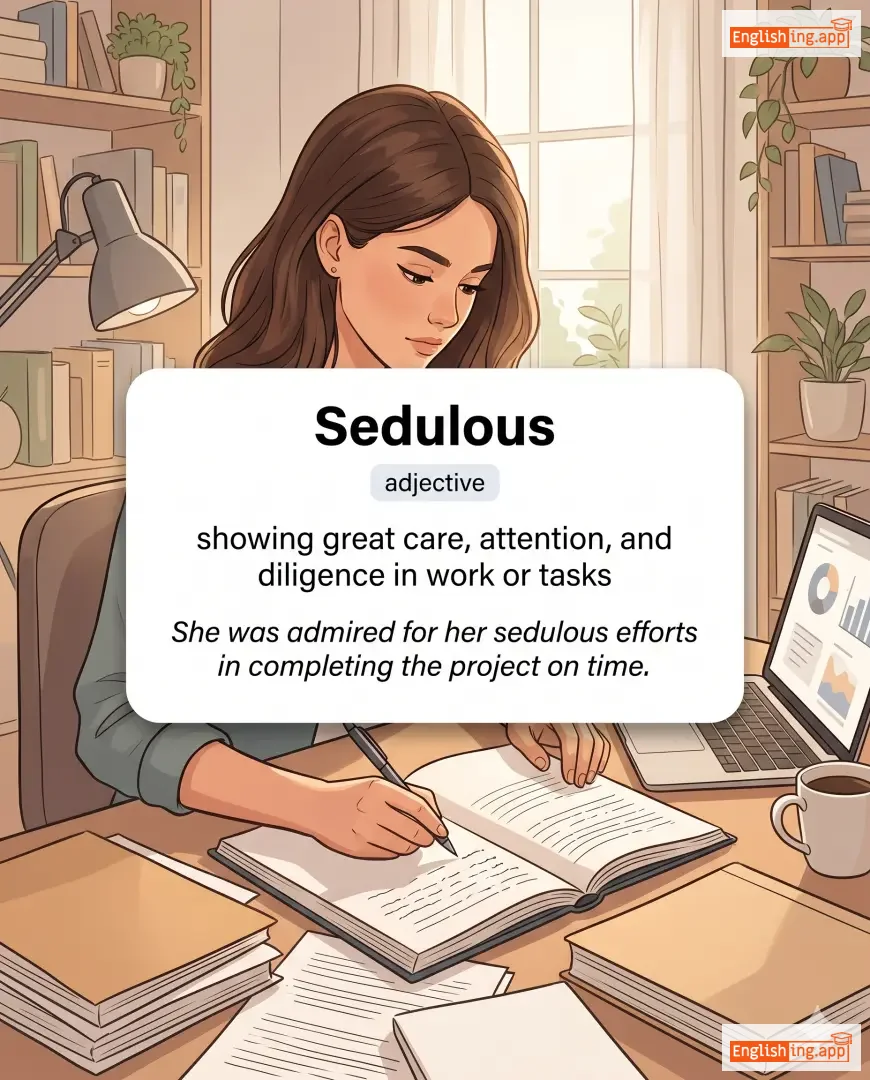
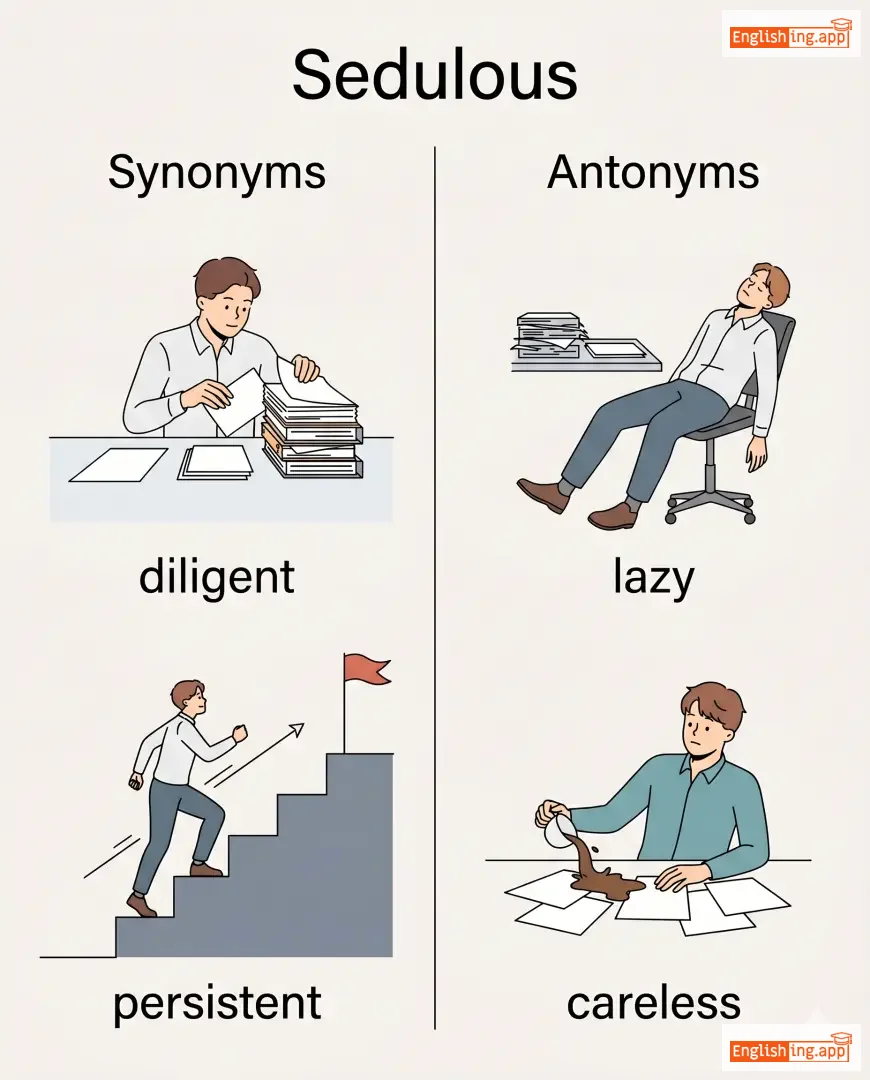
/ˈsed.j ə.l ə s/
adjective
(セデュラス)
••••••
|
|
勤勉な; 立派な;
kinben na; rippana;
••••••
|
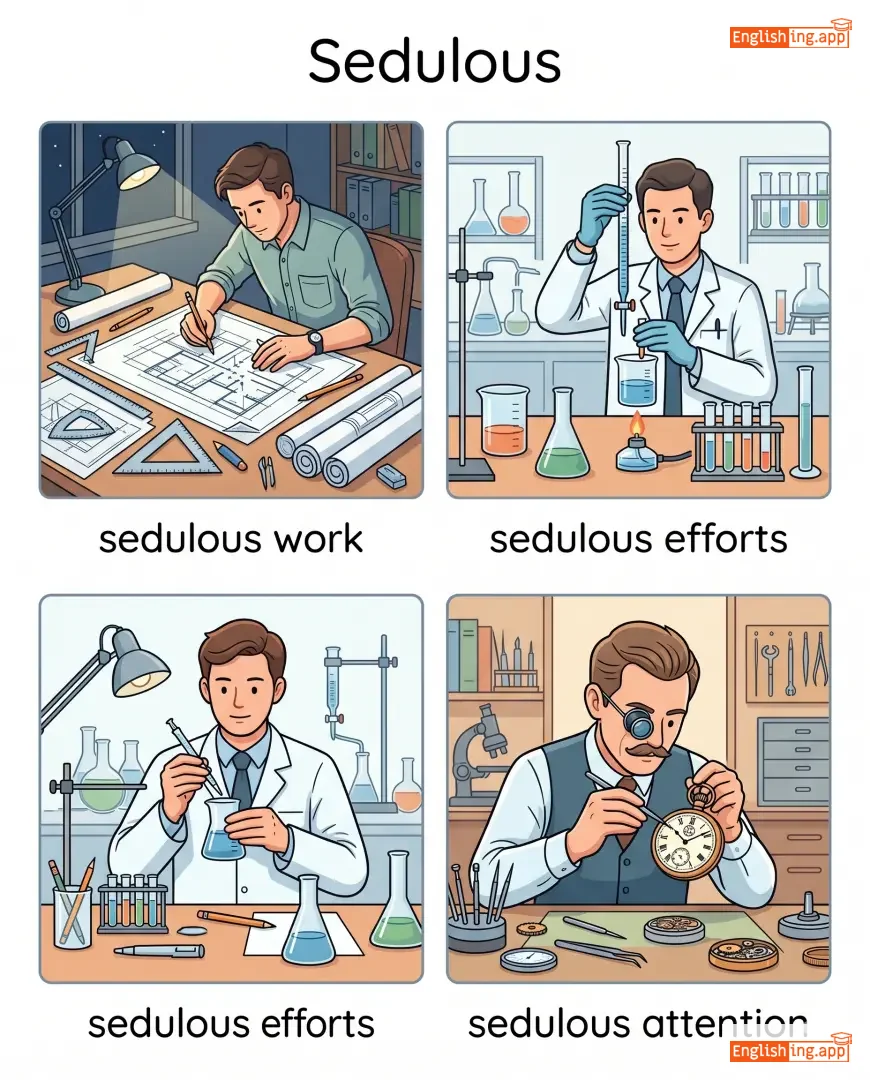
showing dedication and diligence; persistent and careful in work
••••••
|
She was sedulous in her research, spending hours in the library every day. |
彼女は研究に勤勉で、毎日図書館で何時間も過ごしていました。
Kanojo wa kenkyuu ni kinben de, mainichi toshokan de nanjikan mo sugoshite imashita.
••••••
|
diligent, industrious, persistent, assiduous
••••••
|
lazy, careless, negligent, idle
••••••
|
sedulous effort, sedulous attention, sedulous work, sedulous care
••••••
|
目標に対して粘り強く、注意深く努力すること
••••••
|
|
#793
🧐
|
/ˈsensəbəl/
adjective
(センスィブル)
••••••
|
- •••••• |
賢明な; 実用的な; 理にかなった
kenmei na; jitsuyōteki na; ri ni kanatta
••••••
|
having or showing good sense; practical and reasonable
••••••
|
It would be sensible to take an umbrella because it might rain. |
雨が降るかもしれないので、傘を持っていくのは賢明です。
Ame ga furu kamoshirenai node, kasa o motte iku no wa kenmei desu.
••••••
|
practical, reasonable, logical, wise
••••••
|
foolish, impractical, unreasonable, senseless
••••••
|
sensible decision, sensible choice, sensible person
••••••
|
賢明な選択は、雨を避けることです。
••••••
|
|
#794
🏚️
|
/ˈsiː.di/
adjective
(シーディ)
••••••
|
- •••••• |
種でいっぱい; 汚くて評判が悪い; 廃れた
tane de ippai; kitanakute hyouban ga warui; sutareta
••••••
|
squalid and disreputable; shabby and run-down; full of seeds
••••••
|
They avoided walking through the seedy part of town at night.
彼らは夜に街のシーディな部分を歩くのを避けていた。
••••••
|
彼らは夜に汚くて評判が悪い街の部分を歩くのを避けていた。
Karera wa yoru ni kitanakute hyouban ga warui machi no bubun o aruku no o sake te ita.
••••••
|
shabby, squalid, disreputable, run-down
••••••
|
respectable, clean, upscale, refined
••••••
|
seedy neighborhood, seedy hotel, seedy bar, seedy character
••••••
|
種でいっぱいで廃れた場所を思い浮かべて、この言葉を覚えよう。
••••••
|
|
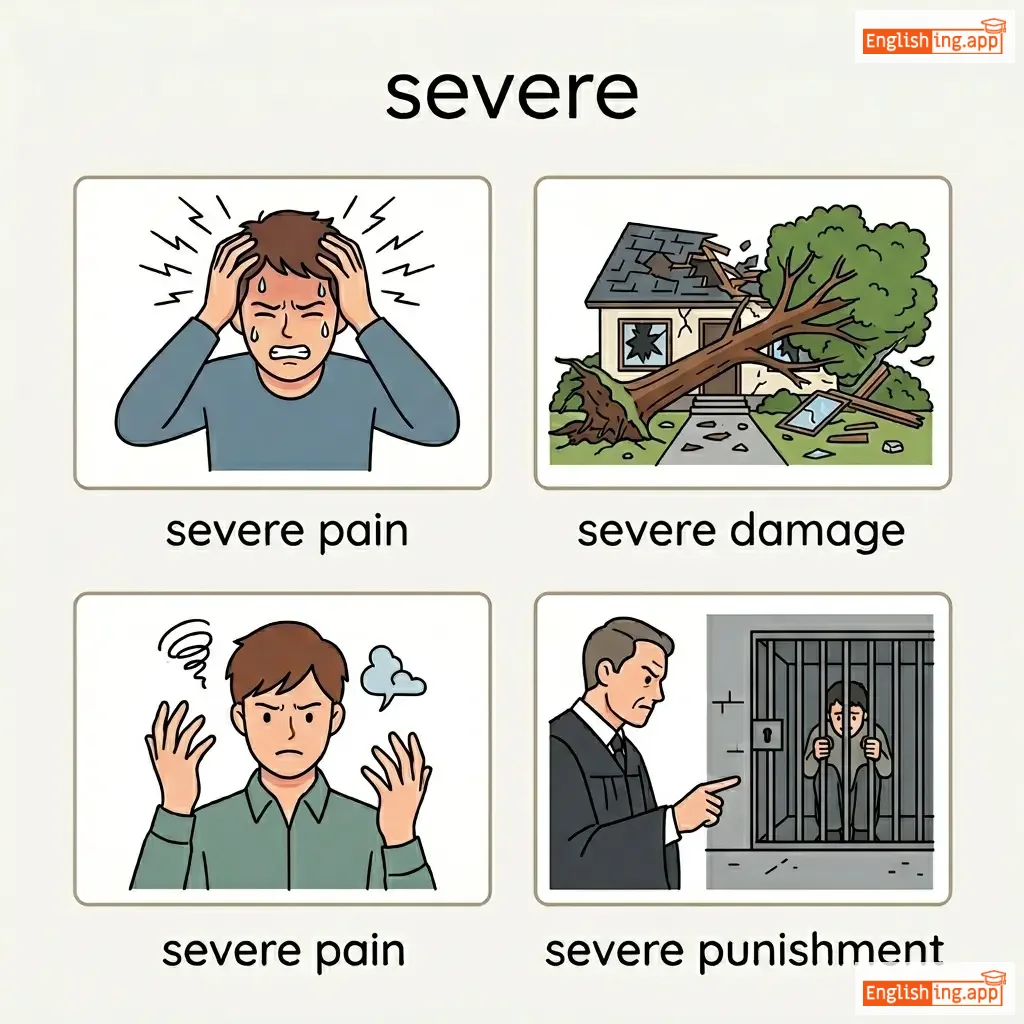
#795
⚡
|
/sɪˈvɪr/
adjective
(セヴェア)
••••••
|
|
厳しい; 厳格な; 重大な;
kibishii; kengaku na; jūdaina;
••••••
|
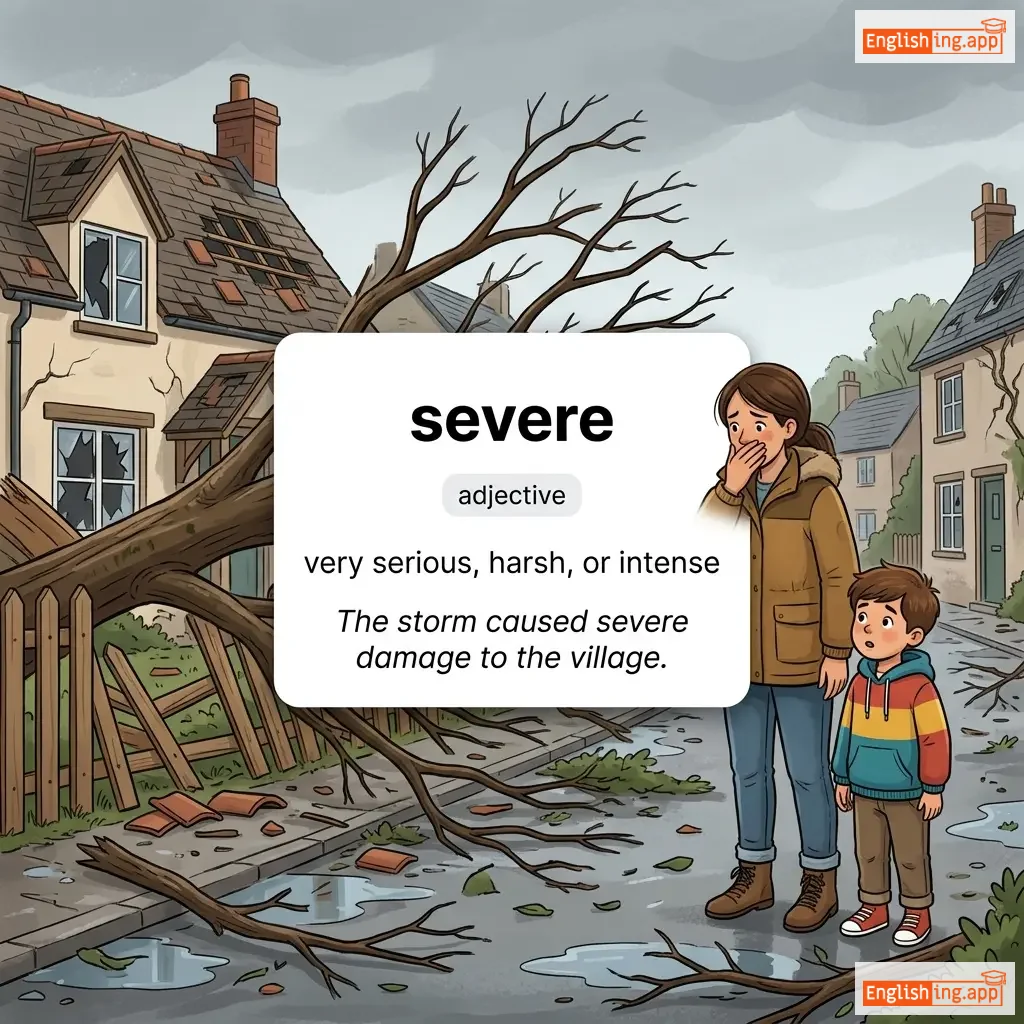
very harsh; strict; extreme; causing great pain or difficulty
••••••
|
The severe weather warning advised people to stay indoors. |
厳しい天気予報は、人々に屋内にいるように警告しました。
Kibishī tenki yohō wa, hitobito ni okunai ni iru yō ni keikoku shimashita.
••••••
|
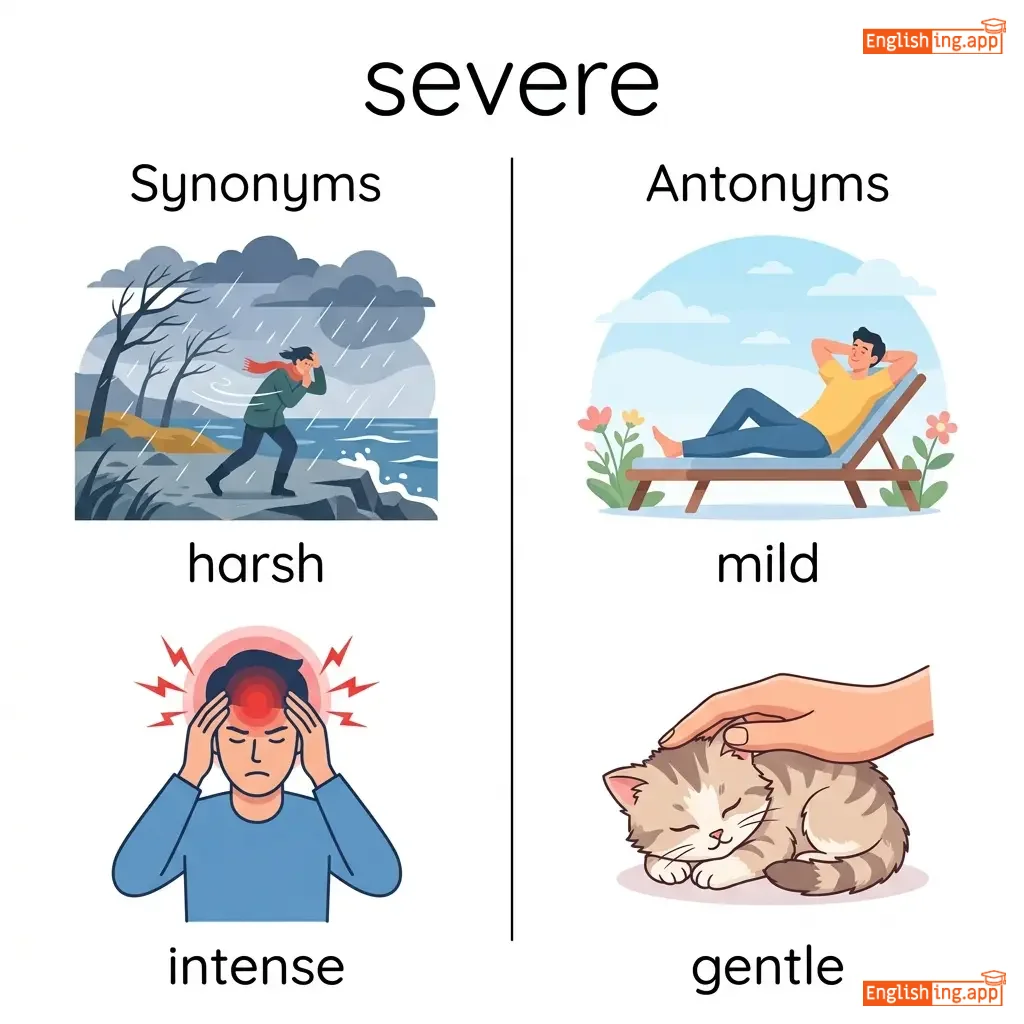
harsh, strict, extreme, intense, rigorous
••••••
|
mild, gentle, lenient, moderate, easy
••••••
|
severe weather, severe punishment, severe pain, severe criticism
••••••
|
厳しい天候は、私たちに極端な痛みを与えるような警告です。
••••••
|
|
#796
🔥
|
/sɪər/
adjective
(シア)
••••••
|
- •••••• |
枯れた; 焼けた; 乾燥した
kareta; yaketa; kansou shita
••••••
|
withered; dried up; burned or scorched
••••••
|
The sear leaves fell from the trees in autumn.
秋に枯れた葉が木から落ちました。
••••••
|
秋に枯れた葉が木から落ちました。
Aki ni karetā ha ga ki kara ochimashita.
••••••
|
withered, dried, scorched, burned, parched
••••••
|
fresh, green, moist, hydrated, lush
••••••
|
sear leaves, sear grass, sear heat, sear wind
••••••
|
秋の枯れ葉のように落ちる。
••••••
|
|
#797
😥
|
/ˌsen.tɪˈmen.təl/
adjective
(センチメンタル)
••••••
|
- •••••• |
感傷的な
kanshoutekina
••••••
|
having tender feelings; being emotional about memories or experiences
••••••
|
She became sentimental when looking at old family photographs.
彼女は昔の家族写真を見て感傷的になった。
••••••
|
彼女は昔の家族写真を見て感傷的になった。
kanojo wa mukashi no kazoku shashin o mite kanshouteki ni natta.
••••••
|
emotional, nostalgic, romantic, tender
••••••
|
practical, unemotional, realistic, rational
••••••
|
sentimental value, sentimental journey, sentimental memories
••••••
|
Sense memory tale: a tiny photo album that makes you cry, センチメンタルのイメージ
••••••
|
|
#798
🎯
|
/sɪˈlek.tɪv/
adjective
(セレクティブ)
••••••
|
- •••••• |
選択的
sentakuteki
••••••
|
relating to or involving careful selection; choosy about what to accept
••••••
|
The university has a selective admission process for new students.
大学には新入生のための選択的な入学プロセスがあります。
••••••
|
大学には新入生のための選択的な入学プロセスがあります。
Daigaku ni wa shinnyuusei no tame no sentakuteki na nyuugaku purosesu ga arimasu.
••••••
|
choosy, particular, discriminating, exclusive
••••••
|
indiscriminate, random, inclusive, accepting
••••••
|
selective admission, selective memory, selective breeding, selective service
••••••
|
選択する (sentaku) という意味
••••••
|
|
#799
👕
|
/ˈʃæb.i/
adjective
(shabi)
••••••
|
- •••••• |
ボロボロの; ひどい状態の; 使い古された痕跡がある; 不公平または残酷
boroboro no; hidoi jōtai no; tsukai furusareta atatsuki ga aru; fukōhei mata wa zankoku
••••••
|
worn out; in poor condition; showing signs of wear; unfair or mean
••••••
|
His shabby clothes showed that he had been traveling for days. |
彼のボロボロの服は、彼が数日間旅行していたことを示していた。
Kare no boroboro no fuku wa, kare ga sūjitsukan ryokō shite ita koto o shimeshite ita.
••••••
|
worn, tattered, ragged, dilapidated, threadbare
••••••
|
new, pristine, elegant, well-maintained, fresh
••••••
|
shabby clothes, shabby treatment, shabby appearance, shabby hotel
••••••
|
ボロボロの服; 旅行中の疲れた旅人
••••••
|
|
#800
⏰
|
/ˈsiːzənəbəl/
adjective
(シーズンアブル)
••••••
|
- •••••• |
季節に適した
kisetsu ni tekishita
••••••
|
occurring at the right time; appropriate for the season; timely
••••••
|
The seasonable rain helped the farmers with their crops. |
季節の雨が農家の作物を助けました。
Kisetsu no ame ga nōka no sakumotsu o tasukemashita
••••••
|
timely, appropriate, opportune, suitable, fitting
••••••
|
untimely, inappropriate, unseasonable, ill-timed, unsuitable
••••••
|
seasonable weather, seasonable advice, seasonable crops, seasonable temperature
••••••
|
No •••••• |
Vocabulary Quiz
Test your vocabulary by matching words with their translations or meanings.
Login to take the quiz
Comments (0)
Share your thoughts and join the discussion.
Join the discussion by logging in
Login to CommentNo comments yet
Be the first to share your thoughts!