

翻訳
過去
過去分詞
三人称単数
動名詞
意味
例文
例文の翻訳
同義語
対義語
コロケーション
ニーモニック
Swipe left or right, or use the buttons. Tap image to zoom.
例文の翻訳
単語
Lesson 35Lesson 35 - マスクトグル
|
絵文字
|
単語 | Images | 翻訳 | 意味 | 例文 | 例文の翻訳 | 同義語 | 対義語 | コロケーション | ニーモニック |
|---|---|---|---|---|---|---|---|---|---|---|
|
#681
😎
|
/ˈreɪ.kɪʃ/
adjective
(レイキッシュ)
••••••
|
- •••••• |
魅力的な
miryokuteki na
••••••
|
having a dashing, jaunty, or slightly disreputable quality or appearance
••••••
|
He wore his hat at a rakish angle that gave him a charming appearance.
彼はレイキッシュな角度で帽子をかぶって、魅力的な外見を与えた。
••••••
|
彼は魅力的な角度で帽子をかぶって、魅力的な外見を与えた。
Kare wa miryokuteki na kado de boushi o kabutte, miryokuteki na gaiken o ataeta.
••••••
|
dashing, jaunty, stylish, debonair
••••••
|
conservative, proper, modest, demure
••••••
|
rakish angle, rakish charm, rakish smile, rakish appearance
••••••
|
この単語を魅力的に見える方法で帽子をかぶった人物と関連付けて覚えましょう。
••••••
|
|
#682
🔴
|
/red/
adjective
(レッド)
••••••
|
- •••••• |
赤
aka
••••••
|
having the color of blood or fire; of the color red
••••••
|
She wore a beautiful red dress to the party.
彼女はパーティーに美しい赤いドレスを着ていた。
••••••
|
彼女はパーティーに美しい赤いドレスを着ていた。
Kanojo wa pāti ni utsukushī akai doresu o kite ita.
••••••
|
scarlet, crimson, cherry, ruby
••••••
|
green, blue, white
••••••
|
red rose, red carpet, red light, red wine
••••••
|
赤は血と火の色です。
••••••
|
|
#683
🧠
|
/ˈræʃ.ən.əl/
adjective
(ラショナル)
••••••
|
- •••••• |
合理的な; 論理的な; 理にかなった
gōriteki na; ronriteki na; ri ni kanatta
••••••
|
based on reason and logic; sensible and practical
••••••
|
She made a rational decision based on the available facts.
彼女は利用可能な事実に基づいて合理的な決定を下しました。
••••••
|
彼女は利用可能な事実に基づいて合理的な決定を下しました。
Kanojo wa riyō kanō na jijitsu ni motozuite gōriteki na kettei o kudashimashita.
••••••
|
logical, sensible, reasonable, sound, practical
••••••
|
irrational, illogical, unreasonable, emotional
••••••
|
rational thinking, rational decision, rational approach, rational explanation
••••••
|
Rational is like when you use logic to make practical and smart choices.
••••••
|
|
#684
😤
|
/rɪˈbel.jəs/
adjective
(リベリオス)
••••••
|
- •••••• |
反抗的な; 不従順な; 権威に反発する;
hankōteki na
••••••
|
defying authority; resisting control; disobedient;
••••••
|
The rebellious teenager refused to follow his parents' rules. |
反抗的なティーンエイジャーは、両親の規則に従うことを拒否した。
Hankōteki na tīneijā wa, ryōshin no kisoku ni shitagau koto o kyohi shita.
••••••
|
defiant, disobedient, unruly, insubordinate
••••••
|
obedient, compliant, submissive, conforming
••••••
|
rebellious teenager, rebellious spirit, rebellious behavior, rebellious attitude
••••••
|
反抗的なティーンエイジャーは規則に従わない!
••••••
|
|
#685
🎲
|
/ˈræn.dəm/
adjective
(ランダム)
••••••
|
- •••••• |
ランダム
randamu
••••••
|
made, done, happening, or chosen without method or conscious decision
••••••
|
The teacher chose a random student to answer the question.
教師はランダムに生徒を選んで質問に答えさせました。
••••••
|
教師はランダムに生徒を選んで質問に答えさせました。
Kyōshi wa randamu ni seito o erande shitsumon ni kotaesemashita.
••••••
|
arbitrary, chance, haphazard, casual
••••••
|
systematic, planned, deliberate, ordered
••••••
|
random sample, random number, random selection, random order
••••••
|
ランダムな選択、サイコロのようなもの (Random choice, like rolling a die)
••••••
|
|
#686
📉
|
/rɪˈdjuːst/
adjective
(リデュースド)
••••••
|
|
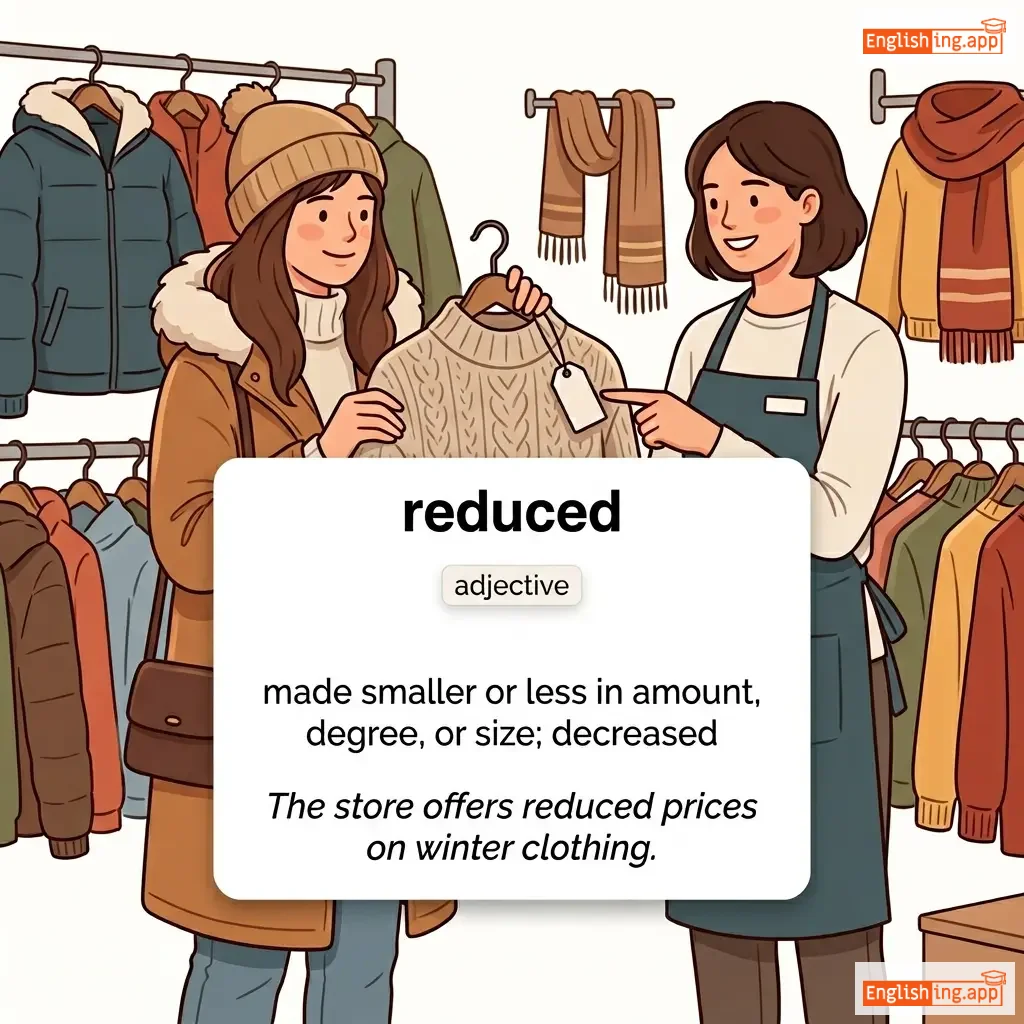
減少された; 小さくされた; 制限された
genshō sareta; chiisaku sareta; seigen sareta
••••••
|
made smaller or less in amount, degree, or size; decreased
••••••
|
The store offers reduced prices on winter clothing. |
店は冬服の価格を減少させた。
Mise wa fuyu fuku no kakaku o genshō sa seta.
••••••
|
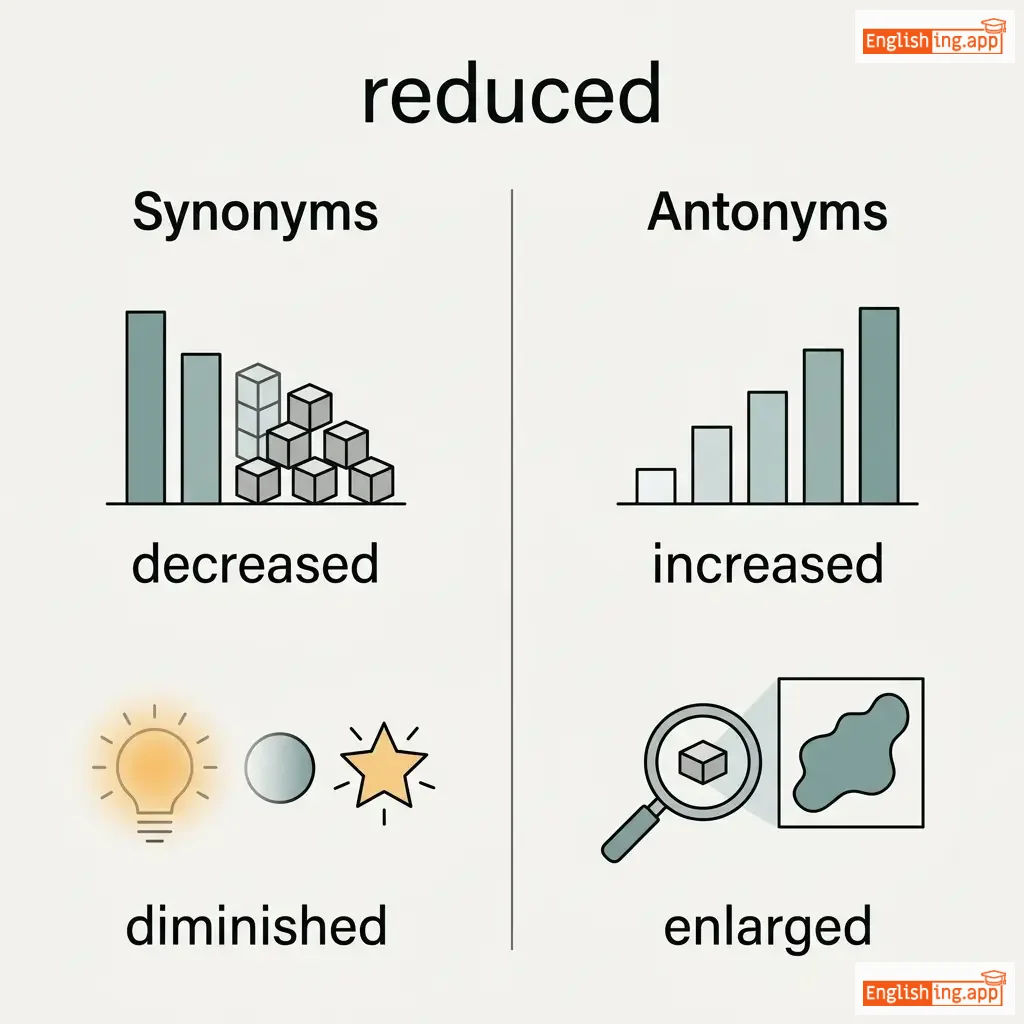
decreased, diminished, lowered, cut
••••••
|
increased, enlarged, expanded, raised
••••••
|
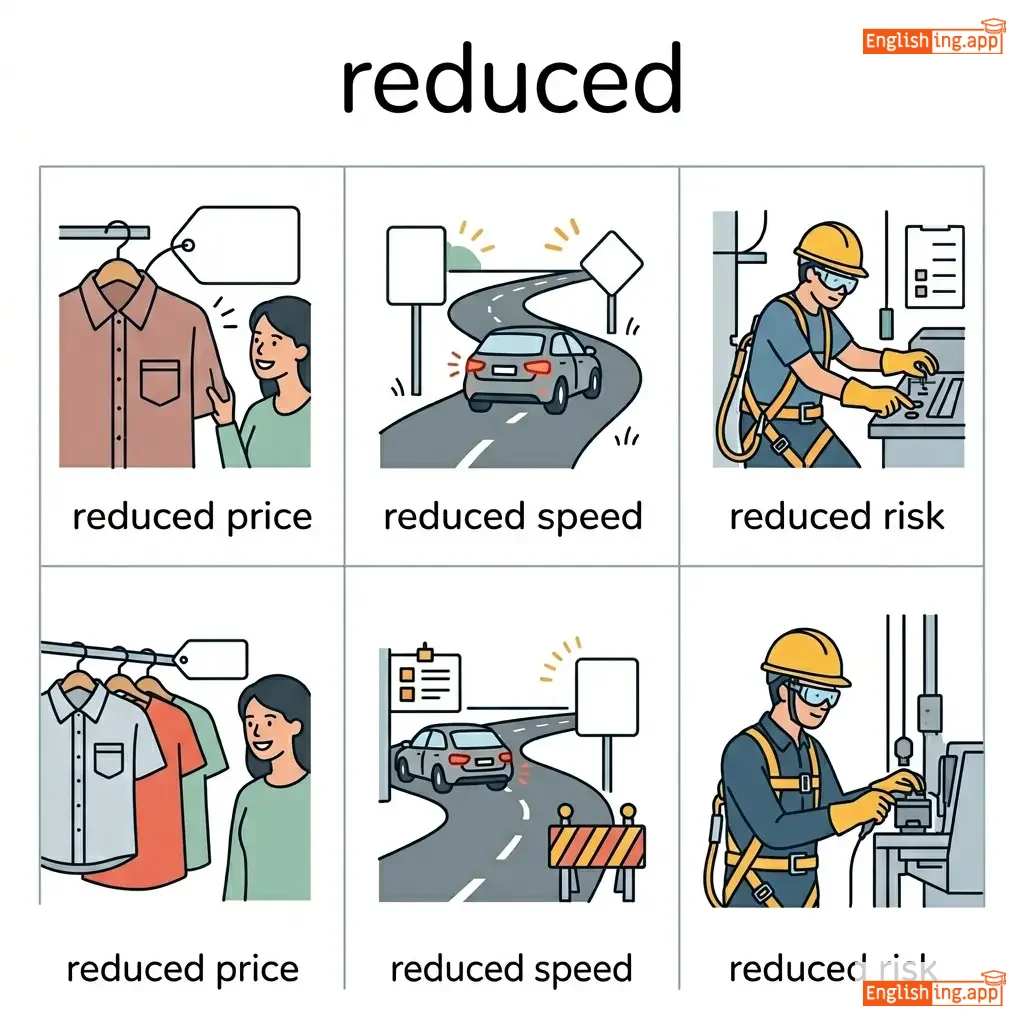
reduced price, reduced speed, reduced risk, reduced cost
••••••
|
減少した価格でより多くの節約!
••••••
|
|
#687
🕒
|
/ˈriː.sənt/
adjective
(リセント)
••••••
|
- •••••• |
最近の; 新しい; 現在の;
saikin no; atarashī; genzai no;
••••••
|
happening not long ago; new; current;
••••••
|
The recent changes in weather patterns concern scientists. |
最近の天気の変化は科学者たちを心配させています。
Saikin no tenki no henka wa kagakusha-tachi o shinpai saseteimasu.
••••••
|
new, latest, current, fresh
••••••
|
old, ancient, past, former
••••••
|
recent developments, recent studies, recent events, recent news
••••••
|
最近、未来を形作る新しいトレンド
••••••
|
|
#688
🥩
|
/rɔː/
adjective
(ロウ)
••••••
|
- •••••• |
生の; 処理されていない; 自然な状態で; 未熟な
nama no; shori sarete inai; shizen na joutai de; mijuku na
••••••
|
uncooked; not processed; in natural state; inexperienced
••••••
|
The chef prefers to use raw vegetables in his salads.
シェフはサラダに生野菜を使うのが好きです。
••••••
|
シェフはサラダに生野菜を使うのが好きです。
Shefu wa sarada ni namayasai o tsukau no ga suki desu.
••••••
|
uncooked, fresh, natural, crude, unprocessed
••••••
|
cooked, processed, refined, prepared
••••••
|
raw material, raw data, raw vegetables, raw meat, raw talent
••••••
|
生の食材が料理にフレッシュな感覚を与えます。
••••••
|
|
#689
⚡
|
/riˈæk.tɪv/
adjective
(リアクティブ)
••••••
|
- •••••• |
反応的; 化学的に活発
hannō-teki; kagaku-teki ni kappatsu
••••••
|
responding to situations rather than initiating them; chemically active
••••••
|
The company took a reactive approach to customer complaints. |
会社は顧客の苦情に反応的なアプローチを採用しました。
Kaisha wa kokyaku no kujō ni hannō-teki na apurōchi o sai-yō shimashita.
••••••
|
responsive, sensitive, active, quick to react
••••••
|
proactive, passive, inactive, unresponsive
••••••
|
reactive approach, reactive measures, reactive response, reactive strategy
••••••
|
反応的 - 反応するより先に始めない
••••••
|
|
#690
🤝
|
/rɪˈsɪ.prə.kəl/
adjective
(レシプロカル)
••••••
|
- •••••• |
相互の; 互恵的な; 両者で平等に分け合う;
sōgo no
••••••
|
given or done in return; mutual; shared equally by both parties;
••••••
|
The two countries have a reciprocal trade agreement. |
二国間には相互の貿易協定があります。
Nikokukan ni wa sōgo no bōeki kyōtei ga arimasu.
••••••
|
mutual, shared, corresponding, exchanged
••••••
|
one-sided, unilateral, unequal
••••••
|
reciprocal agreement, reciprocal relationship, reciprocal trade, reciprocal benefits
••••••
|
レシプロカルは、お互いに与え合うようなものです。
••••••
|
|
#691
⚡
|
/ˈræp.ɪd/
adjective
(ラピッド)
••••••
|
- •••••• |
迅速な;急速な;素早い;
jinsoku na; kyūsoku na; subayai;
••••••
|
happening in a short time or at a fast pace
••••••
|
The rapid growth of technology has changed our daily lives.
テクノロジーの急速な成長は私たちの日常生活を変えました。
••••••
|
テクノロジーの急速な成長は私たちの日常生活を変えました。
Tekunorojī no kyūsokuna seichō wa watashitachi no nichijō seikatsu o kaemashita.
••••••
|
fast, quick, swift, speedy
••••••
|
slow, gradual, leisurely, sluggish
••••••
|
rapid growth, rapid change, rapid development, rapid response
••••••
|
Rapid growth is rapid change
••••••
|
|
#692
♻️
|
/rɪˈdʌndənt/
adjective
(リダンダント)
••••••
|
|
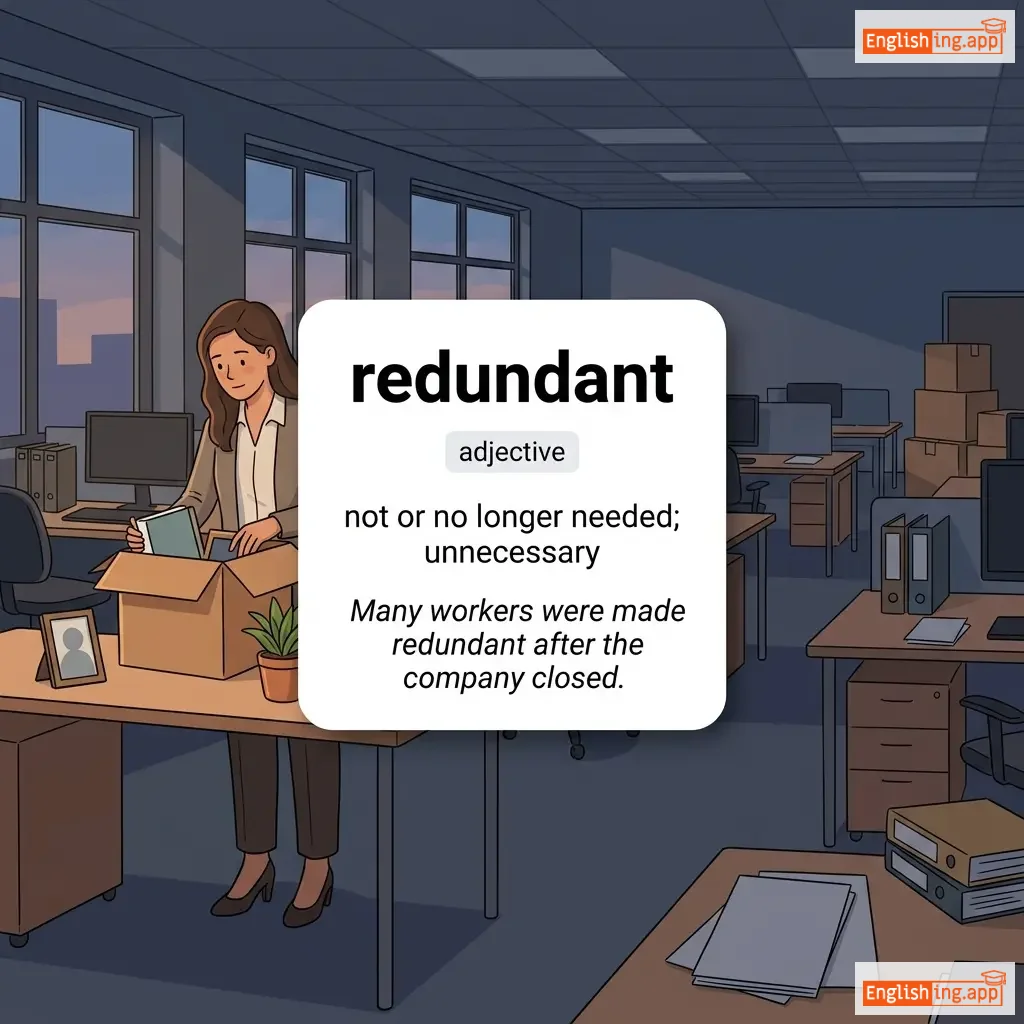
冗長な; 不必要な; 余分な
jouchou na; fuhitsuyou na; yobun na
••••••
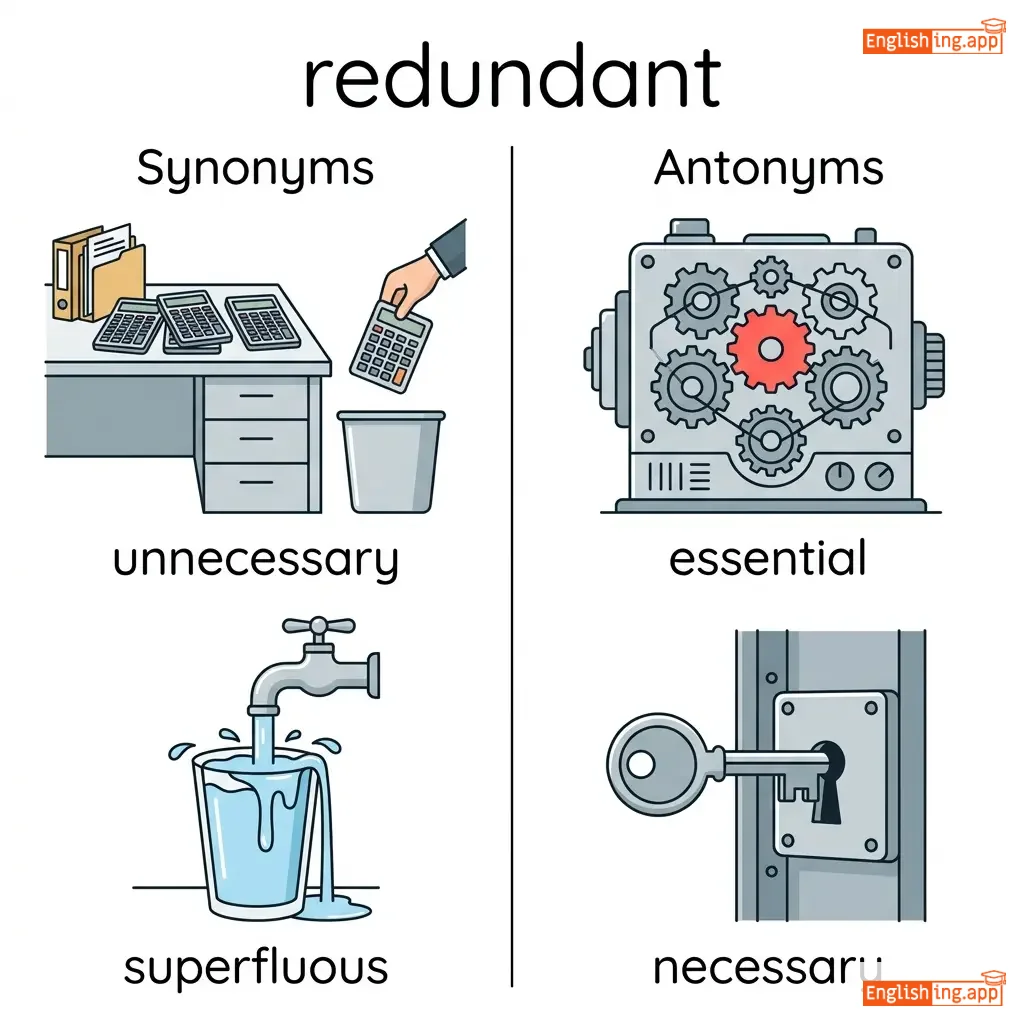
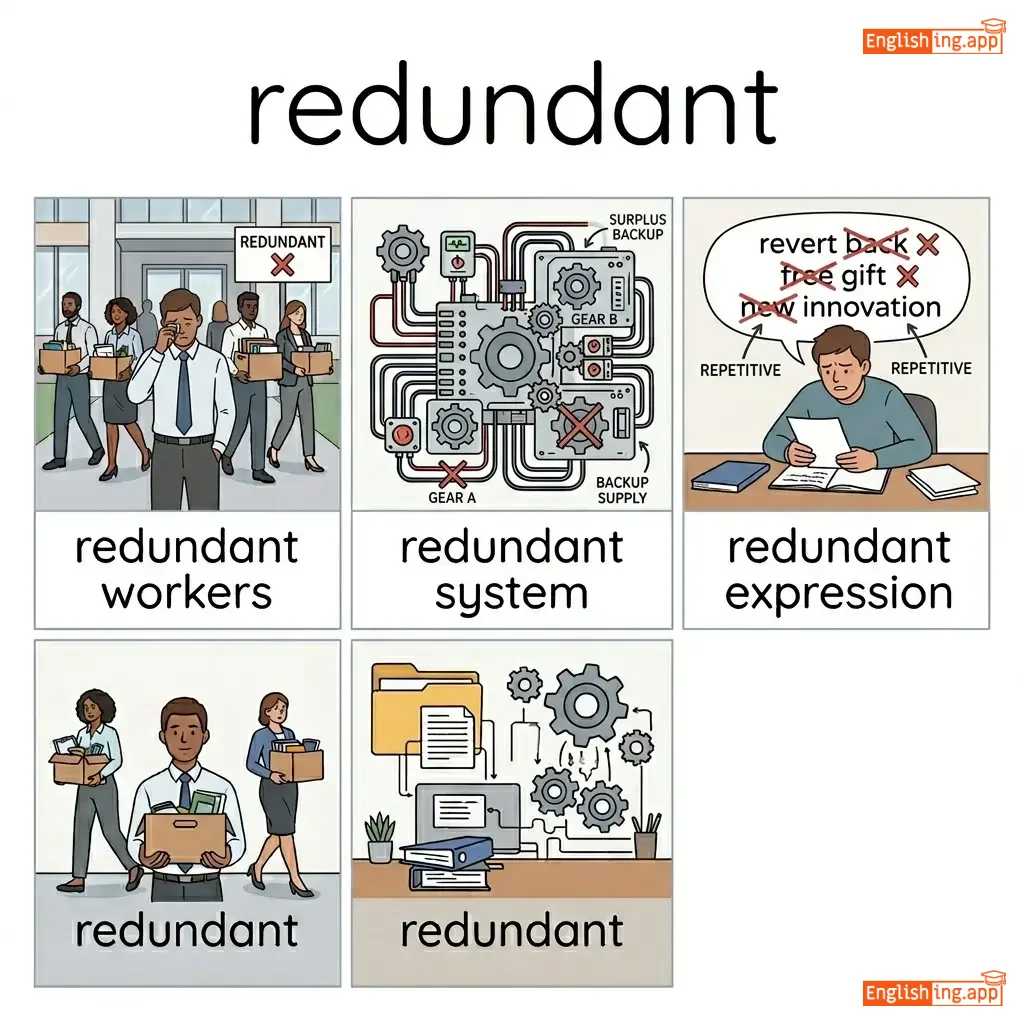
|
not needed; unnecessary; superfluous
••••••
|
The extra information in the report was redundant. |
レポートの追加情報は冗長でした。
repooto no tsuika jouhou wa jouchou deshita.
••••••
|
unnecessary, superfluous, excessive, surplus
••••••
|
necessary, essential, required, needed
••••••
|
redundant information, redundant system, redundant data, redundant employee
••••••
|
冗長な情報はレポートに必要ない。
••••••
|
|
#693
✅
|
/riːl/
adjective
(リアル)
••••••
|
- •••••• |
本物の; 真正の; 偽物ではない
honmono no; shinshou no; nisemono de wa nai
••••••
|
actually existing; genuine; not imaginary or fake
••••••
|
This is a real diamond, not a fake one.
これは本物のダイヤモンドです。偽物ではありません。
••••••
|
これは本物のダイヤモンドです。偽物ではありません。
Kore wa honmono no daiyamondo desu. Nisemono de wa arimasen.
••••••
|
genuine, authentic, actual, true, legitimate
••••••
|
fake, artificial, imaginary, false, counterfeit
••••••
|
real life, real estate, real world, real problem, real situation
••••••
|
本物のダイヤモンドは絶対に本物で、偽物ではありません!
••••••
|
|
#694
⚠️
|
/ˈrek.ləs/
adjective
(レックレス)
••••••
|
- •••••• |
無謀な; 無鉄砲な; 危険な;
mubōna; mutetsupōna; kikenna;
••••••
|
acting without thinking about consequences; careless; dangerous;
••••••
|
His reckless driving caused a serious accident.
彼の無謀な運転は深刻な事故を引き起こしました。
••••••
|
彼の無謀な運転は深刻な事故を引き起こしました。
Kare no mubōna unten wa shinkoku na jiko o hikiokoshimashita.
••••••
|
careless, rash, irresponsible, imprudent
••••••
|
careful, cautious, prudent, responsible
••••••
|
reckless driving, reckless behavior, reckless abandon, reckless spending
••••••
|
無謀な運転手を想像してください。
••••••
|
|
#695
😍
|
/ræpt/
adjective
(ラプト)
••••••
|
- •••••• |
夢中な
muchū na
••••••
|
completely fascinated or absorbed by what one is seeing or hearing
••••••
|
The children listened with rapt attention to the storyteller. |
子供たちは物語の語り手に夢中で耳を傾けました。
Kodomotachi wa monogatari no katarite ni muchū de mimi o katamukemashita.
••••••
|
fascinated, absorbed, engrossed, captivated
••••••
|
distracted, bored, inattentive, uninterested
••••••
|
rapt attention, rapt silence, rapt audience, rapt concentration
••••••
|
映画の中に夢中になったような感覚です。
••••••
|
|
#696
✨
|
/rɪˈfaɪnd/
adjective
(リファインド)
••••••
|
- •••••• |
洗練された; 精製された
senren sareta; seisei sareta
••••••
|
elegant and cultured in appearance, manner, or taste; purified
••••••
|
She has very refined taste in art and music.
彼女は芸術と音楽に非常に洗練された趣味を持っています。
••••••
|
彼女は芸術と音楽に非常に洗練された趣味を持っています。
Kanojo wa geijutsu to ongaku ni hijō ni senren sareta shumi o motteimasu.
••••••
|
elegant, sophisticated, cultured, polished
••••••
|
crude, rough, unrefined, coarse
••••••
|
refined taste, refined manner, refined sugar, refined oil
••••••
|
‘洗練’を思い出して:洗練されたワインのように、純粋で高貴なものです。
••••••
|
|
#697
⚖️
|
/ˈriː.zən.ə.bəl/
adjective
(rīzənburu)
••••••
|
- •••••• |
合理的; 公正で実用的; 高すぎない; 論理的
gōriteki; kōsei de jitsuyō-teki; takasuginai; ronriteki
••••••
|
fair and sensible; not too expensive; logical and practical
••••••
|
The hotel offers reasonable prices for quality accommodation.
そのホテルは品質の高い宿泊施設に対して合理的な価格を提供しています。
••••••
|
そのホテルは品質の高い宿泊施設に対して合理的な価格を提供しています。
Sono hoteru wa hinshitsu no takai shukuhaku shisetsu ni taishite gōriteki na kakaku o teikyō shiteimasu.
••••••
|
fair, sensible, rational, logical, moderate
••••••
|
unreasonable, unfair, excessive, irrational
••••••
|
reasonable price, reasonable request, reasonable doubt, reasonable explanation
••••••
|
高品質な宿泊施設に対する合理的な価格を提供するホテル。
••••••
|
|
#698
💎
|
/reər/
adjective
(レア)
••••••
|
- •••••• |
珍しい
mezurashii
••••••
|
not occurring very often; uncommon or unusual
••••••
|
It's rare to find such beautiful handmade jewelry these days.
こんな美しい手作りのジュエリーを見つけることは珍しい。
••••••
|
こんな美しい手作りのジュエリーを見つけることは珍しい。
Konna utsukushii tedukuri no juwery o mitsukeru koto wa mezurashii.
••••••
|
uncommon, scarce, unusual, infrequent
••••••
|
common, frequent, ordinary, abundant
••••••
|
rare opportunity, rare disease, rare book, rare metals
••••••
|
珍しい (mezurashii) は rare と同じ意味で、珍しいものを表します。
••••••
|
|
#699
🔁
|
/rɪˈkʌr.ənt/
adjective
(リカーント)
••••••
|
- •••••• |
再発性の
saihatsusei no
••••••
|
happening repeatedly; occurring again and again; periodic;
••••••
|
She has been suffering from recurrent headaches for months.
彼女は数ヶ月間、繰り返す頭痛に悩まされています。
••••••
|
彼女は数ヶ月間、繰り返す頭痛に悩まされています。
Kanojo wa suukagetsu-kan, kurikaesu zutsuu ni nayamareteimasu.
••••••
|
recurring, repeated, periodic, frequent
••••••
|
single, one-time, isolated, unique
••••••
|
recurrent theme, recurrent problem, recurrent infection, recurrent nightmare
••••••
|
再発性の頭痛が繰り返し発生するように、'Recurrent'は何度も繰り返されることを意味します。
••••••
|
|
#700
🤔
|
/rɪˈflektɪv/
adjective
(リフレクティブ)
••••••
|
- •••••• |
反射的; 思慮深い; 光や画像を反射できる
hanshateki; shiryo fukai; hikari ya gazō o hansha dekiru
••••••
|
thoughtful; contemplative; able to reflect light or images
••••••
|
After the meeting, he was in a reflective mood. |
会議の後、彼は反射的な気分だった。
Kaigi no ato, kare wa hanshateki na kibun datta.
••••••
|
thoughtful, contemplative, pensive, meditative
••••••
|
thoughtless, unreflective, impulsive, rash
••••••
|
reflective mood, reflective surface, reflective thinking, reflective material
••••••
|
鏡のように反射し、思慮深い状態を反映します。
••••••
|
Vocabulary Quiz
Test your vocabulary by matching words with their translations or meanings.
Login to take the quiz
Comments (0)
Share your thoughts and join the discussion.
Join the discussion by logging in
Login to CommentNo comments yet
Be the first to share your thoughts!