


Swipe left or right, or use the buttons. Tap image to zoom.
例句翻译
单词
Lesson 35Lesson 35 - 遮罩切换
|
表情符号
|
单词 | Images | 翻译 | 含义 | 例句 | 例句翻译 | 同义词 | 反义词 | 搭配词 | 助记符 |
|---|---|---|---|---|---|---|---|---|---|---|
|
#681
😎
|
/ˈreɪ.kɪʃ/
adjective
(雷基什)
••••••
|
- •••••• |
俏皮
qiàopí
••••••
|
having a dashing, jaunty, or slightly disreputable quality or appearance
••••••
|
He wore his hat at a rakish angle that gave him a charming appearance.
他戴着一顶略带不正经的帽子,给人一种迷人的感觉。
••••••
|
他戴着一顶俏皮的帽子,给人一种迷人的感觉。
Tā dàizhe yī dǐng qiàopí de màozi, gěi rén yī zhǒng mírén de gǎnjué.
••••••
|
dashing, jaunty, stylish, debonair
••••••
|
conservative, proper, modest, demure
••••••
|
rakish angle, rakish charm, rakish smile, rakish appearance
••••••
|
把它和一个俏皮的人联系在一起,他看起来很迷人。
••••••
|
|
#682
🔴
|
/red/
adjective
(red)
••••••
|
- •••••• |
红色
hongse
••••••
|
having the color of blood or fire; of the color red
••••••
|
She wore a beautiful red dress to the party.
她穿了一件漂亮的红色裙子参加派对。
••••••
|
她穿了一件漂亮的红色裙子参加派对。
Tā chuānle yī jiàn piàoliang de hóngsè qúnzi cānjiā pàiduì.
••••••
|
scarlet, crimson, cherry, ruby
••••••
|
green, blue, white
••••••
|
red rose, red carpet, red light, red wine
••••••
|
红色是血液和火焰的颜色。
••••••
|
|
#683
🧠
|
/ˈræʃ.ən.əl/
adjective
(理性)
••••••
|
- •••••• |
理性; 合理; 逻辑
lixìng; hélǐ; luóji
••••••
|
based on reason and logic; sensible and practical
••••••
|
She made a rational decision based on the available facts.
她根据可用的事实做出了理性的决定。
••••••
|
她根据可用的事实做出了理性的决定。
Tā gēnjù kěyòng de shìshí zuòchūle lǐxìng de juédìng.
••••••
|
logical, sensible, reasonable, sound, practical
••••••
|
irrational, illogical, unreasonable, emotional
••••••
|
rational thinking, rational decision, rational approach, rational explanation
••••••
|
Rational is like making smart choices based on logic, just like using facts to make a decision.
••••••
|
|
#684
😤
|
/rɪˈbel.jəs/
adjective
(叛逆)
••••••
|
- •••••• |
反叛的; 不服从的; 抵抗控制的;
fǎn pàn de
••••••
|
defying authority; resisting control; disobedient;
••••••
|
The rebellious teenager refused to follow his parents' rules. |
那个叛逆的青少年拒绝遵守父母的规则。
Nàgè pànnì de qīngshàonián jùjué zūnshǒu fùmǔ de guīzé.
••••••
|
defiant, disobedient, unruly, insubordinate
••••••
|
obedient, compliant, submissive, conforming
••••••
|
rebellious teenager, rebellious spirit, rebellious behavior, rebellious attitude
••••••
|
叛逆的青少年就是不听话,像是那些不愿遵守规则的孩子。
••••••
|
|
#685
🎲
|
/ˈræn.dəm/
adjective
(随机)
••••••
|
- •••••• |
随机
suijī
••••••
|
made, done, happening, or chosen without method or conscious decision
••••••
|
The teacher chose a random student to answer the question.
老师随机选择了一名学生来回答问题。
••••••
|
老师随机选择了一名学生来回答问题。
Lǎoshī suijī xuǎnzéle yī míng xuéshēng lái huídá wèntí.
••••••
|
arbitrary, chance, haphazard, casual
••••••
|
systematic, planned, deliberate, ordered
••••••
|
random sample, random number, random selection, random order
••••••
|
随机选择就像抽签一样 (Random choice is like drawing lots)
••••••
|
|
#686
📉
|
/rɪˈdjuːst/
adjective
(riduusid)
••••••
|
|
减少的; 降低的; 收缩的
jiǎnshǎo de; jiàngdī de; shōusuō de
••••••
|
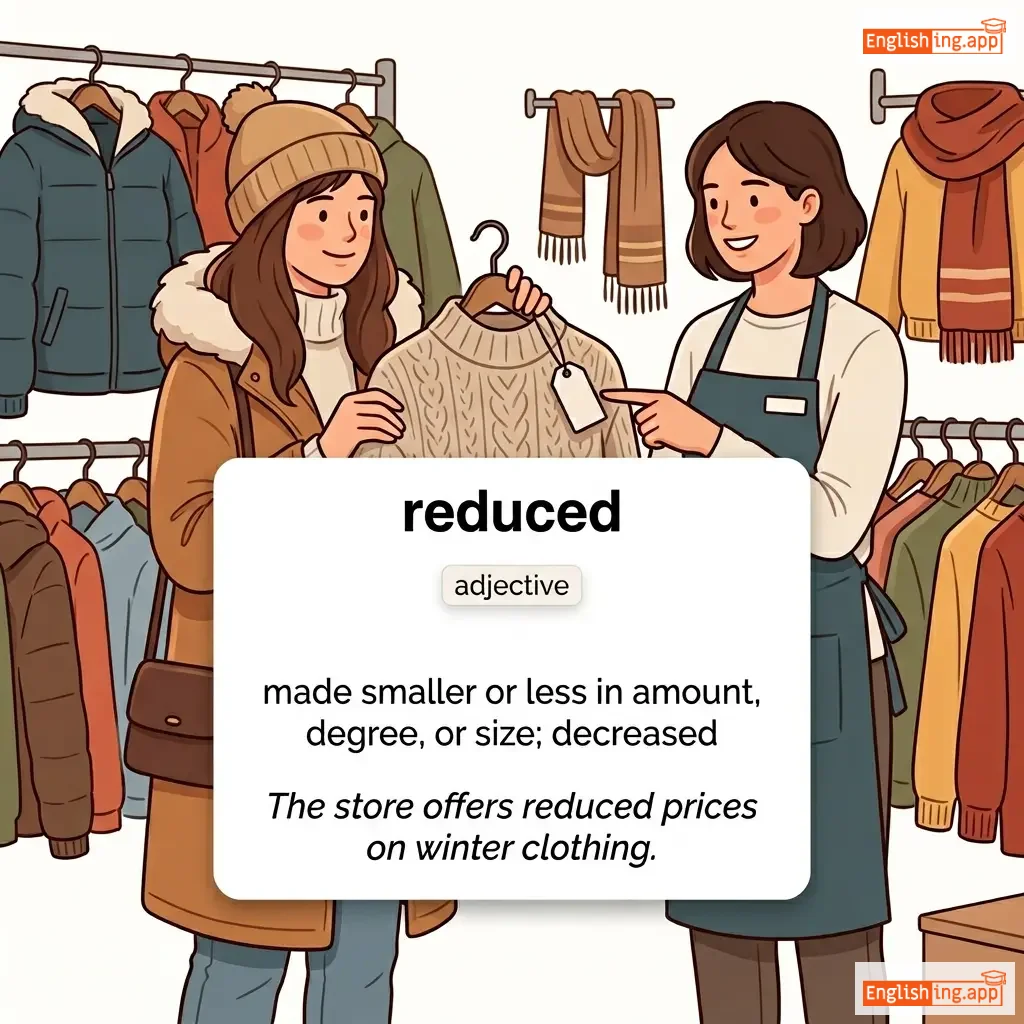
made smaller or less in amount, degree, or size; decreased
••••••
|
The store offers reduced prices on winter clothing. |
商店提供冬季服装的减少价格。
Shāngdiàn tígōng dōngjì fúzhuāng de jiǎnshǎo jiàgé.
••••••
|
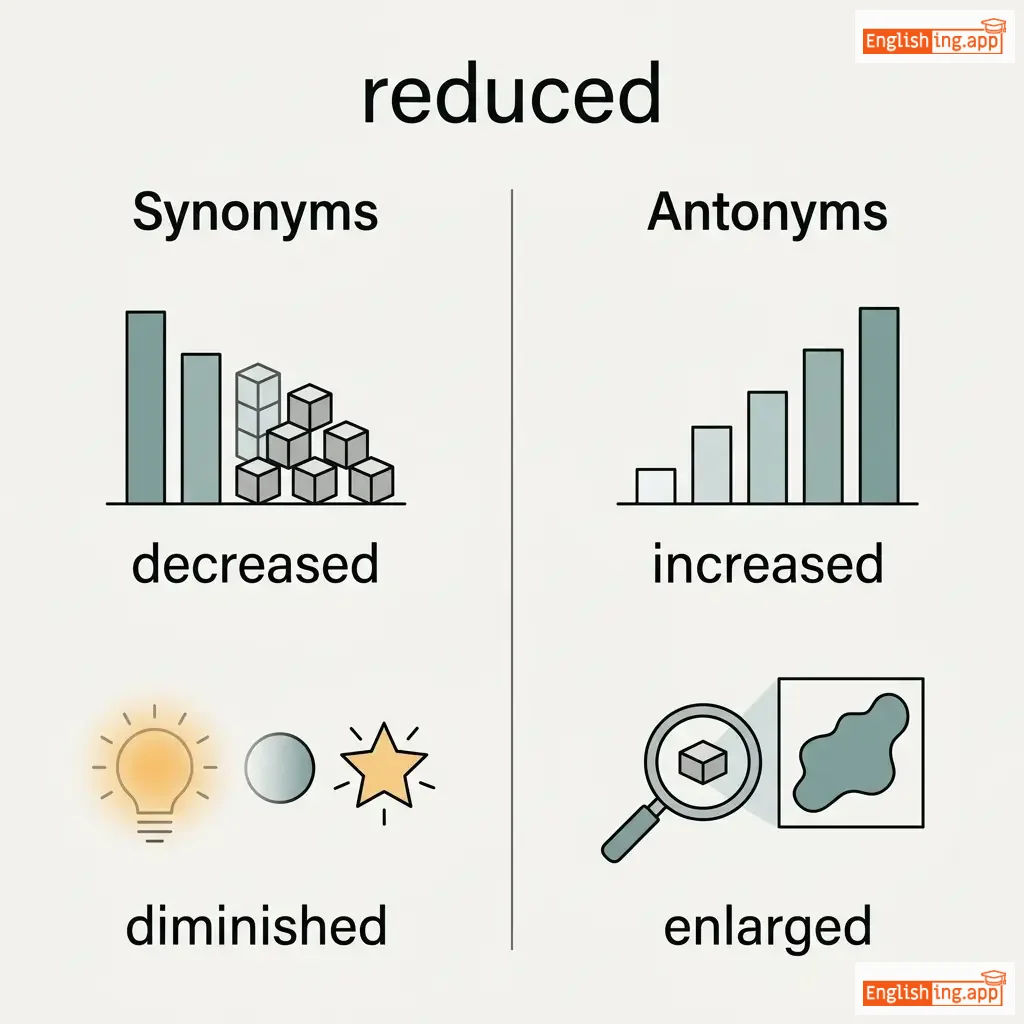
decreased, diminished, lowered, cut
••••••
|
increased, enlarged, expanded, raised
••••••
|
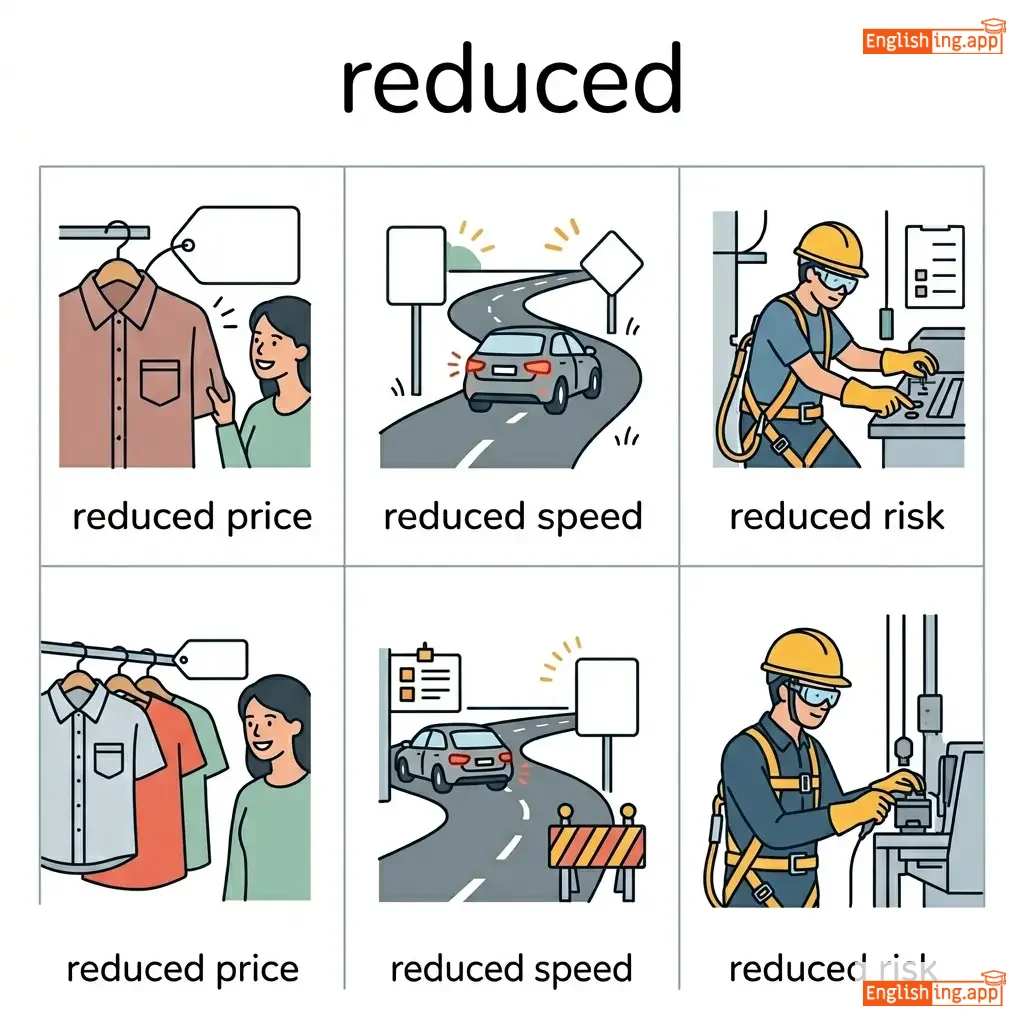
reduced price, reduced speed, reduced risk, reduced cost
••••••
|
减少价格,更多省钱!
••••••
|
|
#687
🕒
|
/ˈriː.sənt/
adjective
(rìsènt)
••••••
|
- •••••• |
最近的; 新的; 当前的;
zuìjìn de; xīn de; dāngqián de;
••••••
|
happening not long ago; new; current;
••••••
|
The recent changes in weather patterns concern scientists. |
最近天气模式的变化让科学家感到担忧。
Zuìjìn tiānqì móshì de biànhuà ràng kēxuéjiā gǎndào dānyōu.
••••••
|
new, latest, current, fresh
••••••
|
old, ancient, past, former
••••••
|
recent developments, recent studies, recent events, recent news
••••••
|
最近的事是新鲜的、最有趣的
••••••
|
|
#688
🥩
|
/rɔː/
adjective
(rǒu)
••••••
|
- •••••• |
生的; 未处理的; 自然状态; 没有经验的
shēng de; wèi chùlǐ de; zìrán zhuàngtài; méiyǒu jīngyàn de
••••••
|
uncooked; not processed; in natural state; inexperienced
••••••
|
The chef prefers to use raw vegetables in his salads.
厨师喜欢在沙拉中使用生蔬菜。
••••••
|
厨师喜欢在沙拉中使用生蔬菜。
Chúshī xǐhuān zài shālā zhōng shǐyòng shēng shūcài.
••••••
|
uncooked, fresh, natural, crude, unprocessed
••••••
|
cooked, processed, refined, prepared
••••••
|
raw material, raw data, raw vegetables, raw meat, raw talent
••••••
|
生食保持原始自然,像是生鲜蔬菜在沙拉中
••••••
|
|
#689
⚡
|
/riˈæk.tɪv/
adjective
(反应性)
••••••
|
- •••••• |
反应性; 化学活性
fǎnyìngxìng; huàxué huóxìng
••••••
|
responding to situations rather than initiating them; chemically active
••••••
|
The company took a reactive approach to customer complaints. |
公司对客户投诉采取了反应性的方法。
Gōngsī duì kèhù tóusù cǎiqǔle fǎnyìngxìng de fāngfǎ.
••••••
|
responsive, sensitive, active, quick to react
••••••
|
proactive, passive, inactive, unresponsive
••••••
|
reactive approach, reactive measures, reactive response, reactive strategy
••••••
|
反应性 - 对情况反应,而不是主动做什么
••••••
|
|
#690
🤝
|
/rɪˈsɪ.prə.kəl/
adjective
(互惠的)
••••••
|
- •••••• |
互惠的; 相互的; 两方共同分享;
hùhuì de
••••••
|
given or done in return; mutual; shared equally by both parties;
••••••
|
The two countries have a reciprocal trade agreement. |
这两个国家有一个互惠的贸易协议。
Zhè liǎng gè guójiā yǒu yī gè hùhuì de màoyì xiéyì.
••••••
|
mutual, shared, corresponding, exchanged
••••••
|
one-sided, unilateral, unequal
••••••
|
reciprocal agreement, reciprocal relationship, reciprocal trade, reciprocal benefits
••••••
|
互惠的协议就像双方互相交换礼物一样。
••••••
|
|
#691
⚡
|
/ˈræp.ɪd/
adjective
(快速)
••••••
|
- •••••• |
快速的;迅速的;急速的;
kuaisu de; xunxu de; jisu de;
••••••
|
happening in a short time or at a fast pace
••••••
|
The rapid growth of technology has changed our daily lives.
技术的快速增长改变了我们的日常生活。
••••••
|
技术的快速增长改变了我们的日常生活。
Jishu de kuaisu zengzhang gaibianle women de richang shenghuo.
••••••
|
fast, quick, swift, speedy
••••••
|
slow, gradual, leisurely, sluggish
••••••
|
rapid growth, rapid change, rapid development, rapid response
••••••
|
Rapid growth is rapid change
••••••
|
|
#692
♻️
|
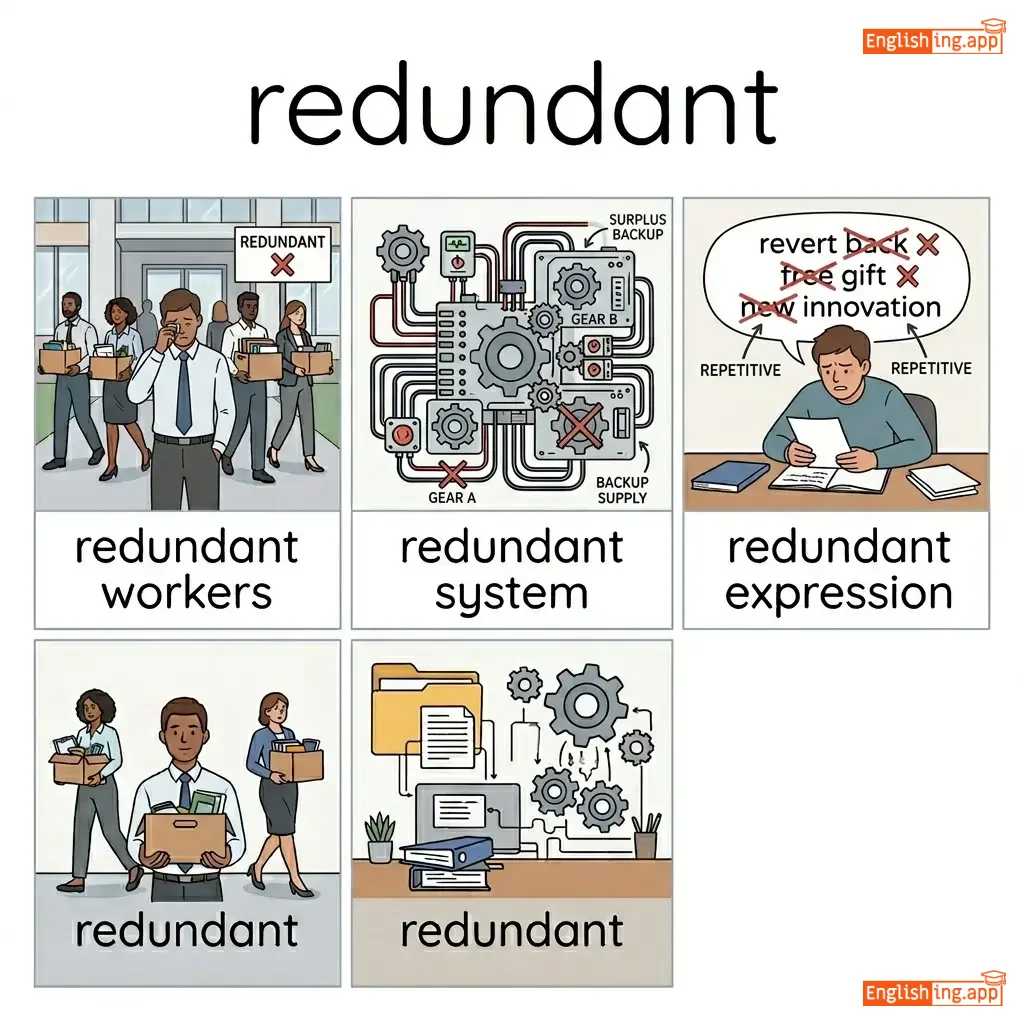
/rɪˈdʌndənt/
adjective
(rɪˈdʌndənt)
••••••
|
|
多余的; 不必要的; 冗余的
duōyú de; bù bì yào de; rǒngyú de
••••••
|
not needed; unnecessary; superfluous
••••••
|
The extra information in the report was redundant. |
报告中的额外信息是冗余的。
bàogào zhōng de éwài xìnxī shì rǒngyú de.
••••••
|
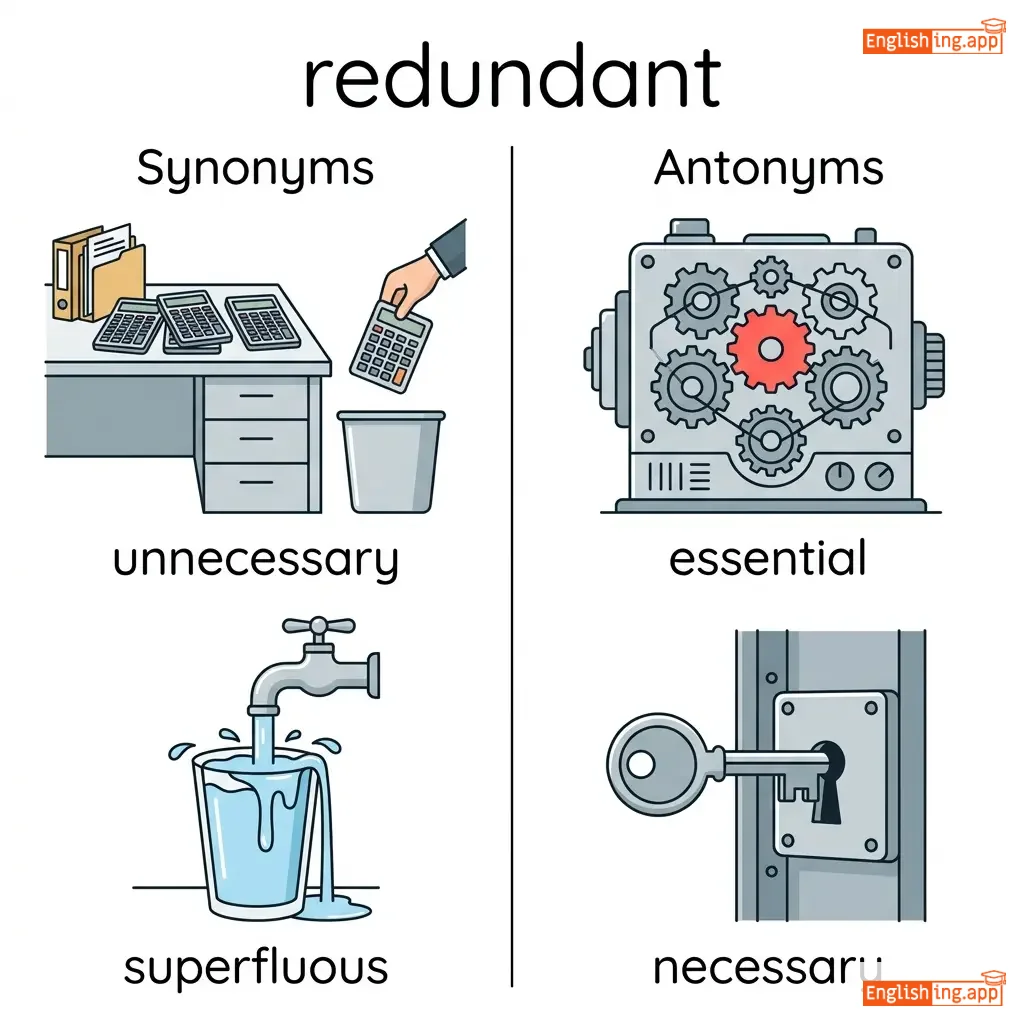
unnecessary, superfluous, excessive, surplus
••••••
|
necessary, essential, required, needed
••••••
|
redundant information, redundant system, redundant data, redundant employee
••••••
|
报告中不必要的内容就是冗余的。
••••••
|
|
#693
✅
|
/riːl/
adjective
(瑞尔)
••••••
|
- •••••• |
真实的; 真实的; 不是假的
zhen shi de; zhen shi de; bu shi jia de
••••••
|
actually existing; genuine; not imaginary or fake
••••••
|
This is a real diamond, not a fake one.
这是一个真实的钻石,不是假的。
••••••
|
这是一个真实的钻石,不是假的。
Zhe shi yige zhenshi de zuanshi, bushi jia de.
••••••
|
genuine, authentic, actual, true, legitimate
••••••
|
fake, artificial, imaginary, false, counterfeit
••••••
|
real life, real estate, real world, real problem, real situation
••••••
|
真正的钻石是真实的,不是假的!
••••••
|
|
#694
⚠️
|
/ˈrek.ləs/
adjective
(rèklès)
••••••
|
- •••••• |
鲁莽的; 冒失的; 危险的;
lǔmǎng de; màoshī de; wéixiǎn de;
••••••
|
acting without thinking about consequences; careless; dangerous;
••••••
|
His reckless driving caused a serious accident.
他的鲁莽驾驶导致了严重的事故。
••••••
|
他的鲁莽驾驶导致了严重的事故。
Tā de lǔmǎng jiàshǐ dǎozhìle yánzhòng de shìgù.
••••••
|
careless, rash, irresponsible, imprudent
••••••
|
careful, cautious, prudent, responsible
••••••
|
reckless driving, reckless behavior, reckless abandon, reckless spending
••••••
|
想象一个司机冒失地开车,不顾一切后果。
••••••
|
|
#695
😍
|
/ræpt/
adjective
(拉普特)
••••••
|
- •••••• |
着迷的
zhuó mí de
••••••
|
completely fascinated or absorbed by what one is seeing or hearing
••••••
|
The children listened with rapt attention to the storyteller. |
孩子们专心听故事讲述者的话。
Háizimen zhuānxīn tīng gùshì jiǎngshù zhě de huà.
••••••
|
fascinated, absorbed, engrossed, captivated
••••••
|
distracted, bored, inattentive, uninterested
••••••
|
rapt attention, rapt silence, rapt audience, rapt concentration
••••••
|
就像一部你完全被吸引的电影。
••••••
|
|
#696
✨
|
/rɪˈfaɪnd/
adjective
(rifáind)
••••••
|
- •••••• |
精致的; 纯净的
jīngzhì de; chúnjìng de
••••••
|
elegant and cultured in appearance, manner, or taste; purified
••••••
|
She has very refined taste in art and music.
她对艺术和音乐有非常精致的品味。
••••••
|
她对艺术和音乐有非常精致的品味。
Tā duì yìshù hé yīnyuè yǒu fēicháng jīngzhì de pǐnwèi.
••••••
|
elegant, sophisticated, cultured, polished
••••••
|
crude, rough, unrefined, coarse
••••••
|
refined taste, refined manner, refined sugar, refined oil
••••••
|
想象'精致'就像是通过精细过滤的水,纯净而优雅。
••••••
|
|
#697
⚖️
|
/ˈriː.zən.ə.bəl/
adjective
(rízəbl)
••••••
|
- •••••• |
合理的; 公正且实用的; 不太贵; 合逻辑的
hélǐ de; gōngzhèng qiě shíyòng de; bù tài guì; hé luójí de
••••••
|
fair and sensible; not too expensive; logical and practical
••••••
|
The hotel offers reasonable prices for quality accommodation.
酒店提供合理的价格,以便提供优质的住宿。
••••••
|
酒店提供合理的价格,以便提供优质的住宿。
Jiǔdiàn tígōng hélǐ de jiàgé, yǐbiàn tígōng yōuzhì de zhùsù.
••••••
|
fair, sensible, rational, logical, moderate
••••••
|
unreasonable, unfair, excessive, irrational
••••••
|
reasonable price, reasonable request, reasonable doubt, reasonable explanation
••••••
|
一家提供合理价格的酒店,提供优质的住宿。
••••••
|
|
#698
💎
|
/reər/
adjective
(rè'ěr)
••••••
|
- •••••• |
罕见
hanjian
••••••
|
not occurring very often; uncommon or unusual
••••••
|
It's rare to find such beautiful handmade jewelry these days.
这些天,找到如此美丽的手工珠宝是罕见的。
••••••
|
这些天,找到如此美丽的手工珠宝是罕见的。
Zhexie tian, zhaodao ruci meili de shougong zhubao shi hanjian de.
••••••
|
uncommon, scarce, unusual, infrequent
••••••
|
common, frequent, ordinary, abundant
••••••
|
rare opportunity, rare disease, rare book, rare metals
••••••
|
罕见(hanjian) 和rare在意义上是相同的,表示非常罕见的事物。
••••••
|
|
#699
🔁
|
/rɪˈkʌr.ənt/
adjective
(recurrent)
••••••
|
- •••••• |
反复的
fǎn fù de
••••••
|
happening repeatedly; occurring again and again; periodic;
••••••
|
She has been suffering from recurrent headaches for months.
她已经有几个月反复头痛了。
••••••
|
她已经有几个月反复头痛了。
Tā yǐ jīng yǒu jǐ gè yuè fǎn fù tóu tòng le.
••••••
|
recurring, repeated, periodic, frequent
••••••
|
single, one-time, isolated, unique
••••••
|
recurrent theme, recurrent problem, recurrent infection, recurrent nightmare
••••••
|
反复的事情就像是头痛,反复出现。
••••••
|
|
#700
🤔
|
/rɪˈflektɪv/
adjective
(fèngguāng de)
••••••
|
- •••••• |
反射的; 沉思的; 能反射光或图像
fǎnshè de; chénsī de; néng fǎnshè guāng huò túxiàng
••••••
|
thoughtful; contemplative; able to reflect light or images
••••••
|
After the meeting, he was in a reflective mood. |
会议后,他处于沉思的状态。
huìyì hòu, tā chǔyú chénsī de zhuàngtài.
••••••
|
thoughtful, contemplative, pensive, meditative
••••••
|
thoughtless, unreflective, impulsive, rash
••••••
|
reflective mood, reflective surface, reflective thinking, reflective material
••••••
|
像镜子一样,反射所有看到的光和影像,反射的就是沉思的状态。
••••••
|
Vocabulary Quiz
Test your vocabulary by matching words with their translations or meanings.
Login to take the quiz
Comments (0)
Share your thoughts and join the discussion.
Join the discussion by logging in
Login to CommentNo comments yet
Be the first to share your thoughts!