



Swipe left or right, or use the buttons. Tap image to zoom.
例句翻译
单词
Lesson 36Lesson 36 - 遮罩切换
|
表情符号
|
单词 | Images | 翻译 | 含义 | 例句 | 例句翻译 | 同义词 | 反义词 | 搭配词 | 助记符 |
|---|---|---|---|---|---|---|---|---|---|---|
|
#701
🔄
|
/ˈriː.fleks/
adjective
(反射)
••••••
|
- •••••• |
反射
fǎnshè
••••••
|
an action performed without conscious thought; relating to reflection
••••••
|
The doctor tested her reflex response by tapping her knee.
医生通过轻轻敲打她的膝盖来测试她的反射反应。
••••••
|
医生通过轻轻敲打她的膝盖来测试她的反射反应。
Yīshēng tōngguò qīngqīng qiāodǎ tā de xīgài lái cèshì tā de fǎnshè fǎnyìng.
••••••
|
automatic, involuntary, instinctive
••••••
|
deliberate, conscious, voluntary
••••••
|
reflex action, reflex response, knee-jerk reflex
••••••
|
反射是一种不由自主的反应,就像膝跳反射。
••••••
|
|
#702
🔧
|
/rɪˈper.ə.bəl/
adjective
(修复的)
••••••
|
- •••••• |
可修复的
ke xiufu de
••••••
|
able to be fixed or mended; capable of being repaired
••••••
|
The broken phone is repairable with the right parts.
坏掉的手机可以用正确的部件修复
••••••
|
坏掉的手机可以用正确的部件修复。
Huai diao de shouji keyi yong zhengque de bujian xiufu.
••••••
|
fixable, mendable, restorable
••••••
|
irreparable, unfixable, beyond repair
••••••
|
easily repairable, repairable damage, repairable condition
••••••
|
可修复的意味着它可以修理
••••••
|
|
#703
😔
|
/rɪˈɡret.ə.bəl/
adjective
(遗憾的)
••••••
|
- •••••• |
令人遗憾的; 不幸的; 可惜的
lìng rén yí hàn de; bù xìng de; kě xī de
••••••
|
causing or deserving regret; unfortunate; deplorable
••••••
|
It is regrettable that so many talented people left the company. |
很遗憾这么多有才华的人离开了公司。
Hěn yí hàn zhè me duō yǒu cáihuá de rén líkāi le gōngsī.
••••••
|
deplorable, lamentable, unfortunate, sad
••••••
|
fortunate, welcome, desirable, pleasing
••••••
|
regrettable mistake, regrettable incident, regrettable decision
••••••
|
遗憾的离开总是令人可惜
••••••
|
|
#704
✅
|
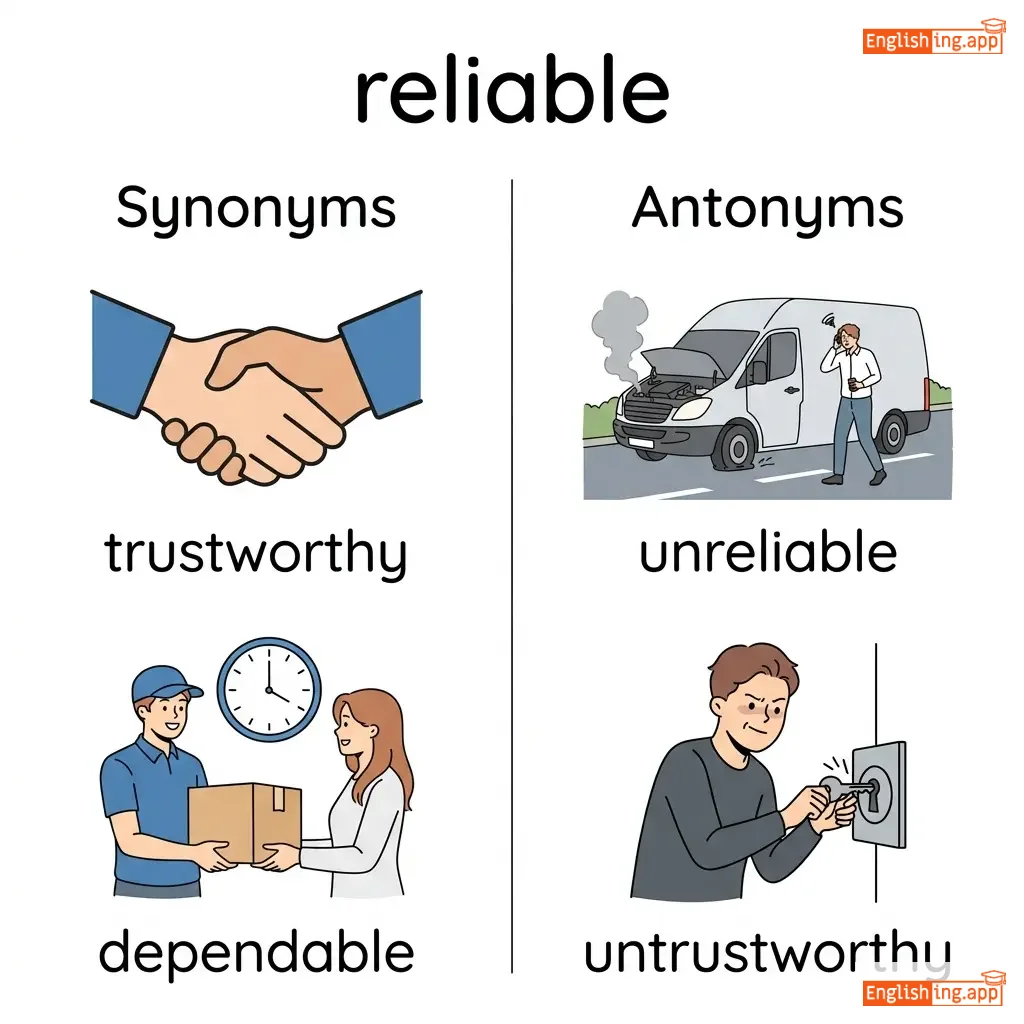
/rɪˈlaɪəbl/
adjective
(rɪˈlaɪəbl)
••••••
|
|
可靠的; 可信赖的; 一致的;
kě kào de; kě xìn lài de; yī zhì de
••••••
|
dependable; trustworthy; consistent;
••••••
|
She is a reliable employee who always meets deadlines.
她是一个可靠的员工,总是按时完成任务。
••••••
|
她是一个可靠的员工,总是按时完成任务。
tā shì yīgè kě kào de yuángōng, zǒng shì àn shí wánchéng rènwu
••••••
|
dependable, trustworthy, consistent, steady
••••••
|
unreliable, undependable, inconsistent
••••••
|
reliable source, reliable information, reliable service
••••••
|
可靠的员工就像永远不会停运的机器。
••••••
|
|
#705
🪞
|
/rɪˈflek.sɪv/
adjective
(rìfú lèxīfū)
••••••
|
- •••••• |
反思的; 自我反省的
fǎnsī de; zìwǒ fǎnxǐng de
••••••
|
directed back on itself; showing deep thought about oneself
••••••
|
She became more reflexive about her behavior after the feedback.
她在反馈后变得更加反思自己的行为。
••••••
|
她在反馈后变得更加反思自己的行为。
Tā zài fǎnkuì hòu biàn dé gèngjiā fǎnsī zìjǐ de xíngwéi.
••••••
|
introspective, contemplative, thoughtful
••••••
|
unreflective, impulsive, thoughtless
••••••
|
reflexive thinking, reflexive behavior, reflexive pronoun
••••••
|
记住: 深入思考自己。
••••••
|
|
#706
🔁
|
/rɪˈpiː.tɪd/
adjective
(重复的)
••••••
|
- •••••• |
重复的; 多次发生
chongfu de; duoci fasheng
••••••
|
done again; happening again; occurring multiple times
••••••
|
He made repeated attempts to contact her.
他多次尝试联系她。
••••••
|
他多次尝试联系她。
Ta duoci changshi lianxi ta
••••••
|
recurring, frequent, continuous
••••••
|
single, once, isolated
••••••
|
repeated attempts, repeated warnings, repeated patterns
••••••
|
重复的意思是做某事多次,像反复尝试联系某人。
••••••
|
|
#707
🙏
|
/rɪˈlɪdʒəs/
adjective
(宗教的)
••••••
|
- •••••• |
宗教的; 虔诚的; 精神的; 与宗教相关的;
zongjiao de
••••••
|
relating to or believing in a religion; devout; spiritual;
••••••
|
He comes from a very religious family.
他来自一个非常宗教的家庭。
••••••
|
他来自一个非常宗教的家庭。
Ta lai zi yi ge feichang zongjiao de jiating.
••••••
|
devout, pious, spiritual, faithful
••••••
|
secular, irreligious, atheistic
••••••
|
religious beliefs, religious ceremony, religious leader
••••••
|
宗教的人总是寻求精神的力量。
••••••
|
|
#708
🔄
|
/ˈreɡ.jə.lər/
adjective
(瑞格优勒)
••••••
|
- •••••• |
规律的
regyular
••••••
|
happening at fixed intervals; consistent; normal; frequent
••••••
|
She goes for regular exercise every morning at 6 AM.
她每天早上六点进行规律的锻炼。
••••••
|
她每天早上六点进行规律的锻炼。
ta mei tian zao shang liu dian jin xing gui lv de duan lian
••••••
|
consistent, routine, frequent, systematic
••••••
|
irregular, inconsistent, sporadic, random
••••••
|
regular basis, regular customer, regular exercise
••••••
|
Regular = 规律 + habit, 定期定点 six 点锻炼 养成好 habit
••••••
|
|
#709
🔗
|
/rɪˈleɪ.tɪd/
adjective
(rílèitíd)
••••••
|
- •••••• |
相关的; 有联系的
xiāngguān de; yǒu liánxì de
••••••
|
connected; associated; having a connection or relationship
••••••
|
These two problems are closely related to each other. |
这两个问题彼此紧密相关。
Zhè liǎng gè wèntí bǐcǐ jǐnmì xiāngguān.
••••••
|
connected, associated, linked, corresponding
••••••
|
unrelated, disconnected, separate, independent
••••••
|
closely related, related topics, related issues
••••••
|
相关的,就像手牵手的朋友。
••••••
|
|
#710
😕
|
/rɪˈlʌktənt/
adjective
(rilaktant)
••••••
|
- •••••• |
不情愿的; 犹豫的; 不愿意做某事;
bu qingyuan de; youyu de; bu yuanyi zuo mou shi
••••••
|
unwilling; hesitant; disinclined to do something;
••••••
|
She was reluctant to share her personal information.
她不情愿分享个人信息。
••••••
|
她不情愿分享个人信息。
Ta bu qingyuan fenxiang geren xinxi.
••••••
|
unwilling, hesitant, disinclined, unenthusiastic
••••••
|
willing, eager, enthusiastic, keen
••••••
|
reluctant to admit, reluctant witness, reluctant agreement
••••••
|
Reluctant = 'Re' + 'luctant' (Chinese: '不情愿的')
••••••
|
|
#711
🌿
|
/rɪˈfreʃ.ɪŋ/
adjective
(rɪˈfrɛʃɪŋ)
••••••
|
- •••••• |
清新
qīngxīn
••••••
|
making one feel energized and renewed; pleasantly new or different
••••••
|
The cool breeze was refreshing after the hot day. |
在炎热的日子之后,凉爽的微风让人感觉清新。
Zài yánrè de rìzi zhīhòu, liángshuǎng de wēifēng ràng rén gǎnjué qīngxīn.
••••••
|
invigorating, revitalizing, energizing
••••••
|
tiring, draining, exhausting
••••••
|
refreshing drink, refreshing change, refreshing breeze
••••••
|
一阵清新的风吹过,恢复活力
••••••
|
|
#712
😔
|
/rɪˈpen.tənt/
adjective
(rɪˈpɛntənt)
••••••
|
- •••••• |
悔过的; 懊悔的; 后悔的
huǐguò de; àohuǐ de; hòuhuǐ de
••••••
|
feeling or expressing sincere regret and remorse; sorry for one's actions
••••••
|
The repentant thief returned the stolen money. |
悔过的窃贼归还了被盗的钱。
Huǐguò de qièzéi guīhuán le bèi dào de qián.
••••••
|
remorseful, contrite, penitent
••••••
|
unrepentant, impenitent, defiant
••••••
|
repentant sinner, repentant criminal, truly repentant
••••••
|
悔过的人会归还偷来的钱
••••••
|
|
#713
⚖️
|
/ˈrel.ə.tɪv/
adjective
(relātīfu)
••••••
|
- •••••• |
相对的
xiāngduì de
••••••
|
considered in comparison to something else; not absolute; comparative
••••••
|
The cost of living is relative to your income level.
生活成本相对于你的收入水平。
••••••
|
生活成本相对于你的收入水平。
Shēnghuó chéngběn xiāngduì yú nǐ de shōurù shuǐpíng.
••••••
|
comparative, proportional, corresponding, respective
••••••
|
absolute, fixed, independent, unrelated
••••••
|
relative importance, relative position, relative value
••••••
|
相对的 (xiāngduì de) means comparative, similar to relative.
••••••
|
|
#714
⭐
|
/rɪˈmɑːrkəbl/
adjective
(rimarkabl)
••••••
|
- •••••• |
值得注意的; 非凡的; 显著的;
zhí dé zhù yì de; fēi fán de; xiǎn zhù de
••••••
|
worthy of attention; extraordinary; notable;
••••••
|
His recovery from the illness was remarkable. |
他从疾病中恢复过来是值得注意的。
Tā cóng jíbìng zhōng huīfù guòlái shì zhídé zhùyì de.
••••••
|
extraordinary, outstanding, exceptional, amazing
••••••
|
ordinary, unremarkable, common, typical
••••••
|
remarkable achievement, remarkable progress, remarkable talent
••••••
|
Remarkable = 值得注意的 (worthy of attention) + 非凡的 (extraordinary)
••••••
|
|
#715
❌
|
/rɪˈfjuː.tə.bəl/
adjective
(rìfùtèbù)
••••••
|
- •••••• |
可反驳的
kě fǎnbó de
••••••
|
capable of being proven wrong or false; able to be disproved
••••••
|
His theory was refutable because it could be tested experimentally.
他的理论是可以被反驳的,因为它可以通过实验测试。
••••••
|
他的理论是可以被反驳的,因为它可以通过实验测试。
tā de lǐlùn shì kěyǐ bèi fǎnbó de, yīnwèi tā kěyǐ tōngguò shíyàn cèshì.
••••••
|
disprovable, challengeable, questionable
••••••
|
irrefutable, undeniable, indisputable
••••••
|
refutable hypothesis, refutable claim, refutable argument
••••••
|
通过实验反驳理论
••••••
|
|
#716
⛓️
|
/rɪˈpres.ɪv/
adjective
(压制性)
••••••
|
- •••••• |
压制性的
yāzhìxìng de
••••••
|
restraining freedom or preventing self-expression; oppressive
••••••
|
The repressive government banned all forms of protest. |
压制性的政府禁止了所有形式的抗议。
yāzhìxìng de zhèngfǔ jìnzhǐle suǒyǒu xíngshì de kàngyì
••••••
|
oppressive, authoritarian, tyrannical
••••••
|
liberating, permissive, democratic
••••••
|
repressive regime, repressive measures, repressive laws
••••••
|
压迫是最强烈的反抗!
••••••
|
|
#717
🎯
|
/ˈrel.ə.vənt/
adjective
(rè-lè-vànt)
••••••
|
- •••••• |
相关的
xiāngguān de
••••••
|
closely connected or appropriate to what is being discussed; pertinent
••••••
|
Please provide only relevant information for this discussion. |
请提供仅与本次讨论相关的信息。
qǐng tígōng jǐn yǔ běn cì tǎolùn xiāngguān de xìnxī.
••••••
|
pertinent, applicable, appropriate, significant
••••••
|
irrelevant, unrelated, inappropriate, insignificant
••••••
|
relevant information, relevant experience, relevant skills
••••••
|
Relevant in Chinese means 相关的, think of how closely linked your input is to relevant topics.
••••••
|
|
#718
🗺️
|
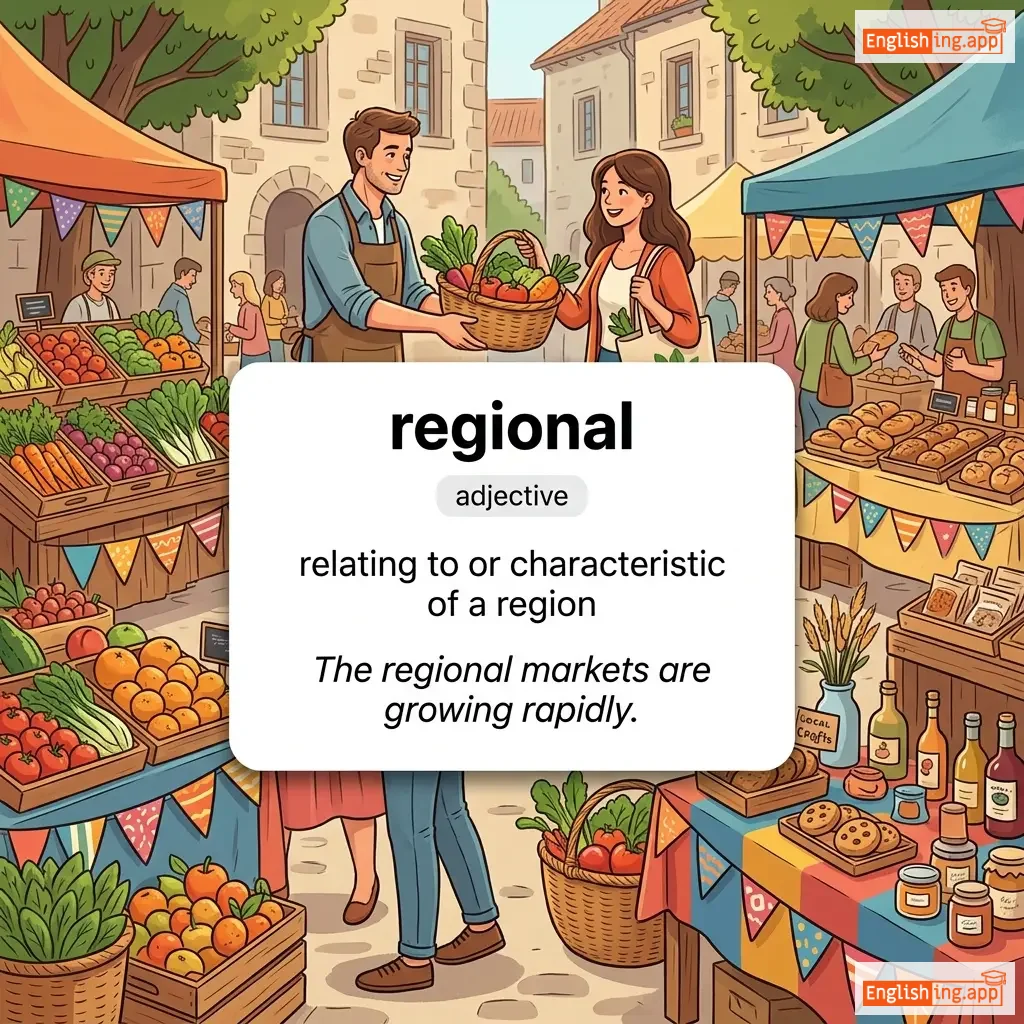
/ˈriː.dʒən.əl/
adjective
(里吉恩尔)
••••••
|
|
区域的
rijienel
••••••
|
relating to a particular region or area; local to a specific geographic area
••••••
|
The regional differences in culture were quite noticeable.
地区在文化方面的差异相当明显。
••••••
|
地区之间在文化方面的差异相当明显。
diquzaiwenhuafangmiandechayixiangdangmingxian
••••••
|
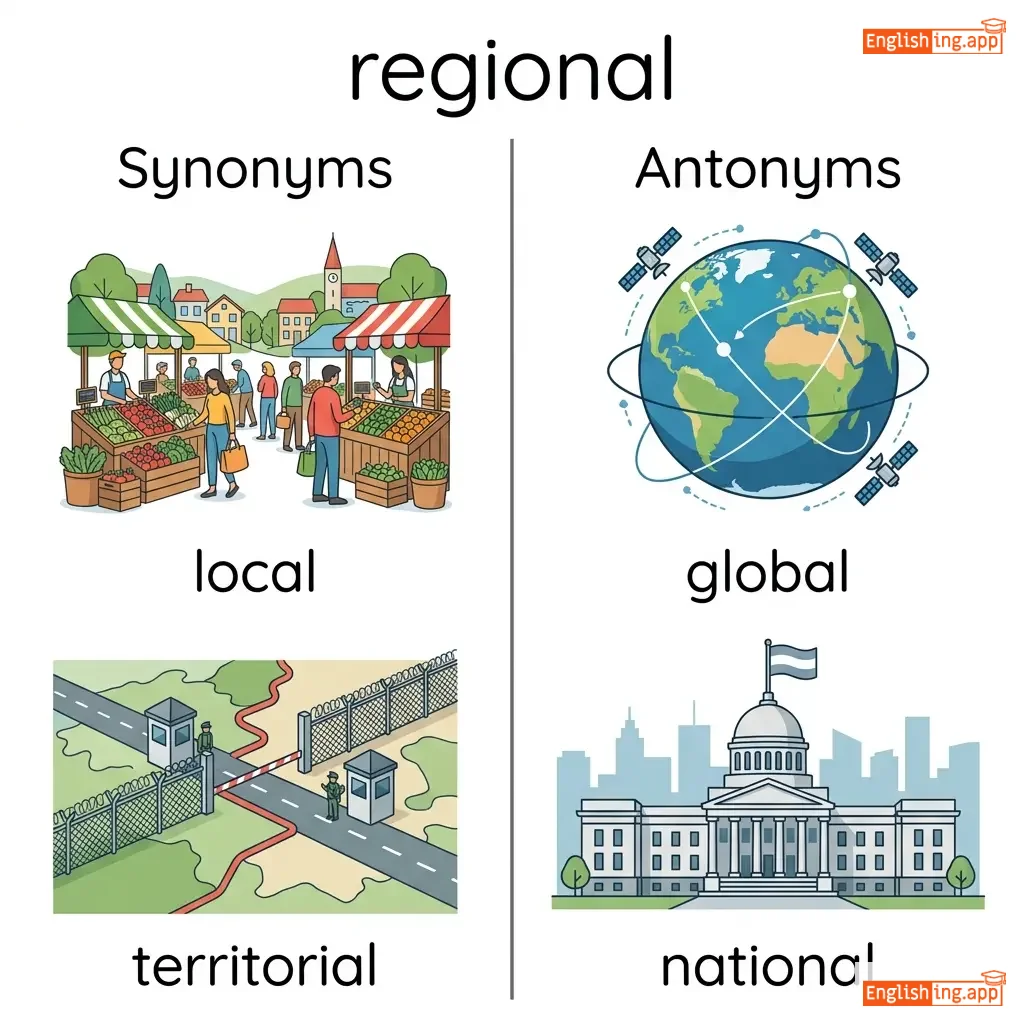
local, territorial, district
••••••
|
national, global, international
••••••
|
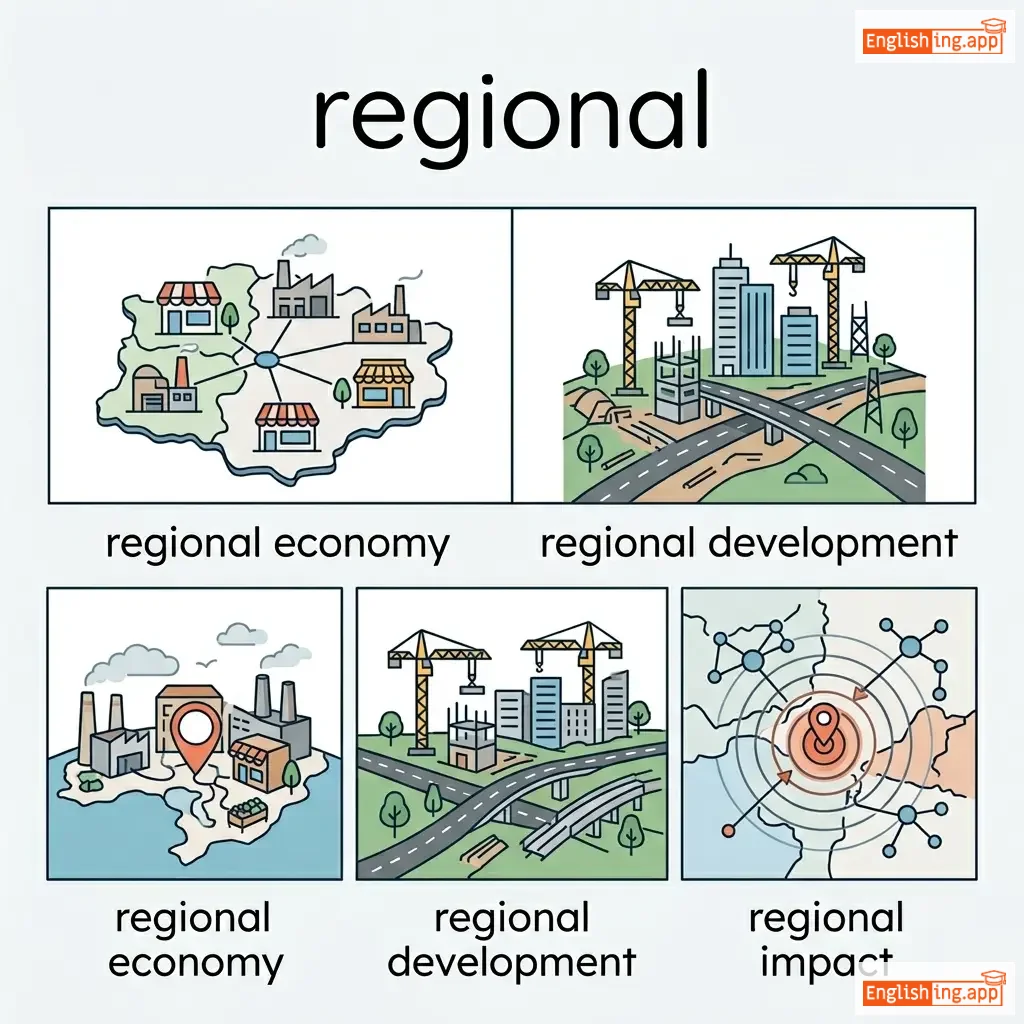
regional government, regional differences, regional cuisine
••••••
|
区域 regional 的记忆法: 看地图, 区域就是 region 的中文含义, 将 region 和 区域 联系起来, 想象一张区域地图 指向 local 的地方
••••••
|
|
#719
🩹
|
/rɪˈmiːdiəl/
adjective
(rɪˈmiːdiəl)
••••••
|
- •••••• |
补救的; 修正的; 治疗的;
bǔjiù de
••••••
|
intended as a remedy; corrective; providing a cure;
••••••
|
The students need remedial classes to improve their math skills. |
学生们需要补习课来提高他们的数学技能。
Xuéshēngmen xūyào bǔxí kè lái tígāo tāmen de shùxué jìnéng.
••••••
|
corrective, therapeutic, curative, healing
••••••
|
harmful, detrimental, damaging
••••••
|
remedial action, remedial education, remedial treatment
••••••
|
Remedial 就是疗愈与改善的意思。
••••••
|
|
#720
🤢
|
/rɪˈpʌɡ.nənt/
adjective
(反感)
••••••
|
- •••••• |
令人反感的; 令人厌恶的; 令人不快的
lìng rén fǎn gǎn de; lìng rén yàn wù de; lìng rén bù kuài de
••••••
|
extremely distasteful; unacceptable; causing disgust or strong dislike
••••••
|
The idea of lying to his parents was repugnant to him.
对父母撒谎的想法让他感到反感。
••••••
|
对父母撒谎的想法让他感到反感。
Duì fùmǔ sā huǎng de xiǎngfǎ ràng tā gǎndào fǎn gǎn.
••••••
|
disgusting, revolting, abhorrent
••••••
|
appealing, attractive, pleasant
••••••
|
morally repugnant, utterly repugnant, find repugnant
••••••
|
Repugnant = 'Répugner à mentir.'
••••••
|
Vocabulary Quiz
Test your vocabulary by matching words with their translations or meanings.
Login to take the quiz
Comments (0)
Share your thoughts and join the discussion.
Join the discussion by logging in
Login to CommentNo comments yet
Be the first to share your thoughts!