

Swipe left or right, or use the buttons. Tap image to zoom.
例句翻译
单词
Lesson 28Lesson 28 - 遮罩切换
|
表情符号
|
单词 | Images | 翻译 | 含义 | 例句 | 例句翻译 | 示例表达翻译 | 同义词 | 反义词 | 搭配词 | 助记符 |
|---|---|---|---|---|---|---|---|---|---|---|---|
|
#541
🚢
|
/ˈnæv.ɪ.ɡə.bəl/
adjective
(navigable)
••••••
|
- •••••• |
可航行的
kehángxíng de
••••••
|
suitable for ships or boats to travel on; able to be navigated
••••••
|
The river is navigable for small boats during the rainy season.
这条河在雨季适合小船通行。
••••••
|
这条河在雨季适合小船通行。
Zhè tiáo hé zài yǔjì shìhé xiǎo chuán tōngxíng.
••••••
|
- •••••• |
passable, accessible, traversable
••••••
|
impassable, blocked, unnavigable
••••••
|
navigable waters, navigable river, navigable channel
••••••
|
可航行的表示河流或水道适合船只通行,特别是在雨季。
••••••
|
|
#542
🤢
|
/ˈnɔɪ.səm/
adjective
(noisom)
••••••
|
- •••••• |
恶臭的; 有害的或令人不快的
èchòu de; yǒuhài de huò lìng rén bù kuài de
••••••
|
having an extremely offensive smell; harmful or unpleasant
••••••
|
The noisome smell from the garbage made everyone cover their noses. |
垃圾散发出的恶臭让每个人都捂住了鼻子。
Lājī sànfā chū de èchòu ràng měi gè rén dōu wǔ zhù le bízi.
••••••
|
- •••••• |
offensive, disgusting, foul, repulsive
••••••
|
pleasant, fragrant, sweet
••••••
|
noisome smell, noisome odor, noisome fumes
••••••
|
想象垃圾的恶臭让你不得不捂住鼻子。
••••••
|
|
#543
🤲
|
/ˈniː.di/
adjective
(nidi)
••••••
|
- •••••• |
贫困的; 需要帮助的; 缺乏基本生活必需品的
pinkuande; xuyao bangzhu de; quexiao jiben shenghuo bixu pin de
••••••
|
requiring help or support; poor; lacking basic necessities
••••••
|
The charity helps needy families during the winter.
慈善在冬季帮助贫困家庭。
••••••
|
慈善在冬季帮助贫困家庭。
Císhàn zài dōngjì bāngzhù pínkùn jiātíng.
••••••
|
- •••••• |
poor, destitute, impoverished, deprived
••••••
|
wealthy, rich, affluent, prosperous
••••••
|
needy families, help the needy, needy children
••••••
|
贫困的家庭冬天需要帮助,慈善正是为此提供援助。
••••••
|
|
#544
⚖️
|
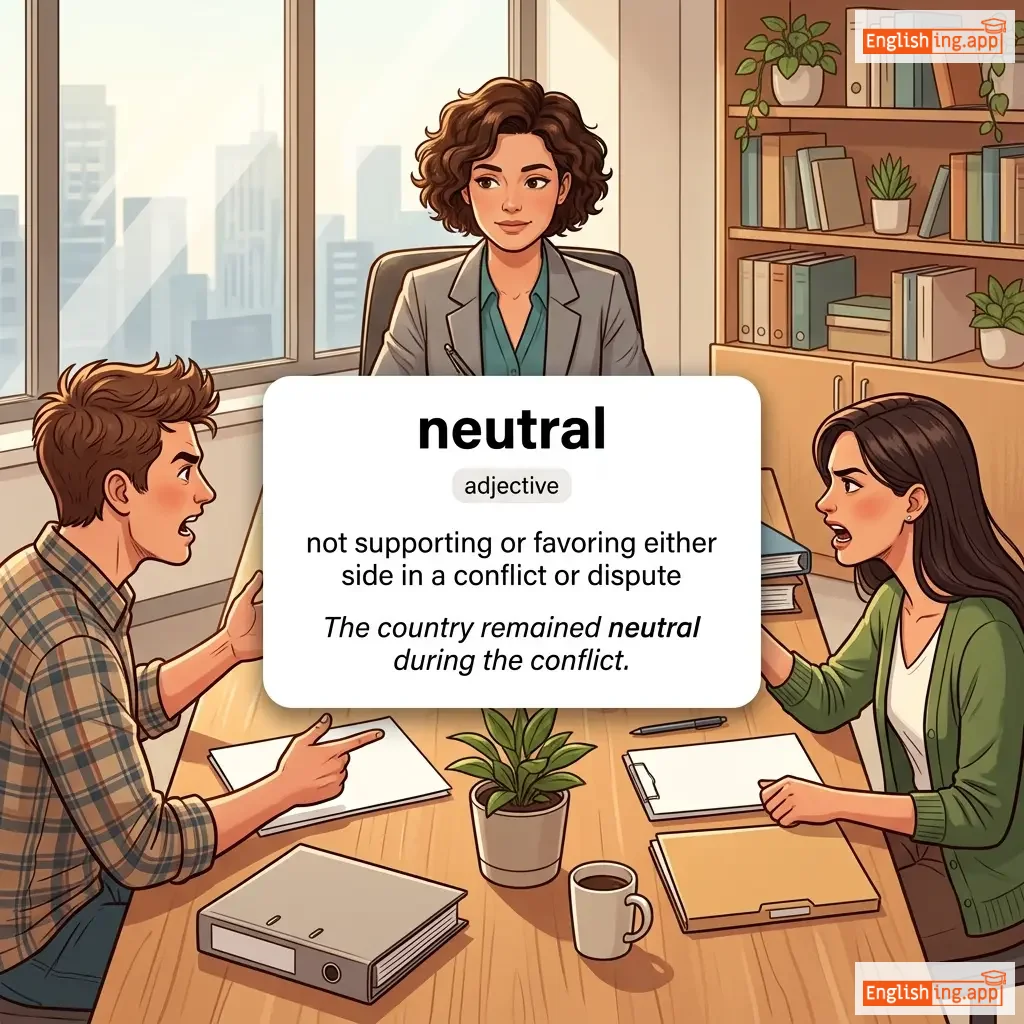
/ˈnjuː.trəl/
adjective
(nǐu tè ěr)
••••••
|
|
中立的; 公正的; 在冲突或分歧中不支持任何一方
zhōnglì de; gōngzhèng de; zài chōngtū huò fēnqí zhōng bù zhīchí rènhé yī fāng
••••••
|
impartial; not supporting either side in a conflict or disagreement; unbiased
••••••
|
The judge remained neutral during the court proceedings.
法官在法庭程序中保持中立。
••••••
|
法官在法庭程序中保持中立。
Fǎguān zài fǎtíng chéngxù zhōng bǎochí zhōnglì.
••••••
|
- •••••• |
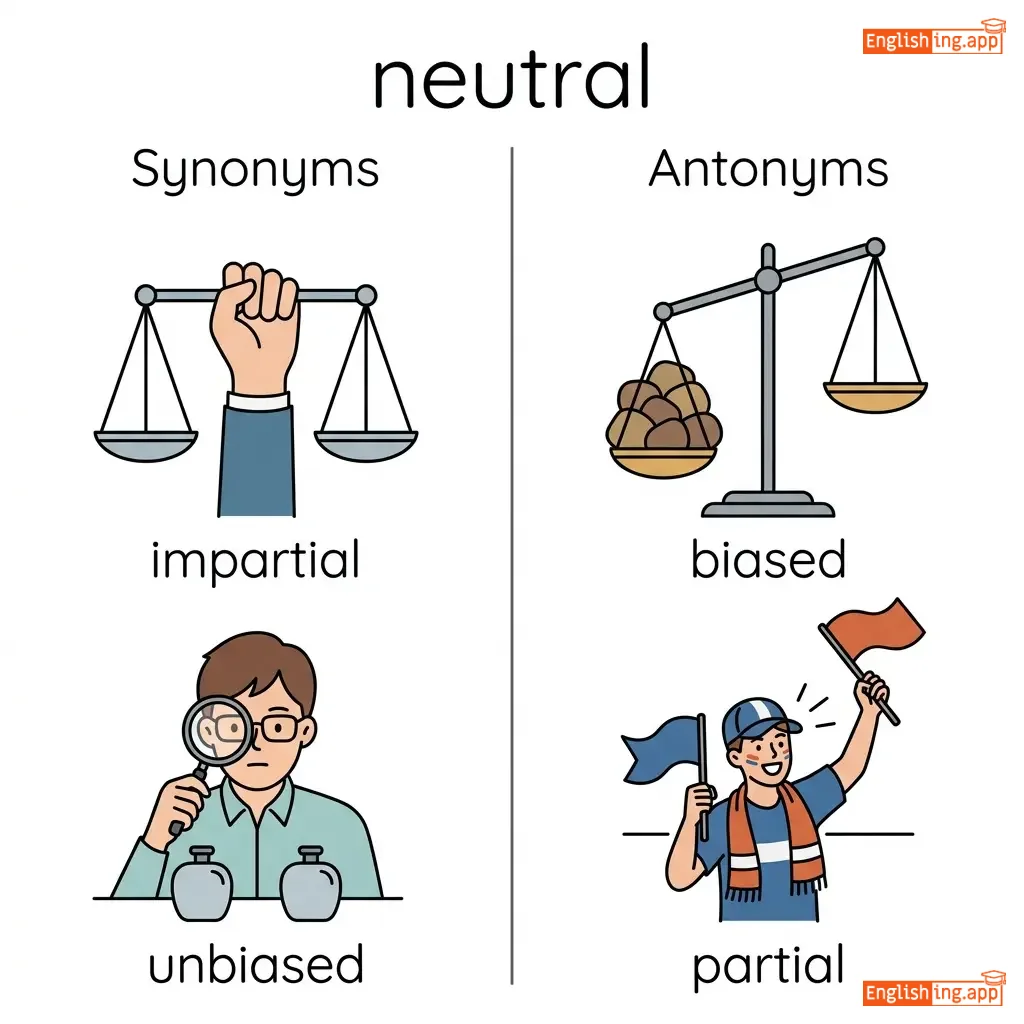
impartial, unbiased, objective, balanced
••••••
|
biased, partial, prejudiced, one-sided
••••••
|
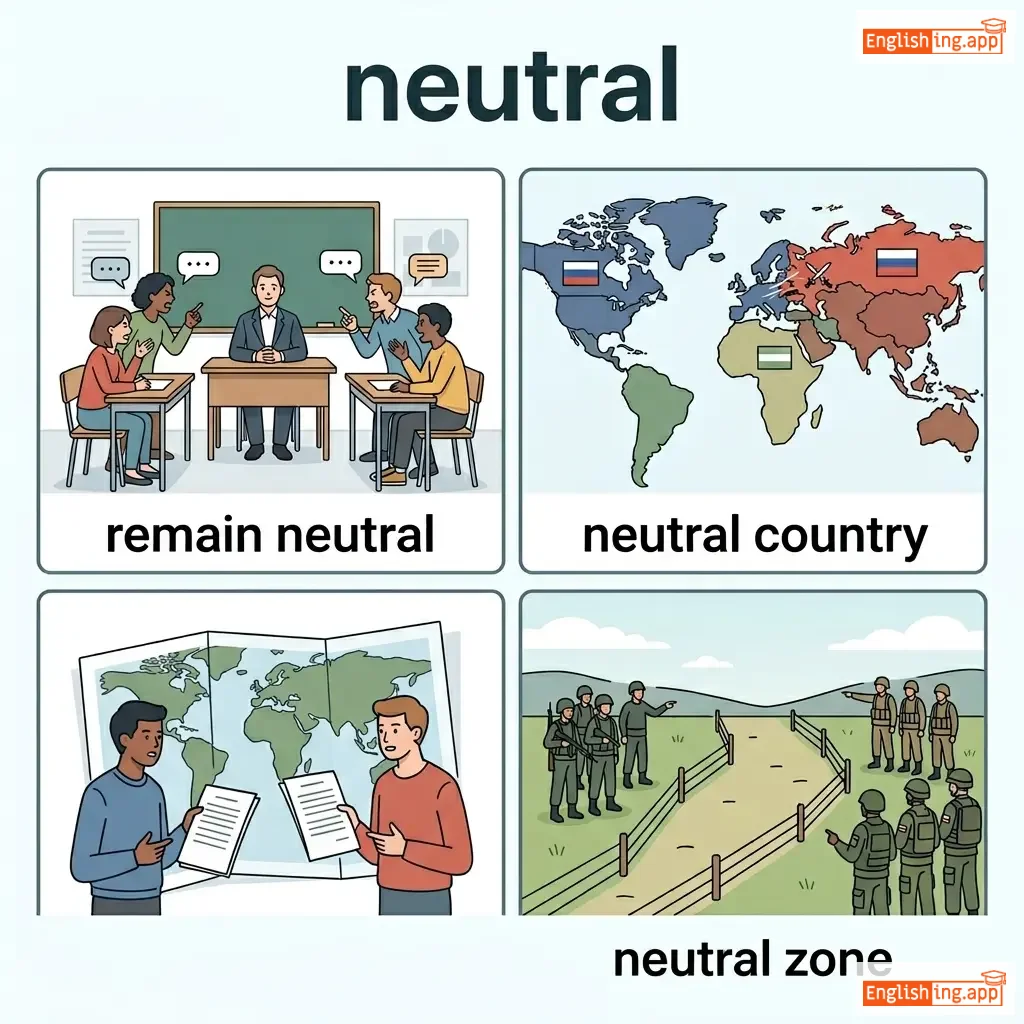
neutral ground, neutral position, remain neutral, neutral color
••••••
|
中立意味着不偏袒任何一方,就像公正的法官。
••••••
|
|
#545
✨
|
/niːt/
adjective
(nít)
••••••
|
- •••••• |
干净整洁; 井然有序; 精心制作
ganjing zhengjie; jingran youxu; jingxin zhizu
••••••
|
clean and tidy; well-organized; carefully done
••••••
|
Her room is always neat and organized.
她的房间总是整洁有序。
••••••
|
她的房间总是整洁有序。
ta de fangjian zongshi zhengjie youxu
••••••
|
- •••••• |
tidy, clean, orderly, organized
••••••
|
messy, untidy, disorganized, cluttered
••••••
|
neat appearance, neat handwriting, neat and tidy
••••••
|
保持 'neat' 的状态,即是清洁和有序
••••••
|
|
#546
🔇
|
/ˈnɔɪz.ləs/
adjective
(nuoízīlèsī)
••••••
|
- •••••• |
无声的; 完全安静的
wúshēng de; wánquán ānjìng de
••••••
|
making no sound; completely silent
••••••
|
She moved through the house in noiseless steps so as not to wake the baby. |
她走过房子,步伐无声,以免吵醒宝宝。
Tā zǒuguò fángzi, bùfá wúshēng, yǐmiǎn chǎoxǐng bǎobǎo.
••••••
|
- •••••• |
silent, quiet, soundless, hushed
••••••
|
noisy, loud, clamorous
••••••
|
noiseless footsteps, noiseless movement, noiseless operation
••••••
|
想象在不发出任何声音的情况下移动,就像幽灵一样。
••••••
|
|
#547
😊
|
/naɪs/
adjective
(naisi)
••••••
|
- •••••• |
愉快的; 漂亮的; 满意的; 吸引人的
yúkuài de; piàoliang de; mǎnyì de; xīyǐn rén de
••••••
|
pleasant; agreeable; satisfactory; good; attractive
••••••
|
She wore a nice dress to the party.
她穿着一件漂亮的裙子去参加派对。
••••••
|
她穿着一件漂亮的裙子去参加派对。
Tā chuānzhuó yī jiàn piàoliang de qúnzi qù cānjiā pàiduì.
••••••
|
- •••••• |
pleasant, lovely, beautiful, wonderful, good
••••••
|
nasty, unpleasant, horrible, awful, bad
••••••
|
nice weather, nice person, very nice, nice to meet you
••••••
|
Nice就像是参加派对时穿的一条漂亮裙子,充满喜悦感。
••••••
|
|
#548
😴
|
/ˈneɡ.lɪ.dʒənt/
adjective
(nèɡlɪdʒənt)
••••••
|
- •••••• |
疏忽的
shūhū de
••••••
|
failing to take proper care; careless; showing lack of attention
••••••
|
The negligent driver caused a serious accident. |
疏忽的司机造成了一起严重的事故。
Shūhū de sījī zàochéngle yīqǐ yánzhòng de shìgù.
••••••
|
- •••••• |
careless, irresponsible, inattentive, neglectful
••••••
|
careful, responsible, attentive, diligent
••••••
|
negligent behavior, negligent driving, negligent care
••••••
|
疏忽的 = 一位不小心开车的司机。
••••••
|
|
#549
🤏
|
/ˈneɡ.lɪ.dʒə.bəl/
adjective
(néglijíbùl)
••••••
|
- •••••• |
微不足道
wēi bù zú dào
••••••
|
so small or unimportant as to be not worth considering; insignificant
••••••
|
The side effects of this medicine are negligible.
这种药物的副作用微不足道。
••••••
|
这种药物的副作用微不足道。
zhè zhǒng yàowù de fù zuòyòng wēi bù zú dào.
••••••
|
- •••••• |
insignificant, trivial, minimal, minor
••••••
|
significant, substantial, considerable, major
••••••
|
negligible amount, negligible effect, negligible difference
••••••
|
'微不足道'意味着如此小或不重要,像这种药物的副作用一样不值得考虑。
••••••
|
|
#550
🥶
|
/ˈnɪp.i/
adjective
(nipi)
••••••
|
- •••••• |
寒冷; 刺骨; 快速且灵活的动作
hanleng; cigu; kuaisu qie linghuo de dongzuo
••••••
|
cold; chilly; quick and agile in movement
••••••
|
It's quite nippy outside today, you should wear a jacket. |
今天外面相当寒冷,你应该穿上夹克。
Jintian waimian xiangdang hanleng, ni yinggai chuanshang jiake.
••••••
|
- •••••• |
cold, chilly, cool, brisk, sharp
••••••
|
warm, hot, mild, balmy, temperate
••••••
|
nippy weather, nippy morning, nippy wind, feel nippy
••••••
|
寒冷的天气需要快速灵活的动作,别忘了穿夹克。
••••••
|
|
#551
☁️
|
/ˈneb.jə.ləs/
adjective
(nèibìulè sī)
••••••
|
- •••••• |
模糊的; 不明确的; 朦胧的
móhú de; bù míngquè de; ménglóng de
••••••
|
vague or unclear; lacking definite form; hazy
••••••
|
His plans for the future remain nebulous and unclear.
他的未来计划仍然模糊不清。
••••••
|
他的未来计划仍然模糊不清。
Tā de wèilái jìhuà réngrán móhú bùqīng.
••••••
|
- •••••• |
vague, unclear, hazy, ambiguous
••••••
|
clear, definite, precise, specific
••••••
|
nebulous concept, nebulous idea, nebulous plan
••••••
|
模糊 = 云雾 + 浑浊 (像云雾一样模糊)
••••••
|
|
#552
🔊
|
/ˈnɔɪ.zi/
adjective
(noi-zi)
••••••
|
- •••••• |
吵闹
chao nao
••••••
|
making a lot of loud or unpleasant sound; clamorous
••••••
|
The noisy construction work outside made it difficult to concentrate.
外面的嘈杂施工工作使得集中精神变得困难。
••••••
|
外面的吵闹施工工作使得集中精神变得困难。
Wai mian de chao nao shi gong gong zuo shi de ji zhong jing shen bian de kunnan.
••••••
|
- •••••• |
loud, clamorous, boisterous, raucous
••••••
|
quiet, silent, peaceful
••••••
|
noisy crowd, noisy neighbors, noisy traffic
••••••
|
Chao nao: Think of loud 'chao' breaking concentration.
••••••
|
|
#553
🏘️
|
/ˈneɪ.bər.ɪŋ/
adjective
(neiboring)
••••••
|
- •••••• |
邻近的; 相邻的; 邻接的
linjin de; xianglin de; linjie de
••••••
|
situated next to or very near; adjacent; bordering
••••••
|
We often visit our neighbouring countries for trade. |
我们经常访问我们的邻国进行贸易。
Women jingchang fuzhu wode lingguo jinxing maoyi.
••••••
|
- •••••• |
adjacent, nearby, bordering, adjoining
••••••
|
distant, remote, far, separate
••••••
|
neighbouring countries, neighbouring houses, neighbouring cities
••••••
|
邻国之间的贸易如此紧密!
••••••
|
|
#554
👑
|
/ˈnoʊ.bəl/
adjective
(诺布尔)
••••••
|
- •••••• |
高尚的;贵族的
nuobuer
••••••
|
having high moral qualities; honorable; generous; of aristocratic birth
••••••
|
His noble actions helped many people in need.
他的高尚行为帮助了许多需要帮助的人。
••••••
|
他的高尚行为帮助了许多需要帮助的人。
tadegaoshangxingweibangzhulexuduoxuyaobangzhudenren
••••••
|
- •••••• |
honorable, dignified, virtuous, admirable, generous
••••••
|
ignoble, dishonorable, base, mean, selfish
••••••
|
noble cause, noble character, noble gesture, noble birth
••••••
|
No Bull, 高尚的心才 Noble - 高尚的人不吹牛
••••••
|
|
#555
⚠️
|
/ˈnes.ə.ser.i/
adjective
(必要的)
••••••
|
|
必要的; 必需的; 特定目的所需的
bìyàode; bìxū de; tèdìng mùdì suǒxū de
••••••
|
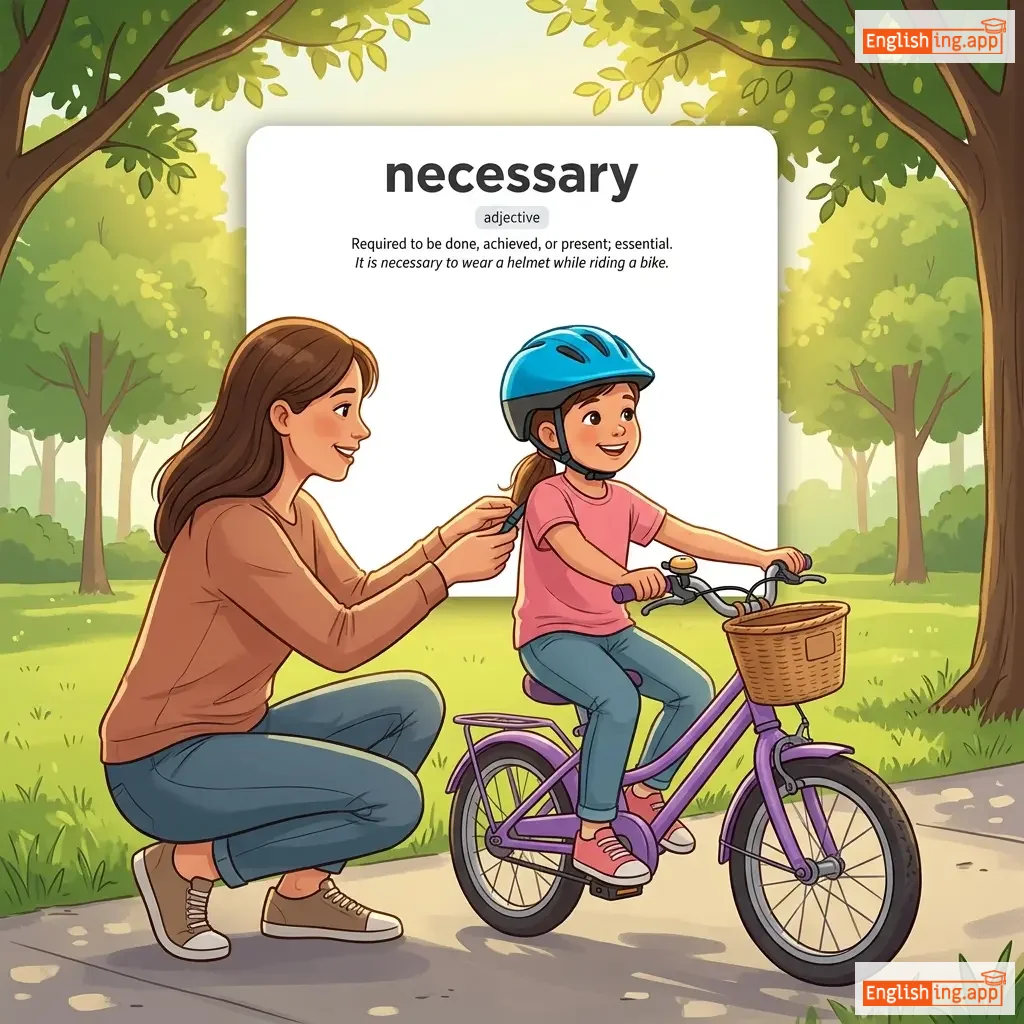
required; essential; needed for a particular purpose
••••••
|
It is necessary to wear a helmet when riding a motorcycle.
骑摩托车时必须戴头盔。
••••••
|
骑摩托车时必须戴头盔。
Qí mótuōchē shí bìxū dài tóukuī.
••••••
|
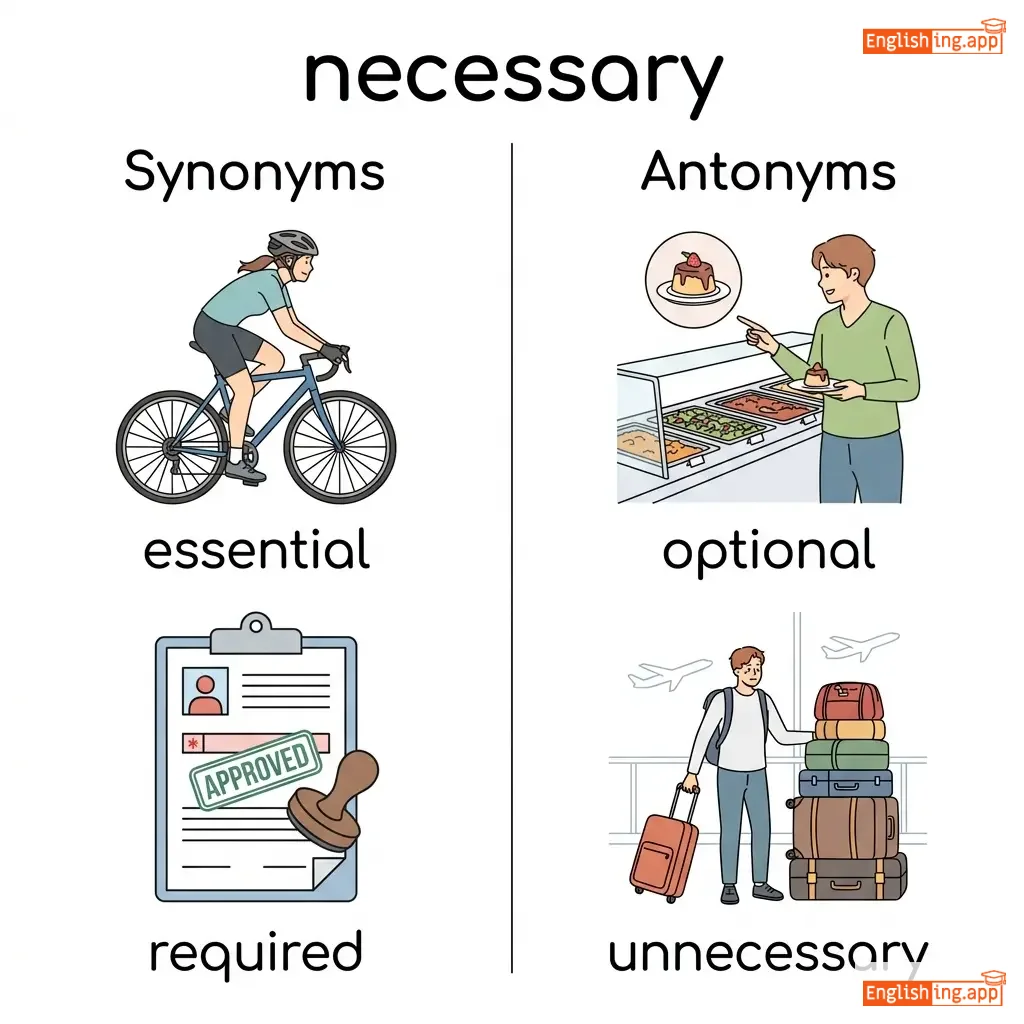
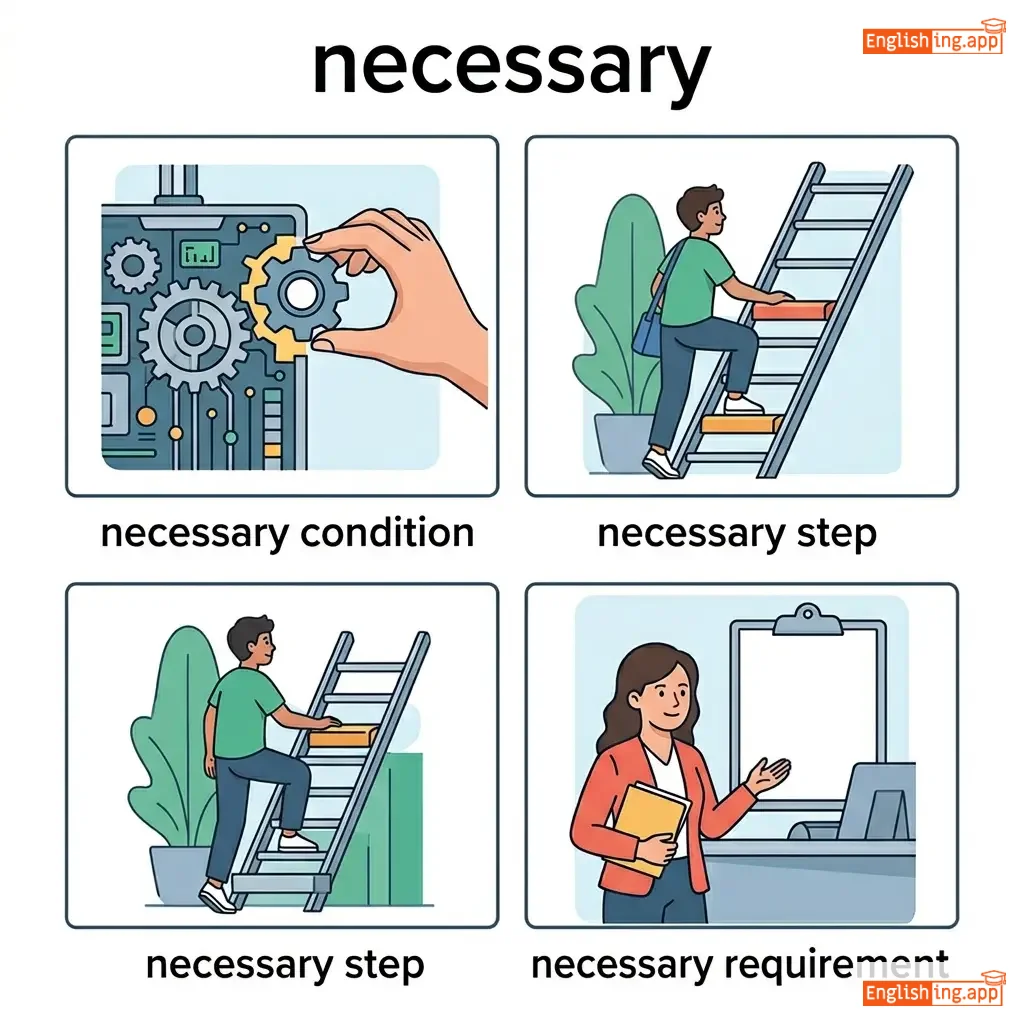
- •••••• |
essential, required, vital, important
••••••
|
unnecessary, optional, dispensable, unimportant
••••••
|
necessary steps, necessary equipment, absolutely necessary
••••••
|
记住:戴头盔是你安全的必要!
••••••
|
|
#556
📏
|
/ˈnɒm.ɪ.nəl/
adjective
(诺米纳尔)
••••••
|
- •••••• |
名义上的; 非常小
míngyì shàng de; fēicháng xiǎo
••••••
|
very small in size or amount; existing in name only
••••••
|
He paid only a nominal fee for the membership since he was a student.
他只支付了名义上的会员费,因为他是学生。
••••••
|
他只支付了名义上的会员费,因为他是学生。
Tā zhǐ zhīfùle míngyì shàng de huìyuán fèi, yīnwèi tā shì xuéshēng.
••••••
|
- •••••• |
minimal, token, symbolic, tiny
••••••
|
substantial, significant, considerable
••••••
|
nominal fee, nominal amount, nominal value
••••••
|
名义上的收费非常小,只有一个名字。
••••••
|
|
#557
😰
|
/ˈnɜː.vəs/
adjective
(紧张)
••••••
|
- •••••• |
紧张, 焦虑
jinzhang, jiaolv
••••••
|
feeling anxious or worried; relating to the nerves; easily agitated
••••••
|
She felt nervous before her job interview.
她在面试前感到紧张。
••••••
|
她在面试前感到紧张。
Tā zài miànshì qián gǎndào jǐnzhāng.
••••••
|
- •••••• |
anxious, worried, tense, uneasy
••••••
|
calm, relaxed, confident, composed
••••••
|
nervous system, feel nervous, nervous energy
••••••
|
Visualize someone nervously shaking before a big test.
••••••
|
|
#558
🚫
|
/ˈniːd.ləs/
adjective
(尼德勒斯)
••••••
|
- •••••• |
不必要的
needluhs
••••••
|
unnecessary; not required; without purpose
••••••
|
The argument was needless and could have been avoided.
这场争论是多余的,本来可以避免。
••••••
|
这场争论是多余的,本来可以避免。
zhe chang zhenglun shi duoyu de, benlai keyi bimian
••••••
|
不用说
bu yong shuo
••••••
|
unnecessary, pointless, useless, superfluous
••••••
|
necessary, essential, required, needed
••••••
|
needless worry, needless to say, needless argument
••••••
|
Needless = Need less, 记住: 你需要的越少越好,这样多余的东西就会被删掉
••••••
|
|
#559
🦉
|
/nɑːkˈtɜr.nəl/
adjective
(nòkè tè nà ěr)
••••••
|
- •••••• |
夜行性
yèxíngxìng
••••••
|
active at night; happening during the night
••••••
|
Owls are nocturnal animals that hunt at night.
猫头鹰是夜间活动的动物,在晚上捕猎。
••••••
|
猫头鹰是夜间活动的动物,在晚上捕猎。
māotóuyīng shì yèjiān huódòng de dòngwù, zài wǎnshàng bǔliè.
••••••
|
- •••••• |
night-active, nighttime, nightly, evening
••••••
|
diurnal, daytime, daily, morning
••••••
|
nocturnal animals, nocturnal habits, nocturnal activities, nocturnal species
••••••
|
猫头鹰在夜间活动,夜行性是它的特征。
••••••
|
|
#560
✅
|
/ˈnɔː.məl/
adjective
(nóu mó)
••••••
|
- •••••• |
正常; 典型; 符合标准; 健康
zhèngcháng; diǎnxíng; fúhé biāozhǔn; jiànkāng
••••••
|
usual; typical; conforming to a standard; healthy
••••••
|
It's normal to feel nervous before an important exam.
在重要的考试前感到紧张是正常的。
••••••
|
在重要的考试前感到紧张是正常的。
Zài zhòngyào de kǎoshì qián gǎndào jǐnzhāng shì zhèngcháng de.
••••••
|
- •••••• |
usual, typical, standard, regular
••••••
|
abnormal, unusual, irregular
••••••
|
normal behavior, normal temperature, normal conditions
••••••
|
考试前紧张是正常的,大家都会有的。
••••••
|
Vocabulary Quiz
Test your vocabulary by matching words with their translations or meanings.
Login to take the quiz
Comments (0)
Share your thoughts and join the discussion.
Join the discussion by logging in
Login to CommentNo comments yet
Be the first to share your thoughts!