

Swipe left or right, or use the buttons. Tap image to zoom.
例句翻译
单词
Lesson 54Lesson 54 - 遮罩切换
|
表情符号
|
单词 | Images | 翻译 | 含义 | 例句 | 例句翻译 | 同义词 | 反义词 | 搭配词 | 助记符 |
|---|---|---|---|---|---|---|---|---|---|---|
|
#1061
🎒
|
/ˈvæɡəbɒnd/
adjective
(瓦嘎邦)
••••••
|
- •••••• |
流浪汉
liúlànghàn
••••••
|
wandering from place to place without a home or job
••••••
|
The vagabond lifestyle suited him perfectly as he loved traveling.
流浪汉的生活方式完全适合他,因为他喜欢旅行。
••••••
|
流浪汉的生活方式完全适合他,因为他喜欢旅行。
Liúlànghàn de shēnghuó fāngshì wánquán shìhé tā, yīnwèi tā xǐhuān lǚxíng.
••••••
|
wandering, nomadic, roaming, homeless
••••••
|
settled, permanent, stable, rooted
••••••
|
vagabond lifestyle, vagabond existence, vagabond spirit
••••••
|
流浪汉(Liúlànghàn)即代表了没有固定住所的人,像是一个旅途中的流动存在。
••••••
|
|
#1062
🔮
|
/ʌnˈjuː.ʒu.əl/
adjective
(an-yu-zhu-äl)
••••••
|
- •••••• |
不寻常; 奇怪;
bù xúncháng; qíguài
••••••
|
not typical; strange; different from what is normal
••••••
|
She wore an unusual dress to the party.
她穿了一件不寻常的衣服去参加派对。
••••••
|
她穿了一件不寻常的衣服去参加派对。
Tā chuānle yī jiàn bù xúncháng de yīfu qù cānjiā pàiduì.
••••••
|
strange, odd, peculiar, rare, uncommon
••••••
|
usual, normal, typical, common, ordinary
••••••
|
unusual behavior, unusual circumstances, quite unusual
••••••
|
Unusual sounds like '不寻常', think of '不' (not) and '寻常' (ordinary)
••••••
|
|
#1063
👎
|
/ʌnˈwɜːrði/
adjective
(ān wǎ dé)
••••••
|
- •••••• |
不配; 没有价值
bù pèi; méiyǒu jiàzhí
••••••
|
not deserving respect or attention; lacking worth or merit
••••••
|
He felt unworthy of such praise and recognition.
他觉得自己不配得到这样的赞扬和认可。
••••••
|
他觉得自己不配得到这样的赞扬和认可。
Tā juédé zìjǐ bùpèi dédào zhèyàng de zànyáng hé rènkě.
••••••
|
undeserving, inadequate, inferior, worthless
••••••
|
worthy, deserving, adequate, valuable
••••••
|
unworthy of praise, feel unworthy, unworthy candidate
••••••
|
不配 – meaning unworthy, like someone who doesn't deserve respect.
••••••
|
|
#1064
🔧
|
/ˈjuːs.fəl/
adjective
(yousiful)
••••••
|
- •••••• |
有用的; 实用的
youyong de; shiyong de
••••••
|
having a beneficial purpose; practical
••••••
|
This tool is very useful for fixing problems.
这个工具对解决问题非常有用。
••••••
|
这个工具对解决问题非常有用。
zhe ge gong ju dui jie jue wen ti fei chang you yong.
••••••
|
helpful, beneficial, practical, handy, valuable
••••••
|
useless, harmful, worthless, ineffective
••••••
|
useful tool, useful information, very useful, quite useful
••••••
|
Useful 就像这个有用的工具,帮助解决问题
••••••
|
|
#1065
🚶
|
/ˈveɪɡrənt/
adjective
(veɪɡrənt)
••••••
|
- •••••• |
流浪; 无家可归
liúlàng; wújiā kěguī
••••••
|
wandering aimlessly; having no settled home
••••••
|
The vagrant man was asking for food near the station.
流浪汉在车站附近乞讨食物。
••••••
|
流浪汉在车站附近乞讨食物。
Liúlàng hàn zài chēzhàn fùjìn qǐtǎo shíwù.
••••••
|
homeless, wandering, nomadic, itinerant
••••••
|
settled, housed, permanent, stable
••••••
|
vagrant person, vagrant population, vagrant behavior
••••••
|
流浪汉在街头漫游,像一个无家可归的灵魂。
••••••
|
|
#1066
❌
|
/ʌnˈwɒn.tɪd/
adjective
(ʌnˈwɒn.tɪd)
••••••
|
- •••••• |
不受欢迎的
bù shòu huānyíng de
••••••
|
not desired or welcome; not wanted
••••••
|
He felt like an unwanted guest at the meeting. |
他在会议上觉得自己像个不受欢迎的客人。
tā zài huìyì shàng juédé zìjǐ xiàng gè bù shòu huānyíng de kèrén.
••••••
|
undesired, unwelcome, unnecessary, rejected
••••••
|
wanted, desired, welcome, needed
••••••
|
unwanted attention, unwanted pregnancy, unwanted guest
••••••
|
不受欢迎 = 像不受欢迎的客人
••••••
|
|
#1067
⛰️
|
/ˈʌpˌhɪl/
adjective
(apil)
••••••
|
- •••••• |
困难的; 需要巨大努力的; 向上的倾斜
kunnan de; xuyao jida nuli de; xiang shang de qingxie
••••••
|
difficult; requiring great effort; sloping upward
••••••
|
Learning a new language can be an uphill battle. |
学习一门新语言可能是一个艰难的战斗。
Xuexi yi men xin yuyan keneng shi yige jiannang de zhanzheng.
••••••
|
difficult, challenging, arduous, tough
••••••
|
easy, downhill, simple, effortless
••••••
|
uphill battle, uphill struggle, uphill task
••••••
|
通过将'向上'(xiang shang)和'倾斜'(qingxie)与'apil'结合,记住这个词。
••••••
|
|
#1068
🗑️
|
/ˈjuːs.ləs/
adjective
(yúsīlèsī)
••••••
|
- •••••• |
无用
wúyòng
••••••
|
having no beneficial purpose; not useful
••••••
|
This broken computer is completely useless.
这个坏掉的电脑完全是无用的。
••••••
|
这个坏掉的电脑完全是无用的。
Zhège huài diào de diànnǎo wánquán shì wúyòng de.
••••••
|
worthless, ineffective, pointless, futile, unhelpful
••••••
|
useful, helpful, valuable, effective, beneficial
••••••
|
completely useless, totally useless, useless information, useless attempt
••••••
|
In Chinese, '无用' means useless, similar to 'useless' in English.
••••••
|
|
#1069
🚫
|
/ʌnˈwel.kəm/
adjective
(ʌnˈwɛlkəm)
••••••
|
- •••••• |
不受欢迎的; 不想要的; 不邀请的
bù shòu huānyíng de; bù xiǎng yào de; bù yāoqǐng de
••••••
|
not wanted or accepted; not invited or pleasant
••••••
|
The unwelcome news ruined their vacation plans.
不受欢迎的消息破坏了他们的度假计划。
••••••
|
不受欢迎的消息破坏了他们的度假计划。
Bù shòu huānyíng de xiāoxī pòhuài le tāmen de dùjià jìhuà.
••••••
|
unwanted, undesired, unpleasant, disagreeable
••••••
|
welcome, pleasant, desired, invited
••••••
|
unwelcome visitor, unwelcome news, unwelcome surprise
••••••
|
‘受欢迎’是好的,但‘不受欢迎’是不好的。
••••••
|
|
#1070
🔝
|
/ˈʌt.moʊst/
adjective
(utmost)
••••••
|
- •••••• |
最极; 极限
zuì jí; jí xiàn
••••••
|
greatest; most extreme; maximum possible
••••••
|
She showed utmost care while handling the fragile items.
Shee shod utmost kehr wail handling dee frajil aitems.
••••••
|
她在处理脆弱物品时表现出最大的关心。
Tā zài chǔlǐ cuìruò wùpǐn shí biǎoxiàn chū zuì dà de guānxīn.
••••••
|
greatest, maximum, extreme, highest, supreme
••••••
|
least, minimum, lowest, smallest
••••••
|
utmost care, utmost importance, utmost respect, with utmost
••••••
|
Chinese speakers relate '极限' to 'utmost' due to the idea of reaching maximum limits.
••••••
|
|
#1071
🚫👋
|
/ʌnˈtʌtʃəbəl/
adjective
(ān tā qiē bù ěr)
••••••
|
- •••••• |
不可触碰的; 无法批评或攻击
bù kě chù pèng de; wú fǎ pī píng huò gōng jī
••••••
|
not able to be touched or affected; beyond criticism or attack
••••••
|
The CEO seemed untouchable despite the scandal.
即使有丑闻,首席执行官似乎仍然是不可触碰的。
••••••
|
即使有丑闻,首席执行官似乎仍然是不可触碰的。
Jí shǐ yǒu chǒu wén, shǒu xí zhí xíng guān shì hū réng rán shì bù kě chù pèng de.
••••••
|
invulnerable, invincible, sacred, immune
••••••
|
vulnerable, touchable, accessible, reachable
••••••
|
untouchable leader, untouchable status, seemingly untouchable
••••••
|
不可触碰的 - '无法触摸或批评的人。'
••••••
|
|
#1072
📢
|
/ˈʌpˌrɔːr/
adjective
(apruar)
••••••
|
- •••••• |
骚动; 喧嚣; 公共愤怒
saodong; xuānxiāo; gōnggòng fènnù
••••••
|
a loud and impassioned noise or disturbance; an outbreak of public anger
••••••
|
The controversial decision caused an uproar among the citizens. |
有争议的决定在公民中引起了骚动。
Yǒu zhēngyì de juédìng zài gōngmín zhōng yǐnqǐle sāodòng.
••••••
|
commotion, disturbance, tumult, chaos
••••••
|
calm, peace, quiet, silence
••••••
|
cause an uproar, public uproar, uproar over
••••••
|
No •••••• |
|
#1073
🕴️
|
/ˈʌpˌraɪt/
adjective
(āpǔraít)
••••••
|
- •••••• |
诚实且道德正确;垂直或挺立的姿势
chéngshí qiě dàodé zhèngquè; chuízhí huò tǐnglì de zīshì
••••••
|
honest and morally correct; vertical or erect in position
••••••
|
She is known for being an upright and honest businesswoman. |
她以诚实和正直的商业女性而闻名。
Tā yǐ chéngshí hé zhèngzhí de shāngyè nǚxìng ér wénmíng.
••••••
|
honest, ethical, virtuous, vertical
••••••
|
dishonest, corrupt, horizontal, bent
••••••
|
upright citizen, upright posture, morally upright
••••••
|
Upright 代表着诚实的行为和直立的身体姿势。
••••••
|
|
#1074
💯
|
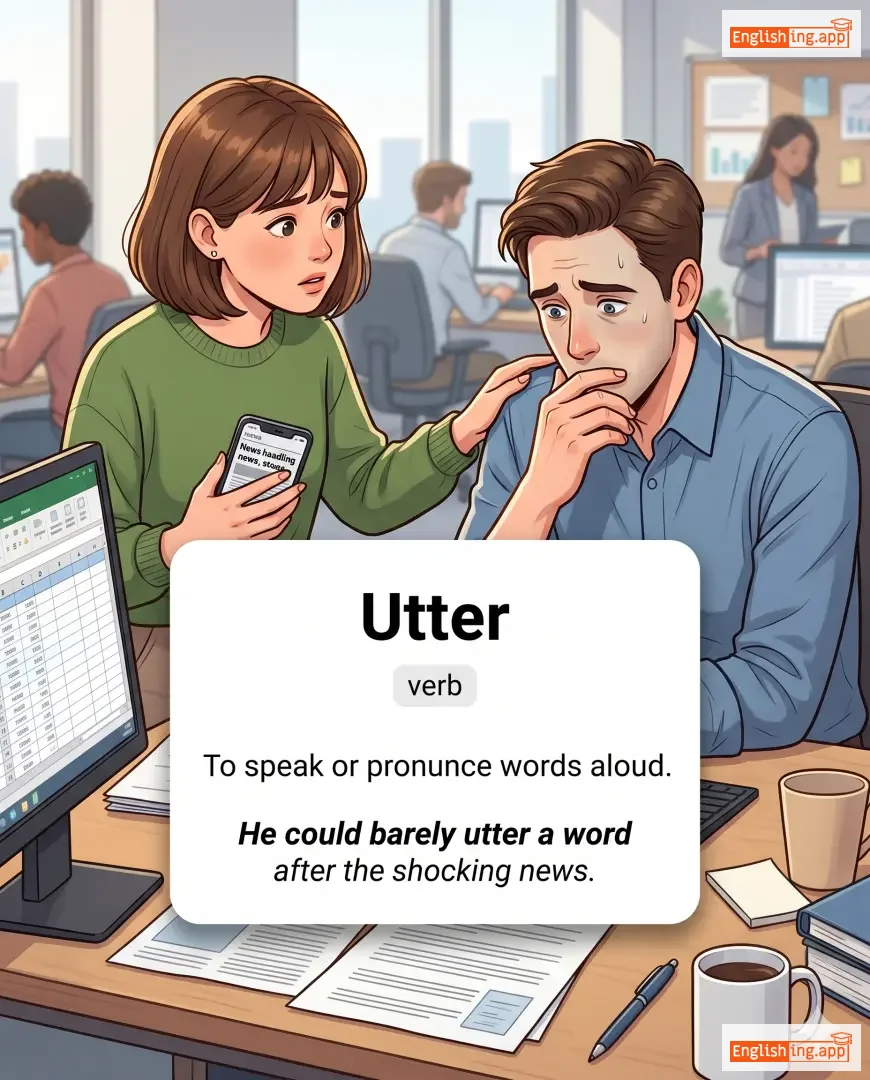
/ˈʌt.ɚ/
adjective
(阿特)
••••••
|
|
完全的; 绝对的; 全部的
wánquán de; juéduì de; quánbù de
••••••
|
complete; absolute; total
••••••
|
The movie was an utter disaster at the box office. |
这部电影在票房上完全失败了。
Zhè bù diànyǐng zài piàofáng shàng wánquán shībà le
••••••
|
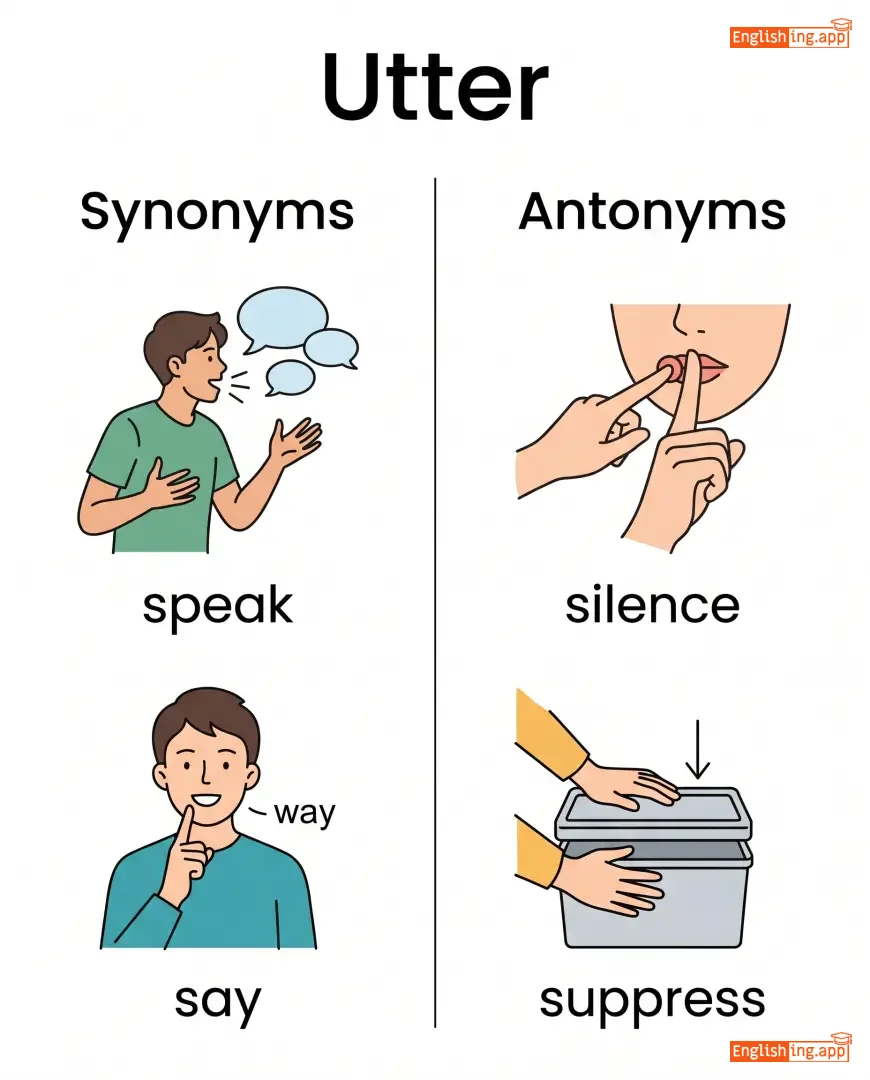
complete, absolute, total, pure, sheer
••••••
|
partial, incomplete, limited, moderate
••••••
|
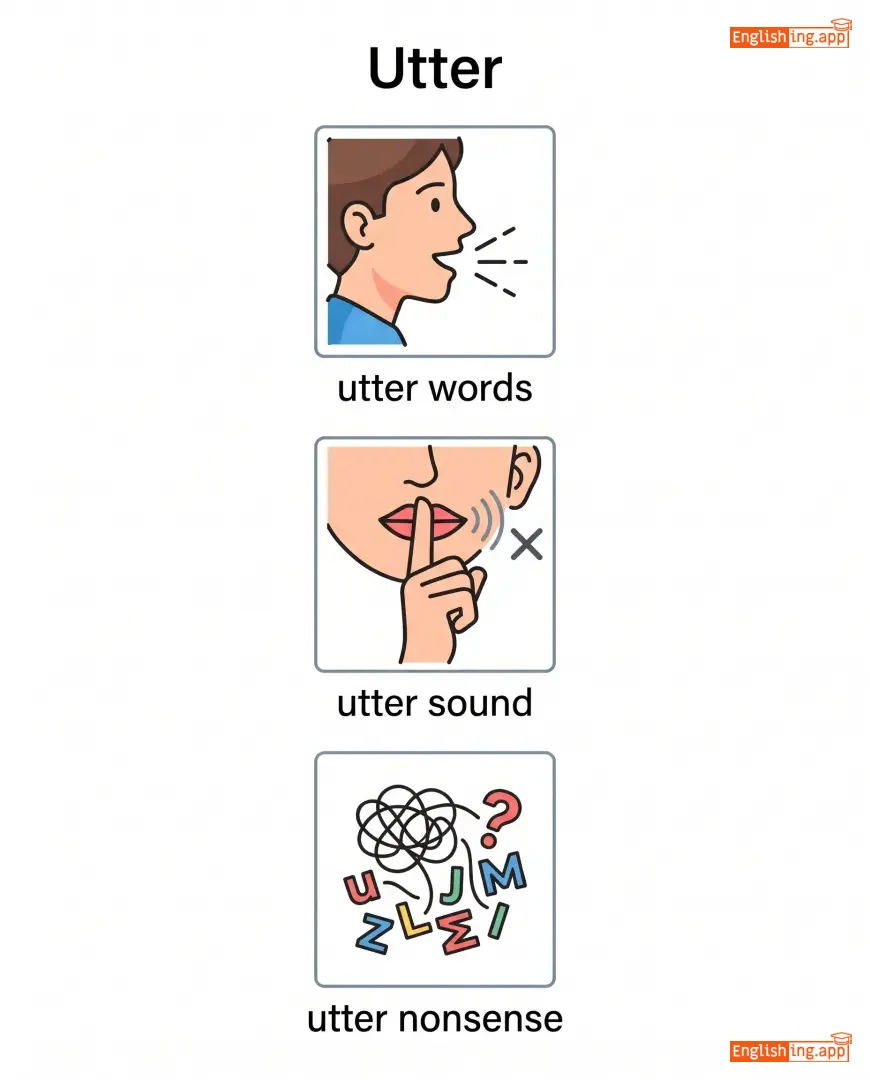
utter disaster, utter chaos, utter silence, utter failure
••••••
|
Chinese words like '完全' represent completeness, directly matching the word 'utter.'
••••••
|
|
#1075
🤒
|
/ʌnˈwel/
adjective
(ānwèi'ěr)
••••••
|
- •••••• |
不舒服; 生病
bù shūfu; shēngbìng
••••••
|
not in good health; feeling sick or ill
••••••
|
She has been feeling unwell since yesterday. |
她从昨天开始感到不舒服。
Tā cóng zuótiān kāishǐ gǎndào bù shūfu.
••••••
|
sick, ill, poorly, ailing, indisposed
••••••
|
well, healthy, fine, good
••••••
|
feeling unwell, looking unwell, quite unwell
••••••
|
In Chinese, '不舒服' means uncomfortable, similar to 'unwell'.
••••••
|
|
#1076
❌
|
/ʌnˈtru/
adjective
(ān-trū)
••••••
|
- •••••• |
错误的; 不正确的
cuòwù de; bù zhèngquè de
••••••
|
not true; false; incorrect
••••••
|
His statement about the incident was completely untrue. |
他关于事件的陈述完全是错误的。
Tā guānyú shìjiàn de chénshù wánquán shì cuòwù de.
••••••
|
false, incorrect, wrong, inaccurate
••••••
|
true, correct, accurate, right
••••••
|
untrue statement, completely untrue, prove untrue
••••••
|
错误的 = 不真实的
••••••
|
|
#1077
🚨
|
/ˈɜːrdʒənt/
adjective
(urgent)
••••••
|
- •••••• |
紧急
jinji
••••••
|
requiring immediate action or attention; pressing
••••••
|
The patient needs urgent medical attention.
病人需要紧急医疗照顾。
••••••
|
病人需要紧急医疗照顾。
Bingren xuyao jinji yiliao zhaogu.
••••••
|
pressing, critical, immediate, important
••••••
|
non-urgent, delayed, optional, unimportant
••••••
|
urgent matter, urgent need, urgent care
••••••
|
Think of an urgent situation where quick help can make all the difference!
••••••
|
|
#1078
😤
|
/ʌnˈwɪl.ɪŋ/
adjective
(ān wī línɡ)
••••••
|
- •••••• |
不愿意的; 不情愿的;
bù yuànyì de; bù qíngyuàn de
••••••
|
not ready to do something; reluctant; not wanting to do
••••••
|
He was unwilling to share his secret with anyone.
他不愿意与任何人分享他的秘密。
••••••
|
他不愿意与任何人分享他的秘密。
Tā bù yuànyì yǔ rènhé rén fēnxiǎng tā de mìmì.
••••••
|
reluctant, hesitant, resistant, disinclined
••••••
|
willing, eager, ready, keen
••••••
|
unwilling participant, unwilling to help, unwilling witness
••••••
|
Imagine being unwilling to share a secret in Chinese, just like not wanting to do something.
••••••
|
|
#1079
🏠
|
/ˈveɪ.kənt/
adjective
(veɪkənt)
••••••
|
- •••••• |
空的;未占用的;可用的
kōng de; wèi zhànyòng de; kěyòng de
••••••
|
empty; not occupied; available
••••••
|
There is a vacant apartment on the second floor.
在二楼有一个空置的公寓。
••••••
|
在二楼有一个空置的公寓。
Zài èr lóu yǒu yīgè kōngzhì de gōngyù.
••••••
|
empty, unoccupied, available, free, blank
••••••
|
occupied, filled, taken, busy, engaged
••••••
|
vacant position, vacant lot, vacant apartment, vacant seat
••••••
|
空的地方可以用来放置新的东西。
••••••
|
|
#1080
📦
|
/ʌnˈjuzd/
adjective
(an-yúzd)
••••••
|
- •••••• |
未使用的; 没有被使用
wèi shǐ yòng de; méi yǒu bèi shǐ yòng
••••••
|
not being used; not having been used before
••••••
|
There are many unused rooms in this old mansion.
这个古老的豪宅里有许多未使用的房间。
••••••
|
这个古老的豪宅里有许多未使用的房间。
Zhège gǔlǎo de háozhái lǐ yǒu xǔduō wèi shǐyòng de fángjiān.
••••••
|
unoccupied, vacant, idle, dormant
••••••
|
used, occupied, employed, utilized
••••••
|
unused space, unused resources, unused potential
••••••
|
Think of unused rooms as 'wèi shǐ yòng de' in a mansion full of forgotten things.
••••••
|
Vocabulary Quiz
Test your vocabulary by matching words with their translations or meanings.
Login to take the quiz
Comments (0)
Share your thoughts and join the discussion.
Join the discussion by logging in
Login to CommentNo comments yet
Be the first to share your thoughts!