

Обновитесь для доступа ко всему словарю
Получите неограниченный доступ ко всем словам с подпиской Pro
Обновить до ProПеревод
Прошедшее
Причастие прошедшего времени
Третье лицо единственного числа
Герундий
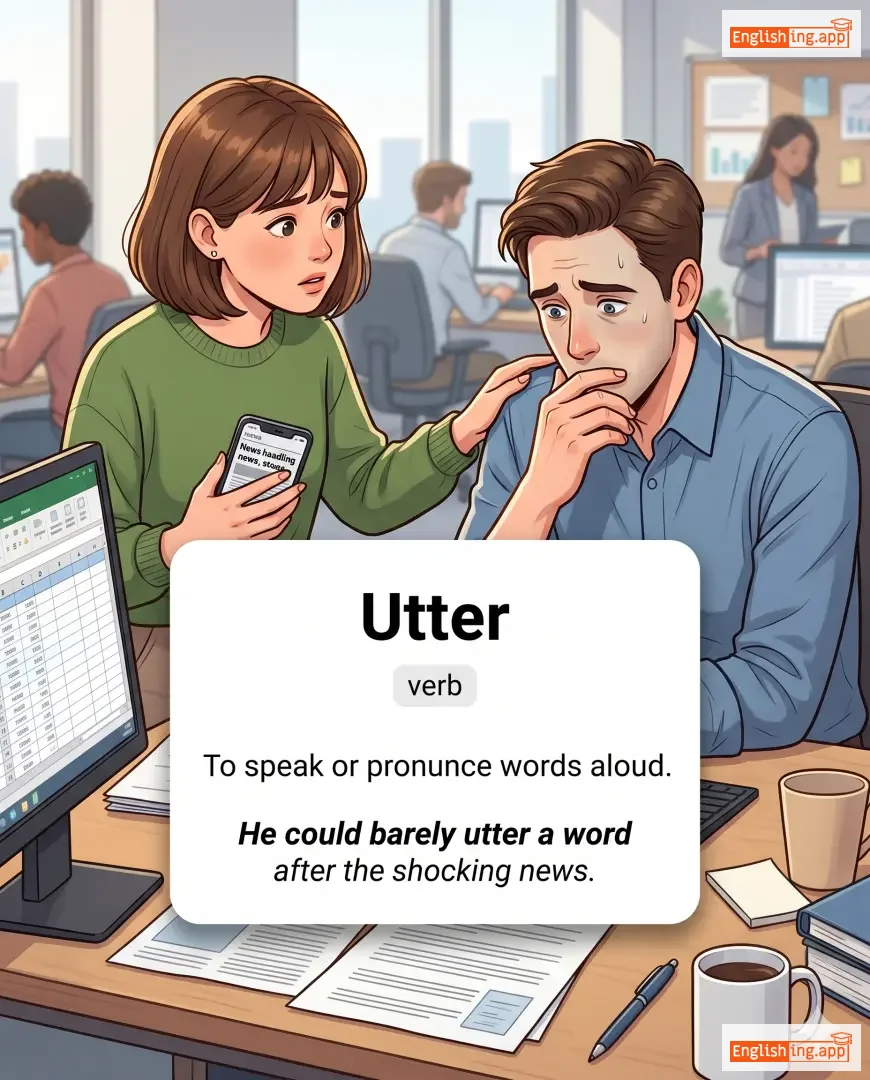
Значение
Пример предложения
Перевод примера предложения
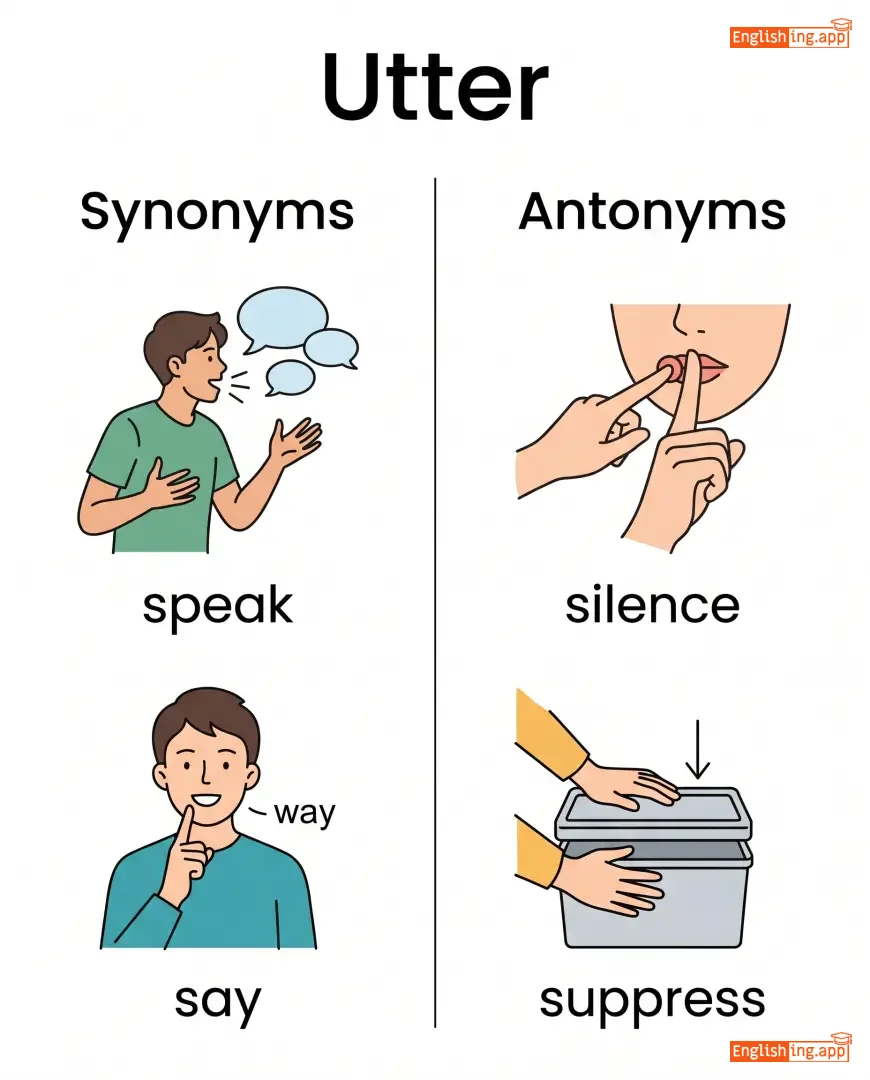
Синонимы
Антонимы
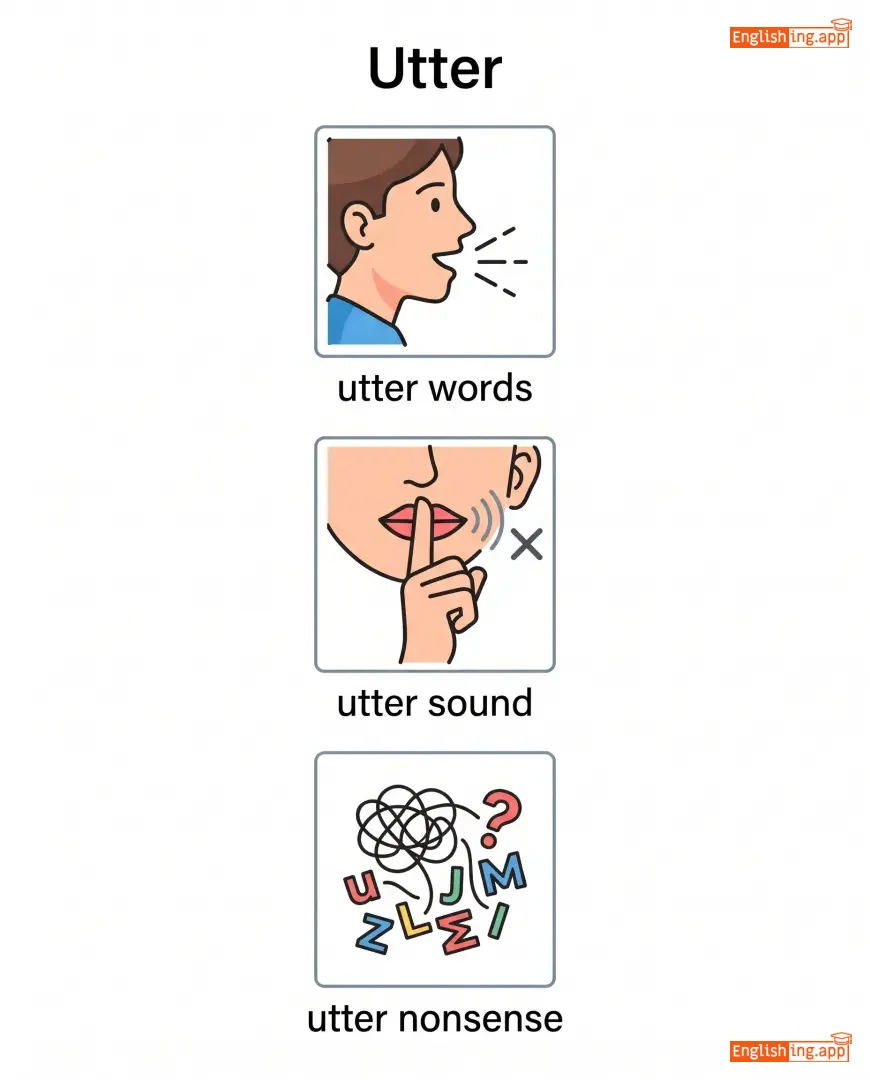
Коллокации
Мнемоника
Swipe left or right, or use the buttons. Tap image to zoom.
Обновитесь для доступа ко всем предложениям
Получите неограниченный доступ ко всем предложениям с подпиской Pro
Обновить до ProПеревод примера предложения
Слово
Lesson 54Lesson 54 - Переключатель маски
|
Эмодзи
|
Слово | Images | Перевод | Значение | Пример предложения | Перевод примера предложения | Синонимы | Антонимы | Коллокации | Мнемоника |
|---|---|---|---|---|---|---|---|---|---|---|
|
#1061
🎒
|
/ˈvæɡəbɒnd/
adjective
(вагабонд)
••••••
|
- •••••• |
бездомный странник
bezdomnyy strannik
••••••
|
wandering from place to place without a home or job
••••••
|
The vagabond lifestyle suited him perfectly as he loved traveling.
Жизнь бродяги идеально ему подходила, так как он любил путешествовать.
••••••
|
Жизнь бродяги идеально ему подходила, так как он любил путешествовать.
Zhizn' brodyagi ideal'no yemu podkhodila, tak kak on lyubil puteshestvovat'.
••••••
|
wandering, nomadic, roaming, homeless
••••••
|
settled, permanent, stable, rooted
••••••
|
vagabond lifestyle, vagabond existence, vagabond spirit
••••••
|
Бездомный странник — это бродяга, и ты можешь представить его на путешествии без постоянного дома.
••••••
|
|
#1062
🔮
|
/ʌnˈjuː.ʒu.əl/
adjective
(an-yu-zhu-al)
••••••
|
- •••••• |
необычный; странный;
neobychny; stranny
••••••
|
not typical; strange; different from what is normal
••••••
|
She wore an unusual dress to the party.
Она носила необычное платье на вечеринку.
••••••
|
Она носила необычное платье на вечеринку.
Ona nosila neobychnoye plat'ye na vecherinku.
••••••
|
strange, odd, peculiar, rare, uncommon
••••••
|
usual, normal, typical, common, ordinary
••••••
|
unusual behavior, unusual circumstances, quite unusual
••••••
|
Unusual sounds like 'необычный', just think of 'не' (not) and 'обычный' (usual)
••••••
|
|
#1063
👎
|
/ʌnˈwɜːrði/
adjective
(анвэрди)
••••••
|
- •••••• |
недостойный; не заслуживающий
niedostoynyj; ne zasluzhivajushchij
••••••
|
not deserving respect or attention; lacking worth or merit
••••••
|
He felt unworthy of such praise and recognition.
Он почувствовал себя недостойным такой похвалы и признания.
••••••
|
Он почувствовал себя недостойным такой похвалы и признания.
On pochuvstvoval sebya nedostoynym takoy pokhvaly i prizhnañya.
••••••
|
undeserving, inadequate, inferior, worthless
••••••
|
worthy, deserving, adequate, valuable
••••••
|
unworthy of praise, feel unworthy, unworthy candidate
••••••
|
Недостойный – means unworthy in Russian, for someone lacking worth.
••••••
|
|
#1064
🔧
|
/ˈjuːs.fəl/
adjective
(yusful)
••••••
|
- •••••• |
полезный; практичный
poleznyy; praktichnyy
••••••
|
having a beneficial purpose; practical
••••••
|
This tool is very useful for fixing problems.
Этот инструмент очень полезен для решения проблем.
••••••
|
Этот инструмент очень полезен для решения проблем.
Etot instrument ochen' polezen dlya resheniya problem.
••••••
|
helpful, beneficial, practical, handy, valuable
••••••
|
useless, harmful, worthless, ineffective
••••••
|
useful tool, useful information, very useful, quite useful
••••••
|
Useful, как полезный инструмент для решения проблем.
••••••
|
|
#1065
🚶
|
/ˈveɪɡrənt/
adjective
(veɪɡrənt)
••••••
|
- •••••• |
бездомный; бродяга
bezdomnyy; brodyaga
••••••
|
wandering aimlessly; having no settled home
••••••
|
The vagrant man was asking for food near the station.
Бродяга просил еду рядом со станцией.
••••••
|
Бродяга просил еду рядом со станцией.
Brodyaga prosil yedu ryadom so stantsiyey.
••••••
|
homeless, wandering, nomadic, itinerant
••••••
|
settled, housed, permanent, stable
••••••
|
vagrant person, vagrant population, vagrant behavior
••••••
|
Бездомный человек находит свою судьбу на улицах, как бродяга.
••••••
|
|
#1066
❌
|
/ʌnˈwɒn.tɪd/
adjective
(ʌnˈwɒn.tɪd)
••••••
|
- •••••• |
нежеланный
nejelanny
••••••
|
not desired or welcome; not wanted
••••••
|
He felt like an unwanted guest at the meeting. |
Он почувствовал себя нежеланным гостем на встрече.
On pochuvstvoval sebya nezhelannym gostem na vstreche.
••••••
|
undesired, unwelcome, unnecessary, rejected
••••••
|
wanted, desired, welcome, needed
••••••
|
unwanted attention, unwanted pregnancy, unwanted guest
••••••
|
Нежеланный = Как гость, которого не ждали
••••••
|
|
#1067
⛰️
|
/ˈʌpˌhɪl/
adjective
(apil)
••••••
|
- •••••• |
трудный; требующий больших усилий; наклон вверх
trudnyy; trebuyushchiy bol'shikh usiliy; naklon vverkh
••••••
|
difficult; requiring great effort; sloping upward
••••••
|
Learning a new language can be an uphill battle. |
Изучение нового языка может быть трудной битвой.
Izucheniye novogo yazyka mozhet byt' trudnoy bitvoy.
••••••
|
difficult, challenging, arduous, tough
••••••
|
easy, downhill, simple, effortless
••••••
|
uphill battle, uphill struggle, uphill task
••••••
|
Вспомните 'apil', что напоминает 'трудный' на русском.
••••••
|
|
#1068
🗑️
|
/ˈjuːs.ləs/
adjective
(yusless)
••••••
|
- •••••• |
бесполезный
bespoleznyy
••••••
|
having no beneficial purpose; not useful
••••••
|
This broken computer is completely useless.
Этот сломанный компьютер полностью бесполезен.
••••••
|
Этот сломанный компьютер полностью бесполезен.
Etot slomannyy komp'yuter polnost'yu bespolezen.
••••••
|
worthless, ineffective, pointless, futile, unhelpful
••••••
|
useful, helpful, valuable, effective, beneficial
••••••
|
completely useless, totally useless, useless information, useless attempt
••••••
|
In Russian, 'бесполезный' means useless, just like the English 'useless'.
••••••
|
|
#1069
🚫
|
/ʌnˈwel.kəm/
adjective
(ʌnˈwɛlkəm)
••••••
|
- •••••• |
нежеланный; неприемлемый; не приглашенный
nezhelannyy; nepriemlyemyy; ne priglashennyy
••••••
|
not wanted or accepted; not invited or pleasant
••••••
|
The unwelcome news ruined their vacation plans.
неприятные новости испортили их планы на отпуск.
••••••
|
Неприятные новости испортили их планы на отпуск.
Nepriyatnye novosti isportili ikh plany na otpusk.
••••••
|
unwanted, undesired, unpleasant, disagreeable
••••••
|
welcome, pleasant, desired, invited
••••••
|
unwelcome visitor, unwelcome news, unwelcome surprise
••••••
|
У 'добро пожаловать' все хорошо, а 'нежеланный' - это наоборот.
••••••
|
|
#1070
🔝
|
/ˈʌt.moʊst/
adjective
(utmost)
••••••
|
- •••••• |
высший; крайний
vyshee; krayniy
••••••
|
greatest; most extreme; maximum possible
••••••
|
She showed utmost care while handling the fragile items.
Shee shod utmost kehr wail handling dee frajil aitems.
••••••
|
Она проявила высшую заботу при обращении с хрупкими предметами.
Ona proyavila vysshuyu zabotu pri obrashchenii s khrupkimi predmetami.
••••••
|
greatest, maximum, extreme, highest, supreme
••••••
|
least, minimum, lowest, smallest
••••••
|
utmost care, utmost importance, utmost respect, with utmost
••••••
|
Russian speakers link 'высший' to 'utmost' as it denotes the highest level.
••••••
|
|
#1071
🚫👋
|
/ʌnˈtʌtʃəbəl/
adjective
(antachébl)
••••••
|
- •••••• |
неприкасаемый; за пределами критики или атаки
neprikasayemyy; za predelami kritiki ili ataki
••••••
|
not able to be touched or affected; beyond criticism or attack
••••••
|
The CEO seemed untouchable despite the scandal.
Генеральный директор казался неприкасаемым, несмотря на скандал.
••••••
|
Генеральный директор казался неприкасаемым, несмотря на скандал.
General'nyy direktor kazalsya neprikasayemym, nesmotrya na skandal.
••••••
|
invulnerable, invincible, sacred, immune
••••••
|
vulnerable, touchable, accessible, reachable
••••••
|
untouchable leader, untouchable status, seemingly untouchable
••••••
|
Неприкасаемый - 'Тот, кто не поддается нападению.'
••••••
|
|
#1072
📢
|
/ˈʌpˌrɔːr/
adjective
(apruar)
••••••
|
- •••••• |
беспорядки; шум; общественное возмущение
besporyadki; shum; obshchestvennoe vozmushchenie
••••••
|
a loud and impassioned noise or disturbance; an outbreak of public anger
••••••
|
The controversial decision caused an uproar among the citizens. |
Противоречивое решение вызвало беспорядки среди граждан.
Protivorechivoye resheniye vyzvalo besporyadki sredi grazhdan.
••••••
|
commotion, disturbance, tumult, chaos
••••••
|
calm, peace, quiet, silence
••••••
|
cause an uproar, public uproar, uproar over
••••••
|
No •••••• |
|
#1073
🕴️
|
/ˈʌpˌraɪt/
adjective
(apraɪt)
••••••
|
- •••••• |
честный и морально правильный; вертикальный или прямой в положении
chestnyy i moral'no pravil'nyy; vertikal'nyy ili pryamoy v polozhenii
••••••
|
honest and morally correct; vertical or erect in position
••••••
|
She is known for being an upright and honest businesswoman. |
Она известна как честная и морально правильная бизнес-леди.
Ona izvestna kak chestnaya i moral'no pravil'naya biznes-ledi.
••••••
|
honest, ethical, virtuous, vertical
••••••
|
dishonest, corrupt, horizontal, bent
••••••
|
upright citizen, upright posture, morally upright
••••••
|
Upright связано с честностью и моральностью, а также с физическим вертикальным положением.
••••••
|
|
#1074
💯
|
/ˈʌt.ɚ/
adjective
(атэр)
••••••
|
|
полный; абсолютный; тотальный
polny; abslutny; totalny
••••••
|
complete; absolute; total
••••••
|
The movie was an utter disaster at the box office. |
Фильм был полным провалом в прокате.
Film byl polnym provalom v prokate
••••••
|
complete, absolute, total, pure, sheer
••••••
|
partial, incomplete, limited, moderate
••••••
|
utter disaster, utter chaos, utter silence, utter failure
••••••
|
In Russian, 'тотальный' conveys a sense of totality, linking back to the word 'utter.'
••••••
|
|
#1075
🤒
|
/ʌnˈwel/
adjective
(анвел)
••••••
|
- •••••• |
больной; нездоровый
bol'noy; nezdorovyy
••••••
|
not in good health; feeling sick or ill
••••••
|
She has been feeling unwell since yesterday. |
Она чувствует себя плохо с вчерашнего дня.
Ona chuvstvuet sebya plokho s vcherashnego dnya.
••••••
|
sick, ill, poorly, ailing, indisposed
••••••
|
well, healthy, fine, good
••••••
|
feeling unwell, looking unwell, quite unwell
••••••
|
In Russian, 'болной' means unwell, similar to the English meaning.
••••••
|
|
#1076
❌
|
/ʌnˈtru/
adjective
(ан-ту)
••••••
|
- •••••• |
ложный; неверный
lozhny; neverny
••••••
|
not true; false; incorrect
••••••
|
His statement about the incident was completely untrue. |
Его заявление о происшествии было совершенно ложным.
Ego zayavlenie o proishestvii bylo sovershenno lozhnym.
••••••
|
false, incorrect, wrong, inaccurate
••••••
|
true, correct, accurate, right
••••••
|
untrue statement, completely untrue, prove untrue
••••••
|
Ложный - Untrue
••••••
|
|
#1077
🚨
|
/ˈɜːrdʒənt/
adjective
(ургент)
••••••
|
- •••••• |
неотложный
neotlozhnyy
••••••
|
requiring immediate action or attention; pressing
••••••
|
The patient needs urgent medical attention.
пациент нуждается в срочной медицинской помощи.
••••••
|
Пациент нуждается в срочной медицинской помощи.
Patsiyent nuzhdaetsya v srochnoi meditsinskoi pomoshchi.
••••••
|
pressing, critical, immediate, important
••••••
|
non-urgent, delayed, optional, unimportant
••••••
|
urgent matter, urgent need, urgent care
••••••
|
An urgent call is always a red flag for immediate action!
••••••
|
|
#1078
😤
|
/ʌnˈwɪl.ɪŋ/
adjective
(ʌnˈwɪlɪŋ)
••••••
|
- •••••• |
неохотный; отказавшийся;
neokhotnyy; otkazavshiysya
••••••
|
not ready to do something; reluctant; not wanting to do
••••••
|
He was unwilling to share his secret with anyone.
Он не хотел делиться своим секретом с кем-либо.
••••••
|
Он не хотел делиться своим секретом с кем-либо.
On ne khotel delitsya svoim sekretom s kem-libo.
••••••
|
reluctant, hesitant, resistant, disinclined
••••••
|
willing, eager, ready, keen
••••••
|
unwilling participant, unwilling to help, unwilling witness
••••••
|
Imagine the reluctance to do something in Russian, like not wanting to share a secret.
••••••
|
|
#1079
🏠
|
/ˈveɪ.kənt/
adjective
(veɪkənt)
••••••
|
- •••••• |
пустой; незанятый; доступный
pustoy; nezanyatyy; dostupnyy
••••••
|
empty; not occupied; available
••••••
|
There is a vacant apartment on the second floor.
На втором этаже есть свободная квартира.
••••••
|
На втором этаже есть свободная квартира.
Na vtorom etazhe yest' svobodnaya kvartira.
••••••
|
empty, unoccupied, available, free, blank
••••••
|
occupied, filled, taken, busy, engaged
••••••
|
vacant position, vacant lot, vacant apartment, vacant seat
••••••
|
Пустое место - шанс для чего-то нового.
••••••
|
|
#1080
📦
|
/ʌnˈjuzd/
adjective
(an-yúzd)
••••••
|
- •••••• |
неиспользованный; не использовался
neispol'zovannyy; ne ispol'zovalsya
••••••
|
not being used; not having been used before
••••••
|
There are many unused rooms in this old mansion.
В этом старом особняке много неиспользуемых комнат.
••••••
|
В этом старом особняке много неиспользуемых комнат.
V etom starom osobnyake mnogo neispol'zuyemykh komnat.
••••••
|
unoccupied, vacant, idle, dormant
••••••
|
used, occupied, employed, utilized
••••••
|
unused space, unused resources, unused potential
••••••
|
In Russian, 'неиспользованный' reminds you of unused rooms gathering dust.
••••••
|
Vocabulary Quiz
Test your vocabulary by matching words with their translations or meanings.
Login to take the quiz
Comments (0)
Share your thoughts and join the discussion.
Join the discussion by logging in
Login to CommentNo comments yet
Be the first to share your thoughts!