

Traducción
Pasado
Participio Pasado
Tercera Persona Singular
Gerundio
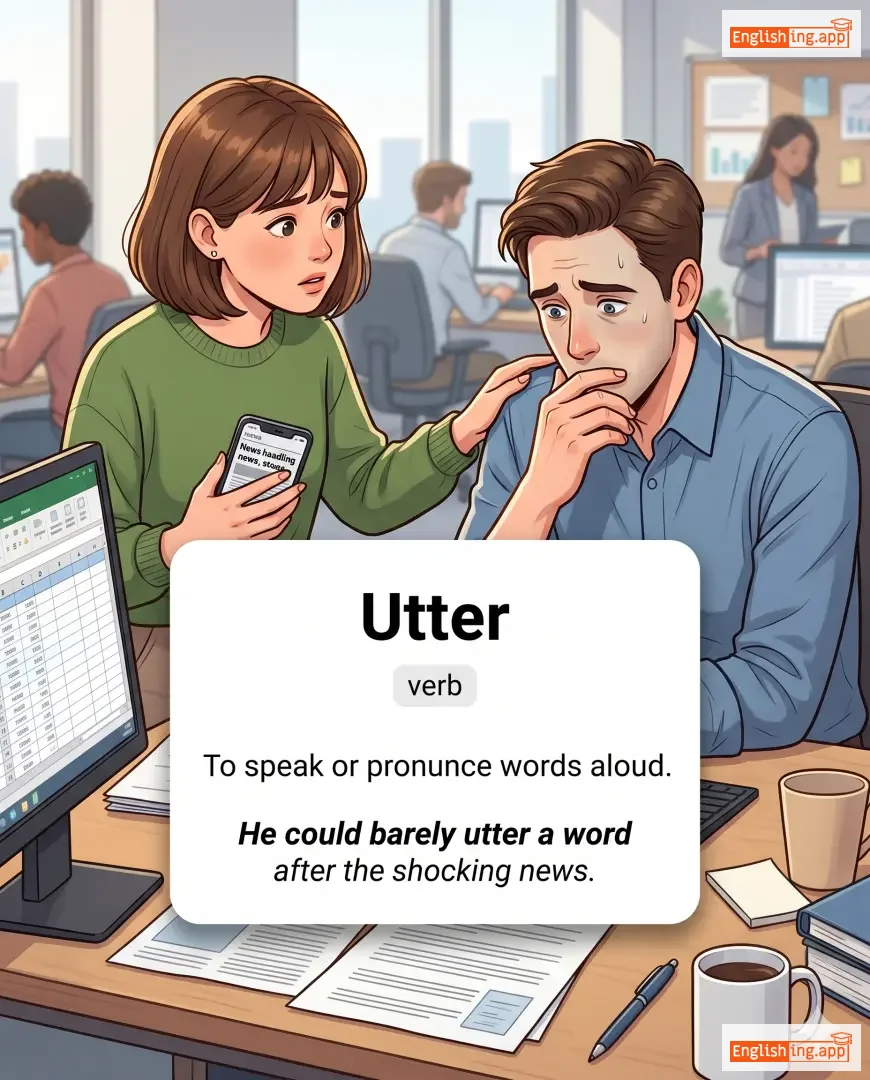
Meaning
Oración de Ejemplo
Traducción de Oración de Ejemplo
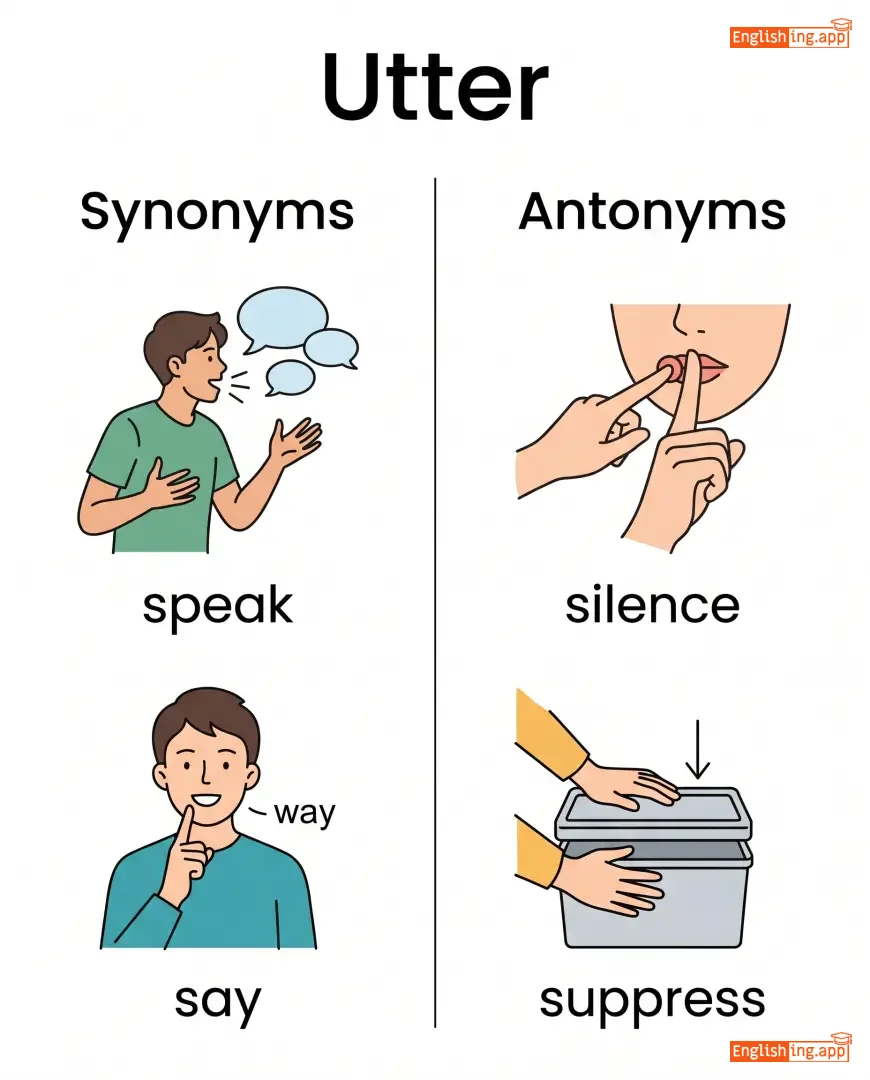
Synonyms
Antonyms
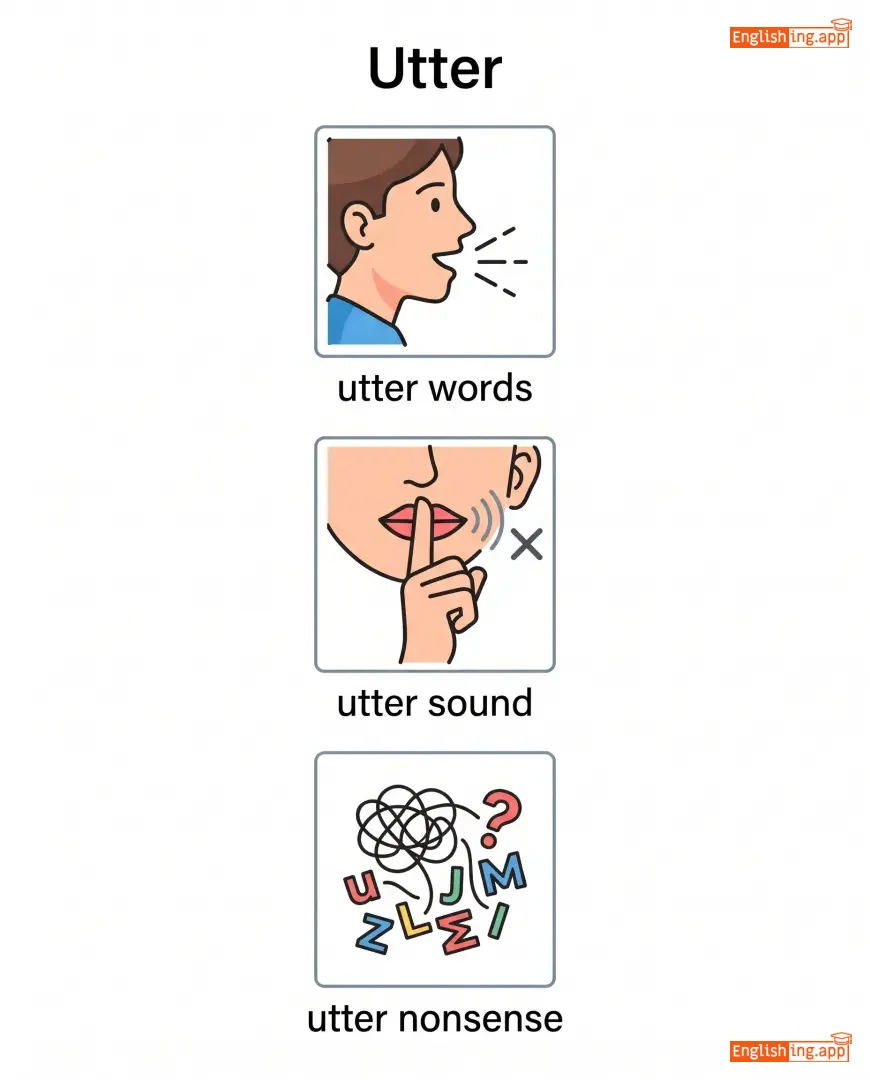
Colocaciones
Mnemotécnico
Swipe left or right, or use the buttons. Tap image to zoom.
Traducción de Oración de Ejemplo
Palabra
Lesson 54Lesson 54 - Alternar Máscara
|
Emoji
|
Palabra | Images | Traducción | Meaning | Oración de Ejemplo | Traducción de Oración de Ejemplo | Synonyms | Antonyms | Colocaciones | Mnemotécnico |
|---|---|---|---|---|---|---|---|---|---|---|
|
#1061
🎒
|
/ˈvæɡəbɒnd/
adjective
(vagabond)
••••••
|
- •••••• |
vagabundo
vagabundo
••••••
|
wandering from place to place without a home or job
••••••
|
The vagabond lifestyle suited him perfectly as he loved traveling.
La vida vagabunda le quedaba perfectamente porque le encantaba viajar.
••••••
|
El estilo de vida vagabundo le quedaba perfectamente porque le encantaba viajar.
El estilo de vida vagabundo le quedaba perfectamente porque le encantaba viajar.
••••••
|
wandering, nomadic, roaming, homeless
••••••
|
settled, permanent, stable, rooted
••••••
|
vagabond lifestyle, vagabond existence, vagabond spirit
••••••
|
Vagabundo suena como 'vagabundo' en español, lo que te recuerda a una persona sin hogar.
••••••
|
|
#1062
🔮
|
/ʌnˈjuː.ʒu.əl/
adjective
(an-yu-zwal)
••••••
|
- •••••• |
inusual; extraño;
inusual; extrano
••••••
|
not typical; strange; different from what is normal
••••••
|
She wore an unusual dress to the party.
Ella llevaba un vestido inusual a la fiesta.
••••••
|
Ella llevaba un vestido inusual a la fiesta.
Ella llevaba un vestido inusual a la fiesta.
••••••
|
strange, odd, peculiar, rare, uncommon
••••••
|
usual, normal, typical, common, ordinary
••••••
|
unusual behavior, unusual circumstances, quite unusual
••••••
|
Unusual sounds like 'inusual', think of it as 'in' (inside) and 'usual' (common)
••••••
|
|
#1063
👎
|
/ʌnˈwɜːrði/
adjective
(anwärdi)
••••••
|
- •••••• |
indigno; no merecedor
indigno; no merecedor
••••••
|
not deserving respect or attention; lacking worth or merit
••••••
|
He felt unworthy of such praise and recognition.
Él se sintió no digno de tal alabanza y reconocimiento.
••••••
|
Él se sintió no digno de tal alabanza y reconocimiento.
Él se sintió no digno de tal alabanza y reconocimiento.
••••••
|
undeserving, inadequate, inferior, worthless
••••••
|
worthy, deserving, adequate, valuable
••••••
|
unworthy of praise, feel unworthy, unworthy candidate
••••••
|
Indigno – in Spanish means unworthy, just like a rejected person.
••••••
|
|
#1064
🔧
|
/ˈjuːs.fəl/
adjective
(yúzful)
••••••
|
- •••••• |
útil; práctico
util; practico
••••••
|
having a beneficial purpose; practical
••••••
|
This tool is very useful for fixing problems.
Esta herramienta es muy útil para resolver problemas.
••••••
|
Esta herramienta es muy útil para resolver problemas.
Esta herramienta es muy util para resolver problemas.
••••••
|
helpful, beneficial, practical, handy, valuable
••••••
|
useless, harmful, worthless, ineffective
••••••
|
useful tool, useful information, very useful, quite useful
••••••
|
Useful es algo útil, como esta herramienta para resolver problemas.
••••••
|
|
#1065
🚶
|
/ˈveɪɡrənt/
adjective
(veɪɡrənt)
••••••
|
- •••••• |
vagabundo; sin hogar
vagabundo; sin hogar
••••••
|
wandering aimlessly; having no settled home
••••••
|
The vagrant man was asking for food near the station.
El hombre vagabundo estaba pidiendo comida cerca de la estación.
••••••
|
El hombre vagabundo estaba pidiendo comida cerca de la estación.
El hombre vagabundo estaba pidiendo comida cerca de la estación.
••••••
|
homeless, wandering, nomadic, itinerant
••••••
|
settled, housed, permanent, stable
••••••
|
vagrant person, vagrant population, vagrant behavior
••••••
|
Vagabundo suena como vagar, y sin hogar
••••••
|
|
#1066
❌
|
/ʌnˈwɒn.tɪd/
adjective
(ʌnˈwɒn.tɪd)
••••••
|
- •••••• |
no deseado
no deseado
••••••
|
not desired or welcome; not wanted
••••••
|
He felt like an unwanted guest at the meeting. |
Él se sintió como un invitado no deseado en la reunión.
El se sintió como un invitado no deseado en la reunión
••••••
|
undesired, unwelcome, unnecessary, rejected
••••••
|
wanted, desired, welcome, needed
••••••
|
unwanted attention, unwanted pregnancy, unwanted guest
••••••
|
No deseado = Un invitado que no quieres en la reunión
••••••
|
|
#1067
⛰️
|
/ˈʌpˌhɪl/
adjective
(apil)
••••••
|
- •••••• |
difícil; que requiere gran esfuerzo; inclinado hacia arriba
dificil; que requiere gran esfuerzo; inclinado hacia arriba
••••••
|
difficult; requiring great effort; sloping upward
••••••
|
Learning a new language can be an uphill battle. |
Aprender un nuevo idioma puede ser una batalla difícil.
aprender un nuevo idioma puede ser una batalla dificil.
••••••
|
difficult, challenging, arduous, tough
••••••
|
easy, downhill, simple, effortless
••••••
|
uphill battle, uphill struggle, uphill task
••••••
|
En español, 'apil' es una forma de recordar 'difícil'.
••••••
|
|
#1068
🗑️
|
/ˈjuːs.ləs/
adjective
(yúzles)
••••••
|
- •••••• |
inútil
inutil
••••••
|
having no beneficial purpose; not useful
••••••
|
This broken computer is completely useless.
Esta computadora rota está completamente inútil.
••••••
|
Esta computadora rota está completamente inútil.
Esta computadora rota está completamente inútil.
••••••
|
worthless, ineffective, pointless, futile, unhelpful
••••••
|
useful, helpful, valuable, effective, beneficial
••••••
|
completely useless, totally useless, useless information, useless attempt
••••••
|
In Spanish, 'inútil' means useless, just like the English 'useless'.
••••••
|
|
#1069
🚫
|
/ʌnˈwel.kəm/
adjective
(anˈwelkam)
••••••
|
- •••••• |
desagradable; no deseado; indeseado
desagradable; no deseado; indeseado
••••••
|
not wanted or accepted; not invited or pleasant
••••••
|
The unwelcome news ruined their vacation plans.
las malas noticias arruinaron sus planes de vacaciones.
••••••
|
Las malas noticias arruinaron sus planes de vacaciones.
Las malas noticias arruinaron sus planes de vacaciones.
••••••
|
unwanted, undesired, unpleasant, disagreeable
••••••
|
welcome, pleasant, desired, invited
••••••
|
unwelcome visitor, unwelcome news, unwelcome surprise
••••••
|
Un 'bienvenido' es bueno, pero 'unwelcomed' es lo opuesto.
••••••
|
|
#1070
🔝
|
/ˈʌt.moʊst/
adjective
(átmost)
••••••
|
- •••••• |
máximo; extremo
maximo; extremo
••••••
|
greatest; most extreme; maximum possible
••••••
|
She showed utmost care while handling the fragile items.
Shí shod átmost kéar wáil handling dí frázháil áitems.
••••••
|
Ella mostró el máximo cuidado al manejar los artículos frágiles.
Ella mostro el maximo cuidado al manejar los articulos fragiles.
••••••
|
greatest, maximum, extreme, highest, supreme
••••••
|
least, minimum, lowest, smallest
••••••
|
utmost care, utmost importance, utmost respect, with utmost
••••••
|
Spanish speakers associate 'máximo' with 'utmost' due to the common meaning of maximum.
••••••
|
|
#1071
🚫👋
|
/ʌnˈtʌtʃəbəl/
adjective
(antáchebl)
••••••
|
- •••••• |
intocable; más allá de la crítica o el ataque
intocable; mas alla de la critica o el ataque
••••••
|
not able to be touched or affected; beyond criticism or attack
••••••
|
The CEO seemed untouchable despite the scandal.
El CEO parecía intocable a pesar del escándalo.
••••••
|
El CEO parecía intocable a pesar del escándalo.
El CEO parecia intocable a pesar del escandalo.
••••••
|
invulnerable, invincible, sacred, immune
••••••
|
vulnerable, touchable, accessible, reachable
••••••
|
untouchable leader, untouchable status, seemingly untouchable
••••••
|
Intocable - 'El que no se toca ni se critica.'
••••••
|
|
#1072
📢
|
/ˈʌpˌrɔːr/
adjective
(apruár)
••••••
|
- •••••• |
alboroto; ruido fuerte; disturbio público
alboroto; ruido fuerte; disturbio público
••••••
|
a loud and impassioned noise or disturbance; an outbreak of public anger
••••••
|
The controversial decision caused an uproar among the citizens. |
La decisión controvertida causó un alboroto entre los ciudadanos.
La decisión controvertida causó un alboroto entre los ciudadanos.
••••••
|
commotion, disturbance, tumult, chaos
••••••
|
calm, peace, quiet, silence
••••••
|
cause an uproar, public uproar, uproar over
••••••
|
No •••••• |
|
#1073
🕴️
|
/ˈʌpˌraɪt/
adjective
(apraít)
••••••
|
- •••••• |
honesto y moralmente correcto; vertical o erecto en posición
honesto y moralmente correcto; vertical o erecto en posición
••••••
|
honest and morally correct; vertical or erect in position
••••••
|
She is known for being an upright and honest businesswoman. |
Ella es conocida por ser una empresaria honesta y recta.
Ella es conocida por ser una empresaria honesta y recta.
••••••
|
honest, ethical, virtuous, vertical
••••••
|
dishonest, corrupt, horizontal, bent
••••••
|
upright citizen, upright posture, morally upright
••••••
|
Upright es como estar recto, tanto física como moralmente.
••••••
|
|
#1074
💯
|
/ˈʌt.ɚ/
adjective
(áter)
••••••
|
|
completo; absoluto; total
completo; absoluto; total
••••••
|
complete; absolute; total
••••••
|
The movie was an utter disaster at the box office. |
La película fue un desastre total en la taquilla.
La pelicula fue un desastre total en la taquilla
••••••
|
complete, absolute, total, pure, sheer
••••••
|
partial, incomplete, limited, moderate
••••••
|
utter disaster, utter chaos, utter silence, utter failure
••••••
|
In Spanish, 'total' matches the word for complete or absolute.
••••••
|
|
#1075
🤒
|
/ʌnˈwel/
adjective
(ánuel)
••••••
|
- •••••• |
enfermo; indispuesto
enfermo; indispuesto
••••••
|
not in good health; feeling sick or ill
••••••
|
She has been feeling unwell since yesterday. |
Ella ha estado sintiéndose mal desde ayer.
Ella ha estado sintiéndose mal desde ayer.
••••••
|
sick, ill, poorly, ailing, indisposed
••••••
|
well, healthy, fine, good
••••••
|
feeling unwell, looking unwell, quite unwell
••••••
|
In Spanish, 'enfermo' means ill, just like 'unwell'.
••••••
|
|
#1076
❌
|
/ʌnˈtru/
adjective
(an-tru)
••••••
|
- •••••• |
falso; incorrecto
falso; incorrecto
••••••
|
not true; false; incorrect
••••••
|
His statement about the incident was completely untrue. |
Su declaración sobre el incidente fue completamente falsa.
Su declaracion sobre el incidente fue completamente falsa.
••••••
|
false, incorrect, wrong, inaccurate
••••••
|
true, correct, accurate, right
••••••
|
untrue statement, completely untrue, prove untrue
••••••
|
Falso significa no verdadero, o algo untrue
••••••
|
|
#1077
🚨
|
/ˈɜːrdʒənt/
adjective
(úrjent)
••••••
|
- •••••• |
urgente
urgente
••••••
|
requiring immediate action or attention; pressing
••••••
|
The patient needs urgent medical attention.
el paciente necesita atención médica urgente.
••••••
|
El paciente necesita atención médica urgente.
El paciente necesita atención médica urgente.
••••••
|
pressing, critical, immediate, important
••••••
|
non-urgent, delayed, optional, unimportant
••••••
|
urgent matter, urgent need, urgent care
••••••
|
Just like an urgent message needs to be sent right now, remember 'urgente'!
••••••
|
|
#1078
😤
|
/ʌnˈwɪl.ɪŋ/
adjective
(an-wil-ling)
••••••
|
- •••••• |
reacio; reticente;
reacio; reticente
••••••
|
not ready to do something; reluctant; not wanting to do
••••••
|
He was unwilling to share his secret with anyone.
Él no quería compartir su secreto con nadie.
••••••
|
Él no quería compartir su secreto con nadie.
El no queria compartir su secreto con nadie.
••••••
|
reluctant, hesitant, resistant, disinclined
••••••
|
willing, eager, ready, keen
••••••
|
unwilling participant, unwilling to help, unwilling witness
••••••
|
Imagine feeling unwilling to do something in Spanish, just like not wanting to share a secret.
••••••
|
|
#1079
🏠
|
/ˈveɪ.kənt/
adjective
(veɪkənt)
••••••
|
- •••••• |
vacío; no ocupado; disponible
vacío; no ocupado; disponible
••••••
|
empty; not occupied; available
••••••
|
There is a vacant apartment on the second floor.
Hay un apartamento vacío en el segundo piso.
••••••
|
Hay un apartamento vacío en el segundo piso.
Hay un apartamento vacío en el segundo piso.
••••••
|
empty, unoccupied, available, free, blank
••••••
|
occupied, filled, taken, busy, engaged
••••••
|
vacant position, vacant lot, vacant apartment, vacant seat
••••••
|
Un lugar vacío es una oportunidad para algo nuevo.
••••••
|
|
#1080
📦
|
/ʌnˈjuzd/
adjective
(an-yúzd)
••••••
|
- •••••• |
sin usar; no utilizado
sin usar; no utilizado
••••••
|
not being used; not having been used before
••••••
|
There are many unused rooms in this old mansion.
Hay muchas habitaciones sin usar en esta antigua mansión.
••••••
|
Hay muchas habitaciones sin usar en esta antigua mansión.
Hay muchas habitaciones sin usar en esta antigua mansión.
••••••
|
unoccupied, vacant, idle, dormant
••••••
|
used, occupied, employed, utilized
••••••
|
unused space, unused resources, unused potential
••••••
|
Think of an unused room in a Spanish mansion: 'sin usar'.
••••••
|
Vocabulary Quiz
Test your vocabulary by matching words with their translations or meanings.
Login to take the quiz
Comments (0)
Share your thoughts and join the discussion.
Join the discussion by logging in
Login to CommentNo comments yet
Be the first to share your thoughts!