








Swipe left or right, or use the buttons. Tap image to zoom.
例句翻译
单词
Lesson 25Lesson 25 - 遮罩切换
|
表情符号
|
单词 | Images | 翻译 | 含义 | 例句 | 例句翻译 | 同义词 | 反义词 | 搭配词 | 助记符 |
|---|---|---|---|---|---|---|---|---|---|---|
|
#481
💪
|
/ˈmæn.li/
adjective
(mānli)
••••••
|
- •••••• |
男子气概的; 勇敢的; 大胆的
manli
••••••
|
having qualities traditionally associated with men; brave; courageous
••••••
|
He showed manly courage during the crisis. |
在危机中,他展示了男子气概的勇气。
Zài wéijī zhōng, tā zhǎnshìle nánzǐ qìgài de yǒngqì.
••••••
|
masculine, brave, strong, courageous
••••••
|
feminine, cowardly, weak
••••••
|
manly behavior, manly courage, manly appearance
••••••
|
一个真正的男人在危机时总是勇敢
••••••
|
|
#482
😔
|
/ˌmel.ənˈkɒl.ɪk/
adjective
(忧郁的)
••••••
|
- •••••• |
悲伤和沉思;感受或表达悲伤
youyu de
••••••
|
sad and thoughtful; feeling or expressing sadness
••••••
|
The melancholic music made everyone feel sad. |
忧郁的音乐让每个人都感到悲伤。
Youyu de yinyue rang mei ge ren dou gandao beishang
••••••
|
sad, sorrowful, gloomy, dejected
••••••
|
cheerful, happy, joyful, upbeat
••••••
|
melancholic mood, melancholic song, melancholic expression
••••••
|
Like a melancholic song, the Chinese translation makes you feel heavy-hearted.
••••••
|
|
#483
💒
|
/ˈmærid/
adjective
(mǎlìdé)
••••••
|
- •••••• |
已婚
yǐhūn
••••••
|
having a husband or wife
••••••
|
She is married to a doctor. |
她已婚,丈夫是一位医生。
Tā yǐhūn, zhàngfū shì yī wèi yīshēng.
••••••
|
wedded, united
••••••
|
single, unmarried, divorced
••••••
|
married couple, get married, married life
••••••
|
已婚 (yǐhūn) = 有人陪你走人生的路!
••••••
|
|
#484
🎯
|
/ˈmiː.nɪŋ.fəl/
adjective
(míng-yìng-fú)
••••••
|
- •••••• |
有意义的; 有目的的;
yǒu yìyì de; yǒu mùdì de;
••••••
|
having significance; purposeful; important
••••••
|
She found meaningful work helping others.
她通过帮助他人找到了一份有意义的工作。
••••••
|
她通过帮助他人找到了有意义的工作。
Tā tōngguò bāngzhù tārén zhǎodàole yǒu yìyì de gōngzuò.
••••••
|
significant, important, purposeful, valuable
••••••
|
meaningless, insignificant, worthless
••••••
|
meaningful relationship, meaningful work, meaningful conversation
••••••
|
有意义的工作为生活赋予意义。
••••••
|
|
#485
🤲
|
/ˈmæn.ju.əl/
adjective
(手动)
••••••
|
- •••••• |
手动
shǒu dòng
••••••
|
done by hand; operated by hand; not automatic
••••••
|
This is a manual process that requires careful attention.
这是一个手动过程,需要仔细关注。
••••••
|
这是一个手动过程,需要仔细关注。
Zhè shì yī gè shǒu dòng guò chéng, xū yào zǐ xì guān zhù.
••••••
|
hand-operated, physical, non-automatic
••••••
|
automatic, mechanical, digital
••••••
|
manual labor, manual transmission, manual process
••••••
|
手动就是 '用手做的' - 想象用手做某事,不是自动的。
••••••
|
|
#486
😌
|
/ˈmel.əʊ/
adjective
(梅洛)
••••••
|
- •••••• |
柔和宜人; 放松温和
méiluò
••••••
|
soft and pleasant; relaxed and gentle
••••••
|
The mellow evening light created a peaceful atmosphere. |
温柔的晚霞创造了一个宁静的氛围。
wēnróu de wǎnxiá chuàngzàole yīgè níngjìng de fēnwéi.
••••••
|
soft, smooth, gentle, relaxed
••••••
|
harsh, rough, sharp, aggressive
••••••
|
mellow voice, mellow music, mellow mood
••••••
|
梅洛像黄昏一样温柔、宁静
••••••
|
|
#487
🤷
|
/ˈmiː.nɪŋ.ləs/
adjective
(mínglínglès)
••••••
|
- •••••• |
毫无意义; 没有目的; 无意义
háo wú yìyì; méi yǒu mùdì; wú yìyì
••••••
|
without purpose; having no significance; pointless
••••••
|
The data became meaningless without proper context.
数据在没有适当背景的情况下变得毫无意义。
••••••
|
数据在没有适当背景的情况下变得毫无意义。
Shùjù zài méiyǒu shìdàng bèijǐng de qíngkuàng xià biàn dé háo wú yìyì.
••••••
|
pointless, senseless, insignificant, worthless
••••••
|
meaningful, significant, important
••••••
|
meaningless words, meaningless gesture, meaningless data
••••••
|
毫无意义就像一场没有目标的旅行。
••••••
|
|
#488
🌟
|
/ˈmɑːrvələs/
adjective
(mǎfèilèsī)
••••••
|
- •••••• |
了不起的; 奇妙的; 令人惊叹的
liǎobùqǐ de; qímiào de; lìngrén jīngtàn de
••••••
|
extremely good; wonderful; causing great wonder
••••••
|
The view from the mountain was marvellous.
山上的景色真是太棒了。
••••••
|
山上的景色真是太棒了。
Shān shàng de jǐngsè zhēnshi tài bàng le.
••••••
|
wonderful, amazing, fantastic, superb
••••••
|
terrible, awful, dreadful
••••••
|
marvellous view, marvellous idea, absolutely marvellous
••••••
|
想象一下山上的惊人景色,这真是太棒了!
••••••
|
|
#489
🏔️
|
/ˈmæsɪv/
adjective
(马西夫)
••••••
|
- •••••• |
巨大的; 极其大的; 在大小或数量上巨大的
jù dà de; jí qí dà de; zài dà xiǎo huò shù liàng shàng jù dà de
••••••
|
extremely large; huge in size or amount
••••••
|
The company made a massive profit this year.
公司今年获得了巨大的利润。
••••••
|
公司今年获得了巨大的利润。
gōngsī jīnnián huòdé le jùdà de lìrùn.
••••••
|
huge, enormous, gigantic, immense
••••••
|
tiny, small, miniature
••••••
|
massive building, massive profit, massive impact
••••••
|
Imagine a massive dragon flying above the city!
••••••
|
|
#490
📏
|
/ˈmeʒ.ər.ə.bəl/
adjective
(kě cè shì de)
••••••
|
- •••••• |
可测量的; 可量化的
ke ce shi de; ke lianghua de
••••••
|
able to be measured; quantifiable
••••••
|
The project's success was measurable by increased sales. |
项目的成功可以通过销售增长来衡量。
xiangmu de chenggong keyi tongguo xiaoshou zengzhang lai hengliang.
••••••
|
quantifiable, calculable, assessable, determinable
••••••
|
immeasurable, incalculable, infinite
••••••
|
measurable results, measurable progress, measurable goals
••••••
|
可测量的 = 你可以量化的东西,比如销售增长
••••••
|
|
#491
📏
|
/ˈmɑːr.dʒɪ.nəl/
adjective
(边际)
••••••
|
- •••••• |
边际的; 微小的; 轻微的
bianji de; weixiao de; qingwei de
••••••
|
relating to or situated at the edge; minimal; slight
••••••
|
The marginal improvement in sales was barely noticeable. |
销售的边际改善几乎没有被注意到。
Xiaoshou de bianji gaishan jihu meiyou bei zhuyi dao.
••••••
|
minimal, slight, borderline, peripheral
••••••
|
central, significant, substantial, major
••••••
|
marginal improvement, marginal cost, marginal benefit
••••••
|
销售略微改善,但仍然显而易见。
••••••
|
|
#492
🎵
|
/məˈləʊ.di.əs/
adjective
(旋律的)
••••••
|
- •••••• |
旋律的
xuánlǜ de
••••••
|
having a pleasant musical sound; tuneful
••••••
|
Her melodious voice captivated the entire audience.
她那旋律般的嗓音迷住了全场观众。
••••••
|
她那旋律般的嗓音迷住了全场观众。
Tā nà xuánlǜ bān de sǎngyīn mízhùle quánchǎng guānzhòng.
••••••
|
musical, tuneful, harmonious, sweet
••••••
|
discordant, harsh, unmusical, cacophonous
••••••
|
melodious voice, melodious song, melodious sound
••••••
|
旋律的声音像甜美的音乐,心灵无法抗拒。
••••••
|
|
#493
🤱
|
/məˈtɜːrnəl/
adjective
(母亲的)
••••••
|
- •••••• |
母亲的; 母性
mǔqīn de; mǔxìng
••••••
|
relating to a mother; motherly
••••••
|
She showed maternal care towards the orphan child. |
她对孤儿表现出母亲般的关爱。
Tā duì gū'ér biǎoxiàn chū mǔqīn bān de guān'ài.
••••••
|
motherly, nurturing, protective
••••••
|
paternal, fatherly
••••••
|
maternal instinct, maternal care, maternal love
••••••
|
把'母亲'和'母性'联系起来,帮助记住
••••••
|
|
#494
🏰
|
/ˌmed.iˈiː.vəl/
adjective
(中世纪的)
••••••
|
- •••••• |
中世纪的
zhōngshìjì de
••••••
|
relating to the Middle Ages; medieval
••••••
|
The castle displayed mediaeval architecture and design. |
城堡展示了中世纪的建筑风格和设计。
Chéngbǎo zhǎnshìle zhōngshìjì de jiànzhú fēnggé hé shèjì.
••••••
|
medieval, feudal, ancient, historical
••••••
|
modern, contemporary, current
••••••
|
mediaeval times, mediaeval castle, mediaeval literature
••••••
|
一个中世纪的城堡,展示着古老的设计。
••••••
|
|
#495
⚓
|
/ˈmær.ɪ.taɪm/
adjective
(mǎrítàim)
••••••
|
|
与海洋有关的; 与航运有关的
maritime
••••••
|
relating to the sea or shipping; connected with navigation
••••••
|
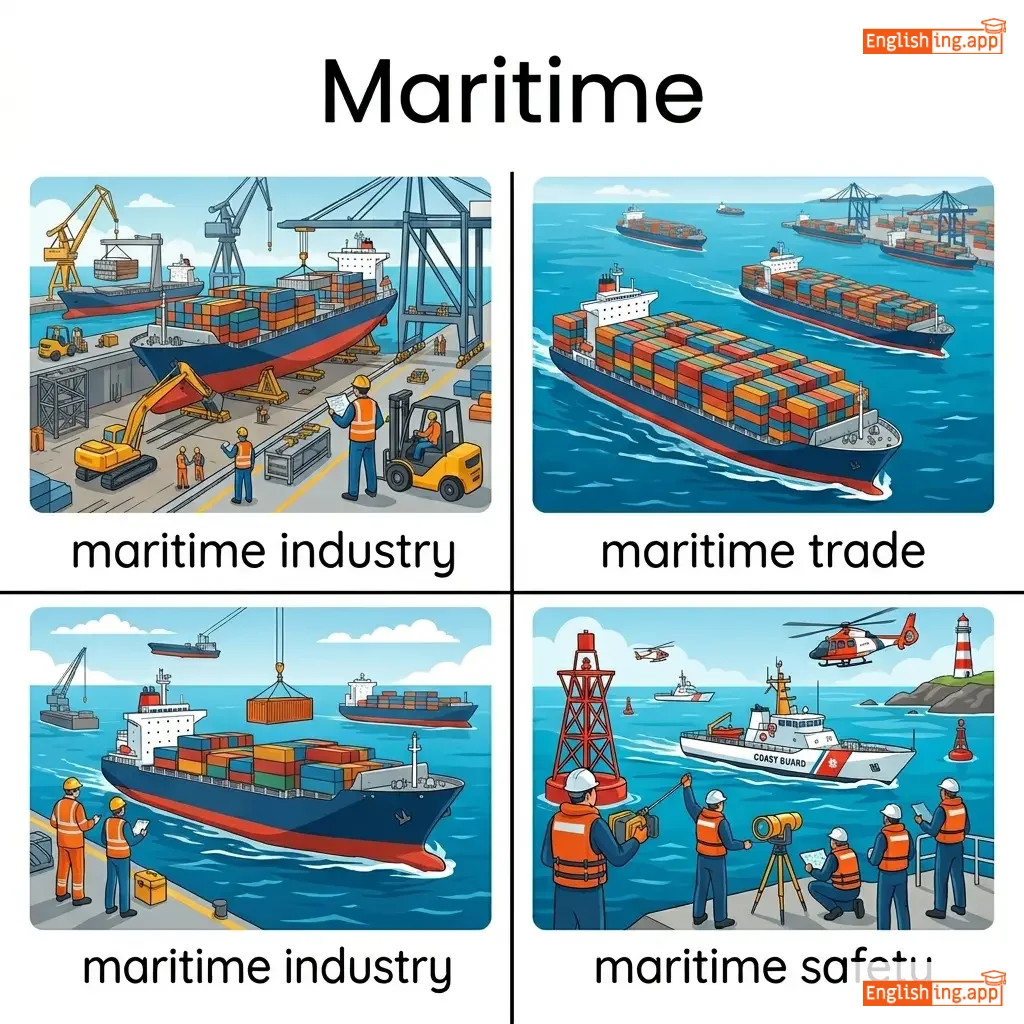
The maritime industry plays a crucial role in global trade.
海运行业在全球贸易中扮演着至关重要的角色。
••••••
|
海运行业在全球贸易中扮演着至关重要的角色。
Hǎiyùn hángyè zài quánqiú màoyì zhōng bànyǎn zhe zhìguān zhòngyào de juésè.
••••••
|
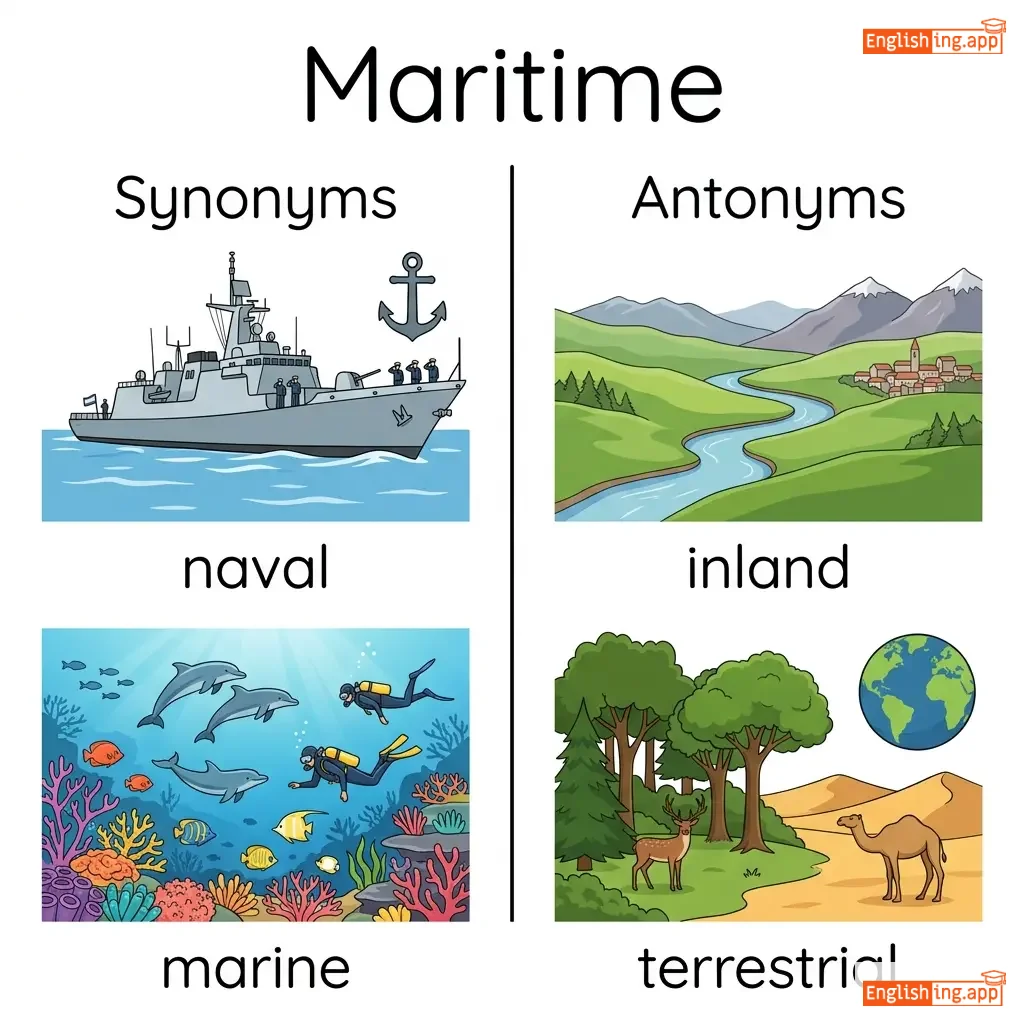
marine, nautical, oceanic, naval
••••••
|
terrestrial, landlocked, inland
••••••
|
maritime law, maritime industry, maritime border
••••••
|
Maritime is related to the sea in Chinese – 海
••••••
|
|
#496
🧠
|
/ˈmem.ər.ə.bəl/
adjective
(纪念)
••••••
|
|
值得纪念
zhí dé jì niàn
••••••
|
worth remembering; easily remembered
••••••
|
It was a memorable experience that I will never forget. |
这是一次值得纪念的经历,我永远不会忘记。
Zhè shì yī cì zhí dé jì niàn de jīng lì, wǒ yǒng yuǎn bù huì wàng jì.
••••••
|
unforgettable, remarkable, notable, significant
••••••
|
forgettable, ordinary, unremarkable, commonplace
••••••
|
memorable moment, memorable experience, memorable event
••••••
|
记住值得纪念的经历,不要忘记
••••••
|
|
#497
😠
|
/miːn/
adjective
(米恩)
••••••
|
|
刻薄; 残忍; 令人讨厌
kèbó; cánrěn; lìng rén tǎoyàn
••••••
|
unkind; cruel; nasty
••••••
|
Don't be so mean to your little sister.
不要对你的小妹妹这么刻薄。
••••••
|
不要对你的小妹妹这么残忍。
Bù yào duì nǐ de xiǎo mèimei zhème cánrěn.
••••••
|
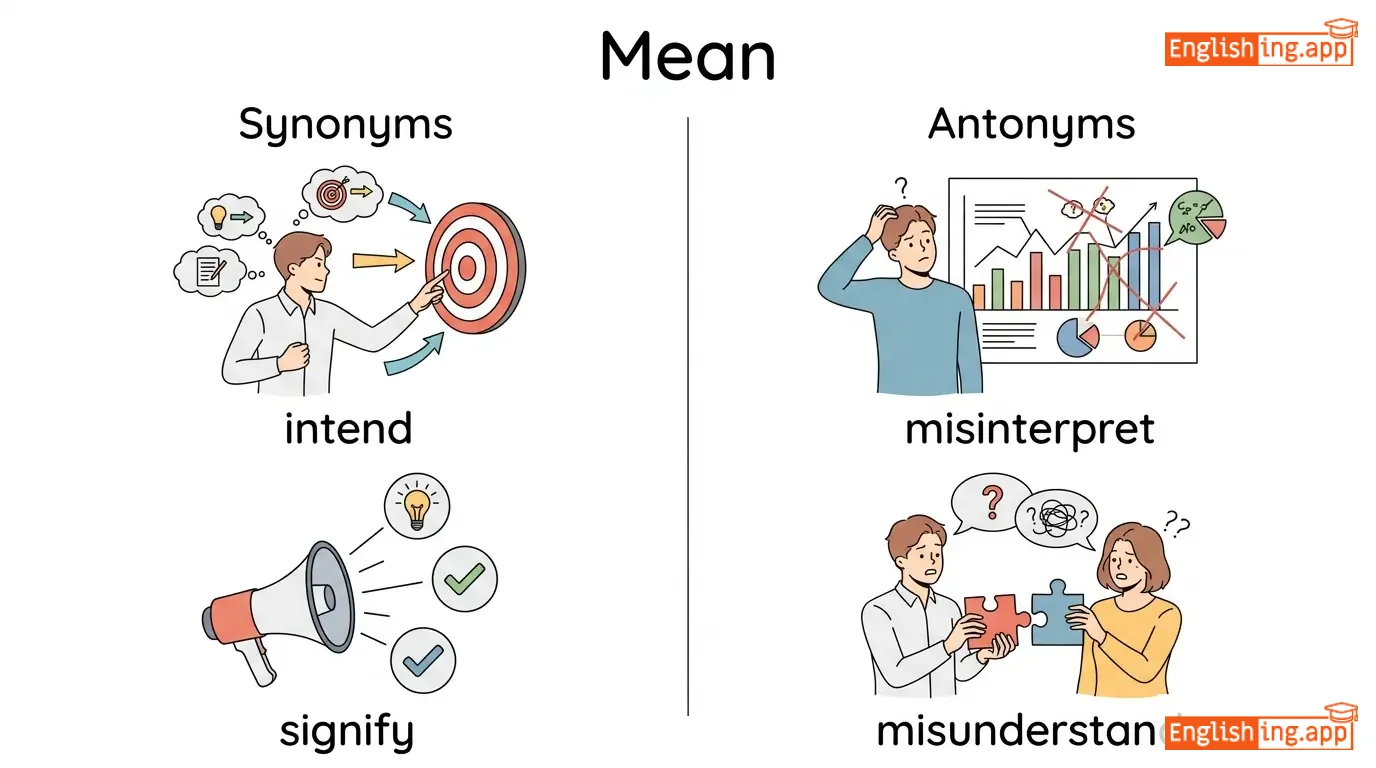
cruel, unkind, nasty, spiteful
••••••
|
kind, nice, generous, friendly
••••••
|
mean person, mean comment, mean behavior
••••••
|
一个刻薄的人被称为 'mean' 在英语中。
••••••
|
|
#498
✅
|
/mɑːrkt/
adjective
(mǎkèd)
••••••
|
- •••••• |
显著的; 明显的; 独特的
xiǎnzhù de; míngxiǎn de; dútè de
••••••
|
clearly noticeable; distinct; obvious
••••••
|
There was a marked improvement in her performance.
她的表现有了显著的改善。
••••••
|
她的表现有了显著的改善。
Tā de biǎoxiàn yǒule xiǎnzhù de gǎishàn.
••••••
|
noticeable, distinct, obvious, clear
••••••
|
unmarked, subtle, imperceptible, unclear
••••••
|
marked improvement, marked difference, marked change
••••••
|
标记的东西容易发现,就像显著的标志。
••••••
|
|
#499
🐑
|
/miːk/
adjective
(mīk)
••••••
|
- •••••• |
温和而顺从; 谦虚; 耐心
wēnhé ér shùncóng; qiānxū; nàixīn
••••••
|
gentle and submissive; humble; patient
••••••
|
Despite his power, he remained meek and humble.
尽管他有权力,但他依然保持谦逊与温和。
••••••
|
尽管他有权力,但他依然保持谦逊与温和。
Jǐnguǎn tā yǒu quánlì, dàn tā yīrán bǎochí qiānxùn yǔ wēnhé.
••••••
|
gentle, humble, submissive, mild, docile
••••••
|
aggressive, bold, assertive, arrogant
••••••
|
meek and mild, meek person, meek nature
••••••
|
Meek = 温和, 一个谦逊并耐心的人
••••••
|
|
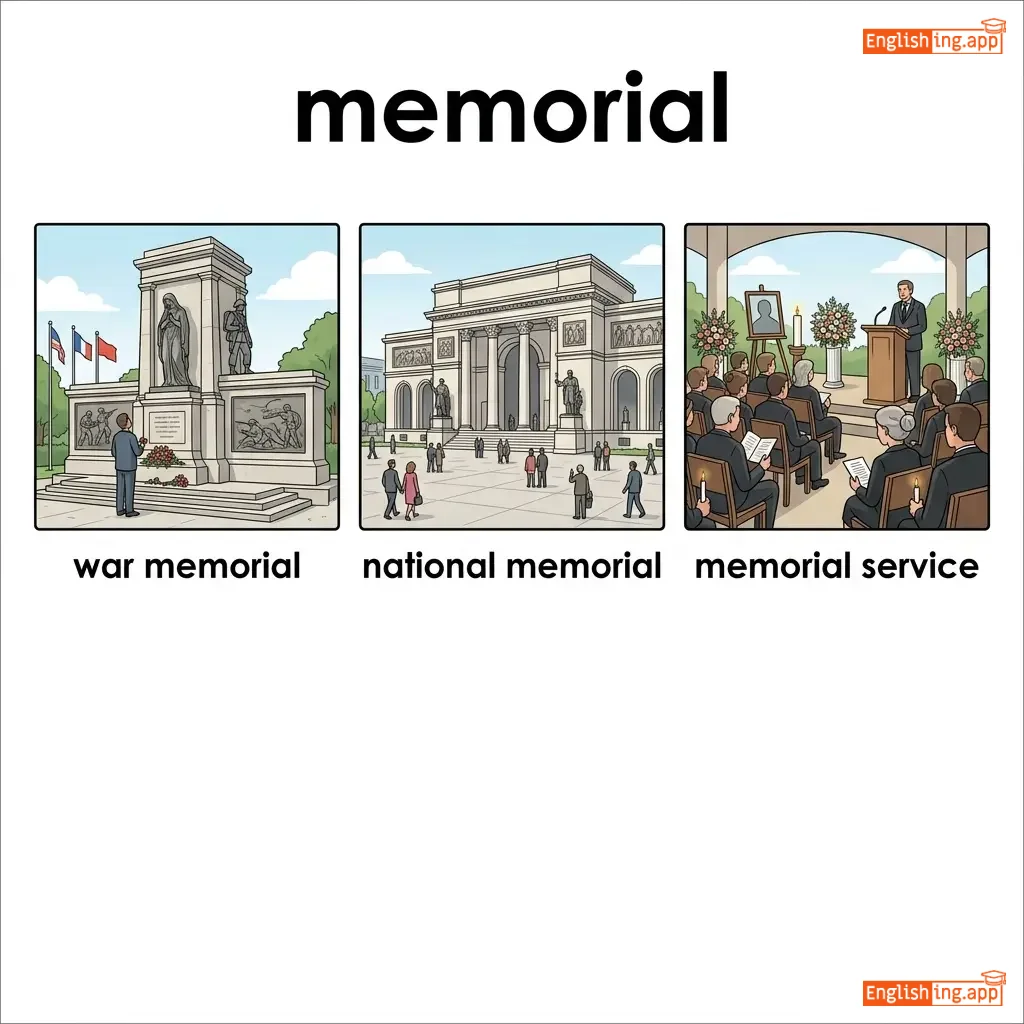
#500
🏛️
|
/məˈmɔː.ri.əl/
adjective
(纪念碑)
••••••
|
|
纪念碑; 纪念的
jìniànbēi; jìniàn de
••••••
|
relating to or serving as a memorial; commemorative
••••••
|
They built a memorial statue to honor the fallen soldiers.
他们建造了一座纪念雕像来纪念阵亡的士兵。
••••••
|
他们建造了一座纪念雕像来纪念阵亡的士兵。
Tāmen jiànzàole yīzuò jìniàn diāoxiàng lái jìniàn zhènwáng de shìbīng.
••••••
|
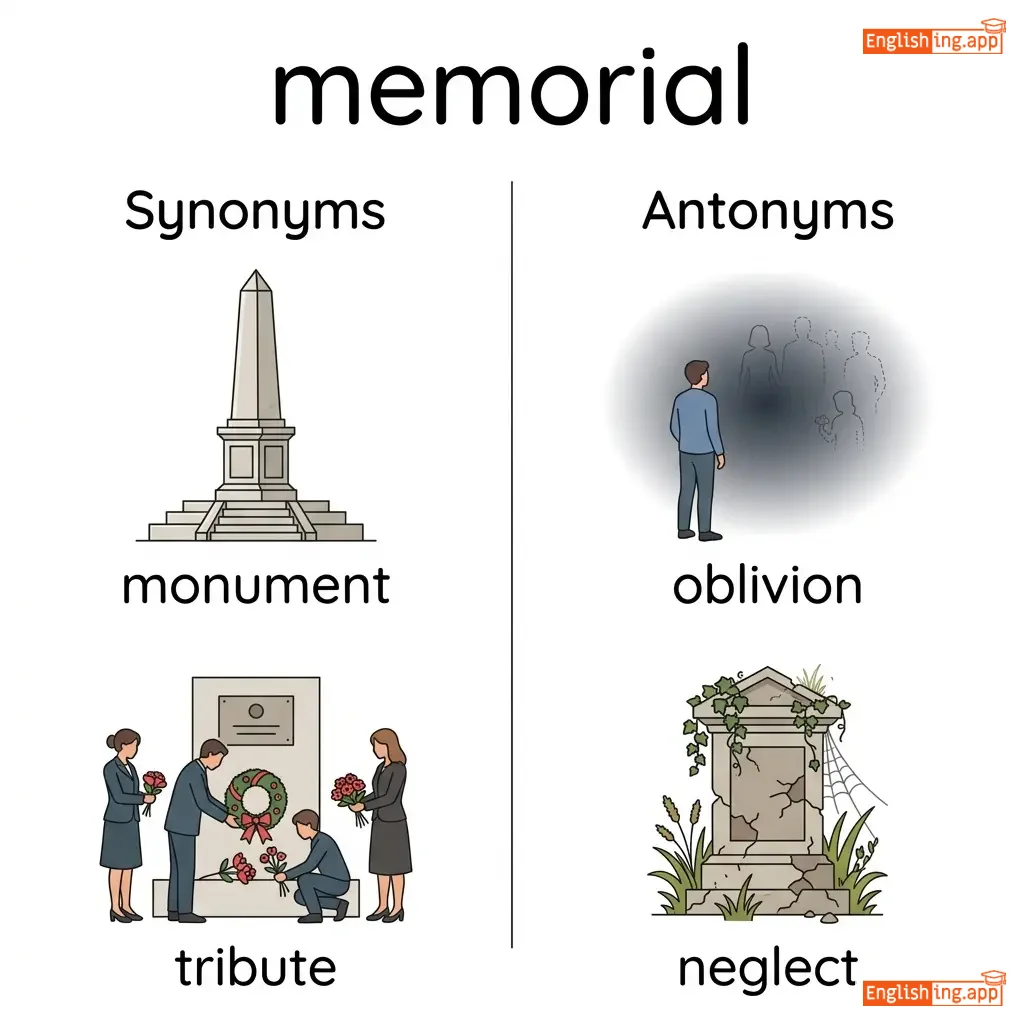
commemorative, remembrance, tribute, monument
••••••
|
forgetting, neglecting, ignoring, dismissing
••••••
|
memorial service, memorial statue, memorial day
••••••
|
纪念碑是用来纪念的重要事件或人物,比如为阵亡的士兵建造的雕像。
••••••
|
Vocabulary Quiz
Test your vocabulary by matching words with their translations or meanings.
Login to take the quiz
Comments (0)
Share your thoughts and join the discussion.
Join the discussion by logging in
Login to CommentNo comments yet
Be the first to share your thoughts!