



Swipe left or right, or use the buttons. Tap image to zoom.
例句翻译
单词
Lesson 2Lesson 2 - 遮罩切换
|
表情符号
|
单词 | Images | 翻译 | 含义 | 例句 | 例句翻译 | 同义词 | 反义词 | 搭配词 | 助记符 |
|---|---|---|---|---|---|---|---|---|---|---|
|
#21
🎯❌
|
/ˈeɪmləs/
adjective
(èimùlèisī)
••••••
|
- •••••• |
漫无目的; 无目标
aimles
••••••
|
without purpose or direction; lacking a goal
••••••
|
He wandered around the city in an aimless manner.
他在城市中漫无目的地游荡。
••••••
|
他在城市中漫无目的地游荡。
Tā zài chéngshì zhōng màn wú mùdì de yóudàng.
••••••
|
purposeless, directionless, wandering, random
••••••
|
purposeful, directed, focused, goal-oriented
••••••
|
aimless wandering, aimless behavior, aimless existence
••••••
|
漫无目的 = 没有方向, 像英文中的 aimless
••••••
|
|
#22
📐
|
/ˈæŋ.ɡjə.lər/
adjective
(æŋɡjʊlɚ)
••••••
|
- •••••• |
角度的
jiǎodù de
••••••
|
having sharp corners or edges; relating to angles
••••••
|
The building has an angular design with sharp corners.
这座建筑具有角度设计,角落尖锐。
••••••
|
这座建筑具有角度设计,角落尖锐。
Zhè zuò jiànzhú jùyǒu jiǎodù shèjì, jiǎoluò jiānruì.
••••••
|
sharp, pointed, geometric
••••••
|
curved, rounded, smooth
••••••
|
angular face, angular design, angular features
••••••
|
Angular 设计就像尖锐的角度
••••••
|
|
#23
😍
|
/əˈlʊr.ɪŋ/
adjective
(阿鲁林)
••••••
|
- •••••• |
迷人且诱人; 迷人的
mí rén qiě yòu rén; mí rén de
••••••
|
attractive and tempting; fascinating
••••••
|
The alluring fragrance of roses filled the garden. |
玫瑰的迷人香气弥漫在花园里。
Méiguī de mí rén xiāngqì mímàn zài huāyuán lǐ.
••••••
|
attractive, captivating, charming, seductive
••••••
|
repulsive, unattractive, repelling
••••••
|
alluring beauty, alluring smile, alluring fragrance
••••••
|
The roses' scent is so alluring and enticing!
••••••
|
|
#24
🐸
|
/æmˈfɪb.i.əs/
adjective
(两栖)
••••••
|
- •••••• |
两栖动物
liǎngqī dòngwù
••••••
|
able to live both on land and in water; suitable for both land and water operations
••••••
|
The amphibious vehicle can travel on both land and water. |
两栖车能够在陆地和水中行驶。
Liǎngqī chē nénggòu zài lùdì hé shuǐzhōng xíngshǐ.
••••••
|
aquatic, dual-environment, versatile
••••••
|
terrestrial, aquatic, single-environment
••••••
|
amphibious vehicle, amphibious assault, amphibious operation
••••••
|
像青蛙一样,生活在两者之间
••••••
|
|
#25
🚨
|
/əˈlɑrmɪŋ/
adjective
(阿拉明)
••••••
|
|
令人震惊的; 令人害怕的; 令人担忧的
lìng rén zhènjīng de; lìng rén hàipà de; lìng rén dānyōu de
••••••
|
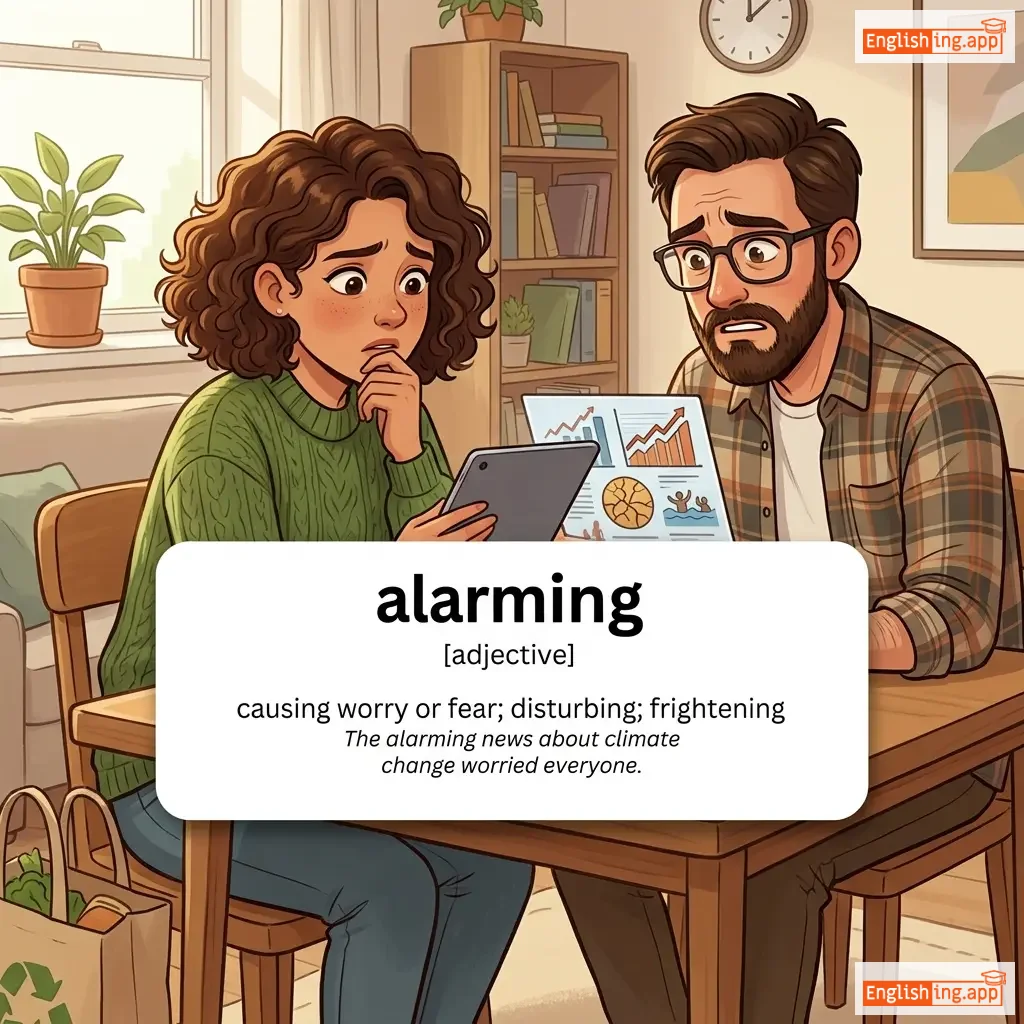
causing worry or fear; disturbing; frightening
••••••
|
The alarming news about climate change worried everyone.
关于气候变化的令人震惊的消息让大家都感到不安。
••••••
|
关于气候变化的令人震惊的消息让大家都感到不安。
Guānyú qìhòu biànhuà de lìng rén zhènjīng de xiāoxī ràng dàjiā dōu gǎndào bù'ān.
••••••
|
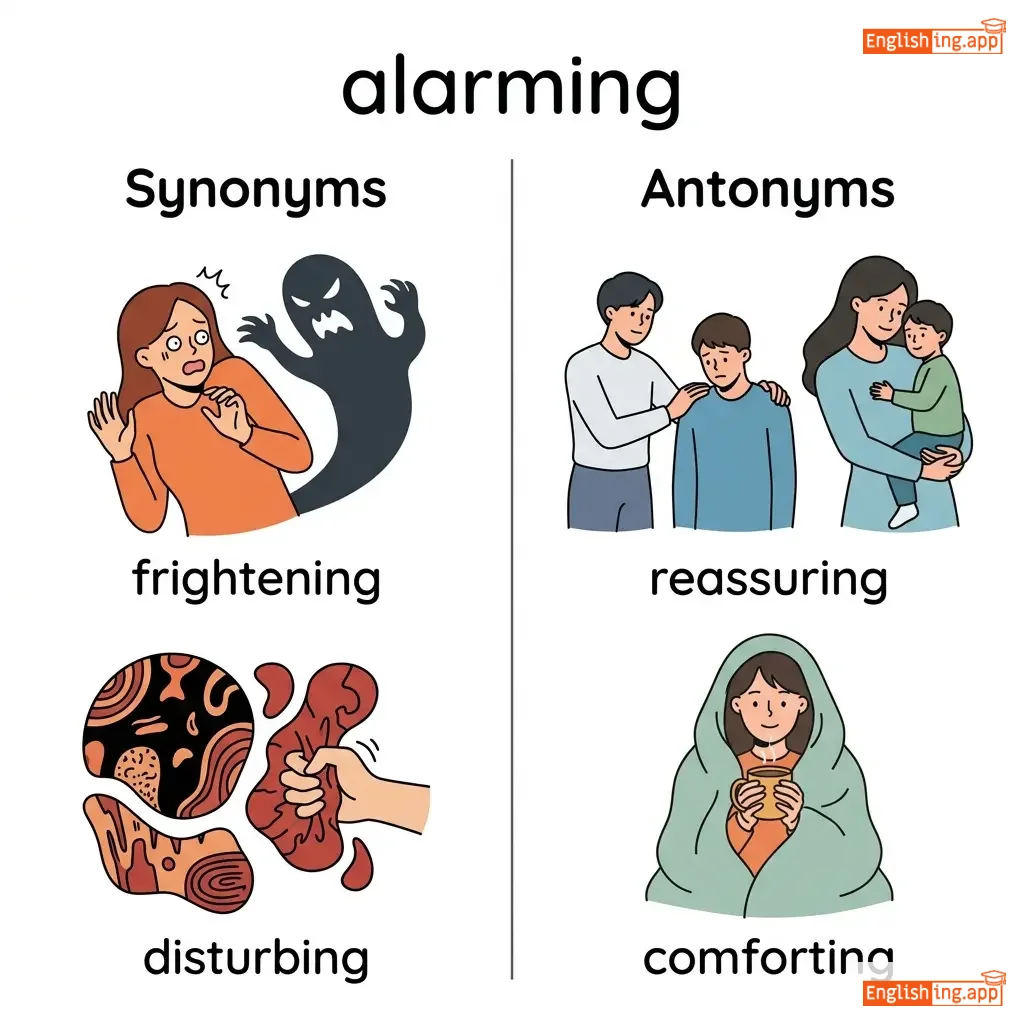
frightening, disturbing, worrying, shocking
••••••
|
reassuring, comforting, calming, peaceful
••••••
|
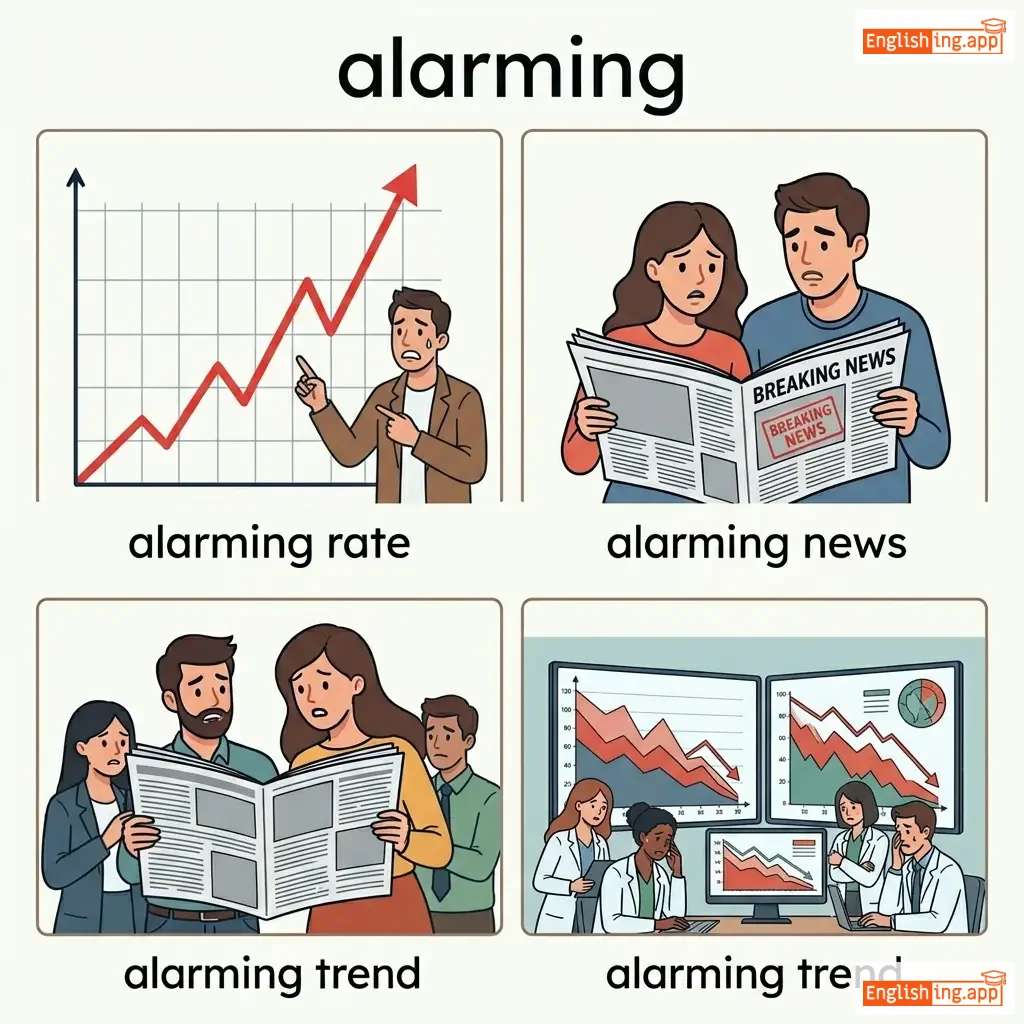
alarming rate, alarming news, alarming trend
••••••
|
Alarming像警报声,通常会让我们感到害怕和担忧。
••••••
|
|
#26
🎭
|
/əˈnɒn.ɪ.məs/
adjective
(匿名)
••••••
|
- •••••• |
匿名的; 无名的
aninming de
••••••
|
having an unknown name or identity; nameless
••••••
|
The author published the book under an anonymous pseudonym. |
作者以匿名的笔名出版了这本书。
zuozhe yi anming de biming chuban le zhe ben shu.
••••••
|
nameless, unknown, unidentified
••••••
|
named, identified, known
••••••
|
anonymous letter, anonymous donor, anonymous tip
••••••
|
Chinese: '匿名' sounds like 'anonymous'.
••••••
|
|
#27
📈
|
/ˈæm.pəl/
adjective
(安普尔)
••••••
|
- •••••• |
充足的;足够的;丰富的
chōngzú de; zúgòu de; fēngfù de
••••••
|
large in size, extent, or capacity; plentiful; more than enough
••••••
|
We have ample time to finish the project before the deadline. |
我们有足够的时间在最后期限前完成项目。
Wǒmen yǒu zúgòu de shíjiān zài zuìhòu qīxiàn qián wánchéng xiàngmù.
••••••
|
abundant, plenty, sufficient, generous
••••••
|
insufficient, inadequate, scarce, limited
••••••
|
ample time, ample space, ample opportunity, ample evidence
••••••
|
充足的时间可以让你毫不紧张地完成任务。
••••••
|
|
#28
💪
|
/ɔːlˈmaɪ.ti/
adjective
(Ào'ěr mài tī)
••••••
|
- •••••• |
全能
quánnéng
••••••
|
having unlimited power; omnipotent
••••••
|
The almighty storm destroyed everything in its path.
那场全能风暴摧毁了它路径上的一切。
••••••
|
那场全能风暴摧毁了它路径上的一切。
Nà chǎng quánnéng fēngbào cuīhuǐle tā lùjìng shàng de yīqiè.
••••••
|
omnipotent, all-powerful, supreme, divine
••••••
|
powerless, weak, helpless
••••••
|
almighty God, almighty power, almighty force
••••••
|
In Chinese, '全能' (quánnéng) means all-powerful, just like the almighty storm.
••••••
|
|
#29
🎯
|
/æmˈbɪʃ.əs/
adjective
(æmbishəs)
••••••
|
- •••••• |
雄心勃勃
xióngxīn bó bó
••••••
|
having strong desire for success or achievement; aspiring
••••••
|
She is ambitious and works hard to achieve her goals.
她很有雄心,努力工作以实现她的目标。
••••••
|
她很有雄心,努力工作以实现她的目标。
Tā hěn yǒu xióngxīn, nǔlì gōngzuò yǐ shíxiàn tā de mùbiāo.
••••••
|
determined, driven, aspiring, goal-oriented
••••••
|
unambitious, lazy, content, satisfied
••••••
|
ambitious plans, ambitious person, ambitious goals
••••••
|
雄心勃勃: 追求成功的动力!
••••••
|
|
#30
😄
|
/əˈmjuː.zɪŋ/
adjective
(amíuzīng)
••••••
|
- •••••• |
有趣的; 好笑的; 娱乐的
yǒuqù de; hǎoxiào de; yúlè de
••••••
|
causing laughter or providing entertainment; funny; enjoyable
••••••
|
The children found the clown's performance very amusing.
孩子们觉得小丑的表演非常有趣。
••••••
|
孩子们觉得小丑的表演非常有趣。
Háizimen juédé xiǎochǒu de biǎoyǎn fēicháng yǒuqù.
••••••
|
entertaining, funny, humorous, delightful
••••••
|
boring, dull, serious, tedious
••••••
|
amusing story, amusing anecdote, amusing incident, amusing character
••••••
|
记住那个总是让人笑的滑稽小丑。
••••••
|
|
#31
👭
|
/əˈlaɪk/
adjective
(ā-lèi-kè)
••••••
|
- •••••• |
相似; 以相同的方式
alike
••••••
|
similar in appearance or nature; in the same way
••••••
|
The two sisters look very much alike.
这两个姐妹看起来非常相似。
••••••
|
这两个姐妹看起来非常相似。
Zhè liǎng gè jiěmèi kàn qǐlái fēicháng xiāngsì.
••••••
|
similar, identical, comparable, equivalent
••••••
|
different, dissimilar, unlike, distinct
••••••
|
look alike, think alike, dress alike
••••••
|
Alike - 想象两个相似的姐妹,意思相同。
••••••
|
|
#32
🏺
|
/ænˈtiːk/
adjective
(安提克)
••••••
|
- •••••• |
古董; 珍贵的;
gǔdǒng
••••••
|
old and valuable; belonging to ancient times
••••••
|
She collected antique furniture from the Victorian era.
她收集了维多利亚时代的古董家具。
••••••
|
她收集了维多利亚时代的古董家具。
Tā shōujíle wéiduōlìyà shídài de gǔdǒng jiājù.
••••••
|
ancient, old, vintage
••••••
|
modern, new, contemporary
••••••
|
antique furniture, antique shop, antique collection
••••••
|
古董是属于古老年代的珍贵物品
••••••
|
|
#33
😊
|
/ˈeɪ.mi.ə.bəl/
adjective
(艾米亚布尔)
••••••
|
- •••••• |
友好且愉快;性格好;善良
yǒuhǎo qiě yúkuài; xìnggé hǎo; shànliáng
••••••
|
friendly and pleasant; good-natured; kind
••••••
|
My neighbor is very amiable and always greets everyone warmly. |
我的邻居非常友好,总是热情地问候每个人。
Wǒ de línjū fēicháng yǒuhǎo, zǒng shì rèqíng de wènhòu měi gè rén.
••••••
|
friendly, pleasant, agreeable, cordial
••••••
|
unfriendly, disagreeable, hostile, unpleasant
••••••
|
amiable person, amiable nature, amiable conversation
••••••
|
Amiable sounds like 'Ami' (friend) + 'able' – a friendly and pleasant person who is always kind!
••••••
|
|
#34
🏛️
|
/ˈeɪn.ʃənt/
adjective
(ànxī'āntè)
••••••
|
- •••••• |
古老
gǔlǎo
••••••
|
belonging to the very distant past; very old; historical
••••••
|
We visited the ancient ruins of the Roman empire.
我们参观了罗马帝国的古老遗址。
••••••
|
我们参观了罗马帝国的古老遗址。
Wǒmen cānguānle Luómǎ dìguó de gǔlǎo yízhǐ.
••••••
|
old, archaic, antique, historical
••••••
|
modern, contemporary, new, recent
••••••
|
ancient history, ancient civilization, ancient ruins, ancient wisdom
••••••
|
参观古老遗址就像是探索古老历史的时间旅行。
••••••
|
|
#35
❤️
|
/əˈlaɪv/
adjective
(ái lái fū)
••••••
|
- •••••• |
活着的; 不是死的; 充满生命和能量
huózhe de; bùshì sǐ de; chōngmǎn shēngmìng hé néngliàng
••••••
|
living; not dead; full of life and energy
••••••
|
The old man is still alive and healthy.
那位老人仍然活着且健康。
••••••
|
那位老人仍然活着且健康。
Nà wèi lǎorén réngrán huózhe qiě jiànkāng.
••••••
|
living, breathing, existing, vital
••••••
|
dead, deceased, lifeless, extinct
••••••
|
alive and well, barely alive, stay alive
••••••
|
Alive in Chinese sounds like 'huó' meaning full of life!
••••••
|
|
#36
🚫👥
|
/ˌæn.tiˈsoʊ.ʃəl/
adjective
(æntiˈsoʊʃəl)
••••••
|
- •••••• |
反社会的;对社会秩序敌对
fǎn shèhuì de; duì shèhuì zhìxù díduì
••••••
|
avoiding social interaction; hostile to social order
••••••
|
His antisocial behavior made it difficult for him to make friends. |
他的反社会行为让他很难交到朋友。
Tā de fǎn shèhuì xíngwéi ràng tā hěn nán jiāo dào péngyǒu.
••••••
|
unsociable, withdrawn, reclusive
••••••
|
social, outgoing, friendly
••••••
|
antisocial behavior, antisocial personality, antisocial tendencies
••••••
|
反社会的就是反对社会互动和秩序。
••••••
|
|
#37
🤝
|
/ˈæm.ɪ.kə.bəl/
adjective
(艾米卡布尔)
••••••
|
|
友好且和平的;以善意为特征;宽容的
yǒuhǎo qiě hépíng de; yǐ shànyì wéi tèzhēng; kuānróng de
••••••
|
friendly and peaceful; characterized by goodwill; tolerant
••••••
|
They reached an amicable agreement after long negotiations. |
经过长时间的谈判,他们达成了友好的协议。
Jīngguò cháng shíjiān de tánpàn, tāmen dáchéngle yǒuhǎo de xiéyì.
••••••
|
peaceful, harmonious, cordial, friendly
••••••
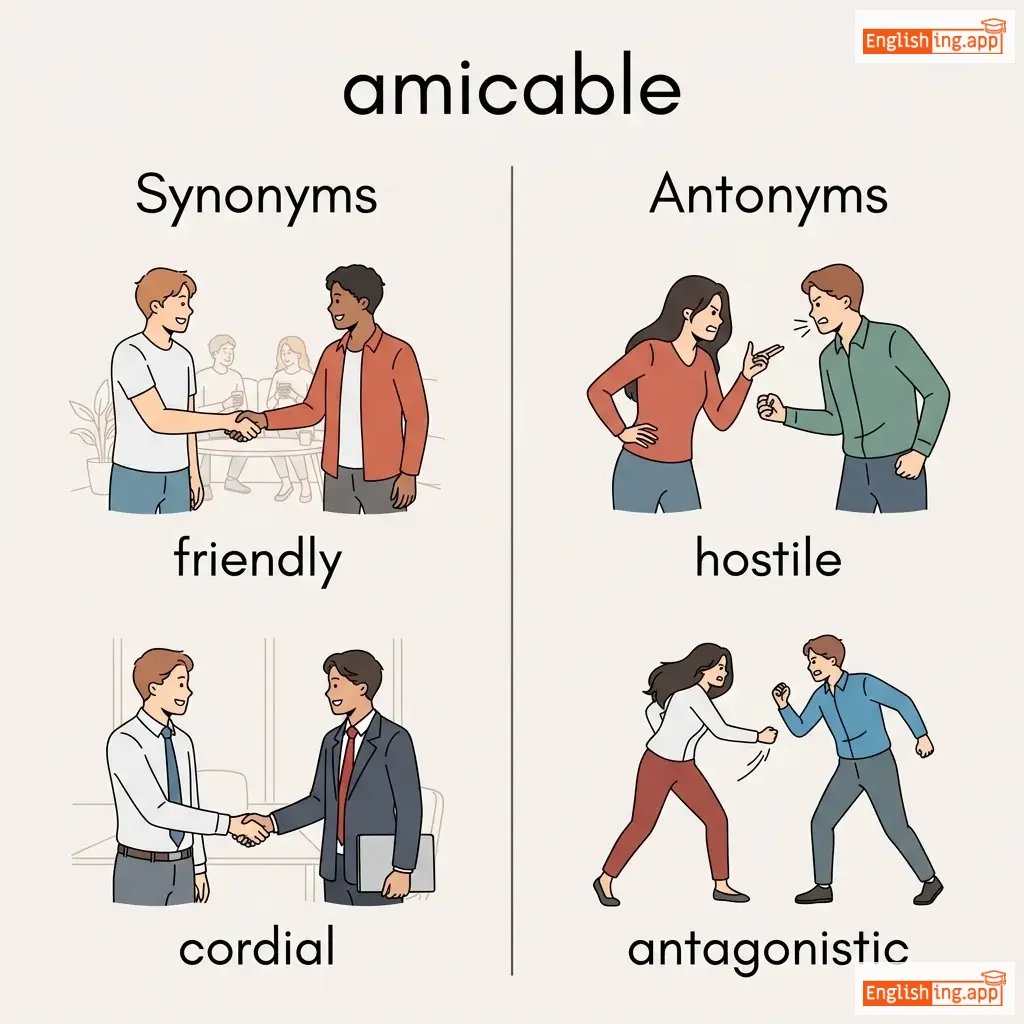
|
hostile, unfriendly, antagonistic, bitter
••••••
|
amicable settlement, amicable divorce, amicable solution
••••••
|
友好 (yǒuhǎo) 代表友善
••••••
|
|
#38
🤝
|
/əˈlaɪd/
adjective
(ālāid)
••••••
|
- •••••• |
盟友; 联合; 关联
allied
••••••
|
joined by agreement or treaty; associated; connected
••••••
|
The allied forces worked together during the war.
同盟军在战争期间一起工作。
••••••
|
同盟军在战争期间一起工作。
Tóngméng jūn zài zhànzhēng qījiān yīqǐ gōngzuò.
••••••
|
associated, connected, related, affiliated
••••••
|
opposing, enemy, hostile, unrelated
••••••
|
allied forces, allied countries, allied with
••••••
|
Allied forces = 联合力量在一起
••••••
|
|
#39
😠
|
/ˈæŋ.ɡri/
adjective
(ànglì)
••••••
|
- •••••• |
生气的; 愤怒的;
shēngqì de; fènnù de
••••••
|
feeling or showing strong displeasure; furious; irritated
••••••
|
She was angry because someone had broken her favorite vase.
她生气了,因为有人打破了她最喜欢的花瓶。
••••••
|
她生气了,因为有人打破了她最喜欢的花瓶。
Tā shēngqìle, yīnwèi yǒurén dǎpòle tā zuì xǐhuān de huāpíng.
••••••
|
furious, mad, irritated, enraged
••••••
|
calm, peaceful, happy, pleased
••••••
|
angry voice, angry customer, angry reaction, angry mob
••••••
|
Angry in Chinese is '生气的', imagine the anger when your favorite vase breaks!
••••••
|
|
#40
😰
|
/ˈæŋk.ʃəs/
adjective
(ankshas)
••••••
|
- •••••• |
焦虑的; 担心的
angkshas
••••••
|
feeling worried or nervous; eager with concern
••••••
|
She felt anxious about her upcoming job interview. |
她因即将到来的面试而感到焦虑。
Tā yīn jíjiāng dàolái de miànshì ér gǎndào jiāolǜ.
••••••
|
worried, nervous, concerned
••••••
|
calm, relaxed, confident
••••••
|
anxious feelings, anxious thoughts, anxious about
••••••
|
焦虑的面试
••••••
|
Vocabulary Quiz
Test your vocabulary by matching words with their translations or meanings.
Login to take the quiz
Comments (0)
Share your thoughts and join the discussion.
Join the discussion by logging in
Login to CommentNo comments yet
Be the first to share your thoughts!