

翻訳
過去
過去分詞
三人称単数
動名詞
意味
例文
例文の翻訳
同義語
対義語
コロケーション
ニーモニック


Swipe left or right, or use the buttons. Tap image to zoom.
例文の翻訳
単語
Lesson 2Lesson 2 - マスクトグル
|
絵文字
|
単語 | Images | 翻訳 | 意味 | 例文 | 例文の翻訳 | 同義語 | 対義語 | コロケーション | ニーモニック |
|---|---|---|---|---|---|---|---|---|---|---|
|
#21
🎯❌
|
/ˈeɪmləs/
adjective
(エイムレス)
••••••
|
- •••••• |
無目的; 目標なし
aimles
••••••
|
without purpose or direction; lacking a goal
••••••
|
He wandered around the city in an aimless manner.
彼は無目的に街を歩いていた。
••••••
|
彼は無目的に街を歩いていた。
Kare wa mumokuteki ni machi o aruite ita.
••••••
|
purposeless, directionless, wandering, random
••••••
|
purposeful, directed, focused, goal-oriented
••••••
|
aimless wandering, aimless behavior, aimless existence
••••••
|
無目的 = 目標なし、英語の aimless と同じ
••••••
|
|
#22
📐
|
/ˈæŋ.ɡjə.lər/
adjective
(アングラ)
••••••
|
- •••••• |
角度的な
kakudo teki na
••••••
|
having sharp corners or edges; relating to angles
••••••
|
The building has an angular design with sharp corners.
その建物は鋭い角を持つ角度的なデザインです。
••••••
|
その建物は鋭い角を持つ角度的なデザインです。
Sono tatemono wa surudoi kado o motsu kakudo teki na dezain desu.
••••••
|
sharp, pointed, geometric
••••••
|
curved, rounded, smooth
••••••
|
angular face, angular design, angular features
••••••
|
Angularデザインは鋭い角を持つ
••••••
|
|
#23
😍
|
/əˈlʊr.ɪŋ/
adjective
(アリューリング)
••••••
|
- •••••• |
魅力的で誘惑的; 魅力的な
miryokuteki de yūwaku teki; miryokuteki na
••••••
|
attractive and tempting; fascinating
••••••
|
The alluring fragrance of roses filled the garden. |
バラの魅力的な香りが庭を満たしました。
Bara no miryokuteki na kaori ga niwa o mitashimashita.
••••••
|
attractive, captivating, charming, seductive
••••••
|
repulsive, unattractive, repelling
••••••
|
alluring beauty, alluring smile, alluring fragrance
••••••
|
The roses' alluring scent fills the garden.
••••••
|
|
#24
🐸
|
/æmˈfɪb.i.əs/
adjective
(アムフィビアス)
••••••
|
- •••••• |
両生類
ryōseirui
••••••
|
able to live both on land and in water; suitable for both land and water operations
••••••
|
The amphibious vehicle can travel on both land and water. |
その両生類車両は、陸地と水中の両方で移動できます。
Sono ryōseirui sharyō wa, rikuchi to suichū no ryōhō de idō dekimasu.
••••••
|
aquatic, dual-environment, versatile
••••••
|
terrestrial, aquatic, single-environment
••••••
|
amphibious vehicle, amphibious assault, amphibious operation
••••••
|
水辺と陸の間で生きる
••••••
|
|
#25
🚨
|
/əˈlɑrmɪŋ/
adjective
(アラーミング)
••••••
|
|
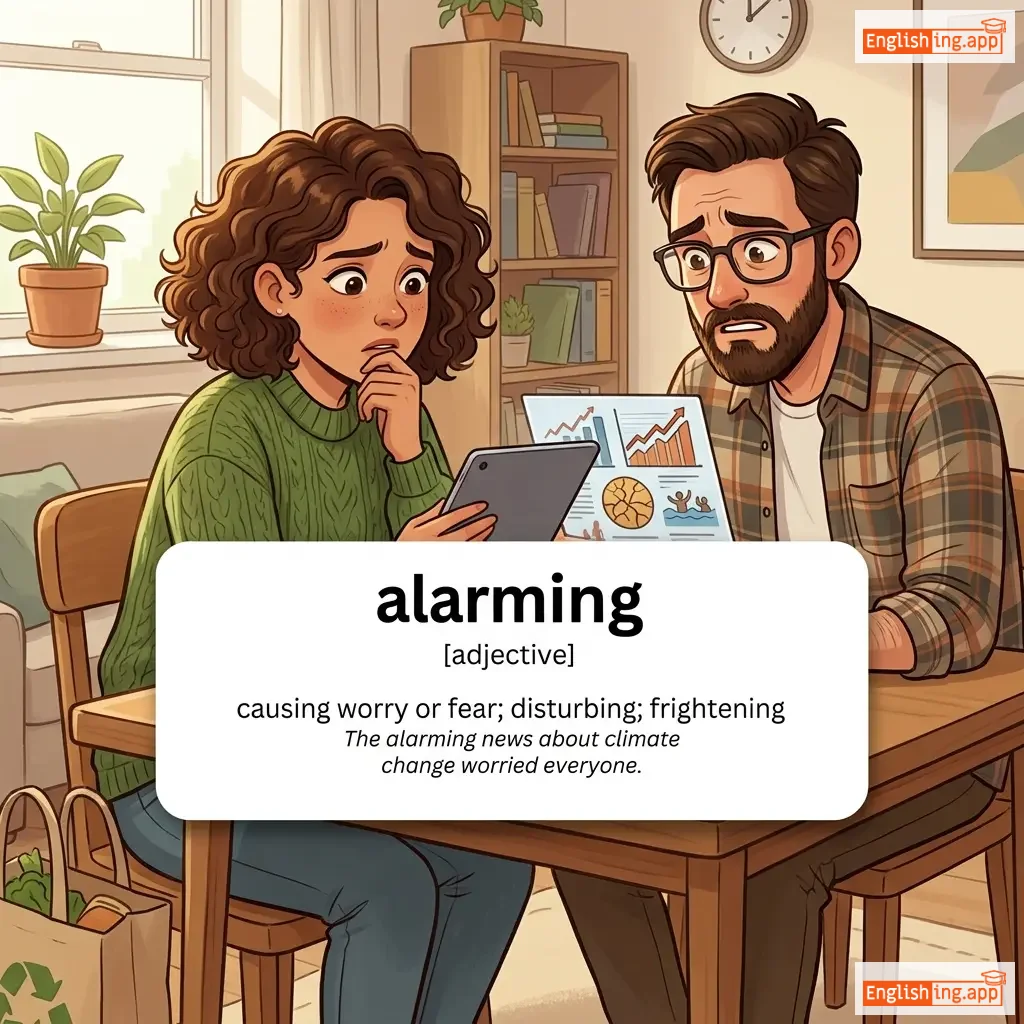
衝撃的な; 恐ろしい; 心配させる
shōgeki-teki na; osoroshī; shinpai saseru
••••••
|
causing worry or fear; disturbing; frightening
••••••
|
The alarming news about climate change worried everyone.
気候変動に関する衝撃的なニュースは皆を心配させました。
••••••
|
気候変動に関する衝撃的なニュースは皆を心配させました。
Kikō hendō ni kansuru shōgeki-teki na nyūsu wa mina o shinpai sasemashita.
••••••
|
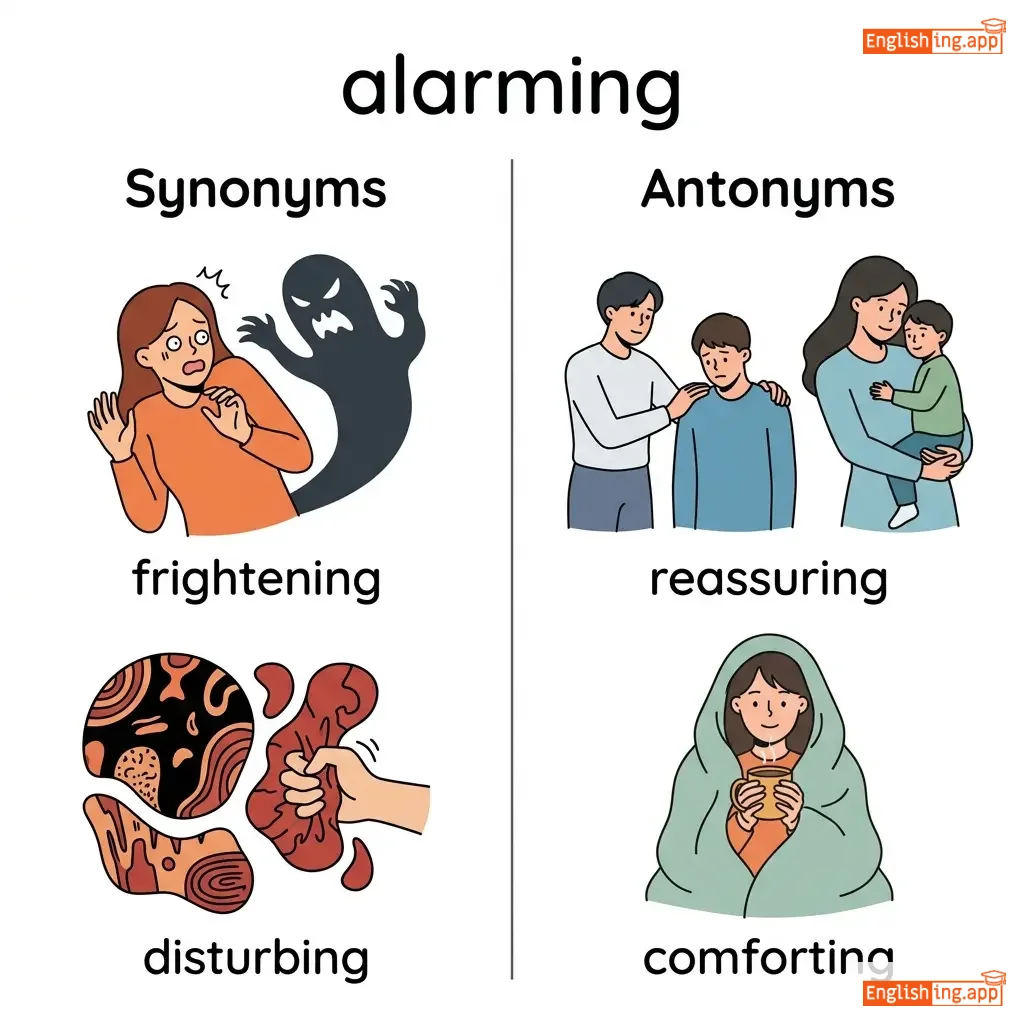
frightening, disturbing, worrying, shocking
••••••
|
reassuring, comforting, calming, peaceful
••••••
|
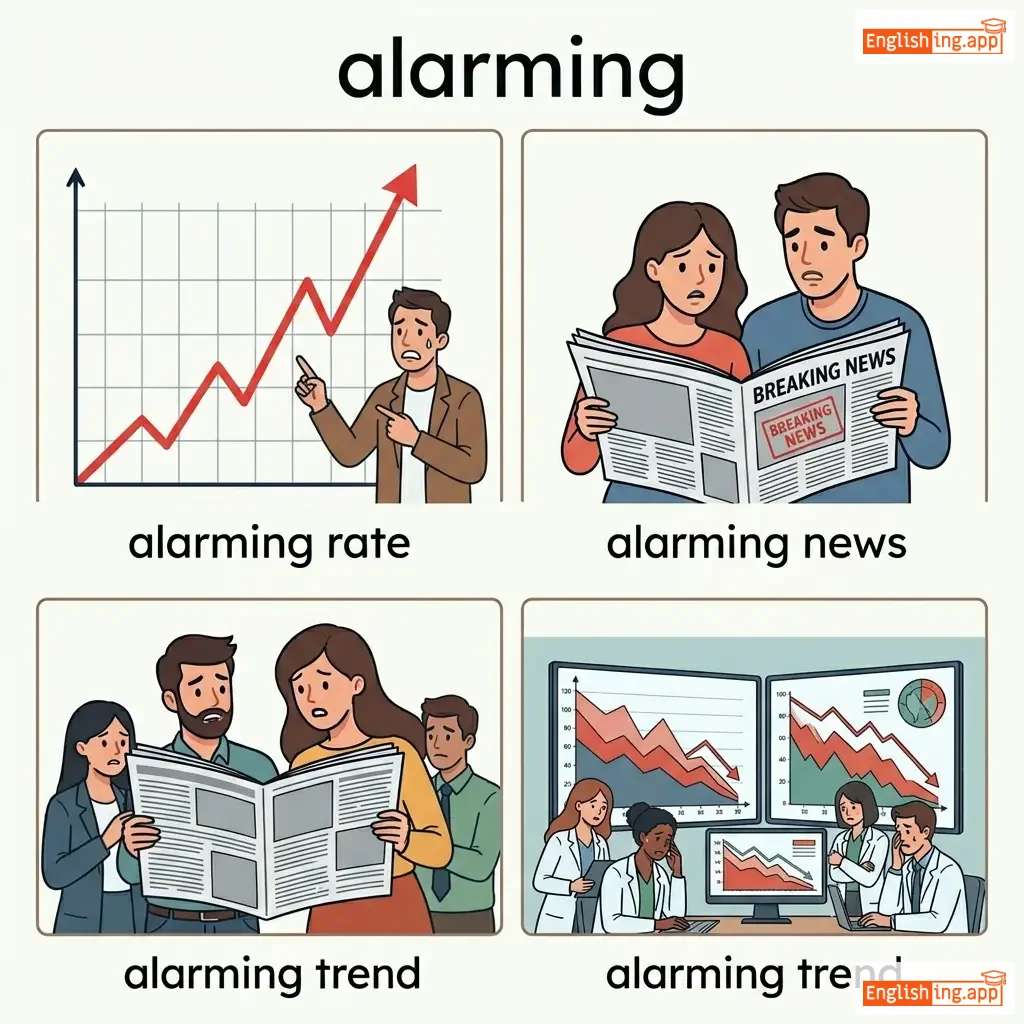
alarming rate, alarming news, alarming trend
••••••
|
Alarmingのように、アラームは恐れや心配を引き起こします。
••••••
|
|
#26
🎭
|
/əˈnɒn.ɪ.məs/
adjective
(アノニマス)
••••••
|
- •••••• |
匿名の; 名前のない
anonimasu
••••••
|
having an unknown name or identity; nameless
••••••
|
The author published the book under an anonymous pseudonym. |
著者は匿名のペンネームでその本を出版した。
chosha wa anonim no penneemu de sono hon o shuppan shita.
••••••
|
nameless, unknown, unidentified
••••••
|
named, identified, known
••••••
|
anonymous letter, anonymous donor, anonymous tip
••••••
|
Japanese: 'アノニマス' sounds like 'anonymous'.
••••••
|
|
#27
📈
|
/ˈæm.pəl/
adjective
(アンプル)
••••••
|
- •••••• |
十分な; 充実した; 余裕のある
jūbun na; jūjitsu shita; yoyu no aru
••••••
|
large in size, extent, or capacity; plentiful; more than enough
••••••
|
We have ample time to finish the project before the deadline. |
プロジェクトを締め切り前に終わらせるための十分な時間があります。
Purojekuto o shimekiri mae ni owaraseru tame no jūbun na jikan ga arimasu.
••••••
|
abundant, plenty, sufficient, generous
••••••
|
insufficient, inadequate, scarce, limited
••••••
|
ample time, ample space, ample opportunity, ample evidence
••••••
|
十分な時間があれば、心配なく終わらせることができる。
••••••
|
|
#28
💪
|
/ɔːlˈmaɪ.ti/
adjective
(オールマイティ)
••••••
|
- •••••• |
全能
zennou
••••••
|
having unlimited power; omnipotent
••••••
|
The almighty storm destroyed everything in its path.
そのオールマイティな嵐はその進路上のすべてを破壊しました。
••••••
|
その全能な嵐はその進路上のすべてを破壊しました。
Sono zennou na arashi wa sono shinrojou no subete o hakai shimashita.
••••••
|
omnipotent, all-powerful, supreme, divine
••••••
|
powerless, weak, helpless
••••••
|
almighty God, almighty power, almighty force
••••••
|
The Japanese word '全能' (zennou) means almighty, like an all-powerful force.
••••••
|
|
#29
🎯
|
/æmˈbɪʃ.əs/
adjective
(æmbishəs)
••••••
|
- •••••• |
野心的
yashinteki
••••••
|
having strong desire for success or achievement; aspiring
••••••
|
She is ambitious and works hard to achieve her goals.
彼女は野心的で、目標を達成するために一生懸命働いています。
••••••
|
彼女は野心的で、目標を達成するために一生懸命働いています。
Kanojo wa yashinteki de, mokuhyou wo tassei suru tame ni isshoukenmei hataraiteimasu.
••••••
|
determined, driven, aspiring, goal-oriented
••••••
|
unambitious, lazy, content, satisfied
••••••
|
ambitious plans, ambitious person, ambitious goals
••••••
|
野心的: 高い目標を目指して努力!
••••••
|
|
#30
😄
|
/əˈmjuː.zɪŋ/
adjective
(アミューズィング)
••••••
|
- •••••• |
面白い; おかしい; 楽しい
omoshiroi; okashii; tanoshii
••••••
|
causing laughter or providing entertainment; funny; enjoyable
••••••
|
The children found the clown's performance very amusing.
子供たちはピエロのパフォーマンスがとても面白いと感じました。
••••••
|
子供たちはピエロのパフォーマンスがとても面白いと感じました。
Kodomotachi wa piero no pafōmansu ga totemo omoshiroi to kanjimashita.
••••••
|
entertaining, funny, humorous, delightful
••••••
|
boring, dull, serious, tedious
••••••
|
amusing story, amusing anecdote, amusing incident, amusing character
••••••
|
いつも笑わせるピエロを思い出してみてください。
••••••
|
|
#31
👭
|
/əˈlaɪk/
adjective
(アライク)
••••••
|
- •••••• |
似ている; 同じように
alike
••••••
|
similar in appearance or nature; in the same way
••••••
|
The two sisters look very much alike.
二人の姉妹はとても似ている。
••••••
|
二人の姉妹はとても似ている。
Futari no shimai wa totemo niteiru.
••••••
|
similar, identical, comparable, equivalent
••••••
|
different, dissimilar, unlike, distinct
••••••
|
look alike, think alike, dress alike
••••••
|
Alike - 'アライク'、姉妹が似ていることを意味する。
••••••
|
|
#32
🏺
|
/ænˈtiːk/
adjective
(アンティーク)
••••••
|
- •••••• |
アンティーク; 古い;
antīku
••••••
|
old and valuable; belonging to ancient times
••••••
|
She collected antique furniture from the Victorian era.
彼女はヴィクトリア時代のアンティーク家具を集めました。
••••••
|
彼女はヴィクトリア時代のアンティーク家具を集めました。
Kanojo wa Vikutoria jidai no antīku kagu o atsumemashita.
••••••
|
ancient, old, vintage
••••••
|
modern, new, contemporary
••••••
|
antique furniture, antique shop, antique collection
••••••
|
アンティークは古くて貴重なものです。
••••••
|
|
#33
😊
|
/ˈeɪ.mi.ə.bəl/
adjective
(エイミアブル)
••••••
|
- •••••• |
親しみやすくて快適; 良い性格の; 親切
shitashimi yasukute kaiteki; yoi seikaku no; shinsetsu
••••••
|
friendly and pleasant; good-natured; kind
••••••
|
My neighbor is very amiable and always greets everyone warmly. |
私の隣人はとても親しみやすく、いつも暖かく挨拶をします。
Watashi no rinjin wa totemo shitashimi yasukute, itsumo atatakaku aisatsu o shimasu.
••••••
|
friendly, pleasant, agreeable, cordial
••••••
|
unfriendly, disagreeable, hostile, unpleasant
••••••
|
amiable person, amiable nature, amiable conversation
••••••
|
Amiable is like 'Ami' (friend) + 'able' – a friendly person who is always kind and pleasant!
••••••
|
|
#34
🏛️
|
/ˈeɪn.ʃənt/
adjective
(エインシエント)
••••••
|
- •••••• |
古代の
kodai no
••••••
|
belonging to the very distant past; very old; historical
••••••
|
We visited the ancient ruins of the Roman empire.
ローマ帝国の古代遺跡を訪れました。
••••••
|
ローマ帝国の古代遺跡を訪れました。
Rōma teikoku no kodai iseki o otozuremashita.
••••••
|
old, archaic, antique, historical
••••••
|
modern, contemporary, new, recent
••••••
|
ancient history, ancient civilization, ancient ruins, ancient wisdom
••••••
|
古代の遺跡を訪れることは、過去に旅行するようなものです。
••••••
|
|
#35
❤️
|
/əˈlaɪv/
adjective
(アライヴ)
••••••
|
- •••••• |
生きている; 死んでいない; 生命とエネルギーに満ちている
ikite iru; shinde inai; seimei to enerugī ni michite iru
••••••
|
living; not dead; full of life and energy
••••••
|
The old man is still alive and healthy.
その老人は今でも生きていて健康です。
••••••
|
その老人は今でも生きていて健康です。
Sono rōjin wa ima demo ikite ite kenko desu.
••••••
|
living, breathing, existing, vital
••••••
|
dead, deceased, lifeless, extinct
••••••
|
alive and well, barely alive, stay alive
••••••
|
In Japanese, 'ikite' means alive—think of it as life-filled!
••••••
|
|
#36
🚫👥
|
/ˌæn.tiˈsoʊ.ʃəl/
adjective
(アンティソーシャル)
••••••
|
- •••••• |
反社会的な; 社会秩序に敵対的
hanshakai-teki na; shakai chitsujo ni tekitaiteki
••••••
|
avoiding social interaction; hostile to social order
••••••
|
His antisocial behavior made it difficult for him to make friends. |
彼の反社会的な行動は、友達を作るのを難しくしました。
Kare no hanshakai-teki na kōdō wa, tomodachi o tsukuru no o muzukashiku shimashita.
••••••
|
unsociable, withdrawn, reclusive
••••••
|
social, outgoing, friendly
••••••
|
antisocial behavior, antisocial personality, antisocial tendencies
••••••
|
反社会的は社会と反対することを意味する。
••••••
|
|
#37
🤝
|
/ˈæm.ɪ.kə.bəl/
adjective
(アミカブル)
••••••
|
|
友好的で平和的な; 善意によって特徴づけられた; 寛容な
yūkō-teki de heiwateki na; zen'i ni yotte tokuchō-dzuke rareta; kan'yō na
••••••
|
friendly and peaceful; characterized by goodwill; tolerant
••••••
|
They reached an amicable agreement after long negotiations. |
長い交渉の後、彼らは友好的な合意に達しました。
Nagai kōshō no ato, karera wa yūkō-teki na gōi ni tasshimashita.
••••••
|
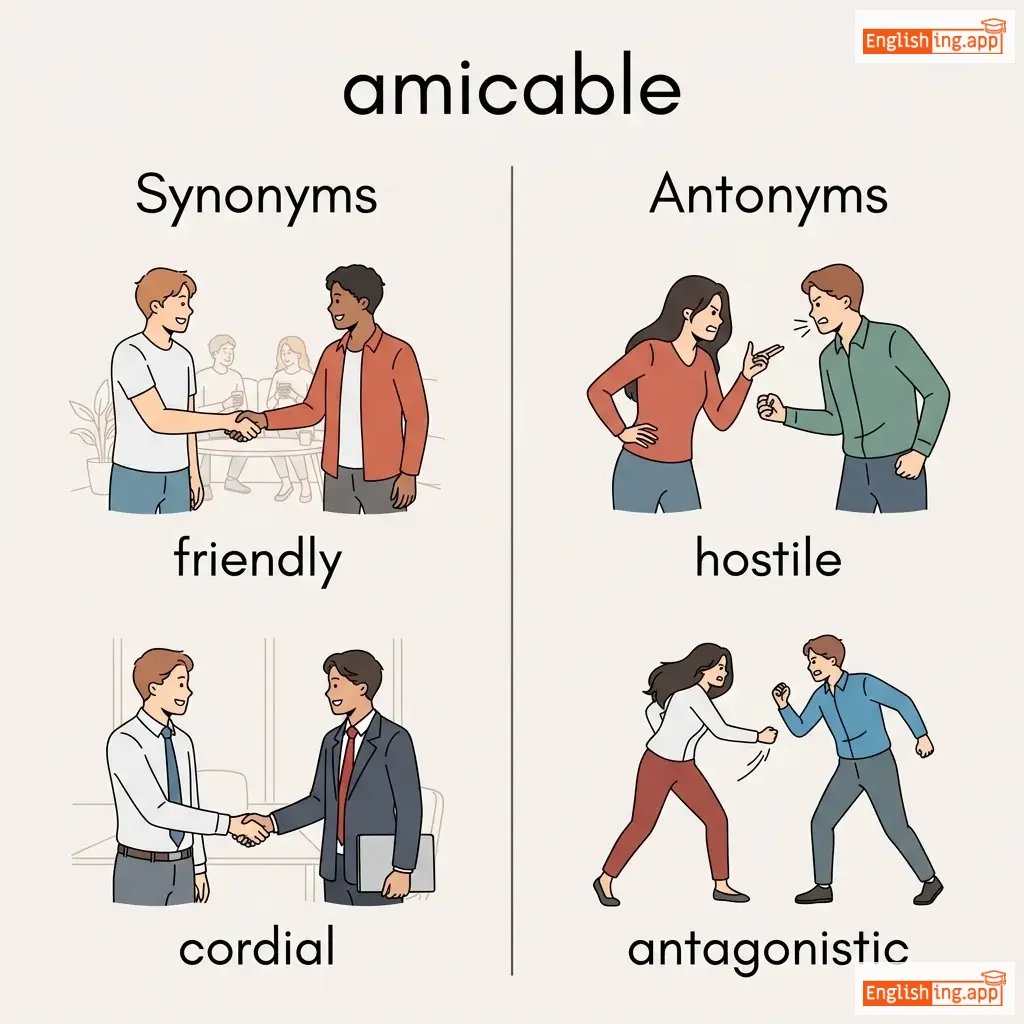
peaceful, harmonious, cordial, friendly
••••••
|
hostile, unfriendly, antagonistic, bitter
••••••
|
amicable settlement, amicable divorce, amicable solution
••••••
|
友好的な(yūkō-teki)意味はfriendly
••••••
|
|
#38
🤝
|
/əˈlaɪd/
adjective
(アライド)
••••••
|
- •••••• |
連合; 同盟; つながり
allied
••••••
|
joined by agreement or treaty; associated; connected
••••••
|
The allied forces worked together during the war.
連合軍は戦争中に一緒に働いた。
••••••
|
連合軍は戦争中に一緒に働いた。
Rengōgun wa sensō-chū ni issho ni hataraita.
••••••
|
associated, connected, related, affiliated
••••••
|
opposing, enemy, hostile, unrelated
••••••
|
allied forces, allied countries, allied with
••••••
|
連合軍 = 力を合わせて戦う
••••••
|
|
#39
😠
|
/ˈæŋ.ɡri/
adjective
(anguri)
••••••
|
- •••••• |
怒っている; 怒った;
okotteiru; okotta;
••••••
|
feeling or showing strong displeasure; furious; irritated
••••••
|
She was angry because someone had broken her favorite vase.
彼女は誰かが彼女のお気に入りの花瓶を壊したので怒っていた。
••••••
|
彼女は誰かが彼女のお気に入りの花瓶を壊したので怒っていた。
Kanojo wa dareka ga kanojo no okiniiri no kabin o kowashita node okotteita.
••••••
|
furious, mad, irritated, enraged
••••••
|
calm, peaceful, happy, pleased
••••••
|
angry voice, angry customer, angry reaction, angry mob
••••••
|
Angry in Japanese is '怒っている', and it's like feeling angry when your vase is broken!
••••••
|
|
#40
😰
|
/ˈæŋk.ʃəs/
adjective
(ankshas)
••••••
|
- •••••• |
不安な; 心配な
ankshas
••••••
|
feeling worried or nervous; eager with concern
••••••
|
She felt anxious about her upcoming job interview. |
彼女は次の仕事の面接について不安に感じていました。
Kanojo wa tsugi no shigoto no mensetsu ni tsuite fuan ni kanjite imashita.
••••••
|
worried, nervous, concerned
••••••
|
calm, relaxed, confident
••••••
|
anxious feelings, anxious thoughts, anxious about
••••••
|
不安な面接
••••••
|
Vocabulary Quiz
Test your vocabulary by matching words with their translations or meanings.
Login to take the quiz
Comments (0)
Share your thoughts and join the discussion.
Join the discussion by logging in
Login to CommentNo comments yet
Be the first to share your thoughts!