

翻訳
過去
過去分詞
三人称単数
動名詞
意味
例文
例文の翻訳
同義語
対義語
コロケーション
ニーモニック
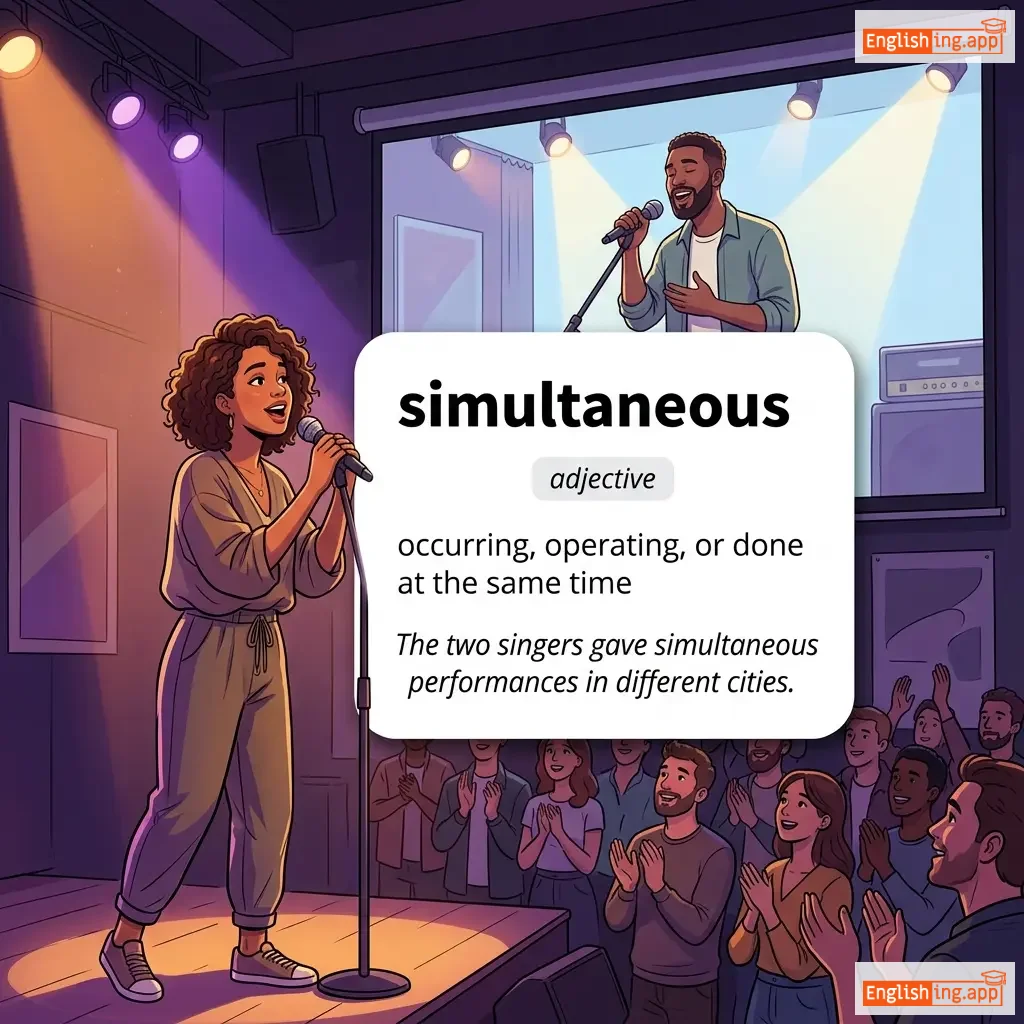
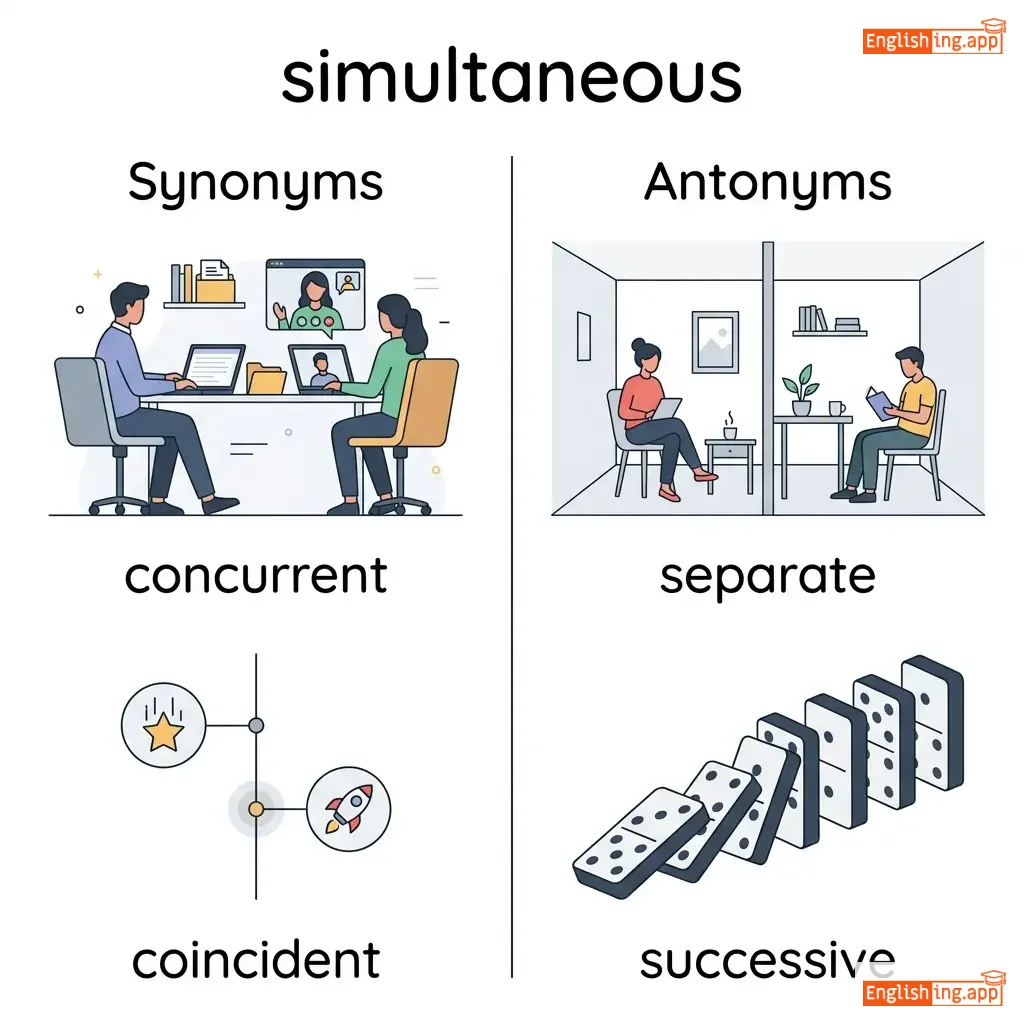
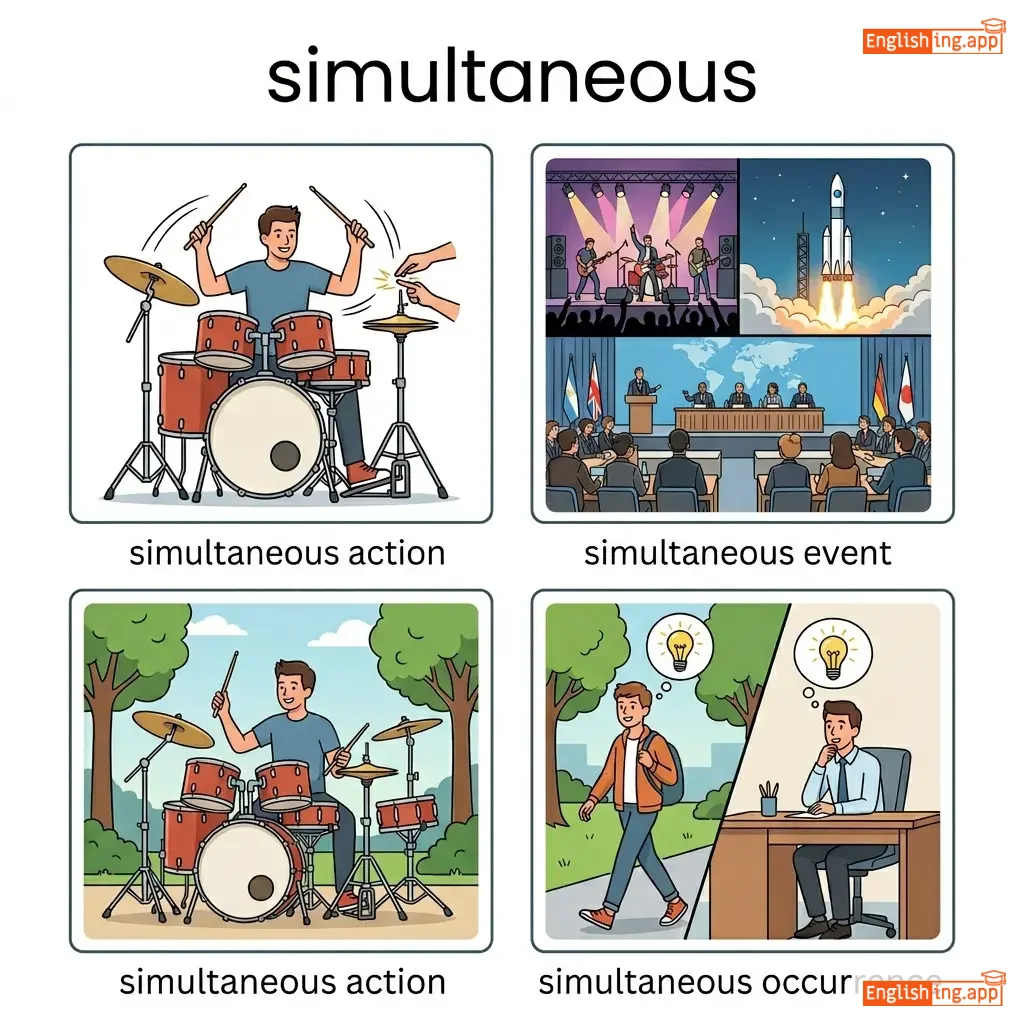
Swipe left or right, or use the buttons. Tap image to zoom.
例文の翻訳
単語
Lesson 42Lesson 42 - マスクトグル
|
絵文字
|
単語 | Images | 翻訳 | 意味 | 例文 | 例文の翻訳 | 同義語 | 対義語 | コロケーション | ニーモニック |
|---|---|---|---|---|---|---|---|---|---|---|
|
#821
🧸
|
/sɔft/
adjective
(ソフト)
••••••
|
- •••••• |
柔らかい; やさしい; 静か
yawarakai; yasashii; shizuka
••••••
|
not hard or firm; gentle; quiet; tender
••••••
|
The pillow is very soft and comfortable. |
枕はとても柔らかくて快適です。
makura wa totemo yawarakakute kaiteki desu
••••••
|
gentle, tender, smooth, mild
••••••
|
hard, rough, firm, harsh
••••••
|
soft touch, soft voice, soft fabric, soft light
••••••
|
柔らかい枕で快適
••••••
|
|
#822
🤝
|
/sɪnˈsɪər/
adjective
(シンシア)
••••••
|
- •••••• |
誠実な; 本物の; 見せかけのない
seijitsu na; honmono no; misekake no nai
••••••
|
honest and genuine in expressing feelings; free from pretense or deceit
••••••
|
She gave me a sincere apology for her mistake.
シー ゲブ ミー エ シンシア アポロジー フォー ハー ミステイク。
••••••
|
彼女は自分のミスについて誠実に謝罪した。
Kanojo wa jibun no misu ni tsuite seijitsu ni shazai shita.
••••••
|
honest, genuine, authentic, heartfelt, earnest
••••••
|
insincere, false, fake, dishonest, pretentious
••••••
|
sincere apology, sincere thanks, sincere condolences, sincere person
••••••
|
誠実さは、嘘をつかない心のようなもの
••••••
|
|
#823
🧠
|
/smɑːrt/
adjective
(スマート)
••••••
|
- •••••• |
賢い; 機知に富んだ; よく着飾った; スタイリッシュ
kashikoi; kichi ni tonda; yoku kazaratta; sutairisshu
••••••
|
intelligent; quick-witted; well-dressed; stylish
••••••
|
She made a smart decision to invest in technology stocks. |
彼女はテクノロジー株に投資するという賢い決断を下しました。
Kanojo wa tekunorojī kabu ni tōshi suru to iu kashikoi ketsudan o kudashimashita
••••••
|
intelligent, clever, bright, wise, stylish
••••••
|
stupid, dumb, foolish, unwise
••••••
|
smart phone, smart choice, smart casual, smart technology
••••••
|
賢くてスタイリッシュな選択
••••••
|
|
#824
🤏
|
/slaɪt/
adjective
(スライト)
••••••
|
- •••••• |
わずか; 軽い; 細い; 微妙な
wazuka; karui; hosoi; bimyou na
••••••
|
small in degree; not severe or intense; slim; thin
••••••
|
There was a slight delay in the train schedule.
電車の時刻表にはわずかな遅れがありました。
••••••
|
電車の時刻表にはわずかな遅れがありました。
Densha no jikokuhyō ni wa wazuka na okure ga arimashita.
••••••
|
minor, small, little, negligible, minimal
••••••
|
major, significant, substantial, considerable, large
••••••
|
slight delay, slight difference, slight problem, slight change, slight improvement
••••••
|
わずかな遅れも、時間を感じさせるのに十分です。
••••••
|
|
#825
🏝️
|
/ˈsɒl.ɪ.ter.i/
adjective
(ソリタリー)
••••••
|
- •••••• |
孤独; 孤立; 一人
kodoku; koritsu; hitori
••••••
|
alone; without companions; single; isolated
••••••
|
He lived a solitary life in the mountains.
彼は山中で孤独な生活を送っていました。
••••••
|
彼は山中で孤独な生活を送っていました。
Kare wa sanchu de kodoku na seikatsu o okutte imashita.
••••••
|
alone, isolated, lonely, single
••••••
|
social, accompanied, together, crowded
••••••
|
solitary life, solitary confinement, solitary walk
••••••
|
Picture yourself living alone on a mountain peak, enjoying the solitude.
••••••
|
|
#826
😇
|
/ˈsɪnləs/
adjective
(シンレス)
••••••
|
- •••••• |
無罪; 無邪気; 純粋
muzai; mujakki; junsui
••••••
|
free from sin; pure and innocent; without moral fault
••••••
|
The innocent child appeared sinless in her pure white dress.
無邪気な子供は純白のドレスで罪のないように見えた。
••••••
|
無邪気な子供は純白のドレスで罪のないように見えた。
Mujakki na kodomo wa junpaku no doresu de tsumi no nai yō ni mieta.
••••••
|
innocent, pure, blameless, faultless, virtuous
••••••
|
sinful, guilty, corrupt, wicked, immoral
••••••
|
sinless soul, sinless life, sinless person, sinless state
••••••
|
無罪: 無邪気な子供のように無垢。
••••••
|
|
#827
✨
|
/smuːð/
adjective
(ハピネス)
••••••
|
- •••••• |
スムーズな; 平らな; 困難なし; 流れるように
sumuuzu na; taira na; konnan nashi; nagareru you ni
••••••
|
having an even surface; without difficulties; flowing easily
••••••
|
The road was smooth and comfortable to drive on.
道路はスムーズで運転が快適でした。
••••••
|
道路はスムーズで運転が快適でした。
Douro wa sumuuzu de unten ga kaiteki deshita.
••••••
|
even, flat, polished, effortless, flowing
••••••
|
rough, bumpy, uneven, difficult
••••••
|
smooth surface, smooth operation, smooth transition, smooth sailing
••••••
|
スムーズは障害物がない道のようで、運転がスムーズ
••••••
|
|
#828
🧊
|
/ˈslɪp.ər.i/
adjective
(スリッパリー)
••••••
|
- •••••• |
滑りやすい
suripparii
••••••
|
smooth and difficult to hold; causing sliding or slipping
••••••
|
The wet floor was very slippery after cleaning.
清掃後、濡れた床はとても滑りやすかった。
••••••
|
清掃後、濡れた床はとても滑りやすかった。
Seisougo nureta yuka wa totemo suberiyasukatta
••••••
|
slick, smooth, greasy, icy, wet
••••••
|
rough, dry, grippy, textured, stable
••••••
|
slippery surface, slippery slope, slippery road, slippery fish, slippery when wet
••••••
|
Imagine a pair of スリッパー slipping on a wet floor, shouting Suripparii to remember slippery. 覚え方: スリッパー + リー で Slippery を覚える
••••••
|
|
#829
🤢
|
/ˈslɒp.i/
adjective
(スロッピー)
••••••
|
- •••••• |
だらしない; 汚い; 注意を払わずに行われた
darashinai; kitanai; chūi o harawazu ni okonawareta
••••••
|
careless; messy; done without care or attention to detail
••••••
|
His sloppy handwriting was difficult to read.
彼の乱雑な手書きは読みにくかった。
••••••
|
彼の乱雑な手書きは読みにくかった。
Kare no ranzatsu na tegaki wa yominikukatta
••••••
|
messy, careless, untidy, disorganized, negligent
••••••
|
neat, careful, tidy, organized, precise
••••••
|
sloppy work, sloppy handwriting, sloppy appearance, sloppy habits, sloppy thinking
••••••
|
だらしない = だらしない手書き
••••••
|
|
#830
🧼
|
/ˈsoʊpi/
adjective
(ソーピー)
••••••
|
- •••••• |
石鹸で覆われた; 泡立った
sekken de ōwareta; awadatta
••••••
|
covered with soap; having the characteristics of soap; foamy
••••••
|
The dishes were still soapy after washing.
皿は洗った後でもまだ石鹸のようでした。
••••••
|
皿は洗った後でもまだ石鹸のようでした。
Sara wa aratta ato demo mada sekken no yō deshita.
••••••
|
sudsy, foamy, frothy, bubbly
••••••
|
clean, rinsed, soap-free
••••••
|
soapy water, soapy bubbles, soapy residue, soapy hands
••••••
|
Soapy means covered in soap, just like bubbles forming when you wash!
••••••
|
|
#831
👯
|
/ˈsɪmələr/
adjective
(シミラー)
••••••
|
- •••••• |
似ている; 共通の特徴がある
niteru
••••••
|
alike; having characteristics in common
••••••
|
The two sisters have similar interests in music.
二人の姉妹は音楽に関して似たような興味を持っています。
••••••
|
二人の姉妹は音楽に関して似たような興味を持っています。
Futari no shimai wa ongaku ni kanshite nita yōna kyōmi o motteimasu.
••••••
|
alike, comparable, equivalent, related
••••••
|
different, dissimilar, unlike, opposite
••••••
|
similar to, similar situation, similar style
••••••
|
姉妹は音楽に関して似ている、だから似ていると覚えておいてください。
••••••
|
|
#832
🎯
|
/ˈskɪlfʊl/
adjective
(スキルフル)
••••••
|
- •••••• |
熟練した; 才能のある; 熟達した
jukurenshita; saino no aru; jukutatsu shita
••••••
|
having or showing skill; expert and accomplished
••••••
|
The skilful surgeon performed the operation with great precision. |
熟練した外科医は、非常に高い精度で手術を行いました。
Jukuren shita gekai wa, hijou ni takai seido de shoushu wo okonaimashita.
••••••
|
skilled, expert, accomplished, proficient, adept
••••••
|
unskilled, incompetent, clumsy, inexpert, amateurish
••••••
|
skilful hands, skilful player, skilful craftsman, skilful technique
••••••
|
スキルフルな外科医のように、熟練して精確に手術を進めよう。
••••••
|
|
#833
🐌
|
/ˈslʌɡ.ɪʃ/
adjective
(スラギッシュ)
••••••
|
- •••••• |
遅い; 鈍い; 非活動的
osoi; nibui; hikatsudōteki
••••••
|
slow-moving; lacking energy or alertness; inactive
••••••
|
The old computer became sluggish after running for hours. |
古いコンピュータは数時間動かした後、遅くなった。
Furui konpyūta wa sūjikan ugokashita ato, osoku natta.
••••••
|
slow, lethargic, lazy, inactive, torpid
••••••
|
fast, energetic, active, quick, responsive
••••••
|
sluggish economy, sluggish performance, sluggish response, sluggish movement, sluggish computer
••••••
|
遅いと鈍いは一緒に動きが遅くなる。
••••••
|
|
#834
👨🔧
|
/skɪld/
adjective
(スキルド)
••••••
|
- •••••• |
熟練した
jukuren shita
••••••
|
having or showing the knowledge, ability, or training to perform certain activities or work well
••••••
|
He is a skilled carpenter who can build beautiful furniture. |
彼は美しい家具を作ることができる熟練した大工です。
Kare wa utsukushī kagu o tsukuru koto ga dekiru jukuren shita daiku desu
••••••
|
expert, proficient, competent, trained, experienced
••••••
|
unskilled, inexperienced, incompetent, amateur, untrained
••••••
|
skilled worker, skilled labor, skilled professional, skilled craftsman
••••••
|
熟練した大工のように、完璧な家具を作る能力を持っています。
••••••
|
|
#835
🤔
|
/ˈsoʊbər/
adjective
(ソバー)
••••••
|
- •••••• |
冷静な; 真剣で思慮深い; 節度のある
reisei na; shinken de shiryōbukai; setsudo no aru
••••••
|
not affected by alcohol; serious and thoughtful; moderate
••••••
|
He remained sober throughout the celebration.
彼は祝典全体を通して冷静を保っていた。
••••••
|
彼は祝典全体を通して冷静を保っていた。
Kare wa shukuten zentai o tōshite reisei o motodotta.
••••••
|
temperate, serious, grave, moderate, abstinent
••••••
|
drunk, intoxicated, frivolous, excessive
••••••
|
sober person, sober thoughts, sober assessment, stay sober
••••••
|
冷静 = 節度 (Reisei = Setsudo, meaning moderate)
••••••
|
|
#836
✨
|
/ˈsɪmpəl/
adjective
(シンプル)
••••••
|
- •••••• |
簡単な; シンプル; 複雑でない
simple
••••••
|
easy to understand or do; not complicated
••••••
|
This is a simple recipe that anyone can follow.
これは誰でもフォローできるシンプルなレシピです。
••••••
|
これは誰でもフォローできる簡単なレシピです。
Kore wa daredemo forō dekiru kantan na reshipi desu.
••••••
|
easy, basic, straightforward, uncomplicated
••••••
|
complex, complicated, difficult, intricate
••••••
|
simple task, simple solution, simple life
••••••
|
SIMPLE = 簡単
••••••
|
|
#837
🤏
|
/smɔːl/
adjective
(esumal)
••••••
|
- •••••• |
小さい; 限られた; 狭い
chiisai; kagirareta; semai
••••••
|
little in size; not large; limited in extent or amount
••••••
|
She lives in a small apartment near the university. |
彼女は大学の近くの小さなアパートに住んでいます。
Kanojo wa daigaku no chikaku no chiisana apaato ni sundeimasu
••••••
|
little, tiny, miniature, compact, petite
••••••
|
large, big, huge, enormous, giant
••••••
|
small business, small town, small amount, small change, small size
••••••
|
大学の近くの小さなアパート
••••••
|
|
#838
🦴
|
/ˈskɪni/
adjective
(es-kee-nee)
••••••
|
- •••••• |
痩せた; 細い; 骨ばかりの
yaseta; hosoi; hone bakari no
••••••
|
very thin; having little flesh or fat on the body
••••••
|
The skinny cat looked like it hadn't eaten for days. |
その痩せた猫は、数日間食べていないように見えました。
Sono yaseta neko wa, suujitsukan tabete inai you ni miemashita.
••••••
|
thin, slim, lean, slender, gaunt
••••••
|
fat, obese, chubby, plump, overweight
••••••
|
skinny jeans, skinny arms, skinny legs, skinny person
••••••
|
その痩せた猫を見て、もう何日も食べていないように感じる。
••••••
|
|
#839
😊
|
/ˈsoʊʃəbəl/
adjective
(ソシアブル)
••••••
|
- •••••• |
社交的; 友好的; 外向的
shakouteki; yuukou-teki; gaikouteki
••••••
|
friendly and enjoys being with other people; outgoing
••••••
|
She is very sociable and makes friends easily. |
彼女はとても社交的で、簡単に友達を作ります。
kanojo wa totemo shakouteki de, kantan ni tomodachi wo tsukurimasu
••••••
|
friendly, outgoing, gregarious, social, extroverted
••••••
|
antisocial, shy, introverted, unfriendly
••••••
|
sociable person, sociable gathering, sociable nature, sociable behavior
••••••
|
社交的な性格は、グループの中心に立つのが得意
••••••
|
|
#840
⏰
|
/ˌsaɪməlˈteɪniəs/
adjective
(シムルタネウス)
••••••
|
|
同時の
dōji no
••••••
|
happening at the same time
••••••
|
The simultaneous translation made the conference accessible to everyone. |
同時通訳により、会議はすべての人にアクセス可能になりました。
Dōji tsūyaku ni yori, kaigi wa subete no hito ni akusesu kanō ni narimashita.
••••••
|
concurrent, synchronous, parallel, coincident
••••••
|
sequential, consecutive, separate, successive
••••••
|
simultaneous translation, simultaneous events, simultaneous occurrence
••••••
|
同時にすべてを行う
••••••
|
Vocabulary Quiz
Test your vocabulary by matching words with their translations or meanings.
Login to take the quiz
Comments (0)
Share your thoughts and join the discussion.
Join the discussion by logging in
Login to CommentNo comments yet
Be the first to share your thoughts!