

翻訳
過去
過去分詞
三人称単数
動名詞
意味
例文
例文の翻訳
同義語
対義語
コロケーション
ニーモニック
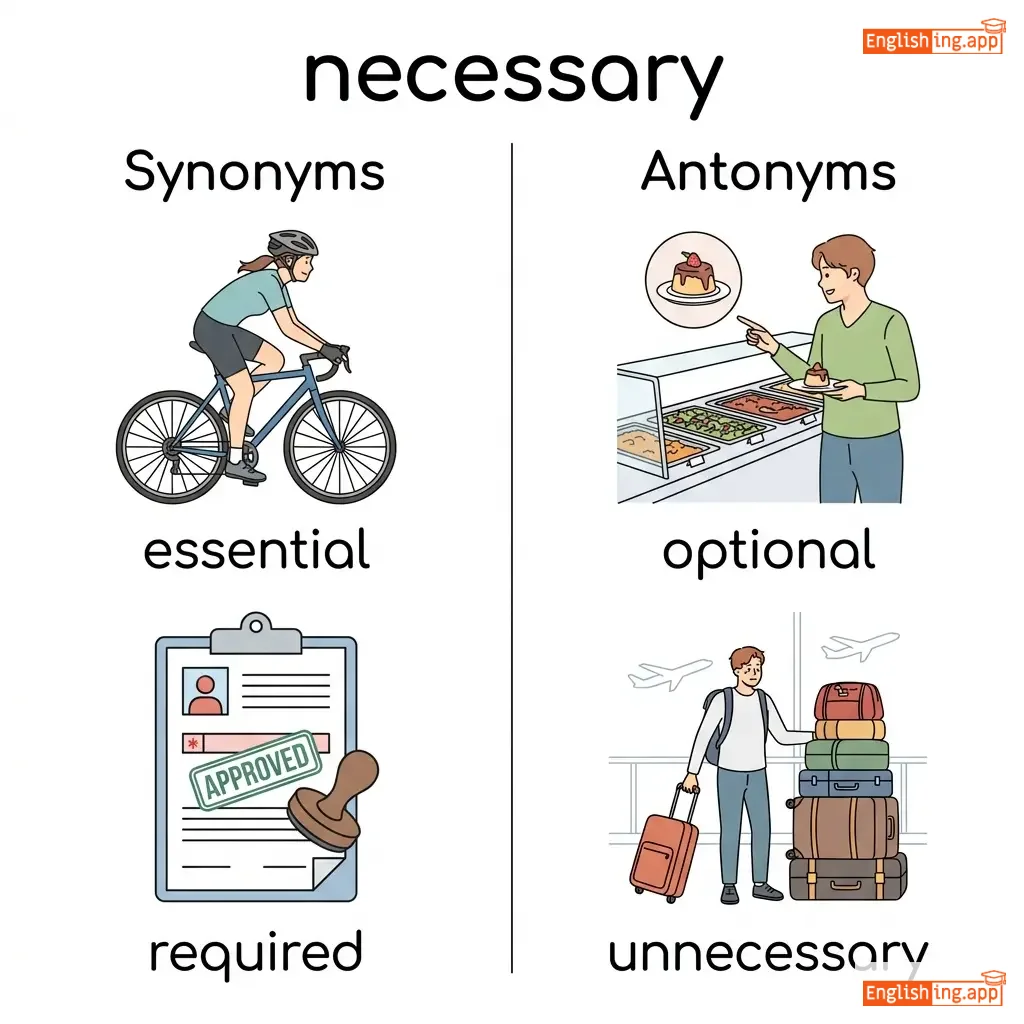
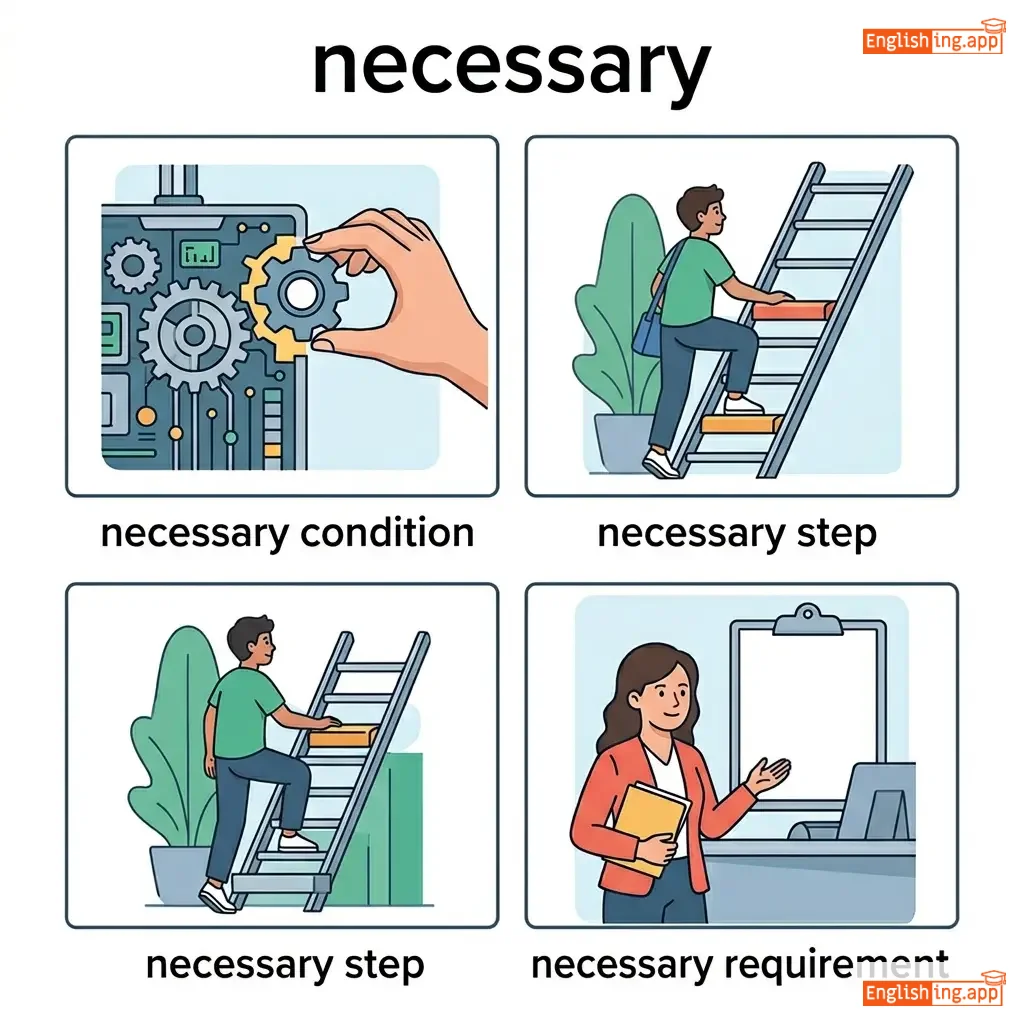
Swipe left or right, or use the buttons. Tap image to zoom.
例文の翻訳
単語
Lesson 28Lesson 28 - マスクトグル
|
絵文字
|
単語 | Images | 翻訳 | 意味 | 例文 | 例文の翻訳 | 同義語 | 対義語 | コロケーション | ニーモニック |
|---|---|---|---|---|---|---|---|---|---|---|
|
#541
🚢
|
/ˈnæv.ɪ.ɡə.bəl/
adjective
(ナビゲーブル)
••••••
|
- •••••• |
航行可能
kōkō kanō
••••••
|
suitable for ships or boats to travel on; able to be navigated
••••••
|
The river is navigable for small boats during the rainy season.
その川は雨季に小さなボートが通行可能です。
••••••
|
その川は雨季に小さなボートが通行可能です。
Sono kawa wa uki ni chīsana bōto ga tsūkō kanō desu.
••••••
|
passable, accessible, traversable
••••••
|
impassable, blocked, unnavigable
••••••
|
navigable waters, navigable river, navigable channel
••••••
|
航行可能は、ボートが川を進むのに適していることを示しています。
••••••
|
|
#542
🤢
|
/ˈnɔɪ.səm/
adjective
(ノイソム)
••••••
|
- •••••• |
不快な臭い; 有害または不快な
fukai na nioi; yūgai matawa fukai na
••••••
|
having an extremely offensive smell; harmful or unpleasant
••••••
|
The noisome smell from the garbage made everyone cover their noses. |
ゴミからの不快な臭いが、みんなを鼻を押さえさせました。
Gomi kara no fukai na nioi ga, minna o hana o osaesasemashita.
••••••
|
offensive, disgusting, foul, repulsive
••••••
|
pleasant, fragrant, sweet
••••••
|
noisome smell, noisome odor, noisome fumes
••••••
|
ゴミの臭いが不快すぎて鼻を押さえることを想像してみてください。
••••••
|
|
#543
🤲
|
/ˈniː.di/
adjective
(nidi)
••••••
|
- •••••• |
困窮した; 貧しい; 必要がある
konkyū shita; mazushī; hitsuyō ga aru
••••••
|
requiring help or support; poor; lacking basic necessities
••••••
|
The charity helps needy families during the winter.
チャリティは冬に困窮している家族を助けます。
••••••
|
チャリティは冬に困窮している家族を助けます。
Chariti wa fuyu ni konkyū shite iru kazoku o tasukemasu.
••••••
|
poor, destitute, impoverished, deprived
••••••
|
wealthy, rich, affluent, prosperous
••••••
|
needy families, help the needy, needy children
••••••
|
困窮した家族に冬の支援が必要であることを思い出すための言葉です。
••••••
|
|
#544
⚖️
|
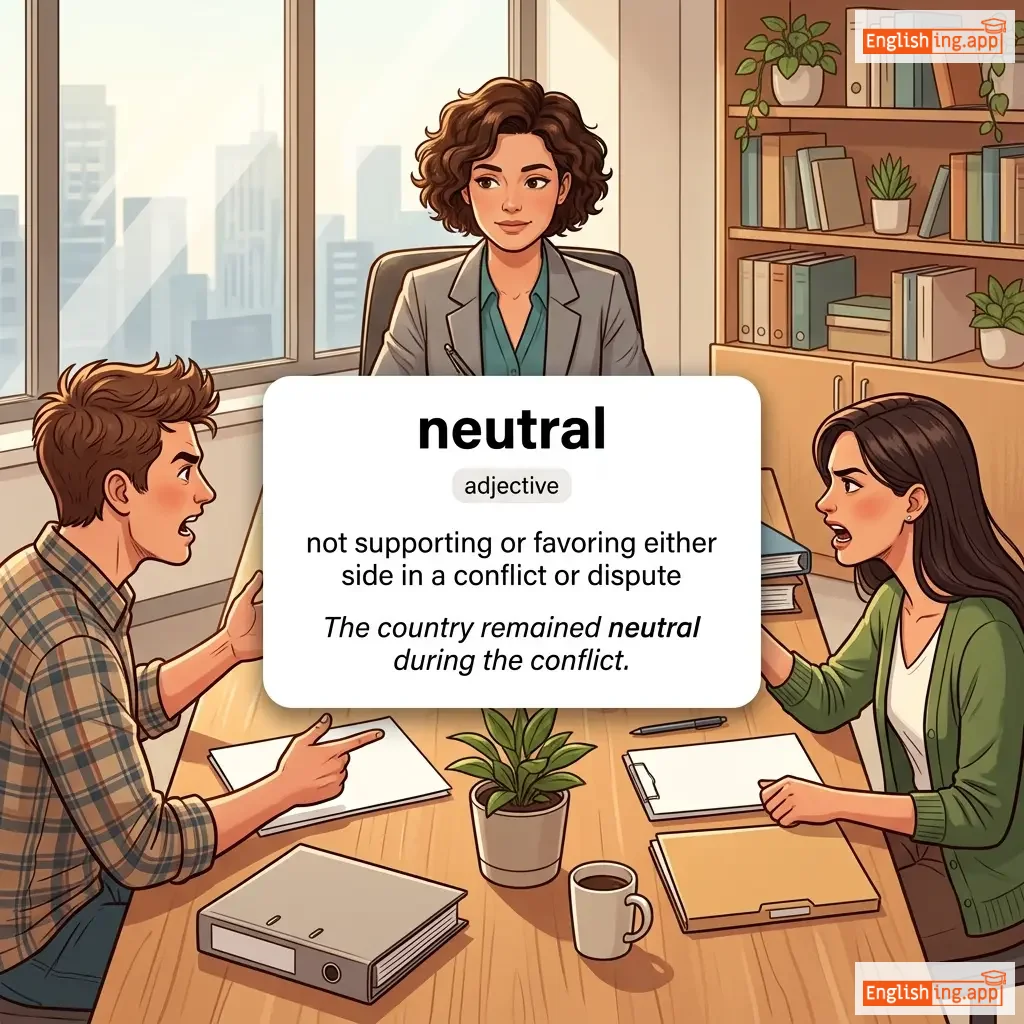
/ˈnjuː.trəl/
adjective
(nyūtoraru)
••••••
|
|
中立的; 偏見のない; 争いごとや意見の相違でどちらの側も支持しない
chūritsuteki; henken no nai; arasōgoto ya iken no sōi de dochira no kawa mo shiji shinai
••••••
|
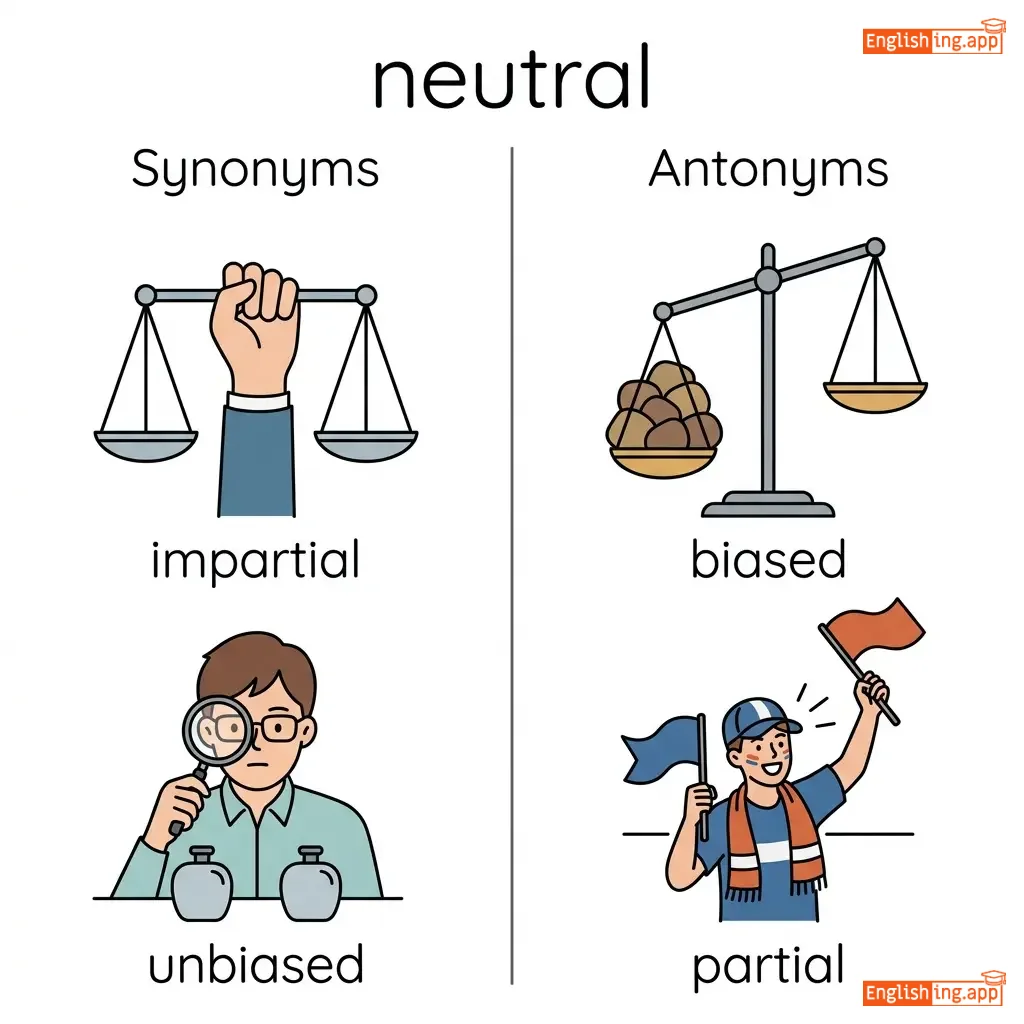
impartial; not supporting either side in a conflict or disagreement; unbiased
••••••
|
The judge remained neutral during the court proceedings.
裁判は裁判中に中立を保ちました。
••••••
|
裁判は裁判中に中立を保ちました。
Saiban wa saiban-chū ni chūritsu o tamochimashita.
••••••
|
impartial, unbiased, objective, balanced
••••••
|
biased, partial, prejudiced, one-sided
••••••
|
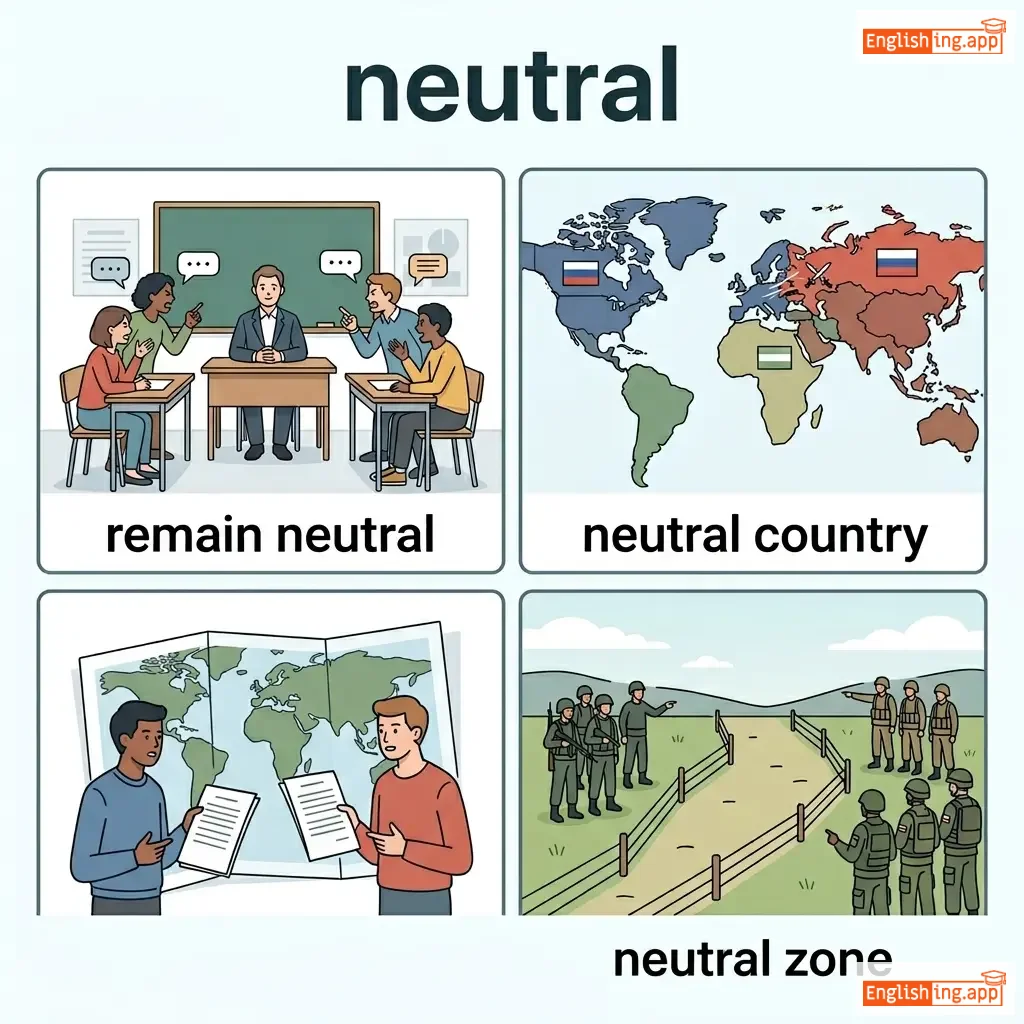
neutral ground, neutral position, remain neutral, neutral color
••••••
|
中立は、偏らないこと、例えば公正な裁判官のようなものです。
••••••
|
|
#545
✨
|
/niːt/
adjective
(ニート)
••••••
|
- •••••• |
きれいで整理された; よく整理された; 丁寧に作られた
kirei de seiri sareta; yoku seiri sareta; teinei ni tsukurareta
••••••
|
clean and tidy; well-organized; carefully done
••••••
|
Her room is always neat and organized.
彼女の部屋はいつもきれいで整理整頓されています。
••••••
|
彼女の部屋はいつもきれいで整理整頓されています。
kanojo no heya wa itsumo kirei de seiri seiton sareteimasu
••••••
|
tidy, clean, orderly, organized
••••••
|
messy, untidy, disorganized, cluttered
••••••
|
neat appearance, neat handwriting, neat and tidy
••••••
|
'Neat' の部屋は常にきれいで整理されています。
••••••
|
|
#546
🔇
|
/ˈnɔɪz.ləs/
adjective
(noizuresu)
••••••
|
- •••••• |
無音の; 完全に静かな
muon no; kanzen ni shizukana
••••••
|
making no sound; completely silent
••••••
|
She moved through the house in noiseless steps so as not to wake the baby. |
彼女は赤ちゃんを起こさないように、無音で家の中を歩きました。
Kanojo wa akachan wo okosanai you ni, muon de ie no naka wo arukimashita.
••••••
|
silent, quiet, soundless, hushed
••••••
|
noisy, loud, clamorous
••••••
|
noiseless footsteps, noiseless movement, noiseless operation
••••••
|
音を出さずに動くことを想像してください。
••••••
|
|
#547
😊
|
/naɪs/
adjective
(naisu)
••••••
|
- •••••• |
素晴らしい; 良い; 魅力的な
subarashii; yoi; miryokuteki na
••••••
|
pleasant; agreeable; satisfactory; good; attractive
••••••
|
She wore a nice dress to the party.
彼女はパーティーに素敵なドレスを着て行きました。
••••••
|
彼女はパーティーに素敵なドレスを着て行きました。
Kanojo wa pātii ni suteki na doresu o kite ikimashita.
••••••
|
pleasant, lovely, beautiful, wonderful, good
••••••
|
nasty, unpleasant, horrible, awful, bad
••••••
|
nice weather, nice person, very nice, nice to meet you
••••••
|
Niceはパーティーにぴったりの素晴らしい服のようなもの。
••••••
|
|
#548
😴
|
/ˈneɡ.lɪ.dʒənt/
adjective
(ネグリジェント)
••••••
|
- •••••• |
不注意な
fuchūina
••••••
|
failing to take proper care; careless; showing lack of attention
••••••
|
The negligent driver caused a serious accident. |
不注意な運転手が重大な事故を引き起こした。
Fuchūina unten-shu ga jūdai na jiko o hikiokoshita.
••••••
|
careless, irresponsible, inattentive, neglectful
••••••
|
careful, responsible, attentive, diligent
••••••
|
negligent behavior, negligent driving, negligent care
••••••
|
不注意な = 注意を払わない運転手。
••••••
|
|
#549
🤏
|
/ˈneɡ.lɪ.dʒə.bəl/
adjective
(ネグリジブル)
••••••
|
- •••••• |
無視できる
mushi dekiru
••••••
|
so small or unimportant as to be not worth considering; insignificant
••••••
|
The side effects of this medicine are negligible.
この薬の副作用は無視できるほどです。
••••••
|
この薬の副作用は無視できるほどです。
kono kusuri no fukusayō wa mushi dekiru hodo desu.
••••••
|
insignificant, trivial, minimal, minor
••••••
|
significant, substantial, considerable, major
••••••
|
negligible amount, negligible effect, negligible difference
••••••
|
'無視できる'とは、薬の副作用が小さすぎて考慮する価値がないことを意味します。
••••••
|
|
#550
🥶
|
/ˈnɪp.i/
adjective
(nipi)
••••••
|
- •••••• |
寒い; ひんやり; 動きが速くて敏捷
samui; hinyari; ugoki ga hayakute binshou
••••••
|
cold; chilly; quick and agile in movement
••••••
|
It's quite nippy outside today, you should wear a jacket. |
今日は外がかなり寒いので、ジャケットを着るべきです。
Kyou wa soto ga kanari samui node, jaketto wo kiru beki desu.
••••••
|
cold, chilly, cool, brisk, sharp
••••••
|
warm, hot, mild, balmy, temperate
••••••
|
nippy weather, nippy morning, nippy wind, feel nippy
••••••
|
寒い外、素早く動いてジャケットを着てください。
••••••
|
|
#551
☁️
|
/ˈneb.jə.ləs/
adjective
(ネビュラス)
••••••
|
- •••••• |
曖昧な; 不明瞭な; 霧のような
aimai na; fumeirou na; kiri no you na
••••••
|
vague or unclear; lacking definite form; hazy
••••••
|
His plans for the future remain nebulous and unclear.
彼の未来の計画は依然として曖昧で不明確です。
••••••
|
彼の未来の計画は依然として曖昧で不明確です。
Kare no mirai no keikaku wa izen to shite aimai de fumeikaku desu.
••••••
|
vague, unclear, hazy, ambiguous
••••••
|
clear, definite, precise, specific
••••••
|
nebulous concept, nebulous idea, nebulous plan
••••••
|
霧のような = 曖昧な + 霧 (霧のように曖昧)
••••••
|
|
#552
🔊
|
/ˈnɔɪ.zi/
adjective
(noi-zee)
••••••
|
- •••••• |
騒々しい
souzoushii
••••••
|
making a lot of loud or unpleasant sound; clamorous
••••••
|
The noisy construction work outside made it difficult to concentrate.
外の騒々しい建設作業で集中するのが難しかった。
••••••
|
外の騒々しい建設作業で集中するのが難しかった。
Soto no souzoushii kensetsu sagyou de shuuchuu suru no ga muzukashikatta.
••••••
|
loud, clamorous, boisterous, raucous
••••••
|
quiet, silent, peaceful
••••••
|
noisy crowd, noisy neighbors, noisy traffic
••••••
|
Souzoushii: Imagine the 'sou' sound disrupting your focus.
••••••
|
|
#553
🏘️
|
/ˈneɪ.bər.ɪŋ/
adjective
(ネイバリング)
••••••
|
- •••••• |
隣接した; 近接した; 隣国の
rinsesshita; kinsetsu shita; ringoku no
••••••
|
situated next to or very near; adjacent; bordering
••••••
|
We often visit our neighbouring countries for trade. |
私たちは貿易のために隣国をよく訪れます。
Watashitachi wa boueki no tame ni ringoku o yoku otozuremasu.
••••••
|
adjacent, nearby, bordering, adjoining
••••••
|
distant, remote, far, separate
••••••
|
neighbouring countries, neighbouring houses, neighbouring cities
••••••
|
隣国に貿易で行くことはよくあることです!
••••••
|
|
#554
👑
|
/ˈnoʊ.bəl/
adjective
(ノーブル)
••••••
|
- •••••• |
高貴な
koukina
••••••
|
having high moral qualities; honorable; generous; of aristocratic birth
••••••
|
His noble actions helped many people in need.
彼の高貴な行いは困っている多くの人々を助けた。
••••••
|
彼の高貴な行いは困っている多くの人々を助けた。
Kare no koukina okonai wa komatte iru ooku no hitobito o tasuketa.
••••••
|
honorable, dignified, virtuous, admirable, generous
••••••
|
ignoble, dishonorable, base, mean, selfish
••••••
|
noble cause, noble character, noble gesture, noble birth
••••••
|
Noble ノーブル: No Bull crown image, imagine a ruler saying No Bull and reigning over a noble land
••••••
|
|
#555
⚠️
|
/ˈnes.ə.ser.i/
adjective
(必要な)
••••••
|
|
必要な; 不可欠な; 特定の目的のために必要
hitsuyōna; fukaketsu na; tokutei no mokuteki no tame ni hitsuyō
••••••
|
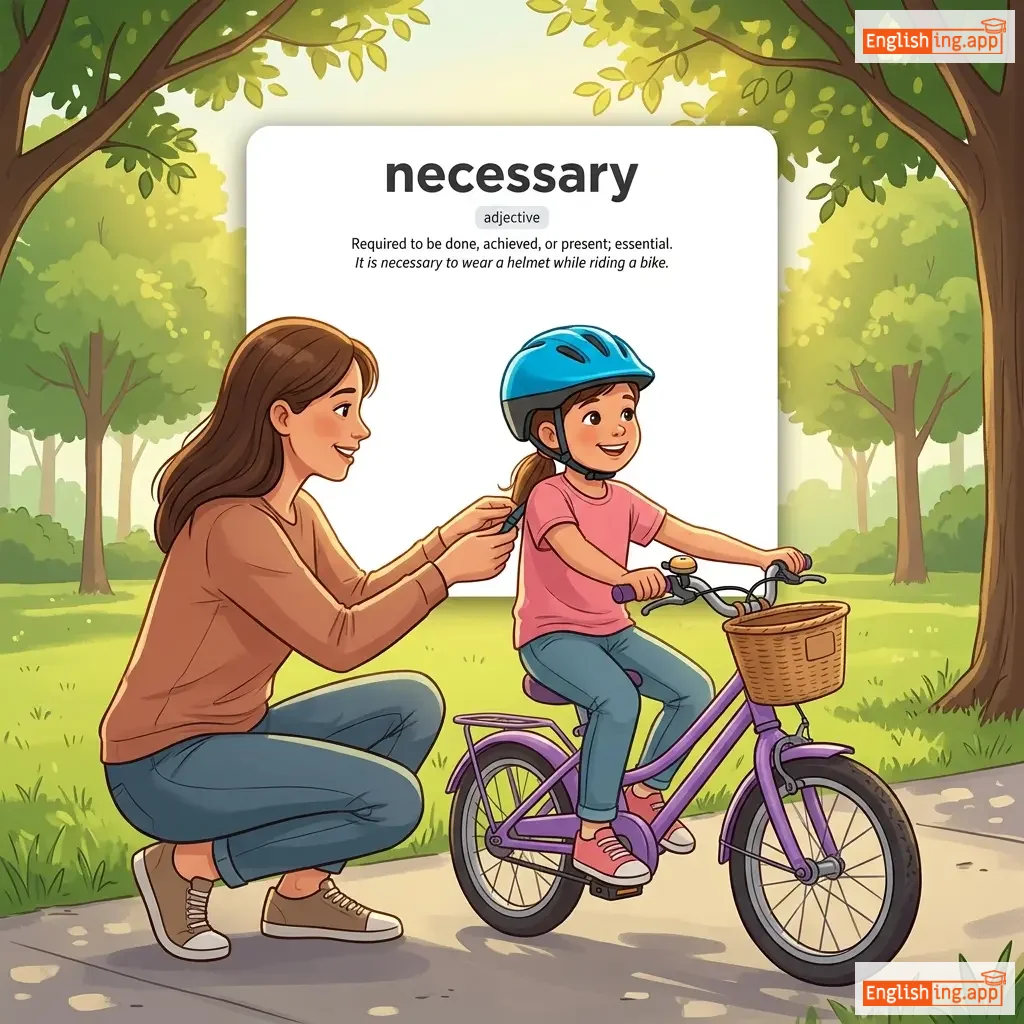
required; essential; needed for a particular purpose
••••••
|
It is necessary to wear a helmet when riding a motorcycle.
バイクに乗るときはヘルメットをかぶることが必要です。
••••••
|
バイクに乗るときはヘルメットをかぶることが必要です。
Baiku ni noru toki wa herumetto o kaburu koto ga hitsuyō desu.
••••••
|
essential, required, vital, important
••••••
|
unnecessary, optional, dispensable, unimportant
••••••
|
necessary steps, necessary equipment, absolutely necessary
••••••
|
覚えておいて: ヘルメットはあなたの安全に必要です!
••••••
|
|
#556
📏
|
/ˈnɒm.ɪ.nəl/
adjective
(ノミナル)
••••••
|
- •••••• |
名目上の; 非常に小さい
めいもくじょうの; ひじょうにちいさい
••••••
|
very small in size or amount; existing in name only
••••••
|
He paid only a nominal fee for the membership since he was a student.
彼は学生だったので、会員費はわずかな名目料金でした。
••••••
|
彼は学生だったので、会員費はわずかな名目料金でした。
Kare wa gakusei datta node, kaiin-hi wa wazukana meimoku-ryoukin deshita.
••••••
|
minimal, token, symbolic, tiny
••••••
|
substantial, significant, considerable
••••••
|
nominal fee, nominal amount, nominal value
••••••
|
名目料金は非常に小さい、実際は値段がないのと同じ。
••••••
|
|
#557
😰
|
/ˈnɜː.vəs/
adjective
(ナーバス)
••••••
|
- •••••• |
神経質な, 緊張した
shinkeishitsu na, kinchou shita
••••••
|
feeling anxious or worried; relating to the nerves; easily agitated
••••••
|
She felt nervous before her job interview.
彼女は面接の前に緊張していた。
••••••
|
彼女は面接の前に緊張していた。
Kanojo wa mensetsu no mae ni kinchou shite ita.
••••••
|
anxious, worried, tense, uneasy
••••••
|
calm, relaxed, confident, composed
••••••
|
nervous system, feel nervous, nervous energy
••••••
|
Picture yourself nervously tapping your foot before speaking.
••••••
|
|
#558
🚫
|
/ˈniːd.ləs/
adjective
(ニードレス)
••••••
|
- •••••• |
不必要な
nidoresu
••••••
|
unnecessary; not required; without purpose
••••••
|
The argument was needless and could have been avoided.
その議論は不必要で、避けることができたはずだ。
••••••
|
その議論は不必要で、避けることができたはずだ。
Sono giron wa fuhitsuyou de, sakeru koto ga dekita hazu da.
••••••
|
unnecessary, pointless, useless, superfluous
••••••
|
necessary, essential, required, needed
••••••
|
needless worry, needless to say, needless argument
••••••
|
Need Less = ニードレス; imagine a shopping cart with 不必要な items being removed, a simple life with less clutter
••••••
|
|
#559
🦉
|
/nɑːkˈtɜr.nəl/
adjective
(ノクターナル)
••••••
|
- •••••• |
夜行性
yakousei
••••••
|
active at night; happening during the night
••••••
|
Owls are nocturnal animals that hunt at night.
フクロウは夜行性の動物で、夜に狩りをします。
••••••
|
フクロウは夜行性の動物で、夜に狩りをします。
fukurou wa yakousei no dōbutsu de, yoru ni kari o shimasu.
••••••
|
night-active, nighttime, nightly, evening
••••••
|
diurnal, daytime, daily, morning
••••••
|
nocturnal animals, nocturnal habits, nocturnal activities, nocturnal species
••••••
|
フクロウは夜行性で、夜に活発に活動します。
••••••
|
|
#560
✅
|
/ˈnɔː.məl/
adjective
(ノーマル)
••••••
|
- •••••• |
通常; 一般的; 基準に合った; 健康
tsūjō; ippanteki; kijun ni atta; kenko
••••••
|
usual; typical; conforming to a standard; healthy
••••••
|
It's normal to feel nervous before an important exam.
重要な試験の前に緊張するのは普通です。
••••••
|
重要な試験の前に緊張するのは普通です。
Jūyōna shiken no mae ni kinchō suru no wa futsū desu.
••••••
|
usual, typical, standard, regular
••••••
|
abnormal, unusual, irregular
••••••
|
normal behavior, normal temperature, normal conditions
••••••
|
試験前に緊張するのは、普通であり、みんな経験することです。
••••••
|
Vocabulary Quiz
Test your vocabulary by matching words with their translations or meanings.
Login to take the quiz
Comments (0)
Share your thoughts and join the discussion.
Join the discussion by logging in
Login to CommentNo comments yet
Be the first to share your thoughts!