

अनुवाद
भूतकाल
भूत कृदंत
तृतीय पुरुष एकवचन
जेरंड
मीनिंग
उदाहरण वाक्य
उदाहरण वाक्य अनुवाद
सिनोनिम्स
एंटोनिम्स
कॉलोकेशन्स
निमोनिक
Swipe left or right, or use the buttons. Tap image to zoom.
उदाहरण वाक्य अनुवाद
शब्द
Lesson 28Lesson 28 - मास्क टॉगल
|
इमोजी
|
शब्द | Images | अनुवाद | मीनिंग | उदाहरण वाक्य | उदाहरण वाक्य अनुवाद | सिनोनिम्स | एंटोनिम्स | कॉलोकेशन्स | निमोनिक |
|---|---|---|---|---|---|---|---|---|---|---|
|
#541
🚢
|
/ˈnæv.ɪ.ɡə.bəl/
adjective
(नेविगेबल)
••••••
|
- •••••• |
नौका चलाने योग्य
nauka chalane yogya
••••••
|
suitable for ships or boats to travel on; able to be navigated
••••••
|
The river is navigable for small boats during the rainy season.
द रिवर इज नेविगेबल फॉर स्मॉल बोट्स ड्यूरिंग द रेनी सीजन।
••••••
|
बारिश के मौसम के दौरान नदी छोटे बोट्स के लिए नेविगेबल है।
barish ke mausam ke dauran nadi chhote boats ke liye navigable hai
••••••
|
passable, accessible, traversable
••••••
|
impassable, blocked, unnavigable
••••••
|
navigable waters, navigable river, navigable channel
••••••
|
Navigable का मतलब नौका चलाने योग्य होता है, जैसे बारिश में छोटी नाव चलाना।
••••••
|
|
#542
🤢
|
/ˈnɔɪ.səm/
adjective
(नॉयसम)
••••••
|
- •••••• |
बदबूदार; हानिकारक या अप्रिय
badbudar; hanikarak ya apriya
••••••
|
having an extremely offensive smell; harmful or unpleasant
••••••
|
The noisome smell from the garbage made everyone cover their noses. |
कचरे से निकलने वाली बदबू ने सभी को अपनी नाक ढकने के लिए मजबूर कर दिया।
Kachare se nikalne wali badbuu ne sabhi ko apni naak dhakne ke liye majboor kar diya.
••••••
|
offensive, disgusting, foul, repulsive
••••••
|
pleasant, fragrant, sweet
••••••
|
noisome smell, noisome odor, noisome fumes
••••••
|
सोचो, कचरे की बदबू जो आपके चेहरे से दूर जाने नहीं देती, और हानिकारक होती है!
••••••
|
|
#543
🤲
|
/ˈniː.di/
adjective
(नीडी)
••••••
|
- •••••• |
दरिद्र; असहाय; आवश्यकताओं की कमी
needi
••••••
|
requiring help or support; poor; lacking basic necessities
••••••
|
The charity helps needy families during the winter.
चैरिटी शीतकाल में नीडी परिवारों की मदद करती है।
••••••
|
चैरिटी शीतकाल में नीडी परिवारों की मदद करती है।
chairiti sheetkaal mein needy parivaron ki madad karti hai.
••••••
|
poor, destitute, impoverished, deprived
••••••
|
wealthy, rich, affluent, prosperous
••••••
|
needy families, help the needy, needy children
••••••
|
नीडी शब्द का मतलब जरूरतमंद परिवारों की मदद करने से है, जैसे शीतकाल में चैरिटी करती है।
••••••
|
|
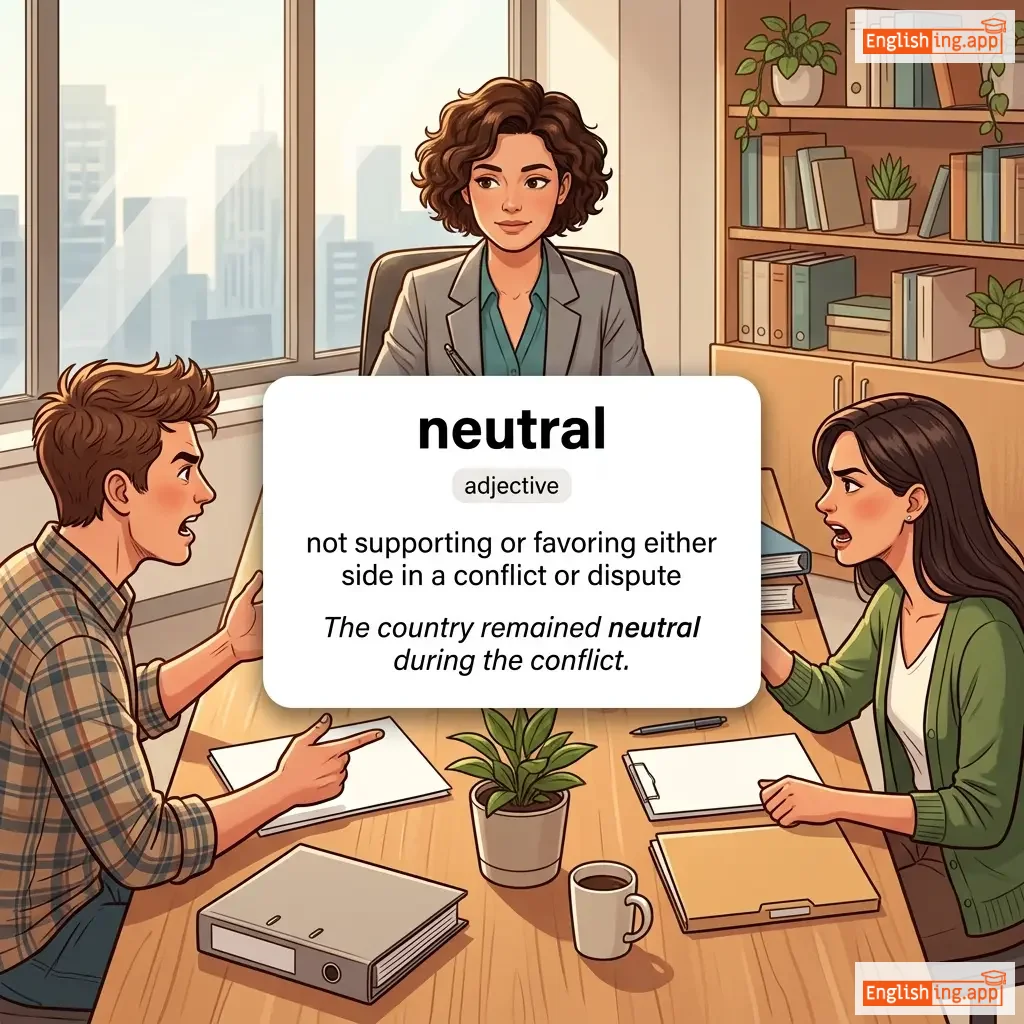
#544
⚖️
|
/ˈnjuː.trəl/
adjective
(न्यूट्रल)
••••••
|
|
निष्पक्ष; विवाद या असहमतियों में किसी भी पक्ष का समर्थन न करने वाला; बिना पक्षपाती
nishpaksh; vivaad ya asahmatiyon mein kisi bhi paksh ka samarthan na karne wala; bina pakshpati
••••••
|
impartial; not supporting either side in a conflict or disagreement; unbiased
••••••
|
The judge remained neutral during the court proceedings.
द जज रेमेन्ड न्यूट्रल ड्यूरिंग द कोर्ट प्रोसीडिंग्स।
••••••
|
न्यायधीश कोर्ट की कार्यवाही के दौरान निष्पक्ष बने रहे।
nyayadhish kort ki karyavahi ke dauran nishpaksh bane rahe.
••••••
|
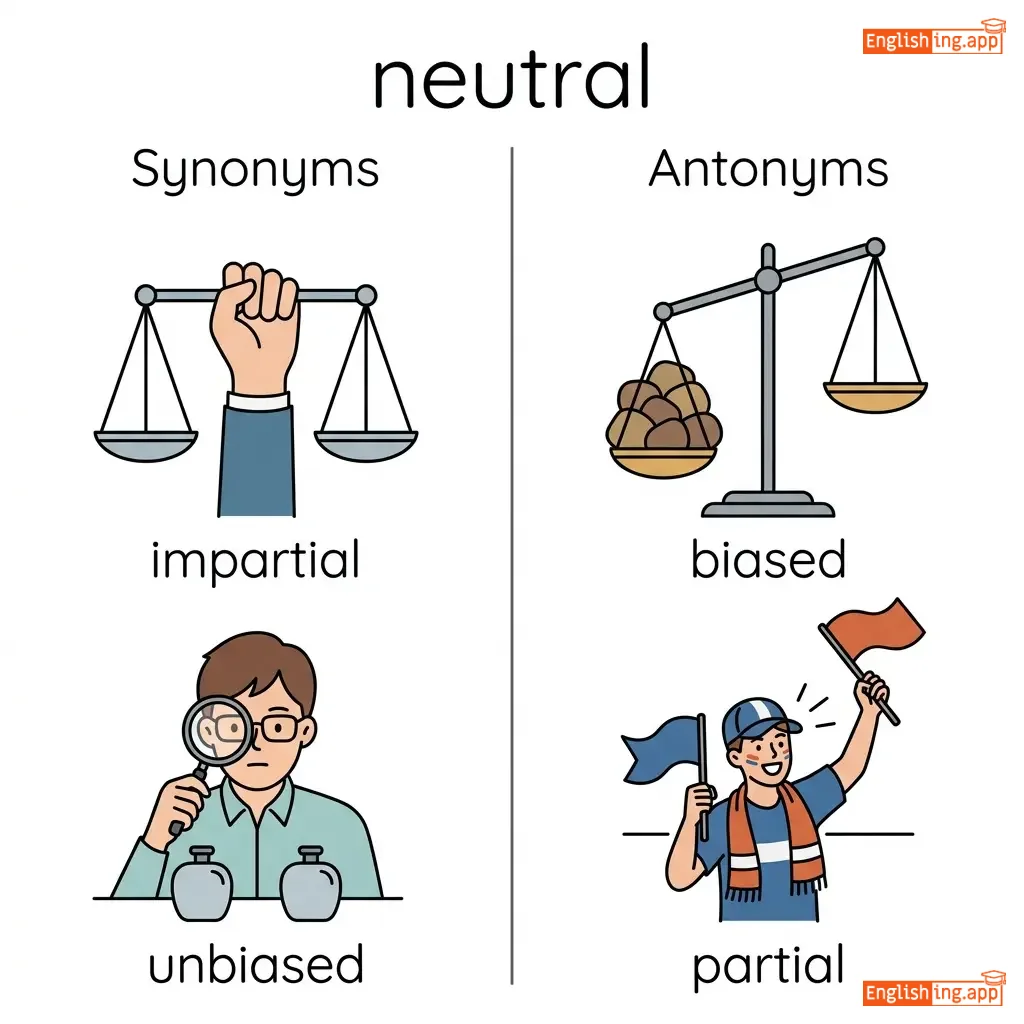
impartial, unbiased, objective, balanced
••••••
|
biased, partial, prejudiced, one-sided
••••••
|
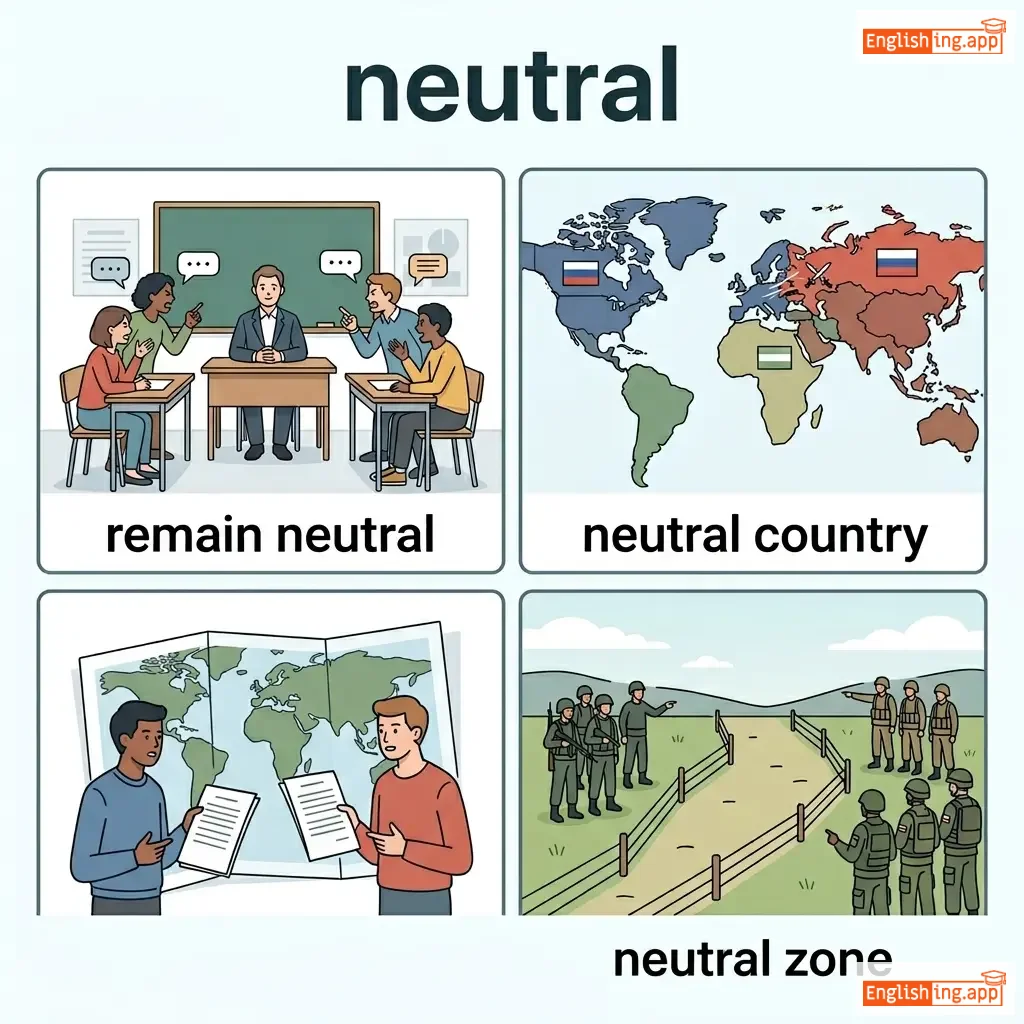
neutral ground, neutral position, remain neutral, neutral color
••••••
|
न्यूट्रल का मतलब पक्ष न लेना है, जैसे एक तटस्थ न्यायधीश।
••••••
|
|
#545
✨
|
/niːt/
adjective
(नीट)
••••••
|
- •••••• |
साफ और व्यवस्थित; अच्छी तरह से संगठित; सावधानी से किया हुआ
saaf aur vyavasthit; achhi tarah se sangathit; saavdhaani se kiya hua
••••••
|
clean and tidy; well-organized; carefully done
••••••
|
Her room is always neat and organized.
उसका कमरा हमेशा साफ और व्यवस्थित रहता है।
••••••
|
उसका कमरा हमेशा साफ और व्यवस्थित रहता है।
uska kamra hamesha saaf aur vyavasthit rahta hai
••••••
|
tidy, clean, orderly, organized
••••••
|
messy, untidy, disorganized, cluttered
••••••
|
neat appearance, neat handwriting, neat and tidy
••••••
|
नीट को हमेशा साफ और व्यवस्थित रखने के लिए याद रखें
••••••
|
|
#546
🔇
|
/ˈnɔɪz.ləs/
adjective
(नॉइसलेस)
••••••
|
- •••••• |
बिना ध्वनि के; पूरी तरह से शांत
bina dhvani ke; puri tarah se shaant
••••••
|
making no sound; completely silent
••••••
|
She moved through the house in noiseless steps so as not to wake the baby. |
वह बच्चे को जगाने के लिए बिना ध्वनि के कदमों से घर में चली गई।
Vah bachche ko jagaane ke liye bina dhvani ke kadmon se ghar mein chali gayi.
••••••
|
silent, quiet, soundless, hushed
••••••
|
noisy, loud, clamorous
••••••
|
noiseless footsteps, noiseless movement, noiseless operation
••••••
|
ध्वनि के बिना होने वाली शांति की कल्पना करें।
••••••
|
|
#547
😊
|
/naɪs/
adjective
(नाइस)
••••••
|
- •••••• |
अच्छा; आकर्षक; संतोषजनक; आकर्षक
accha; aakarshak; santoshjanak; aakarshak
••••••
|
pleasant; agreeable; satisfactory; good; attractive
••••••
|
She wore a nice dress to the party.
उसने पार्टी में एक अच्छा ड्रेस पहना।
••••••
|
उसने पार्टी में एक अच्छा ड्रेस पहना।
usne party mein ek accha dress pehna.
••••••
|
pleasant, lovely, beautiful, wonderful, good
••••••
|
nasty, unpleasant, horrible, awful, bad
••••••
|
nice weather, nice person, very nice, nice to meet you
••••••
|
Nice, जैसा हिंदी में अच्छा होता है, खुशी से भरपूर!
••••••
|
|
#548
😴
|
/ˈneɡ.lɪ.dʒənt/
adjective
(नेग्लिजेंट)
••••••
|
- •••••• |
लापरवाह; असावधान
laparwah; asavdhan
••••••
|
failing to take proper care; careless; showing lack of attention
••••••
|
The negligent driver caused a serious accident. |
लापरवाह ड्राइवर ने एक गंभीर दुर्घटना का कारण बना।
laparwah driver ne ek gambhir durghatna ka karan bana.
••••••
|
careless, irresponsible, inattentive, neglectful
••••••
|
careful, responsible, attentive, diligent
••••••
|
negligent behavior, negligent driving, negligent care
••••••
|
नेग्लिजेंट = लापरवाह; जैसे लापरवाह ड्राइवर।
••••••
|
|
#549
🤏
|
/ˈneɡ.lɪ.dʒə.bəl/
adjective
(नेग्लिजिबल)
••••••
|
- •••••• |
नगण्य
nagnya
••••••
|
so small or unimportant as to be not worth considering; insignificant
••••••
|
The side effects of this medicine are negligible.
इस दवा के साइड इफेक्ट्स नगण्य हैं।
••••••
|
इस दवा के साइड इफेक्ट्स नगण्य हैं।
is dava ke side effects nagnya hain.
••••••
|
insignificant, trivial, minimal, minor
••••••
|
significant, substantial, considerable, major
••••••
|
negligible amount, negligible effect, negligible difference
••••••
|
नेग्लिजिबल का मतलब है 'नगण्य', जैसा कि दवा के साइड इफेक्ट्स होते हैं।
••••••
|
|
#550
🥶
|
/ˈnɪp.i/
adjective
(निप्पी)
••••••
|
- •••••• |
ठंडा; ठिठुरता; तेज और चपल गति में
thanda; thithurta; tez aur chapal gati mein
••••••
|
cold; chilly; quick and agile in movement
••••••
|
It's quite nippy outside today, you should wear a jacket. |
आज बाहर ठंडा है, आपको जैकेट पहननी चाहिए।
aaj baahar thanda hai, aapko jacket pehanni chahiye.
••••••
|
cold, chilly, cool, brisk, sharp
••••••
|
warm, hot, mild, balmy, temperate
••••••
|
nippy weather, nippy morning, nippy wind, feel nippy
••••••
|
ठंडा मौसम में निप्पी (तेज़ और चपल) गति दिखा कर जैकेट पहनें।
••••••
|
|
#551
☁️
|
/ˈneb.jə.ləs/
adjective
(नेब्युलस)
••••••
|
- •••••• |
अस्पष्ट; अस्पष्ट रूप से; धुंधला
aspasht; aspasht roop se; dhundhla
••••••
|
vague or unclear; lacking definite form; hazy
••••••
|
His plans for the future remain nebulous and unclear.
हिज़ प्लान्स फॉर द फ़्यूचर रिमेइन नेब्युलस एंड अनक्लियर।
••••••
|
भविष्य के लिए उनके योजनाएं अस्पष्ट और स्पष्ट नहीं हैं।
bhavishya ke liye unke yojnaayein aspasht aur spasht nahi hain
••••••
|
vague, unclear, hazy, ambiguous
••••••
|
clear, definite, precise, specific
••••••
|
nebulous concept, nebulous idea, nebulous plan
••••••
|
नेब्युलस = नेबू + लस (लस के अंदर स्पष्टता की कमी)
••••••
|
|
#552
🔊
|
/ˈnɔɪ.zi/
adjective
(नॉइज़ी)
••••••
|
- •••••• |
शोर करने वाला
shor karne wala
••••••
|
making a lot of loud or unpleasant sound; clamorous
••••••
|
The noisy construction work outside made it difficult to concentrate.
द नॉइज़ी कंस्ट्रक्शन वर्क आउटकम्फ़ोर्ड इट डिफिकल्ट टू कॉन्सेंट्रेट।
••••••
|
बाहर का शोरगुलपूर्ण निर्माण कार्य ध्यान केंद्रित करना मुश्किल बना रहा था।
Bahar ka shorgulpurn nirman karya dhyan kendrit karna mushkil bana raha tha.
••••••
|
loud, clamorous, boisterous, raucous
••••••
|
quiet, silent, peaceful
••••••
|
noisy crowd, noisy neighbors, noisy traffic
••••••
|
Think of 'noisy' as 'shor' that disturbs concentration
••••••
|
|
#553
🏘️
|
/ˈneɪ.bər.ɪŋ/
adjective
(नेबरिंग)
••••••
|
- •••••• |
समीपवर्ती; पड़ोसी; सन्निहित
simepavarti; padosi; sannihit
••••••
|
situated next to or very near; adjacent; bordering
••••••
|
We often visit our neighbouring countries for trade. |
हम अक्सर व्यापार के लिए हमारे पड़ोसी देशों का दौरा करते हैं।
ham aksar vyapar ke liye hamare padosi deshon ka daura karte hain.
••••••
|
adjacent, nearby, bordering, adjoining
••••••
|
distant, remote, far, separate
••••••
|
neighbouring countries, neighbouring houses, neighbouring cities
••••••
|
अरे बाप! अगला पड़ोसी घर से दौरे पर जा रहा है!
••••••
|
|
#554
👑
|
/ˈnoʊ.bəl/
adjective
(नोबल)
••••••
|
- •••••• |
उच्च नैतिक गुणों वाला
ucch naitik gunon wala
••••••
|
having high moral qualities; honorable; generous; of aristocratic birth
••••••
|
His noble actions helped many people in need.
हिज नोबल ऐक्शनस हेल्पेड मेनी पीपल इन नीड
••••••
|
उसके नेक कार्यों ने जरूरतमंद लोगों की मदद की
His noble actions helped many people in need
••••••
|
honorable, dignified, virtuous, admirable, generous
••••••
|
ignoble, dishonorable, base, mean, selfish
••••••
|
noble cause, noble character, noble gesture, noble birth
••••••
|
Noble ka mantra No bad deeds Only good deeds
••••••
|
|
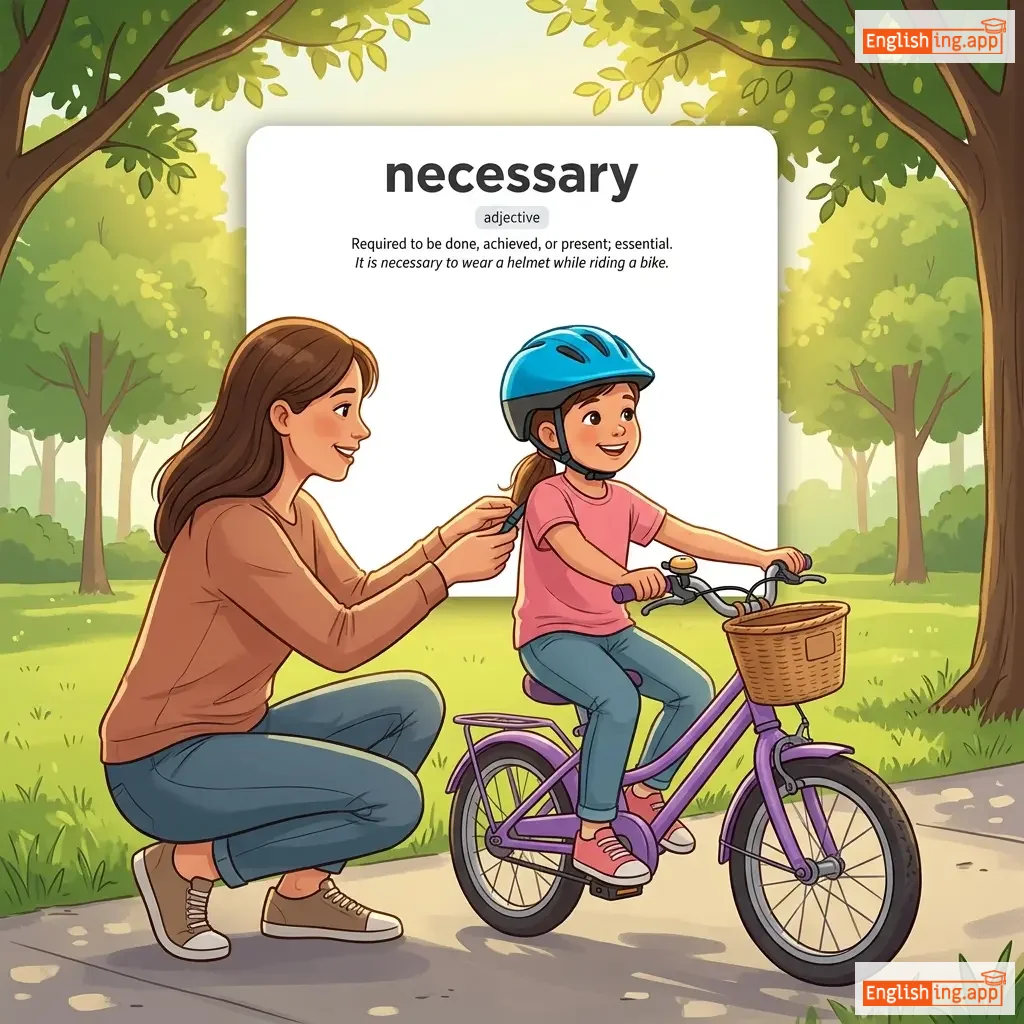
#555
⚠️
|
/ˈnes.ə.ser.i/
adjective
(नेसैसरी)
••••••
|
|
जरूरी; आवश्यक; खास उद्देश्य के लिए आवश्यक
zaroori; aavashyak; khaas uddeshya ke liye aavashyak
••••••
|
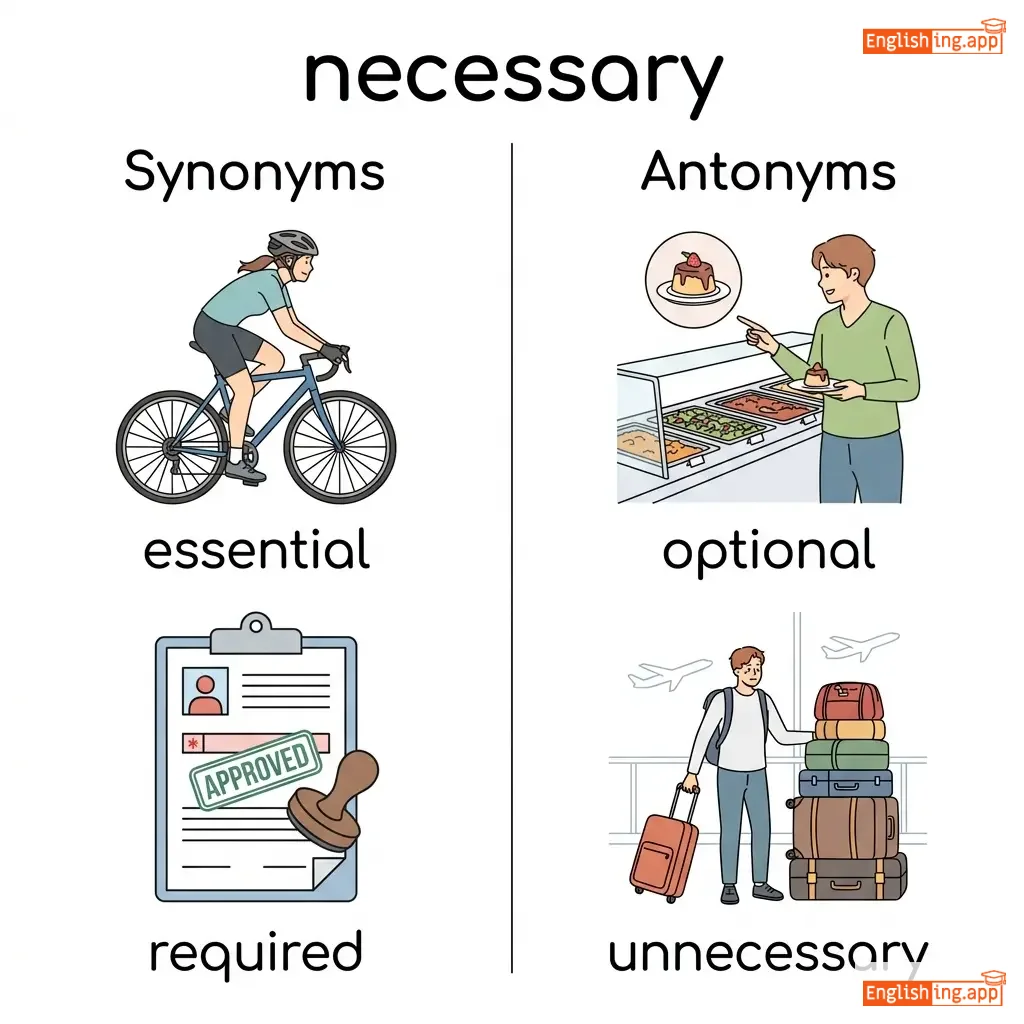
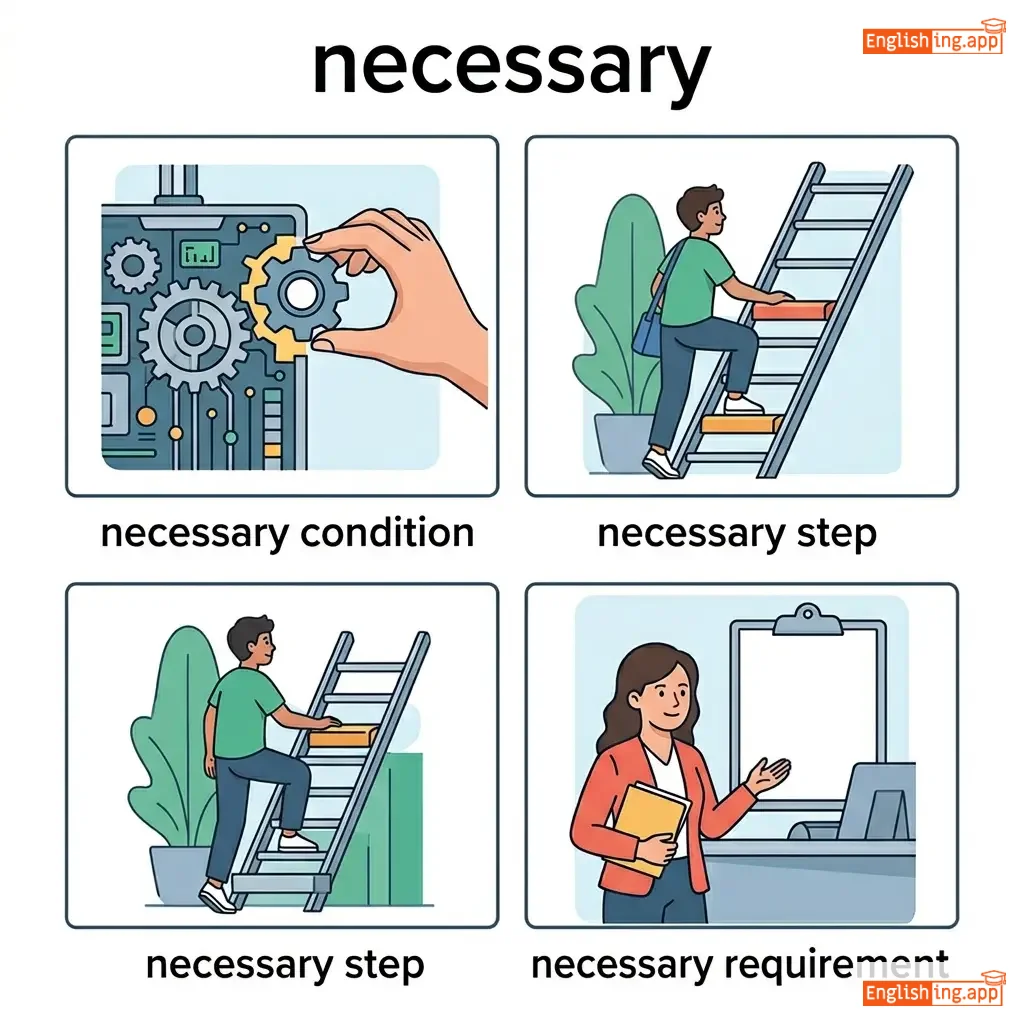
required; essential; needed for a particular purpose
••••••
|
It is necessary to wear a helmet when riding a motorcycle.
यह जरूरी है कि आप हेलमेट पहनें जब आप मोटरसाइकिल चला रहे हों।
••••••
|
यह जरूरी है कि आप हेलमेट पहनें जब आप मोटरसाइकिल चला रहे हों।
yah zaroori hai ki aap helmet pehene jab aap motorcycles chala rahe hon.
••••••
|
essential, required, vital, important
••••••
|
unnecessary, optional, dispensable, unimportant
••••••
|
necessary steps, necessary equipment, absolutely necessary
••••••
|
Remember: 'Zaroori' is essential for your safety!
••••••
|
|
#556
📏
|
/ˈnɒm.ɪ.nəl/
adjective
(नॉमिनल)
••••••
|
- •••••• |
नाममात्र; अत्यन्त छोटा
naammaatara; atyant chhota
••••••
|
very small in size or amount; existing in name only
••••••
|
He paid only a nominal fee for the membership since he was a student.
उसने सदस्यता के लिए केवल एक नाममात्र शुल्क अदा किया क्योंकि वह एक छात्र था।
••••••
|
उसने सदस्यता के लिए केवल एक नाममात्र शुल्क अदा किया क्योंकि वह एक छात्र था।
Usne sadasyata ke liye keval ek naammaatra shulk ada kiya kyonki vah ek chhaatr tha.
••••••
|
minimal, token, symbolic, tiny
••••••
|
substantial, significant, considerable
••••••
|
nominal fee, nominal amount, nominal value
••••••
|
नाममात्र का शुल्क वही छात्र ही अदा कर सकता है।
••••••
|
|
#557
😰
|
/ˈnɜː.vəs/
adjective
(नर्वस)
••••••
|
- •••••• |
बेचैन, घबराया हुआ
bechain, ghabraya hua
••••••
|
feeling anxious or worried; relating to the nerves; easily agitated
••••••
|
She felt nervous before her job interview.
वह अपनी नौकरी के इंटरव्यू से पहले नर्वस महसूस कर रही थी।
••••••
|
वह अपनी नौकरी के इंटरव्यू से पहले नर्वस महसूस कर रही थी।
vah apni naukri ke interview se pehle nervous mehsoos kar rahi thi.
••••••
|
anxious, worried, tense, uneasy
••••••
|
calm, relaxed, confident, composed
••••••
|
nervous system, feel nervous, nervous energy
••••••
|
Imagine a nervous person shaking while waiting for an interview.
••••••
|
|
#558
🚫
|
/ˈniːd.ləs/
adjective
(नीडलस)
••••••
|
- •••••• |
अनावश्यक
anavashyak
••••••
|
unnecessary; not required; without purpose
••••••
|
The argument was needless and could have been avoided.
तर्क अनावश्यक था और उसे टाला जा सकता था।
••••••
|
तर्क अनावश्यक था और उसे टाला जा सकता था।
tark anavashyak tha aur use tala ja sakta tha
••••••
|
unnecessary, pointless, useless, superfluous
••••••
|
necessary, essential, required, needed
••••••
|
needless worry, needless to say, needless argument
••••••
|
Need less, anavashyak ko kam rakho; No zaroorat, no drama.
••••••
|
|
#559
🦉
|
/nɑːkˈtɜr.nəl/
adjective
(नॉकटर्नल)
••••••
|
- •••••• |
रात्रिकालीन
ratrikaleen
••••••
|
active at night; happening during the night
••••••
|
Owls are nocturnal animals that hunt at night.
उल्लू रात के समय में शिकार करने वाले जानवर होते हैं।
••••••
|
उल्लू रात के समय में शिकार करने वाले जानवर होते हैं।
ulloo raat ke samay mein shikar karne wale janwar hote hain.
••••••
|
night-active, nighttime, nightly, evening
••••••
|
diurnal, daytime, daily, morning
••••••
|
nocturnal animals, nocturnal habits, nocturnal activities, nocturnal species
••••••
|
रात का समय उल्लू के लिए है, जैसे रात्रिकालीन शिकार।
••••••
|
|
#560
✅
|
/ˈnɔː.məl/
adjective
(नॉर्मल)
••••••
|
- •••••• |
सामान्य; सामान्य; एक मानक के अनुसार; स्वस्थ
samaanya; samaanya; ek maanak ke anuroop; svasth
••••••
|
usual; typical; conforming to a standard; healthy
••••••
|
It's normal to feel nervous before an important exam.
इसे महत्वपूर्ण परीक्षा से पहले घबराना सामान्य है।
••••••
|
इसे महत्वपूर्ण परीक्षा से पहले घबराना सामान्य है।
Ise mahatvapurn pariksha se pehle ghabrana samaanya hai.
••••••
|
usual, typical, standard, regular
••••••
|
abnormal, unusual, irregular
••••••
|
normal behavior, normal temperature, normal conditions
••••••
|
सामान्य शब्द में समझो, हर किसी के लिए स्वस्थ जीवन है।
••••••
|
Vocabulary Quiz
Test your vocabulary by matching words with their translations or meanings.
Login to take the quiz
Comments (0)
Share your thoughts and join the discussion.
Join the discussion by logging in
Login to CommentNo comments yet
Be the first to share your thoughts!