

翻訳
過去
過去分詞
三人称単数
動名詞
意味
例文
例文の翻訳
同義語
対義語
コロケーション
ニーモニック

Swipe left or right, or use the buttons. Tap image to zoom.
例文の翻訳
単語
Lesson 23Lesson 23 - マスクトグル
|
絵文字
|
単語 | Images | 翻訳 | 意味 | 例文 | 例文の翻訳 | 同義語 | 対義語 | コロケーション | ニーモニック |
|---|---|---|---|---|---|---|---|---|---|---|
|
#441
💎
|
/ˈlæv.ɪʃ/
adjective
(ラヴィッシュ)
••••••
|
- •••••• |
贅沢; 豪華; 気前の良い
zeitaku; gōka; kimen no yoi
••••••
|
expensive; elaborate; extravagant; generous
••••••
|
The wedding was a lavish celebration with hundreds of guests. |
結婚式は贅沢な祝いで、数百人のゲストが招待された。
kekkonshiki wa zeitaku na iwai de, suuhyakunin no gesuto ga shoutai sareta.
••••••
|
extravagant, luxurious, generous, abundant
••••••
|
modest, frugal, simple, austere
••••••
|
lavish party, lavish spending, lavish lifestyle
••••••
|
日本では贅沢な結婚式が豪華で気前よく行われます。
••••••
|
|
#442
📚
|
/ˈlɪt.ər.ət/
adjective
(リテレート)
••••••
|
- •••••• |
識字; 教育を受けた; 良い教育を受けた
ritereeto
••••••
|
able to read and write; educated; well-educated
••••••
|
She is a very literate person who reads extensively.
彼女は非常に教育を受けた人で、広範囲に読書をします。
••••••
|
彼女は非常に教育を受けた人で、広範囲に読書をします。
kanojo wa hijō ni kyōiku o uketa hito de, kōhanni dokusho o shimasu.
••••••
|
educated, learned, scholarly, well-read
••••••
|
illiterate, uneducated, ignorant
••••••
|
literate society, computer literate, financially literate
••••••
|
Literate = 読書と教育
••••••
|
|
#443
🌳
|
/ˈliːf.ləs/
adjective
(リーフレス)
••••••
|
- •••••• |
葉のない; 裸
ha no nai; hara
••••••
|
without leaves; bare
••••••
|
The leafless trees looked bare in winter. |
冬には葉のない木々が裸に見えました。
fuyu ni wa ha no nai kigi ga hara ni miemashita.
••••••
|
bare, naked, stripped
••••••
|
leafy, foliaged, verdant
••••••
|
leafless tree, leafless branch, leafless winter
••••••
|
冬に葉のない木々が裸
••••••
|
|
#444
😌
|
/ˈliː.ni.ənt/
adjective
(リニエント)
••••••
|
- •••••• |
寛大な; 優しい; 情け深い; 処罰や判断に厳しくない
kandaina; yasashii; nasakebukai; shobatsu ya handan ni kibishikunai
••••••
|
tolerant; forgiving; merciful; not strict in punishment or judgment
••••••
|
The teacher was lenient with students who submitted their homework late. |
教師は宿題を遅れて提出した生徒に寛大でした。
Kyoushi wa shukudai wo okurete teishutsu shita seito ni kandai deshita.
••••••
|
tolerant, forgiving, permissive, mild, merciful
••••••
|
strict, harsh, severe, rigid, unforgiving
••••••
|
lenient punishment, lenient treatment, lenient approach, lenient judge
••••••
|
日本語で '寛大' は 'lenient' を思い出させます。
••••••
|
|
#445
⚖️
|
/ˈlɔː.fəl/
adjective
(ローフル)
••••••
|
- •••••• |
合法的; 正当な; 有効; 公正;
gōhō-teki; seitōna; yūkō; kōsei;
••••••
|
legal; legitimate; valid; just
••••••
|
The judge confirmed that their actions were lawful and proper.
裁判官は彼らの行動が合法で適切であることを確認しました。
••••••
|
裁判官は彼らの行動が合法で適切であることを確認しました。
Saibankan wa karera no kōdō ga gōhō de tekisetsu de aru koto o kakunin shimashita.
••••••
|
legal, legitimate, valid, authorized
••••••
|
illegal, unlawful, forbidden, prohibited
••••••
|
lawful authority, lawful purpose, lawful activity
••••••
|
Lawful actions follow justice and legality.
••••••
|
|
#446
😄
|
/ˈlaɪv.li/
adjective
(laivuri)
••••••
|
- •••••• |
活気のある; 元気な; 明るい
kakki no aru; genki na; akarui
••••••
|
full of life and energy; animated; cheerful
••••••
|
The children had a lively discussion about their favorite books. |
子供たちはお気に入りの本について活気のある議論をしました。
Kodomotachi wa okiniiri no hon ni tsuite kakki no aru giron o shimashita.
••••••
|
energetic, animated, vibrant, spirited
••••••
|
dull, lifeless, sluggish, inactive
••••••
|
lively debate, lively music, lively personality
••••••
|
Think of a lively group of children discussing their favorite books full of energy.
••••••
|
|
#447
⬇️
|
/ˈles.ər/
adjective
(レサー)
••••••
|
- •••••• |
少ない
sukunai
••••••
|
smaller in amount; of lower importance; inferior
••••••
|
He chose the lesser of two evils when making his decision. |
彼は二つの悪の中で少ない方を選びました。
Kare wa futatsu no aku no naka de sukunai hou wo erabimashita.
••••••
|
smaller, minor, inferior, reduced, diminished
••••••
|
greater, larger, superior, major, increased
••••••
|
lesser extent, lesser degree, lesser evil, lesser known
••••••
|
少ない方を選ぶ、悪の中でも少ない方を選択
••••••
|
|
#448
🌿
|
/ˈliː.fi/
adjective
(リーフィ)
••••••
|
- •••••• |
葉が多い; 葉で覆われた
ha ga ooi; ha de oowareta
••••••
|
having many leaves; covered with leaves
••••••
|
The leafy green vegetables are very nutritious. |
葉の多い緑の野菜はとても栄養価が高いです。
Ha no ooi midori no yasai wa totemo eiyouka ga takai desu.
••••••
|
green, lush, verdant
••••••
|
leafless, bare, naked
••••••
|
leafy vegetables, leafy greens, leafy suburb
••••••
|
Leafy = 葉が多い = 葉がたくさんある野菜
••••••
|
|
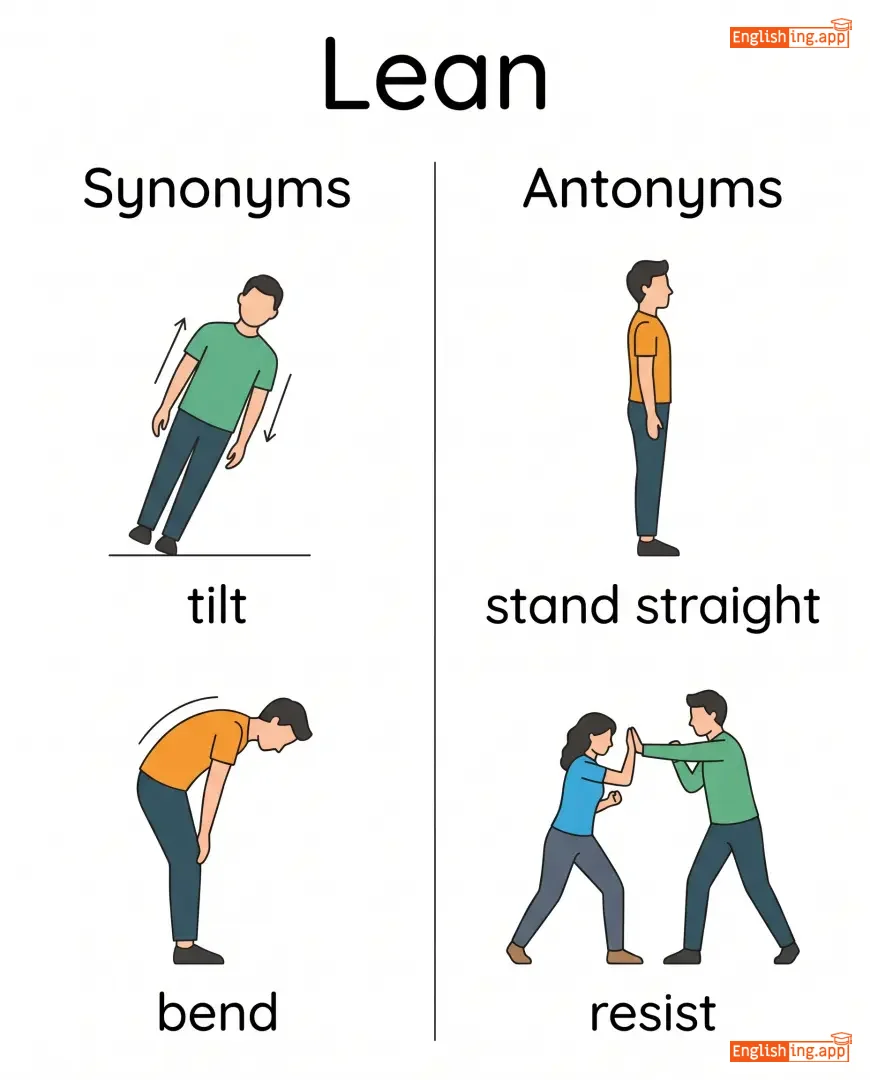
#449
💪
|
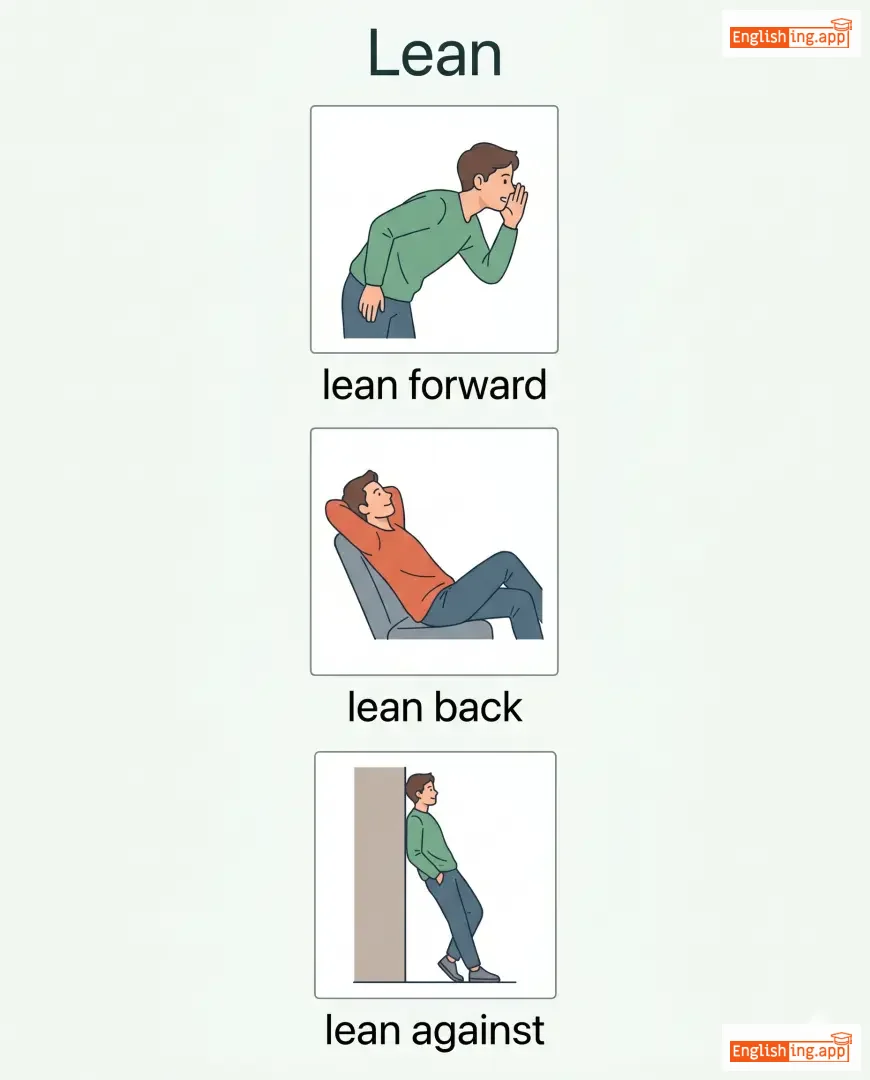
/liːn/
adjective
(リン)
••••••
|
|
細い; 脂肪が少ない; 弱い
hosoi; shibō ga sukunai; yowai
••••••
|
thin; having little fat; weak
••••••
|
He has a lean and muscular body. |
彼は細くて筋肉質の体をしています。
Kare wa hosokute kinnikuteki no karada o shiteimasu.
••••••
|
thin, slender, slim
••••••
|
fat, thick, bulky
••••••
|
lean meat, lean body, lean muscle
••••••
|
Lean body = 細い体
••••••
|
|
#450
☠️
|
/ˈliː.θəl/
adjective
(リタル)
••••••
|
- •••••• |
致命的; 死亡を引き起こす;
chimeiteki; shibou wo hikiokosu
••••••
|
deadly; fatal; capable of causing death
••••••
|
The snake's venom is lethal to humans if not treated immediately.
そのヘビの毒は人間にとって致命的で、すぐに治療しなければならない。
••••••
|
そのヘビの毒は人間にとって致命的で、すぐに治療しなければならない。
Sono hebi no doku wa ningen ni totte chimeiteki de, sugu ni chiryou shinakereba naranai.
••••••
|
deadly, fatal, poisonous, toxic, destructive
••••••
|
harmless, safe, non-toxic, beneficial, healing
••••••
|
lethal weapon, lethal dose, lethal injection, lethal force
••••••
|
死を引き起こす毒として致命的な意味を覚えましょう。
••••••
|
|
#451
🚫
|
/ˈlɔː.ləs/
adjective
(ローラス)
••••••
|
- •••••• |
無法; 無政府主義; 無秩序; 犯罪者
muhō; muzōfushugi; muchitsujo; hanzai-sha
••••••
|
without law; anarchic; unruly; criminal
••••••
|
The frontier town was known for its lawless behavior and chaos. |
その国境の町は無法行為と混乱で知られていた。
Sono kokkyō no machi wa muhō kōi to konran de shirarete ita.
••••••
|
anarchic, chaotic, unruly, criminal
••••••
|
lawful, orderly, civilized, regulated
••••••
|
lawless society, lawless behavior, lawless territory
••••••
|
Lawless = 法がない、完全な混乱
••••••
|
|
#452
🤢
|
/ˈloʊð.səm/
adjective
(ローサム)
••••••
|
- •••••• |
忌まわしい
roosamu
••••••
|
causing hatred or disgust; repulsive
••••••
|
The loathsome smell from the garbage made everyone leave the room.
ゴミの耐え難い悪臭で、みんなが部屋を出ていった。
••••••
|
ゴミの耐え難い悪臭で、みんなが部屋を出ていった。
gomi no taegatai akushuu ga minna o heya kara oidashita
••••••
|
disgusting, repulsive, revolting, abhorrent
••••••
|
pleasant, attractive, appealing, delightful
••••••
|
loathsome creature, loathsome behavior, loathsome smell
••••••
|
Loathsome mnemonic: imagine a ローサム smells so bad that even a samurai says ugh
••••••
|
|
#453
🔸
|
/liːst/
adjective
(リスト)
••••••
|
- •••••• |
最小
saishō
••••••
|
smallest in amount or degree; minimal
••••••
|
This is the least expensive option available.
これは利用可能な最も安価なオプションです。
••••••
|
これは利用可能な最も安価なオプションです。
Kore wa riyō kanō na mottomo anka na opushon desu.
••••••
|
smallest, minimal, tiniest
••••••
|
most, greatest, maximum
••••••
|
at least, least common, least likely
••••••
|
最小の選択肢が最も安価である
••••••
|
|
#454
⚖️
|
/ˈlaɪ.ə.bəl/
adjective
(ライアブル)
••••••
|
- •••••• |
責任がある; 義務がある;
sekinin ga aru; gimu ga aru
••••••
|
legally responsible; accountable; obligated
••••••
|
The company is liable for any damages caused by their defective products. |
その会社は欠陥商品によって引き起こされた損害に責任があります。
sono kaisha wa kekkan shōhin ni yotte hikiokosareta songai ni sekinin ga arimasu
••••••
|
responsible, accountable, answerable, obligated, bound
••••••
|
exempt, free, unaccountable, irresponsible, released
••••••
|
liable for damages, legally liable, liable to prosecution, liable party
••••••
|
責任があるということは、間違った商品に対して説明責任を果たすこと
••••••
|
|
#455
😴
|
/ˈleɪ.zi/
adjective
(レイジー)
••••••
|
- •••••• |
怠け者; 働きたくない
namakemono; hatarakitakunai
••••••
|
idle; unwilling to work; sluggish
••••••
|
He was too lazy to clean his room on the weekend. |
彼は週末に部屋を掃除するのが面倒だった。
Kare wa shuumatsu ni heya o souji suru no ga mendou datta.
••••••
|
idle, sluggish, inactive, lethargic
••••••
|
active, energetic, hardworking, diligent
••••••
|
lazy afternoon, lazy student, lazy day
••••••
|
怠け者はいつも仕事を避ける、まるで動きが遅いみたいに。
••••••
|
|
#456
🏔️
|
/ˈlɔːf.ti/
adjective
(ロフティ)
••••••
|
- •••••• |
高い; 崇高な性格; 高貴なスタイル
lofti
••••••
|
of great height; noble in character; elevated in style
••••••
|
He has lofty ideals about making the world a better place.
彼は世界をより良い場所にするという高い理想を持っています。
••••••
|
彼は世界をより良い場所にするという高い理想を持っています。
Kare wa sekai o yori yoi basho ni suru to iu takai risō o motteimasu.
••••••
|
high, elevated, noble, grand
••••••
|
low, humble, modest, base
••••••
|
lofty goals, lofty mountains, lofty ideals
••••••
|
Lofty ideals soar high like a majestic mountain.
••••••
|
|
#457
✅
|
/lɪˈdʒɪt.ɪ.mət/
adjective
(リジティメート)
••••••
|
- •••••• |
合法的な; 有効な; 本物の; 妥当な
gōhō-teki na; yūkō na; honmono no; datō na
••••••
|
lawful; valid; genuine; reasonable
••••••
|
He has a legitimate reason for being late. |
彼には遅刻の正当な理由がある。
Kare ni wa chikoku no seitō na riyū ga aru.
••••••
|
legal, valid, lawful
••••••
|
illegal, invalid, unlawful
••••••
|
legitimate business, legitimate concern, legitimate government
••••••
|
合法的な理由は法的に認められる理由です
••••••
|
|
#458
👑
|
/ˈliː.dɪŋ/
adjective
(リーディング)
••••••
|
- •••••• |
主要な; リーディング; 最も重要な
shuyou na; rīding; mottomo jūyō na
••••••
|
foremost; principal; most important; guiding
••••••
|
She is a leading expert in environmental science.
彼女は環境科学のリーディングエキスパートです。
••••••
|
彼女は環境科学のリーディングエキスパートです。
Kanojo wa kankyō kagaku no rīding ekisupāto desu.
••••••
|
foremost, principal, primary, top
••••••
|
following, secondary, minor, trailing
••••••
|
leading role, leading company, leading scientist
••••••
|
リーディング (Leading) は、環境科学の分野でリーダーとしての役割を持つことです。
••••••
|
|
#459
🤝
|
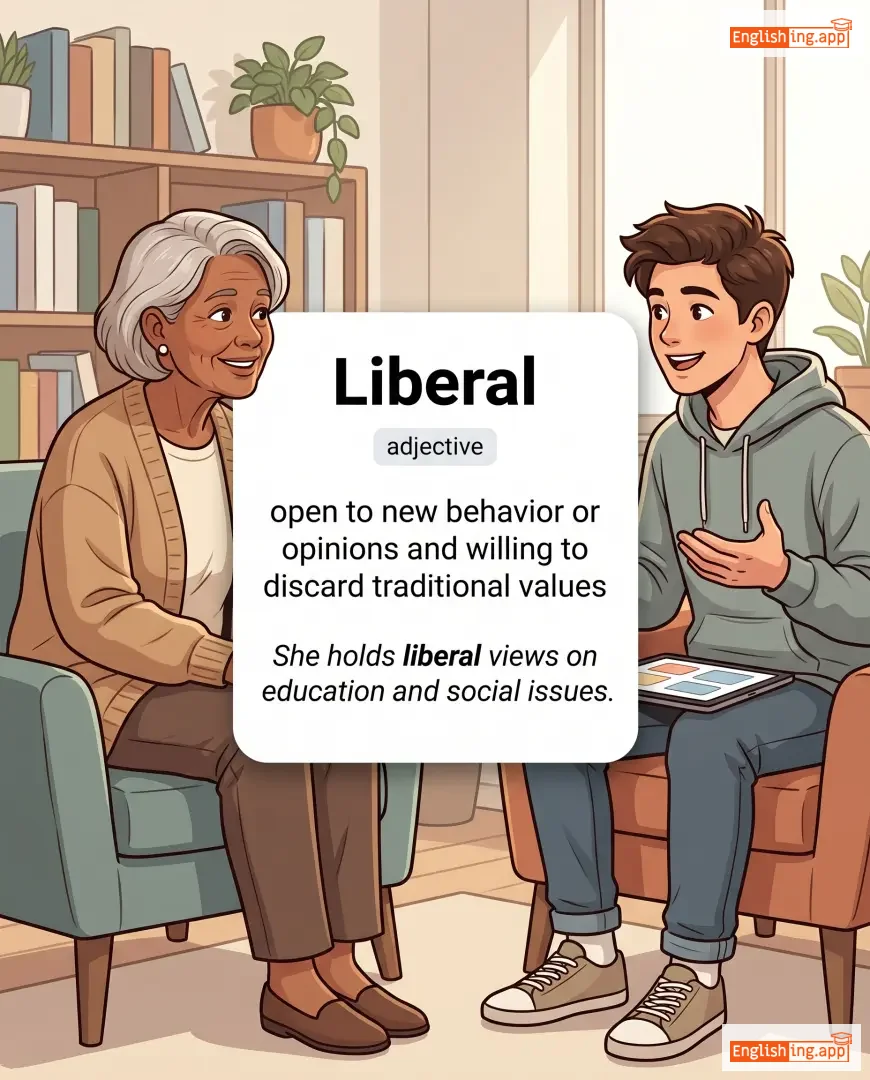
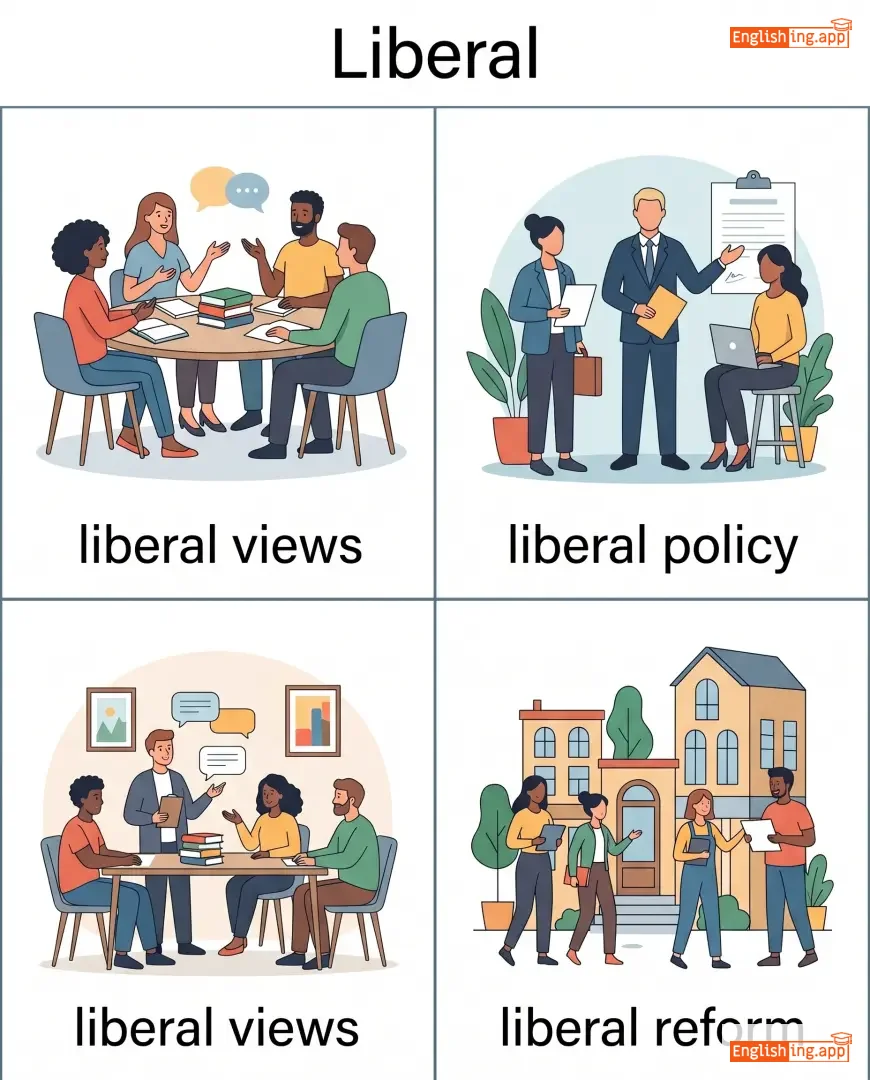
/ˈlɪb.ər.əl/
adjective
(リベラル)
••••••
|
|
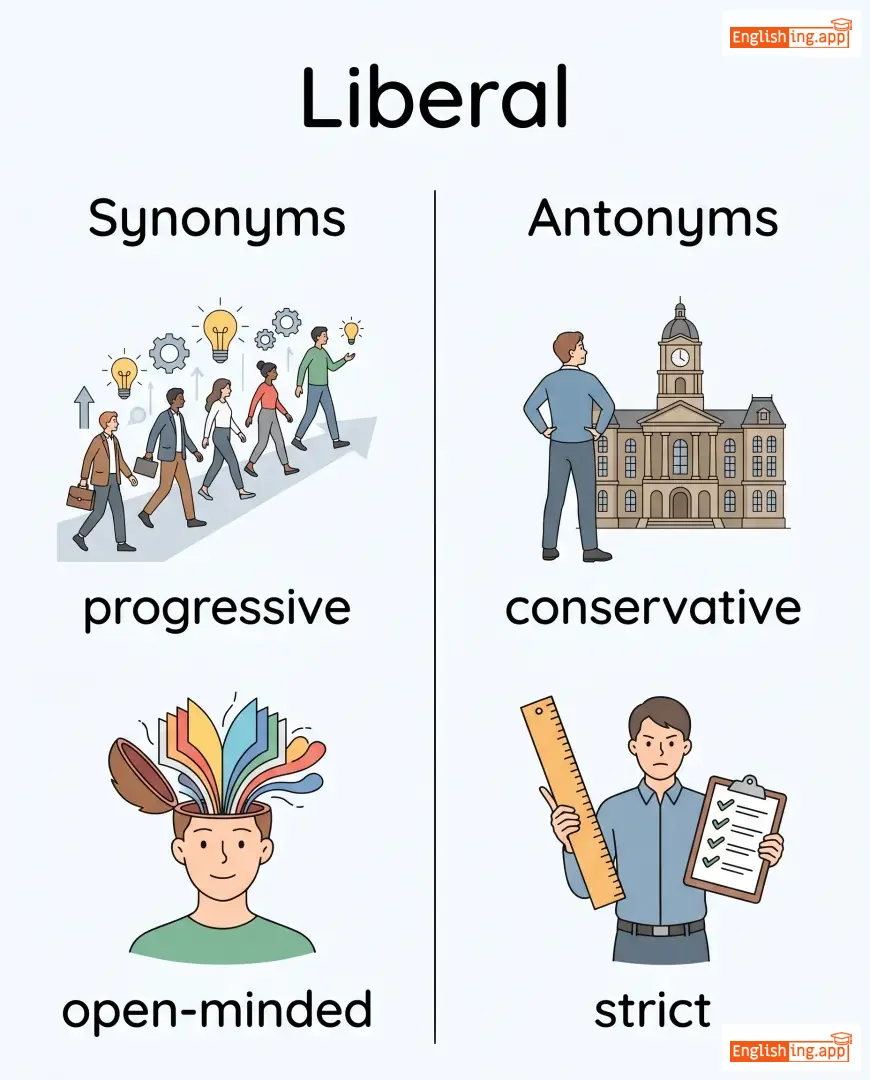
リベラル; 寛容な; 寛大な; 思考が進歩的な
riberaru; kan'yōna; kandaina; shikō ga shinpoteki na
••••••
|
open-minded; tolerant; generous; progressive in thinking
••••••
|
She has a liberal attitude towards different cultures and beliefs.
彼女はさまざまな文化や信念に対してリベラルな態度を持っています。
••••••
|
彼女はさまざまな文化や信念に対してリベラルな態度を持っています。
Kanojo wa samazama na bunka ya shinnen ni taishite riberaru na taido o motteimasu.
••••••
|
open-minded, tolerant, progressive, broad-minded, generous
••••••
|
conservative, narrow-minded, strict, rigid, intolerant
••••••
|
liberal arts, liberal democracy, liberal education, liberal views
••••••
|
In Japanese, 'liberal' denotes open-mindedness and generosity.
••••••
|
|
#460
🧠
|
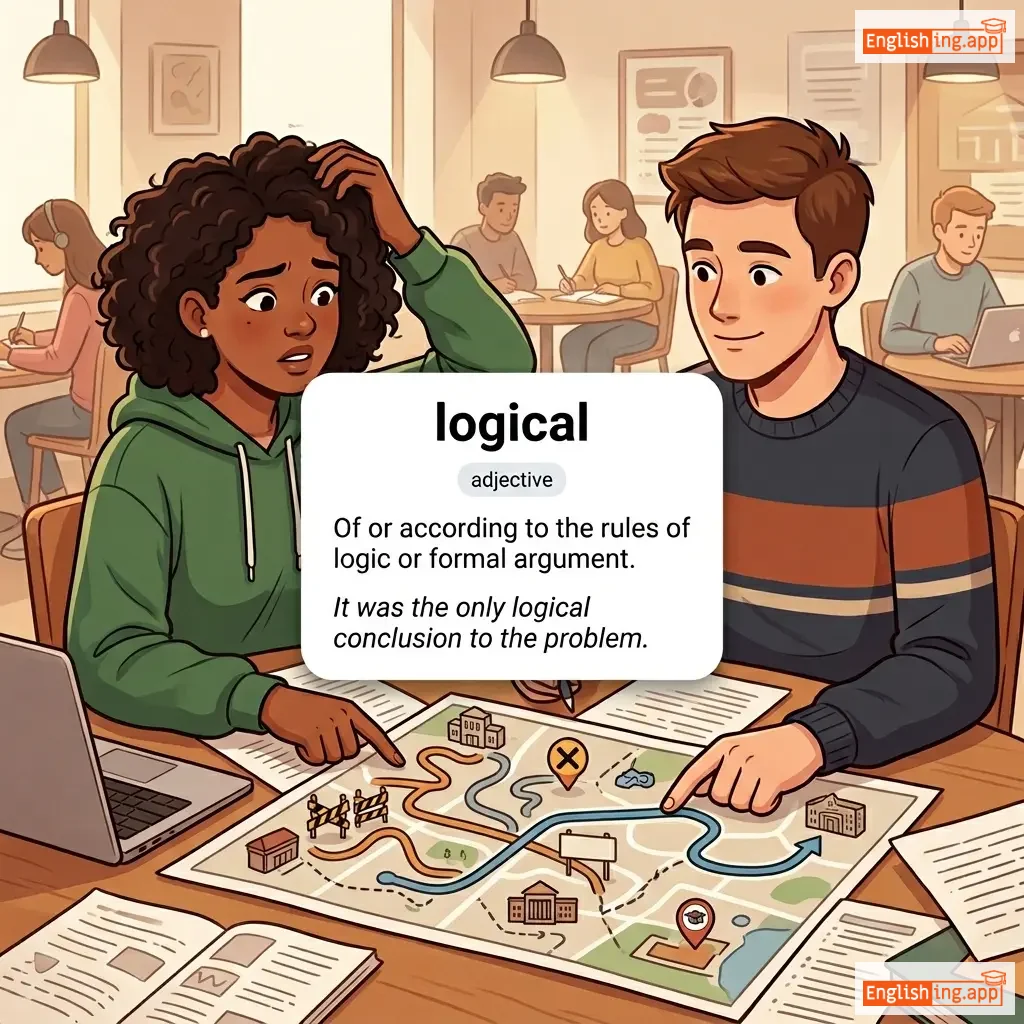
/ˈlɑː.dʒɪ.kəl/
adjective
(ロジカル)
••••••
|
|
論理的; 合理的; 賢明な
rojikaru
••••••
|
based on clear reasoning; rational; sensible
••••••
|
It's logical to study hard if you want to pass the exam. |
試験に合格したいなら、一生懸命勉強することは論理的です。
Shiken ni gōkaku shitainara, isshōkenmei benkyō suru koto wa ronriteki desu.
••••••
|
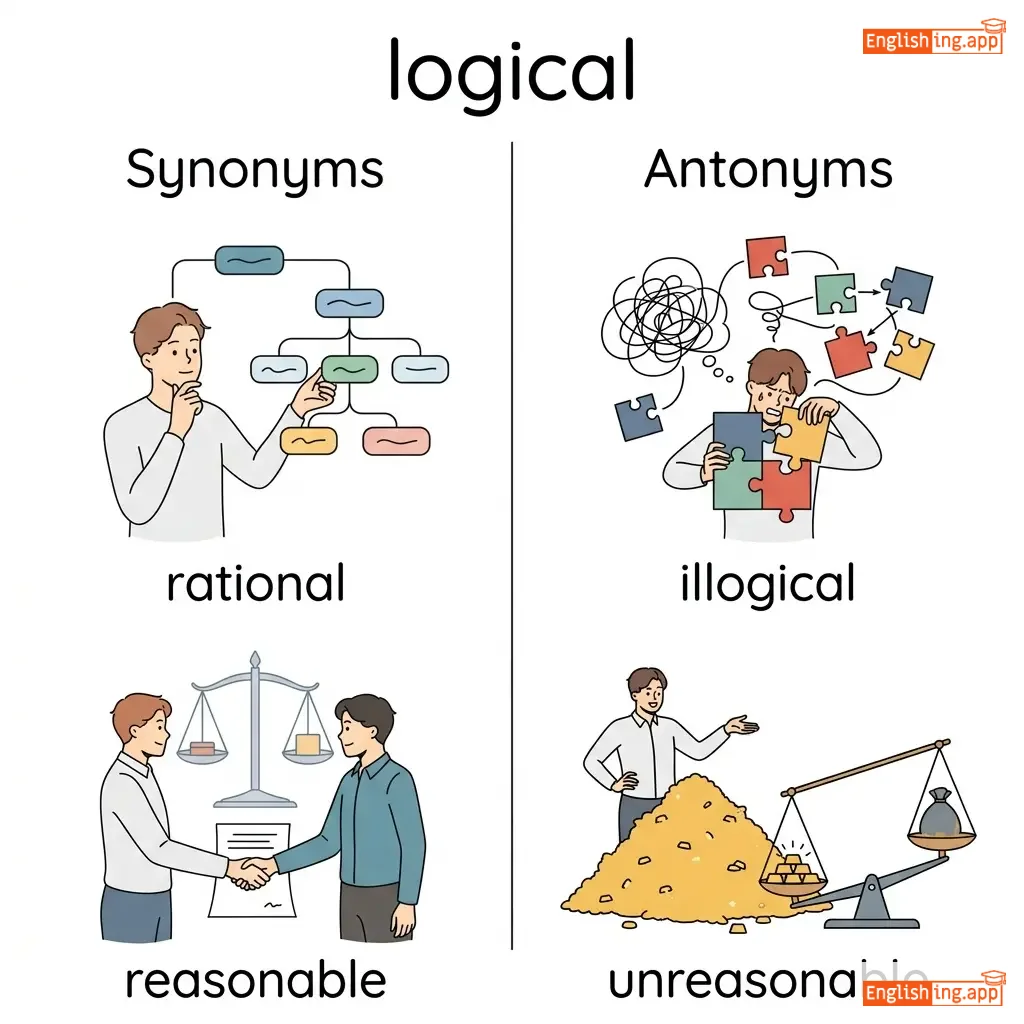
rational, reasonable, sensible, coherent
••••••
|
illogical, irrational, unreasonable, absurd
••••••
|
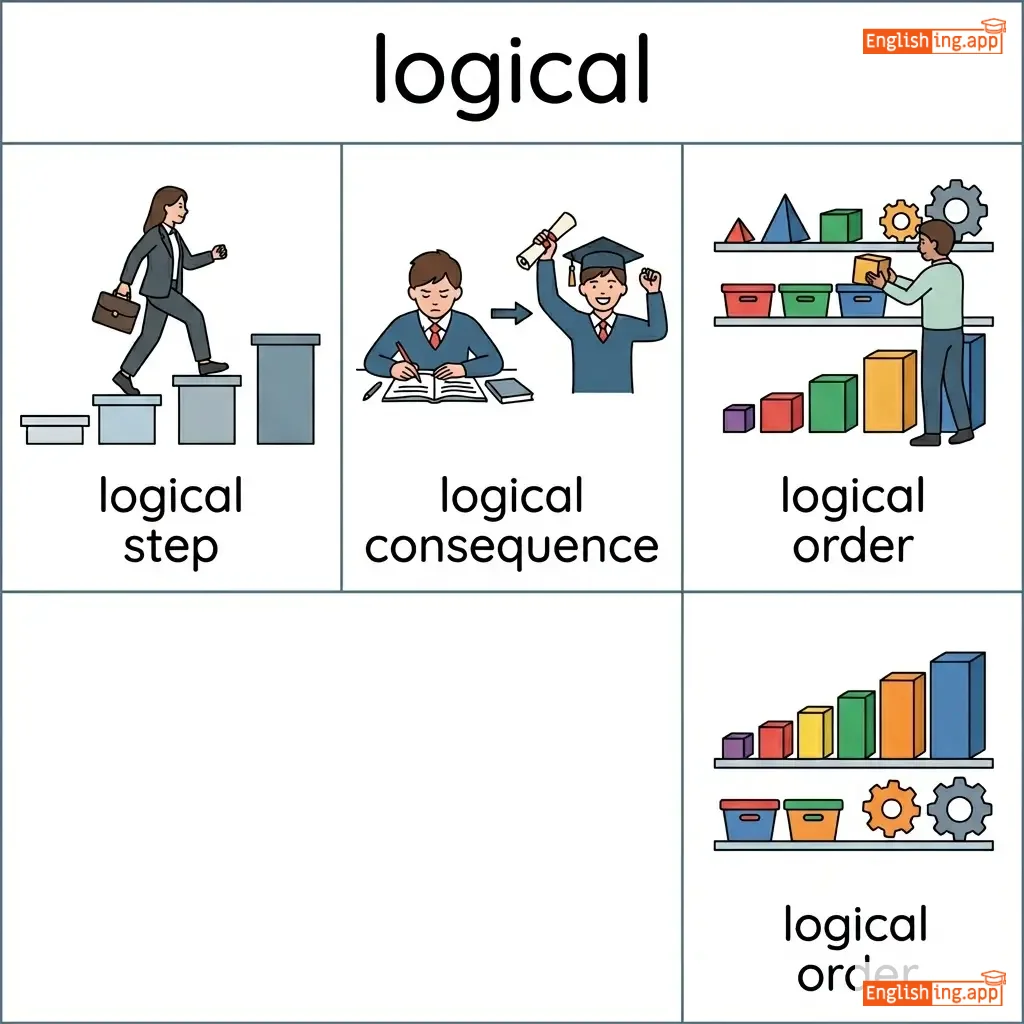
logical thinking, logical conclusion, logical approach
••••••
|
論理的な考え方は成功への道を開く。
••••••
|
Vocabulary Quiz
Test your vocabulary by matching words with their translations or meanings.
Login to take the quiz
Comments (0)
Share your thoughts and join the discussion.
Join the discussion by logging in
Login to CommentNo comments yet
Be the first to share your thoughts!