

翻訳
過去
過去分詞
三人称単数
動名詞
意味
例文
例文の翻訳
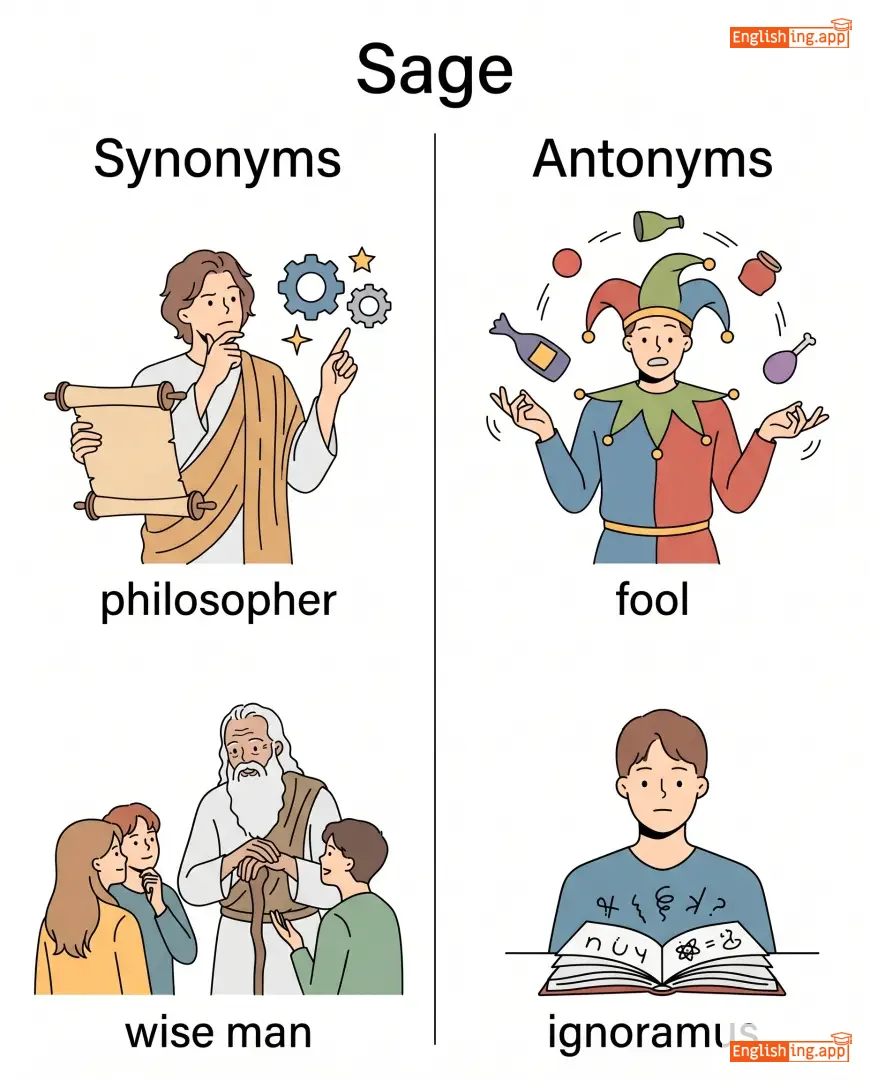
同義語
対義語
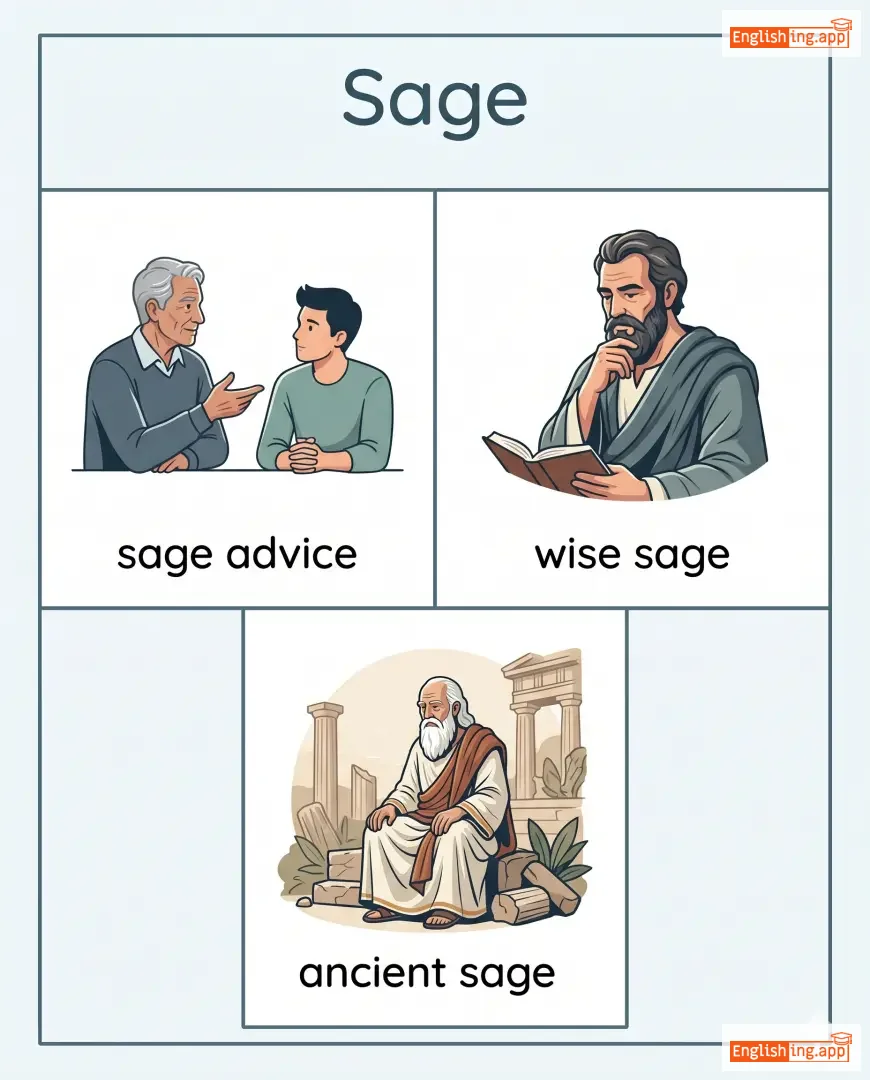
コロケーション
ニーモニック
Swipe left or right, or use the buttons. Tap image to zoom.
例文の翻訳
単語
Lesson 39Lesson 39 - マスクトグル
|
絵文字
|
単語 | Images | 翻訳 | 意味 | 例文 | 例文の翻訳 | 同義語 | 対義語 | コロケーション | ニーモニック |
|---|---|---|---|---|---|---|---|---|---|---|
|
#761
🏚️
|
/ˈrʌs.tɪk/
adjective
(ラスティック)
••••••
|
- •••••• |
シンプルで洗練されていない; 農村地域に関連
shinpuru de senren sarete inai; nōson chiiki ni kanren
••••••
|
simple and unsophisticated; relating to rural areas
••••••
|
The rustic cottage had wooden beams and a thatched roof. |
そのラスティックな小屋は木製の梁と藁葺きの屋根を持っていた。
Sono rasutikku na koya wa mokusei no hari to warabuki no yane o motte ita.
••••••
|
rural, simple, unsophisticated, countryside
••••••
|
urban, sophisticated, modern, refined
••••••
|
rustic charm, rustic furniture, rustic setting
••••••
|
簡単で田舎の生活
••••••
|
|
#762
😤
|
/ˈskɔːrnfəl/
adjective
(スコーンフル)
••••••
|
- •••••• |
軽蔑的な
keibetsuteki na
••••••
|
showing contempt or disdain; expressing scorn
••••••
|
She gave him a scornful look when he made the rude comment.
彼が無礼なコメントをしたとき、彼女は軽蔑の目で彼を見た。
••••••
|
彼が無礼なコメントをしたとき、彼女は軽蔑の目で彼を見た。
Kare ga burei na komento o shita toki, kanojo wa keibetsu no me de kare o mita.
••••••
|
contemptuous, disdainful, derisive, mocking
••••••
|
respectful, admiring, appreciative, reverent
••••••
|
scornful laugh, scornful glance, scornful attitude, scornful remarks
••••••
|
Scornful means showing contempt. In Japanese, '軽蔑的な' captures that feeling of disdain.
••••••
|
|
#763
📉
|
/skænt/
adjective
(esukanto)
••••••
|
- •••••• |
わずかな
wazukana
••••••
|
barely sufficient; inadequate; small in amount
••••••
|
There was scant evidence to support his claim. |
彼の主張を支持する証拠はほとんどなかった。
Kare no shuchou wo shiji suru shouko wa hotondo nakatta.
••••••
|
meager, insufficient, sparse, limited
••••••
|
abundant, plentiful, ample, sufficient
••••••
|
scant evidence, scant attention, scant regard
••••••
|
わずかなは少ししかない、まるでわずかなお金か物のようだ。
••••••
|
|
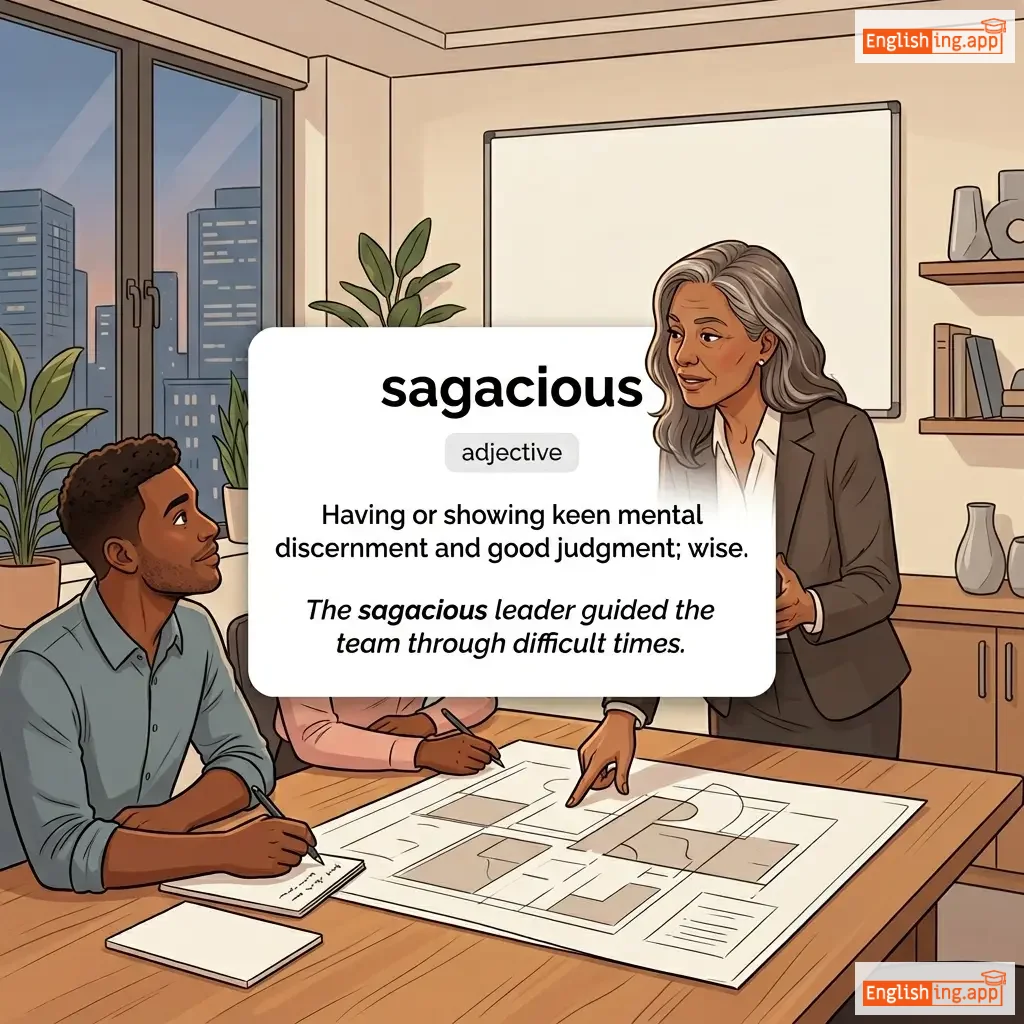
#764
🧠
|
/səˈɡeɪʃəs/
adjective
(サゲイシャス)
••••••
|
|
賢明な; 聡明な; 知恵のある
kenmei na, soumei na, chie no aru
••••••
|
wise; showing good judgment; intelligent; perceptive
••••••
|
The sagacious leader made wise decisions during the crisis.
ザ サゲイシャス リーダー メイド ワイズ ディシジョンズ デュアリング ザ クライシス。
••••••
|
賢明なリーダーは危機の中で賢明な決定を下しました。
Kenmei na rīdā wa kiki no naka de kenmei na kettei wo kudashimashita.
••••••
|
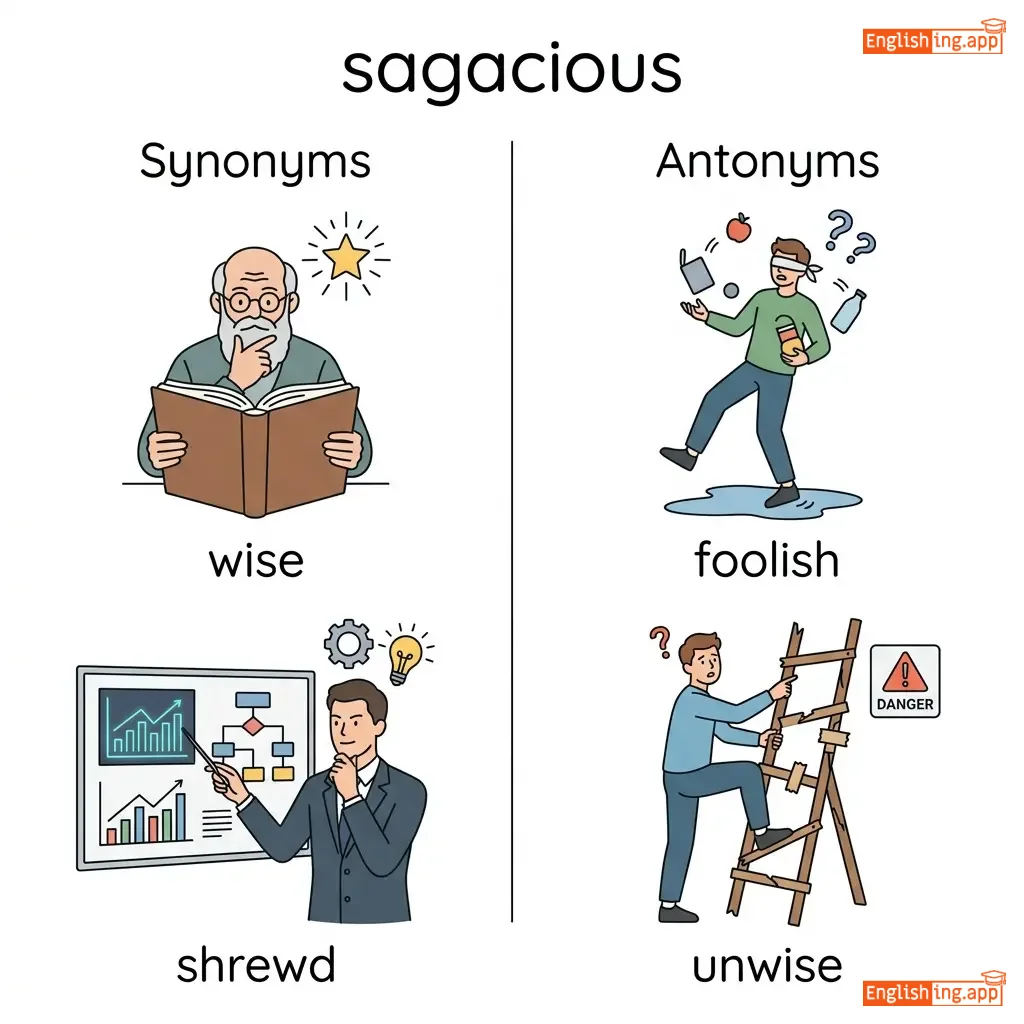
wise, intelligent, perceptive, astute, shrewd
••••••
|
foolish, unwise, ignorant, naive, stupid
••••••
|
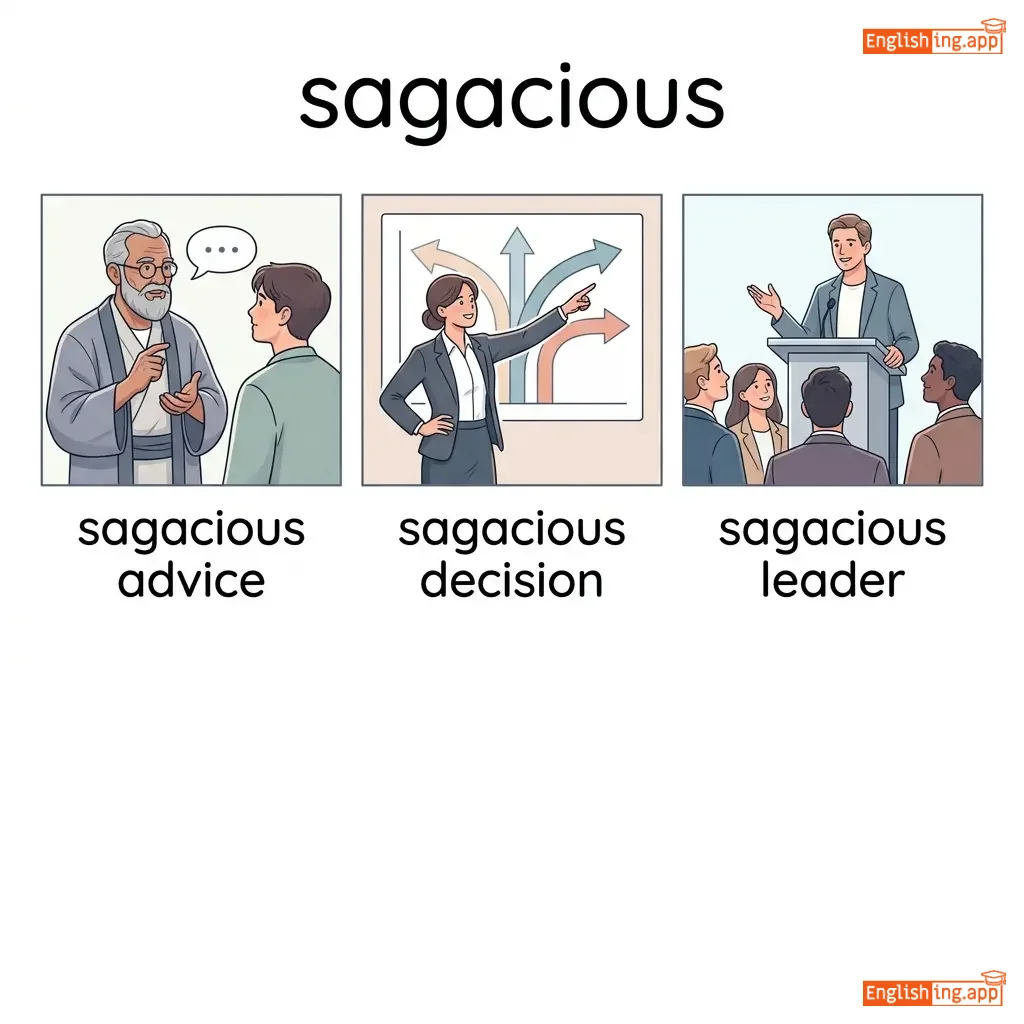
sagacious advice, sagacious leader, sagacious decision
••••••
|
賢明なリーダーは困難な時でも良い判断をします。
••••••
|
|
#765
✅
|
/ˈsæt.ɪs.fæk.tər.i/
adjective
(sætɪs'fæktɔri)
••••••
|
- •••••• |
満足のいく
manzoku no iku
••••••
|
acceptable; meeting requirements; adequate
••••••
|
The test results were satisfactory.
テストの結果は満足のいくものでした。
••••••
|
テストの結果は満足のいくものでした。
tesuto no kekka wa manzoku no iku mono deshita.
••••••
|
acceptable, adequate, sufficient, decent, reasonable
••••••
|
unsatisfactory, inadequate, unacceptable, poor, insufficient
••••••
|
satisfactory performance, satisfactory results, satisfactory progress, satisfactory condition
••••••
|
満足のいく結果は、基準を満たす結果です。
••••••
|
|
#766
🧔
|
/ˈskrʌfi/
adjective
(スクラフィ)
••••••
|
- •••••• |
乱雑または不潔な外見; 汚れたしぼんだ
ranzatsu matawa fuketsu na gaiken; yogoreta shibonda
••••••
|
untidy or unkempt in appearance; shabby and worn
••••••
|
The scruffy old dog wandered through the streets looking for food.
そのみすぼらしい老犬は、食べ物を探して通りをさまよっていました。
••••••
|
そのみすぼらしい老犬は、食べ物を探して通りをさまよっていました。
Sono misuborashii rōken wa, tabemono o sagashite tōri o samayotte imashita.
••••••
|
unkempt, disheveled, untidy, shabby, messy
••••••
|
neat, tidy, well-groomed, pristine, polished
••••••
|
scruffy appearance, scruffy beard, scruffy clothes, scruffy dog
••••••
|
Imagine a scruffy dog lost in a big city, always searching for food.
••••••
|
|
#767
🪣
|
/ˈskænti/
adjective
(スキャンティ)
••••••
|
- •••••• |
小さいサイズまたは量; 不十分; ほとんど十分
chiisai saizu matawa ryou; fujyūbun; hotondo jūbun
••••••
|
small in size or amount; insufficient; barely adequate
••••••
|
The refugee camp had scanty food supplies.
難民キャンプにはわずかな食料供給がありました。
••••••
|
難民キャンプにはわずかな食料供給がありました。
Nanmin kyanpu ni wa wazukana shokuryou kyōkyū ga arimashita.
••••••
|
meager, sparse, skimpy, inadequate
••••••
|
abundant, plentiful, generous, ample
••••••
|
scanty clothing, scanty information, scanty resources
••••••
|
Scanty in Japanese: 'fujyūbun'—think about barely enough food!
••••••
|
|
#768
🐺
|
/ˈsæv.ɪdʒ/
adjective
(サヴェージ)
••••••
|
- •••••• |
野蛮な; 残酷な; 野生の
yaban na; zankoku na; yasei no
••••••
|
extremely cruel or violent; wild and fierce; uncivilized
••••••
|
The savage attack shocked everyone.
ザ・サヴェージアタックショックドエヴリワン。
••••••
|
野蛮な攻撃はみんなを驚かせた。
Yaban na kōgeki wa minna o odorokaseta.
••••••
|
brutal, fierce, violent, cruel, wild, barbaric
••••••
|
civilized, gentle, tame, mild, refined, cultured
••••••
|
savage attack, savage beast, savage criticism, savage beauty
••••••
|
サヴェージは、残酷な攻撃をする野生の動物のようなものです。
••••••
|
|
#769
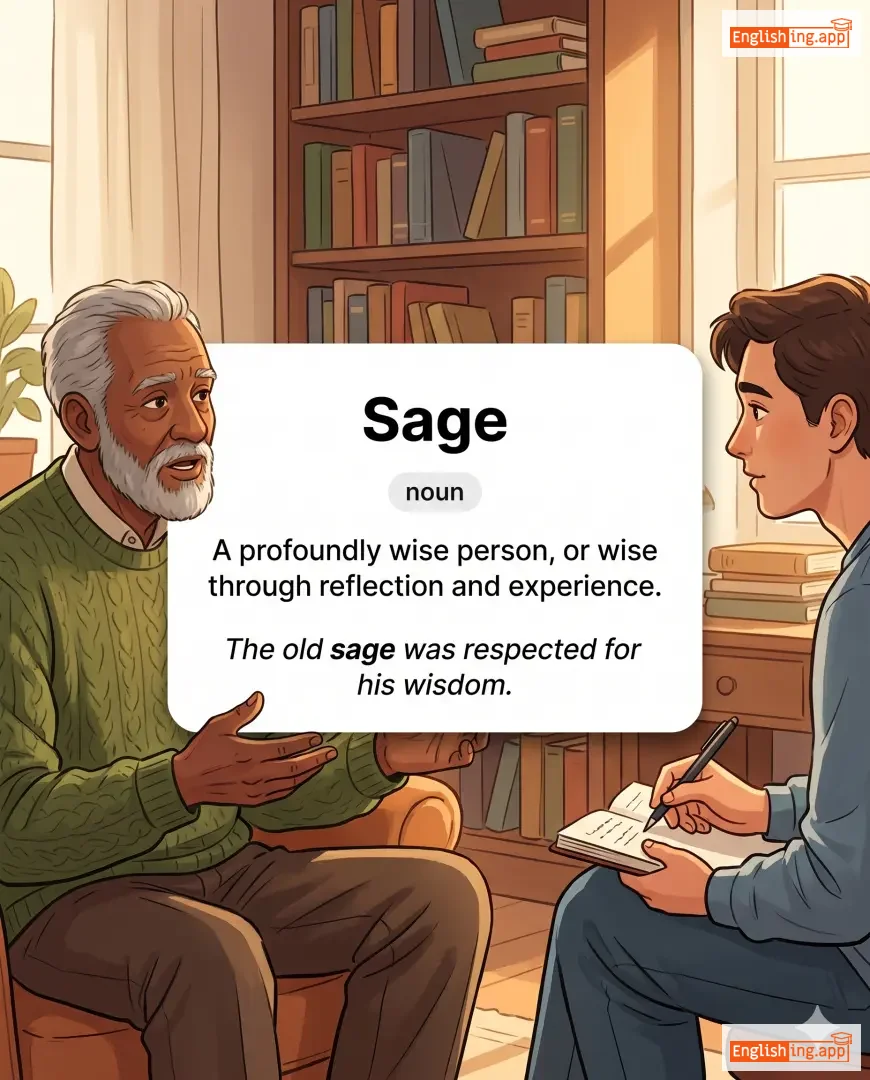
🧙♂️
|
/seɪdʒ/
adjective
(セージ)
••••••
|
|
賢明な; 判断力のある; 経験豊かな
kenmei na; handanryoku no aru; keiken yutaka na
••••••
|
wise; showing wisdom from experience; prudent; having good judgment
••••••
|
The sage advice from the elder helped solve the problem.
高齢者の賢明な助言が問題解決に役立った。
••••••
|
長老の賢明な助言が問題を解決するのに役立った。
Chōrō no kenmei na jogen ga mondai o kaiketsu suru no ni yakudatta.
••••••
|
wise, prudent, sensible, judicious, insightful
••••••
|
foolish, unwise, rash, imprudent, thoughtless
••••••
|
sage advice, sage wisdom, sage counsel
••••••
|
賢明なアドバイスで問題解決!
••••••
|
|
#770
🦠
|
/ˈrʌs.ti/
adjective
(ラスティ)
••••••
|
- •••••• |
錆びた; 練習不足; 最近の練習不足による障害
sabita; renshu busoku; saikin no renshu busoku ni yoru shougai
••••••
|
affected by rust; out of practice; impaired by lack of recent practice
••••••
|
My piano skills are rusty after not playing for years. |
何年もピアノを弾いていなかったので、私のピアノのスキルは錆びついています。
Nannen mo piano wo hiite inakatta node, watashi no piano no sukiru wa sabitsuiteimasu.
••••••
|
corroded, oxidized, out of practice, impaired
••••••
|
polished, sharp, fresh, practiced
••••••
|
rusty skills, rusty metal, rusty chain
••••••
|
Rusty - 錆びたピアノのように、何年も弾かれなかった
••••••
|
|
#771
🧂
|
/ˈseɪlaɪn/
adjective
(サリネ)
••••••
|
- •••••• |
塩水の; 塩分のある
ensui no; enbun no aru
••••••
|
containing salt; salty; relating to salt water
••••••
|
The saline solution is used for medical treatments.
サリネ溶液は医療処置に使用されます。
••••••
|
塩水溶液は医療処置に使用されます。
Ensui yōeki wa iryō shochi ni shiyō saremasu.
••••••
|
salty, briny, brackish, salt-containing
••••••
|
fresh, pure, unsalted, sweet
••••••
|
saline solution, saline water, saline drip
••••••
|
Saline is salty, like the ocean.
••••••
|
|
#772
🐠
|
/ˈskeɪ.li/
adjective
(スケーリー)
••••••
|
- •••••• |
鱗状の
uroko-jou no
••••••
|
covered with scales; having a rough surface like scales
••••••
|
The fish has scaly skin.
その魚はうろこ状の皮膚を持っています。
••••••
|
その魚はうろこ状の皮膚を持っています。
Sono sakana wa urokogata no hifu o motteimasu.
••••••
|
scaled, flaky, rough, textured
••••••
|
smooth, soft, sleek, silky
••••••
|
scaly skin, scaly surface, scaly texture, scaly fish
••••••
|
鱗状の、魚の鱗のような皮膚を持っていることを想像してください。
••••••
|
|
#773
💎
|
/skeərs/
adjective
(sukēasu)
••••••
|
- •••••• |
希少な; 見つけにくい; 少量で存在する
kishō na; mitsuke nikui; shōryō de sonzai suru
••••••
|
rare; not easily found; existing in small quantities
••••••
|
Fresh water is becoming increasingly scarce in desert regions. |
砂漠地帯では、淡水がますます希少になっています。
Sabaku chitai de wa, tanso ga masumasu kishō ni natteimasu.
••••••
|
rare, uncommon, limited, insufficient
••••••
|
abundant, plentiful, common, widespread
••••••
|
scarce resources, scarce commodity, make oneself scarce
••••••
|
砂漠の中で水がますます見つけにくくなっているのを想像してください。
••••••
|
|
#774
😈
|
/ˈruːθ.ləs/
adjective
(ルースレス)
••••••
|
- •••••• |
無慈悲な; 残酷な; 情け容赦ない
mujihi na; zankoku na; nasakeyousha nai
••••••
|
showing no pity or compassion; cruel; merciless
••••••
|
The ruthless dictator showed no mercy to his enemies.
その無慈悲な独裁者は、彼の敵に対して一切の慈悲を示さなかった。
••••••
|
その無慈悲な独裁者は、彼の敵に対して一切の慈悲を示さなかった。
Sono mujihi na dokusaisha wa, kare no teki ni taishite issai no jihī o shimesanakatta.
••••••
|
merciless, cruel, pitiless, heartless
••••••
|
merciful, compassionate, kind, gentle
••••••
|
ruthless killer, ruthless competition, ruthless leader
••••••
|
Ruthless、無慈悲な独裁者のように。
••••••
|
|
#775
🧂
|
/ˈsɔːlti/
adjective
(塩辛い)
••••••
|
- •••••• |
塩辛い
shiokarai
••••••
|
having the taste of salt; containing salt; tasting of seawater
••••••
|
The salty ocean water made her thirsty. |
塩辛い海水が彼女を渇かせた。
Shio karai kaisui ga kanojo o kawakaseta
••••••
|
saline, briny, brackish, seasoned
••••••
|
sweet, fresh, bland, unsalted
••••••
|
salty water, salty food, salty taste
••••••
|
塩辛い海水で喉が渇く
••••••
|
|
#776
🙏
|
/ˈseɪ.krɪd/
adjective
(セイクリッド)
••••••
|
- •••••• |
神聖な
shinseina
••••••
|
connected with God or a god; considered holy; worthy of religious worship
••••••
|
The sacred temple was visited by thousands of pilgrims.
何千人もの巡礼者がその神聖な寺院を訪れた。
••••••
|
Thousands of pilgrims visited that sacred temple.
nanzen nin mono junreisha ga sono shinseina jiin o otozureta
••••••
|
holy, divine, consecrated, blessed
••••••
|
profane, secular, unholy, mundane
••••••
|
sacred place, sacred text, sacred ritual
••••••
|
Shinsei na shrine scene: sacred means Shin + sei + na, so a shrine shines
••••••
|
|
#777
🌿
|
/ˈskætərd/
adjective
(スキャタード)
••••••
|
- •••••• |
散らばった; 散在する;
chirabatta; sanzai suru
••••••
|
spread widely apart; dispersed; occurring here and there
••••••
|
Scattered showers are expected throughout the day.
スキャタード シャワーズ アー エクスペクテッド スルーアウト ザ デイ。
••••••
|
1日中、散らばったシャワーが予想されています。
Ichijū, chirabatta shawā ga yosō sareteimasu.
••••••
|
dispersed, spread, distributed, sporadic
••••••
|
concentrated, clustered, gathered, collected
••••••
|
scattered showers, scattered villages, scattered thoughts
••••••
|
広がる雨滴が点々と地面に散らばっている様子を思い浮かべてください。
••••••
|
|
#778
🏦
|
/ˈsændi/
adjective
(sandi)
••••••
|
- •••••• |
砂の; 砂質の
suna no, sunashitsu no
••••••
|
covered with sand; containing sand; having the texture of sand
••••••
|
The sandy beach stretched for miles along the coast.
砂浜は海岸に沿って何マイルも続いていました。
••••••
|
砂浜は海岸に沿って何マイルも続いていました。
Sunahama wa kaigan ni sotte nan mairu mo tsudzuite imashita.
••••••
|
gritty, granular, powdery, dusty
••••••
|
smooth, rocky, muddy, paved
••••••
|
sandy beach, sandy soil, sandy hair
••••••
|
砂浜の砂のように
••••••
|
|
#779
🛡️
|
/seɪf/
adjective
(セーフ)
••••••
|
- •••••• |
安全な; 危険から守られている; 無害な
anzen na; kiken kara mamorarete iru; mugai na
••••••
|
protected from danger; not likely to cause harm; secure
••••••
|
It's safe to cross the street when the light is green. |
信号が緑の時に道路を渡るのは安全です。
shingō ga midori no toki ni dōro o wataru no wa anzen desu.
••••••
|
secure, protected, harmless, risk-free
••••••
|
dangerous, unsafe, risky, hazardous
••••••
|
safe place, safe journey, safe distance
••••••
|
緑の信号で道を渡るように、安全!
••••••
|
|
#780
🤔
|
/ˈskeptɪkəl/
adjective
(スケプティカル)
••••••
|
- •••••• |
懐疑的な; 疑わしい; 何かの真実に疑問を抱く
kaigiteki na; utagawashī; nanika no shinjitsu ni gimon o idaku
••••••
|
having doubts; not easily convinced; questioning the truth of something
••••••
|
Many scientists remain sceptical about the new theory.
多くの科学者が新しい理論に対して懐疑的な立場を取っている。
••••••
|
多くの科学者が新しい理論に対して懐疑的な立場を取っている。
Ōku no kagakusha ga atarashī riron ni taishite kaigitaina tachiba o tottete iru
••••••
|
doubtful, dubious, suspicious, questioning
••••••
|
believing, trusting, credulous, convinced
••••••
|
sceptical attitude, remain sceptical, sceptical about
••••••
|
懐疑的 + 理論 = 新しい科学理論に疑問
••••••
|
Vocabulary Quiz
Test your vocabulary by matching words with their translations or meanings.
Login to take the quiz
Comments (0)
Share your thoughts and join the discussion.
Join the discussion by logging in
Login to CommentNo comments yet
Be the first to share your thoughts!