

翻訳
過去
過去分詞
三人称単数
動名詞
意味
例文
例文の翻訳
同義語
対義語
コロケーション
ニーモニック
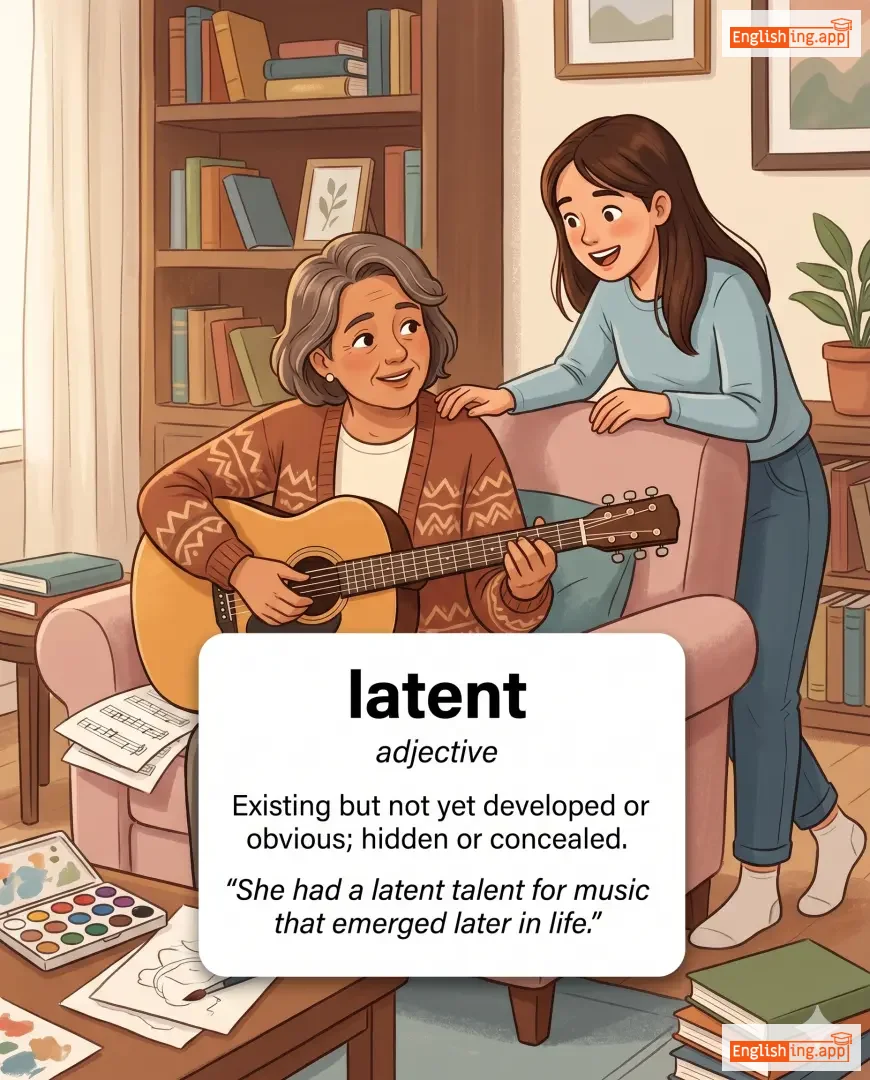
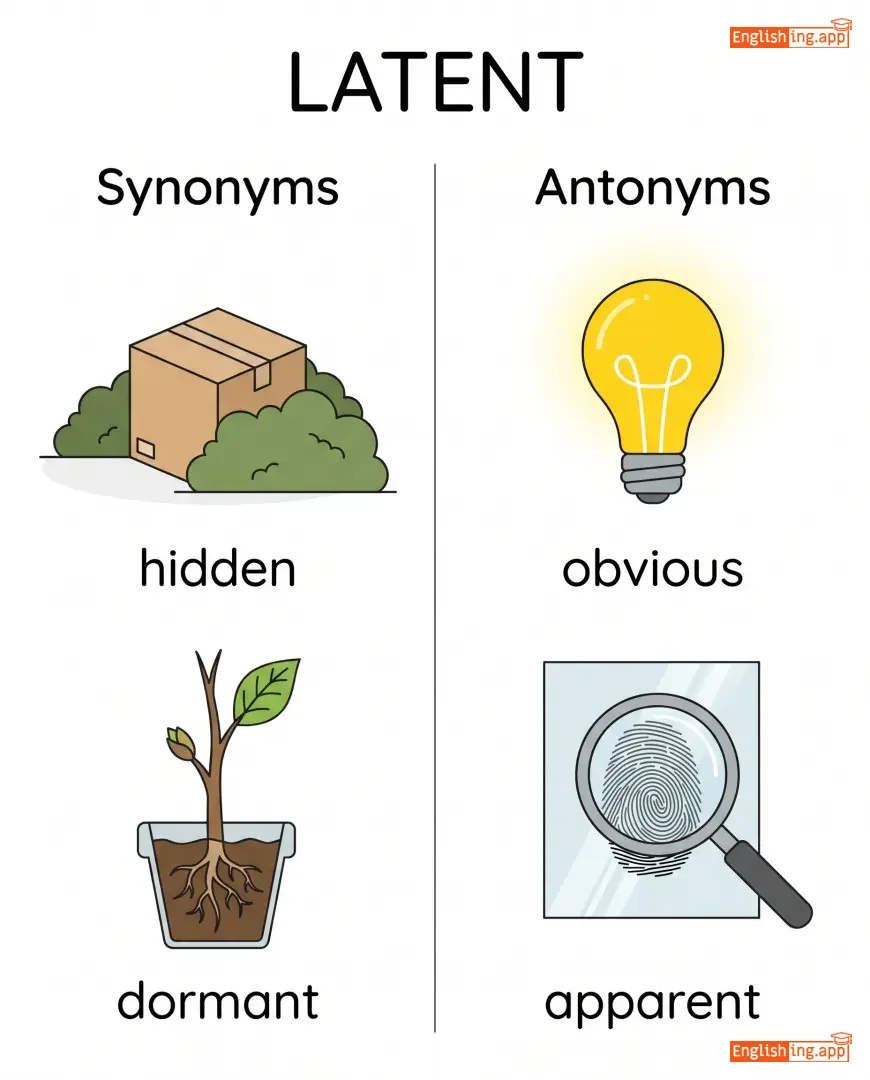
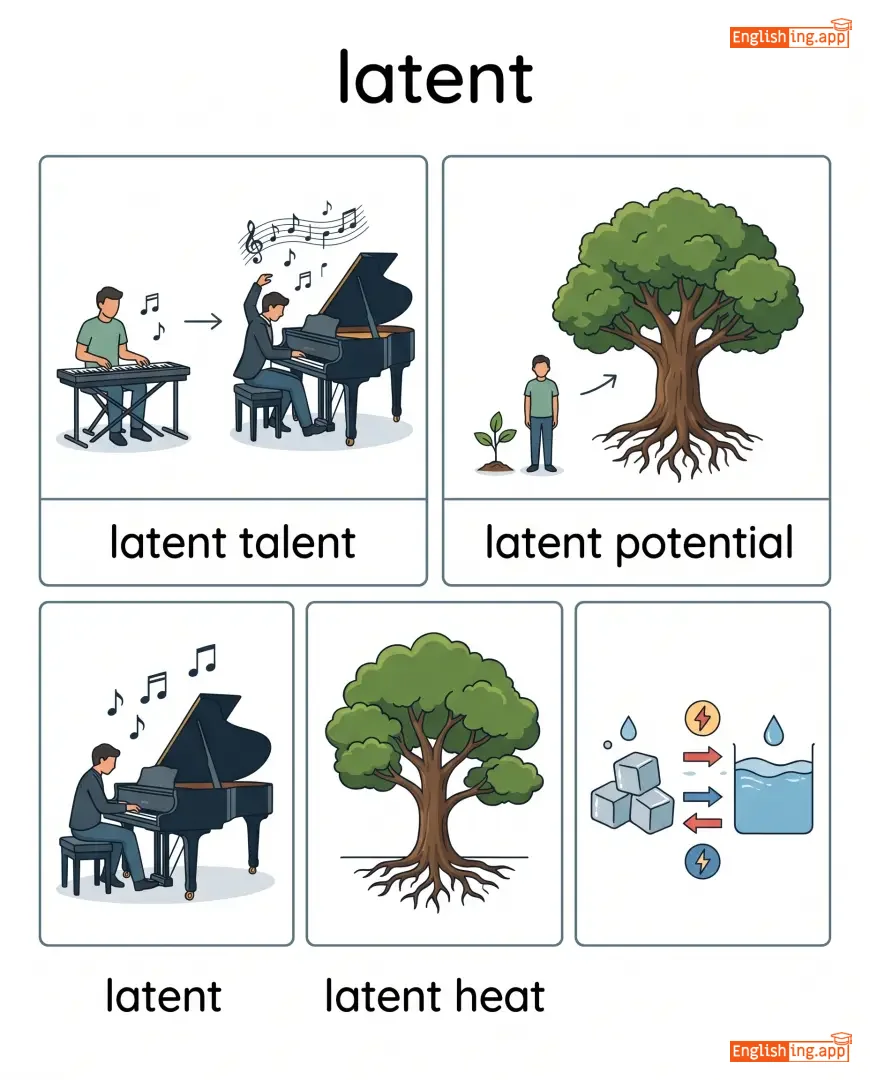
Swipe left or right, or use the buttons. Tap image to zoom.
例文の翻訳
単語
Lesson 22Lesson 22 - マスクトグル
|
絵文字
|
単語 | Images | 翻訳 | 意味 | 例文 | 例文の翻訳 | 同義語 | 対義語 | コロケーション | ニーモニック |
|---|---|---|---|---|---|---|---|---|---|---|
|
#421
🤷♂️
|
/ɪˈrɪˌspɑn.sə.bəl/
adjective
(イレスポンシブル)
••••••
|
- •••••• |
無責任
musekinin
••••••
|
lacking a sense of responsibility; careless
••••••
|
It was irresponsible of him to leave without telling anyone. |
彼が誰にも言わずに去ったのは無責任だった。
Kare ga dare ni mo iwazu ni satta no wa musekinin datta.
••••••
|
reckless, careless, thoughtless, negligent
••••••
|
responsible, careful, thoughtful, reliable
••••••
|
irresponsible behavior, irresponsible person, act irresponsibly
••••••
|
無責任は責任感がないこと、誰にも知らせずに去ることのように考えてみてください。
••••••
|
|
#422
🦵
|
/leɪm/
adjective
(レイム)
••••••
|
- •••••• |
足が不自由; 病気
Ashi ga fujiyū; byōki
••••••
|
unable to walk normally because of an injury or illness affecting the leg or foot; weak and unconvincing
••••••
|
The injured horse was lame and couldn't walk properly.
怪我をした馬は足を引きずり、正常に歩くことができなかった。
••••••
|
怪我をした馬は足を引きずり、正常に歩くことができなかった。
Kega o shita uma wa ashi o hikizuri, seijō ni aruku koto ga dekinakatta.
••••••
|
disabled, crippled, limping, hobbling
••••••
|
agile, nimble, healthy, able-bodied
••••••
|
lame excuse, lame duck, lame horse, go lame
••••••
|
足が不自由な馬は歩くのが遅い
••••••
|
|
#423
🐘
|
/ˈdʒʌm.boʊ/
adjective
(ジャンボ)
••••••
|
- •••••• |
非常に大きい; 巨大
jumbo
••••••
|
exceptionally large; enormous; gigantic
••••••
|
The jumbo jet was delayed at the airport. |
ジャンボジェットは空港で遅れました。
Janbo jetto wa kuukou de okuremashita.
••••••
|
huge, enormous, giant, massive
••••••
|
tiny, small, miniature
••••••
|
jumbo jet, jumbo size, jumbo shrimp
••••••
|
ジャンボジェットは、空を飛ぶ超巨大な飛行機です。
••••••
|
|
#424
🌀
|
/ˈkɪŋ.ki/
adjective
(キンキー)
••••••
|
- •••••• |
変わった性的習慣; カールした髪
kinki
••••••
|
having or involving unconventional sexual practices; having tight curls or bends
••••••
|
His kinky hair made him look unique.
彼のくるくるした髪は彼をユニークに見せました。
••••••
|
彼のくるくるした髪は彼をユニークに見せました。
kare no kurukuru shita kami wa kare o yunikku ni misemashita.
••••••
|
curly, twisted, bizarre, peculiar
••••••
|
straight, normal, conventional
••••••
|
kinky hair, kinky behavior, kinky ideas
••••••
|
Kinky sounds like 'キンキー', and remember 'カールした髪' (curly hair) for kinky.
••••••
|
|
#425
😠
|
/ˈdʒel.əs/
adjective
(ジェラス)
••••••
|
- •••••• |
嫉妬; うらやましい; 誰かの注意や愛情を所有しようとすること
shit-to; u-ra-ya-ma-shii; da-re-ka no chu-i ya ai-jou wo sho-yuu shi-you-to suru koto
••••••
|
feeling envious or resentful; possessive of someone's attention or affection
••••••
|
She felt jealous when her friend got promoted.
彼女は友達が昇進したときに嫉妬を感じた。
••••••
|
彼女は友達が昇進したときに嫉妬を感じた。
Kareshi wa tomo-dachi ga shoushin shita toki ni shit-to wo kan-ji-ta.
••••••
|
envious, resentful, covetous, possessive
••••••
|
content, satisfied, generous, unenvious
••••••
|
jealous husband, feel jealous, jealous rage, jealous nature
••••••
|
嫉妬して他の人がもっと注目を浴びるのを見る
••••••
|
|
#426
😴
|
/ˈlæŋɡwɪd/
adjective
(ラングウィッド)
••••••
|
- •••••• |
無気力な; 怠け者の; 弱い
mukiryokuna; namakemono no; yowai
••••••
|
lacking energy or vitality; slow and relaxed; weak or faint
••••••
|
After the long journey, she felt languid and needed to rest. |
長い旅の後、彼女は無気力に感じ、休む必要があった。
Nagai tabi no ato, kanojo wa mukiryoku ni kanji, yasumu hitsuyō ga atta.
••••••
|
sluggish, listless, lethargic, weary, tired
••••••
|
energetic, vigorous, lively, active, spirited
••••••
|
languid movement, languid atmosphere, languid summer day, languid pace
••••••
|
Imagine being too tired to move, 'languid' in Japanese is just the word.
••••••
|
|
#427
😴
|
/ˈnæk.ərd/
adjective
(ナカード)
••••••
|
- •••••• |
非常に疲れた; くたびれた
nakado
••••••
|
extremely tired; exhausted
••••••
|
I'm absolutely knackered after working all day.
私は一日中働いた後、完全に疲れ果てました。
••••••
|
私は一日中働いた後、完全に疲れ果てました。
Watashi wa ichinichijuu hataraita ato, kanzen ni tsukarehatemashita.
••••••
|
exhausted, tired, worn out, fatigued
••••••
|
energetic, refreshed, rested, vigorous
••••••
|
absolutely knackered, completely knackered, totally knackered
••••••
|
一日中働いた後、'ナカード'のようにくたびれる。
••••••
|
|
#428
👶
|
/ˈdʒuː.ni.ər/
adjective
(ジュニア)
••••••
|
- •••••• |
ジュニア; 下位; 若い; 部下
junia
••••••
|
lower in rank; younger; newer; subordinate
••••••
|
She is a junior employee at the company.
彼女は会社のジュニア社員です。
••••••
|
彼女は会社のジュニア社員です。
Kanojo wa kaisha no junia shain desu.
••••••
|
younger, lower-ranking, subordinate
••••••
|
senior, older, superior
••••••
|
junior high, junior year, junior partner
••••••
|
ジュニア社員は会社の若手を表します
••••••
|
|
#429
⚖️
|
/dʒʌst/
adjective
(ジャスト)
••••••
|
- •••••• |
公正な; 正義の; 適切な
kōseina; seigi no; tekisetsuna
••••••
|
fair; righteous; morally right; appropriate
••••••
|
The judge made a just decision in the case.
裁判官は事件に公正な判断を下しました。
••••••
|
裁判官は事件に公正な判断を下しました。
Saibankan wa jiken ni kōsei na handan o kudashimashita.
••••••
|
fair, righteous, equitable, honest
••••••
|
unjust, unfair, dishonest
••••••
|
just cause, just war, just society
••••••
|
正義を貫く裁判官のように、あなたも行動で公正でありなさい。
••••••
|
|
#430
⚔️
|
/ˈnaɪt.li/
adjective
(naitli)
••••••
|
- •••••• |
騎士のような; 高貴で勇敢
kishi no you na; kouki de yuukan
••••••
|
having the characteristics of a knight; chivalrous; noble and brave
••••••
|
He showed knightly courage in defending the innocent.
彼は無実を守るために騎士のような勇気を示した。
••••••
|
彼は無実を守るために騎士のような勇気を示した。
Kare wa mujitsu o mamoru tame ni kishi no you na yuuki o shimeshita.
••••••
|
chivalrous, noble, gallant, heroic
••••••
|
cowardly, ignoble, dishonorable, base
••••••
|
knightly virtue, knightly behavior, knightly code
••••••
|
Knightly means acting with courage and nobility like a knight, brave and true!
••••••
|
|
#431
😄
|
/ˈdʒes.tɪŋ/
adjective
(ジェスティング)
••••••
|
- •••••• |
冗談めいた
jesuting
••••••
|
joking or teasing in a playful manner
••••••
|
He was only jesting when he said he would quit his job.
ヒー ワズ オンリー ジェスティング ウェン ヒー セッド ヒ ウッド クイット ヒズ ジョブ。
••••••
|
彼が仕事を辞めると言ったとき、彼はただ冗談を言っていただけだった。
hii wazu onrii jesuting wen hii seddo hi uddo kuitto hizu jobu
••••••
|
joking, kidding, teasing, playful
••••••
|
serious, earnest, sincere, solemn
••••••
|
jesting manner, jesting tone, stop jesting
••••••
|
Just Enjoy Some Teasing In Nice Gesture じぇすてぃんぐ is 冗談めいた mood
••••••
|
|
#432
📏
|
/lɑːrdʒ/
adjective
(ラージ)
••••••
|
- •••••• |
大きい; 巨大な; 広大な
ōkii; kyodaina; kōdaina
••••••
|
of considerable size, extent, or intensity; big
••••••
|
The large building dominated the city skyline.
その大きなビルは街のスカイラインを支配していた。
••••••
|
その大きなビルは街のスカイラインを支配していた。
Sono ōkina biru wa machi no sukairain o shihai shite ita.
••••••
|
big, huge, enormous, massive, giant
••••••
|
small, tiny, little, minute, petite
••••••
|
large scale, large number, large amount, large family
••••••
|
Imagine a 'large' sushi plate in a giant Tokyo restaurant!
••••••
|
|
#433
🔪
|
/kiːn/
adjective
(キーン)
••••••
|
- •••••• |
鋭い; 激しい; 熱心
keen
••••••
|
sharp; acute; intense; eager
••••••
|
She has a keen interest in science.
彼女は科学に強い関心を持っています。
••••••
|
彼女は科学に強い関心を持っています。
Kanojo wa kagaku ni tsuyoi kanshin o motteimasu.
••••••
|
sharp, acute, intense, eager
••••••
|
dull, blunt, uninterested
••••••
|
keen interest, keen eye, keen sense
••••••
|
科学への関心が鋭いほど、知識への欲求が深まる。
••••••
|
|
#434
😏
|
/ˈnoʊ.ɪŋ/
adjective
(noing)
••••••
|
- •••••• |
知識; 洞察力; 賢い;
noing
••••••
|
showing awareness or understanding; perceptive; shrewd
••••••
|
She gave him a knowing smile when he mentioned the secret.
彼は秘密に言及したとき、彼女は知っているような笑顔を見せた。
••••••
|
彼は秘密に言及したとき、彼女は知っているような笑顔を見せた。
Kare wa himitsu ni genkyū shita toki, kanojo wa shitte iru yō na egao o miseta.
••••••
|
aware, perceptive, shrewd, cunning
••••••
|
naive, innocent, unaware, ignorant
••••••
|
knowing look, knowing smile, knowing glance
••••••
|
知識を持って微笑んでいる知恵
••••••
|
|
#435
😵💫
|
/ˈdʒɪg.ərd/
adjective
(ジガード)
••••••
|
- •••••• |
驚いた; びっくりした;
jigaado
••••••
|
surprised or astonished; confused or puzzled
••••••
|
I'll be jiggered if I know what happened here. |
ここで何が起こったのか知っていたら驚くでしょう。
Koko de nani ga okotta no ka shittetara odoroku deshou.
••••••
|
confused, surprised, amazed, baffled
••••••
|
clear, understanding, certain, unsurprised
••••••
|
well I'll be jiggered, jiggered if I know
••••••
|
Imagine being so shocked that you shout 'jigaado!'
••••••
|
|
#436
⏳
|
/ˈlæstɪŋ/
adjective
(ラスティング)
••••••
|
- •••••• |
持続的な; 永続的な
jizokuteki na; eizokuteki na
••••••
|
enduring for a long time; permanent; durable
••••••
|
Their friendship had a lasting impact on both their lives. |
彼らの友情は彼らの人生に持続的な影響を与えました。
Karera no yūjō wa karera no jinsei ni jizokuteki na eikyō o ataemashita.
••••••
|
enduring, permanent, durable, persistent, continuing
••••••
|
temporary, brief, short-lived, fleeting, momentary
••••••
|
lasting impression, lasting relationship, lasting peace, lasting effect
••••••
|
持続的な友情は人生に深い影響を与える。
••••••
|
|
#437
😊
|
/kaɪnd/
adjective
(kaindo)
••••••
|
- •••••• |
親切な; 思いやりのある
kaindo
••••••
|
gentle; caring; compassionate; showing sympathy
••••••
|
He is a kind person who always helps others. |
彼はいつも他の人を助ける親切な人です。
Kare wa itsumo hoka no hito o tasukeru shinsetsu na hito desu
••••••
|
gentle, caring, compassionate, generous
••••••
|
cruel, mean, harsh, unkind
••••••
|
kind heart, kind words, kind gesture
••••••
|
Kindは、他の人を助ける'親切な'という意味です。
••••••
|
|
#438
🤝
|
/dʒɔɪnt/
adjective
(ジョイント)
••••••
|
- •••••• |
共同; 結合
kyōdō; ketsugō
••••••
|
shared or done together; combined or united
••••••
|
They made a joint decision to start the business together. |
彼らは一緒にビジネスを始めるために共同で決定しました。
Karera wa issho ni bijinesu o hajimeru tame ni kyōdō de kettei shimashita.
••••••
|
shared, combined, collective, mutual
••••••
|
separate, individual, independent, solo
••••••
|
joint effort, joint venture, joint decision, joint account
••••••
|
Jointは日本語で「一緒」や「結合」を意味します
••••••
|
|
#439
🧠
|
/ˈnɑː.lɪ.dʒə.bəl/
adjective
(ノウレッジアブル)
••••••
|
- •••••• |
知識豊富な; 教養のある; 有識な
chishiki hōfu na; kyōyō no aru; yūshiki na
••••••
|
having extensive knowledge; well-informed; educated
••••••
|
She is very knowledgeable about ancient history. |
彼女は古代史に非常に詳しいです。
Kanojo wa kodai-shi ni hijō ni kuwashī desu.
••••••
|
informed, educated, learned, well-versed
••••••
|
ignorant, uninformed, uneducated, naive
••••••
|
highly knowledgeable, very knowledgeable, knowledgeable about
••••••
|
Knowledgeable means '知識豊富な' – think of someone who has a wealth of knowledge.
••••••
|
|
#440
🌱
|
/ˈleɪtənt/
adjective
(レイテント)
••••••
|
|
潜在的な
senzai-teki na
••••••
|
existing but not yet developed or manifest; hidden; dormant
••••••
|
She had latent artistic talents that emerged later in life.
彼女は後に人生で現れた潜在的な芸術的才能を持っていた。
••••••
|
彼女は後に人生で現れた潜在的な芸術的才能を持っていた。
Kanojo wa ato ni jinsei de arawareta senzai-teki na geijutsuteki sainō o motte ita.
••••••
|
dormant, hidden, concealed, potential, undeveloped
••••••
|
manifest, obvious, apparent, evident, active
••••••
|
latent talent, latent potential, latent power, latent heat
••••••
|
潜在的な才能は人生の中で少しずつ現れる。
••••••
|
Vocabulary Quiz
Test your vocabulary by matching words with their translations or meanings.
Login to take the quiz
Comments (0)
Share your thoughts and join the discussion.
Join the discussion by logging in
Login to CommentNo comments yet
Be the first to share your thoughts!