

翻訳
過去
過去分詞
三人称単数
動名詞
意味
例文
例文の翻訳
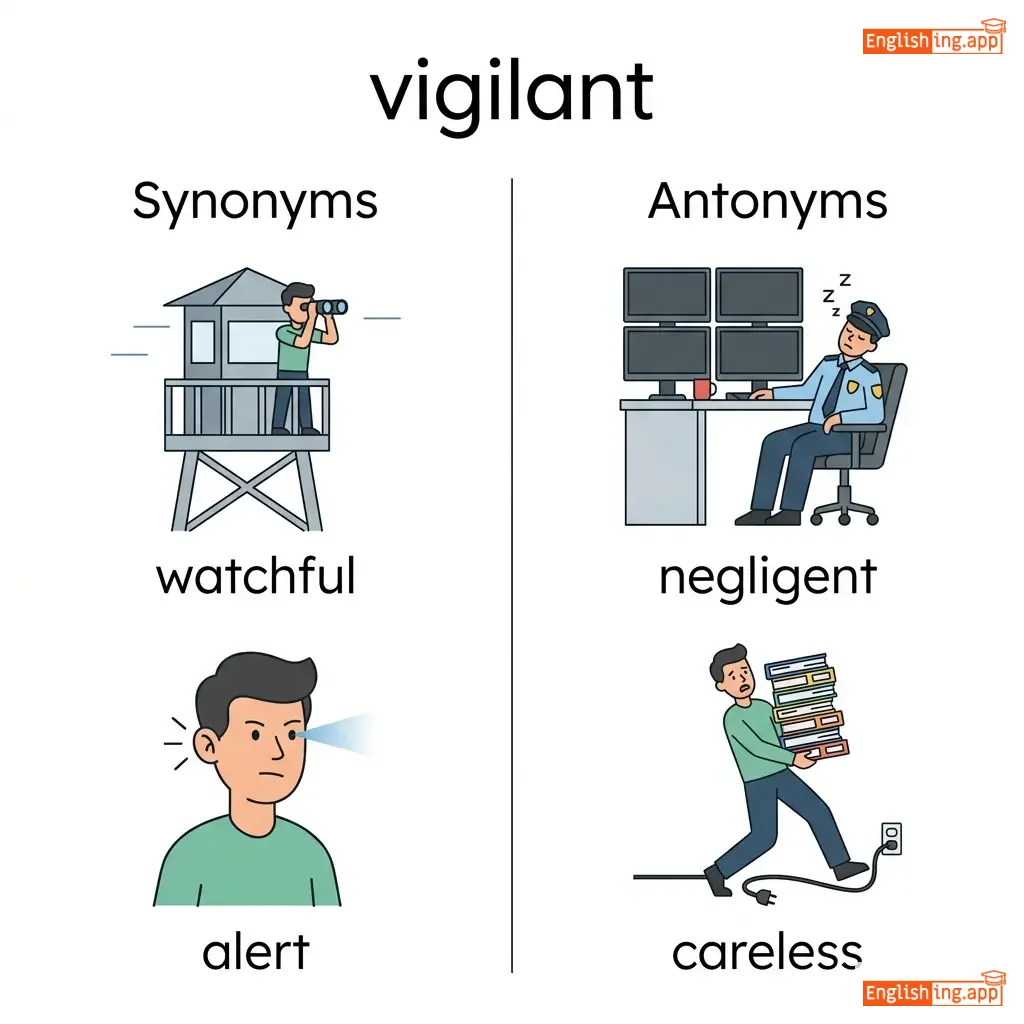
同義語
対義語
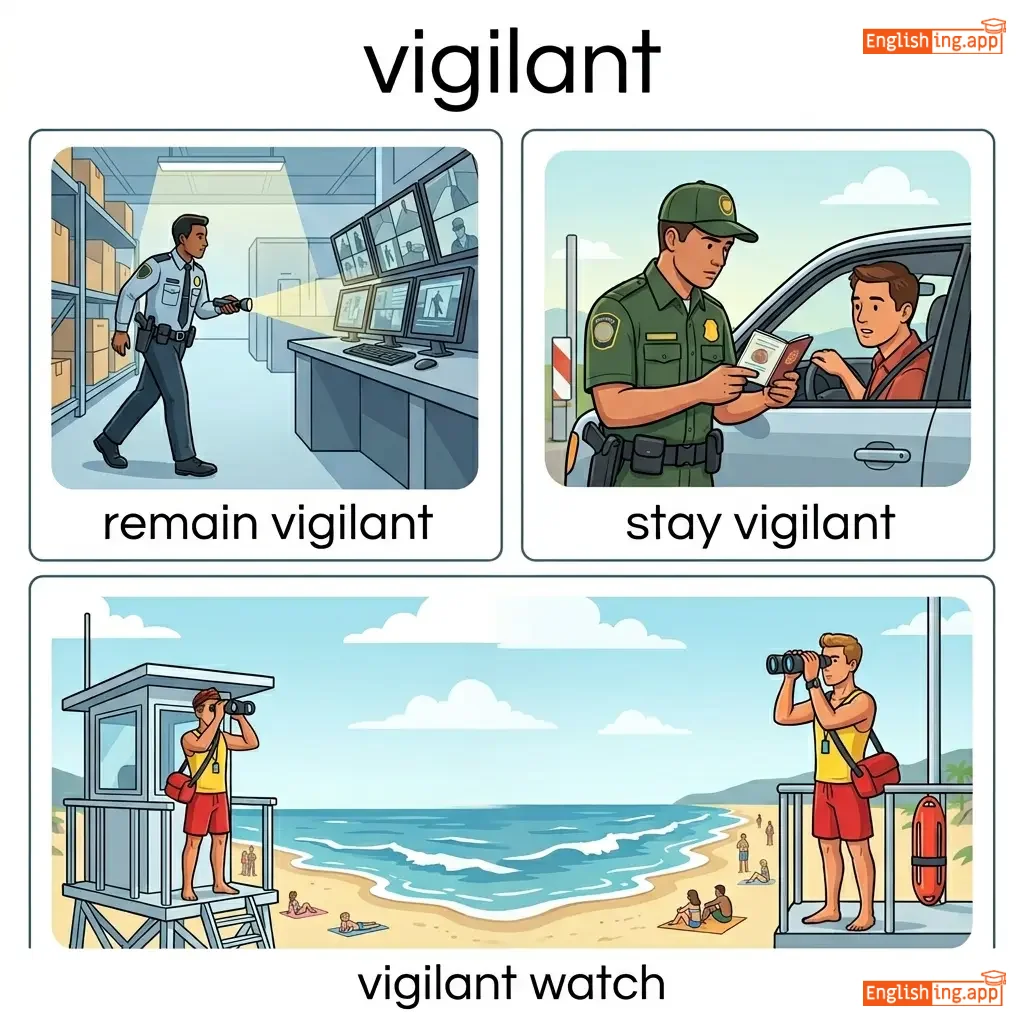
コロケーション
ニーモニック
Swipe left or right, or use the buttons. Tap image to zoom.
例文の翻訳
単語
Lesson 56Lesson 56 - マスクトグル
|
絵文字
|
単語 | Images | 翻訳 | 意味 | 例文 | 例文の翻訳 | 同義語 | 対義語 | コロケーション | ニーモニック |
|---|---|---|---|---|---|---|---|---|---|---|
|
#1101
⚠️
|
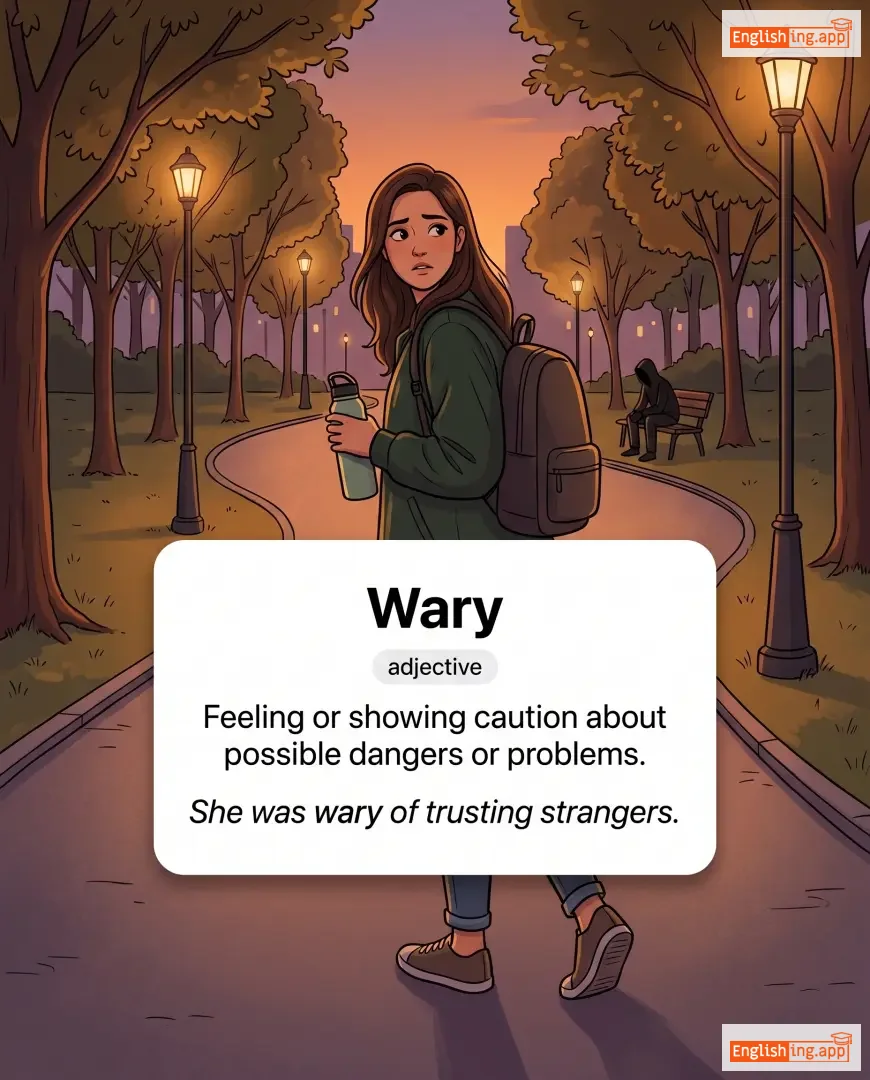
/ˈwer.i/
adjective
(ウェアリ)
••••••
|
|
用心深い; 警戒心の強い
yōjinbukai; keikaishin no tsuyoi
••••••
|
cautious; careful to avoid danger or problems
••••••
|
She was wary of strangers approaching her at night. |
彼女は夜に近づいてくる見知らぬ人に警戒していた。
Kanojo wa yoru ni chikadzuite kuru mishiranu hito ni keikai shite ita.
••••••
|
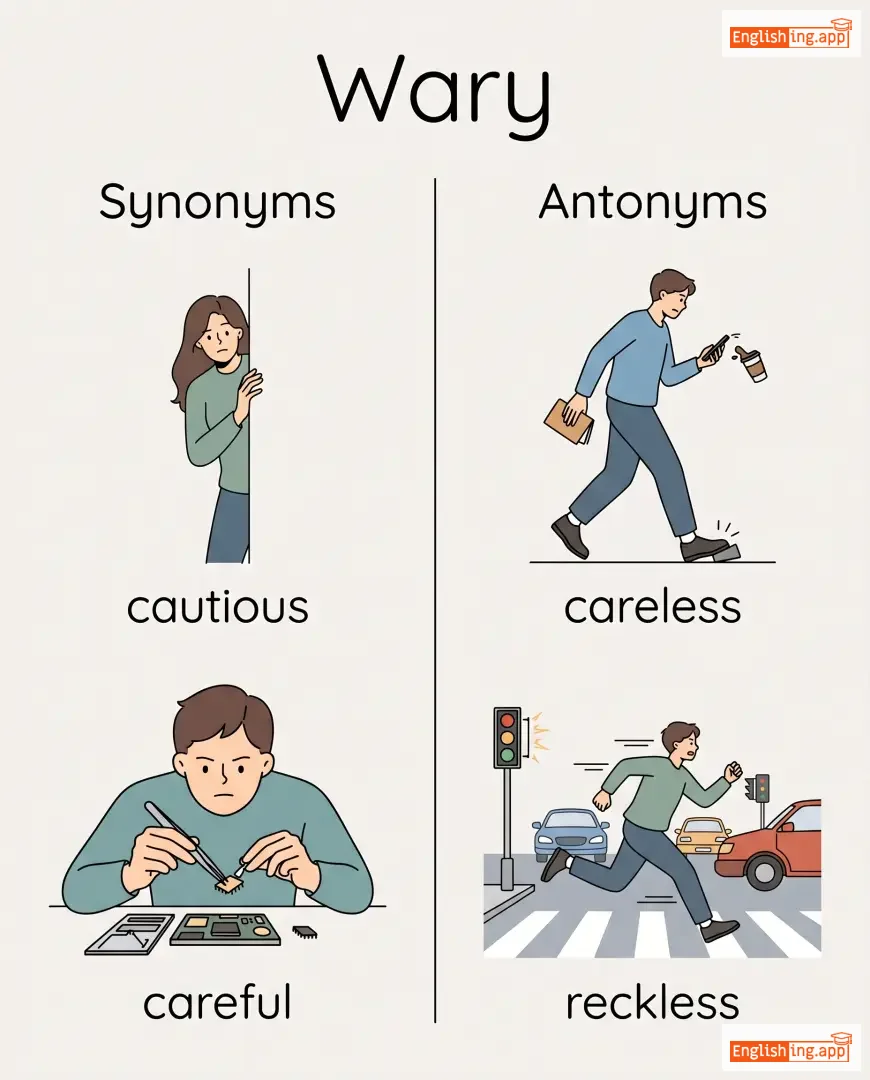
cautious, careful, suspicious, vigilant
••••••
|
careless, trusting, reckless, naive
••••••
|
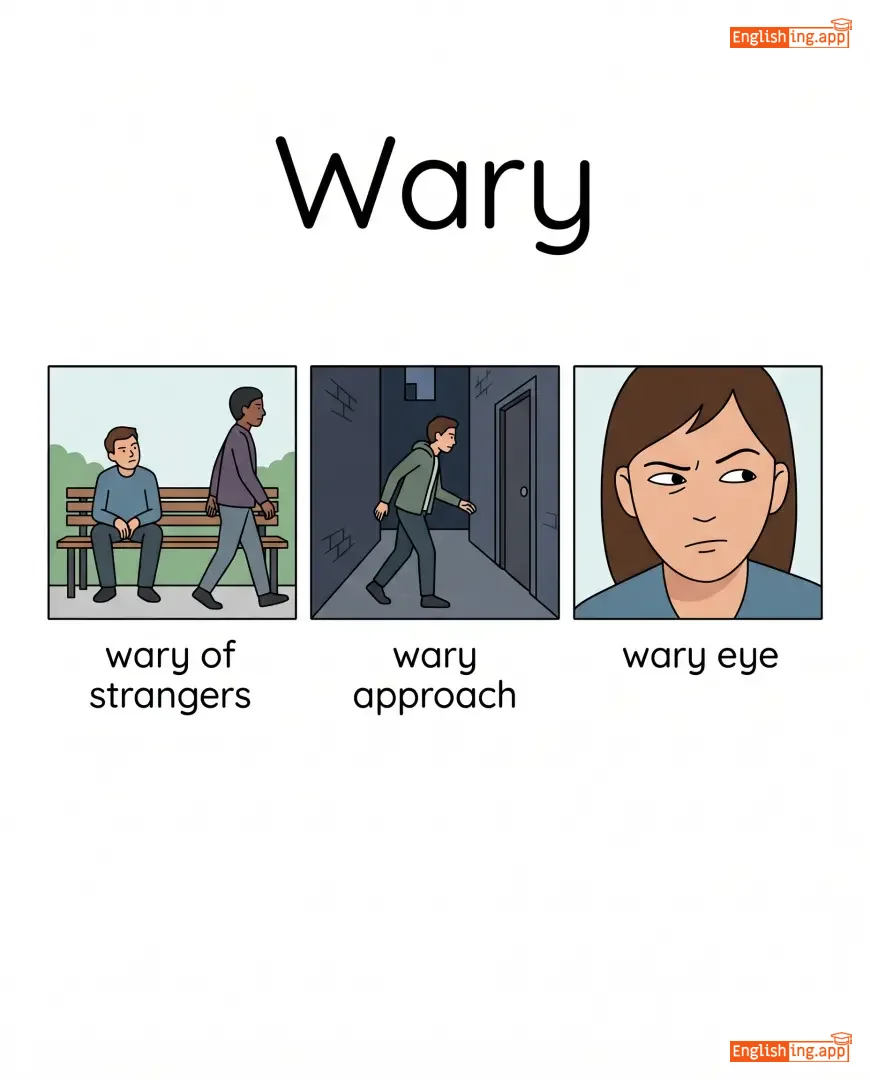
wary of, remain wary, grow wary, be wary
••••••
|
ja: '用心深い' means cautious and aware, just like being wary.
••••••
|
|
#1102
💪
|
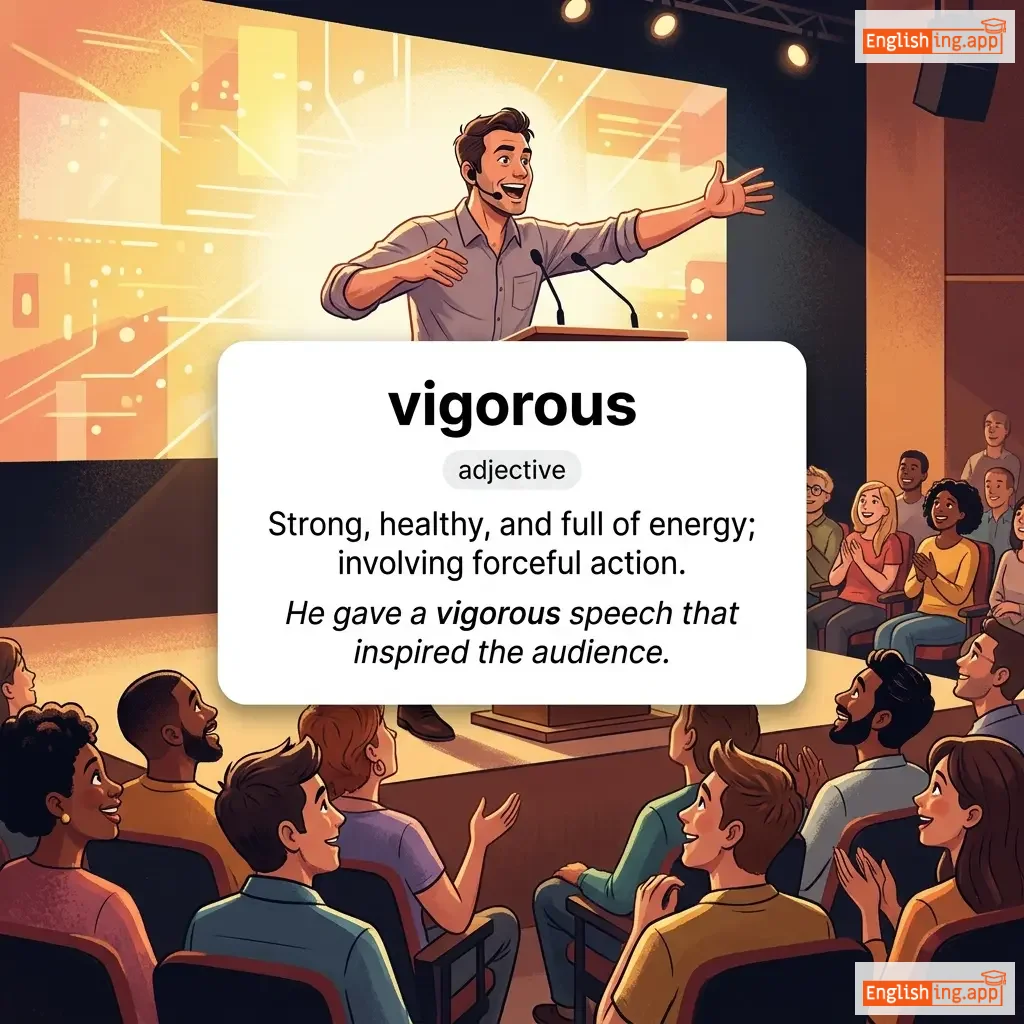
/ˈvɪɡ.ər.əs/
adjective
(ヴィゴラス)
••••••
|
|
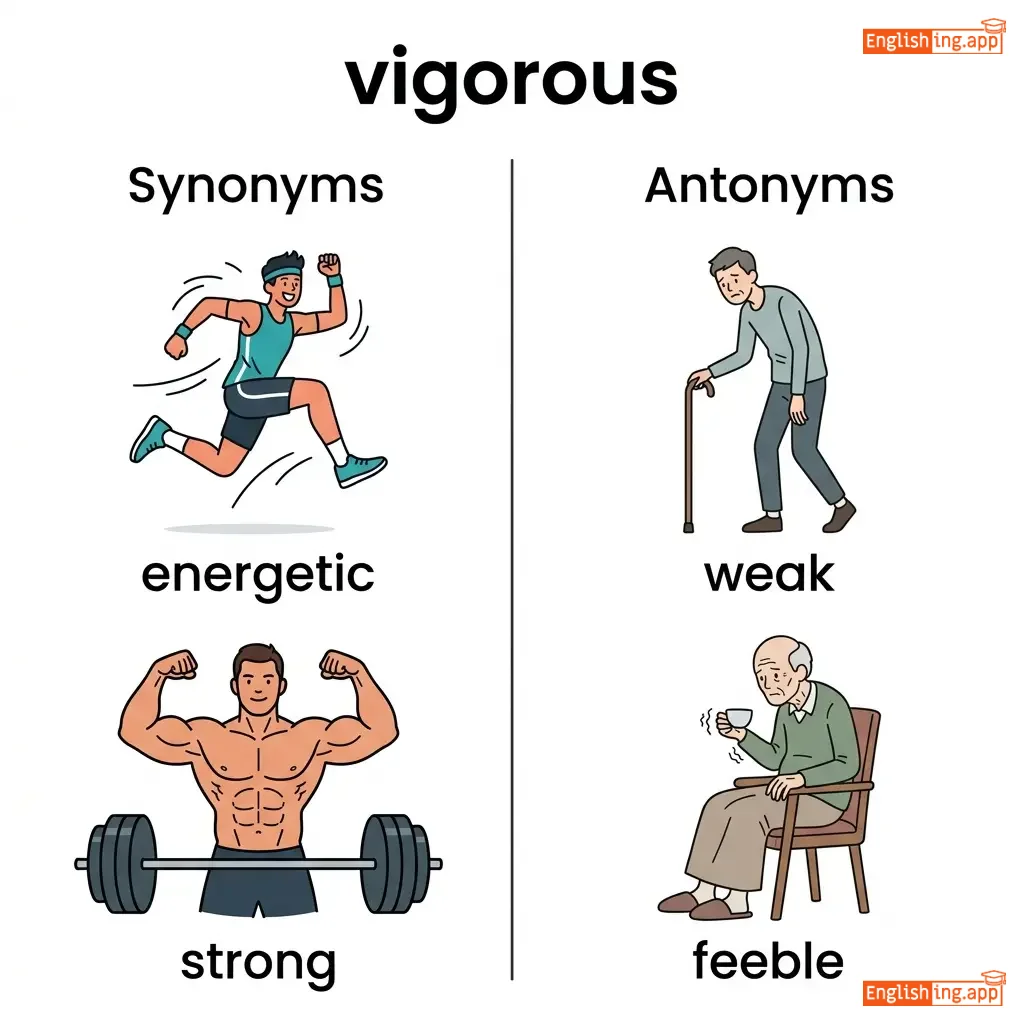
活発な; 強い; 健康的な
kappatsu na; tsuyoi; kenkou-teki na
••••••
|
full of physical strength, effort, activity, or energy; strong and healthy
••••••
|
She took a vigorous walk in the park every morning.
彼女は毎朝公園で活発に歩いた。
••••••
|
彼女は毎朝公園で活発に歩いた。
Kanojo wa mai asa kouen de kappatsu ni aruita.
••••••
|
energetic, strong, powerful, robust, dynamic
••••••
|
weak, feeble, sluggish, lethargic, frail
••••••
|
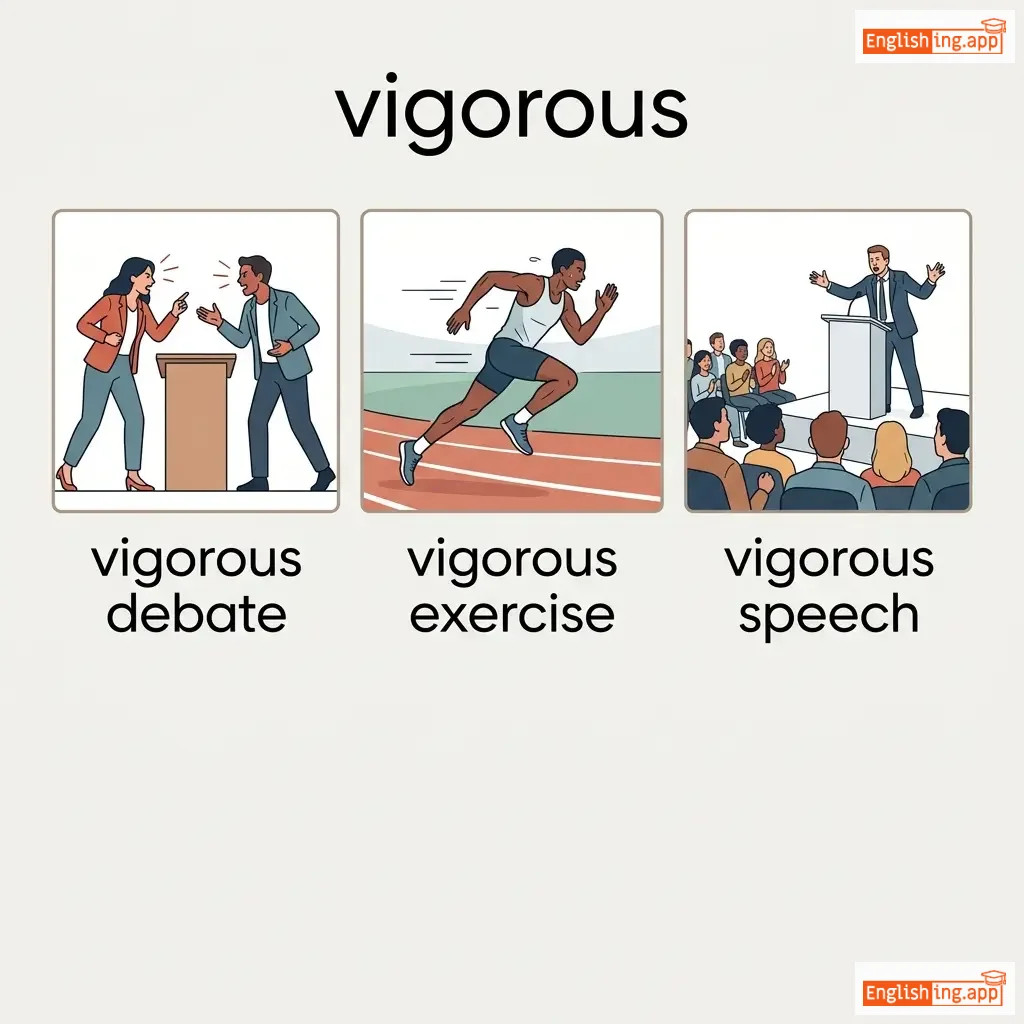
vigorous exercise, vigorous debate, vigorous growth
••••••
|
Vigorous = 活発に歩く (エネルギーと健康)
••••••
|
|
#1103
🙋♀️
|
/ˈvɒl.ən.tər.i/
adjective
(ボランタリー)
••••••
|
- •••••• |
自発的
jihatsuteki
••••••
|
done willingly without being forced; given or done freely
••••••
|
She made a voluntary donation to the charity. |
彼女は慈善団体に自発的に寄付をしました。
Kanojo wa jizen dantai ni jihatsuteki ni kifu o shimashita.
••••••
|
optional, willing, deliberate, intentional
••••••
|
mandatory, compulsory, forced, involuntary
••••••
|
voluntary work, voluntary service, voluntary basis
••••••
|
自発的な行動は強制されない自由な行動です。
••••••
|
|
#1104
😇
|
/ˈvɜːr.tʃu.əs/
adjective
(ヴァーチュアス)
••••••
|
- •••••• |
徳のある; 正義の; 道徳的に優れた;
toku no aru; seigi no; dōtoku-teki ni sugureta
••••••
|
having high moral standards; righteous; morally excellent
••••••
|
She is known for her virtuous character and honest dealings.
彼女はその徳のある性格と正直な取引で知られています。
••••••
|
彼女はその徳のある性格と正直な取引で知られています。
kanojo wa sono toku no aru seikaku to shōjiki na torihiki de shirareteimasu
••••••
|
moral, righteous, ethical, noble, pure
••••••
|
immoral, corrupt, wicked, sinful, vicious
••••••
|
virtuous behavior, virtuous person, virtuous cycle, virtuous life
••••••
|
Virtuous を思い出すとき、道徳的な高さを持つ人を思い描いてください。
••••••
|
|
#1105
🗑️
|
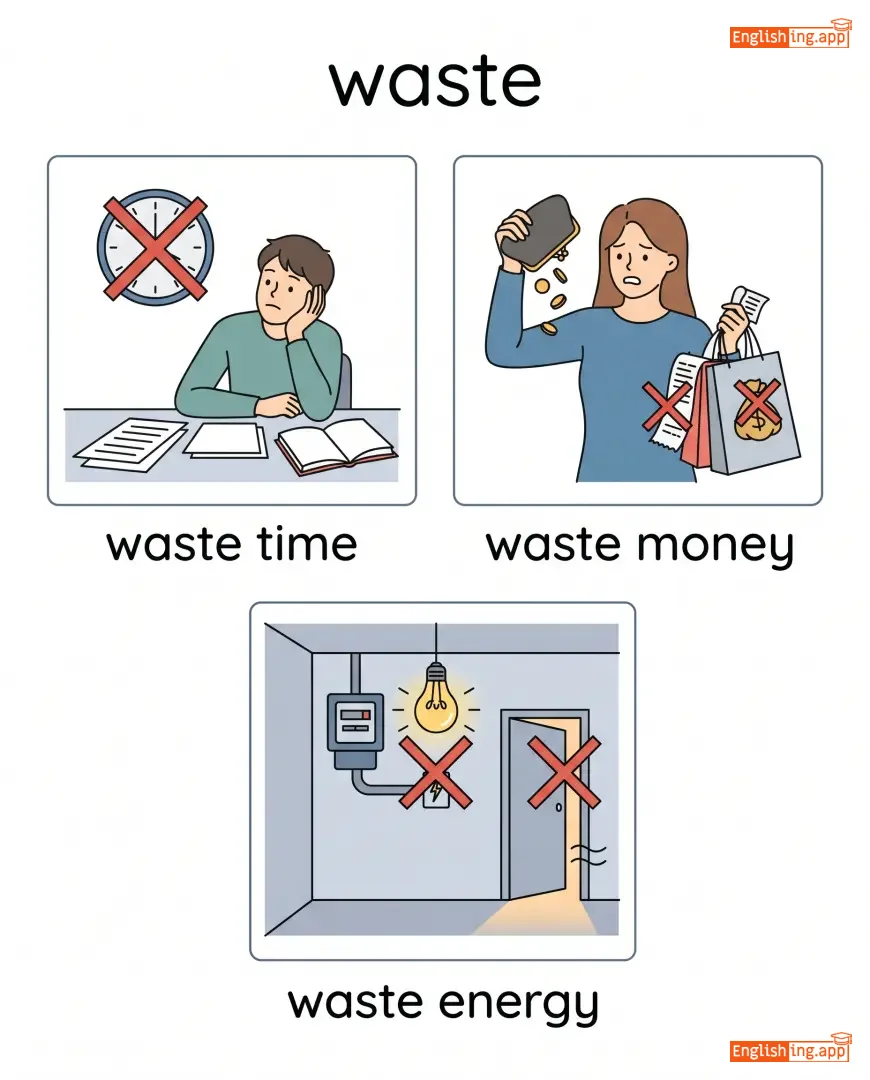
/weɪst/
adjective
(ウェイスト)
••••••
|
|
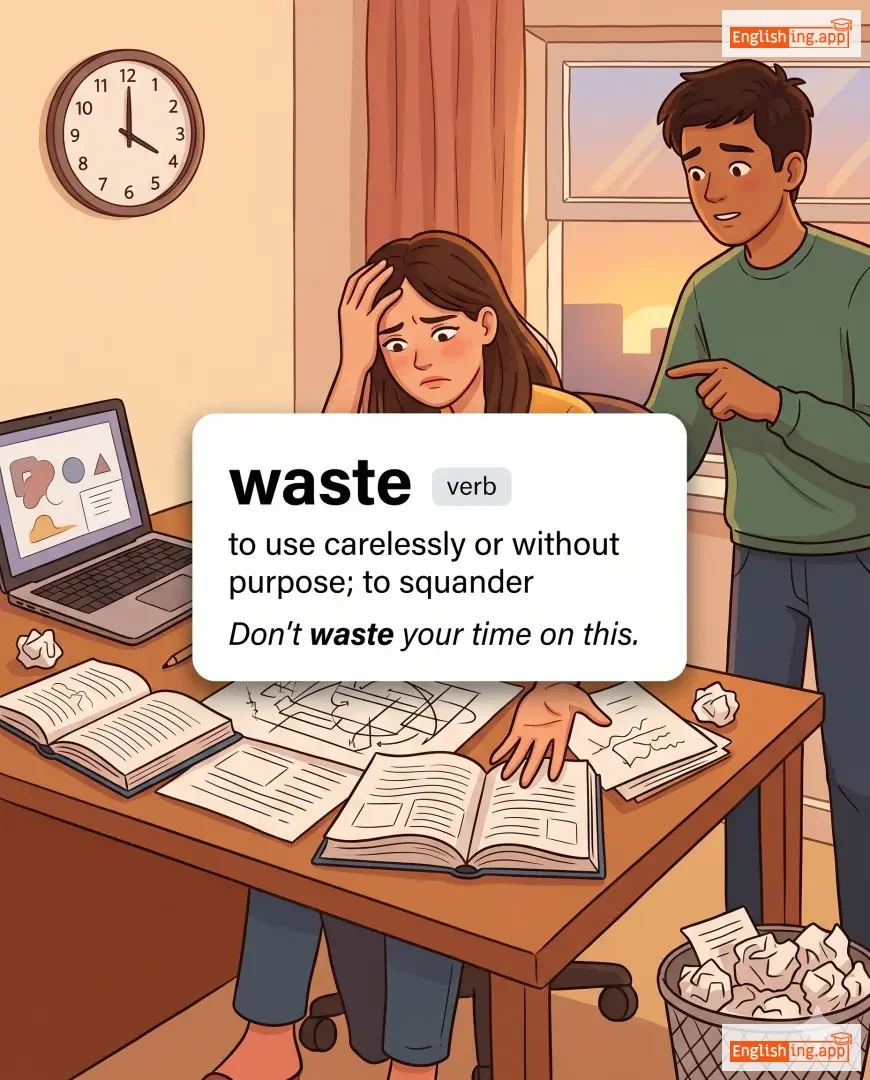
無駄; 廃棄物; 不毛または未開発
muda; haikibutsu; fumō mata wa mikaihatsu
••••••
|
unused; discarded; barren or uncultivated
••••••
|
The waste land was converted into a beautiful park.
荒れ地は美しい公園に変わりました。
••••••
|
荒れ地は美しい公園に変わりました。
Arechi wa utsukushii kōen ni kawarimashita.
••••••
|
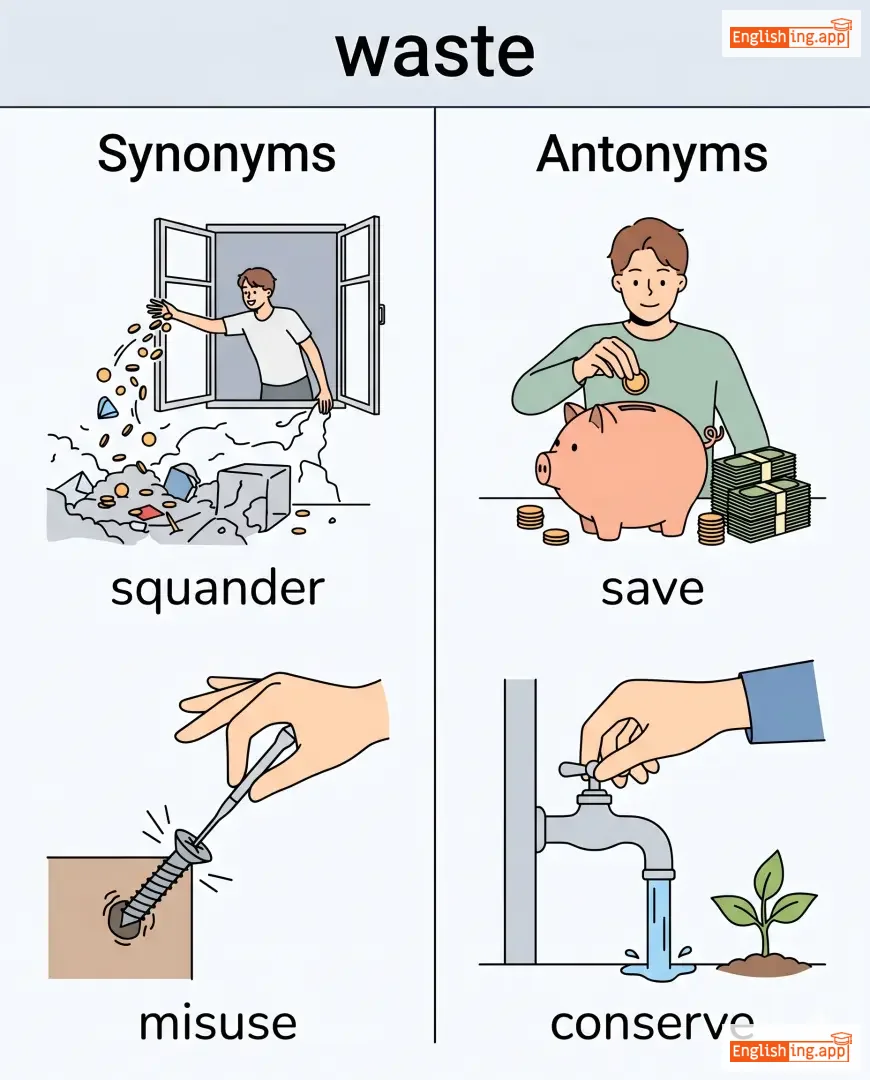
unused, discarded, barren, desolate
••••••
|
useful, productive, fertile, cultivated
••••••
|
waste land, waste material, waste products, waste time
••••••
|
Waste = 無駄 (muda) - Imagine wasting land that could be developed
••••••
|
|
#1106
😠
|
/vɪnˈdɪk.tɪv/
adjective
(ヴィンディクティブ)
••••••
|
|
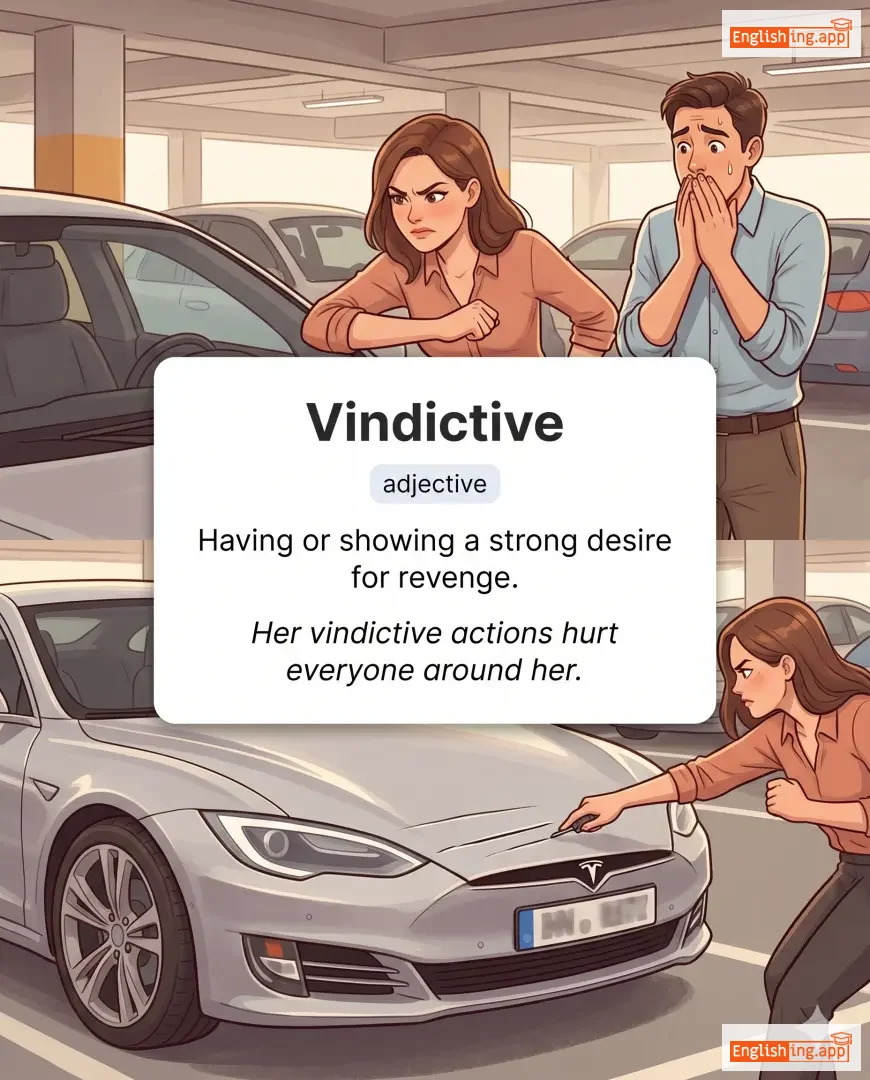
復讐心の強い
fukushūshin no tsuyoi
••••••
|
having or showing a strong or unreasoning desire for revenge
••••••
|
His vindictive behavior towards his former colleagues was unprofessional.
彼の復讐心に満ちた行動は、以前の同僚に対して不適切でした。
••••••
|
彼の復讐心に満ちた行動は、以前の同僚に対して不適切でした。
Kare no fukushūshin ni michita kōdō wa, izen no dōryō ni taishite futekisetsu deshita.
••••••
|
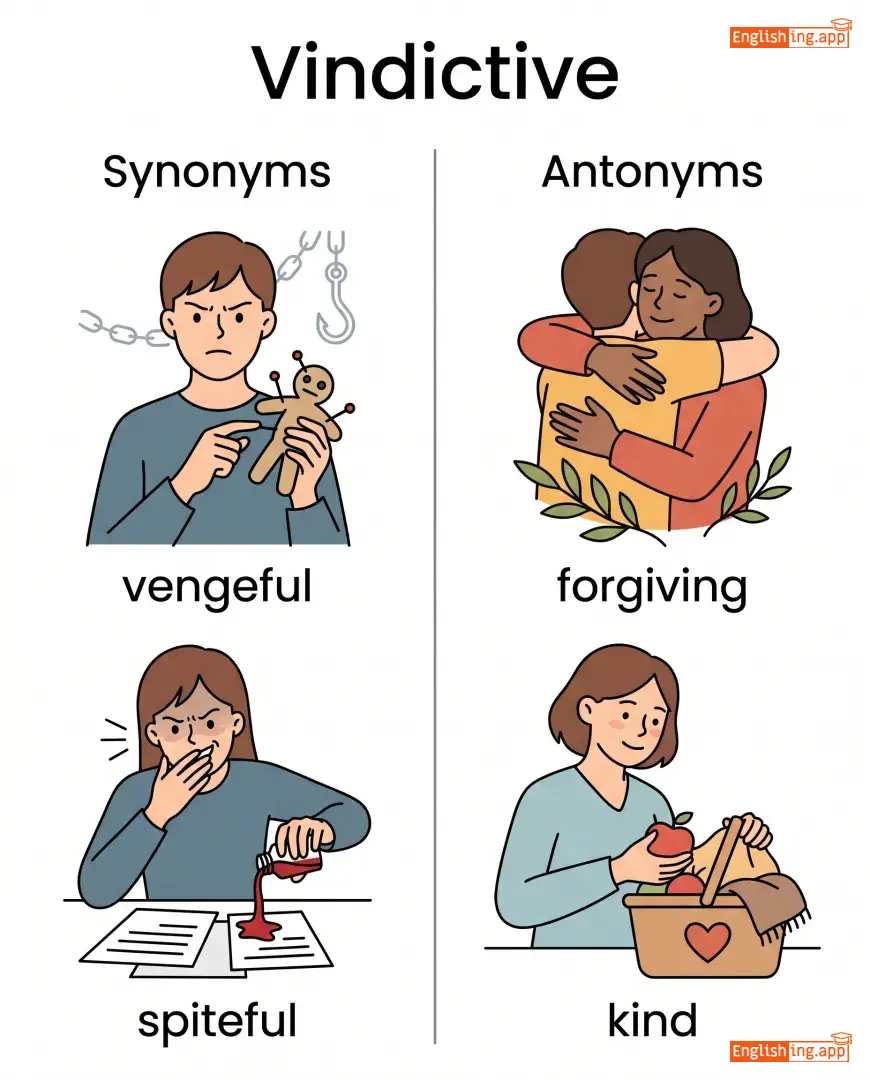
vengeful, spiteful, malicious, revengeful, retaliatory
••••••
|
forgiving, merciful, compassionate, magnanimous, benevolent
••••••
|
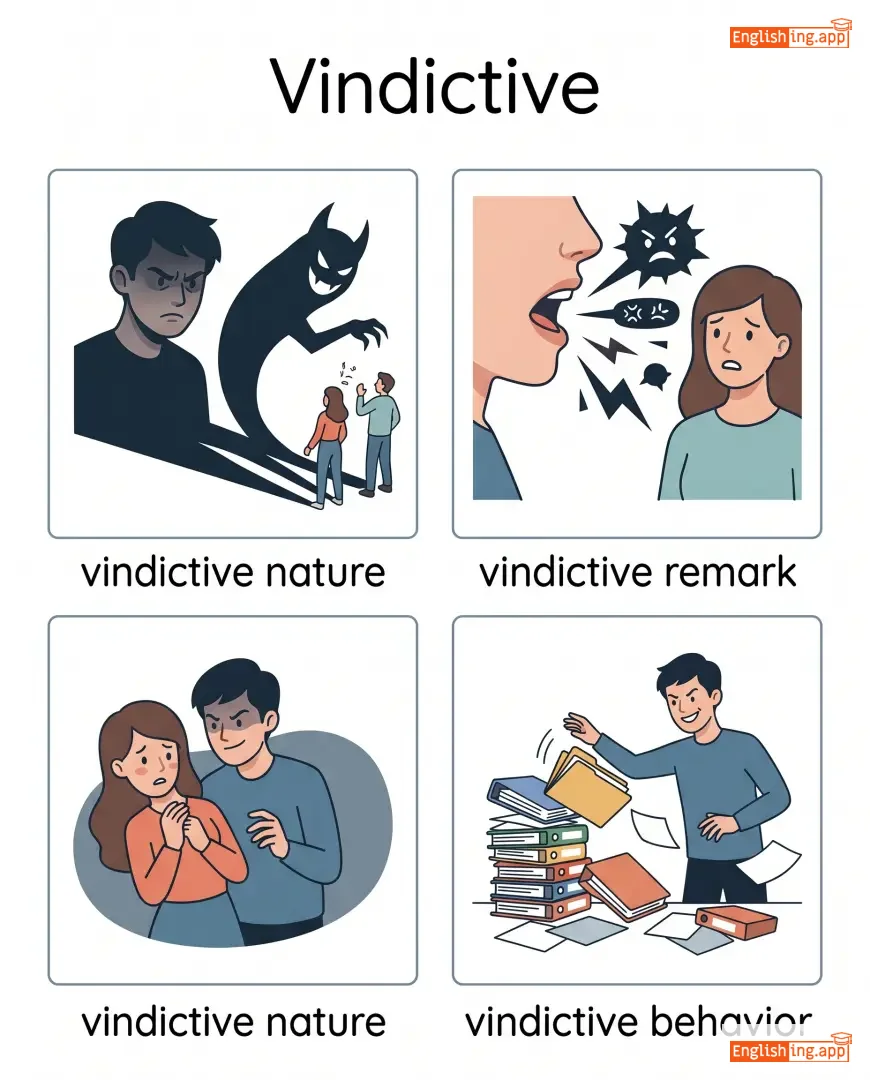
vindictive attitude, vindictive behavior, vindictive person
••••••
|
復讐心の強い人は何も忘れません。
••••••
|
|
#1107
🍽️
|
/vəˈreɪ.ʃəs/
adjective
(ボレイシャス)
••••••
|
|
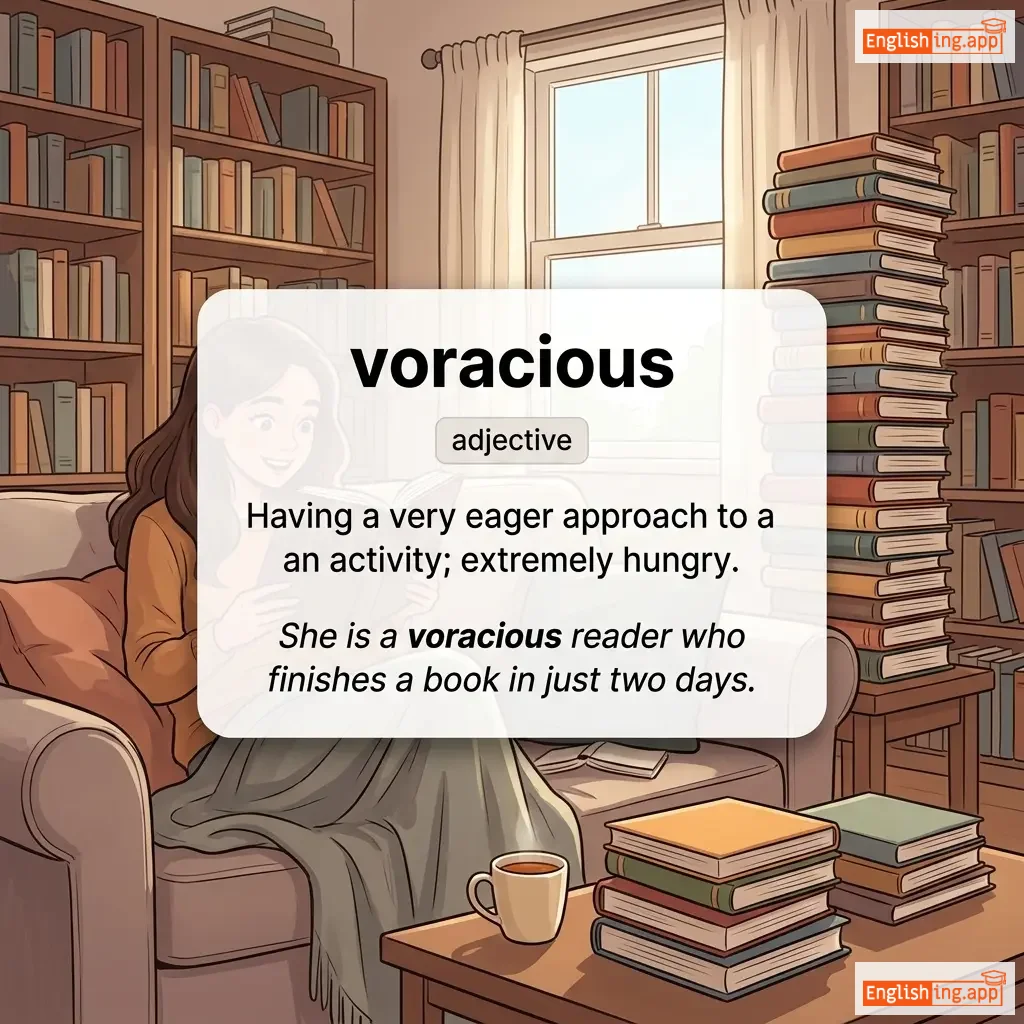
貪欲な; 極度に空腹な
dongyoku na; kyokudo ni kuu fuku na
••••••
|
having a very eager approach to an activity; extremely hungry
••••••
|
He is a voracious reader who finishes three books a week. |
彼は毎週三冊の本を読み終える貪欲な読者です。
Kare wa maishū sansatsu no hon o yomi oeru dongyoku na dokusha desu.
••••••
|
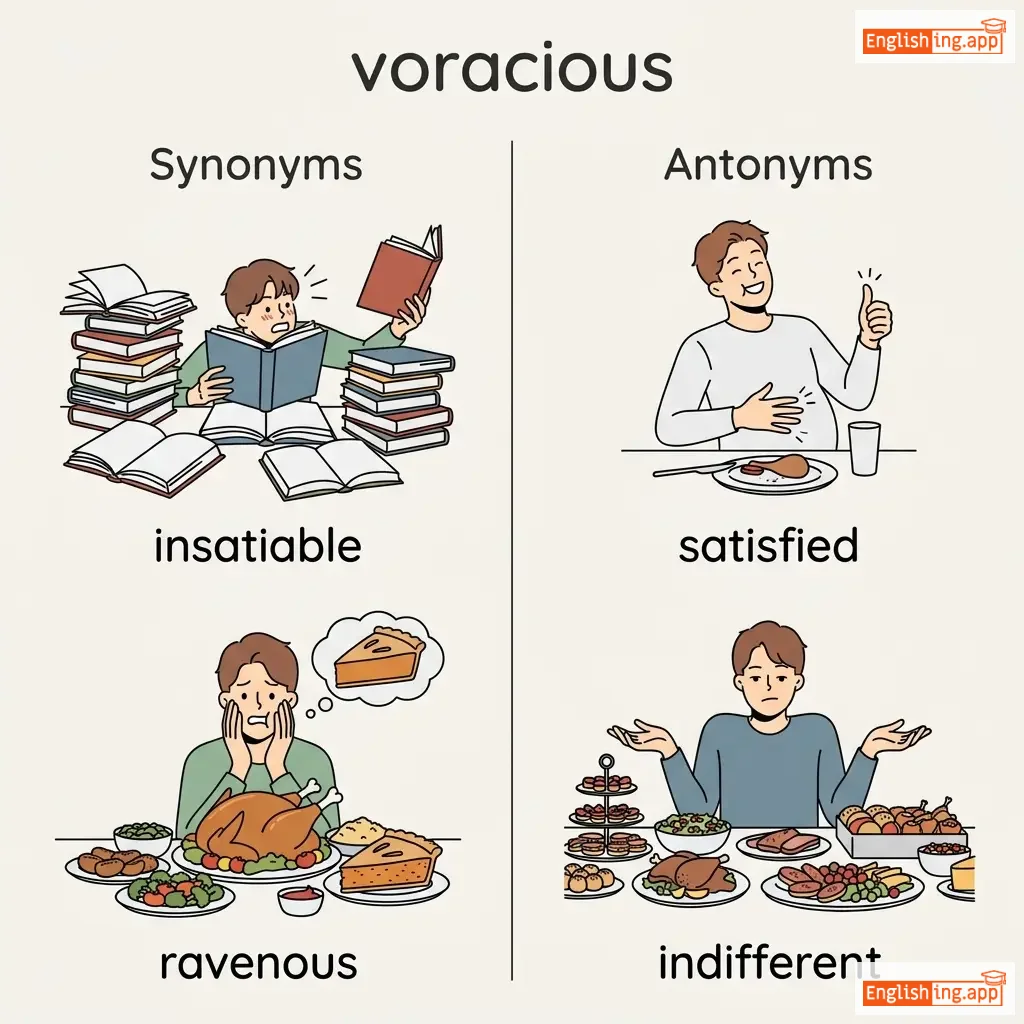
greedy, insatiable, ravenous, eager
••••••
|
satisfied, moderate, restrained, temperate
••••••
|
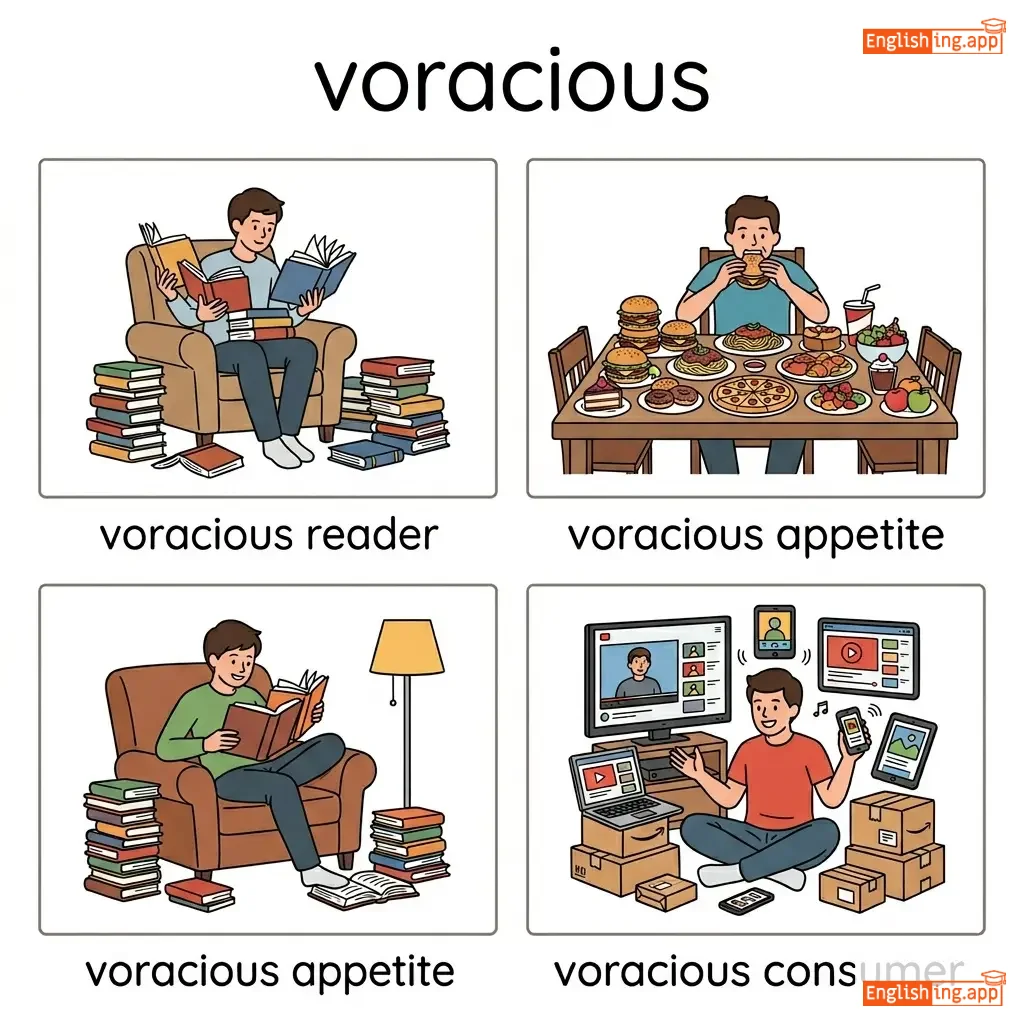
voracious appetite, voracious reader, voracious learner
••••••
|
Voracious = 貪欲な、読書に飽きることがないような読者のように。
••••••
|
|
#1108
👁️
|
/ˈvɪz.ə.bəl/
adjective
(ビジブル)
••••••
|
- •••••• |
視覚的な; 明らか; 目立つ
shikakuteki na; akiraka; medatsu
••••••
|
able to be seen; noticeable; apparent
••••••
|
The mountain peak was clearly visible from our hotel room. |
山の頂はホテルの部屋からはっきりと見えました。
Yama no itadaki wa hoteru no heya kara hakkiri to miemashita.
••••••
|
apparent, noticeable, evident, observable, clear
••••••
|
invisible, hidden, concealed, obscured, unseen
••••••
|
clearly visible, highly visible, barely visible, visible light, visible signs
••••••
|
‘ビジブル’ は見えることを意味します。
••••••
|
|
#1109
🔮
|
/ˈvɪʒ.ən.er.i/
adjective
(ビジョナリー)
••••••
|
- •••••• |
先見の明がある; 創造的;
senken no mei ga aru; souzouteki
••••••
|
having original ideas about what the future will bring; innovative; imaginative
••••••
|
Steve Jobs was a visionary leader who revolutionized technology. |
スティーブ・ジョブズはテクノロジーを革新した先見の明があるリーダーでした。
Sutibu Jobuzu wa tekunorojii o kakushin shita senken no mei ga aru riidaa deshita.
••••••
|
innovative, imaginative, forward-thinking, pioneering, prophetic
••••••
|
conventional, traditional, backward-thinking, unimaginative, realistic
••••••
|
visionary leader, visionary ideas, visionary thinking, visionary approach
••••••
|
In Japanese, a visionary leader is '先見の明があるリーダー'!
••••••
|
|
#1110
🤢
|
/ˈvʌl.ɡər/
adjective
(バルガー)
••••••
|
- •••••• |
下品; 粗野; 無礼;
gehin; soya; burei
••••••
|
lacking sophistication or good taste; crude and offensive in language or behavior
••••••
|
His vulgar language offended everyone at the dinner party.
彼のバルガーな言葉はディナーパーティーの皆を不快にさせた。
••••••
|
彼の下品な言葉はディナーパーティーの皆を不快にさせた。
kare no gehin na kotoba wa dinā pāti no mina o fukai ni saseta.
••••••
|
crude, coarse, rude, offensive, indecent
••••••
|
refined, polite, sophisticated, tasteful, decent
••••••
|
vulgar language, vulgar behavior, vulgar display
••••••
|
バルガーとVulgarは同じ意味です、英語と日本語で!
••••••
|
|
#1111
🏆
|
/vɪkˈtɔː.ri.əs/
adjective
(vɪkˈtɔːɹiəs)
••••••
|
- •••••• |
勝利した
shōri shita
••••••
|
having won a victory; successful in a struggle or contest
••••••
|
The victorious team celebrated their championship win with great joy.
勝利したチームは、チャンピオンシップの勝利を大きな喜びで祝いました。
••••••
|
勝利したチームは、チャンピオンシップの勝利を大きな喜びで祝いました。
Shōri shita chīmu wa, chanpionshipu no shōri o ōkina yorokobi de iwai mashita.
••••••
|
triumphant, successful, winning, conquering, champion
••••••
|
defeated, losing, unsuccessful, vanquished, beaten
••••••
|
victorious army, victorious candidate, victorious team, victorious battle
••••••
|
勝利したチームは常にその勝利を祝います。
••••••
|
|
#1112
💥
|
/ˈvaɪə.lənt/
adjective
(vaiorento)
••••••
|
- •••••• |
暴力的な; 攻撃的な
bōryokuteki na; kōgekiteki na
••••••
|
using or involving physical force intended to hurt, damage, or kill; very forceful or powerful
••••••
|
The violent storm caused significant damage to the coastal areas. |
暴力的な嵐は沿岸地域に重大な損害を与えました。
Bōryokuteki na arashi wa engan chiiki ni jūdai na songai o ataemashita.
••••••
|
aggressive, brutal, fierce, intense, savage
••••••
|
peaceful, gentle, calm, mild, nonviolent
••••••
|
violent crime, violent storm, violent behavior
••••••
|
Violence is forceful and destructive.
••••••
|
|
#1113
🌈
|
/ˈvɪv.ɪd/
adjective
(ビビッド)
••••••
|
- •••••• |
鮮やかな; 明るい; 明確な;
azakana; akarui; meikaku na
••••••
|
producing powerful feelings or strong, clear images in the mind; bright and intense
••••••
|
She has vivid memories of her childhood in the countryside.
彼女は田舎での子供時代の鮮明な記憶を持っています。
••••••
|
彼女は田舎での子供時代の鮮明な記憶を持っています。
kanojo wa inaka de no kodomojidai no senmei na kioku o motteimasu.
••••••
|
bright, intense, clear, graphic, lifelike
••••••
|
dull, faint, vague, pale, dim
••••••
|
vivid colors, vivid imagination, vivid description, vivid memory, vivid dreams
••••••
|
Vivid - Think of the 'V' for 'Vibrant' and '鮮やか' (azakana) in Japanese!
••••••
|
|
#1114
💜
|
/ˈvaɪə.lət/
adjective
(vaioretto)
••••••
|
- •••••• |
紫色
murasakishoku
••••••
|
of a bluish-purple color
••••••
|
She wore a beautiful violet dress to the party.
彼女はパーティーに美しいバイオレットのドレスを着ていました。
••••••
|
彼女はパーティーに美しい紫色のドレスを着ていました。
Kanojo wa pātii ni utsukushī murasakishoku no doresu o kiteimashita.
••••••
|
purple, lavender, mauve, lilac, amethyst
••••••
|
yellow, orange, green, red, blue
••••••
|
violet color, violet flower, violet light
••••••
|
The color of twilight and the beauty of violet flowers.
••••••
|
|
#1115
😳
|
/ˈweɪ.kɪŋ/
adjective
(ウェイキング)
••••••
|
- •••••• |
目覚めている; 意識的な
mezamete iru; ishikiteki na
••••••
|
awake and conscious; relating to the time when one is awake
••••••
|
She spent her waking hours studying for the exam. |
彼女は試験のために目覚めている時間を勉強に費やしました。
Kanojo wa shiken no tame ni mezamete iru jikan wo benkyou ni tsuiyashimashita.
••••••
|
awake, conscious, alert, aware
••••••
|
sleeping, unconscious, dormant, asleep
••••••
|
waking hours, waking life, waking moment
••••••
|
目覚めている間に勉強することを忘れないで。
••••••
|
|
#1116
👻
|
/ˈvjuː.ləs/
adjective
(vjuːləs)
••••••
|
- •••••• |
見えない; 意見なし
mienai; iken nashi
••••••
|
invisible; having no views or opinions
••••••
|
The ghost remained viewless to most people in the haunted house.
幽霊はお化け屋敷のほとんどの人々には見えませんでした。
••••••
|
幽霊はお化け屋敷のほとんどの人々には見えませんでした。
Yūrei wa obake yashiki no hotondo no hitobito ni wa miemasen deshita.
••••••
|
invisible, unseen, hidden, imperceptible, unobservable
••••••
|
visible, observable, apparent, noticeable, evident
••••••
|
viewless spirit, viewless presence, viewless form, viewless entity
••••••
|
幽霊のように、見えない(viewless)存在!
••••••
|
|
#1117
🗣️
|
/ˈvɒl.jʊ.bəl/
adjective
(ヴォルーブル)
••••••
|
- •••••• |
おしゃべりな; 多弁な
osheberina; tabenna
••••••
|
speaking fluently and readily; talkative; having a continuous flow of words
••••••
|
The voluble salesman talked for hours about his products. |
おしゃべりなセールスマンは自分の製品について何時間も話し続けました。
osheberina seeruman wa jibun no seihin ni tsuite nan jikan mo hanashitsuzukemashita
••••••
|
talkative, fluent, eloquent, glib, chatty
••••••
|
taciturn, silent, quiet, reserved, reticent
••••••
|
voluble speaker, voluble chatter, voluble explanation, voluble response
••••••
|
Voluble = 止まらない話しのように、途切れることなく話す
••••••
|
|
#1118
💻
|
/ˈvɜː.tʃu.əl/
adjective
(ヴァーチャル)
••••••
|
- •••••• |
バーチャル
bācharu
••••••
|
almost or nearly as described, but not completely or according to strict definition; existing in essence or effect, though not in fact
••••••
|
The virtual meeting allowed participants from different countries to collaborate.
バーチャル会議は、さまざまな国からの参加者が協力することを可能にしました。
••••••
|
バーチャル会議は、さまざまな国からの参加者が協力することを可能にしました。
Bācharu kaigi wa, samazama na kuni kara no sankasha ga kyōryoku suru koto o kanō ni shimashita.
••••••
|
simulated, digital, online, computerized, artificial
••••••
|
real, actual, physical, tangible, concrete
••••••
|
virtual reality, virtual meeting, virtual world
••••••
|
バーチャル: 実際のように見えるが完全にはリアルではない。
••••••
|
|
#1119
😈
|
/ˈwɒn.tən/
adjective
(ワントン)
••••••
|
- •••••• |
故意で挑発されていない; 性的に不謹慎または放蕩
wanton
••••••
|
deliberate and unprovoked; sexually immodest or promiscuous
••••••
|
The vandals caused wanton destruction to the public property. |
破壊者たちは公共財産に故意の破壊をもたらしました。
Hakaitachi wa kōkyō zaisan ni koi no hakai o motarashimashita.
••••••
|
reckless, deliberate, malicious, unprovoked, wild
••••••
|
restrained, controlled, modest, justified, careful
••••••
|
wanton destruction, wanton cruelty, wanton behavior
••••••
|
WANTON - 正当な理由もなく行動する
••••••
|
|
#1120
👁️
|
/ˈvɪdʒ.ɪ.lənt/
adjective
(ヴィジラント)
••••••
|
|
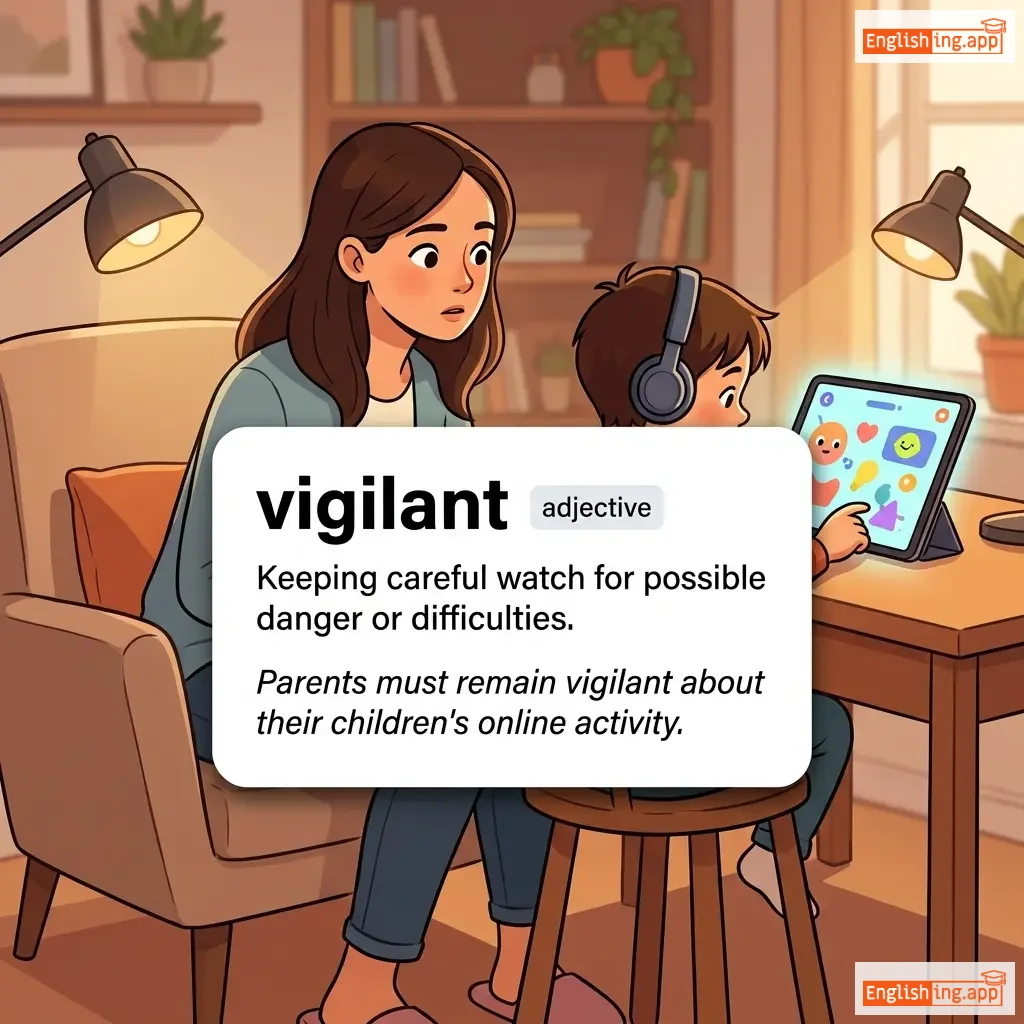
用心深い
yōshin bukai
••••••
|
keeping careful watch for possible danger or difficulties
••••••
|
The security guard remained vigilant throughout the night shift. |
警備員は夜間勤務中に用心深く見守っていました。
Keibiin wa yakan kinmu-chū ni yōshin bukai mi-momotte imashita.
••••••
|
alert, watchful, cautious, attentive, observant
••••••
|
careless, negligent, inattentive, unaware, oblivious
••••••
|
vigilant guard, vigilant citizen, vigilant watch, vigilant surveillance
••••••
|
ヴィジラント - 目を覚まし、警備員のように用心深く
••••••
|
Vocabulary Quiz
Test your vocabulary by matching words with their translations or meanings.
Login to take the quiz
Comments (0)
Share your thoughts and join the discussion.
Join the discussion by logging in
Login to CommentNo comments yet
Be the first to share your thoughts!