

翻訳
過去
過去分詞
三人称単数
動名詞
意味
例文
例文の翻訳
同義語
対義語
コロケーション
ニーモニック
Swipe left or right, or use the buttons. Tap image to zoom.
例文の翻訳
単語
Lesson 10Lesson 10 - マスクトグル
|
絵文字
|
単語 | Images | 翻訳 | 意味 | 例文 | 例文の翻訳 | 同義語 | 対義語 | コロケーション | ニーモニック |
|---|---|---|---|---|---|---|---|---|---|---|
|
#181
👑
|
/ˈdɒm.ɪ.nənt/
adjective
(ドミナント)
••••••
|
- •••••• |
支配的な; 影響力のある; 最も重要な
shihai-teki na; eikyō-ryoku no aru; mottomo jūyō na
••••••
|
controlling, influencing, or prevailing over others; most important or powerful
••••••
|
The dominant player controlled the entire basketball game. |
支配的な選手はバスケットボールの試合を完全に支配しました。
Shihai-teki na senshu wa basukettobōru no shiai o kanzen ni shihai shimashita.
••••••
|
controlling, ruling, prevailing, commanding
••••••
|
submissive, subordinate, recessive, weak
••••••
|
dominant force, dominant position, dominant culture, dominant hand
••••••
|
支配的な選手は試合を支配する、まるでバスケットボールの王のように。
••••••
|
|
#182
😍
|
/ˈiː.ɡər/
adjective
(イーガー)
••••••
|
- •••••• |
熱心な; 期待に満ちた; わくわくしている
nesshin na, kitai ni michita, wakuwaku shite iru
••••••
|
showing keen interest; enthusiastic; having or showing desire and excitement
••••••
|
She was eager to start her new job.
彼女は新しい仕事を始めるのを楽しみにしていました。
••••••
|
彼女は新しい仕事を始めるのを楽しみにしていました。
Kanojo wa atarashī shigoto o hajimeru no o tanoshimi ni shite imashita.
••••••
|
enthusiastic, keen, excited, anxious
••••••
|
reluctant, unwilling, indifferent, apathetic
••••••
|
eager to learn, eager for success, eager anticipation
••••••
|
Eager is the way you feel before going on a thrilling rollercoaster ride.
••••••
|
|
#183
😱
|
/ˈdred.fəl/
adjective
(dredful)
••••••
|
- •••••• |
恐ろしい; 恐怖を引き起こす; 恐ろしい
osoroshii; kyōfu o hikiokosu; osoroshii
••••••
|
extremely bad or unpleasant; causing fear or suffering; terrible
••••••
|
The weather was dreadful during our vacation.
私たちの休暇中、天気は dreadful でした。
••••••
|
私たちの休暇中、天気は恐ろしかった。
Watashitachi no kyūka-chū, tenki wa osoroshikatta.
••••••
|
terrible, horrible, awful, frightful
••••••
|
wonderful, pleasant, delightful, excellent
••••••
|
dreadful weather, dreadful mistake, dreadful news
••••••
|
恐ろしい天気は最悪の思い出を呼び起こすようです。
••••••
|
|
#184
😴
|
/dʌl/
adjective
(ダル)
••••••
|
- •••••• |
退屈な; つまらない; 無気力な; 愚かな;
dull
••••••
|
lacking interest or excitement; not bright; lacking intelligence; tedious
••••••
|
The lecture was very dull and boring.
その講義はとても退屈で退屈でした。
••••••
|
その講義はとても退屈で退屈でした。
Sono kougi wa totemo taikutsu de taikutsu deshita.
••••••
|
boring, tedious, uninteresting, lifeless
••••••
|
bright, exciting, interesting, lively
••••••
|
dull pain, dull knife, dull weather, dull moment
••••••
|
Dull is dull even in Japanese!
••••••
|
|
#185
😴
|
/ˈdɔːr.mənt/
adjective
(ドーマント)
••••••
|
|
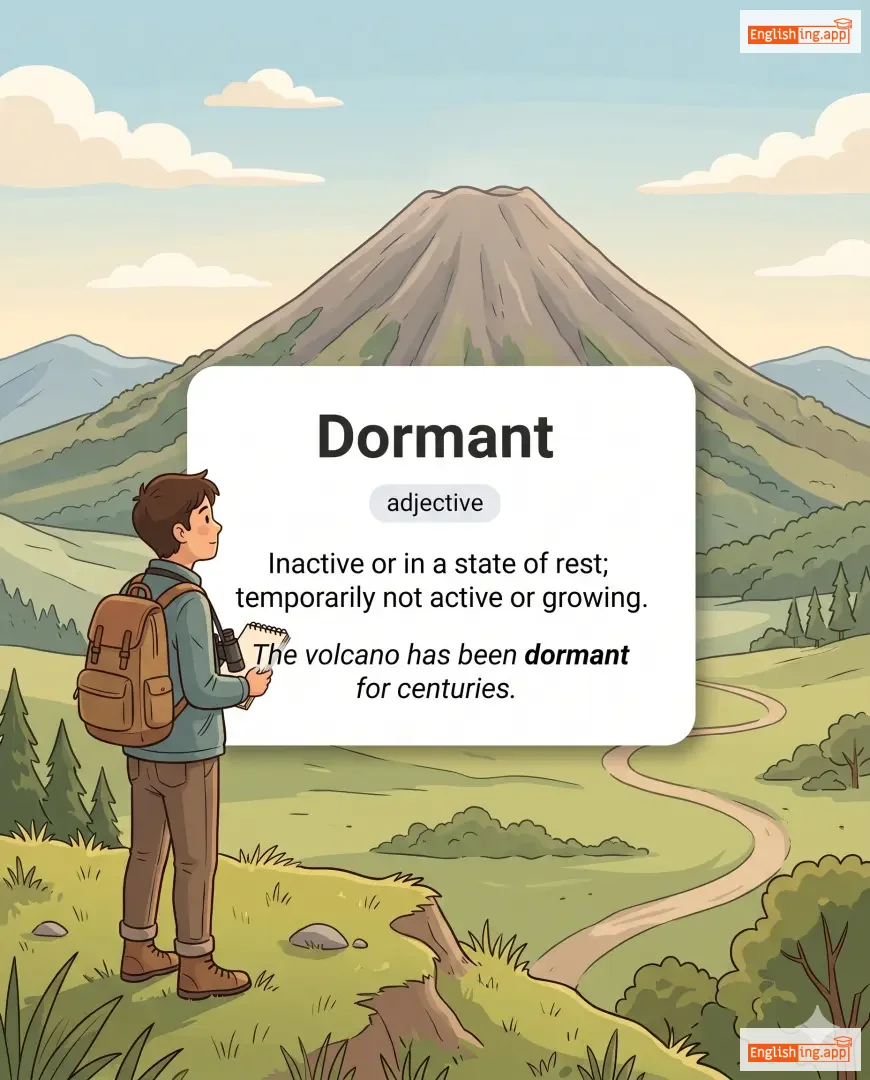
非アクティブ; 眠っている; 一時的に保留された; 現在アクティブではない
hi akutibu; nete iru; ichijiteki ni horyu sareta; genzai akutibu de wa nai
••••••
|
inactive; sleeping; temporarily suspended; not currently active
••••••
|
The volcano has been dormant for over a century. |
火山は1世紀以上の間休眠状態です。
Kazan wa 1 seiki ijou no aida kyūmin jōtai desu.
••••••
|
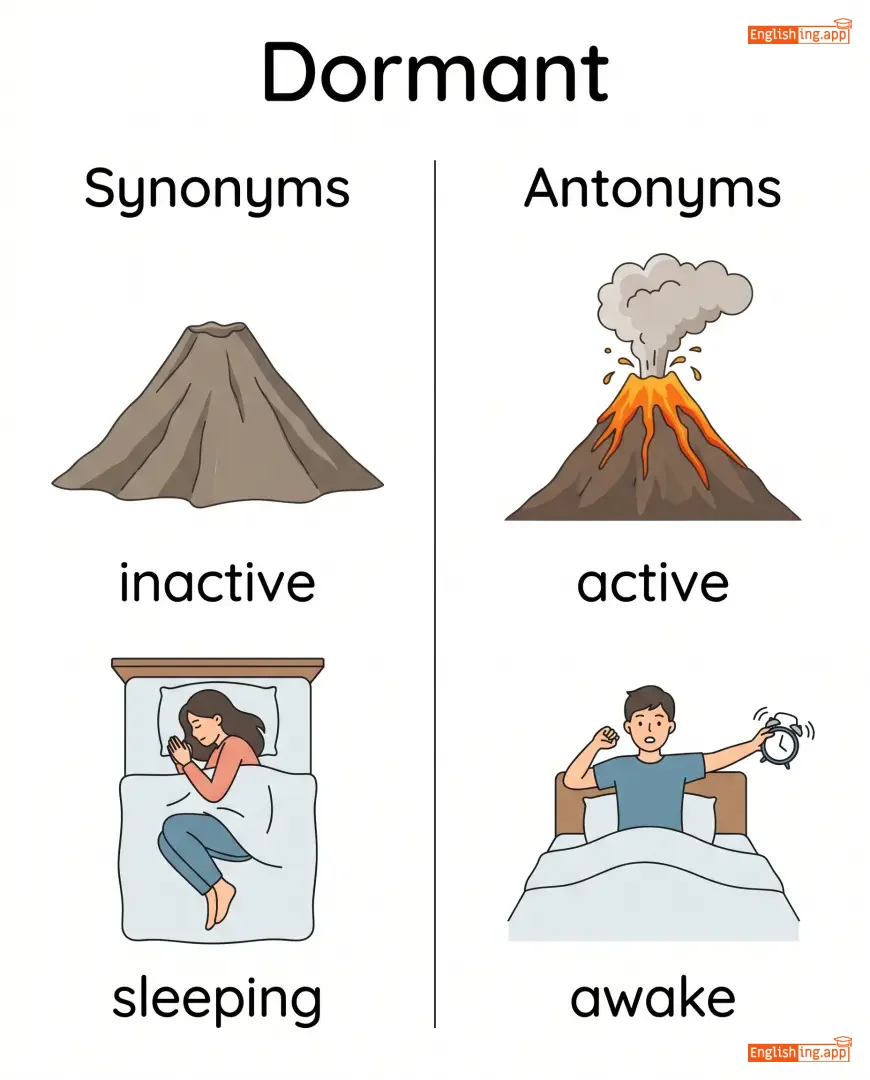
inactive, sleeping, latent, quiescent
••••••
|
active, awake, alert, functioning
••••••
|
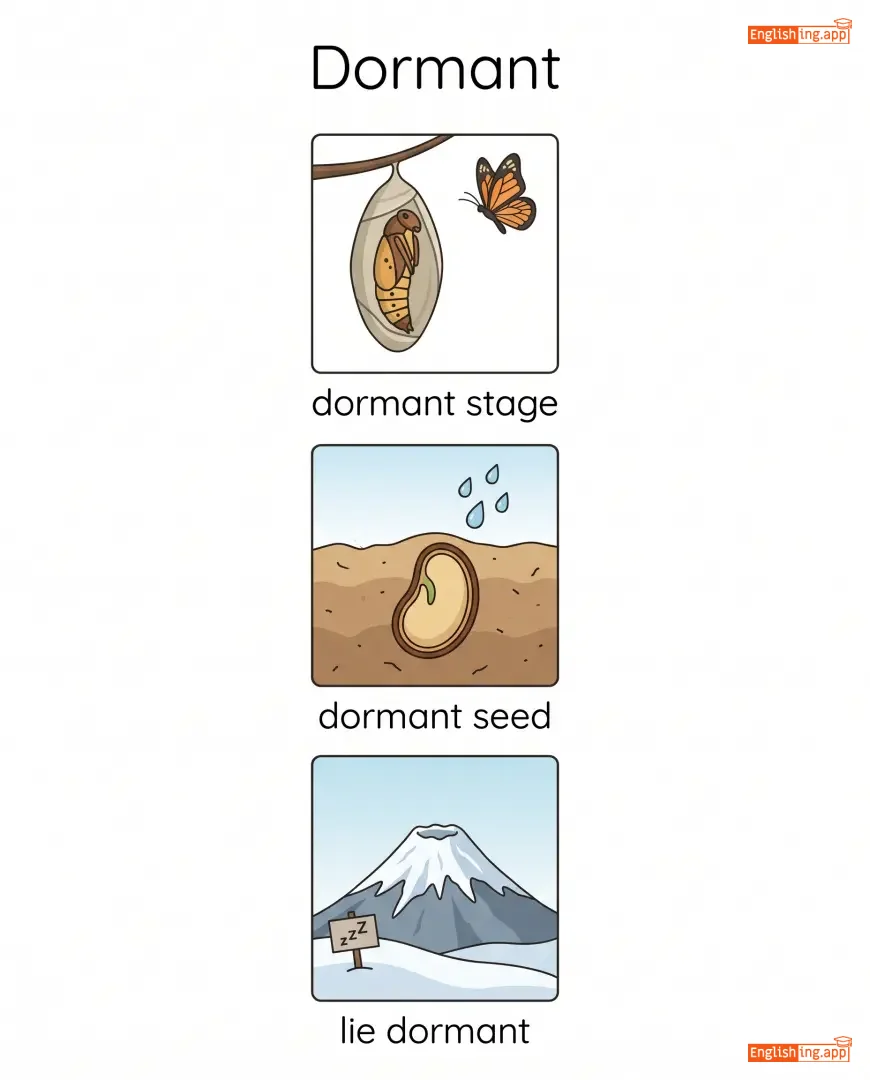
dormant volcano, dormant period, dormant state, dormant account
••••••
|
休眠している火山のように、非アクティブなものも 'dormant' と呼ばれることがあります。
••••••
|
|
#186
😌
|
/ˈɜːr.nɪst/
adjective
(アーネスト)
••••••
|
- •••••• |
真剣な; 本物の; 深い信念を示す
shinken na; honmono no; fukai shinnen o shimesu
••••••
|
sincere; genuine; showing deep and serious conviction
••••••
|
He made an earnest attempt to solve the problem.
彼は問題を解決するために真剣な試みをしました。
••••••
|
彼は問題を解決するために真剣な試みをしました。
Kare wa mondai o kaiketsu suru tame ni shinken na kokoromi o shimashita.
••••••
|
sincere, serious, genuine, heartfelt
••••••
|
insincere, frivolous, casual, superficial
••••••
|
earnest effort, earnest request, earnest conversation
••••••
|
Earnest is like '真剣な' in Japanese, showing deep seriousness.
••••••
|
|
#187
🤐
|
/dʌm/
adjective
(ダム)
••••••
|
- •••••• |
馬鹿; 無口; 愚か
dumb
••••••
|
unable to speak; silent; lacking intelligence; stupid
••••••
|
She remained dumb during the entire meeting. |
彼女は会議の間ずっと黙っていた。
kanojo wa kaigi no aida zutto damatte ita
••••••
|
mute, silent, speechless, stupid
••••••
|
talkative, smart, intelligent, vocal
••••••
|
struck dumb, dumb animal, dumb question, dumb luck
••••••
|
Dumb = 馬鹿、ダムの日本語
••••••
|
|
#188
😴
|
/ˈdraʊ.zi/
adjective
(ドラウジー)
••••••
|
- •••••• |
眠い; 疲れた; 無気力な
nemui; tsukareta; mukiryoku na
••••••
|
feeling sleepy and lethargic; half asleep; tired
••••••
|
I felt drowsy after the heavy meal. |
重い食事の後、眠気を感じました。
Omoi shokuji no ato, nemuke wo kanjimashita.
••••••
|
sleepy, tired, lethargic, sluggish
••••••
|
alert, awake, energetic, lively
••••••
|
drowsy feeling, drowsy afternoon, drowsy driver
••••••
|
No •••••• |
|
#189
🌵
|
/draɪ/
adjective
(dorai)
••••••
|
|
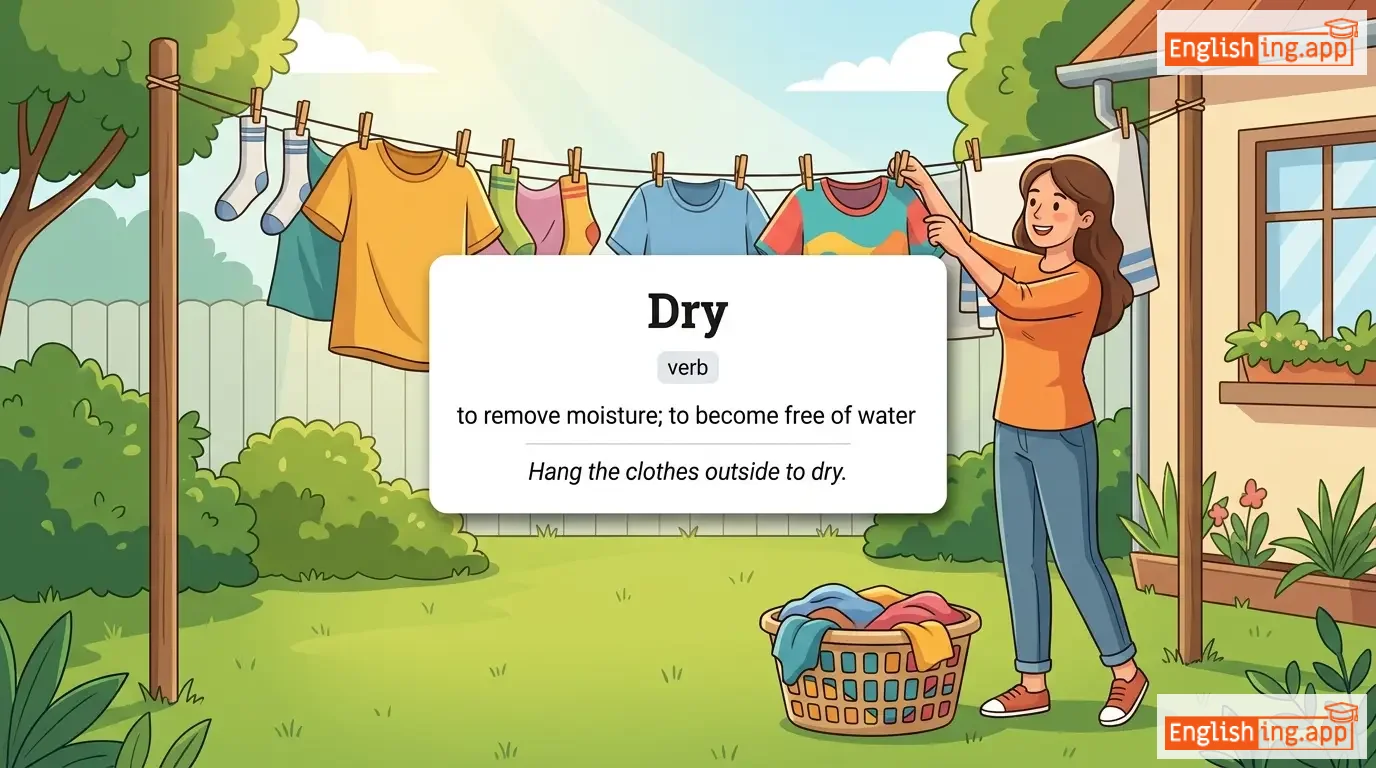
乾燥した; 湿気や液体がない; 退屈な
kansou shita
••••••
|
free from moisture or liquid; not wet; lacking interest or excitement
••••••
|
The desert has very dry climate. |
砂漠は非常に乾燥した気候です。
Sabaku wa hijou ni kansou shita kiko desu.
••••••
|
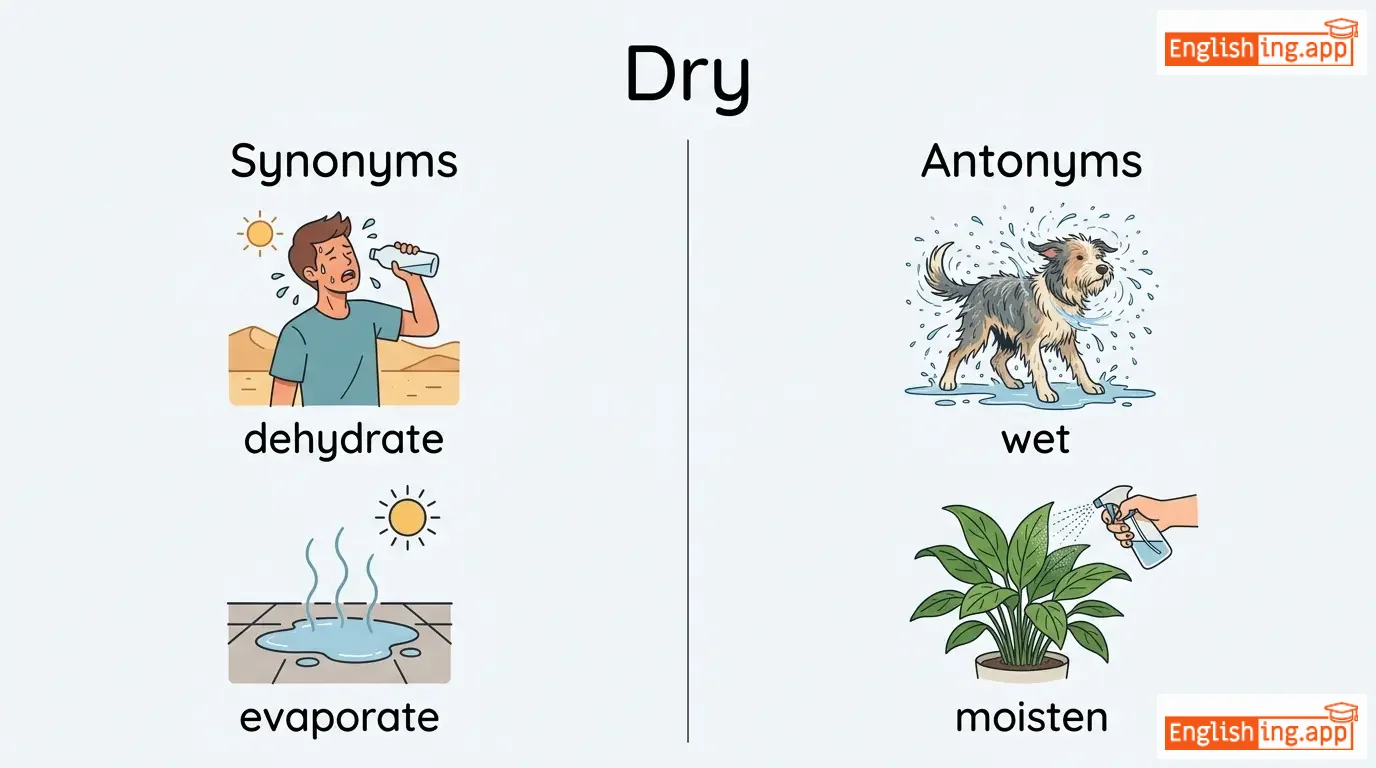
arid, parched, dehydrated, withered
••••••
|
wet, moist, humid, damp
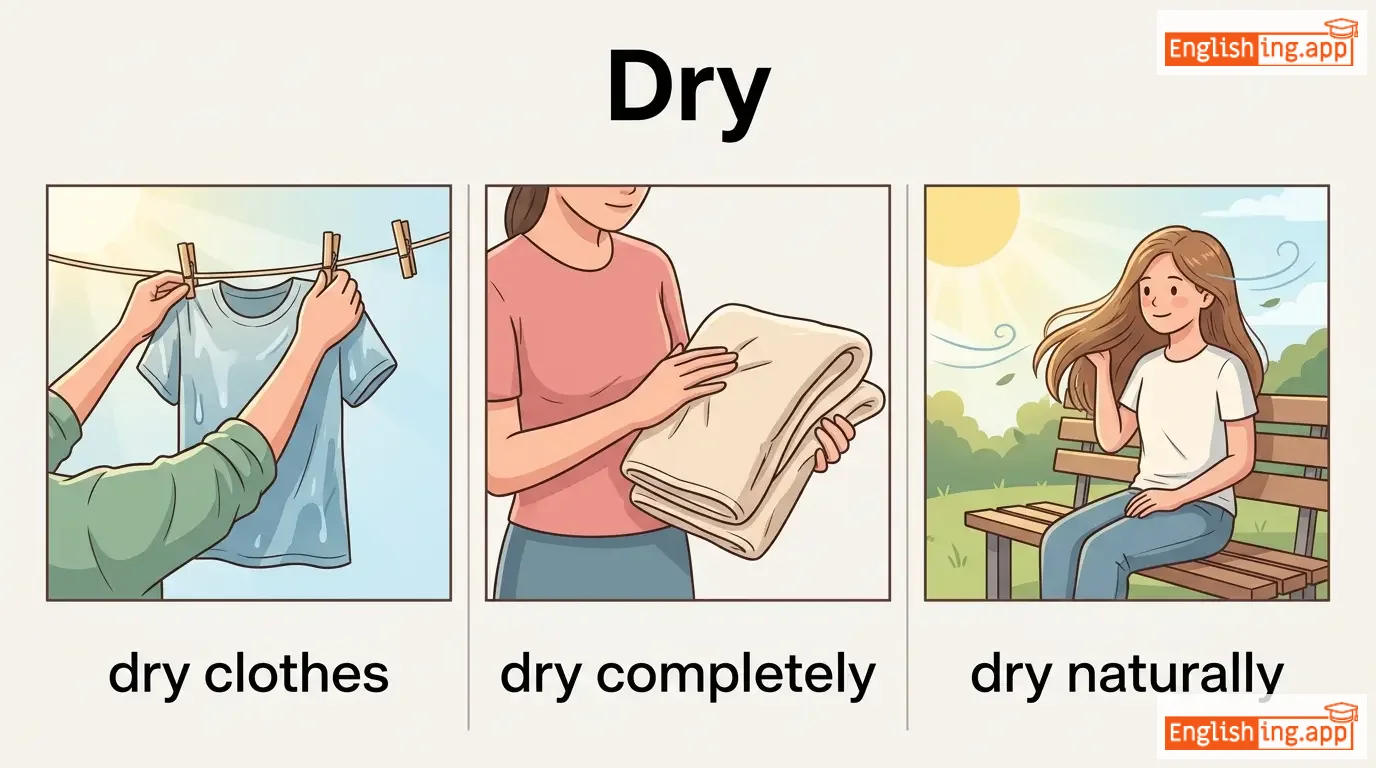
••••••
|
dry weather, dry skin, dry humor
••••••
|
砂漠は乾燥していて、湿気がない。
••••••
|
|
#190
🛡️
|
/ˈdjʊərəbəl/
adjective
(デュラブル)
••••••
|
- •••••• |
耐久性がある; 強い; 頑丈な
taikyū-sei ga aru; tsuyoi; ganjō-na
••••••
|
able to withstand wear, pressure, or damage; lasting; strong
••••••
|
This durable fabric will last for many years. |
この耐久性のある生地は何年も持ちます。
Kono taikyū-sei no aru kiji wa nan-nen mo mochimasu
••••••
|
lasting, sturdy, strong, long-lasting
••••••
|
fragile, weak, temporary, brittle
••••••
|
durable goods, durable material, durable construction, durable fabric
••••••
|
Japanese '耐久性' (taikyū-sei) for durable
••••••
|
|
#191
🤔
|
/ˈdaʊt.fəl/
adjective
(ダウトフル)
••••••
|
- •••••• |
疑わしい; 不確かな; 何かに対して不確かに感じる
ugowashī; fukakushina; nanika ni taishite fukakushin ni kanjiru
••••••
|
uncertain; questionable; feeling uncertain about something
••••••
|
I am doubtful about the success of this project.
私はこのプロジェクトの成功について疑問を持っています。
••••••
|
私はこのプロジェクトの成功について疑問を持っています。
Watashi wa kono purojekuto no seikō ni tsuite gimon o motteimasu.
••••••
|
uncertain, questionable, skeptical, suspicious
••••••
|
certain, confident, sure, convinced
••••••
|
doubtful result, doubtful claim, doubtful situation, doubtful expression
••••••
|
Doubt + full = Doubtful; always filled with doubt
••••••
|
|
#192
🏺
|
/ˈɜːr.θən/
adjective
(アースン)
••••••
|
- •••••• |
土や粘土で作られた; 陶芸に関連する
tsuchi ya nendo de tsukurareta; tōgei ni kanren suru
••••••
|
made of earth or clay; relating to pottery or ceramic materials
••••••
|
The kitchen had beautiful earthen pots for storage.
キッチンには収納用の美しい土の鉢がありました。
••••••
|
キッチンには収納用の美しい土の鉢がありました。
kicchin ni wa shūnō-yō no utsukushī tsuchi no hachi ga arimashita.
••••••
|
clay, ceramic, pottery, terracotta
••••••
|
metallic, plastic, synthetic, artificial
••••••
|
earthen pot, earthen vessel, earthen floor
••••••
|
土器は土や粘土で作られている陶芸品です。
••••••
|
|
#193
👥
|
/ˈduː.əl/
adjective
(デュアル)
••••••
|
- •••••• |
二重の
nijū no
••••••
|
having two parts or consisting of two elements; double
••••••
|
She has dual citizenship of both countries. |
彼女は二つの国の二重国籍を持っています。
Kanojo wa futatsu no kuni no nijū kokuseki o motteimasu.
••••••
|
double, twin, paired, binary
••••••
|
single, sole, individual, unique
••••••
|
dual purpose, dual citizenship, dual nature
••••••
|
二重は二つの部分があることを意味し、dualのようなものです
••••••
|
|
#194
🙏
|
/ˈdjuːtɪfəl/
adjective
(デューティフル)
••••••
|
- •••••• |
義務感のある; 尊敬すべき; 従順な
gimu kan no aru; sonkei subeki; jūjun na
••••••
|
conscientiously fulfilling one's duty; obedient; respectful
••••••
|
She is a dutiful daughter who always helps her parents. |
彼女はいつも両親を助ける義務感のある娘です。
Kanojo wa itsumo ryōshin o tasukeru gimu kan no aru musume desu.
••••••
|
obedient, loyal, devoted, responsible
••••••
|
disobedient, rebellious, neglectful, irresponsible
••••••
|
dutiful son, dutiful wife, dutiful employee, dutiful citizen
••••••
|
Imagine a daughter who fulfills her duties respectfully and obediently.
••••••
|
|
#195
🎭
|
/drəˈmæt.ɪk/
adjective
(ドラマティック)
••••••
|
- •••••• |
ドラマチック; 突然で驚くべき; 興奮させると印象的
doramatikku; totsuzen de odorokubeki; koufun saseru to inshou-teki
••••••
|
relating to drama; sudden and striking; exciting and impressive
••••••
|
The dramatic sunset painted the sky in brilliant colors.
ドラマティックな夕焼けが空を明るい色で染めた。
••••••
|
ドラマティックな夕焼けが空を明るい色で染めた。
Doramatikku na yūyake ga sora o akarui iro de sometā.
••••••
|
theatrical, striking, impressive, exciting
••••••
|
ordinary, boring, undramatic, plain
••••••
|
dramatic change, dramatic effect, dramatic performance, dramatic increase
••••••
|
ドラマティックは驚くほど劇的で印象に残るものです。
••••••
|
|
#196
🌍
|
/ˈɜːrθ.li/
adjective
(アースリー)
••••••
|
- •••••• |
地上的; 世俗的; 物質的
chijō-teki; sesoku-teki; busshitsu-teki
••••••
|
relating to the earth or human life; worldly; material rather than spiritual
••••••
|
He focused on earthly pleasures rather than spiritual growth.
彼は精神的成長よりも地上的な楽しみに集中した。
••••••
|
彼は精神的成長よりも地上的な楽しみに集中した。
Kare wa seishinteki seichō yori mo chijō-teki na tanoshimi ni shūchū shita.
••••••
|
worldly, temporal, material, mundane
••••••
|
spiritual, heavenly, divine, celestial
••••••
|
earthly possessions, earthly life, earthly concerns
••••••
|
In Japanese, '地上的' represents earthly or material pleasures.
••••••
|
|
#197
⏰
|
/duː/
adjective
(デュー)
••••••
|
- •••••• |
期日; 予想される; 計画された
kijitsu; yosou sareru; keikaku sareta
••••••
|
owed as a debt; expected at a certain time; scheduled
••••••
|
The assignment is due tomorrow.
課題は明日締め切りです。
••••••
|
課題は明日締め切りです。
Kadai wa ashita shimekiri desu.
••••••
|
owed, expected, scheduled, pending
••••••
|
early, premature, ahead, unscheduled
••••••
|
due date, due process, payment due
••••••
|
'Due' sounds like ‘期日’, something that’s expected or scheduled.
••••••
|
|
#198
⚠️
|
/ˈdræs.tɪk/
adjective
(ドラスティック)
••••••
|
- •••••• |
劇的な; 厳しい; 強い影響を与える
gekiteki na; kibishii; tsuyoi eikyō o ataeru
••••••
|
extreme; severe; having a strong or far-reaching effect
••••••
|
The company took drastic measures to reduce costs. |
会社はコスト削減のために劇的な措置を取った。
Kaisha wa kosuto sakugen no tame ni gekiteki na sochi o totta.
••••••
|
extreme, severe, radical, harsh
••••••
|
mild, gentle, moderate, gradual
••••••
|
drastic measures, drastic changes, drastic action, drastic reduction
••••••
|
問題が深刻なとき、劇的な措置を取る必要がある。
••••••
|
|
#199
💀
|
/ˈdaɪɪŋ/
adjective
(ダイイング)
••••••
|
- •••••• |
死にかけている; 死亡している;
daying
••••••
|
approaching death; in the process of dying; fading away
••••••
|
The dying plant needs water immediately. |
死にかけている植物は直ちに水が必要です。
Shinikaketeiru shokubutsu wa tadachi ni mizu ga hitsuyou desu
••••••
|
perishing, expiring, fading, declining
••••••
|
living, thriving, growing, flourishing
••••••
|
dying breath, dying wish, dying light, dying fire
••••••
|
ダイイングは終わりに向かって進むもの、死にかけた植物のように。
••••••
|
|
#200
🌅
|
/ˈiː.stərn/
adjective
(īsutān)
••••••
|
- •••••• |
東洋の
tōyō no
••••••
|
relating to or situated in the east; from or characteristic of the eastern part of the world
••••••
|
She studied Eastern philosophy at the university.
彼女は大学で東洋哲学を学びました。
••••••
|
彼女は大学で東洋哲学を学びました。
Kanojo wa daigaku de tōyō tetsugaku o manabimashita.
••••••
|
oriental, Asian, eastward, dawn-side
••••••
|
western, occidental, westward, sunset-side
••••••
|
Eastern culture, Eastern medicine, Eastern philosophy
••••••
|
‘東洋の’ (tōyō no) は‘東’ (higashi) から来ている。
••••••
|
Vocabulary Quiz
Test your vocabulary by matching words with their translations or meanings.
Login to take the quiz
Comments (0)
Share your thoughts and join the discussion.
Join the discussion by logging in
Login to CommentNo comments yet
Be the first to share your thoughts!