

翻訳
過去
過去分詞
三人称単数
動名詞
意味
例文
例文の翻訳
同義語
対義語
コロケーション
ニーモニック




Swipe left or right, or use the buttons. Tap image to zoom.
例文の翻訳
単語
Lesson 11Lesson 11 - マスクトグル
|
絵文字
|
単語 | Images | 翻訳 | 意味 | 例文 | 例文の翻訳 | 同義語 | 対義語 | コロケーション | ニーモニック |
|---|---|---|---|---|---|---|---|---|---|---|
|
#201
🍎
|
/ˈed.ɪ.bəl/
adjective
(エディブル)
••••••
|
- •••••• |
食べられる
taberareru
••••••
|
safe to eat; suitable for consumption
••••••
|
Only edible mushrooms should be used in cooking. |
料理には食べられるキノコのみを使用してください。
Ryōri ni wa taberareru kinoko nomi o shiyō shite kudasai.
••••••
|
eatable, consumable, safe to eat
••••••
|
inedible, poisonous, toxic
••••••
|
edible plants, edible flowers, edible oil
••••••
|
食べられる means edible, as 'taberu' means to eat in Japanese.
••••••
|
|
#202
♾️
|
/ˈɛnd.ləs/
adjective
(endoresu)
••••••
|
- •••••• |
無限の; 終わりのない; 制限のない
mugen no; owari no nai; seigen no nai
••••••
|
having no end; infinite; limitless
••••••
|
The ocean seemed endless from the shore. |
海は岸から見ると無限に見えました。
Umi wa kishi kara miru to mugen ni miemashita.
••••••
|
infinite, limitless, boundless, eternal
••••••
|
finite, limited, bounded
••••••
|
endless possibilities, endless loop, endless cycle
••••••
|
Endless = 無限の (mugen no) - 終わらない、終わることがない
••••••
|
|
#203
👴
|
/ˈel.dər.li/
adjective
(エルダーリー)
••••••
|
- •••••• |
高齢者; 年配; 高齢
eldarli
••••••
|
aged; advanced in years; old
••••••
|
The elderly man walked slowly with his cane. |
その高齢の男性は杖を使ってゆっくり歩いていました。
Sono koureino dansei wa tsue wo tsukatte yukkuri aruite imashita.
••••••
|
aged, old, senior, ancient
••••••
|
young, youthful, juvenile
••••••
|
elderly people, elderly care, elderly population
••••••
|
Elderly - 'Elderli' は高齢者を表す言葉、祖父母のような存在です。
••••••
|
|
#204
⭐
|
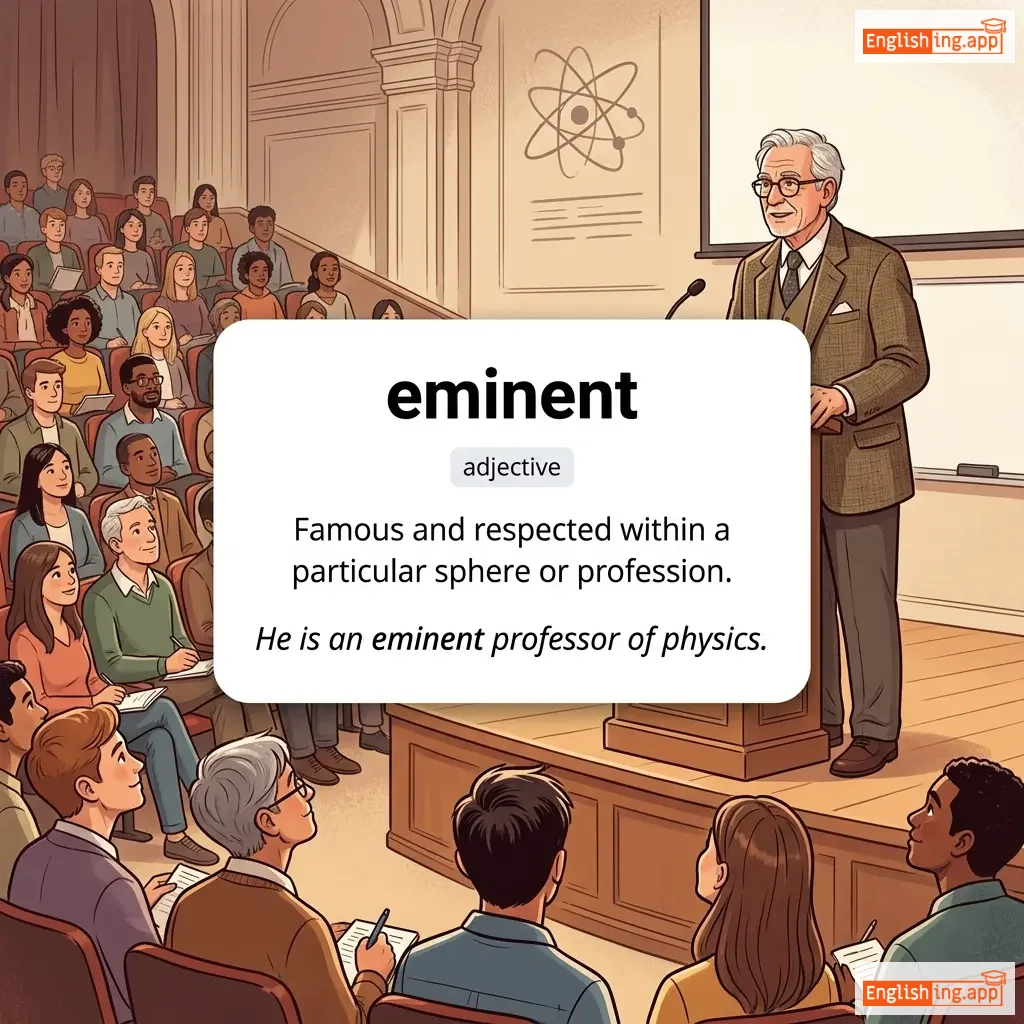
/ˈem.ɪ.nənt/
adjective
(エミネント)
••••••
|
|
著名な; 優れた; 偉大な; 尊敬される
chomei na; sugureta; idai na; sonkei sareru
••••••
|
famous; distinguished; great; respected
••••••
|
She is an eminent scientist in her field. |
彼女はその分野で著名な科学者です。
kanojo wa sono bunya de chōmei na kagakusha desu
••••••
|
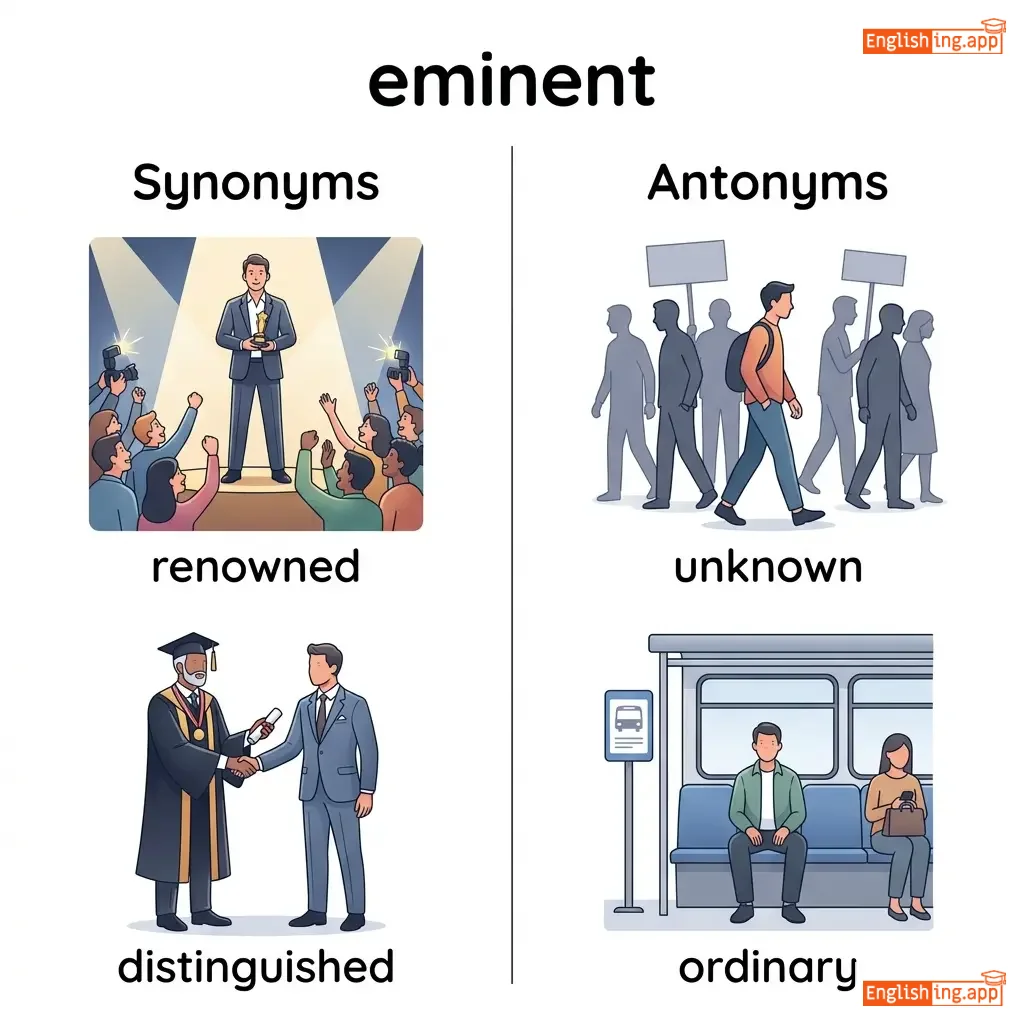
famous, distinguished, renowned, notable, prominent
••••••
|
unknown, obscure, insignificant, ordinary
••••••
|
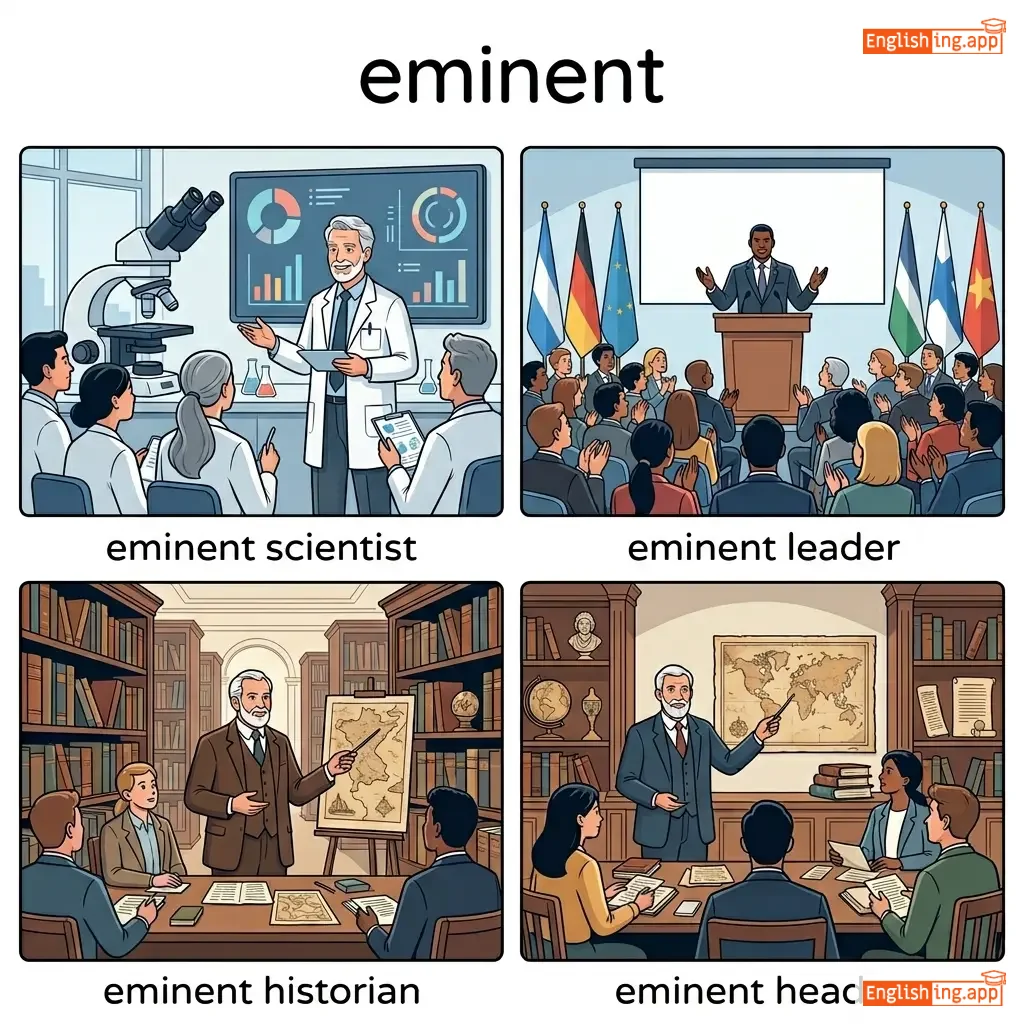
eminent scientist, eminent scholar, eminent person, eminent domain
••••••
|
No •••••• |
|
#205
📚
|
/ˈed.jʊ.keɪ.tɪv/
adjective
(エデュケイティブ)
••••••
|
- •••••• |
教育的; 有益な; 情報豊かな
kyouikuteki; yūki na; jōhō yutakana
••••••
|
providing education; instructive; informative
••••••
|
The documentary was highly educative and informative. |
そのドキュメンタリーは非常に教育的で有益でした。
Sono dokyumentarī wa hijō ni kyōikuteki de yūki deshita.
••••••
|
educational, instructive, informative
••••••
|
non-educational, uninstructive, useless
••••••
|
educative content, educative program, educative value
••••••
|
Educative は日本語で‘教育的’に近い意味です。
••••••
|
|
#206
💪
|
/ɪnˈdjʊər.ə.bəl/
adjective
(エンデュラブル)
••••••
|
- •••••• |
耐えられる
taerareru
••••••
|
able to be endured; bearable; tolerable
••••••
|
The pain was endurable with proper medication. |
適切な薬で痛みは耐えられました。
Tekisetsuna kusuri de itami wa taeraremashita.
••••••
|
bearable, tolerable, sustainable
••••••
|
unbearable, intolerable, insufferable
••••••
|
endurable pain, endurable hardship, endurable conditions
••••••
|
痛みが耐えられるとき、前進できます。
••••••
|
|
#207
😢
|
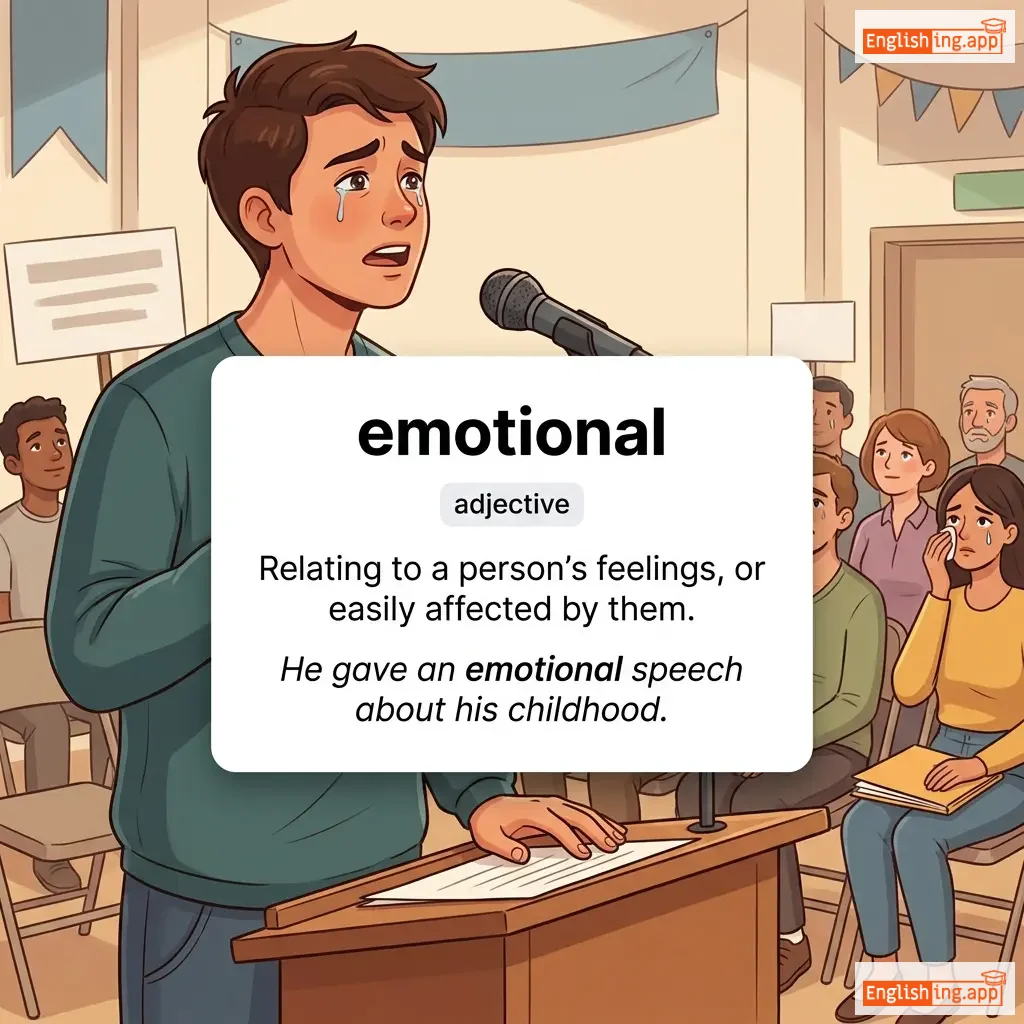
/ɪˈmoʊ.ʃən.əl/
adjective
(エモーショナル)
••••••
|
|
感情的な
kanjōteki na
••••••
|
relating to feelings; showing strong feelings; based on emotion rather than reason
••••••
|
He became very emotional during the speech. |
彼はスピーチの間、とても感情的になった。
Kare wa supīchi no aida, totemo kanjōteki ni natta.
••••••
|
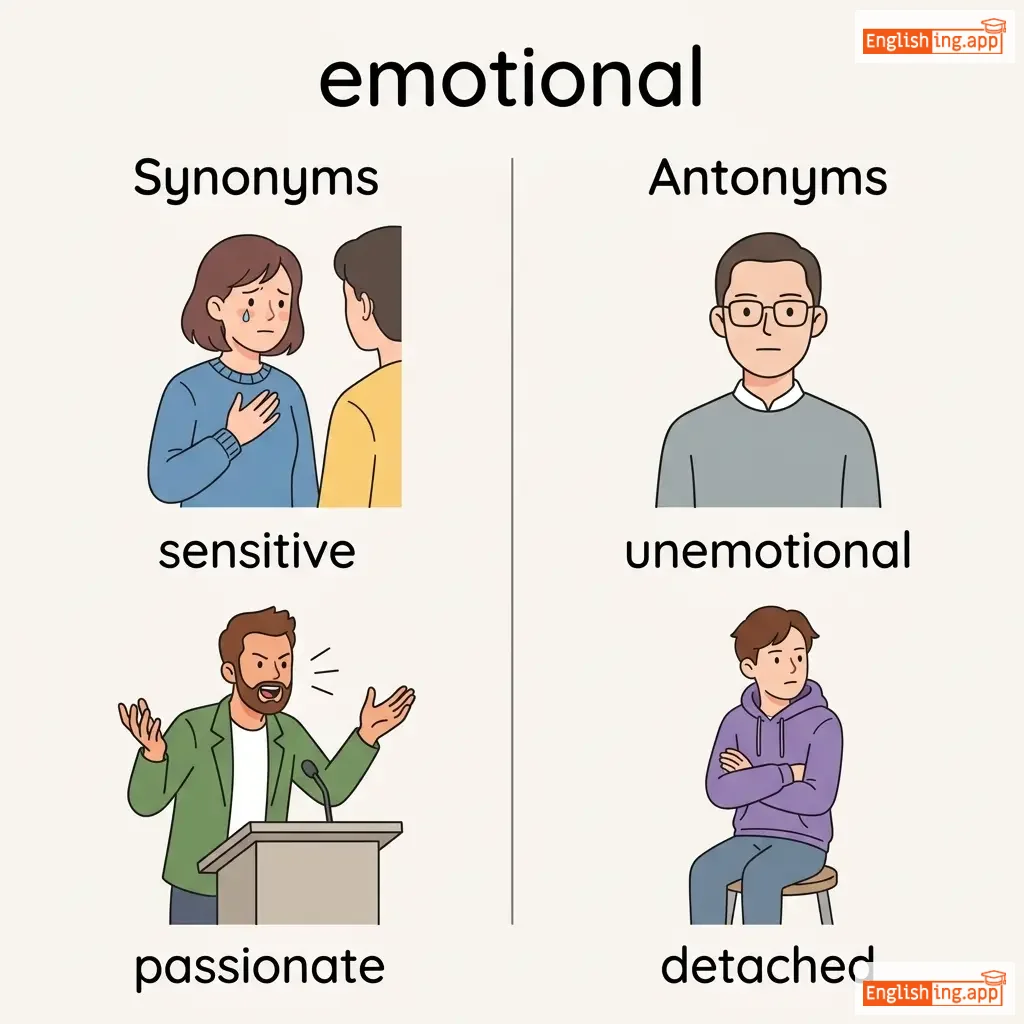
sentimental, passionate, sensitive, feeling, expressive
••••••
|
unemotional, rational, logical, cold, detached
••••••
|
emotional support, emotional intelligence, emotional response, emotional stability
••••••
|
Emotional = 感情的な (感情が強く出る)
••••••
|
|
#208
✨
|
/ˈel.ɪ.ɡənt/
adjective
(エレガント)
••••••
|
- •••••• |
上品な
jouhin na
••••••
|
graceful and stylish; refined; sophisticated
••••••
|
She wore an elegant dress to the party.
彼女はパーティーに上品なドレスを着ていた。
••••••
|
彼女はパーティーに上品なドレスを着ていた。
Kanojo wa paatii ni jouhin na doresu o kiteita.
••••••
|
graceful, stylish, refined, sophisticated
••••••
|
clumsy, awkward, crude, inelegant
••••••
|
elegant design, elegant solution, elegant style
••••••
|
Eレガント visual: imagine the letter E wearing a crown and saying レガント to remember elegant and 上品な
••••••
|
|
#209
📚
|
/ˌel.ɪˈmen.tər.i/
adjective
(エレメンタリー)
••••••
|
- •••••• |
初歩的; 基本的
shohoteki; kihonteki
••••••
|
basic; fundamental; primary level
••••••
|
He learned elementary mathematics in school. |
彼は学校で初歩的な数学を学んだ。
Kare wa gakkou de shohoteki na suugaku o mananda.
••••••
|
basic, fundamental, primary, simple
••••••
|
advanced, complex, sophisticated, difficult
••••••
|
elementary school, elementary level, elementary knowledge
••••••
|
Elementary = 'エレメンタリー' in Japanese, just like in English!
••••••
|
|
#210
💪
|
/ɪmˈfæt.ɪk/
adjective
(エンファティック)
••••••
|
- •••••• |
強調された; 強い; 力強く表現された
kyōchō sareta; tsuyoi; chikara-zuyoku hyōgen sareta
••••••
|
forceful; strong; showing emphasis; expressed with force and conviction
••••••
|
She gave an emphatic 'no' to the proposal. |
彼女は提案に対して強調された'ノー'を言いました。
Kanojo wa teian ni taishite kyōchō sareta 'nō' o iimashita.
••••••
|
forceful, strong, vigorous, definite, decisive
••••••
|
hesitant, weak, uncertain, mild, gentle
••••••
|
emphatic denial, emphatic response, emphatic gesture, emphatic statement
••••••
|
強調された反応は強い印象を与えます。
••••••
|
|
#211
✅
|
/ɪˈfek.tɪv/
adjective
(エフェクティブ)
••••••
|
|
効果的な
kōkateki na
••••••
|
producing the intended result; successful; functional
••••••
|
This medicine is very effective against headaches.
この薬は頭痛に非常に効果的です。
••••••
|
この薬は頭痛に非常に効果的です。
kono kusuri wa zutsū ni hijō ni kōkateki desu.
••••••
|
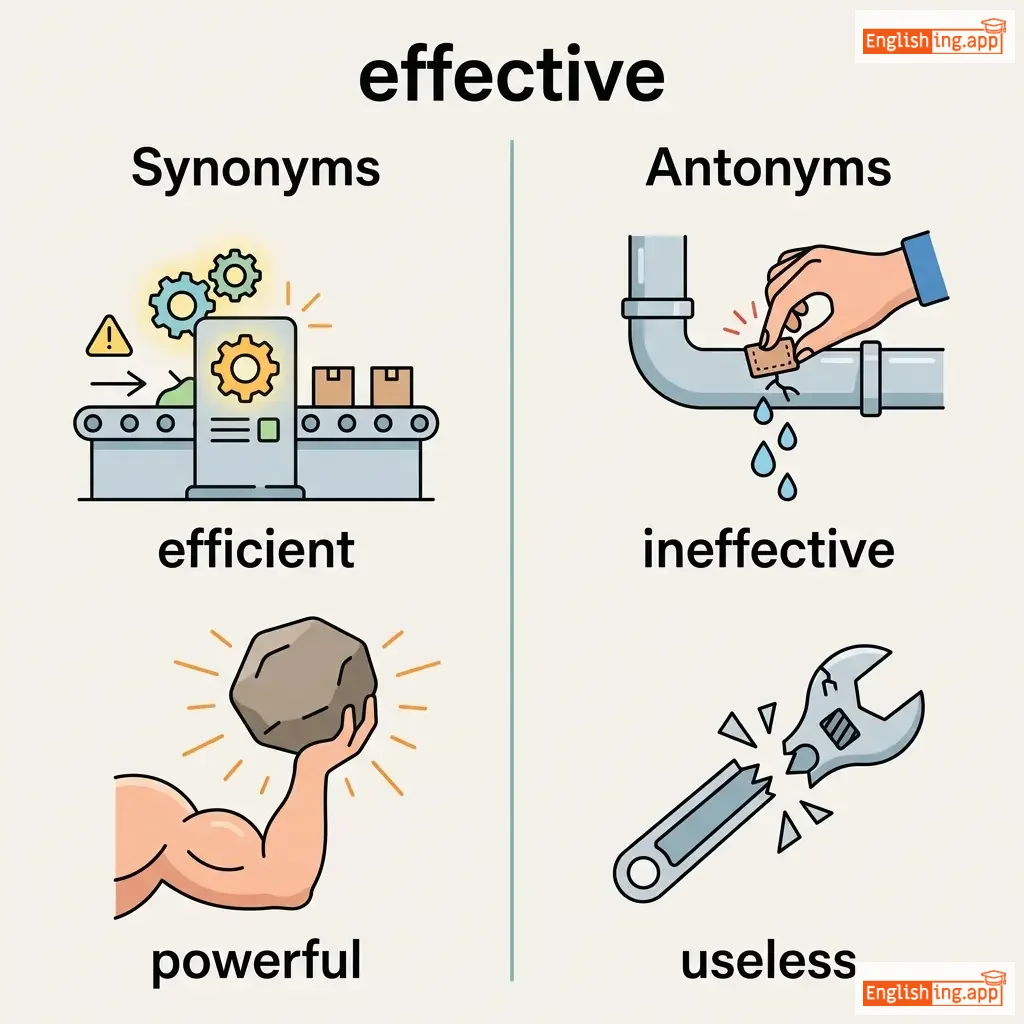
efficient, successful, productive
••••••
|
ineffective, useless, unsuccessful
••••••
|
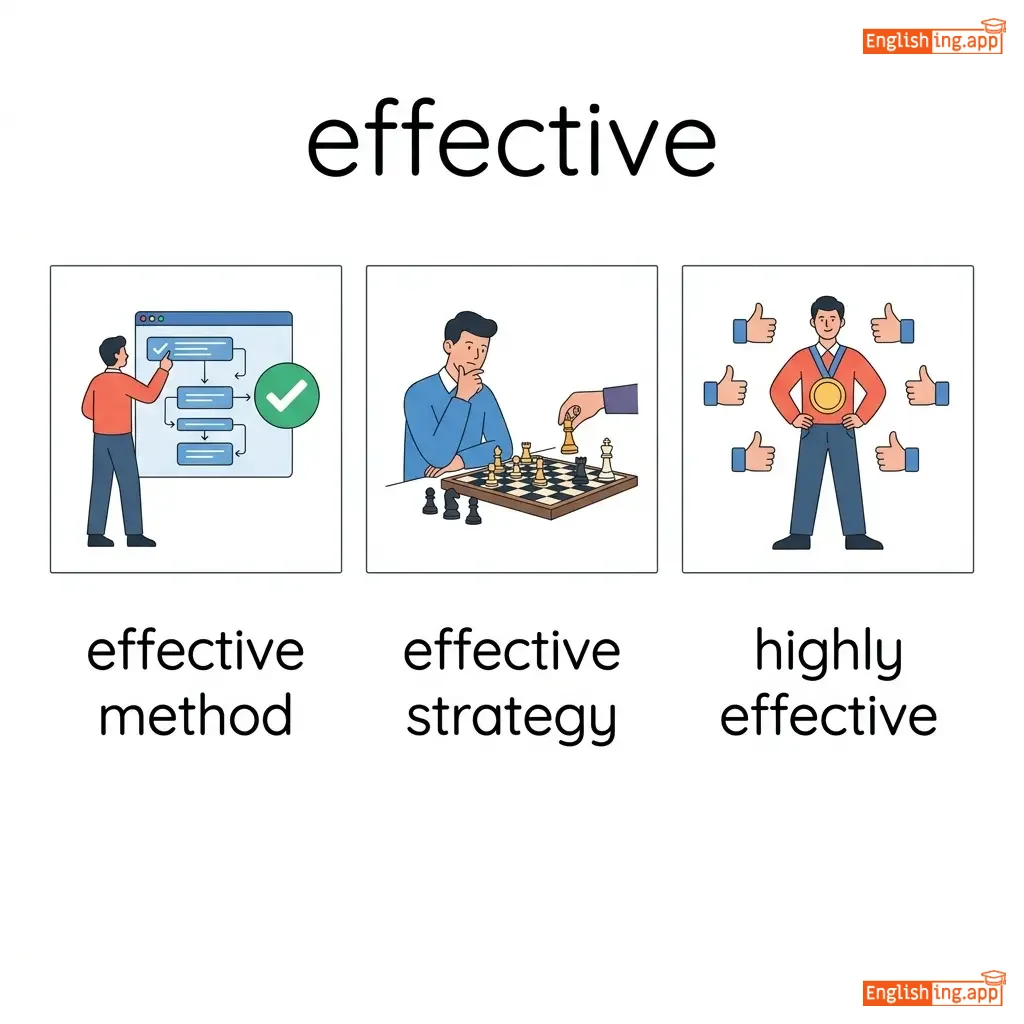
effective treatment, effective method, effective communication
••••••
|
Effective = 効果的な, 例:この薬は頭痛に効果的です。
••••••
|
|
#212
🏛️
|
/ɪnˈdjʊər.ɪŋ/
adjective
(エンデューリング)
••••••
|
- •••••• |
持続的な; 永続的な; 長期間続く
jizokuteki na; eizokuteki na; chōkikan tsudzuku
••••••
|
lasting; permanent; continuing for a long time
••••••
|
Their enduring friendship lasted for decades.
彼らの持続的な友情は数十年続きました。
••••••
|
彼らの持続的な友情は数十年続きました。
Karera no jizokuteki na yūjō wa sūjūnen tsuzukimashita.
••••••
|
lasting, permanent, persistent, durable
••••••
|
temporary, fleeting, short-lived
••••••
|
enduring love, enduring legacy, enduring memory
••••••
|
In Japanese, 'Enduring' is '持続的な' (jizokuteki na), like an eternal friendship.
••••••
|
|
#213
✅
|
/ˈel.ɪ.dʒə.bəl/
adjective
(エリジブル)
••••••
|
|
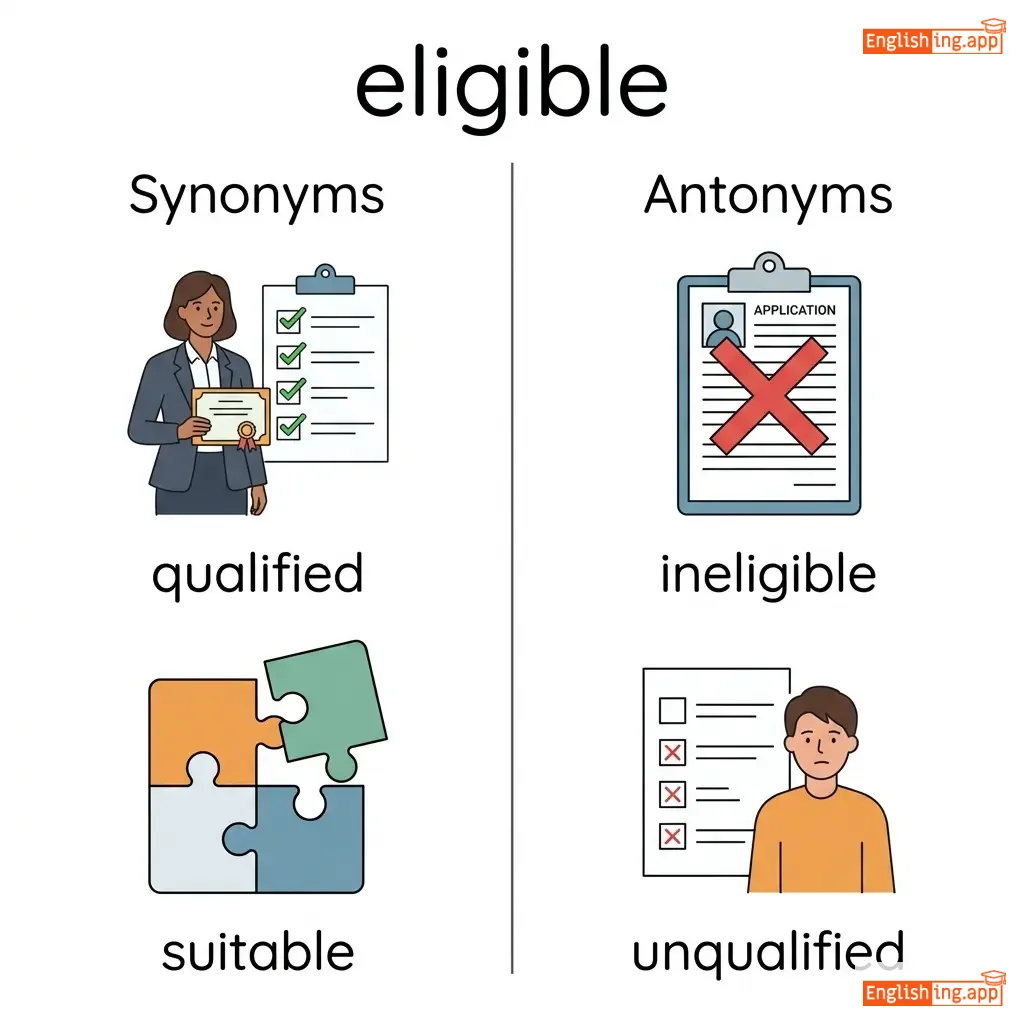
資格がある; 適格; 承認された
eligible
••••••
|
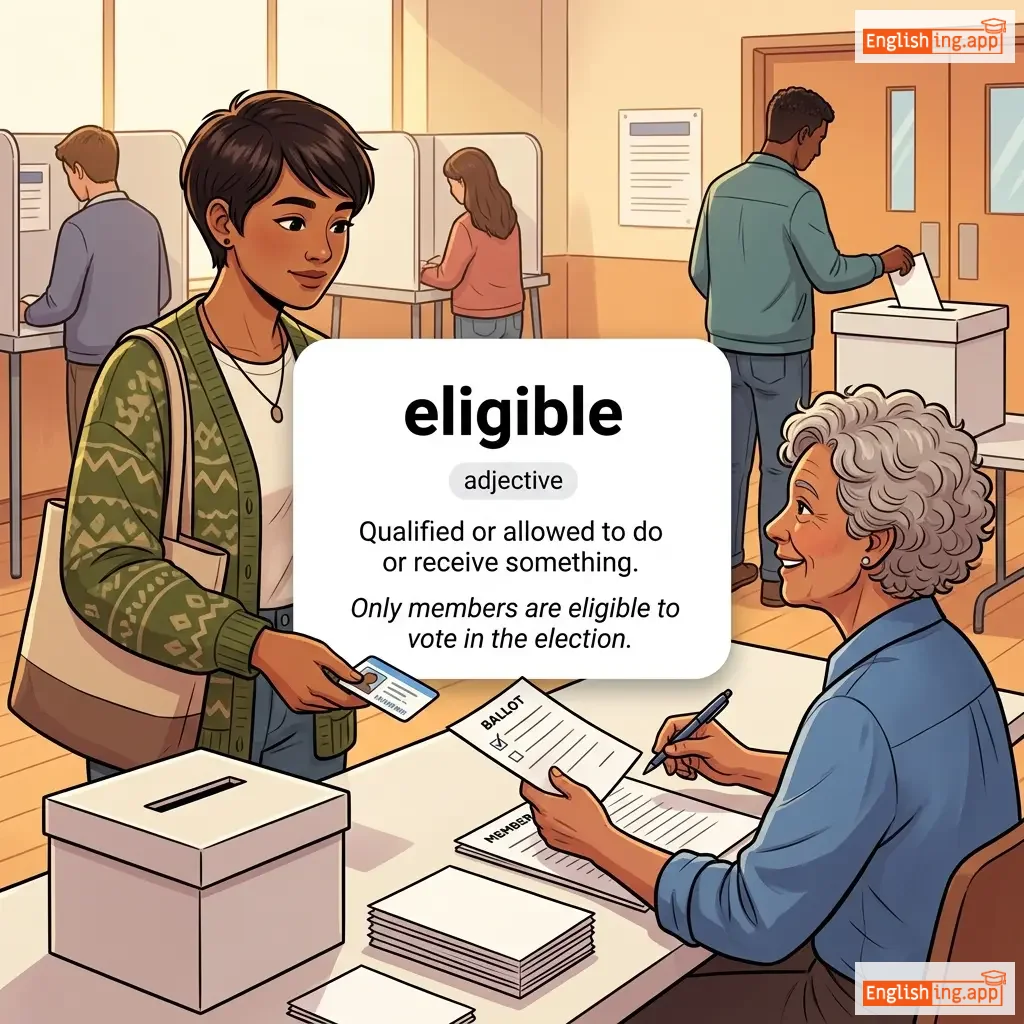
qualified; suitable; having the right to do something
••••••
|
She is eligible for the scholarship program. |
彼女は奨学金プログラムの対象です。
kanojo wa shougakukin puroguramu no taishou desu
••••••
|
qualified, suitable, entitled, worthy
••••••
|
ineligible, unqualified, unsuitable, unworthy
••••••
|
eligible candidate, eligible for benefits, eligible bachelor
••••••
|
Eligible = 承認された in Japanese
••••••
|
|
#214
📦
|
/ˈemp.ti/
adjective
(empti)
••••••
|
- •••••• |
空っぽ; 内容なし
karappo; naiyou nashi
••••••
|
containing nothing; vacant; without contents
••••••
|
The glass is empty and needs to be refilled. |
グラスは空っぽで、再び満たす必要があります。
Gurasu wa karappo de, futatabi mitasu hitsuyou ga arimasu
••••••
|
vacant, hollow, void, blank, bare
••••••
|
full, filled, occupied, complete, loaded
••••••
|
empty bottle, empty room, empty stomach, empty promise
••••••
|
空っぽ (karappo) は何もないことを意味します。
••••••
|
|
#215
⚡
|
/ɪˈfɪʃ.ənt/
adjective
(ifishiento)
••••••
|
|
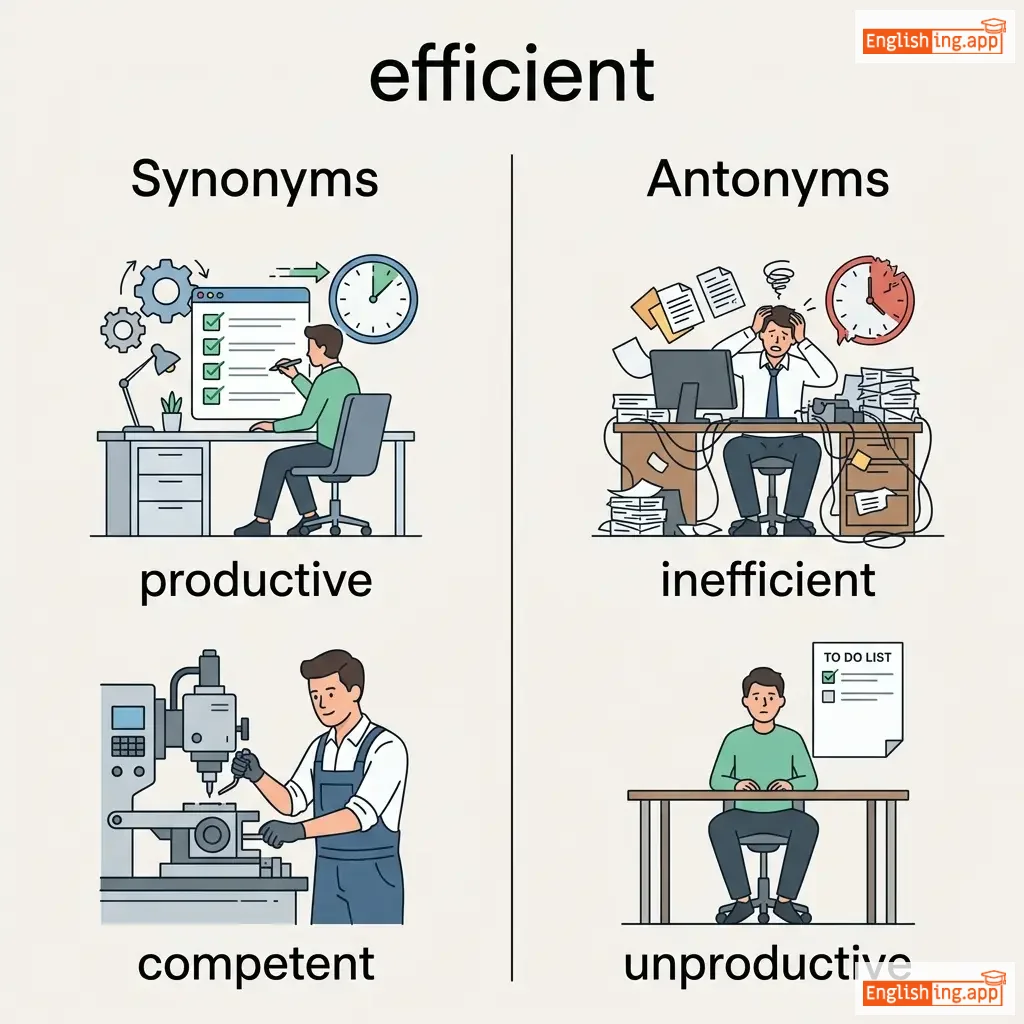
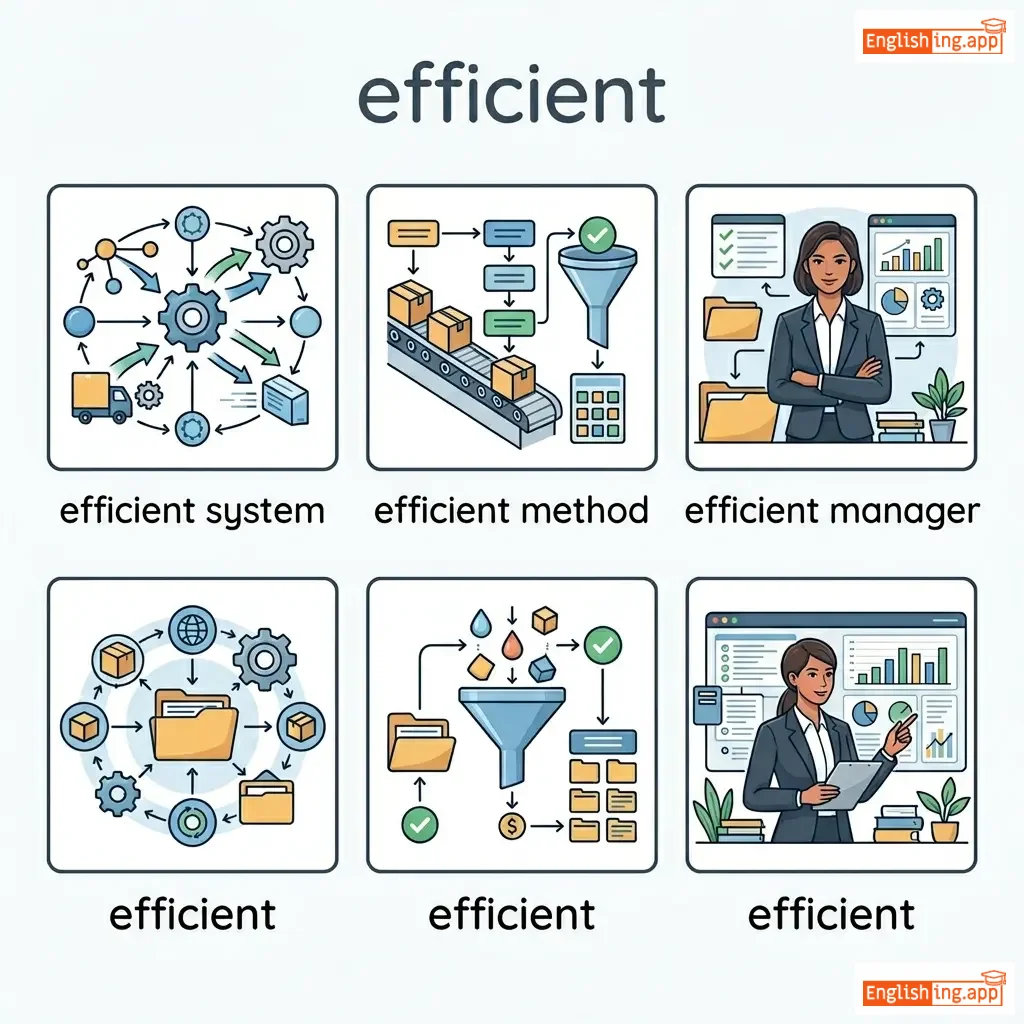
効率的; 有能; 生産的
kōritsuteki
••••••
|
working well without waste; competent; productive
••••••
|
She is very efficient at managing her time.
彼女は時間管理にとても効率的です。
••••••
|
彼女は時間管理にとても効率的です。
Kanojo wa jikan kanri ni totemo kōritsuteki desu.
••••••
|
competent, capable, skilled
••••••
|
inefficient, incompetent, wasteful
••••••
|
efficient system, efficient worker, efficient use
••••••
|
Being efficient in Japanese is being '効率的' in time management.
••••••
|
|
#216
⚡
|
/ˌen.əˈdʒet.ɪk/
adjective
(エネルギッシュ)
••••••
|
- •••••• |
エネルギッシュな; 活発な; エネルギーに満ちた
enerugisshuna; kappatsu na; enerugī ni michita
••••••
|
having or showing great activity; vigorous; full of energy
••••••
|
She is very energetic and loves outdoor activities. |
彼女は非常にエネルギッシュで、アウトドア活動が大好きです。
Kanojo wa hijō ni enerugisshude, autodoa katsudō ga daisuki desu.
••••••
|
dynamic, vigorous, active, lively
••••••
|
lethargic, sluggish, tired, inactive
••••••
|
energetic person, energetic exercise, energetic performance
••••••
|
エネルギッシュ = 活発なエネルギー!
••••••
|
|
#217
😳
|
/ɪmˈbær.ə.sɪŋ/
adjective
(エンバラスシング)
••••••
|
- •••••• |
恥ずかしい; 気まずい; 屈辱的な
hazukashii
••••••
|
causing shame or awkwardness; uncomfortable; humiliating
••••••
|
It was embarrassing when I forgot her name.
彼女の名前を忘れたとき、それは恥ずかしかったです。
••••••
|
彼女の名前を忘れたとき、それは恥ずかしかったです。
Kanojo no namae o wasureta toki, sore wa hazukashikatta desu.
••••••
|
humiliating, awkward, shameful, uncomfortable
••••••
|
comfortable, pleasant, dignified, proud
••••••
|
embarrassing moment, embarrassing situation, embarrassing mistake
••••••
|
Imagine how 'embarrassing' it is when you forget something important – that's '恥ずかしい' in Japanese.
••••••
|
|
#218
🔄
|
/ɪˈlæs.tɪk/
adjective
(エラスティック)
••••••
|
- •••••• |
弾力性
danryokusei
••••••
|
able to stretch and return to original shape; flexible; adaptable
••••••
|
The elastic band can stretch and return to its original shape. |
弾力性のあるバンドは伸びて元の形に戻ります。
Danryokusei no aru band wa nobite moto no katachi ni modorimasu.
••••••
|
flexible, stretchy, resilient
••••••
|
rigid, inflexible, brittle
••••••
|
elastic band, elastic material, elastic waistband
••••••
|
弾力性 = 伸びるものが元に戻ることができる。
••••••
|
|
#219
👍
|
/ɪnˈkɝr.ɪ.dʒɪŋ/
adjective
(インカレジング)
••••••
|
- •••••• |
励ましの; モチベーションを与える
hagemashi no; mochi bēshon o ataeru
••••••
|
giving support or confidence; inspiring; motivating
••••••
|
The teacher's encouraging words motivated the students.
先生の励ましの言葉は生徒たちを励ました。
••••••
|
先生の励ましの言葉は生徒たちを励ました。
Sensei no hagemashi no kotoba wa seito-tachi o hagemashita.
••••••
|
supportive, inspiring, motivating, uplifting, positive
••••••
|
discouraging, demotivating, negative, disheartening, depressing
••••••
|
encouraging words, encouraging news, encouraging results, encouraging sign
••••••
|
インカレジング = 励ます、力を与えること。
••••••
|
|
#220
👷
|
/ɪnˈɡeɪdʒd/
adjective
(インゲイジド)
••••••
|
- •••••• |
忙しい; 関与している; 婚約している
isogashii; kan'yoshiteiru; kon'yaku shiteiru
••••••
|
busy; occupied; involved in activity; betrothed
••••••
|
He is engaged in important research work. |
彼は重要な研究作業に忙しい。
Kare wa jūyōna kenkyū sagyō ni isogashii.
••••••
|
busy, occupied, involved, absorbed
••••••
|
idle, free, unoccupied, disengaged
••••••
|
engaged couple, engaged in work, engaged audience
••••••
|
Being engaged means you are busy and deeply involved, just like you are in a serious commitment.
••••••
|
Vocabulary Quiz
Test your vocabulary by matching words with their translations or meanings.
Login to take the quiz
Comments (0)
Share your thoughts and join the discussion.
Join the discussion by logging in
Login to CommentNo comments yet
Be the first to share your thoughts!