

翻訳
過去
過去分詞
三人称単数
動名詞
意味
例文
例文の翻訳
同義語
対義語
コロケーション
ニーモニック
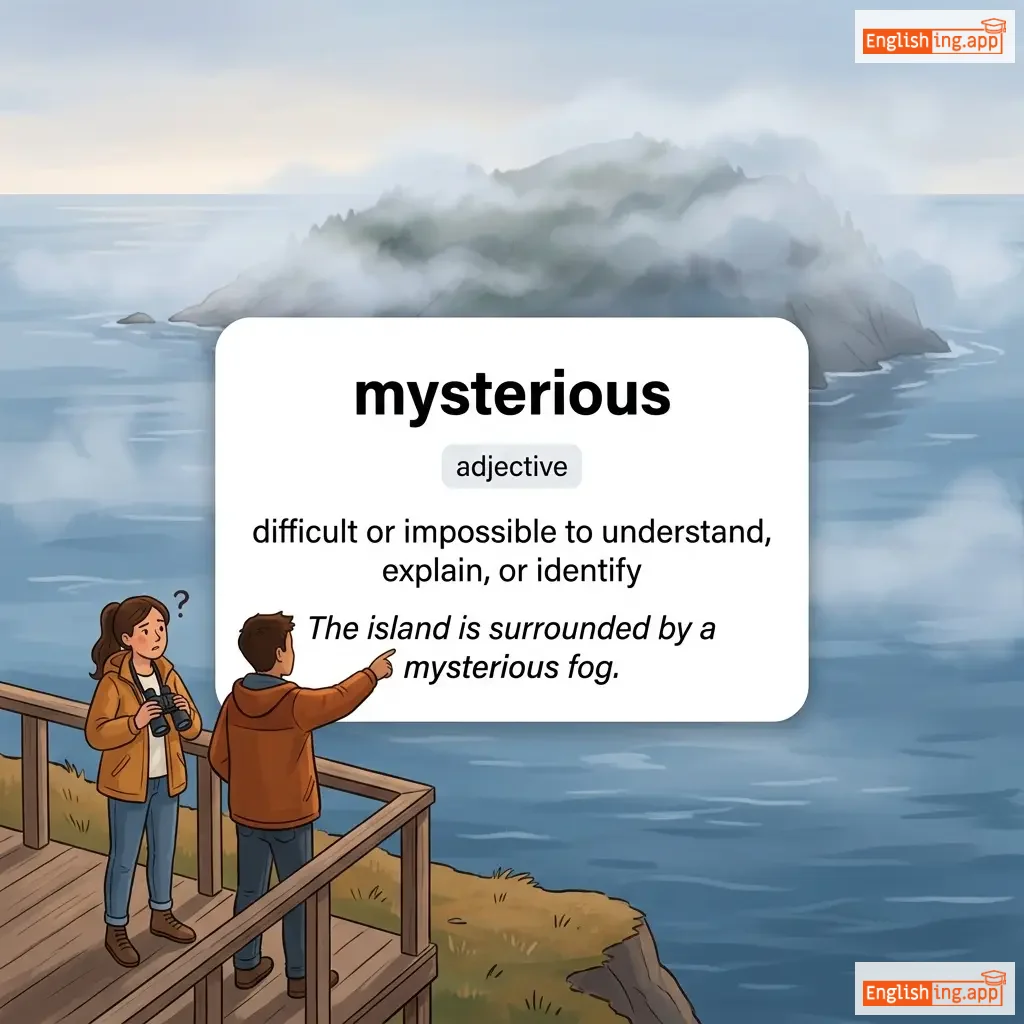
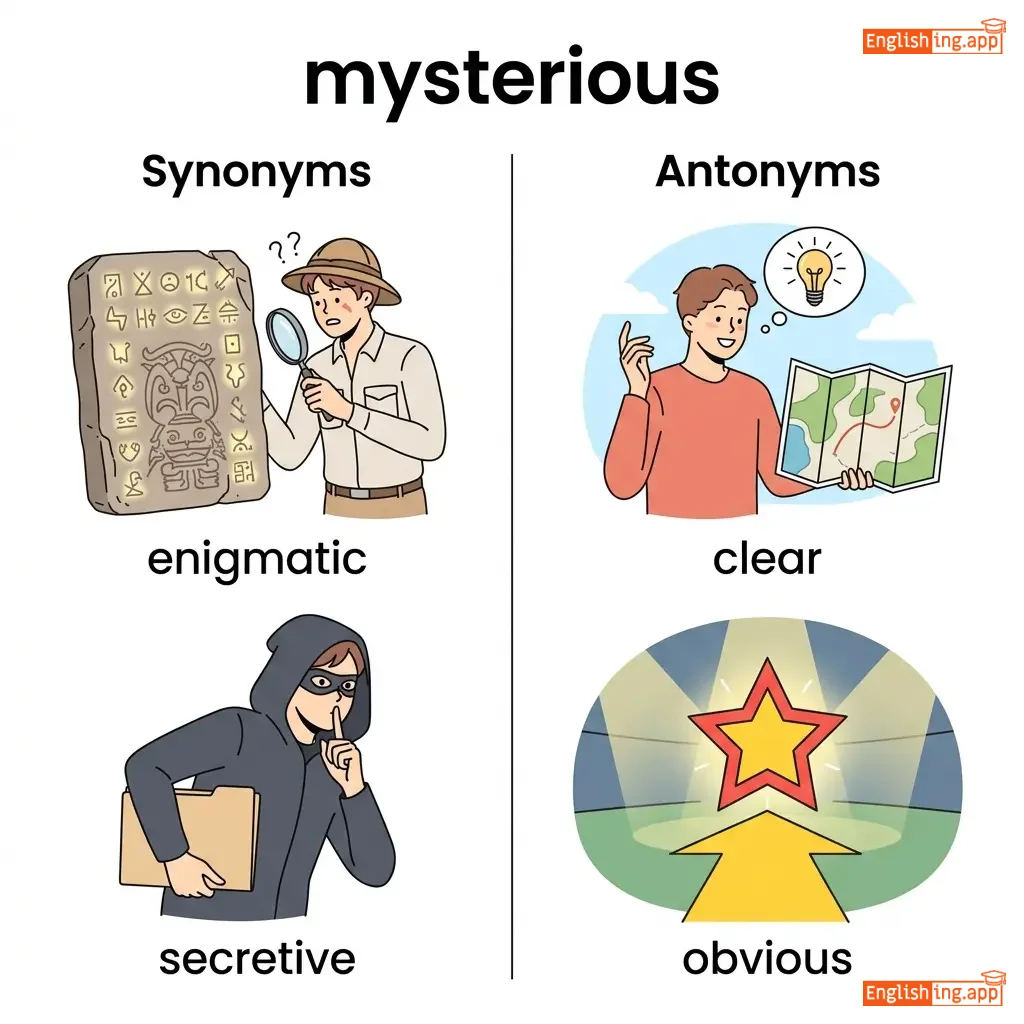
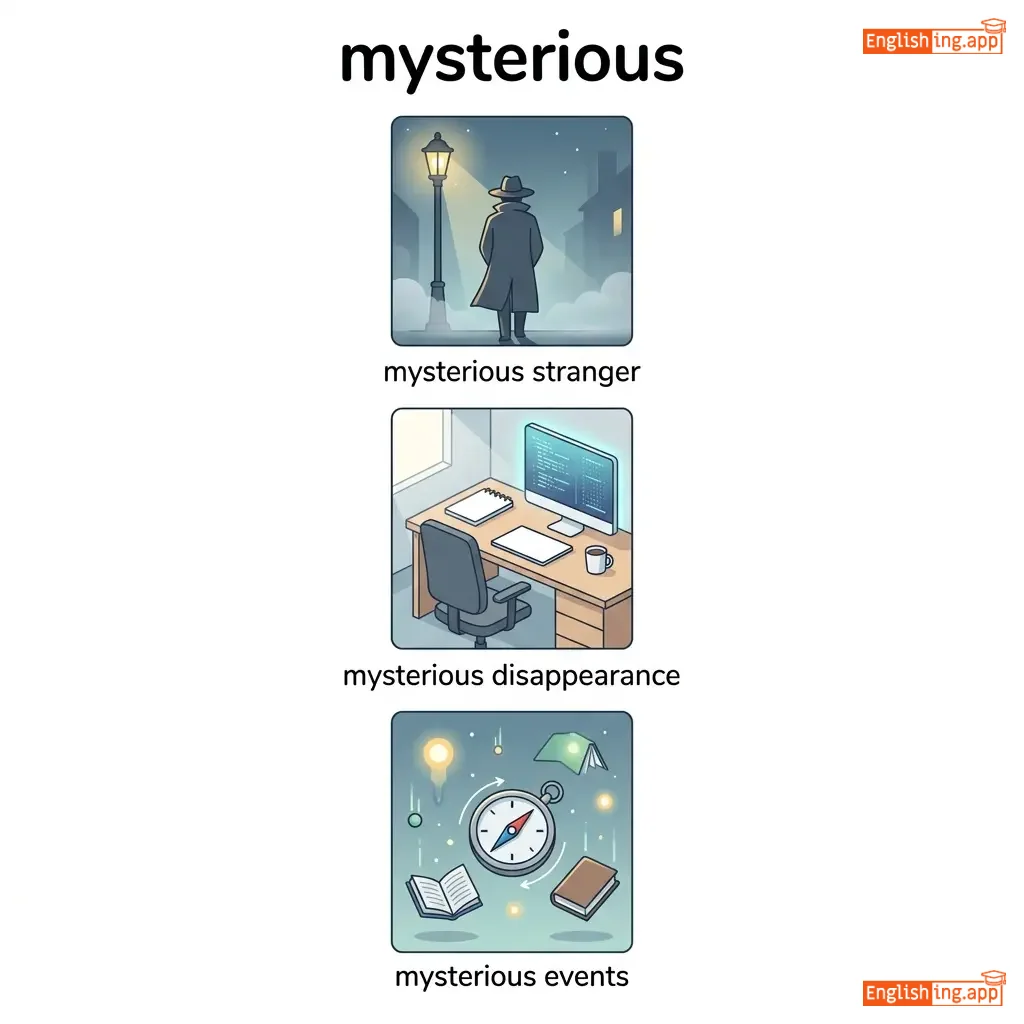
Swipe left or right, or use the buttons. Tap image to zoom.
例文の翻訳
単語
Lesson 27Lesson 27 - マスクトグル
|
絵文字
|
単語 | Images | 翻訳 | 意味 | 例文 | 例文の翻訳 | 同義語 | 対義語 | コロケーション | ニーモニック |
|---|---|---|---|---|---|---|---|---|---|---|
|
#521
🏥
|
/ˈmɔːrɪbʌnd/
adjective
(モリバンド)
••••••
|
- •••••• |
死にかけている; 衰退または腐敗の状態で
moribund
••••••
|
near death; dying; in a state of decline or decay
••••••
|
The moribund patient was in critical condition.
そのモリバンド患者は危機的な状態にありました。
••••••
|
そのモリバンド患者は危機的な状態にありました。
Sono moribund kanja wa kikiteki na joutai ni arimashita.
••••••
|
dying, failing, declining, decaying
••••••
|
thriving, flourishing, vigorous, healthy
••••••
|
moribund state, moribund economy, moribund industry
••••••
|
モリバンドは死に近い状態を思い出すものです。
••••••
|
|
#522
🧍
|
/ˈneɪ.kɪd/
adjective
(ネイキッド)
••••••
|
- •••••• |
裸; 衣服なし; 暴露された; 無防備
hadaka; ifuku nashi; bakuro sareta; muboubi
••••••
|
without clothes or covering; bare; exposed; unclothed
••••••
|
The naked truth about the situation shocked everyone. |
その状況についての裸の真実は、皆を驚かせました。
sono joukyou ni tsuite no hadaka no shinjitsu wa, mina o odorokasemashita.
••••••
|
bare, nude, exposed, uncovered
••••••
|
clothed, covered, dressed, concealed
••••••
|
naked eye, naked truth, naked flame, stark naked
••••••
|
In Japanese, 'naked' becomes '裸', like an exposed truth with no cover.
••••••
|
|
#523
📦
|
/ˈmuː.və.bl̩/
adjective
(ムーヴァブル)
••••••
|
- •••••• |
可動の; ポータブル; 移動可能
kado no; pōtaburu; idō kanō
••••••
|
capable of being moved; not fixed in position
••••••
|
The furniture is movable so we can rearrange the room easily. |
家具は可動なので、部屋を簡単に再配置できます。
kagu wa kadō nanode, heya o kantan ni saihaichi dekimasu.
••••••
|
portable, mobile, transportable, relocatable
••••••
|
fixed, immovable, stationary, permanent
••••••
|
movable parts, movable furniture, movable property
••••••
|
家具を動かすと、部屋がすぐに変わります!
••••••
|
|
#524
🔪
|
/ˈmɜː(r)dərəs/
adjective
(マーダラス)
••••••
|
- •••••• |
殺人的; 殺意を持っている; 極端に暴力的; 血に飢えた
maadarasu; satsui wo motteiru; kyokutani bouryokuteki; chi ni ueta
••••••
|
having the intent to kill; extremely violent; bloodthirsty
••••••
|
The murderous look in his eyes frightened everyone. |
彼の目にあった殺人的な視線はみんなを恐怖させた。
Kare no me ni atta maadarasu-teki na shisen wa minna wo kyoufu saseta.
••••••
|
deadly, lethal, homicidal, violent
••••••
|
peaceful, harmless, gentle, kind
••••••
|
murderous intent, murderous rage, murderous attack
••••••
|
Murderous = 殺人的な + 恐怖
••••••
|
|
#525
💀
|
/ˈmɔːtəl/
adjective
(モータル)
••••••
|
- •••••• |
死すべき運命; 限られた寿命の; 人間
shisubeki unmei; kagirareta jumyou no; ningen
••••••
|
subject to death; having a limited lifespan; human
••••••
|
All human beings are mortal and will eventually die.
すべての人間は死すべき運命にあり、最終的に死ぬ。
••••••
|
すべての人間は死すべき運命にあり、最終的に死ぬ。
Subete no ningen wa shisubeki unmei ni ari, saishūteki ni shinu.
••••••
|
human, earthly, temporal, perishable
••••••
|
immortal, eternal, divine, everlasting
••••••
|
mortal being, mortal enemy, mortal danger, mortal coil
••••••
|
モータル (mortal)は人間が死ぬ運命にあることを教えてくれる。
••••••
|
|
#526
❓
|
/ˈneɪm.ləs/
adjective
(ネイムレス)
••••••
|
- •••••• |
名も無き; 匿名の; 不明の; 未確認の
na mo naki; tokumei no; fumei no; mikakunin no
••••••
|
having no name; anonymous; unknown; unidentified
••••••
|
The nameless fear haunted him throughout the night.
名も無き恐怖が彼を一晩中追い詰めた。
••••••
|
名も無き恐怖が彼を一晩中追い詰めた。
Na mo naki kyōfu ga kare o hitobanjū oitsumeta.
••••••
|
anonymous, unknown, unnamed, unidentified
••••••
|
named, identified, known, famous
••••••
|
nameless fear, nameless dread, nameless grave, remain nameless
••••••
|
名も無き恐怖は、名前も顔もない恐ろしい感覚だ。
••••••
|
|
#527
🤐
|
/mjuːt/
adjective
(ミュート)
••••••
|
- •••••• |
無言の; 話せない; 音がない
myuto
••••••
|
silent; unable to speak; without sound
••••••
|
He remained mute during the entire meeting. |
彼は会議中ずっと無言だった。
Kare wa kaigichuu zutto mugon datta.
••••••
|
silent, speechless, voiceless, quiet
••••••
|
vocal, talkative, loud, audible
••••••
|
mute button, struck mute, remain mute
••••••
|
Mute = 無音、話せない
••••••
|
|
#528
🌈
|
/ˌmʌl.tɪˈfeə.ri.əs/
adjective
(マルチフェリアス)
••••••
|
- •••••• |
多様な; 多方面の
tayou na; tahoumen no
••••••
|
having many different aspects or forms; diverse and varied
••••••
|
The company has multifarious business interests including technology, finance, and healthcare. |
その会社には、テクノロジー、金融、ヘルスケアを含む多様なビジネス利益があります。
Sono kaisha ni wa, tekunorojī, kin'yū, herusukea o fukumu tayōna bijinesu rieki ga arimasu.
••••••
|
diverse, varied, manifold, numerous, multiple
••••••
|
uniform, singular, simple, homogeneous
••••••
|
multifarious activities, multifarious interests, multifarious duties
••••••
|
Multifariousは日本語で '多様な' に似ていて、たくさんの違う側面がある意味です。
••••••
|
|
#529
🔢
|
/ˈmʌl.tɪ.pl̩/
adjective
(マルチプル)
••••••
|
- •••••• |
複数の; 多様な; 異なる
fukusū no; tayō na; kotonaru
••••••
|
having many parts, elements, or members; numerous
••••••
|
She suffered multiple injuries in the accident. |
彼女は事故で複数の怪我をしました。
Kanojo wa jiko de fukusū no kega o shimashita.
••••••
|
numerous, many, several, various, manifold
••••••
|
single, sole, individual, unique
••••••
|
multiple choice, multiple injuries, multiple times
••••••
|
一つより多い、だから'マルチプル'!
••••••
|
|
#530
🤝
|
/ˈmjuːtʃuəl/
adjective
(ミューシャル)
••••••
|
- •••••• |
相互
sōgo
••••••
|
shared by two or more parties; reciprocal
••••••
|
They have a mutual respect for each other.
彼らはお互いに相互尊重を持っています。
••••••
|
彼らはお互いに相互尊重を持っています。
Karera wa otagai ni sōgo sonchō o motteimasu.
••••••
|
reciprocal, shared, common, joint
••••••
|
unilateral, one-sided, individual, separate
••••••
|
mutual respect, mutual agreement, mutual understanding
••••••
|
相互は、2人以上の人々またはグループの間で共有されるもの、たとえば相互の尊敬を意味します。
••••••
|
|
#531
🌿
|
/ˈmɒsi/
adjective
(moshi)
••••••
|
- •••••• |
苔むしている; 苔が生えている
kokemushiteiru; koke ga haeteiru
••••••
|
covered with moss; having moss growing on it
••••••
|
The old tree trunk was mossy and covered with green vegetation.
古い木の幹は苔むしており、緑の植物で覆われていました。
••••••
|
古い木の幹は苔むしており、緑の植物で覆われていました。
Furui ki no miki wa kokemushite ori, midori no shokubutsu de owareteimashita.
••••••
|
moss-covered, verdant, overgrown, green
••••••
|
bare, clean, smooth, moss-free
••••••
|
mossy rock, mossy ground, mossy tree, mossy stone
••••••
|
Mossy は苔むしている意味で、木の幹が苔で覆われている状態です。
••••••
|
|
#532
📖
|
/ˈnær.ə.tɪv/
adjective
(ナラティブ)
••••••
|
- •••••• |
物語的な; 描写的な; 物語を語る
monogatari teki na; byousha teki na; monogatari o kataru
••••••
|
relating to storytelling; descriptive; telling a story; recounting events
••••••
|
The narrative structure of the novel was quite complex.
その小説のナラティブ構造はかなり複雑でした。
••••••
|
その小説の物語的な構造はかなり複雑でした。
Sono shousetsu no monogatari teki na kouzou wa kanari fukuzatsu deshita.
••••••
|
storytelling, descriptive, recounting, relating
••••••
|
non-narrative, expository, analytical, factual
••••••
|
narrative structure, narrative voice, narrative style, personal narrative
••••••
|
Japanese '物語' (monogatari) links with 'narrative' for storytelling.
••••••
|
|
#533
🛠️
|
/ˌmʌl.tiˈpɜː.pəs/
adjective
(マルチパーパス)
••••••
|
- •••••• |
多目的
tāmokuteki
••••••
|
having multiple uses or functions; versatile
••••••
|
This multipurpose tool can be used as a knife, screwdriver, and bottle opener.
このマルチパーパスツールは、ナイフ、ドライバー、ボトルオープナーとして使用できます。
••••••
|
この多目的ツールは、ナイフ、ドライバー、ボトルオープナーとして使用できます。
Kono tāmokuteki tsūru wa, naifu, doraibā, botoru ōpunā toshite shiyō dekimasu.
••••••
|
versatile, multifunctional, all-purpose, universal
••••••
|
specialized, single-purpose, specific, dedicated
••••••
|
multipurpose room, multipurpose tool, multipurpose vehicle
••••••
|
多目的 = 多くの機能を持つツール
••••••
|
|
#534
🔮
|
/mɪˈstɪəriəs/
adjective
(ミステリアス)
••••••
|
|
謎めいた; 不可解な; 神秘的
misuteriasu
••••••
|
difficult to understand or explain; having an air of secrecy
••••••
|
The mysterious stranger disappeared into the night. |
謎めいた見知らぬ人が夜の中で消えた。
Nazo-meita mishiranu hito ga yoru no naka de kieta.
••••••
|
enigmatic, puzzling, cryptic, secretive
••••••
|
clear, obvious, transparent, open
••••••
|
mysterious circumstances, mysterious disappearance, mysterious smile
••••••
|
謎めいた = 謎 (nazo) + 明 (mei)
••••••
|
|
#535
👩👧👦
|
/ˈmʌðərli/
adjective
(madarī)
••••••
|
- •••••• |
母性的
boseiteki
••••••
|
having qualities characteristic of a mother; caring and protective
••••••
|
She showed motherly care and affection towards all the children.
彼女はすべての子供たちに母親のようなケアと愛情を示しました。
••••••
|
彼女はすべての子供たちに母親のようなケアと愛情を示しました。
Kanojo wa subete no kodomotachi ni hahaoya no youna kea to aijou wo shimeshimashita.
••••••
|
maternal, nurturing, caring, protective
••••••
|
unmotherly, neglectful, harsh, cold
••••••
|
motherly love, motherly instinct, motherly care, motherly advice
••••••
|
Motherly care in Japanese: boseiteki
••••••
|
|
#536
↔️
|
/ˈnær.oʊ/
adjective
(ナロー)
••••••
|
- •••••• |
狭い; 限定された; 狭まった
semai; gentei sareta; sematta
••••••
|
having a small width; thin; limited in scope; restricted
••••••
|
The narrow street was barely wide enough for two cars. |
その狭い道は2台の車が通るにはほとんど十分な広さがありませんでした。
Sono semai michi wa 2 dai no kuruma ga tooru ni wa hotondo juubun na hirosa ga arimasen deshita.
••••••
|
thin, slim, tight, confined
••••••
|
wide, broad, spacious, expansive
••••••
|
narrow street, narrow margin, narrow escape, narrow minded
••••••
|
狭い道では2台の車が通るにはギリギリだと感じる、まるで制限されたような感覚です。
••••••
|
|
#537
🤐
|
/mʌm/
adjective
(マム)
••••••
|
- •••••• |
沈黙; 何も言わない; 静かにする
chinmoku; nanimo iwanai; shizuka ni suru
••••••
|
silent; saying nothing; keeping quiet
••••••
|
He kept mum about the surprise party plans. |
彼はサプライズパーティーの計画について沈黙していました。
Kare wa sapuraizu paatii no keikaku ni tsuite chinmoku shite imashita.
••••••
|
silent, quiet, speechless, mute, taciturn
••••••
|
talkative, vocal, outspoken, communicative
••••••
|
keep mum, stay mum, remain mum
••••••
|
‘ママ’のように黙っている
••••••
|
|
#538
⛰️
|
/ˈmaʊntɪnəs/
adjective
(マウンテナス)
••••••
|
- •••••• |
山岳地帯の
sangaku chitai no
••••••
|
having many mountains; characterized by mountains
••••••
|
The mountainous region was difficult to travel through.
その山岳地帯は旅行するのが難しかった。
••••••
|
その山岳地帯は旅行するのが難しかった。
Sono sangaku chitai wa ryokō suru no ga muzukashikatta.
••••••
|
hilly, alpine, elevated, highland
••••••
|
flat, level, lowland, plain
••••••
|
mountainous terrain, mountainous region, mountainous area, mountainous landscape
••••••
|
Imagine struggling to travel through a mountainous terrain filled with steep hills!
••••••
|
|
#539
🐲
|
/ˈmɪθɪkəl/
adjective
(ミシカル)
••••••
|
- •••••• |
神話的な
shinwateki na
••••••
|
existing only in myths or legends; imaginary or fictitious
••••••
|
Dragons are mythical creatures that appear in many cultures.
ドラゴンズ・アー・ミシカル・クリーチャーズ・ザット・アピアー・イン・メニー・カルチャーズ。
••••••
|
ドラゴンは多くの文化に登場する神話的な生き物です。
doragon wa ōku no bunka ni tōjō suru shinwateki na ikimono desu.
••••••
|
legendary, fictional, imaginary, fantastical
••••••
|
real, factual, historical, actual
••••••
|
mythical creatures, mythical beings, mythical stories
••••••
|
神話の世界でドラゴンを想像して、それが伝説の一部になる。
••••••
|
|
#540
🤏
|
/ˈnær.oʊ ˈmaɪn.dɪd/
adjective
(ナロー・マインデッド)
••••••
|
- •••••• |
視野が狭い
shiya ga semai
••••••
|
unwilling to consider new ideas; prejudiced; intolerant; having a limited perspective
••••••
|
His narrow-minded attitude prevented him from accepting new ideas. |
彼の視野が狭いため、新しいアイデアを受け入れることができませんでした。
kare no shiya ga semai tame, atarashī aidea o ukeireru koto ga deki masen deshita.
••••••
|
prejudiced, intolerant, bigoted, close-minded
••••••
|
open-minded, tolerant, broad-minded, liberal
••••••
|
narrow-minded person, narrow-minded approach, narrow-minded thinking, narrow-minded views
••••••
|
Narrow-minded = Shiya ga semai - 狭い視界
••••••
|
Vocabulary Quiz
Test your vocabulary by matching words with their translations or meanings.
Login to take the quiz
Comments (0)
Share your thoughts and join the discussion.
Join the discussion by logging in
Login to CommentNo comments yet
Be the first to share your thoughts!