

翻訳
過去
過去分詞
三人称単数
動名詞
意味
例文
例文の翻訳
同義語
対義語
コロケーション
ニーモニック

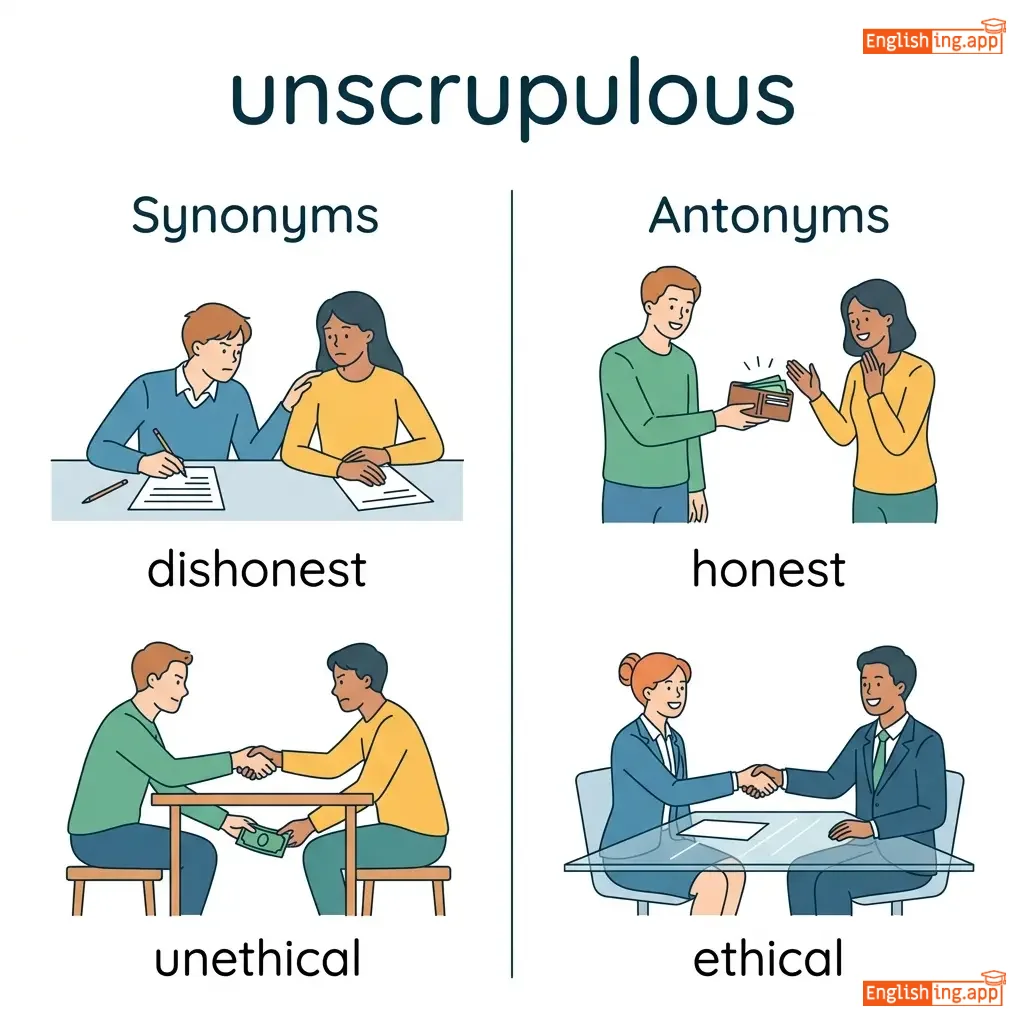
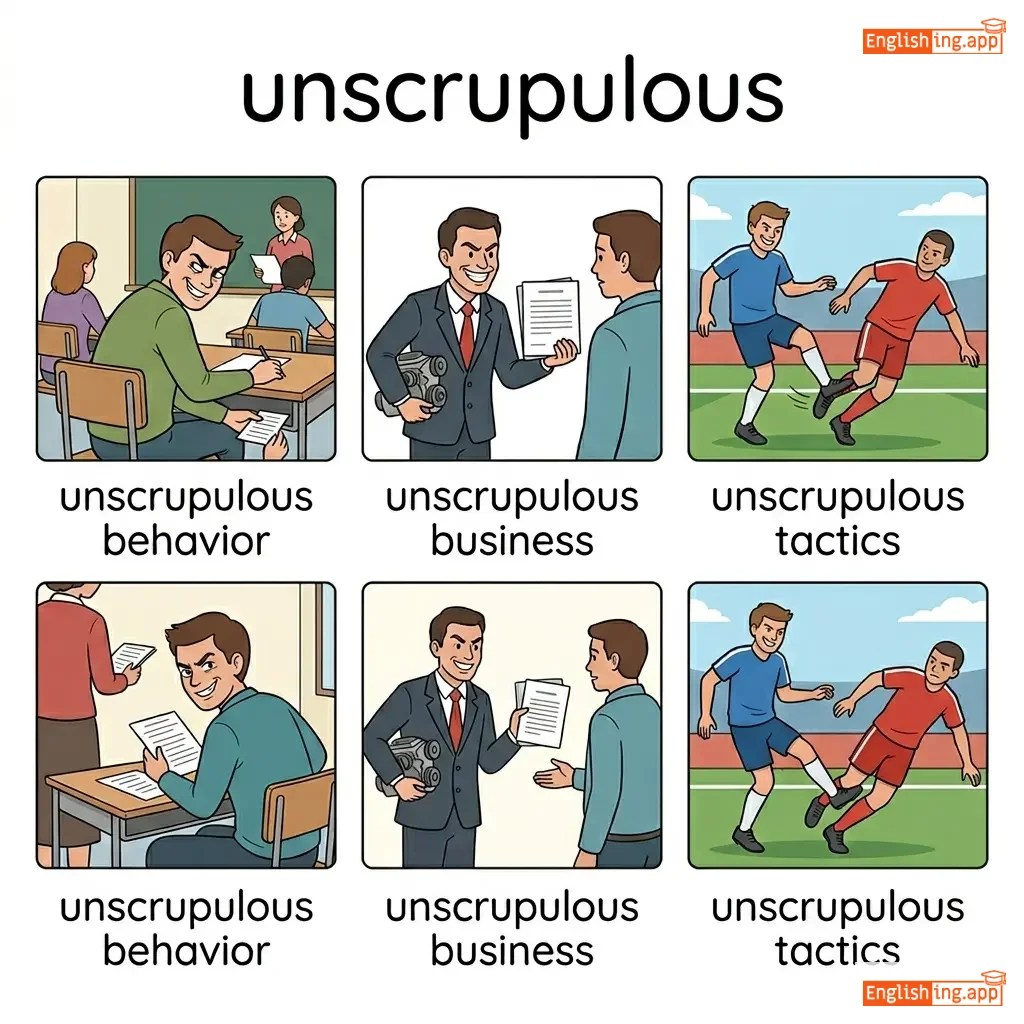
Swipe left or right, or use the buttons. Tap image to zoom.
例文の翻訳
単語
Lesson 53Lesson 53 - マスクトグル
|
絵文字
|
単語 | Images | 翻訳 | 意味 | 例文 | 例文の翻訳 | 同義語 | 対義語 | コロケーション | ニーモニック |
|---|---|---|---|---|---|---|---|---|---|---|
|
#1041
💪
|
/ʌnˈtaɪərɪŋ/
adjective
(アンタイアリング)
••••••
|
- •••••• |
不屈の; 絶え間ない; 疲れを知らない
fuketsu no; taemai nai; tsukare o shiranai
••••••
|
continuing without stopping; persistent; tireless
••••••
|
Her untiring efforts finally led to success. |
彼女の不屈の努力は最終的に成功に繋がった。
Kanojo no fuketsu no doryoku wa saishūteki ni seikō ni tsunagatta.
••••••
|
tireless, persistent, relentless, indefatigable
••••••
|
tired, exhausted, weary, lazy
••••••
|
untiring efforts, untiring work, untiring dedication
••••••
|
絶え間ない努力で目標に到達する。
••••••
|
|
#1042
❌
|
/ˌʌnrɪˈlaɪəbl/
adjective
(アンリライアブル)
••••••
|
- •••••• |
信頼できない; 信頼や依存ができない
shinrai dekinai; shinrai ya izon ga dekinai
••••••
|
not dependable; not able to be trusted or relied upon
••••••
|
The old car is unreliable and breaks down frequently.
ディ・オールド・カー・イズ・アンリライアブル・エンド・ブレイクス・ダウン・フリクウェントリー。
••••••
|
その古い車は信頼できず、よく壊れます。
Sono furui kuruma wa shinrai dekinai, yoku kowaremasu.
••••••
|
undependable, untrustworthy, inconsistent
••••••
|
reliable, dependable, trustworthy
••••••
|
unreliable source, unreliable data, unreliable narrator
••••••
|
信頼できない車は、時間と共に壊れ続ける。
••••••
|
|
#1043
❌
|
/ˌʌnsəkˈsesfl/
adjective
(アンセクセスフル)
••••••
|
- •••••• |
失敗した; 成功しなかった;
shippai shita; seikou shinakatta
••••••
|
not achieving desired aims or results; failing to accomplish a purpose
••••••
|
His unsuccessful attempt to climb the mountain left him disappointed.
His unsuccessful attempt to climb the mountain left him disappointed.
••••••
|
彼の失敗した山登りの試みは彼を失望させた。
Kare no shippai shita yamanobori no kokoromi wa kare o shitsubou saseta.
••••••
|
failed, defeated, futile, fruitless
••••••
|
successful, victorious, triumphant, effective
••••••
|
unsuccessful attempt, unsuccessful candidate, unsuccessful business
••••••
|
日本語で'失敗した'は目標を達成できなかった意味です。
••••••
|
|
#1044
👁️🗨️
|
/ʌnˈsiːn/
adjective
(アンシーン)
••••••
|
- •••••• |
見えない; 前に見たり気づいたりしたことがない
mienai; mae ni mitari kidzuitari shita koto ga nai
••••••
|
not previously seen or noticed; invisible; hidden
••••••
|
The unseen forces of nature can be very powerful. |
自然界の見えない力は非常に強力である可能性があります。
shizenkai no mienai chikara wa hijou ni kyouryoku dearu kanousei ga arimasu.
••••••
|
invisible, hidden, unnoticed, concealed
••••••
|
visible, seen, noticed, apparent
••••••
|
unseen forces, unseen dangers, unseen world
••••••
|
In Japanese, '見えない' (mienai) refers to something unseen.
••••••
|
|
#1045
♾️
|
/ʌnˈtoʊld/
adjective
(アンタールド)
••••••
|
- •••••• |
無数の; 無限の
musū no; mugen no
••••••
|
very great in amount or degree; countless; immeasurable
••••••
|
The earthquake caused untold damage to the city.
ジ アースクェイク コーズド アンタールド ダメージ トゥ ザ シティ。
••••••
|
地震は都市に無数の損害を与えました。
Jishin wa toshi ni musū no songai o ataemashita.
••••••
|
countless, immeasurable, infinite, limitless
••••••
|
limited, finite, countable, measurable
••••••
|
untold wealth, untold suffering, untold damage
••••••
|
無限の損害、数えることができないほどの無数!
••••••
|
|
#1046
🍌
|
/ʌnˈraɪp/
adjective
(アンライプ)
••••••
|
- •••••• |
未熟
mijuku
••••••
|
not fully developed or matured; not ready to be eaten
••••••
|
The unripe bananas will turn yellow in a few days.
未熟なバナナは数日後に黄色くなります。
••••••
|
未熟なバナナは数日後に黄色くなります。
Mijuku na banana wa suujitsu go ni kiiroku narimasu.
••••••
|
immature, underdeveloped, green
••••••
|
ripe, mature, ready
••••••
|
unripe fruit, unripe bananas, unripe tomatoes
••••••
|
未熟な果物はまだ食べられない、時間が経つと成熟します。
••••••
|
|
#1047
🚫
|
/ʌnˈsuːtəbl/
adjective
(アンスイータブル)
••••••
|
- •••••• |
不適切; 不適当
futekisetsu; futekitou
••••••
|
not fitting or appropriate for a particular purpose or situation
••••••
|
This formal dress is unsuitable for a casual beach party.
このフォーマルなドレスはカジュアルなビーチパーティには不適切です。
••••••
|
このフォーマルなドレスはカジュアルなビーチパーティには不適切です。
Kono fōmaru na doresu wa kajuaru na bīchi pātī ni wa futekisetsu desu.
••••••
|
inappropriate, unfit, improper, inadequate
••••••
|
suitable, appropriate, fitting, proper
••••••
|
unsuitable behavior, unsuitable candidate, unsuitable conditions
••••••
|
Japanese word 'futekisetsu' is similar to 'unsuitable'.
••••••
|
|
#1048
❌
|
/ʌnˈsɜːrvɪsəbəl/
adjective
(アンサービスアブル)
••••••
|
- •••••• |
使えない; 故障した
tsukaenai; koshou shita
••••••
|
not in working order; unable to be used; defective
••••••
|
The old computer became unserviceable after the system crash. |
古いコンピュータはシステムクラッシュ後、使えなくなりました。
Furui konpyu-ta wa shisutemu kurasshu go, tsukaenaku narimashita.
••••••
|
unusable, defective, broken, faulty
••••••
|
serviceable, usable, functional, working
••••••
|
unserviceable equipment, unserviceable condition, unserviceable vehicle
••••••
|
使えない = 使えない、壊れている
••••••
|
|
#1049
🗿
|
/ʌnˈʃeɪkən/
adjective
(アンシェイケン)
••••••
|
- •••••• |
動揺しない; 固い
dōyō shinai; katai
••••••
|
not disturbed or affected; firm and steady; unwavering
••••••
|
Her faith remained unshaken despite all the challenges. |
彼女の信念はすべての困難にも動揺しませんでした。
Kanojo no shin'nen wa subete no konnan ni mo dōyō shimasen deshita.
••••••
|
firm, steady, unwavering, resolute
••••••
|
shaken, disturbed, wavering, uncertain
••••••
|
unshaken faith, unshaken confidence, unshaken belief
••••••
|
Japanese and English: '動揺しない' means unshaken, like strong faith.
••••••
|
|
#1050
🤯
|
/ʌnˈθɪŋkəbl/
adjective
(アンシンクアブル)
••••••
|
- •••••• |
想像を絶する
souzou o zessuru
••••••
|
impossible to conceive or imagine; beyond belief or consideration
••••••
|
It was unthinkable that such a tragedy could happen in our peaceful town. |
私たちの平和な街でそのような悲劇が起こるなんて、想像を絶していました。
Watashitachi no heiwa na machi de sono youna higeki ga okoru nante, souzou o zesshite imashita.
••••••
|
inconceivable, unimaginable, impossible, incredible
••••••
|
thinkable, conceivable, imaginable, possible
••••••
|
unthinkable tragedy, unthinkable consequences, unthinkable act
••••••
|
想像を絶する – 予想できない、または理解できないほどのもの。
••••••
|
|
#1051
✅
|
/ʌnˈkwes.tʃən.ə.bl̩/
adjective
(アンクウェスチョナブル)
••••••
|
- •••••• |
議論の余地がない; 確実な
giron no yochi ga nai; kakujitsu na
••••••
|
not able to be disputed or doubted; certain and beyond doubt
••••••
|
Her honesty and integrity are unquestionable qualities. |
彼女の誠実さと誠意は議論の余地がない特性です。
kanojo no seijitsusa to sei wa giron no yochi ga nai tokusei desu.
••••••
|
indisputable, undeniable, certain
••••••
|
questionable, doubtful, disputable
••••••
|
unquestionable authority, unquestionable evidence, unquestionable truth
••••••
|
Japanese: Unquestionable - '議論の余地がない' means no room for argument.
••••••
|
|
#1052
😤
|
/ʌnˈruːli/
adjective
(アンルーリー)
••••••
|
- •••••• |
無秩序な; 不従順な;
muchi-jona, fuzui-junna
••••••
|
difficult to control or manage; disorderly and disruptive
••••••
|
The unruly crowd refused to follow the safety instructions.
アンルーリーな群衆は安全指示に従うことを拒否した。
••••••
|
無秩序な群衆は安全指示に従うことを拒否した。
Muchijona gunshū wa anzen shiji ni shitagau koto o kyohi shita.
••••••
|
disobedient, rebellious, wild, disorderly
••••••
|
obedient, disciplined, orderly, well-behaved
••••••
|
unruly behavior, unruly children, unruly crowd
••••••
|
Unruly crowd refuses rules
••••••
|
|
#1053
🔰
|
/ʌnˈskɪld/
adjective
(アンスキルド)
••••••
|
- •••••• |
未熟な; 技術のない労働者
mijukuna; gijutsu no nai rōdōsha
••••••
|
lacking technical training or ability; not requiring special skills
••••••
|
Many unskilled workers are looking for training opportunities.
多くの未熟な労働者がトレーニングの機会を探しています。
••••••
|
多くの未熟な労働者がトレーニングの機会を探しています。
Ōku no mijukuna rōdōsha ga torēningu no kikai o sagashiteimasu.
••••••
|
inexperienced, untrained, unqualified, amateur
••••••
|
skilled, trained, qualified, experienced
••••••
|
unskilled worker, unskilled labor, unskilled job
••••••
|
未熟な人は技術を学ぶ必要がある
••••••
|
|
#1054
⚠️
|
/ʌnˈseɪf/
adjective
(アンセーフ)
••••••
|
- •••••• |
危険な; 危ない;
kiken na, abunai
••••••
|
involving or causing danger or risk; not protected from harm
••••••
|
It is unsafe to walk alone in this neighborhood at night.
この地域では夜間に一人で歩くのは危険です。
••••••
|
この地域では夜間に一人で歩くのは危険です。
Kono chiiki de wa yakan ni hitori de aruku no wa kiken desu.
••••••
|
dangerous, hazardous, risky, perilous
••••••
|
safe, secure, protected, harmless
••••••
|
unsafe conditions, unsafe area, unsafe driving
••••••
|
Unsafe = Danger in both English and Japanese
••••••
|
|
#1055
🗑️
|
/ʌnˈtaɪdi/
adjective
(アンタイディ)
••••••
|
- •••••• |
散らかった; 無秩序な;
chirakatta
••••••
|
not neat or orderly; messy and disorganized
••••••
|
Her untidy room was filled with clothes scattered everywhere. |
彼女の散らかった部屋は、どこにでも散らばった服でいっぱいでした。
kanojo no chirakatta heya wa, doko ni demo chirabatta fuku de ippai deshita.
••••••
|
messy, disorganized, cluttered, unkempt
••••••
|
tidy, neat, organized, orderly
••••••
|
untidy room, untidy appearance, untidy desk
••••••
|
散らかった - 物がすべてバラバラ
••••••
|
|
#1056
😰
|
/ʌnˈkwaɪ.ət/
adjective
(アンクワイエット)
••••••
|
- •••••• |
落ち着かない; 不安な; 動揺した
ochitsukanai; fuan na; dōyō shita
••••••
|
restless; unable to remain still or quiet; anxious or troubled
••••••
|
She spent an unquiet night worrying about the exam results. |
彼女は試験結果を心配して落ち着かない夜を過ごした。
Kanojo wa shiken kekka o shinpai shite ochitsukanai yoru o sugoshita.
••••••
|
restless, troubled, anxious
••••••
|
quiet, peaceful, calm
••••••
|
unquiet mind, unquiet sleep, unquiet spirit
••••••
|
Unquiet = 不安な夜を過ごす
••••••
|
|
#1057
⚖️
|
/ʌnˈsteɪbəl/
adjective
(ansutēburu)
••••••
|
- •••••• |
不安定
fu antei
••••••
|
likely to change; not steady or secure; unsteady
••••••
|
The unstable economy made people worried about their jobs.
不安定な経済は、人々を自分たちの仕事について心配させました。
••••••
|
不安定な経済は、人々を自分たちの仕事について心配させました。
Fuan tei na keizai wa, hitobito o jibuntachi no shigoto ni tsuite shinpai sasemashita.
••••••
|
unsteady, volatile, changeable, fluctuating
••••••
|
stable, steady, secure, firm
••••••
|
unstable economy, unstable relationship, unstable condition
••••••
|
不安定 = 不 + 安定 (安定していない)
••••••
|
|
#1058
😈
|
/ʌnˈskruːpjələs/
adjective
(アンスクルプラス)
••••••
|
|
不道徳な; 不誠実な; 不公平な
fudōtoku na; fuseijitsu na; fukōhei na
••••••
|
having or showing no moral principles; not honest or fair
••••••
|
The unscrupulous businessman cheated his customers with false promises. |
その不道徳なビジネスマンは、嘘の約束で顧客を騙しました。
Sono fudōtoku na bijinesuman wa, uso no yakusoku de kokyaku o damashimashita.
••••••
|
dishonest, corrupt, immoral, unprincipled
••••••
|
honest, ethical, principled, scrupulous
••••••
|
unscrupulous behavior, unscrupulous dealer, unscrupulous methods
••••••
|
嘘の約束で顧客を騙すビジネスマンのように。
••••••
|
|
#1059
⏰
|
/ʌnˈtaɪmli/
adjective
(アンタイムリー)
••••••
|
- •••••• |
不適切なタイミングで
futekisetsuna taimingu de
••••••
|
happening at an inappropriate or inconvenient time; premature
••••••
|
His untimely death at the age of thirty shocked everyone.
彼のアンタイムリーな死は30歳でみんなを驚かせた。
••••••
|
彼の不適切なタイミングでの死は30歳でみんなを驚かせた。
Kare no futekisetsuna taimingu de no shi wa 30 sai de minna o odorokaseta.
••••••
|
premature, early, inappropriate, inopportune
••••••
|
timely, appropriate, opportune, well-timed
••••••
|
untimely death, untimely end, untimely demise
••••••
|
不適切なタイミングで死ぬことはアンタイムリーな死です。
••••••
|
|
#1060
🔗❌
|
/ʌn.rɪˈleɪ.tɪd/
adjective
(アンレレイテッド)
••••••
|
- •••••• |
無関係な; 関連していない
mukan'keina; kanren shiteinai
••••••
|
having no connection or relationship; not connected by family ties
••••••
|
The two incidents were completely unrelated to each other.
二つの出来事は完全に無関係だった。
••••••
|
二つの出来事は完全に無関係だった。
Futatsu no dekigoto wa kanzen ni mukan'keidatta.
••••••
|
unconnected, independent, separate
••••••
|
related, connected, linked
••••••
|
unrelated events, unrelated topics, unrelated issues
••••••
|
日本語: '無関係' = unrelated
••••••
|
Vocabulary Quiz
Test your vocabulary by matching words with their translations or meanings.
Login to take the quiz
Comments (0)
Share your thoughts and join the discussion.
Join the discussion by logging in
Login to CommentNo comments yet
Be the first to share your thoughts!