

翻訳
過去
過去分詞
三人称単数
動名詞
意味
例文
例文の翻訳
同義語
対義語
コロケーション
ニーモニック

Swipe left or right, or use the buttons. Tap image to zoom.
例文の翻訳
単語
Lesson 57Lesson 57 - マスクトグル
|
絵文字
|
単語 | Images | 翻訳 | 意味 | 例文 | 例文の翻訳 | 同義語 | 対義語 | コロケーション | ニーモニック |
|---|---|---|---|---|---|---|---|---|---|---|
|
#1121
🦊
|
/ˈwaɪ.li/
adjective
(ワイリー)
••••••
|
- •••••• |
ずる賢い; ずるい; 狡猾な
zurukashikoi; zurui; kōkatsu na
••••••
|
clever; cunning; sly
••••••
|
The wily fox escaped from the trap using his cunning intelligence.
ワイリーなキツネはそのずる賢い知恵を使って罠から逃げた。
••••••
|
ずる賢いキツネはその狡猾な知恵を使って罠から逃げた。
Zurukashikoi kitsune wa sono kōkatsu na chie o tsukatte wana kara nigeta.
••••••
|
cunning, crafty, sly, clever, shrewd
••••••
|
naive, innocent, straightforward, honest, guileless
••••••
|
wily fox, wily politician, wily scheme, wily smile
••••••
|
賢くなり、ずる賢い方法で罠を回避しよう。
••••••
|
|
#1122
😴
|
/ˈwɪəri/
adjective
(ウィアリー)
••••••
|
- •••••• |
疲れた; くたびれた
tsukareta; kutabireta
••••••
|
feeling or showing extreme tiredness; tired and lacking energy
••••••
|
She felt weary after working twelve hours straight.
彼女は12時間働いた後、疲れを感じました。
••••••
|
彼女は12時間働いた後、疲れを感じました。
Kanojo wa 12-jikan hataraita ato, tsukare o kanjimashita.
••••••
|
tired, exhausted, fatigued, drained
••••••
|
energetic, refreshed, vigorous, lively
••••••
|
weary traveler, grow weary, weary smile
••••••
|
Weary = 疲れた日本語
••••••
|
|
#1123
↔️
|
/waɪd/
adjective
(ワイド)
••••••
|
- •••••• |
広い; 広大
hiroi; kodai
••••••
|
having a great distance from one side to the other; broad
••••••
|
The river is very wide at this point. |
この地点で川は非常に広いです。
Kono chiten de kawa wa hijou ni hiroi desu.
••••••
|
broad, extensive, spacious, vast
••••••
|
narrow, thin, restricted
••••••
|
wide range, wide variety, wide open, wide awake
••••••
|
広い川、広大な空間。
••••••
|
|
#1124
🎭
|
/ˈwɪm.zɪ.kəl/
adjective
(wīmusikaru)
••••••
|
|
風変わりな; 奇妙な
fūkawari na; kimyō na
••••••
|
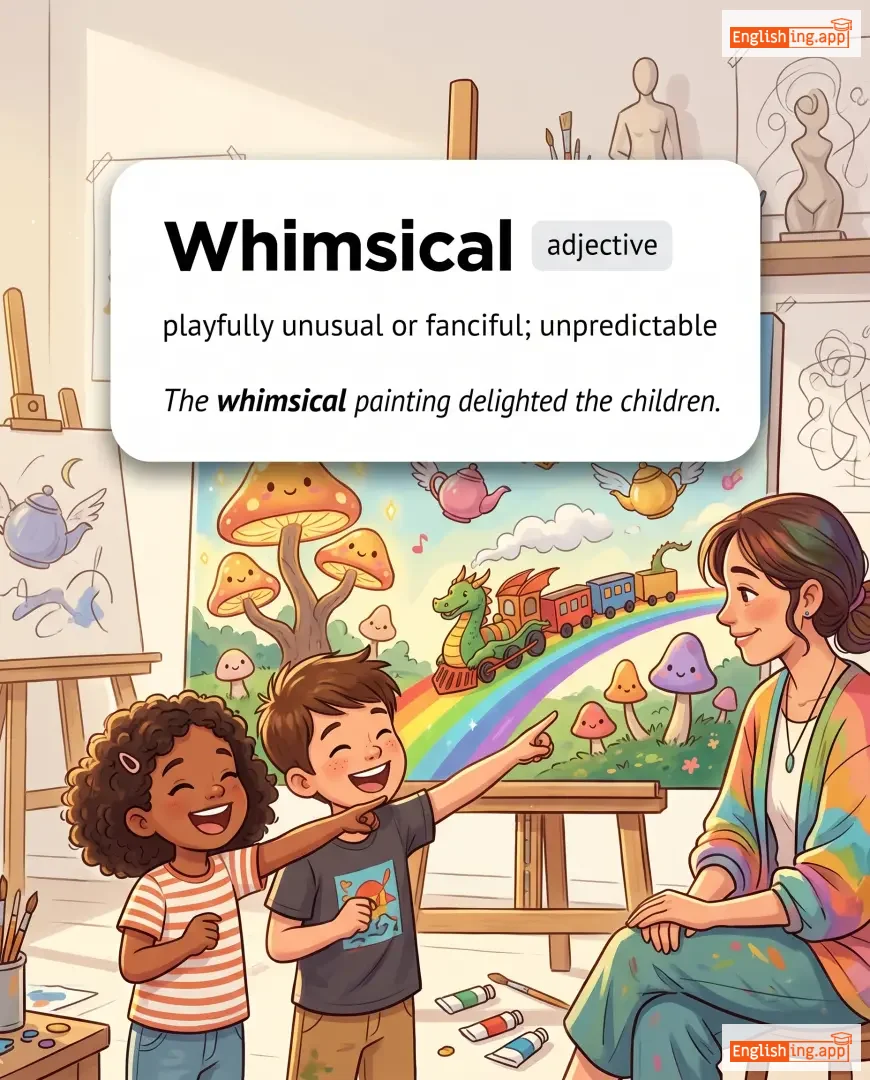
playfully quaint or fanciful, especially in an appealing and amusing way
••••••
|
The artist created whimsical sculptures that delighted children.
アーティストは子供たちを喜ばせる奇抜な彫刻を作りました。
••••••
|
アーティストは子供たちを喜ばせる奇抜な彫刻を作りました。
Ātisuto wa kodomotachi o yorokobaseru kibatsu na chōkoku o tsukurimashita.
••••••
|
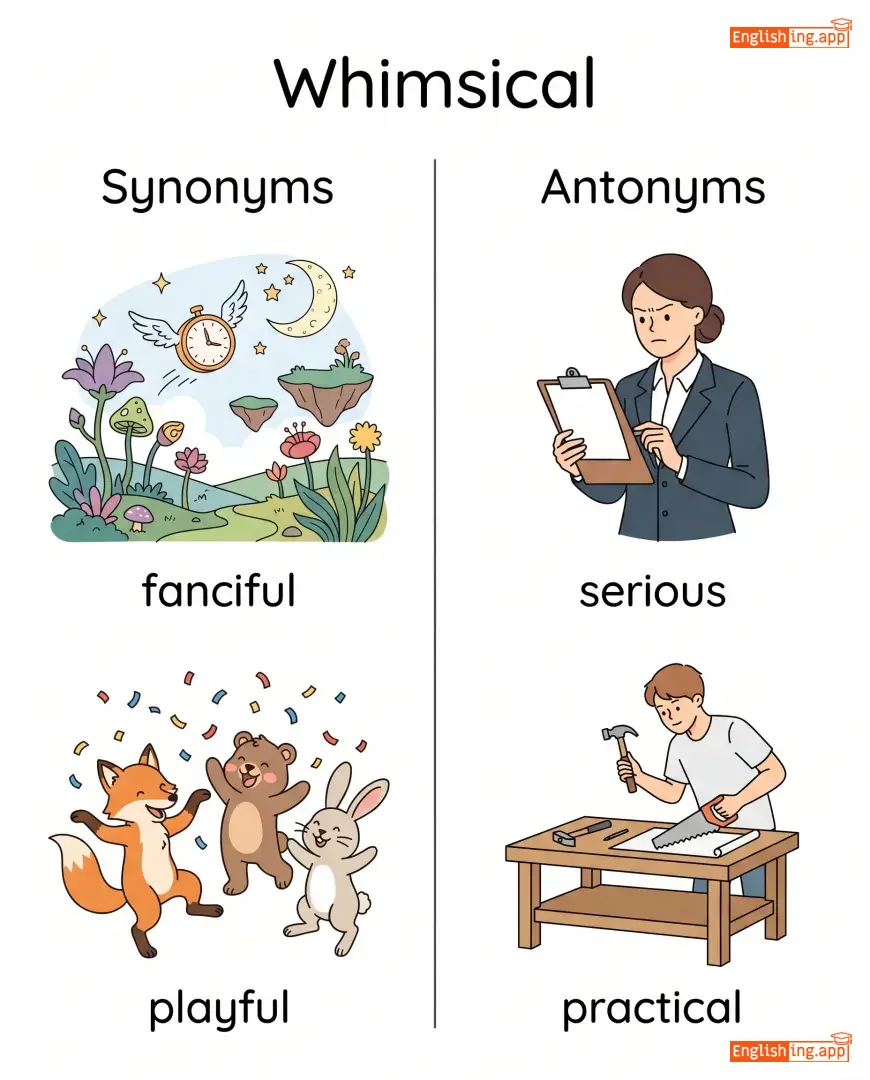
fanciful, playful, quirky, imaginative
••••••
|
serious, solemn, practical, realistic
••••••
|
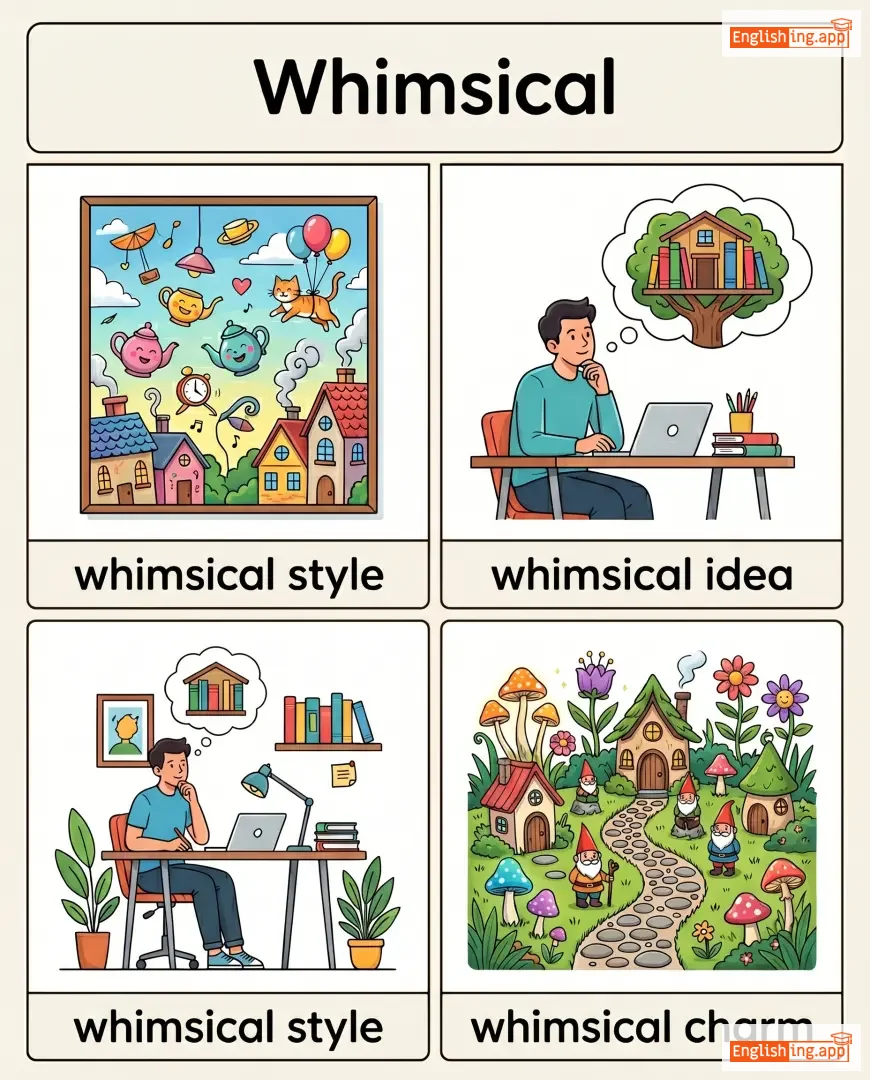
whimsical character, whimsical design, whimsical story
••••••
|
Imagine a whimsical artist making playful and quirky sculptures for kids!
••••••
|
|
#1125
📶
|
/ˈwaɪə.ləs/
adjective
(wairuresu)
••••••
|
- •••••• |
ワイヤレス; ケーブルなし
waiyaresu; kēburu nashi
••••••
|
operating without wires; using radio waves for communication
••••••
|
My wireless headphones provide excellent sound quality without any cables.
私のワイヤレスヘッドフォンはケーブルなしで素晴らしい音質を提供します。
••••••
|
私のワイヤレスヘッドフォンはケーブルなしで素晴らしい音質を提供します。
watashi no waiyaresu heddofon wa kēburu nashi de subarashī onshitsu o teikyō shimasu
••••••
|
cordless, radio, untethered, cable-free
••••••
|
wired, corded, connected, tethered
••••••
|
wireless network, wireless technology, wireless device, wireless connection
••••••
|
Wireless = ケーブルなしで自由に繋がる
••••••
|
|
#1126
🤗
|
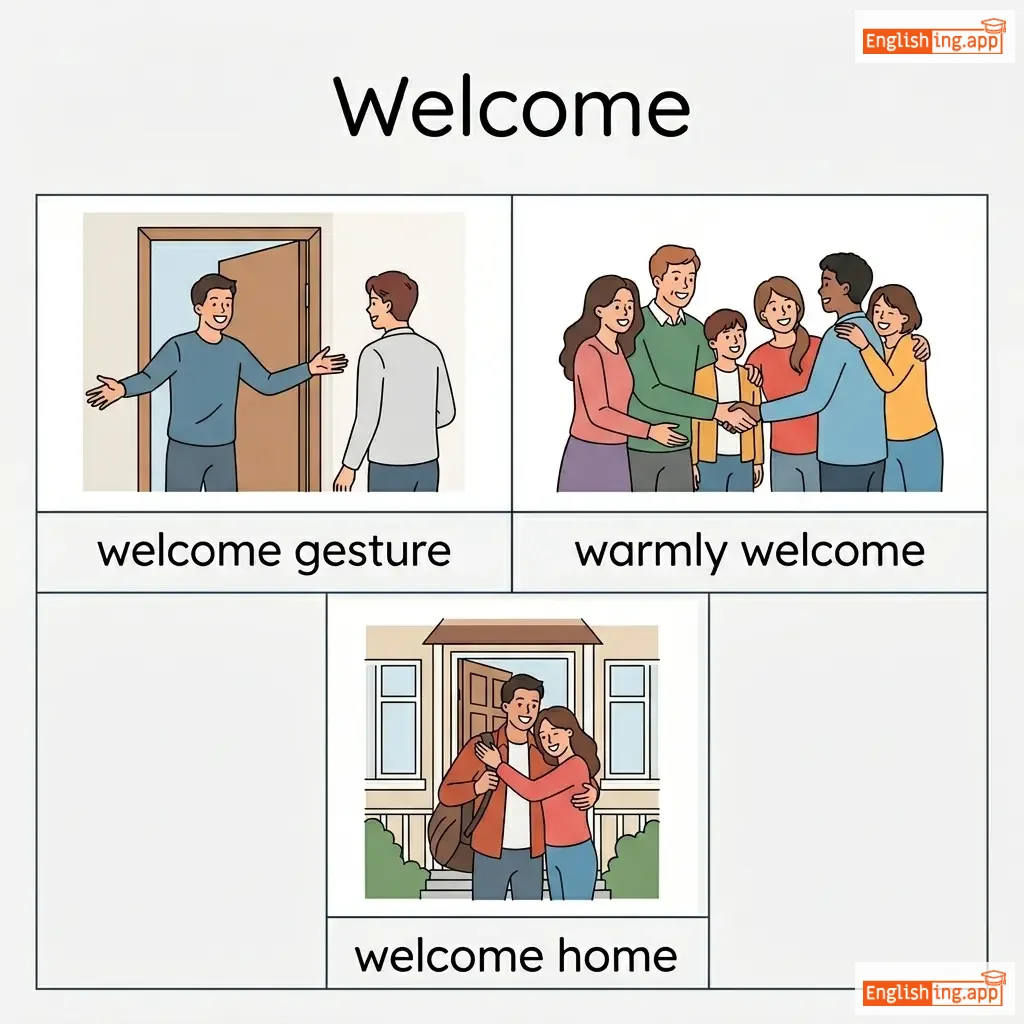
/ˈwelkəm/
adjective
(ウェルカム)
••••••
|
|
ようこそ
yōkoso
••••••
|
received with pleasure; giving pleasure; allowed or invited
••••••
|
You are always welcome in our home. |
あなたはいつでも私たちの家にようこそ。
anata wa itsudemo watashitachi no ie ni yōkoso.
••••••
|
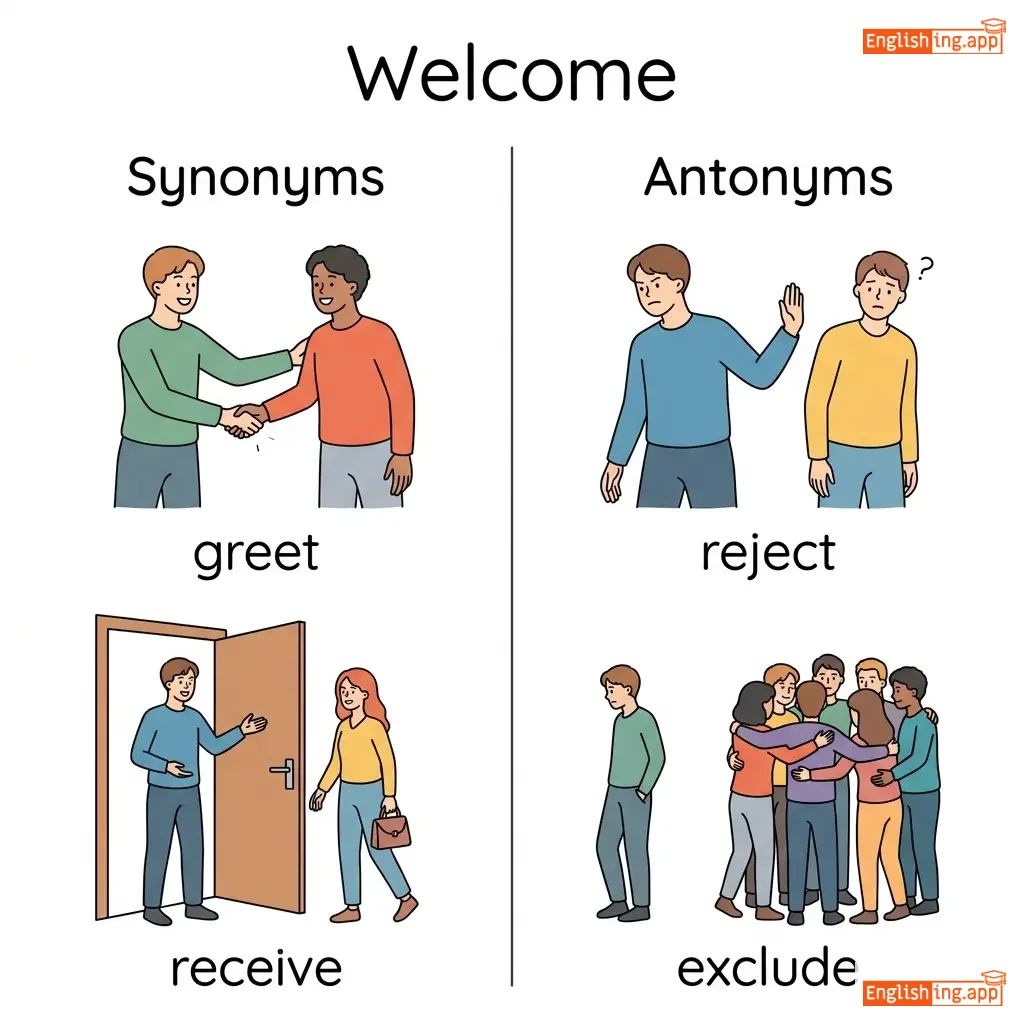
accepted, received, appreciated, invited
••••••
|
unwelcome, unwanted, rejected, excluded
••••••
|
welcome guest, welcome news, feel welcome
••••••
|
In Japan, 'yōkoso' means a warm welcome to guests.
••••••
|
|
#1127
🌍
|
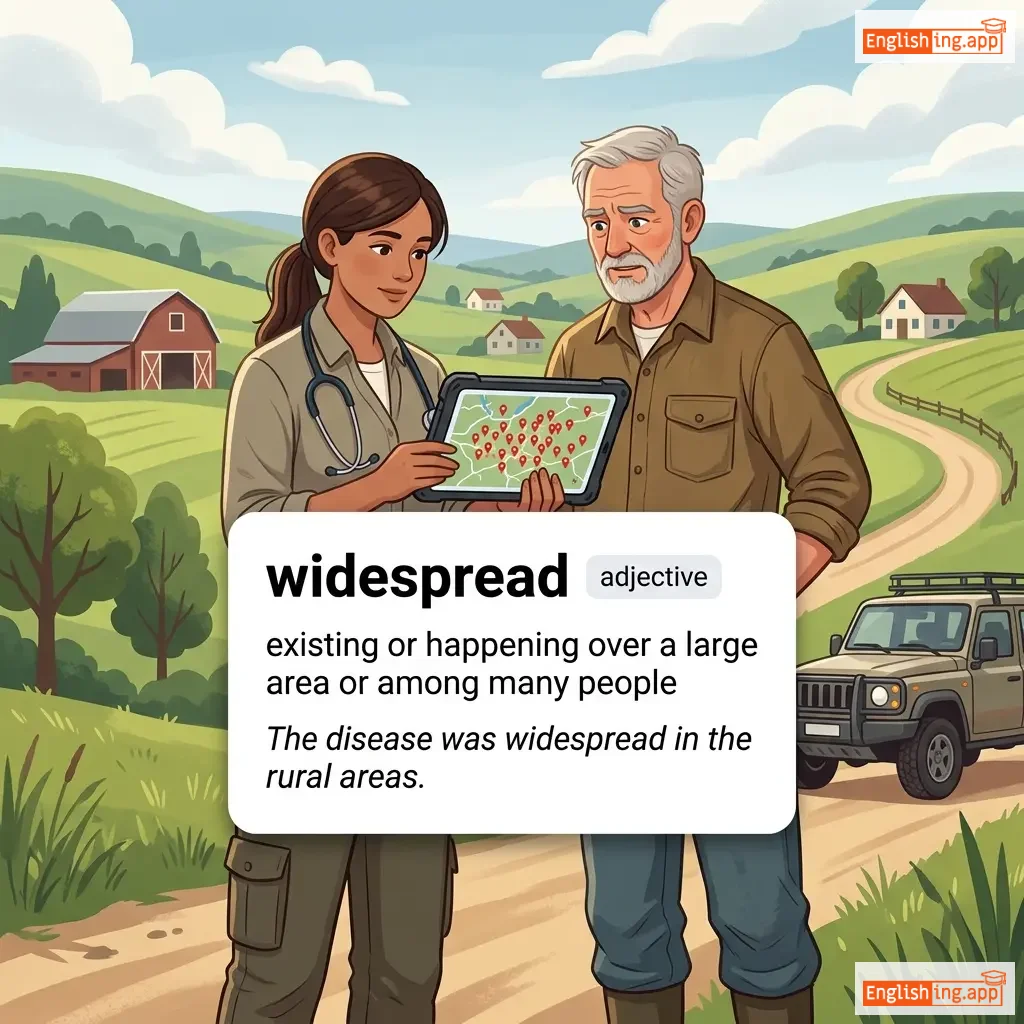
/ˈwaɪd.sprɛd/
adjective
(ワイドスプレッド)
••••••
|
|
広範囲の
kōhan'i no
••••••
|
existing or happening in many places or among many people
••••••
|
There is widespread support for the new policy. |
新しい政策には広範囲な支持があります。
atarashī seisaku ni wa kōhan'i na shiji ga arimasu.
••••••
|
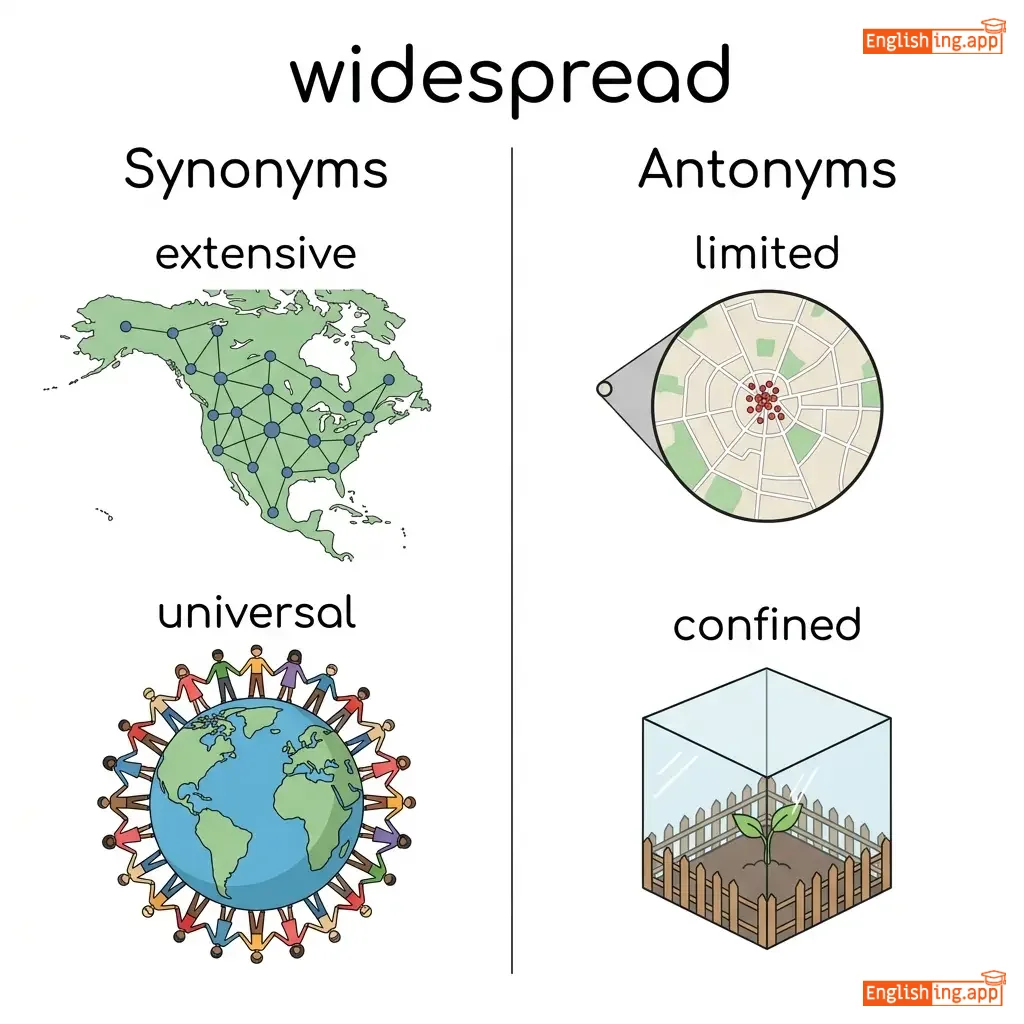
extensive, prevalent, universal, common
••••••
|
limited, localized, restricted, rare
••••••
|
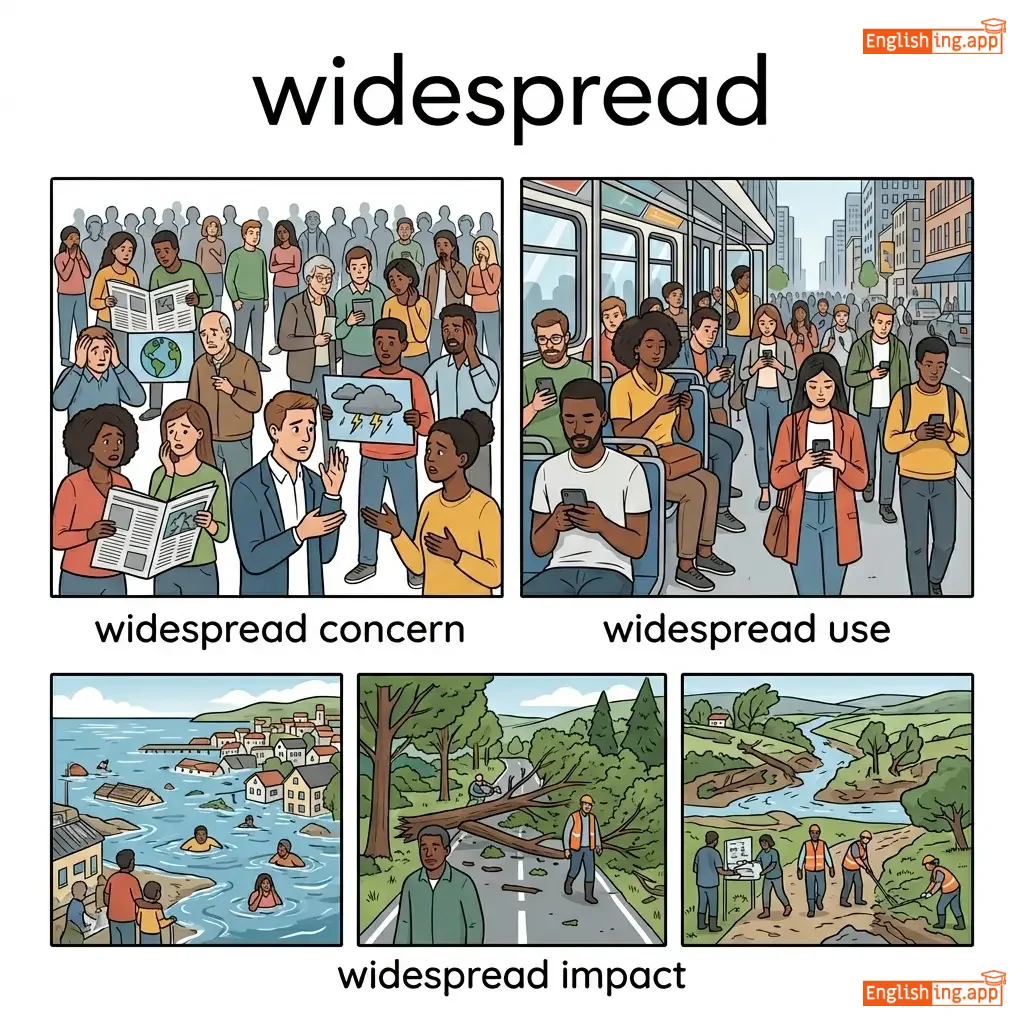
widespread support, widespread use, widespread damage, widespread belief
••••••
|
Japanese '広範囲の' corresponds to 'widespread'.
••••••
|
|
#1128
⚪
|
/waɪt/
adjective
(ワイト)
••••••
|
- •••••• |
白; 純粋
shiro; junsui
••••••
|
of the color of snow or milk; pale; pure
••••••
|
She wore a beautiful white dress to the wedding.
彼女は結婚式に美しい白いドレスを着ていました。
••••••
|
彼女は結婚式に美しい白いドレスを着ていました。
Kanojo wa kekkonshiki ni utsukushii shiroi doresu o kite imashita.
••••••
|
pale, colorless, snow-white, ivory
••••••
|
black, dark, colored
••••••
|
white paper, white shirt, white house
••••••
|
In Japanese, '白' (shiro) means 'white', like snow!
••••••
|
|
#1129
🔵
|
/hoʊl/
adjective
(ホール)
••••••
|
- •••••• |
丸ごと
marugoto
••••••
|
complete; entire; all of something
••••••
|
He ate the whole pizza by himself.
ヒー エイト ザ ホール ピザ バイ ヒムセルフ。
••••••
|
彼はピザを丸ごと一人で食べた。
kare wa piza o marugoto hitori de tabeta
••••••
|
complete, entire, total, full
••••••
|
partial, incomplete, broken, fragmented
••••••
|
whole story, whole family, whole day
••••••
|
丸ごと (marugoto) = whole — imagine marugoto pizza
••••••
|
|
#1130
🐺
|
/waɪld/
adjective
(ワイルド)
••••••
|
- •••••• |
野生の; 未飼育の
yasei no
••••••
|
living in natural conditions; not domesticated or cultivated; uncontrolled
••••••
|
We saw wild animals in the forest.
私たちは森で野生動物を見ました。
••••••
|
私たちは森で野生動物を見ました。
Watashitachi wa mori de yasei dōbutsu o mimashita.
••••••
|
untamed, savage, fierce, uncontrolled
••••••
|
tame, domestic, civilized, controlled
••••••
|
wild animal, wild nature, wild party, wild guess
••••••
|
The wild of Japan sounds like 'yasei' in the forest.
••••••
|
|
#1131
💪❌
|
/wiːk/
adjective
(ウィーク)
••••••
|
- •••••• |
弱い; 脆弱
yowai; zeijaku
••••••
|
lacking physical strength; not strong; fragile
••••••
|
After the illness, he felt weak and tired.
病気の後、彼は弱くて疲れていると感じました。
••••••
|
病気の後、彼は弱くて疲れていると感じました。
Byōki no ato, kare wa yowakute tsukarete iru to kanjimashita.
••••••
|
feeble, frail, fragile, powerless
••••••
|
strong, powerful, robust, sturdy
••••••
|
weak point, weak signal, feel weak, grow weak
••••••
|
Weak in English sounds like 'ウィーク' in Japanese, both meaning '弱い'.
••••••
|
|
#1132
😇
|
/ˌwel bɪˈheɪvd/
adjective
(ウェルビヘイヴド)
••••••
|
- •••••• |
行儀が良い
gyōgi ga yoi
••••••
|
conducting oneself in a proper and polite manner; showing good manners
••••••
|
The children were well-behaved during the ceremony. |
儀式の間、子供たちは行儀が良かった。
Gishiki no aida, kodomotachi wa gyōgi ga yokatta.
••••••
|
polite, courteous, mannerly, respectful
••••••
|
misbehaved, rude, impolite, unruly
••••••
|
well-behaved child, well-behaved student, well-behaved dog
••••••
|
Japanese 'gyōgi ga yoi' means 'good manners', helping remember 'well-behaved'.
••••••
|
|
#1133
🌱
|
/ˈhoʊl.səm/
adjective
(ホールサム)
••••••
|
- •••••• |
健康的な; 身体的または道徳的な福祉を促進する
kenkōteki na; shintai-teki mata wa dōtoku-teki na fukushi o sokushin suru
••••••
|
conducive to or promoting moral or physical well-being; healthy
••••••
|
Eating wholesome food is important for good health.
健康的な食べ物は良い健康のために重要です。
••••••
|
健康的な食べ物は良い健康のために重要です。
kenkōteki na tabemono wa yoi kenkō no tame ni jūyōdesu
••••••
|
healthy, nutritious, beneficial, pure
••••••
|
unhealthy, harmful, unwholesome, toxic
••••••
|
wholesome food, wholesome entertainment, wholesome values
••••••
|
健康的な食べ物は身体と心の健康を促進します。 (Healthy food promotes physical and mental well-being.)
••••••
|
|
#1134
👏
|
/ˌwel ˈdʌn/
adjective
(ウェルダン)
••••••
|
- •••••• |
よくできた; 完全に調理された
yoku dekita; kanzen ni chōri sareta
••••••
|
performed skillfully and successfully; cooked thoroughly
••••••
|
The project was well-done and impressed everyone. |
そのプロジェクトはよくできており、皆を感動させました。
Sono purojekuto wa yoku dekite ori, minna o kandō saseshimashita.
••••••
|
excellent, skillful, successful, praiseworthy
••••••
|
poorly done, unsuccessful, inadequate, sloppy
••••••
|
well-done steak, well-done job, well-done performance
••••••
|
Well-done in Japanese means 'yoku dekita', similar to when something is thoroughly done or cooked.
••••••
|
|
#1135
😤
|
/ˈwɪl.fəl/
adjective
(ウィルフル)
••••••
|
- •••••• |
頑固な; 意図的な
ganko na; itotekina
••••••
|
deliberately stubborn; done on purpose; intentional
••••••
|
His wilful disobedience led to punishment.
彼の意図的な不服従は罰に繋がった。
••••••
|
彼の意図的な不服従は罰に繋がった。
Kare no itoteki na fufukujuu wa batsu ni tsunagatta.
••••••
|
stubborn, obstinate, deliberate, intentional
••••••
|
obedient, compliant, accidental, unintentional
••••••
|
wilful disobedience, wilful damage, wilful neglect, wilful ignorance
••••••
|
Wilful = Will + Full (full of willpower and stubbornness)
••••••
|
|
#1136
💰
|
/ˈwel.θi/
adjective
(ウェルシー)
••••••
|
- •••••• |
裕福な; 金持ちの; 繁栄した
yūfukuna; kanemochi no; han'ei shita
••••••
|
having a great deal of money; rich; prosperous
••••••
|
The wealthy businessman donated millions to charity. |
裕福な実業家は慈善活動に何百万ドルも寄付しました。
Yūfukuna jitsugyōka wa jizen katsudō ni nanbyakuman doru mo kifushimashita.
••••••
|
rich, affluent, prosperous, well-off
••••••
|
poor, impoverished, destitute, needy
••••••
|
wealthy family, wealthy individual, become wealthy, extremely wealthy
••••••
|
裕福な人々は常に繁栄しています。
••••••
|
|
#1137
😈
|
/ˈwɪk.ɪd/
adjective
(ウィケッド)
••••••
|
- •••••• |
邪悪な; 悪党の;
jaaku na; akutou no
••••••
|
evil or morally wrong; intended to or capable of harming someone or something
••••••
|
The wicked queen cast a spell on the princess.
邪悪な女王が王女に呪文をかけた。
••••••
|
邪悪な女王が王女に呪文をかけた。
Jaaku na joō ga ōjo ni jumon o kaketa.
••••••
|
evil, malicious, cruel, sinful
••••••
|
good, virtuous, kind, righteous
••••••
|
wicked person, wicked deed, wicked smile
••••••
|
邪悪なと悪党のは悪い行動を示すために使われます。
••••••
|
|
#1138
💧
|
/wet/
adjective
(ウエット)
••••••
|
- •••••• |
濡れた; びしょびしょな;
nureta; bishobishona;
••••••
|
covered or saturated with water or another liquid; not dry
••••••
|
My clothes are still wet from the rain.
私の服はまだ雨で濡れています。
••••••
|
私の服はまだ雨で濡れています。
watashi no fuku wa mada ame de nureteimasu.
••••••
|
damp, moist, soaked, drenched
••••••
|
dry, arid, parched, dehydrated
••••••
|
wet clothes, wet weather, get wet
••••••
|
雨が降ると、何でも濡れてしまう。
••••••
|
|
#1139
🙋♂️
|
/ˈwɪl.ɪŋ/
adjective
(ウィリング)
••••••
|
- •••••• |
意欲がある; 準備ができている
iyoku ga aru; junbi ga dekite iru
••••••
|
ready, eager, or prepared to do something
••••••
|
She is willing to help with the project. |
彼女はプロジェクトを手伝う準備ができています。
kanojo wa purojekuto o tetsudau junbi ga dekiteimasu.
••••••
|
ready, eager, prepared, inclined
••••••
|
unwilling, reluctant, hesitant, resistant
••••••
|
willing to help, willing participant, willing cooperation, willing spirit
••••••
|
意欲 = willing, 準備ができている = ready
••••••
|
|
#1140
😴
|
/ˈwɪr.i.səm/
adjective
(ウィアリサム)
••••••
|
- •••••• |
疲れさせる; 退屈で疲れる
tsukare saseru; taikutsu de tsukareru
••••••
|
causing tiredness; tedious; boring and exhausting
••••••
|
The wearisome journey took twelve hours to complete. |
その疲れさせる旅行は12時間かかりました。
Sono tsukare saseru ryokō wa 12 jikan kakarimashita.
••••••
|
tiresome, tedious, boring, exhausting
••••••
|
refreshing, energizing, exciting, invigorating
••••••
|
wearisome task, wearisome journey, wearisome work, wearisome routine
••••••
|
Bored and exhausted from the long journey!
••••••
|
Vocabulary Quiz
Test your vocabulary by matching words with their translations or meanings.
Login to take the quiz
Comments (0)
Share your thoughts and join the discussion.
Join the discussion by logging in
Login to CommentNo comments yet
Be the first to share your thoughts!