

翻訳
過去
過去分詞
三人称単数
動名詞
意味
例文
例文の翻訳
同義語
対義語
コロケーション
ニーモニック
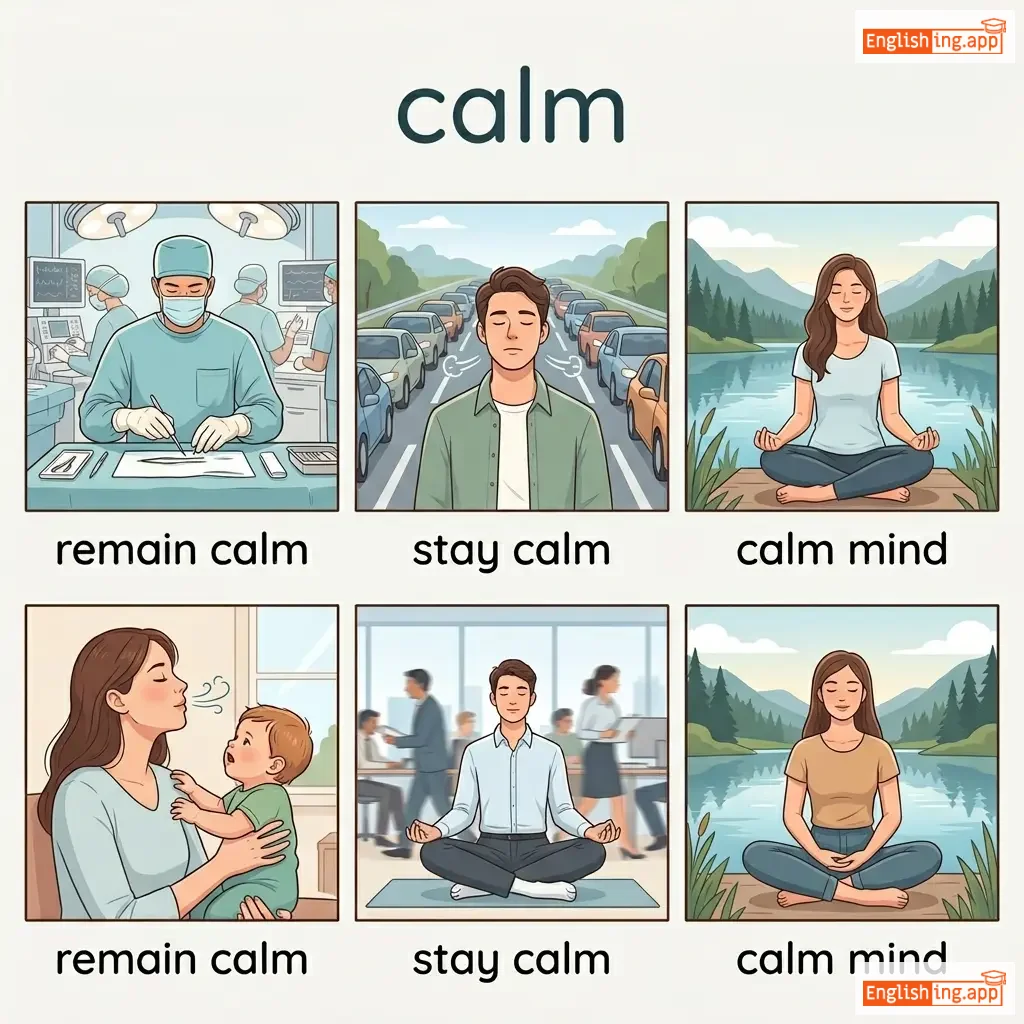
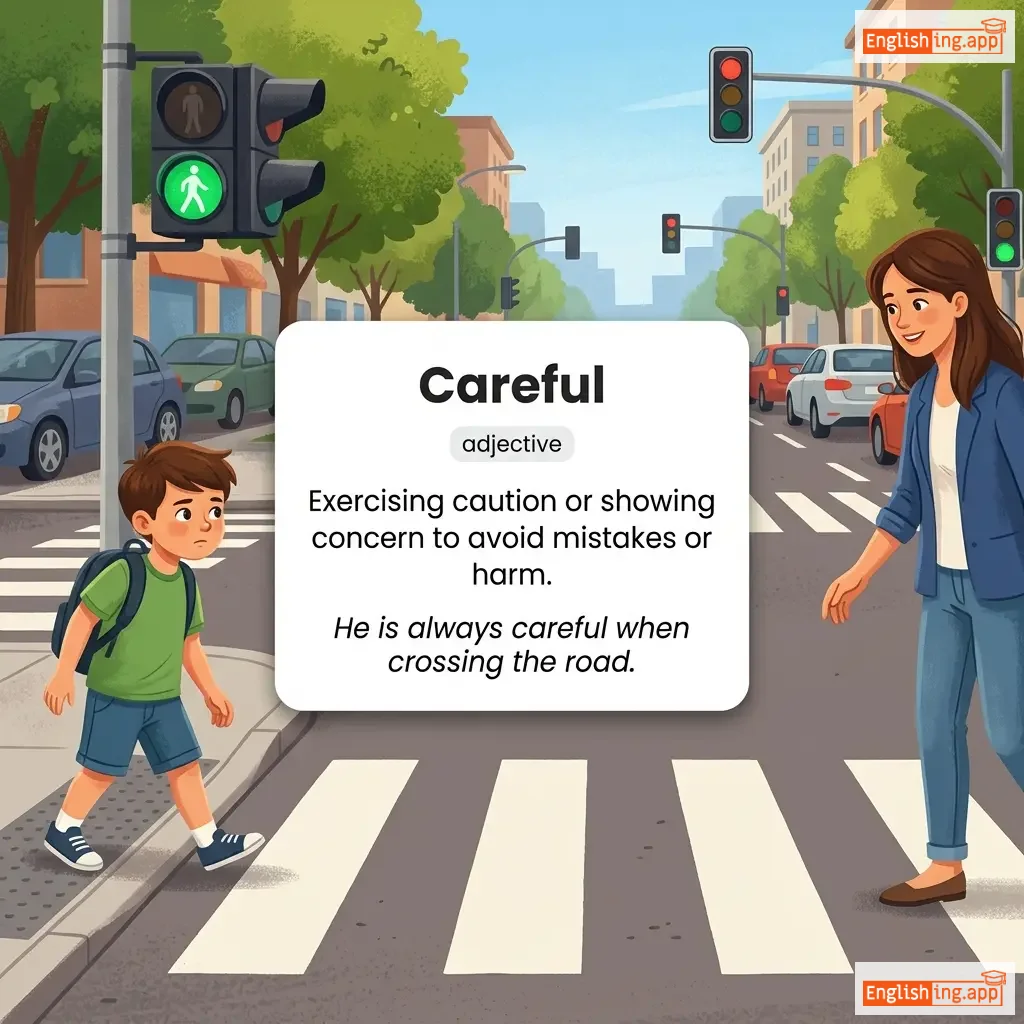
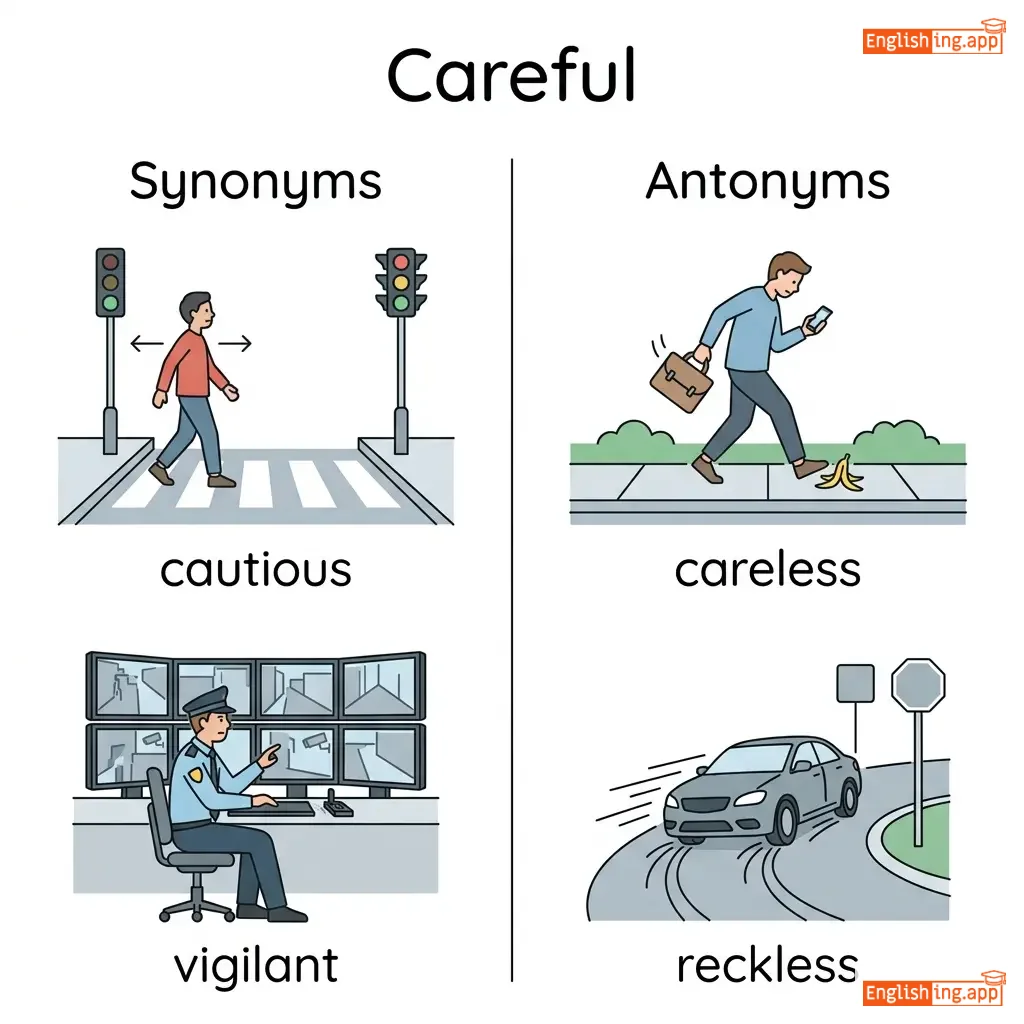
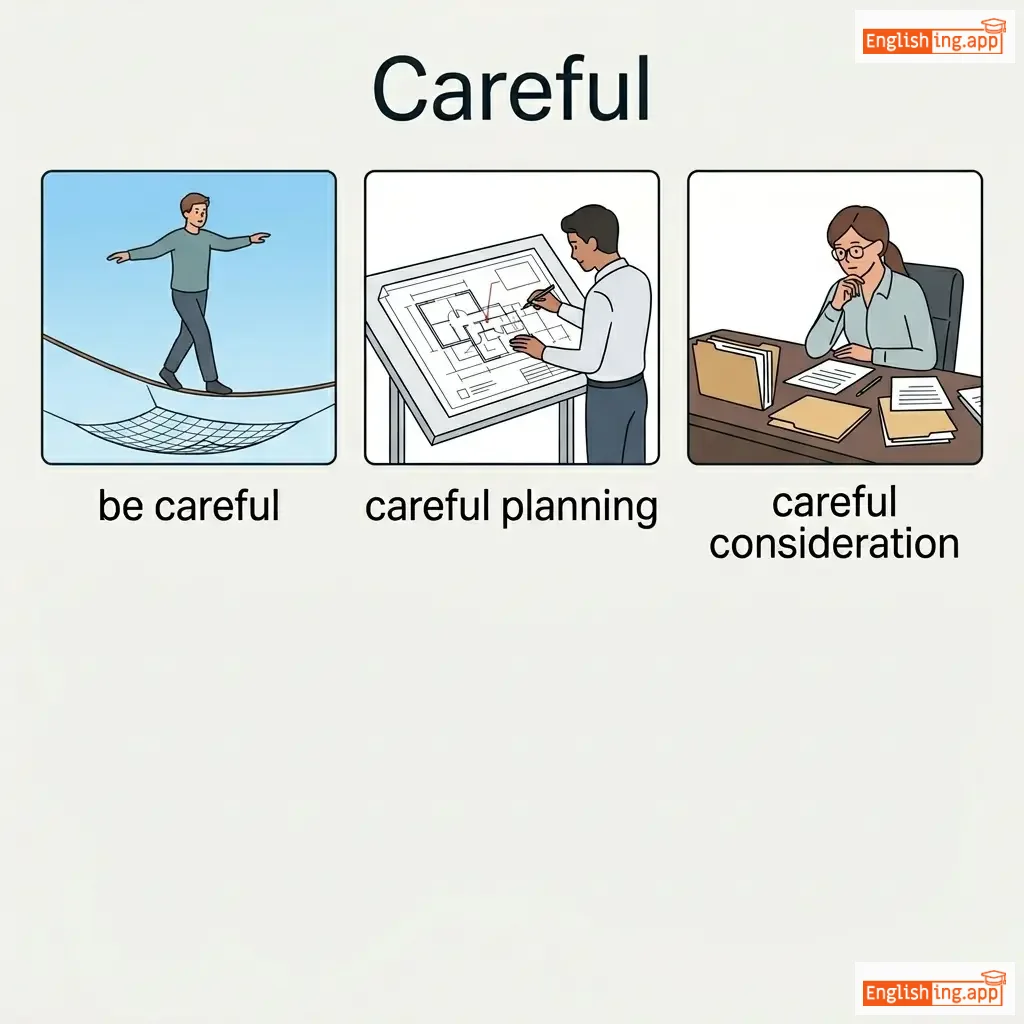

Swipe left or right, or use the buttons. Tap image to zoom.
例文の翻訳
単語
Lesson 5Lesson 5 - マスクトグル
|
絵文字
|
単語 | Images | 翻訳 | 意味 | 例文 | 例文の翻訳 | 同義語 | 対義語 | コロケーション | ニーモニック |
|---|---|---|---|---|---|---|---|---|---|---|
|
#81
⚡
|
/brɪsk/
adjective
(ブリスク)
••••••
|
- •••••• |
活発な; 速い; 元気な
brisk
••••••
|
quick and energetic; lively; vigorous
••••••
|
She took a brisk walk in the morning to feel energized. |
彼女は朝、元気を感じるために活発に歩いた。
kanojo wa asa, genki o kanjiru tame ni kappatsu ni aruita
••••••
|
quick, lively, energetic, vigorous, speedy
••••••
|
slow, sluggish, lethargic, lazy
••••••
|
brisk walk, brisk business, brisk pace, brisk wind
••••••
|
ブリスク歩きでエネルギーアップ
••••••
|
|
#82
👕
|
/ˈkæʒ.u.əl/
adjective
(カジュアル)
••••••
|
- •••••• |
リラックスして無頓着; 偶然の; 非公式
kajuaru
••••••
|
relaxed and unconcerned; happening by chance; informal
••••••
|
He wore casual clothes to the party. |
彼はパーティーにカジュアルな服を着て行った。
Kare wa paatii ni kajuaru na fuku o kite itta.
••••••
|
informal, relaxed, laid-back
••••••
|
formal, official, ceremonial
••••••
|
casual wear, casual conversation, casual attitude
••••••
|
Casual = リラックスして簡単
••••••
|
|
#83
😑
|
/ˈkæl.əs/
adjective
(カラス)
••••••
|
|
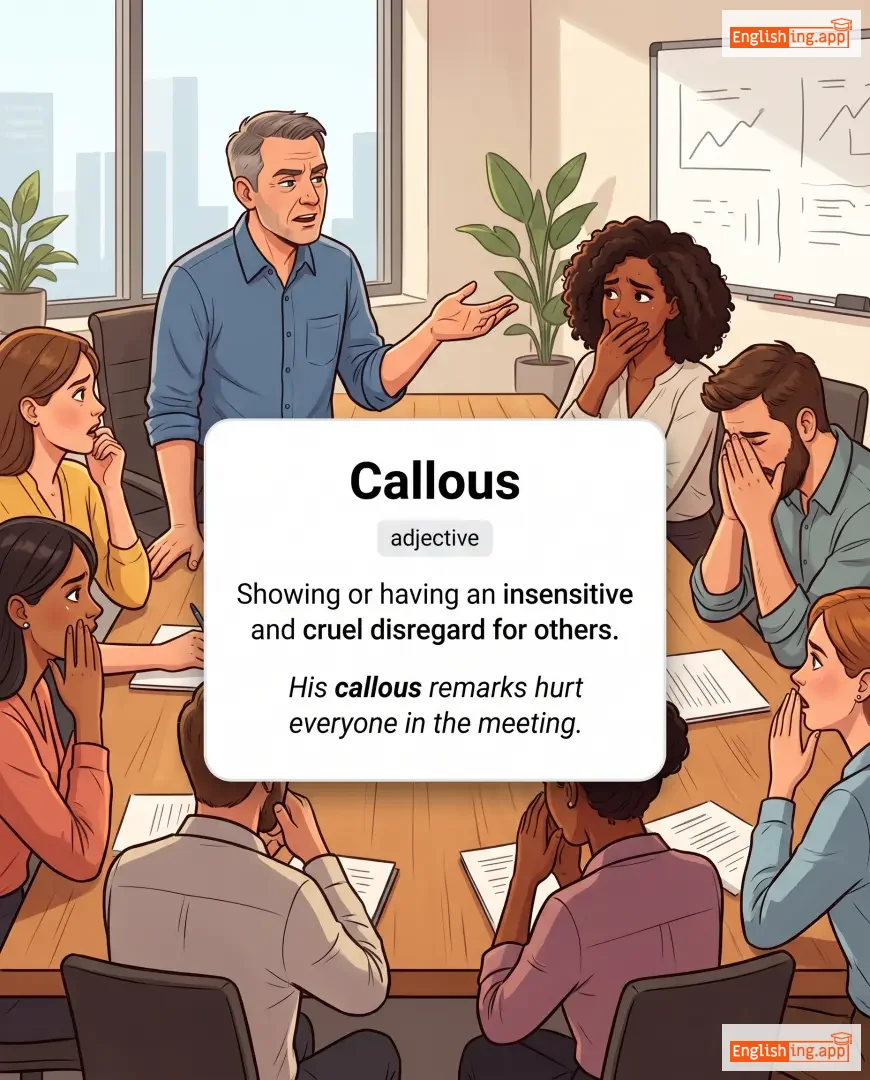
無情な; 冷酷な; 非情な
karasu
••••••
|
showing or having an insensitive and cruel disregard for others; emotionally hardened
••••••
|
He showed a callous disregard for others' feelings.
彼は他人の感情を無視して冷酷に振る舞った。
••••••
|
彼は他人の感情を無視して冷酷に振る舞った。
Kare wa tanin no kanjō o mushi shite reikoku ni furu maatta.
••••••
|
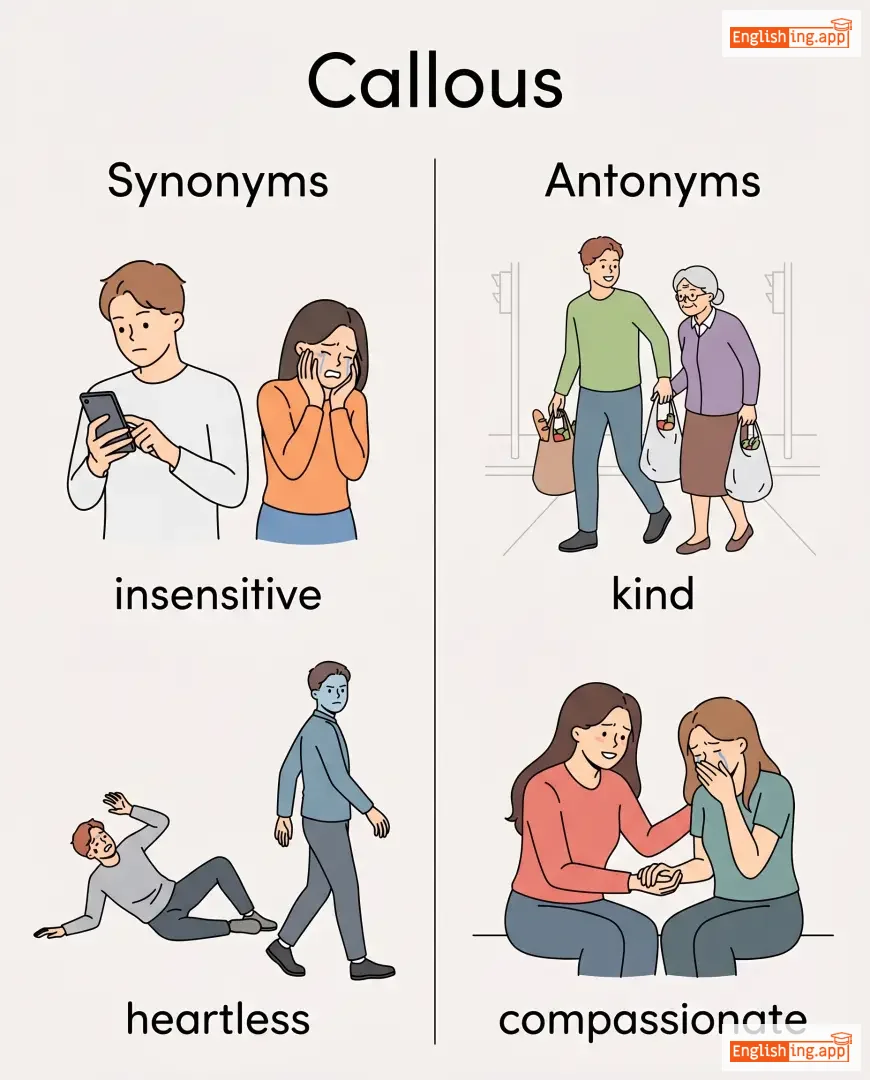
heartless, cruel, insensitive, unfeeling
••••••
|
compassionate, caring, sensitive, kind
••••••
|
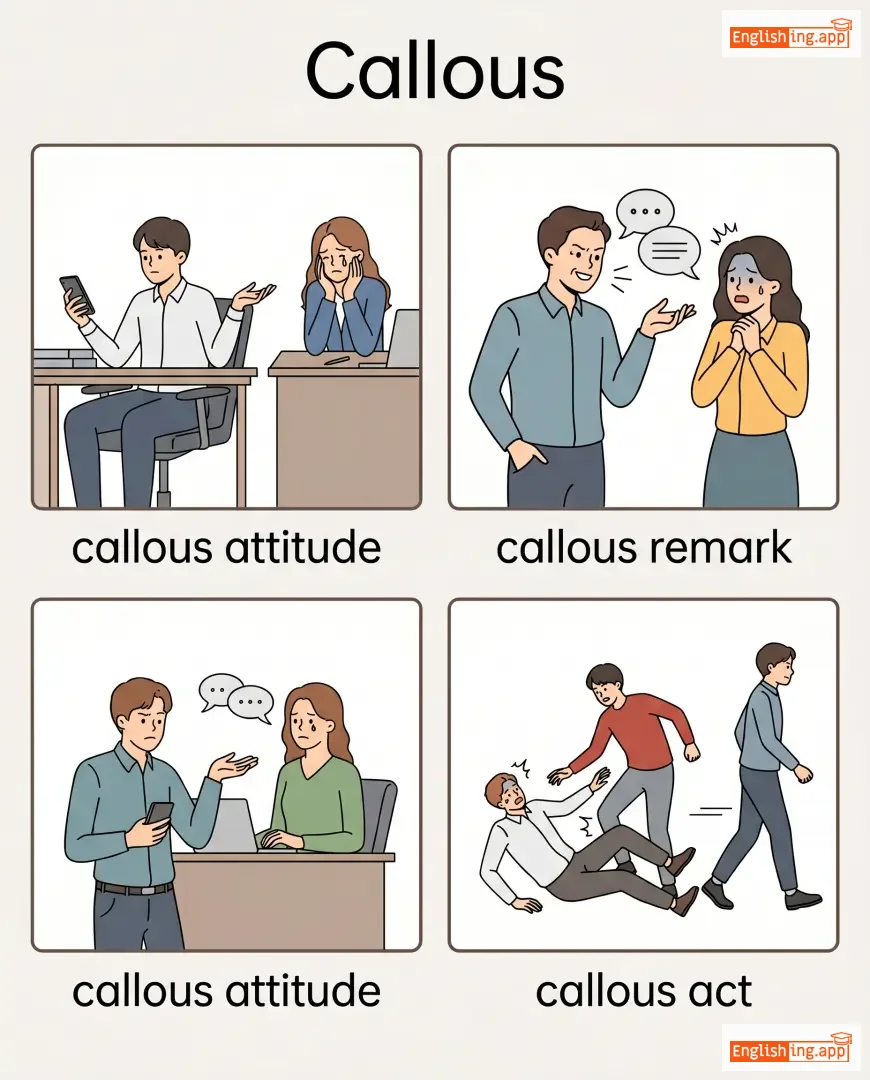
callous attitude, callous behavior, callous disregard
••••••
|
カラス (karasu) のように冷酷で無情な態度。
••••••
|
|
#84
🔍😤
|
/ˈkæp.ʃəs/
adjective
(キャプシャス)
••••••
|
|
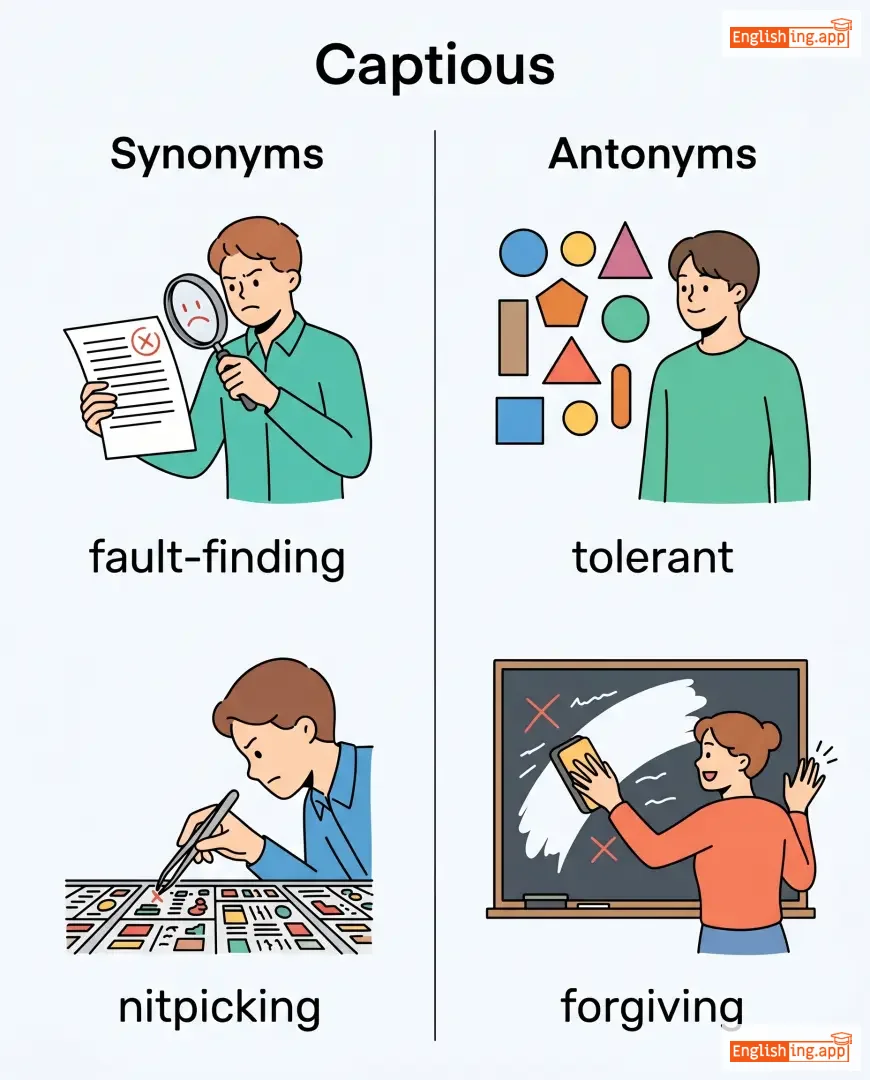
細かいことにこだわる; 批判的
komakai koto ni kodawaru; hihan-teki
••••••
|
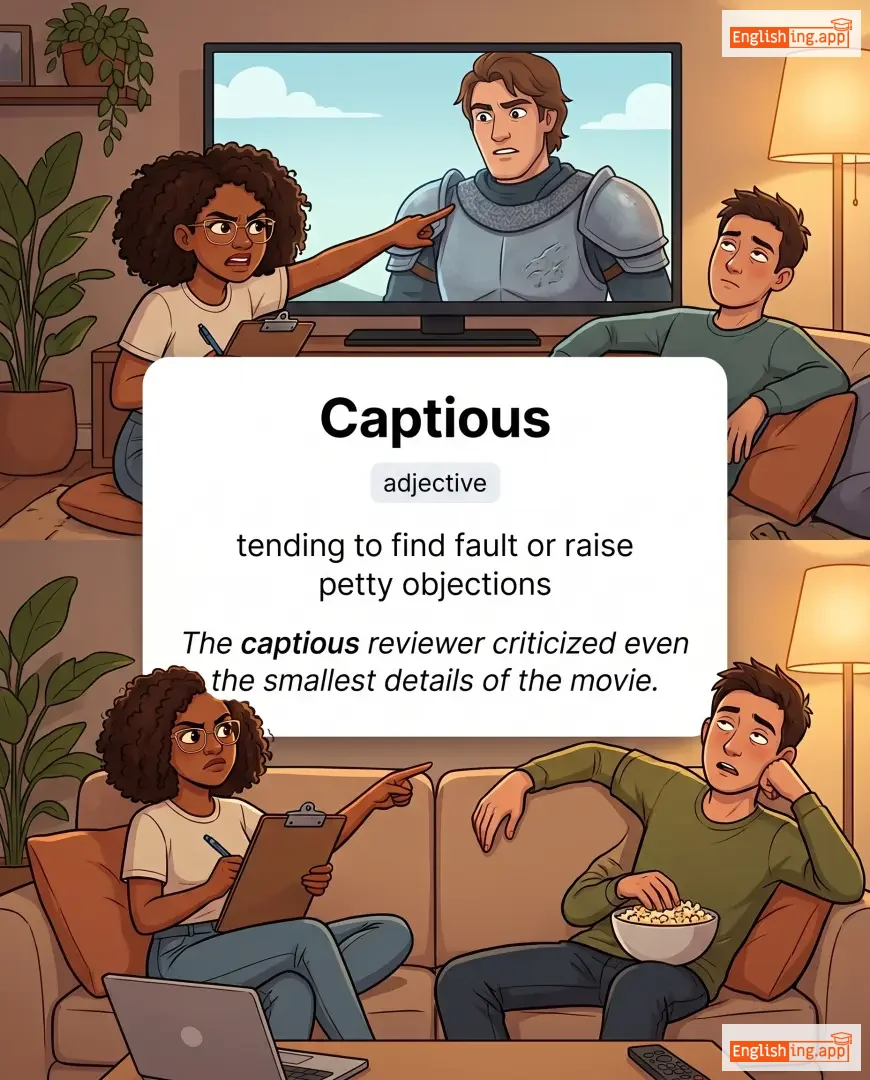
tending to find fault or raise petty objections; fault-finding; critical
••••••
|
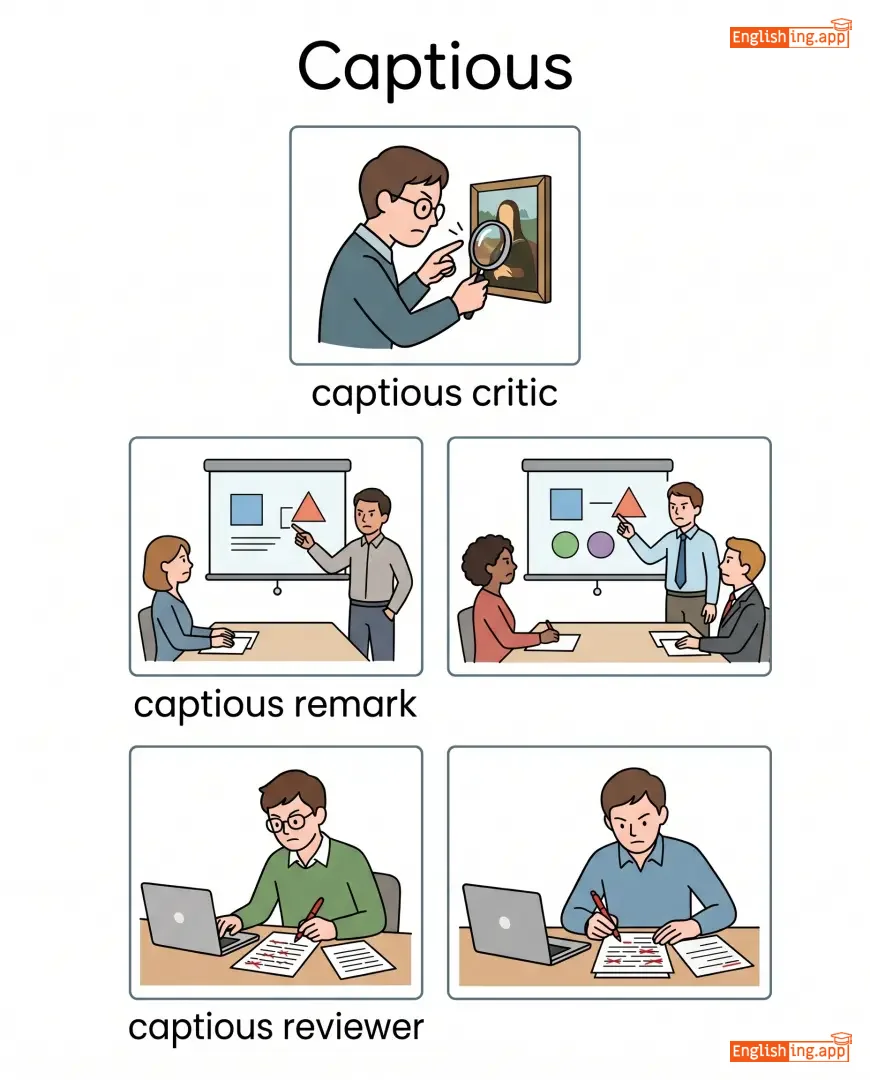
His captious remarks about every small detail made the meeting very unpleasant. |
彼の細かいことにこだわるコメントは、会議をとても不快なものにしました。
Kare no komakai koto ni kodawaru komento wa, kaigi wo totemo fukai na mono ni shimashita.
••••••
|
critical, fault-finding, carping, nitpicking
••••••
|
tolerant, accepting, uncritical, lenient
••••••
|
captious criticism, captious remarks, captious nature
••••••
|
captious = キャプチャ (捕まえる) こだわり
••••••
|
|
#85
↔️
|
/brɔːd/
adjective
(ブロード)
••••••
|
- •••••• |
広い; 広大な; 広い範囲をカバーする
broad
••••••
|
wide; extensive; covering a large area
••••••
|
The river is very broad at this point. |
この地点で川は非常に広いです。
Kono chiten de kawa wa hijō ni hiroi desu
••••••
|
wide, extensive, spacious, vast, large
••••••
|
narrow, thin, limited, restricted
••••••
|
broad smile, broad daylight, broad shoulders, broad spectrum
••••••
|
Broad は日本語で広いという意味で、広範囲をカバーするという意味です。
••••••
|
|
#86
♾️
|
/ˈsiːs.ləs/
adjective
(シスレス)
••••••
|
- •••••• |
途切れのない; 終わりのない
shisuresu
••••••
|
continuing without pause or interruption; endless
••••••
|
The ceaseless rain lasted for three days. |
途切れのない雨は三日間続いた。
Togire no nai ame wa mikka kan tsuzuita.
••••••
|
endless, continuous, perpetual
••••••
|
temporary, intermittent, sporadic
••••••
|
ceaseless effort, ceaseless noise, ceaseless activity
••••••
|
Japanese '途切れ' (no pause) + 'のない' (without)
••••••
|
|
#87
😊🌈
|
/ˈkeər.friː/
adjective
(ケアフリー)
••••••
|
- •••••• |
心配のない; のんきな;
keafuri
••••••
|
free from anxiety or responsibility; lighthearted; worry-free
••••••
|
She lived a carefree life, traveling the world without any worries.
彼女は心配事のない生活を送り、世界を心配なく旅していた。
••••••
|
彼女は心配事のない生活を送り、世界を心配なく旅していた。
kanojo wa shinpai go no nai seikatsu o okuri, sekai o shinpai naku tabishite ita.
••••••
|
worry-free, lighthearted, cheerful, relaxed
••••••
|
worried, anxious, troubled, burdened
••••••
|
carefree attitude, carefree days, carefree lifestyle
••••••
|
Imagine living a carefree life in Japan with no worries.
••••••
|
|
#88
😌
|
/kɑːm/
adjective
(カーム)
••••••
|
|
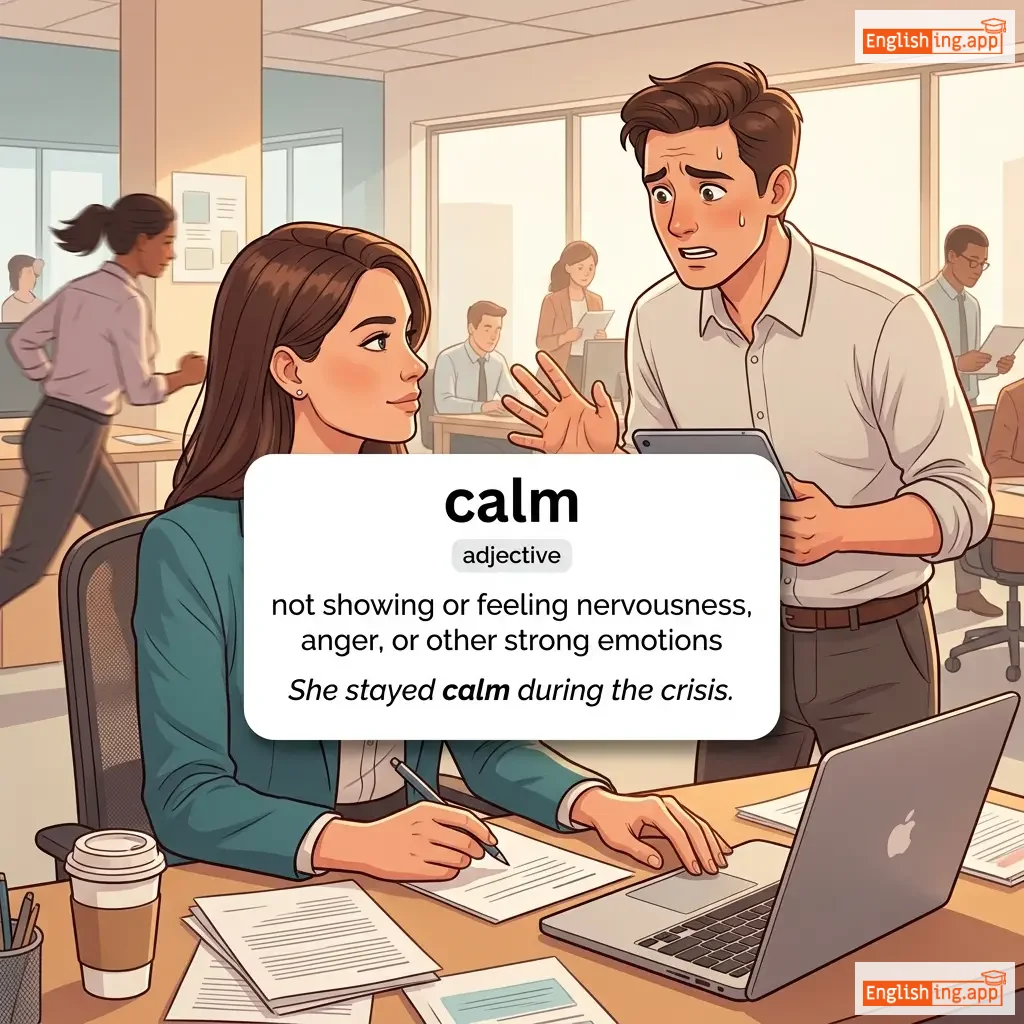
落ち着いた; 静かな; 穏やかな
kaamu
••••••
|
not showing or feeling nervousness, anger, or other strong emotions; peaceful and quiet
••••••
|
She remained calm during the emergency.
彼女は緊急時に冷静を保っていました。
••••••
|
彼女は緊急時に冷静を保っていました。
Kanojo wa kinkyuuji ni reisei o tamotte imashita.
••••••
|
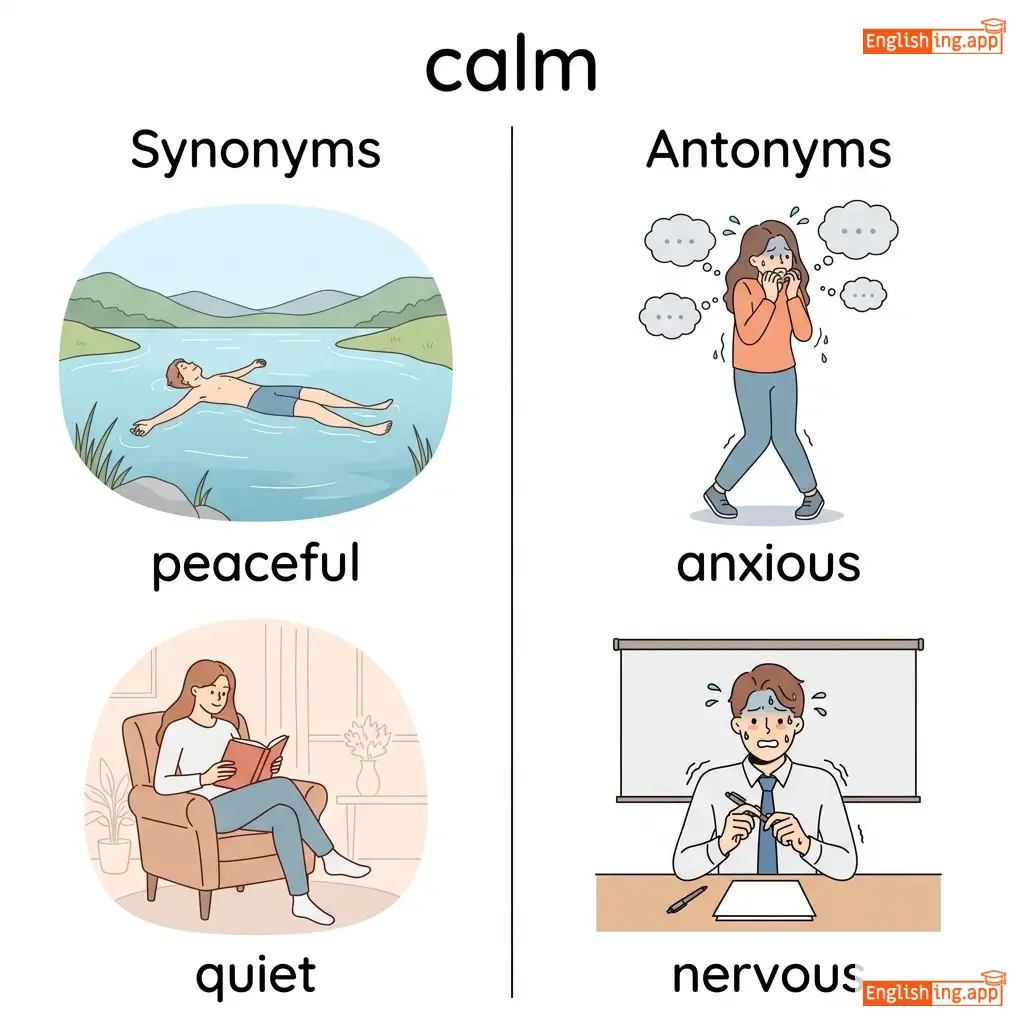
peaceful, tranquil, serene, composed
••••••
|
agitated, excited, turbulent, anxious
••••••
|
calm down, stay calm, calm weather, calm voice
••••••
|
カーム - どんな状況でも落ち着いている
••••••
|
|
#89
😊
|
/ˈkæn.dɪd/
adjective
(キャンディッド)
••••••
|
- •••••• |
率直な; 正直な; 直言
kyandiddo
••••••
|
truthful and straightforward; frank and honest in expression
••••••
|
I appreciate your candid opinion about the project.
プロジェクトに関するあなたの率直な意見に感謝します。
••••••
|
プロジェクトに関するあなたの率直な意見に感謝します。
Purojekuto ni kansuru anata no sōchoku na iken ni kansha shimasu.
••••••
|
honest, frank, straightforward, sincere
••••••
|
dishonest, deceptive, evasive, insincere
••••••
|
candid conversation, candid opinion, candid assessment
••••••
|
Candidはいつも真実を語る人を指します。
••••••
|
|
#90
⚠️🤔
|
/ˈkeər.fəl/
adjective
(ケアフル)
••••••
|
|
慎重な; 注意深い; 用心深い
keyarful
••••••
|
taking care to avoid potential problems or dangers; cautious; attentive
••••••
|
Be careful when crossing the busy street during rush hour.
ラッシュアワー中に通りを渡るときは注意してください。
••••••
|
ラッシュアワー中に通りを渡るときは注意してください。
Rasshu awa chuu ni toori o wataru toki wa chuui shite kudasai.
••••••
|
cautious, attentive, prudent, watchful
••••••
|
careless, reckless, negligent, hasty
••••••
|
careful consideration, careful planning, be careful
••••••
|
慎重に行動しましょう、'careful' の意味です。
••••••
|
|
#91
💔
|
/ˈbroʊkən/
adjective
(broke-en)
••••••
|
- •••••• |
壊れた; 破損した; 断裂した
kowareta
••••••
|
damaged; not working; fractured
••••••
|
The broken window needs to be replaced immediately. |
壊れた窓はすぐに交換する必要があります。
kowareta mado wa sugu ni koukan suru hitsuyou ga arimasu
••••••
|
damaged, shattered, fractured, cracked, ruined
••••••
|
intact, whole, fixed, repaired, working
••••••
|
broken heart, broken glass, broken promise, broken bone
••••••
|
Broken window = 壊れた窓
••••••
|
|
#92
📱
|
/ˈsel.jə.lər/
adjective
(セルラー)
••••••
|
- •••••• |
細胞の
saibou no
••••••
|
relating to cells; consisting of cells; relating to mobile phone technology
••••••
|
Cellular technology has revolutionized communication. |
セルラー技術は通信を革新しました。
Seruraa gijutsu wa tsuushin wo kakushin shimashita.
••••••
|
mobile, wireless, cell-based
••••••
|
landline, wired, fixed
••••••
|
cellular phone, cellular network, cellular biology
••••••
|
細胞のように、テクノロジーが通信を進化させた。
••••••
|
|
#93
💪
|
/ˈkeɪ.pə.bəl/
adjective
(ケイパブル)
••••••
|
|
有能な; 能力のある
yūnōna; nōryoku no aru
••••••
|
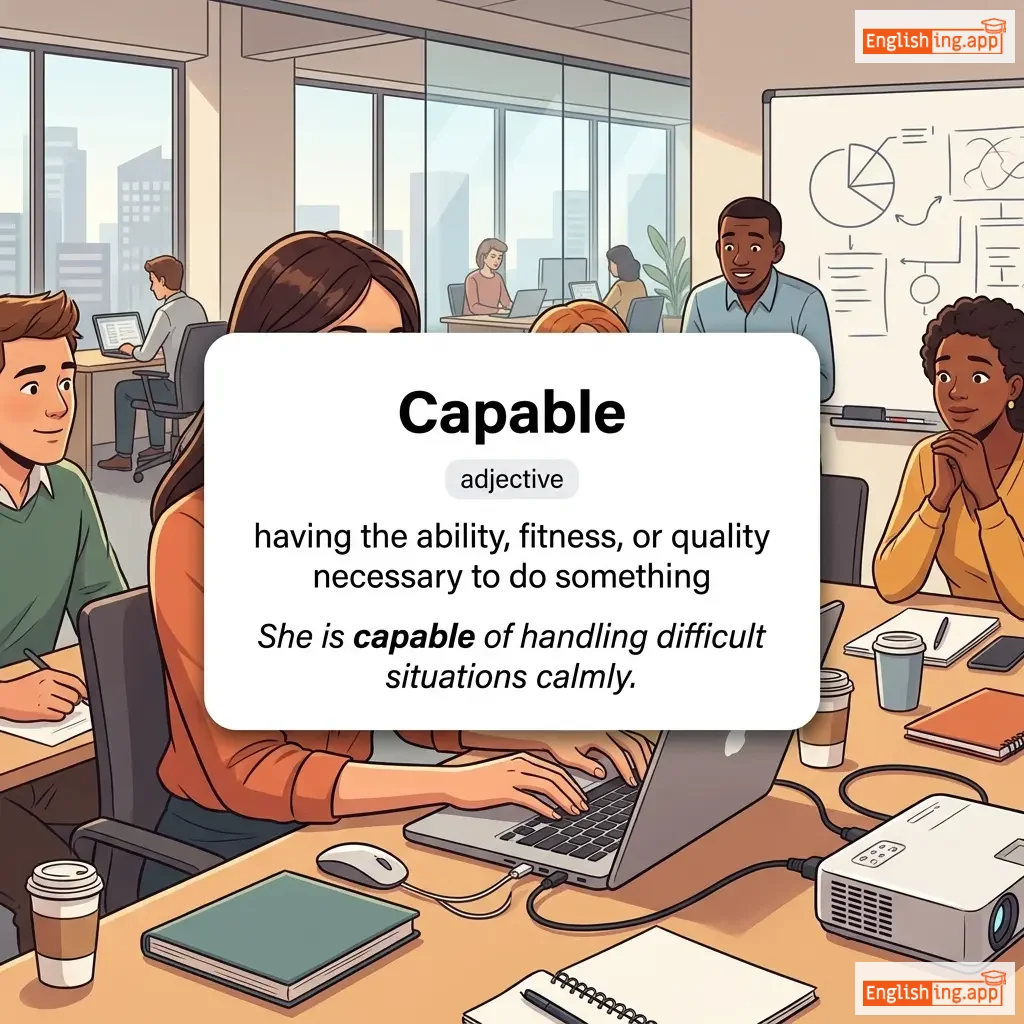
having the ability, fitness, or quality necessary to do or achieve something; competent
••••••
|
She is capable of handling complex problems.
彼女は複雑な問題を扱う能力があります。
••••••
|
彼女は複雑な問題を扱う能力があります。
Kanojo wa fukuzatsu na mondai o atsukau nōryoku ga arimasu.
••••••
|
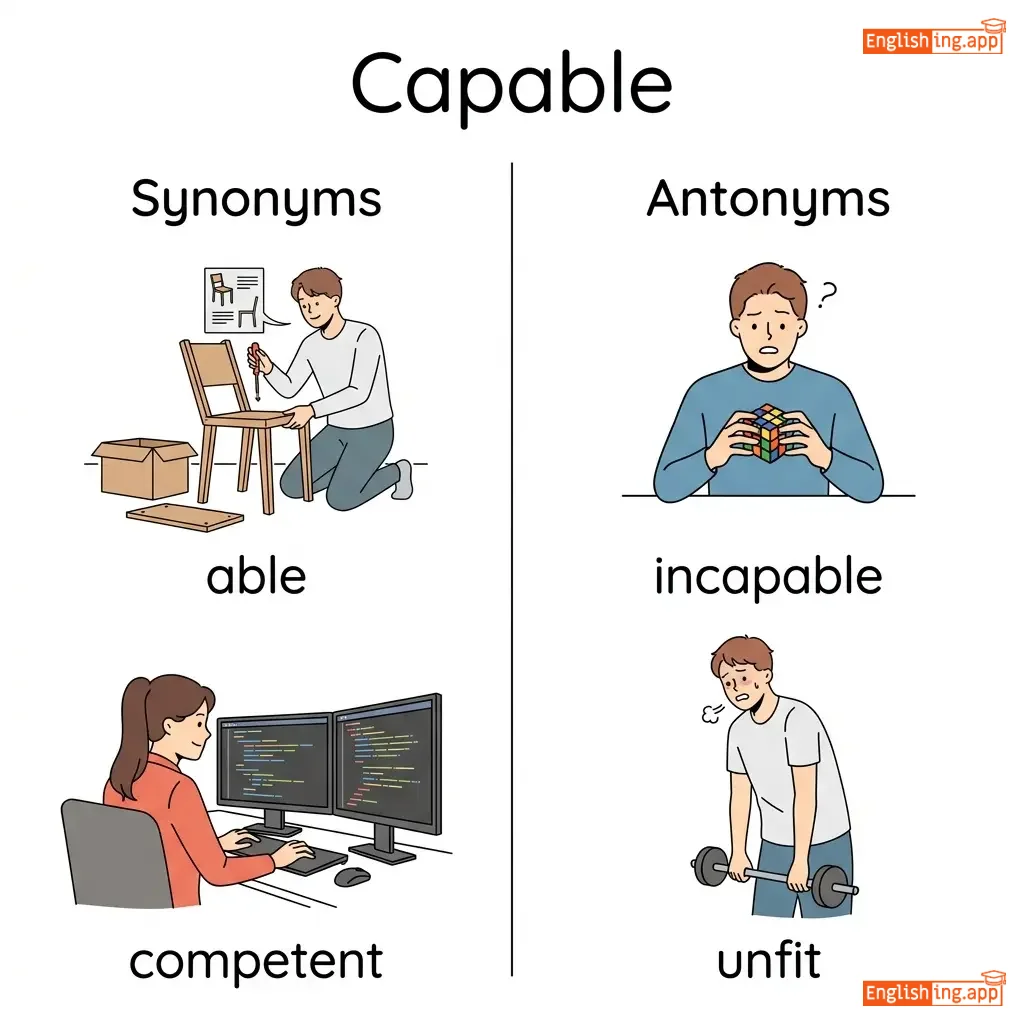
able, competent, skilled, proficient
••••••
|
incapable, incompetent, unable, inept
••••••
|
capable of doing, highly capable, capable hands
••••••
|
日本語: '有能な' とは 'competent' を意味します
••••••
|
|
#94
🤷♂️😰
|
/ˈkeər.ləs/
adjective
(keāresu)
••••••
|
- •••••• |
不注意な; 無頓着な; 不注意な; おおざっぱな;
kearesu
••••••
|
not giving sufficient attention or thought to avoiding harm or errors; negligent; inattentive
••••••
|
His careless driving caused a serious accident on the highway.
Hizu keāresu doraibingu kōzudo a seriousu akushidento on za haīwei.
••••••
|
彼の不注意な運転が高速道路で深刻な事故を引き起こしました。
Kare no fuchūina unten ga kōsoku dōro de shinkoku na jiko o hikiokoshimashita.
••••••
|
negligent, reckless, inattentive, thoughtless
••••••
|
careful, cautious, attentive, thoughtful
••••••
|
careless mistake, careless driving, careless attitude
••••••
|
care (注意) + less (少) = 不注意
••••••
|
|
#95
🤎
|
/braʊn/
adjective
(ブラウン)
••••••
|
- •••••• |
茶色
chairo
••••••
|
having the color of earth or wood; dark colored
••••••
|
She has beautiful brown eyes that sparkle in the sunlight.
彼女は太陽の光で輝く美しい茶色の目を持っています。
••••••
|
彼女は太陽の光で輝く美しい茶色の目を持っています。
Kanojo wa taiyou no hikari de kagayaku utsukushii chairo no me wo motteimasu.
••••••
|
tan, chestnut, bronze, mahogany, cocoa
••••••
|
white, blonde, fair, light
••••••
|
brown hair, brown sugar, brown bear, brown paper
••••••
|
Chairo is the Japanese word for brown.
••••••
|
|
#96
🎭
|
/ˌser.ɪˈmoʊ.ni.əl/
adjective
(セレモニアル)
••••••
|
- •••••• |
儀式的
gishikiteki
••••••
|
relating to or used in ceremonies; formal and ritualistic
••••••
|
The ceremonial dress was worn during the royal wedding. |
王室の結婚式で着用される儀式的な衣装でした。
Ōshitsu no kekkonshiki de chakuyō sareru gishikiteki na ishō deshita.
••••••
|
formal, ritual, official
••••••
|
casual, informal, everyday
••••••
|
ceremonial dress, ceremonial occasion, ceremonial role
••••••
|
Japanese '儀式的' means ceremonial and it sounds similar to the English word.
••••••
|
|
#97
🏠
|
/kəˈpeɪ.ʃəs/
adjective
(カペイシャス)
••••••
|
- •••••• |
広々とした; 大きい; 広い;
kapéshas
••••••
|
having a lot of space inside; roomy and spacious
••••••
|
The capacious hall can accommodate five hundred people.
広々としたホールは五百人を収容できます。
••••••
|
広々としたホールは五百人を収容できます。
Hirobito shita hōru wa gohyaku nin o shūyō dekimasu.
••••••
|
spacious, roomy, vast, extensive
••••••
|
cramped, narrow, small, confined
••••••
|
capacious room, capacious storage, capacious mind
••••••
|
広い部屋にたくさんの人が収まる
••••••
|
|
#98
🛣️
|
/ˈbʌmpi/
adjective
(バンピー)
••••••
|
- •••••• |
でこぼこした; ざらざらした
bumpy
••••••
|
having an uneven surface; rough; jolting
••••••
|
The bumpy road made the car ride very uncomfortable.
バンピーな道で車の乗り心地はとても不快だった。
••••••
|
でこぼこした道で車の乗り心地はとても不快だった。
Dekoboko shita michi de kuruma no norigokochi wa totemo fukai datta.
••••••
|
rough, uneven, jolting, rocky, irregular
••••••
|
smooth, even, flat, level
••••••
|
bumpy road, bumpy ride, bumpy surface, bumpy journey
••••••
|
Bumpy means uncomfortable, just like a rough road.
••••••
|
|
#99
🦁🥩
|
/kɑːrˈnɪv.ər.əs/
adjective
(カーニヴォラス)
••••••
|
- •••••• |
肉食動物
nikushoku dōbutsu
••••••
|
feeding on other animals; meat-eating
••••••
|
Lions are carnivorous animals that hunt other animals for food.
ライオンは他の動物を狩って食べる肉食動物です。
••••••
|
ライオンは他の動物を狩って食べる肉食動物です。
Raion wa hoka no dōbutsu o katte taberu nikushoku dōbutsu desu.
••••••
|
meat-eating, predatory, flesh-eating
••••••
|
herbivorous, vegetarian, plant-eating
••••••
|
carnivorous animals, carnivorous plants, carnivorous diet
••••••
|
肉食動物 = 肉 + 食べる
••••••
|
|
#100
✅
|
/ˈsɜːr.tən/
adjective
(sāton)
••••••
|
- •••••• |
確信している; 確かな; 疑いなく
kakushin shite iru; tashika na; utagai naku
••••••
|
confident and sure; without doubt; definitely true
••••••
|
I am certain that we will succeed.
watashi wa shinjirimasu, watashitachi wa seikou shimasu.
••••••
|
私は確信しています、私たちは成功します。
watashi wa kakushin shiteimasu, watashitachi wa seikou shimasu.
••••••
|
sure, confident, definite
••••••
|
uncertain, doubtful, unsure
••••••
|
certain amount, certain degree, make certain
••••••
|
‘確信’は、何かに確実に成功する自信を持っている時の感覚です。
••••••
|
Vocabulary Quiz
Test your vocabulary by matching words with their translations or meanings.
Login to take the quiz
Comments (0)
Share your thoughts and join the discussion.
Join the discussion by logging in
Login to CommentNo comments yet
Be the first to share your thoughts!