

翻訳
過去
過去分詞
三人称単数
動名詞
意味
例文
例文の翻訳
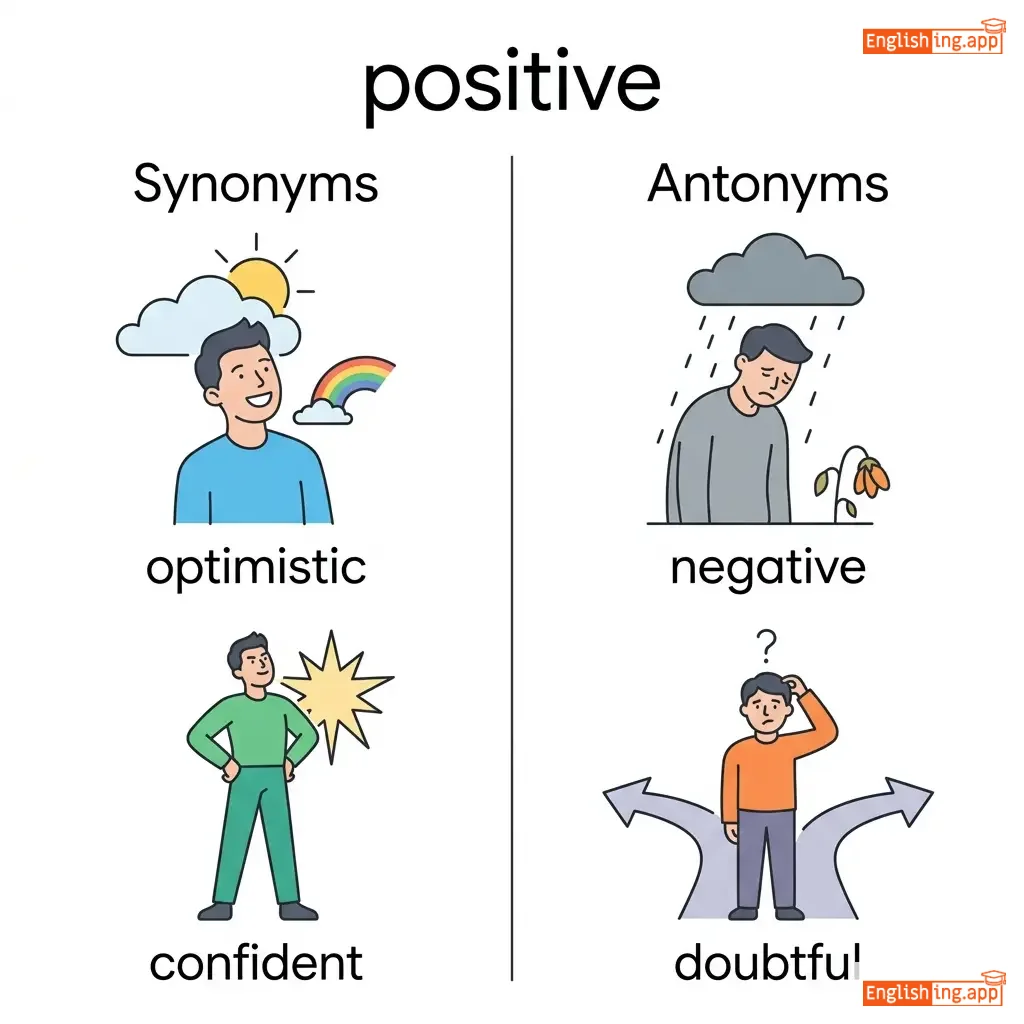
同義語
対義語
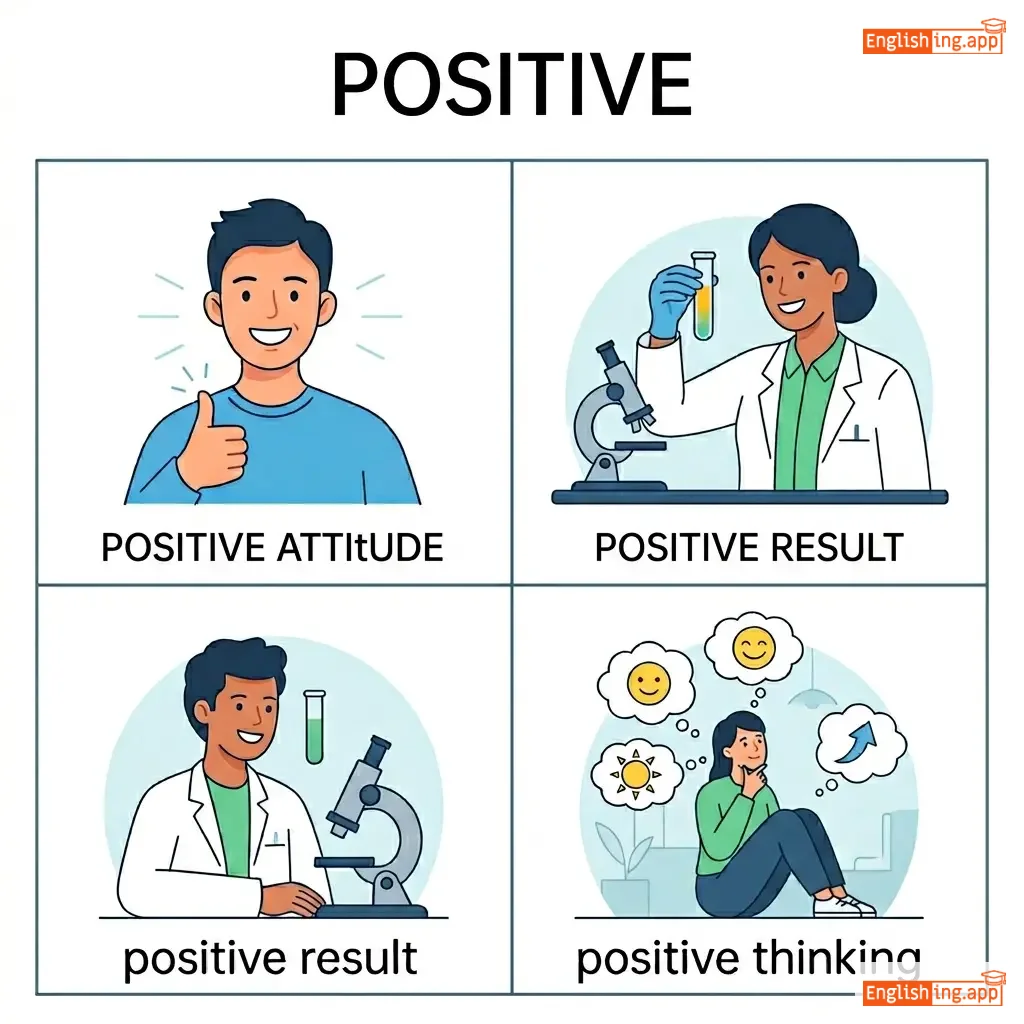
コロケーション
ニーモニック



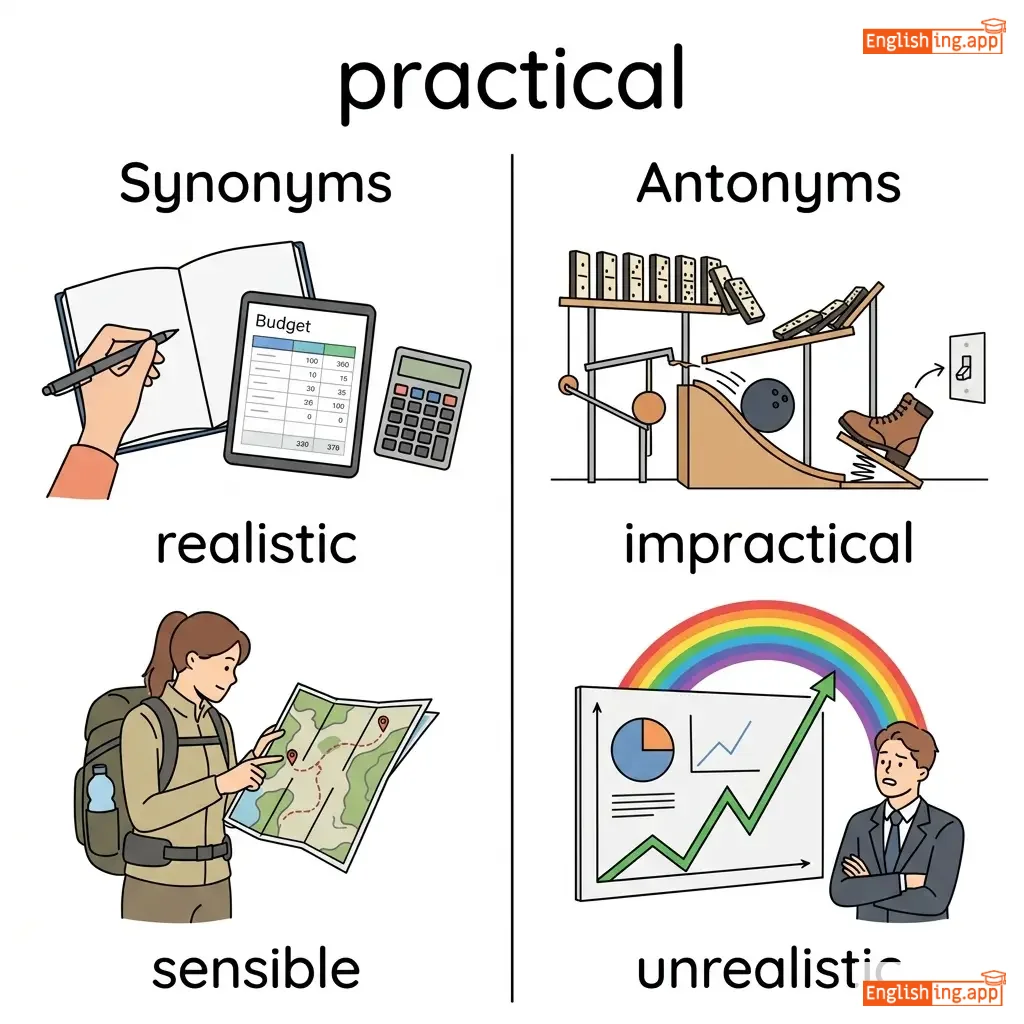
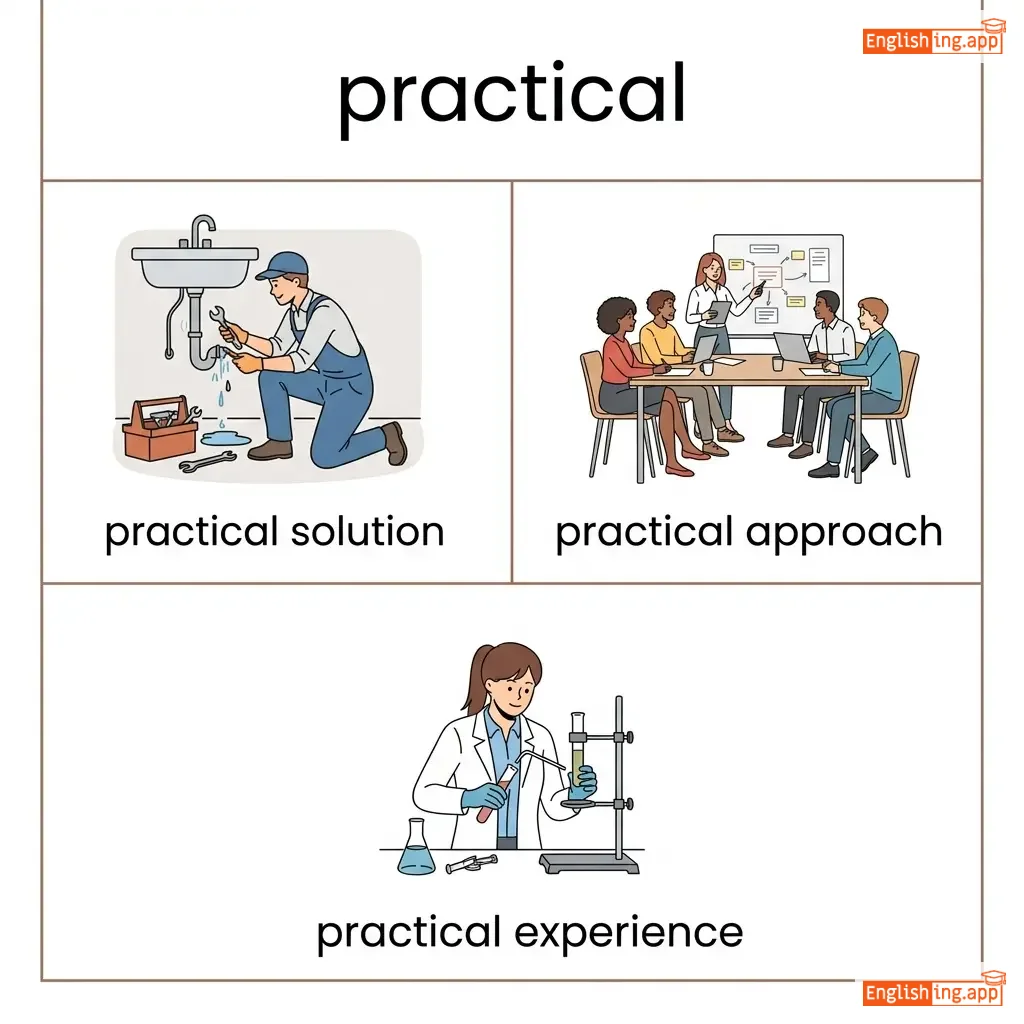
Swipe left or right, or use the buttons. Tap image to zoom.
例文の翻訳
単語
Lesson 32Lesson 32 - マスクトグル
|
絵文字
|
単語 | Images | 翻訳 | 意味 | 例文 | 例文の翻訳 | 同義語 | 対義語 | コロケーション | ニーモニック |
|---|---|---|---|---|---|---|---|---|---|---|
|
#621
🤏
|
/ˈpɪd.lɪŋ/
adjective
(ピッドリング)
••••••
|
- •••••• |
些細な; 取るに足らない; 少額
pidling
••••••
|
trivial; insignificant; small in amount
••••••
|
He was annoyed by the piddling amount of money he received. |
彼は受け取った些細な金額に腹を立てていた。
kare wa uketotta sasaina kingaku ni hara wo tatete ita
••••••
|
trivial, insignificant, petty, minor, negligible
••••••
|
significant, substantial, important, major
••••••
|
piddling amount, piddling sum, piddling details
••••••
|
ピッドリングは、ちょっとしたことでも問題になる
••••••
|
|
#622
📜
|
/ˈpɒs.tʃə.məs/
adjective
(ポストヒューマス)
••••••
|
- •••••• |
死後
posuto-hyumasu
••••••
|
occurring or continuing after death; published after the author's death
••••••
|
The author received a posthumous award for his last novel.
作者は最後の小説に対して死後の賞を受け取りました。
••••••
|
作者は最後の小説に対して死後の賞を受け取りました。
Sakusha wa saigo no shousetsu ni taishite shigo no shou wo uketorimashita.
••••••
|
after death, postmortem
••••••
|
living, alive, contemporary
••••••
|
posthumous award, posthumous publication, posthumous recognition
••••••
|
Shigo is after death. A posthumous reward, just like the one awarded after someone's passing.
••••••
|
|
#623
👉
|
/ˈpɔɪn.tɪd/
adjective
(ポイントド)
••••••
|
- •••••• |
鋭い; 直接的で明確な
surudoi; chokusetsuteki de meikakuna
••••••
|
having a sharp end; direct and unambiguous
••••••
|
She made a pointed remark about his behavior.
彼女は彼の行動について鋭いコメントをしました。
••••••
|
彼女は彼の行動について鋭いコメントをしました。
Kanojo wa kare no koudou ni tsuite surudoi komento wo shimashita.
••••••
|
sharp, acute, piercing, direct
••••••
|
blunt, dull, indirect, vague
••••••
|
pointed remark, pointed question, pointed criticism
••••••
|
鋭いコメントは直接的で明確です
••••••
|
|
#624
👥
|
/ˈpɒp.jʊ.lər/
adjective
(ポピュラー)
••••••
|
- •••••• |
人気のある
ninki no aru
••••••
|
liked or admired by many people; well-known and widely accepted
••••••
|
This restaurant is very popular among young people. |
このレストランは若者の間でとても人気があります。
Kono resutoran wa wakamono no aida de totemo ninki ga arimasu.
••••••
|
famous, well-liked, favored, trendy
••••••
|
unpopular, disliked, unfashionable
••••••
|
popular culture, popular opinion, popular choice
••••••
|
人気のあるように、アニメのヒーロー
••••••
|
|
#625
🌸
|
/pɪŋk/
adjective
(ピンク)
••••••
|
- •••••• |
ピンク
pinku
••••••
|
pale red color; slightly red
••••••
|
She wore a beautiful pink dress to the party.
彼女はパーティーに美しいピンクのドレスを着ていました。
••••••
|
彼女はパーティーに美しいピンクのドレスを着ていました。
Kanojo wa pātī ni utsukushī pinku no doresu o kite imashita.
••••••
|
rose, rosy, salmon, coral, blush
••••••
|
dark, black, deep
••••••
|
pink flowers, pink cheeks, hot pink, baby pink
••••••
|
ピンクは赤と白の間の色です。
••••••
|
|
#626
💪
|
/ˈpəʊ.tənt/
adjective
(ポテント)
••••••
|
- •••••• |
強力な; 効果的な; 影響力のある
kyōryoku na; kōka-teki na; eikyō-ryoku no aru
••••••
|
having great strength, power, or effect; influential
••••••
|
The medicine is very potent and should be taken carefully.
その薬は非常に強力であり、慎重に服用すべきです。
••••••
|
その薬は非常に強力であり、慎重に服用すべきです。
Sono kusuri wa hijō ni kyōryoku de ari, shinchō ni fukuyō subeki desu.
••••••
|
powerful, strong, effective, influential
••••••
|
weak, powerless, ineffective
••••••
|
potent medicine, potent force, potent symbol
••••••
|
Picture a strong Japanese potion, just like how 'potent' sounds in Japanese!
••••••
|
|
#627
🏙️
|
/ˈpɒp.jʊ.ləs/
adjective
(ポピュラス)
••••••
|
- •••••• |
人口密度が高い
jinkō mitsudo ga takai
••••••
|
having a large population; densely populated; crowded with people
••••••
|
China is the most populous country in the world.
中国は世界で最も人口の多い国です。
••••••
|
中国は世界で最も人口の多い国です。
Chūgoku wa sekai de mottomo jinkō no ōi kuni desu
••••••
|
crowded, densely populated, thronged
••••••
|
sparsely populated, empty, deserted
••••••
|
populous city, populous region, most populous
••••••
|
中国のように、人口密度が高い
••••••
|
|
#628
☠️
|
/ˈpɔɪ.zən.əs/
adjective
(ポイズナス)
••••••
|
- •••••• |
有毒; 毒性; 致命的
yūdoku; dokusei; chinmatsu
••••••
|
containing poison; toxic; deadly
••••••
|
The snake is highly poisonous and dangerous. |
そのヘビは非常に有毒で危険です。
Sono hebi wa hijō ni yūdoku de kiken desu.
••••••
|
toxic, venomous, deadly, harmful
••••••
|
harmless, safe, non-toxic, beneficial
••••••
|
poisonous snake, poisonous mushroom, poisonous gas
••••••
|
有毒—蛇が毒を持っていると想像してください!
••••••
|
|
#629
🙏
|
/pəˈlaɪt/
adjective
(ポライト)
••••••
|
- •••••• |
礼儀正しい; 尊敬すべき; 丁寧
reigi tadashii; sonkei subeki; teinei
••••••
|
having good manners; respectful; courteous
••••••
|
He was very polite and respectful to everyone.
彼は誰に対しても非常に礼儀正しく、尊敬していました。
••••••
|
彼は誰に対しても非常に礼儀正しく、尊敬していました。
Kare wa dare ni taishite mo hijou ni reigi tadashiku, sonkei shite imashita.
••••••
|
courteous, respectful, well-mannered, civil
••••••
|
rude, impolite, discourteous, disrespectful
••••••
|
polite conversation, polite request, polite manner
••••••
|
Polite を日本語で覚えるには‘礼儀正しい’と言うように、マナーの良い人を思い出しましょう。
••••••
|
|
#630
✅
|
/ˈpɒz.ɪ.tɪv/
adjective
(ポジティブ)
••••••
|
|
ポジティブ
pojitibu
••••••
|
good or constructive; optimistic; confident; favorable
••••••
|
She has a positive attitude towards life.
彼女は人生に対してポジティブな態度を持っています。
••••••
|
彼女は人生に対してポジティブな態度を持っています。
Kanojo wa jinsei ni taishite pojitibu na taido o motteimasu.
••••••
|
optimistic, confident, affirmative, constructive
••••••
|
negative, pessimistic, doubtful
••••••
|
positive thinking, positive feedback, positive result
••••••
|
ポジティブとは、ポジティブな態度で自信を持つことです。
••••••
|
|
#631
🙏
|
/ˈpaɪ.əs/
adjective
(パイアス)
••••••
|
- •••••• |
敬虔な
keikanna
••••••
|
devoutly religious; showing reverence for God
••••••
|
The pious monk spent hours in prayer every day.
敬虔な修道士は毎日何時間も祈りに捧げた。
••••••
|
敬虔な修道士は毎日何時間も祈りに捧げた。
keikannashudoushiwamainichinanjikanmoinorinisasageta
••••••
|
devout, religious, holy, righteous, godly
••••••
|
impious, irreligious, godless, sinful
••••••
|
pious believer, pious acts, pious devotion
••••••
|
KeikanNa Pious: けいかんな心, imagine a devout monk whispering kami o uyamau every day
••••••
|
|
#632
🌱
|
/pəˈten.ʃəl/
adjective
(ポテンシャル)
••••••
|
|
潜在能力; 発展可能性; 潜在
potenshalu
••••••
|
having possibility; capable of development; latent
••••••
|
She has great potential to become a successful artist.
彼女は成功したアーティストになるための大きなポテンシャルを持っている。
••••••
|
彼女は成功したアーティストになるための大きなポテンシャルを持っている。
Kanojo wa seikou shita aatisuto ni naru tame no ookina potensharu wo motte iru.
••••••
|
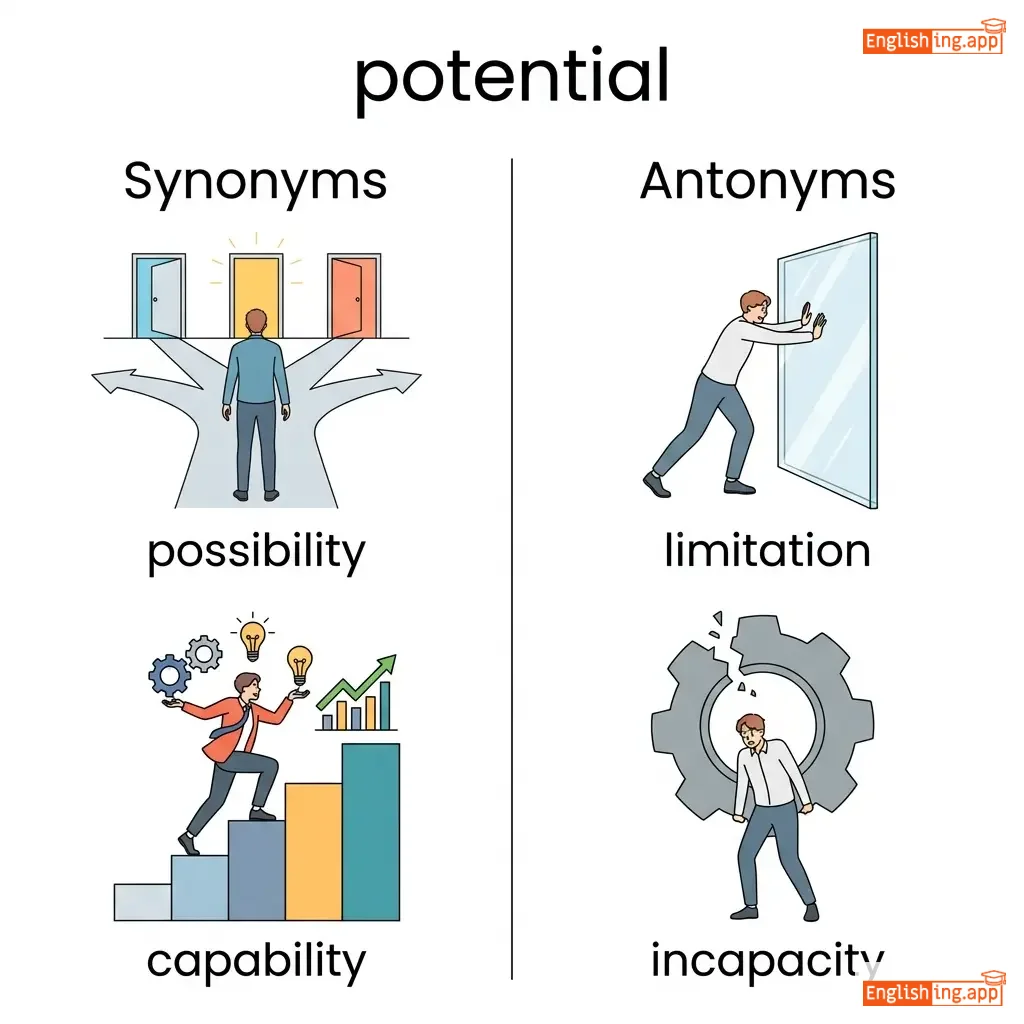
possible, latent, prospective, promising
••••••
|
actual, realized, kinetic
••••••
|
potential candidate, potential problem, potential energy
••••••
|
In Japanese, 'ポテンシャル' (potensharu) is very similar to the English 'potential'.
••••••
|
|
#633
🎩
|
/ˈpɑːm.pəs/
adjective
(ポンポス)
••••••
|
- •••••• |
気取った; うぬぼれた; 過度に豪華な
kitoratta; unnboreta; kado ni gōkana
••••••
|
showing off; pretentious; overly grand
••••••
|
His pompous attitude annoyed everyone at the meeting.
彼の気取った態度は会議でみんなを苛立たせました。
••••••
|
彼の気取った態度は会議でみんなを苛立たせました。
Kare no kidotta taido wa kaigi de minna o iradatasemashita.
••••••
|
arrogant, pretentious, boastful, conceited
••••••
|
humble, modest, simple, unpretentious
••••••
|
pompous speech, pompous manner, pompous display
••••••
|
Visualize someone showing off at a meeting with exaggerated gestures.
••••••
|
|
#634
🤲
|
/pəˈzes.ɪv/
adjective
(happiness)
••••••
|
- •••••• |
幸せ
shiawase
••••••
|
showing a desire to own or control something; unwilling to share; jealously protective
••••••
|
He is very possessive about his car. |
彼女は賞を受け取ったとき、幸せを隠せませんでした。
Kanojo wa shō o uketotta toki, shiawase o kakusemasen deshita.
••••••
|
controlling, protective, jealous, clingy
••••••
|
generous, sharing, unselfish
••••••
|
possessive pronoun, possessive behavior, overly possessive
••••••
|
幸せは心を温かくするものです。
••••••
|
|
#635
😢
|
/ˈpɪt.i.əs/
adjective
(ピティアス)
••••••
|
- •••••• |
哀れな; 哀れを誘う
pityasu
••••••
|
deserving pity; arousing compassion
••••••
|
The piteous cries of the injured animal moved everyone to tears.
傷ついた動物の哀れな叫び声は、皆を涙で動かしました。
••••••
|
傷ついた動物の哀れな叫び声は、皆を涙で動かしました。
Kizutsuita dōbutsu no aware na sakebigoe wa, mina o namida de ugokashimashita.
••••••
|
pitiful, pathetic, touching, heart-rending, sorrowful
••••••
|
joyful, happy, cheerful, heartening
••••••
|
piteous sight, piteous condition, piteous appeal
••••••
|
傷ついた動物の哀れな叫び声を思い浮かべて、'哀れな'を覚えてください。
••••••
|
|
#636
🔧
|
/ˈpræk.tɪ.kəl/
adjective
(プラクティカル)
••••••
|
|
実用的な; 現実的な; 賢明な
jitsuyōteki na
••••••
|
suitable for actual use; realistic; sensible
••••••
|
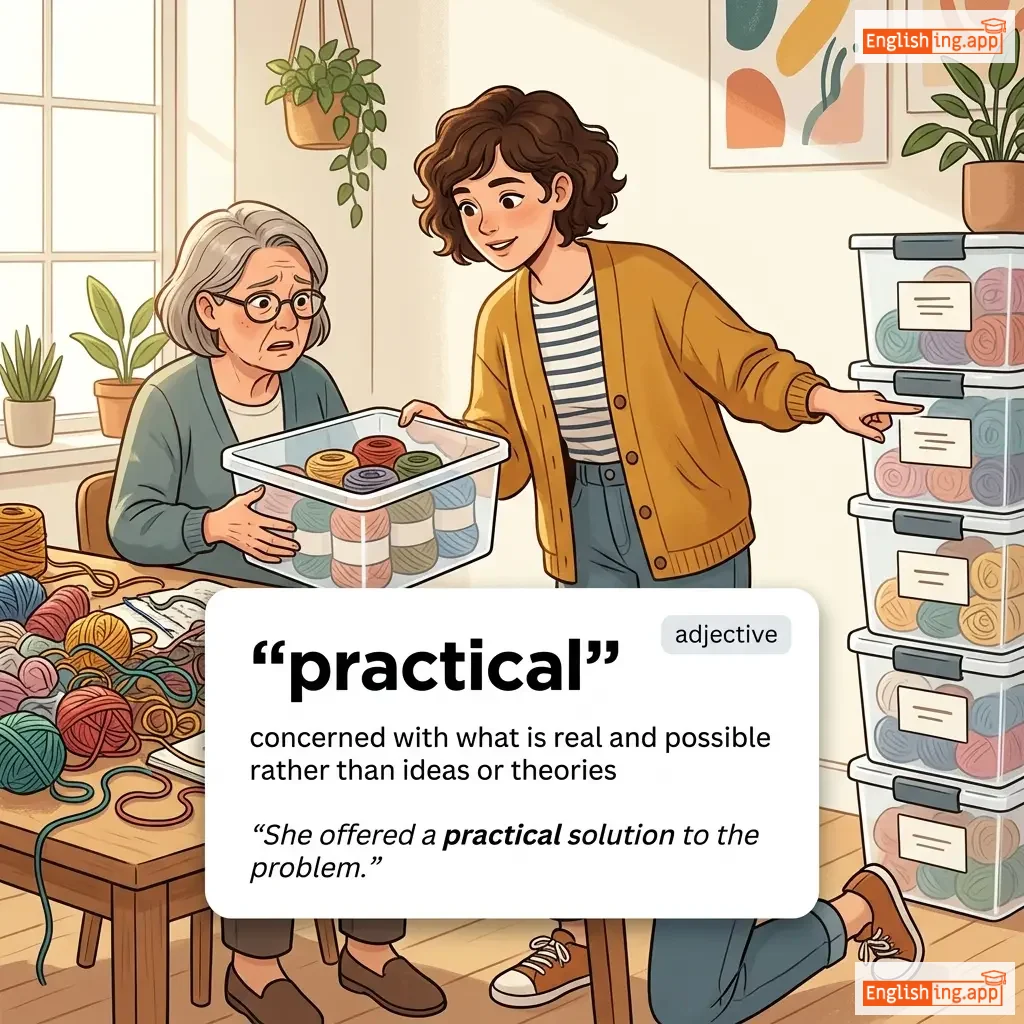
We need a practical solution to this problem.
この問題には実用的な解決策が必要です。
••••••
|
この問題には実用的な解決策が必要です。
Kono mondai ni wa jitsuyōteki na kaiketsusaku ga hitsuyō desu.
••••••
|
realistic, sensible, useful, workable
••••••
|
impractical, theoretical, useless
••••••
|
practical advice, practical experience, practical solution
••••••
|
実際的な解決策、すぐに使える解決策です。
••••••
|
|
#637
💸
|
/pʊr/
adjective
(プア)
••••••
|
- •••••• |
貧しい; 質の悪い
mazushii; shitsu no warui
••••••
|
having little money; lacking resources; of low quality
••••••
|
The poor family struggled to make ends meet.
貧しい家族は生活費を稼ぐために戦っていました。
••••••
|
貧しい家族は生活費を稼ぐために戦っていました。
Mazushii kazoku wa seikatsu-hi wo kasegu tame ni tatakatteimashita.
••••••
|
impoverished, needy, destitute, underprivileged
••••••
|
rich, wealthy, affluent, prosperous
••••••
|
poor quality, poor health, poor performance
••••••
|
貧困は希望の兆し。
••••••
|
|
#638
🌾
|
/ˈplen.tɪ.fəl/
adjective
(プレンティフル)
••••••
|
- •••••• |
豊富な; 大量の
plentiful
••••••
|
abundant; existing in large quantity
••••••
|
The harvest was plentiful this year due to good weather. |
今年は良い天気のおかげで収穫が豊富でした。
Kotoshi wa yoi tenki no okage de shūkaku ga hōfu deshita.
••••••
|
abundant, copious, ample, profuse, bountiful
••••••
|
scarce, sparse, meager, insufficient
••••••
|
plentiful supply, plentiful harvest, plentiful resources
••••••
|
Plentiful = 'プレートいっぱい' (Purēto ippai, full plate, lots of food!)
••••••
|
|
#639
🤔
|
/ˈpɒs.ə.bəl/
adjective
(ポッシブル)
••••••
|
- •••••• |
可能
kanou
••••••
|
able to be done or achieved; likely to happen; feasible
••••••
|
It is possible to learn a new language at any age.
どの年齢でも新しい言語を学ぶことは可能です。
••••••
|
どの年齢でも新しい言語を学ぶことは可能です。
Dono nenrei demo atarashī gengo o manabu koto wa kanō desu.
••••••
|
feasible, achievable, likely, potential
••••••
|
impossible, unlikely, unachievable
••••••
|
possible solution, possible outcome, as soon as possible
••••••
|
‘可能’ は、挑戦を乗り越えることで達成できることを思い出させてくれます。
••••••
|
|
#640
👏
|
/ˈpreɪz.wɜː.ði/
adjective
(プレイズワーシー)
••••••
|
- •••••• |
賞賛に値する
shōsan ni ataisuru
••••••
|
deserving praise; commendable; admirable
••••••
|
Her charitable work is truly praiseworthy. |
彼女の慈善活動は本当に賞賛に値します。
Kanojo no jizen katsudō wa hontōni shōsan ni atai shimasu.
••••••
|
commendable, admirable, laudable, meritorious
••••••
|
blameworthy, condemnable, shameful
••••••
|
praiseworthy effort, praiseworthy achievement, praiseworthy behavior
••••••
|
賞賛に値する行動は、周りの人々にも良い影響を与えます。
••••••
|
Vocabulary Quiz
Test your vocabulary by matching words with their translations or meanings.
Login to take the quiz
Comments (0)
Share your thoughts and join the discussion.
Join the discussion by logging in
Login to CommentNo comments yet
Be the first to share your thoughts!