

翻訳
過去
過去分詞
三人称単数
動名詞
意味
例文
例文の翻訳
同義語
対義語
コロケーション
ニーモニック

Swipe left or right, or use the buttons. Tap image to zoom.
例文の翻訳
単語
Lesson 36Lesson 36 - マスクトグル
|
絵文字
|
単語 | Images | 翻訳 | 意味 | 例文 | 例文の翻訳 | 同義語 | 対義語 | コロケーション | ニーモニック |
|---|---|---|---|---|---|---|---|---|---|---|
|
#701
🔄
|
/ˈriː.fleks/
adjective
(リフレックス)
••••••
|
- •••••• |
反射
hansha
••••••
|
an action performed without conscious thought; relating to reflection
••••••
|
The doctor tested her reflex response by tapping her knee.
医師は彼女の膝を軽く叩いて反射的な反応をテストしました。
••••••
|
医師は彼女の膝を軽く叩いて反射的な反応をテストしました。
Ishi wa kanojo no hiza wo karuku tataite hansha-teki na hannou wo tesuto shimashita.
••••••
|
automatic, involuntary, instinctive
••••••
|
deliberate, conscious, voluntary
••••••
|
reflex action, reflex response, knee-jerk reflex
••••••
|
反射は意識せずに起こる反応、膝を叩くときのように。
••••••
|
|
#702
🔧
|
/rɪˈper.ə.bəl/
adjective
(リペア可能)
••••••
|
- •••••• |
修理可能
shūrikano
••••••
|
able to be fixed or mended; capable of being repaired
••••••
|
The broken phone is repairable with the right parts.
壊れた電話は正しい部品で修理可能です。
••••••
|
壊れた電話は正しい部品で修理可能です。
Kowareta denwa wa tadashii buhin de shūri kanō desu.
••••••
|
fixable, mendable, restorable
••••••
|
irreparable, unfixable, beyond repair
••••••
|
easily repairable, repairable damage, repairable condition
••••••
|
修理可能は修理できるもの
••••••
|
|
#703
😔
|
/rɪˈɡret.ə.bəl/
adjective
(レグレットエイブル)
••••••
|
- •••••• |
残念な; 失望させる; 悲しい
zannen na; shitsubō saseru; kanashī
••••••
|
causing or deserving regret; unfortunate; deplorable
••••••
|
It is regrettable that so many talented people left the company. |
こんなに多くの才能ある人々が会社を辞めたのは残念です。
Konnani ōku no sainō aru hitobito ga kaisha o yameta no wa zannen desu.
••••••
|
deplorable, lamentable, unfortunate, sad
••••••
|
fortunate, welcome, desirable, pleasing
••••••
|
regrettable mistake, regrettable incident, regrettable decision
••••••
|
残念な気持ちを感じるとき、それは悲しいことだ
••••••
|
|
#704
✅
|
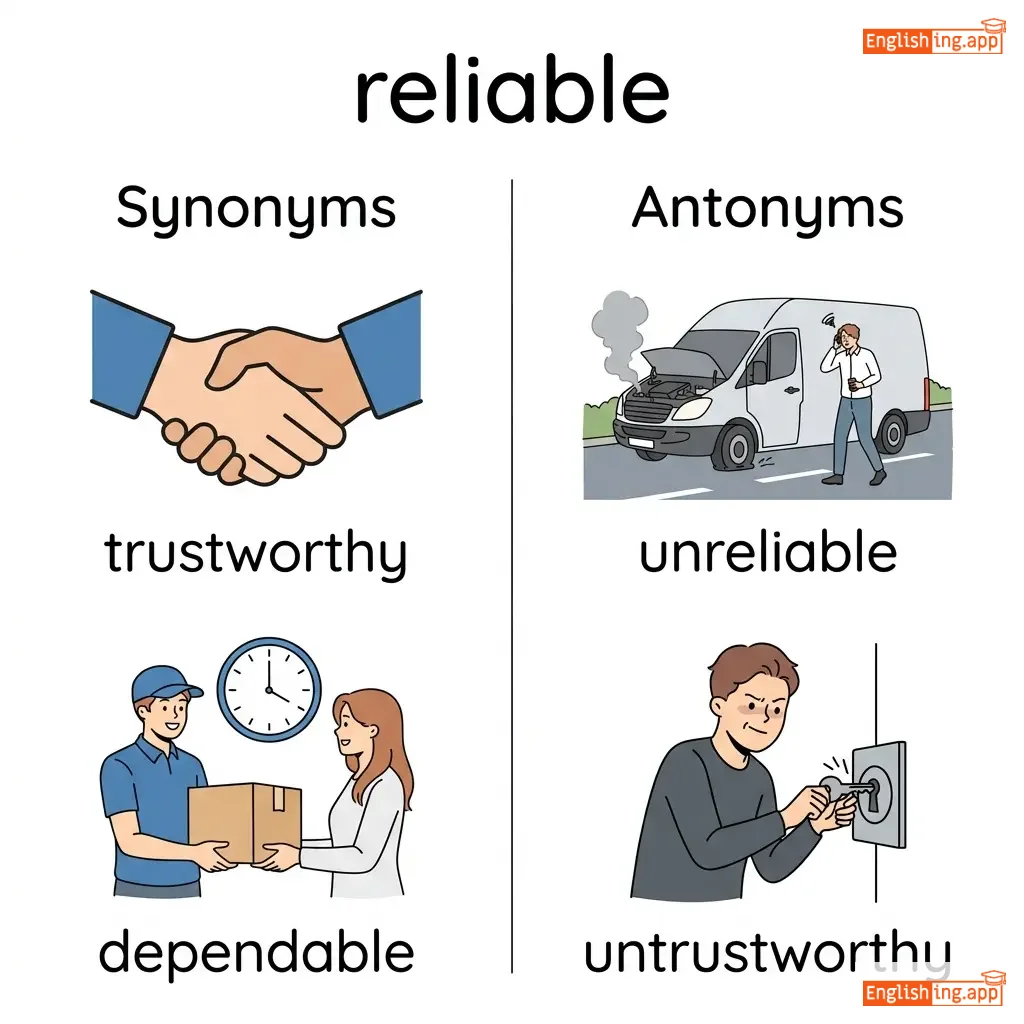
/rɪˈlaɪəbl/
adjective
(rɪˈlaɪəbl)
••••••
|
|
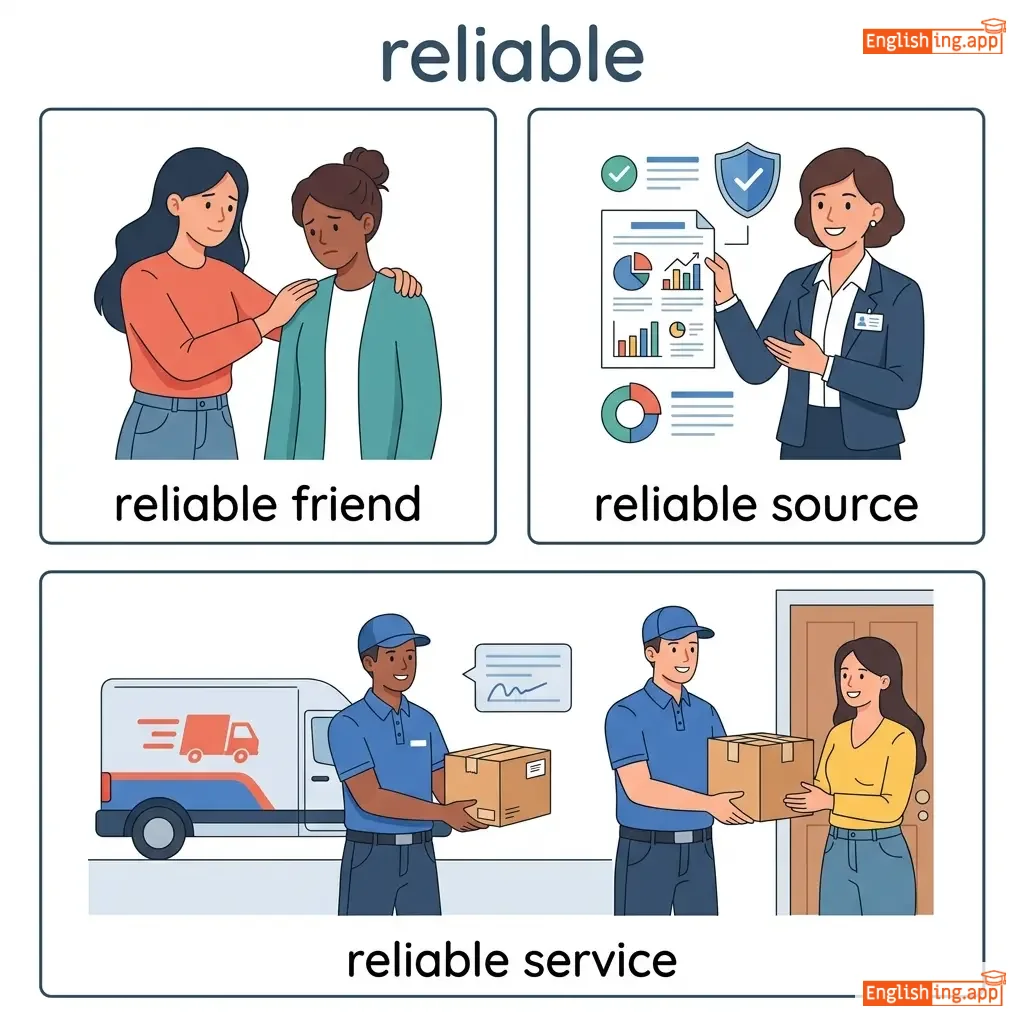
信頼できる; 安定した; 一貫した;
shinrai dekiru; antei shita; ikkanshita
••••••
|
dependable; trustworthy; consistent;
••••••
|
She is a reliable employee who always meets deadlines.
彼女は常に期限を守る信頼できる従業員です。
••••••
|
彼女は常に期限を守る信頼できる従業員です。
kanojo wa jōni kigen o mamoru shinrai dekiru jūgyōin desu
••••••
|
dependable, trustworthy, consistent, steady
••••••
|
unreliable, undependable, inconsistent
••••••
|
reliable source, reliable information, reliable service
••••••
|
信頼できる人は時計のように正確です。
••••••
|
|
#705
🪞
|
/rɪˈflek.sɪv/
adjective
(リフレクシブ)
••••••
|
- •••••• |
反射的; 内省的
hanshateki; naiseiteki
••••••
|
directed back on itself; showing deep thought about oneself
••••••
|
She became more reflexive about her behavior after the feedback.
フィードバックの後、彼女は自分の行動についてもっと反省的になりました。
••••••
|
フィードバックの後、彼女は自分の行動についてもっと反省的になりました。
Fīdobakku no ato, kanojo wa jibun no kōdō ni tsuite motto hanseiteki ni narimashita.
••••••
|
introspective, contemplative, thoughtful
••••••
|
unreflective, impulsive, thoughtless
••••••
|
reflexive thinking, reflexive behavior, reflexive pronoun
••••••
|
覚えておいて: 自分自身について深く考えよう。
••••••
|
|
#706
🔁
|
/rɪˈpiː.tɪd/
adjective
(リピート)
••••••
|
- •••••• |
繰り返しの; 多くの回発生する
kurikaeshi no; ooku no kai hassei suru
••••••
|
done again; happening again; occurring multiple times
••••••
|
He made repeated attempts to contact her.
彼は何度も彼女に連絡を試みました。
••••••
|
彼は何度も彼女に連絡を試みました。
Kare wa nando mo kanojo ni renraku o kokoromimashita
••••••
|
recurring, frequent, continuous
••••••
|
single, once, isolated
••••••
|
repeated attempts, repeated warnings, repeated patterns
••••••
|
リピートは何度も行うことを意味します。例えば、何度も試みること。
••••••
|
|
#707
🙏
|
/rɪˈlɪdʒəs/
adjective
(宗教的)
••••••
|
- •••••• |
宗教的; 信心深い; 精神的; 宗教に関連する;
shūkyōteki
••••••
|
relating to or believing in a religion; devout; spiritual;
••••••
|
He comes from a very religious family.
彼は非常に宗教的な家庭から来ています。
••••••
|
彼は非常に宗教的な家庭から来ています。
Kare wa hijō ni shūkyōteki na katei kara kiteimasu.
••••••
|
devout, pious, spiritual, faithful
••••••
|
secular, irreligious, atheistic
••••••
|
religious beliefs, religious ceremony, religious leader
••••••
|
宗教的人は信仰を大切にします。
••••••
|
|
#708
🔄
|
/ˈreɡ.jə.lər/
adjective
(レギュラー)
••••••
|
- •••••• |
定期的な
regyuura
••••••
|
happening at fixed intervals; consistent; normal; frequent
••••••
|
She goes for regular exercise every morning at 6 AM.
毎朝6時に定期的な運動をします。
••••••
|
彼女は毎朝6時に定期的な運動をします。
kanojo wa maiasa rokuji ni teikiteki na undou o shimasu.
••••••
|
consistent, routine, frequent, systematic
••••••
|
irregular, inconsistent, sporadic, random
••••••
|
regular basis, regular customer, regular exercise
••••••
|
Regu lar memory: REGULAR means teikiteki na undou; imagine a calendar that repeats every mainichi with a bold レギュラー badge to remember the connection.
••••••
|
|
#709
🔗
|
/rɪˈleɪ.tɪd/
adjective
(リレイティッド)
••••••
|
- •••••• |
関連; 結びついている
kanren; musubitsuiteiru
••••••
|
connected; associated; having a connection or relationship
••••••
|
These two problems are closely related to each other. |
これらの二つの問題はお互いに密接に関連しています。
Korera no futatsu no mondai wa otagai ni missetsu ni kanren shiteimasu.
••••••
|
connected, associated, linked, corresponding
••••••
|
unrelated, disconnected, separate, independent
••••••
|
closely related, related topics, related issues
••••••
|
関連している、二人の友達が手をつないでいるように。
••••••
|
|
#710
😕
|
/rɪˈlʌktənt/
adjective
(リラクタント)
••••••
|
- •••••• |
消極的な; ためらう; 何かをすることに抵抗がある;
shōkyokuteki na; tamerau; nanika o suru koto ni teikō ga aru
••••••
|
unwilling; hesitant; disinclined to do something;
••••••
|
She was reluctant to share her personal information.
彼女は個人情報を共有することに消極的でした。
••••••
|
彼女は個人情報を共有することに消極的でした。
Kanojo wa kojin jōhō o kyōyū suru koto ni shōkyokuteki deshita.
••••••
|
unwilling, hesitant, disinclined, unenthusiastic
••••••
|
willing, eager, enthusiastic, keen
••••••
|
reluctant to admit, reluctant witness, reluctant agreement
••••••
|
Reluctant = 'Re' + 'luctant' (Japanese: '消極的な')
••••••
|
|
#711
🌿
|
/rɪˈfreʃ.ɪŋ/
adjective
(リフレッシング)
••••••
|
- •••••• |
さわやか
sawayaka
••••••
|
making one feel energized and renewed; pleasantly new or different
••••••
|
The cool breeze was refreshing after the hot day. |
暑い一日後の涼しい風はさわやかだった。
Atsui ichinichi go no suzushī kaze wa sawayakada.
••••••
|
invigorating, revitalizing, energizing
••••••
|
tiring, draining, exhausting
••••••
|
refreshing drink, refreshing change, refreshing breeze
••••••
|
新鮮な風でリフレッシュ
••••••
|
|
#712
😔
|
/rɪˈpen.tənt/
adjective
(リペンタン)
••••••
|
- •••••• |
後悔している; 反省している; 悔いている
kōkai shite iru; hansei shite iru; kuite iru
••••••
|
feeling or expressing sincere regret and remorse; sorry for one's actions
••••••
|
The repentant thief returned the stolen money. |
後悔している泥棒は盗んだお金を返しました。
Kōkai shite iru dorobō wa nusunda okane o kaeshimashita.
••••••
|
remorseful, contrite, penitent
••••••
|
unrepentant, impenitent, defiant
••••••
|
repentant sinner, repentant criminal, truly repentant
••••••
|
後悔している人は盗んだお金を返す
••••••
|
|
#713
⚖️
|
/ˈrel.ə.tɪv/
adjective
(リラティブ)
••••••
|
- •••••• |
相対的
sōtaiteki
••••••
|
considered in comparison to something else; not absolute; comparative
••••••
|
The cost of living is relative to your income level.
生活費はあなたの収入レベルに対して相対的です。
••••••
|
生活費はあなたの収入レベルに対して相対的です。
Seikatsuhi wa anata no shūnyū reberu ni taishite sōtaiteki desu.
••••••
|
comparative, proportional, corresponding, respective
••••••
|
absolute, fixed, independent, unrelated
••••••
|
relative importance, relative position, relative value
••••••
|
相対的 (sōtaiteki) is like relative, comparing things.
••••••
|
|
#714
⭐
|
/rɪˈmɑːrkəbl/
adjective
(rimarkaburu)
••••••
|
- •••••• |
注目すべき; 非凡な; 顕著な;
chūmoku subeki; hibōna; kencho na
••••••
|
worthy of attention; extraordinary; notable;
••••••
|
His recovery from the illness was remarkable. |
病気から回復することは注目すべきことでした。
Byōki kara kaifuku suru koto wa chūmoku subeki koto deshita.
••••••
|
extraordinary, outstanding, exceptional, amazing
••••••
|
ordinary, unremarkable, common, typical
••••••
|
remarkable achievement, remarkable progress, remarkable talent
••••••
|
Remarkable = 注目すべき (worthy of attention) + 非凡な (extraordinary)
••••••
|
|
#715
❌
|
/rɪˈfjuː.tə.bəl/
adjective
(リフューテーブル)
••••••
|
- •••••• |
反証可能
hanshō kanō
••••••
|
capable of being proven wrong or false; able to be disproved
••••••
|
His theory was refutable because it could be tested experimentally.
彼の理論は実験的にテストできるので反証可能でした。
••••••
|
彼の理論は実験的にテストできるので反証可能でした。
kare no riron wa jikken-teki ni tesuto dekiru node hanshō kanō deshita.
••••••
|
disprovable, challengeable, questionable
••••••
|
irrefutable, undeniable, indisputable
••••••
|
refutable hypothesis, refutable claim, refutable argument
••••••
|
実験で反証する理論
••••••
|
|
#716
⛓️
|
/rɪˈpres.ɪv/
adjective
(リプレッシブ)
••••••
|
- •••••• |
抑圧的な
yokuatsuteki na
••••••
|
restraining freedom or preventing self-expression; oppressive
••••••
|
The repressive government banned all forms of protest. |
抑圧的な政府はすべての抗議の形態を禁止しました。
yokuatsuteki na seifu wa subete no kōgi no keitai o kinshi shimashita
••••••
|
oppressive, authoritarian, tyrannical
••••••
|
liberating, permissive, democratic
••••••
|
repressive regime, repressive measures, repressive laws
••••••
|
抑圧を感じたら、革命だ!
••••••
|
|
#717
🎯
|
/ˈrel.ə.vənt/
adjective
(リレバント)
••••••
|
- •••••• |
関連する
kanren suru
••••••
|
closely connected or appropriate to what is being discussed; pertinent
••••••
|
Please provide only relevant information for this discussion. |
この議論に関連する情報のみを提供してください。
kono giron ni kanren suru jōhō nomi o teikyō shite kudasai.
••••••
|
pertinent, applicable, appropriate, significant
••••••
|
irrelevant, unrelated, inappropriate, insignificant
••••••
|
relevant information, relevant experience, relevant skills
••••••
|
関連する means relevant, think of how your thoughts are closely related to a relevant discussion.
••••••
|
|
#718
🗺️
|
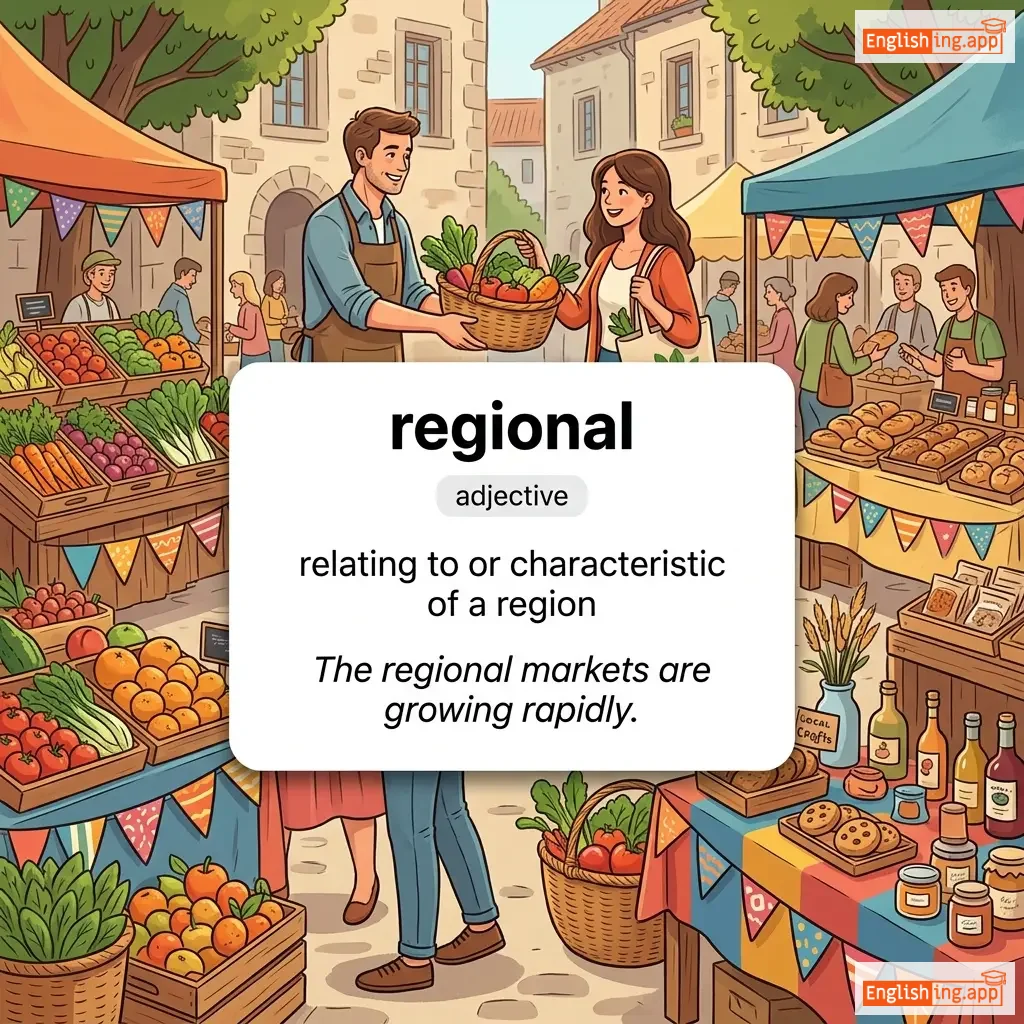
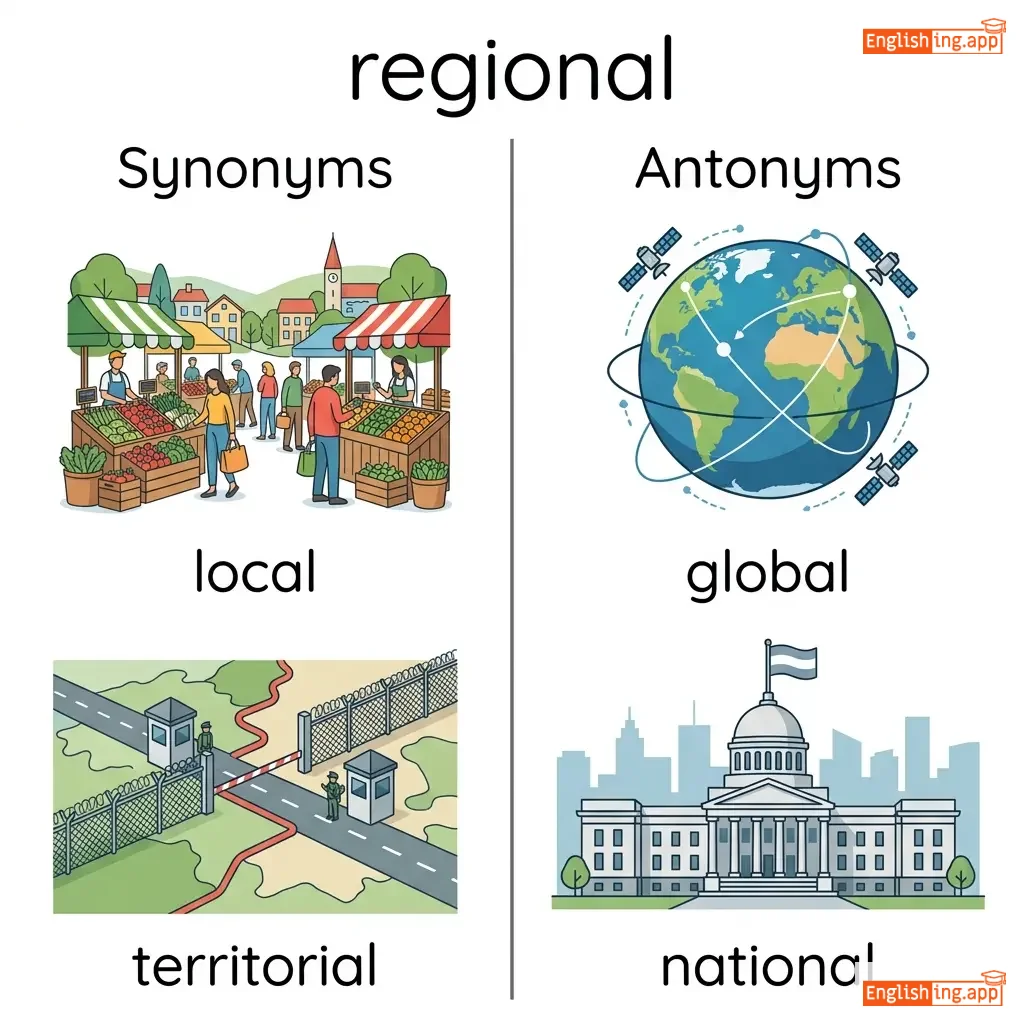
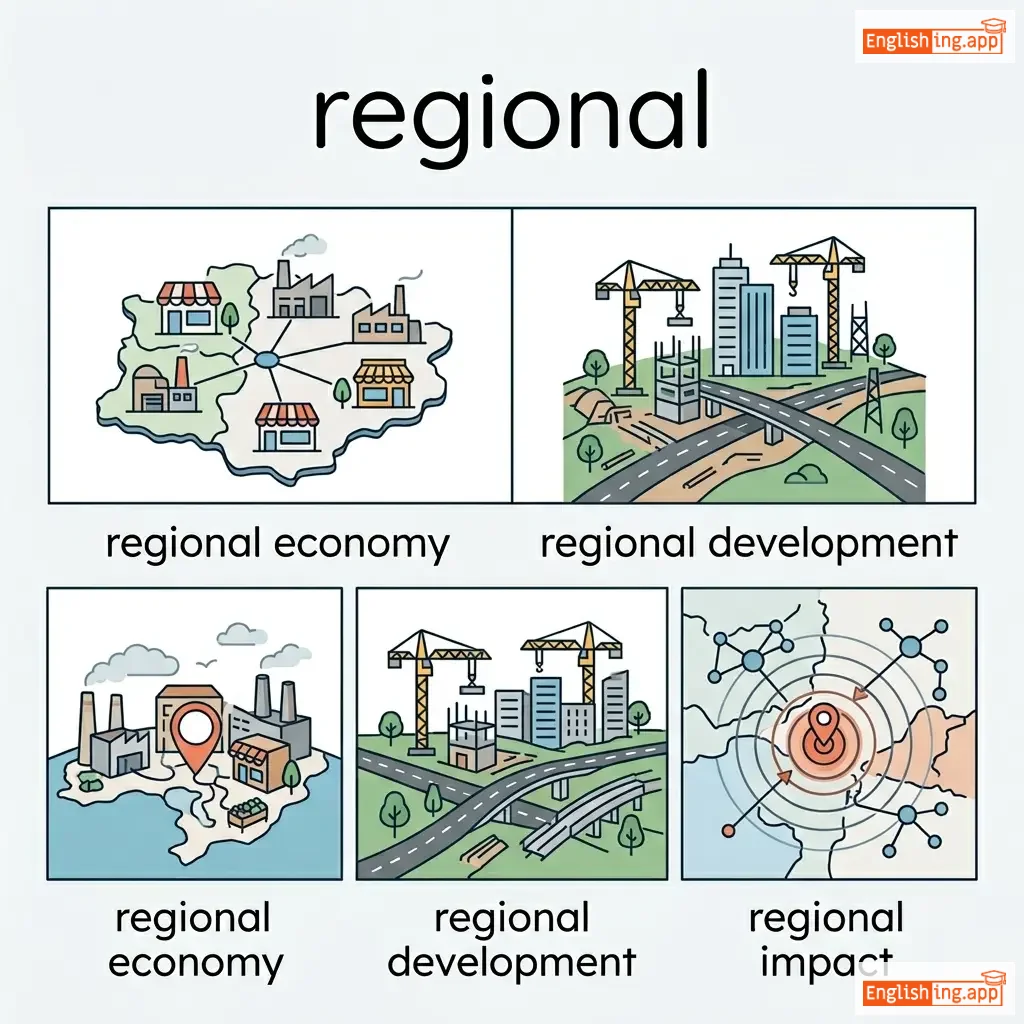
/ˈriː.dʒən.əl/
adjective
(リージョナル)
••••••
|
|
地域の
riijonaru
••••••
|
relating to a particular region or area; local to a specific geographic area
••••••
|
The regional differences in culture were quite noticeable.
地域ごとの文化の違いはかなり顕著だった。
••••••
|
地域ごとの文化の違いはかなり顕著だった。
Chiiki goto no bunka no chigai wa kanari kencho datta.
••••••
|
local, territorial, district
••••••
|
national, global, international
••••••
|
regional government, regional differences, regional cuisine
••••••
|
Regional = region + al; imagine a map of Japan with regions labeled in neon and the phrase chiiki no (地域の) glowing to connect English to Japanese
••••••
|
|
#719
🩹
|
/rɪˈmiːdiəl/
adjective
(リメディアル)
••••••
|
- •••••• |
修正的; 治療的; 回復的;
shūseitekī
••••••
|
intended as a remedy; corrective; providing a cure;
••••••
|
The students need remedial classes to improve their math skills. |
学生は数学スキルを向上させるためにリメディアルクラスが必要です。
Gakusei wa sūgaku sukiru o kōjō saseru tame ni rimedia ru kurasu ga hitsuyōdesu.
••••••
|
corrective, therapeutic, curative, healing
••••••
|
harmful, detrimental, damaging
••••••
|
remedial action, remedial education, remedial treatment
••••••
|
Remedial は治療と修正を意味する。
••••••
|
|
#720
🤢
|
/rɪˈpʌɡ.nənt/
adjective
(リパグナント)
••••••
|
- •••••• |
嫌悪感を引き起こす; 嫌な; 不快な
ken'okan o hikiokosu; iya na; fukai na
••••••
|
extremely distasteful; unacceptable; causing disgust or strong dislike
••••••
|
The idea of lying to his parents was repugnant to him.
両親に嘘をつくという考えは彼にとって嫌悪感を抱かせた。
••••••
|
両親に嘘をつくという考えは彼にとって嫌悪感を抱かせた。
Ryōshin ni uso o tsuku to iu kangae wa kare ni totte ken'okan o idakaseta.
••••••
|
disgusting, revolting, abhorrent
••••••
|
appealing, attractive, pleasant
••••••
|
morally repugnant, utterly repugnant, find repugnant
••••••
|
Repugnant = 'Repugner à mentir.'
••••••
|
Vocabulary Quiz
Test your vocabulary by matching words with their translations or meanings.
Login to take the quiz
Comments (0)
Share your thoughts and join the discussion.
Join the discussion by logging in
Login to CommentNo comments yet
Be the first to share your thoughts!