

翻訳
過去
過去分詞
三人称単数
動名詞
意味
例文
例文の翻訳
同義語
対義語
コロケーション
ニーモニック
Swipe left or right, or use the buttons. Tap image to zoom.
例文の翻訳
単語
Lesson 37Lesson 37 - マスクトグル
|
絵文字
|
単語 | Images | 翻訳 | 意味 | 例文 | 例文の翻訳 | 同義語 | 対義語 | コロケーション | ニーモニック |
|---|---|---|---|---|---|---|---|---|---|---|
|
#721
🤢
|
/rɪˈpʌl.sɪv/
adjective
(リパルシブ)
••••••
|
- •••••• |
嫌悪感を引き起こす; 不快な; 嫌悪を引き起こす
ken'okan wo hikiokosu; fukai na; ken'o wo hikiokosu
••••••
|
extremely unpleasant; causing strong dislike or disgust
••••••
|
The smell of rotten eggs was absolutely repulsive. |
腐った卵の匂いは完全に嫌悪感を引き起こしました。
kusatta tamago no nioi wa kanzen ni ken'okan wo hikiokoshimashita
••••••
|
disgusting, revolting, nauseating, offensive
••••••
|
attractive, appealing, pleasant, charming
••••••
|
repulsive behavior, repulsive smell, repulsive appearance
••••••
|
腐った食べ物のように感じる
••••••
|
|
#722
↩️
|
/rɪˈtɜː.nə.bəl/
adjective
(リターンアブル)
••••••
|
- •••••• |
返品可能
henpin kanou
••••••
|
able to be returned or given back
••••••
|
The bottle is returnable for a deposit refund. |
ボトルはデポジット返金のために返品可能です。
Botoru wa depojitto henkin no tame ni henpin kanou desu.
••••••
|
refundable, exchangeable, redeemable
••••••
|
non-returnable, irreversible, permanent
••••••
|
returnable bottle, returnable deposit, returnable container
••••••
|
返品可能 = 返却または返品可能
••••••
|
|
#723
🏠
|
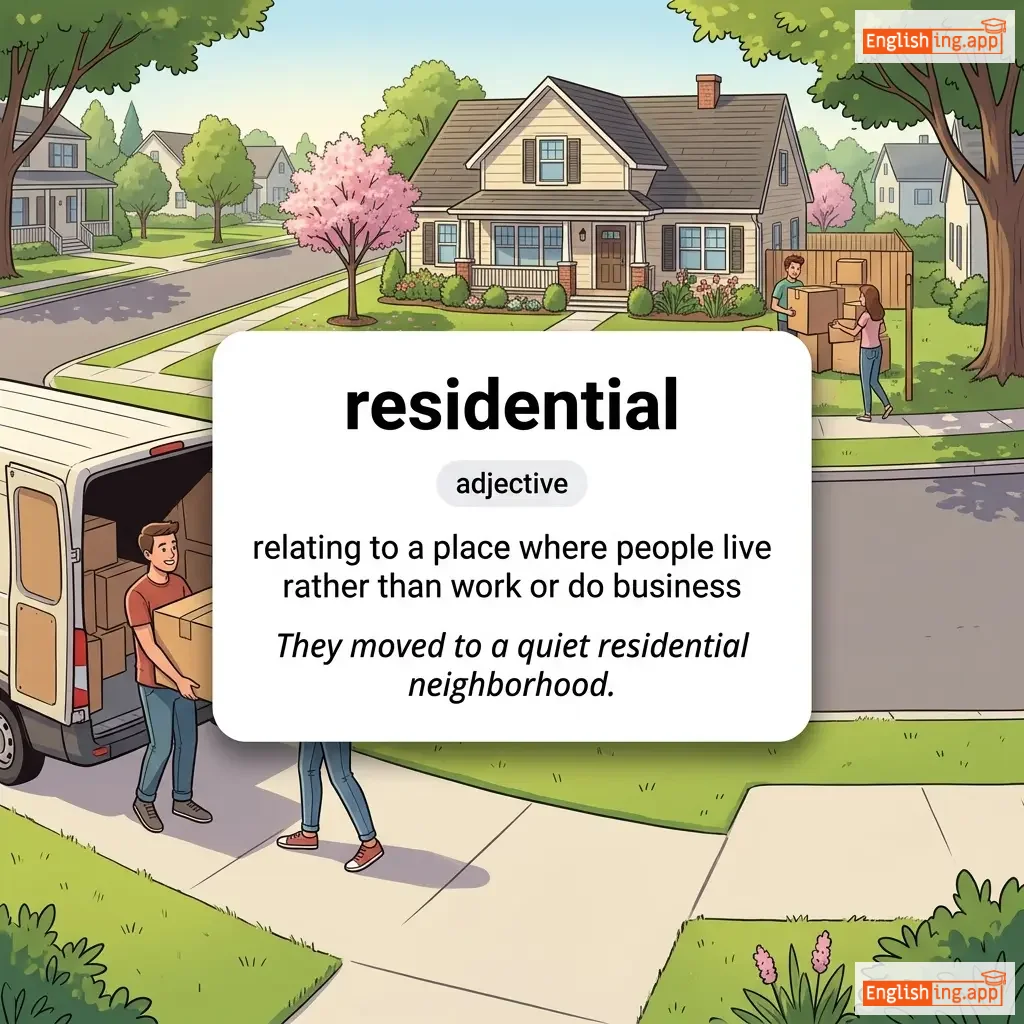
/ˌrez.ɪˈden.ʃəl/
adjective
(レジデンシャル)
••••••
|
|
住宅地
juutakuchi
••••••
|
relating to housing or living areas; used for housing
••••••
|
This is a quiet residential neighborhood with many families. |
これは多くの家族が住んでいる静かな住宅地です。
Kore wa ooku no kazoku ga sundeiru shizukana juutakuchi desu.
••••••
|
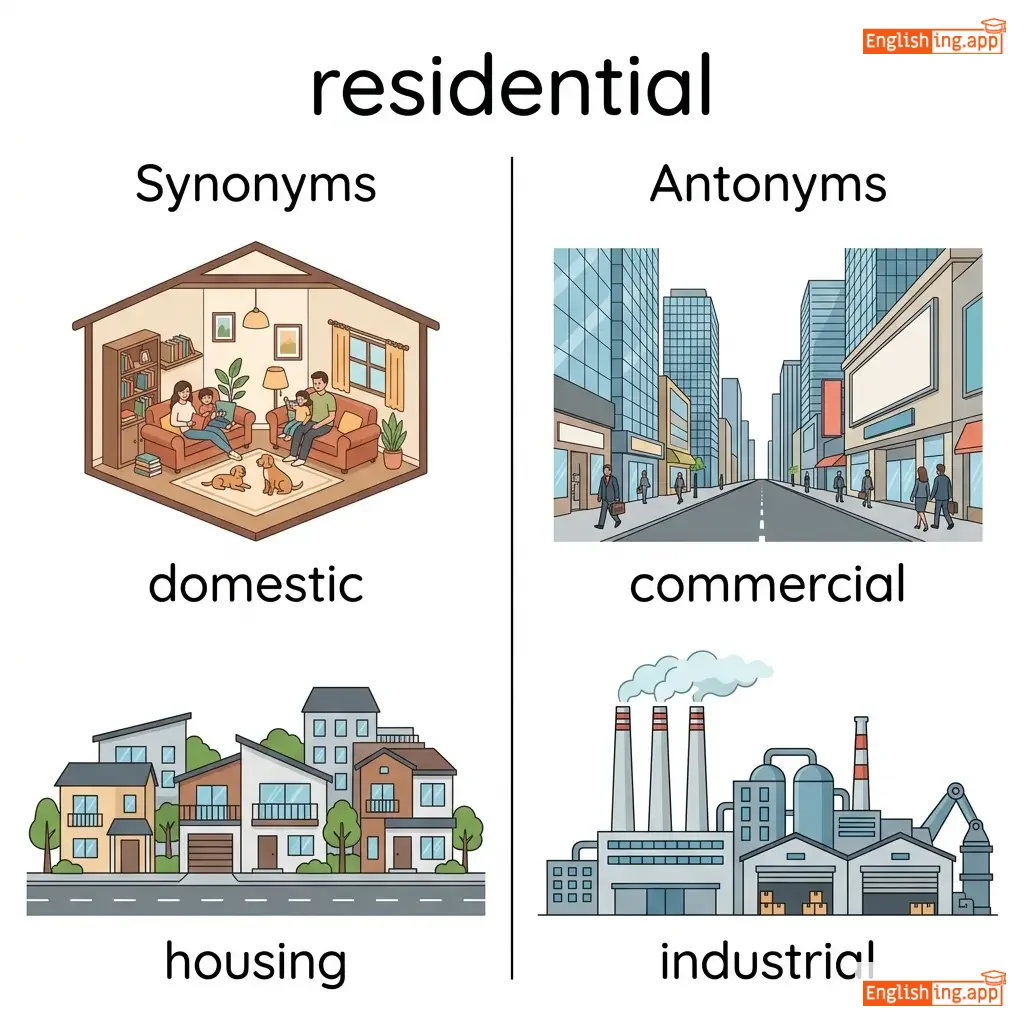
domestic, housing, living, suburban
••••••
|
commercial, industrial, business
••••••
|
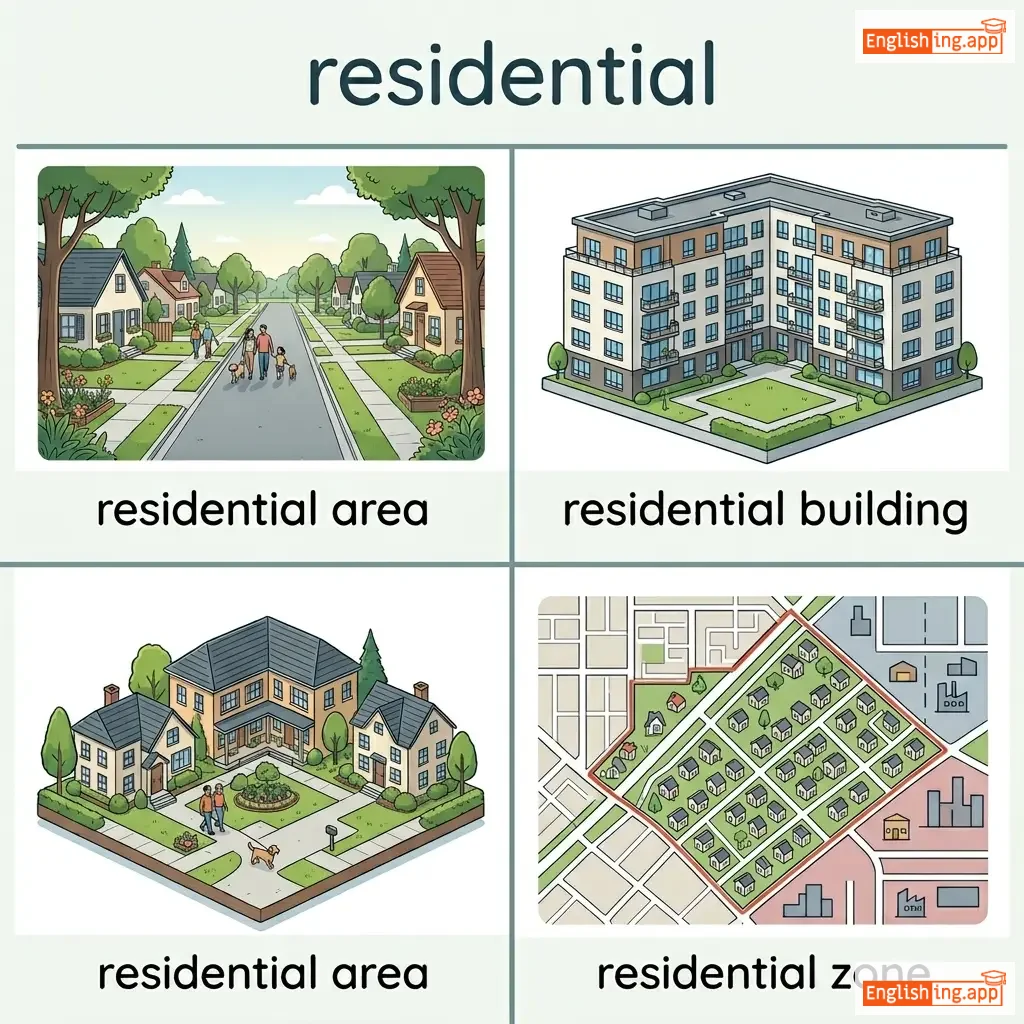
residential area, residential building, residential property, residential development
••••••
|
住宅地を思い出すために、家族が住む静かな場所を想像してください。
••••••
|
|
#724
📱
|
/rɪˈspɒn.sɪv/
adjective
(レスポンシブ)
••••••
|
- •••••• |
反応が早い
hannou ga hayai
••••••
|
reacting quickly and positively; readily reacting to suggestions or changes
••••••
|
The website is very responsive and loads quickly on all devices.
そのウェブサイトは非常にレスポンシブで、すべてのデバイスで迅速に読み込まれます。
••••••
|
そのウェブサイトは非常にレスポンシブで、すべてのデバイスで迅速に読み込まれます。
Sono webusaito wa hijou ni responshibu de, subete no debaisu de jinsoku ni yomikomarimasu.
••••••
|
reactive, sensitive, receptive, adaptable
••••••
|
unresponsive, insensitive, unreactive
••••••
|
responsive design, responsive to needs, responsive service
••••••
|
Responsiveは早く反応することを意味します、例え早い車のように。
••••••
|
|
#725
🏆
|
/ˈrep.jə.tə.bəl/
adjective
(レピュタブル)
••••••
|
- •••••• |
評判の良い
hyōban no yoi
••••••
|
having a good reputation; respected and trusted
••••••
|
She works for a reputable law firm in the city.
彼女はその都市の評判の良い法律事務所で働いています。
••••••
|
彼女はその都市の評判の良い法律事務所で働いています。
Kanojo wa sono toshi no hyōban no yoi hōritsu jimusho de hataraiteimasu.
••••••
|
respected, trustworthy, reliable, honorable
••••••
|
disreputable, untrustworthy, unreliable, questionable
••••••
|
reputable company, reputable source, reputable dealer
••••••
|
評判の良い、信頼される法律事務所のように。
••••••
|
|
#726
😠
|
/rɪˈvenʒ.fəl/
adjective
(リヴェンジフル)
••••••
|
- •••••• |
復讐心に燃える
fukushū shin ni moeru
••••••
|
seeking or desiring revenge; vindictive
••••••
|
He became revengeful after being betrayed by his friend. |
彼は友達に裏切られた後、復讐心に燃えるようになった。
Kare wa tomodachi ni uragirareta ato, fukushū shin ni moeru yō ni natta
••••••
|
vindictive, spiteful, vengeful, resentful
••••••
|
forgiving, merciful, compassionate, magnanimous
••••••
|
revengeful spirit, revengeful nature, revengeful thoughts
••••••
|
復讐を求める心が「復讐心」に直結します。
••••••
|
|
#727
😣
|
/ˈrest.ləs/
adjective
(レストレス)
••••••
|
- •••••• |
落ち着きのない
ochitsuki no nai
••••••
|
unable to rest or relax; constantly moving or fidgeting
••••••
|
The child was restless during the long car journey.
長い車の旅で子供は落ち着きがなかった。
••••••
|
長い車の旅で子供は落ち着きがなかった。
Nagai kuruma no tabi de kodomo wa ochitsuki ga nakatta.
••••••
|
agitated, fidgety, unsettled, anxious
••••••
|
calm, peaceful, relaxed, still
••••••
|
restless night, restless energy, restless spirit
••••••
|
落ち着きのない子供は、車の中でじっとしていられません
••••••
|
|
#728
💪
|
/ˈrez.ə.luːt/
adjective
(リゾルート)
••••••
|
- •••••• |
決意の; 断固たる; 揺るがない
ketsui no; danko taru; yuruganai
••••••
|
determined; having a firm decision; unwavering
••••••
|
She remained resolute in her decision to pursue her dreams. |
彼女は夢を追い求める決意を固く持ち続けました。
Kanojo wa yume o oimotomeru ketsui o kataku mochitsuzukemashita.
••••••
|
determined, firm, steadfast, unwavering, decisive
••••••
|
hesitant, uncertain, wavering, indecisive
••••••
|
resolute decision, resolute determination, remain resolute, resolute action
••••••
|
決意は夢を追い求める力!
••••••
|
|
#729
🎩
|
/rɪˈspek.tə.bəl/
adjective
(リスペクタブル)
••••••
|
- •••••• |
尊敬すべき
sonkei subeki
••••••
|
worthy of respect; having good reputation; decent
••••••
|
He comes from a respectable family in the community. |
彼は地域社会の尊敬すべき家族から来ました。
Kare wa chiiki shakai no sonkei subeki kazoku kara kimashita.
••••••
|
honorable, reputable, decent, worthy, esteemed
••••••
|
disreputable, shameful, disgraceful, dishonor
••••••
|
respectable family, respectable person, respectable society, respectable profession
••••••
|
In Japanese, '尊敬すべき' (sonkei subeki) means someone deserving of respect.
••••••
|
|
#730
🚫
|
/rɪˈstrɪk.tɪd/
adjective
(レストリクテッド)
••••••
|
- •••••• |
制限された; 制御された; 制限付き
seigen sareta; seigyo sareta; seigenn tsuki
••••••
|
limited or controlled; subject to restrictions
••••••
|
Access to this area is restricted to authorized personnel only.
このエリアへのアクセスは、認可されたスタッフのみが制限されています。
••••••
|
このエリアへのアクセスは、認可されたスタッフのみが制限されています。
Kono eria e no akusesu wa, ninka sareta sutaffu nomi ga seigen sareteimasu.
••••••
|
limited, confined, controlled, constrained
••••••
|
unrestricted, unlimited, free, open
••••••
|
restricted access, restricted area, restricted diet
••••••
|
In Japanese, 'restricted' is connected with '制限された' which means limited or controlled.
••••••
|
|
#731
🌟
|
/rɪˈpjuː.t̬ɪd/
adjective
(リピュテッド)
••••••
|
- •••••• |
評判の良い; 有名な
hyōban no yoi; yūmei na
••••••
|
generally said or believed to be; having a particular reputation
••••••
|
He is reputed to be one of the best doctors in the country.
彼はその国で最高の医者の一人と見なされています。
••••••
|
彼はその国で最高の医者の一人と見なされています。
Kare wa sono kuni de saikō no isha no hitori to minasarerています。
••••••
|
famous, renowned, celebrated, well-known
••••••
|
unknown, obscure, infamous, disreputable
••••••
|
reputed expert, reputed author, reputed company
••••••
|
評判の良い医者は、その国で有名な存在です。
••••••
|
|
#732
⇄
|
/rɪˈvɜː.sə.bəl/
adjective
(リバーシブル)
••••••
|
- •••••• |
可逆的な
kagyakuteki na
••••••
|
able to be turned the other way around; able to be undone or changed back
••••••
|
This jacket is reversible and can be worn on both sides.
このジャケットはリバーシブルで、両面で着られます。
••••••
|
このジャケットはリバーシブルで、両面で着られます。
kono jaketto wa ribashiburu de, ryoumen de kiraremasu.
••••••
|
invertible, changeable, two-sided, convertible
••••••
|
irreversible, permanent, one-way, unchangeable
••••••
|
reversible jacket, reversible process, reversible decision
••••••
|
Two sides, two ways: リバーシブル sounds like ri-ba-shi-bu-ru, remember reverse-able on both sides
••••••
|
|
#733
👥
|
/rɪˈspek.tɪv/
adjective
(リスペクティブ)
••••••
|
- •••••• |
それぞれの; 各自の
sorezore no; kakuji no
••••••
|
belonging to each individual; particular to each
••••••
|
The students returned to their respective classrooms after lunch. |
学生たちは昼食後、それぞれの教室に戻った。
Gakusei-tachi wa chūshoku go, sorezore no kyōshitsu ni modotta.
••••••
|
individual, particular, separate, own
••••••
|
collective, shared, common, joint
••••••
|
respective roles, respective positions, respective duties, respective homes
••••••
|
各自の教室を思い浮かべ、'それぞれの'を覚えよう。
••••••
|
|
#734
👴
|
/rɪˈtaɪərd/
adjective
(リタイアド)
••••••
|
- •••••• |
引退した
intai shita
••••••
|
having left one's job and ceased to work; withdrawn from activity
••••••
|
My retired grandfather enjoys gardening in his free time.
私の引退した祖父は自由な時間に園芸を楽しんでいます。
••••••
|
私の引退した祖父は自由な時間に園芸を楽しんでいます。
Watashi no intai shita sofu wa jiyuu na jikan ni engei o tanoshindeimasu.
••••••
|
pensioned, emeritus, former, ex-
••••••
|
working, active, employed, current
••••••
|
retired teacher, retired military, retired life
••••••
|
Intai shita = retired, like a grandparent enjoying life after retirement.
••••••
|
|
#735
✅
|
/ˈrek.wɪ.zɪt/
adjective
(rek-wi-zit)
••••••
|
- •••••• |
必要な; 必須の
hitsuyou na; hissu no
••••••
|
made necessary by particular circumstances; required
••••••
|
Good communication skills are requisite for this job. |
この仕事には良いコミュニケーションスキルが必要です。
Kono shigoto ni wa yoi komyunikēshon sukiru ga hitsuyou desu.
••••••
|
necessary, essential, required, mandatory
••••••
|
optional, unnecessary, dispensable, non-essential
••••••
|
requisite skills, requisite qualifications, requisite knowledge
••••••
|
必要な (hitsuyou na) と必須の (hissu no)は覚えやすい組み合わせです。
••••••
|
|
#736
✊
|
/ˌrev.əˈluː.ʃən.ər.i/
adjective
(レボリューショナリー)
••••••
|
|
革命的な
kakumeiteki na
••••••
|
involving or causing a complete or dramatic change; relating to a political revolution
••••••
|
The smartphone was a revolutionary invention that changed communication. |
スマートフォンは通信を変えた革命的な発明でした。
Suma-tofon wa tsūshin o kaeta kakumeiteki na hatsumei deshita
••••••
|
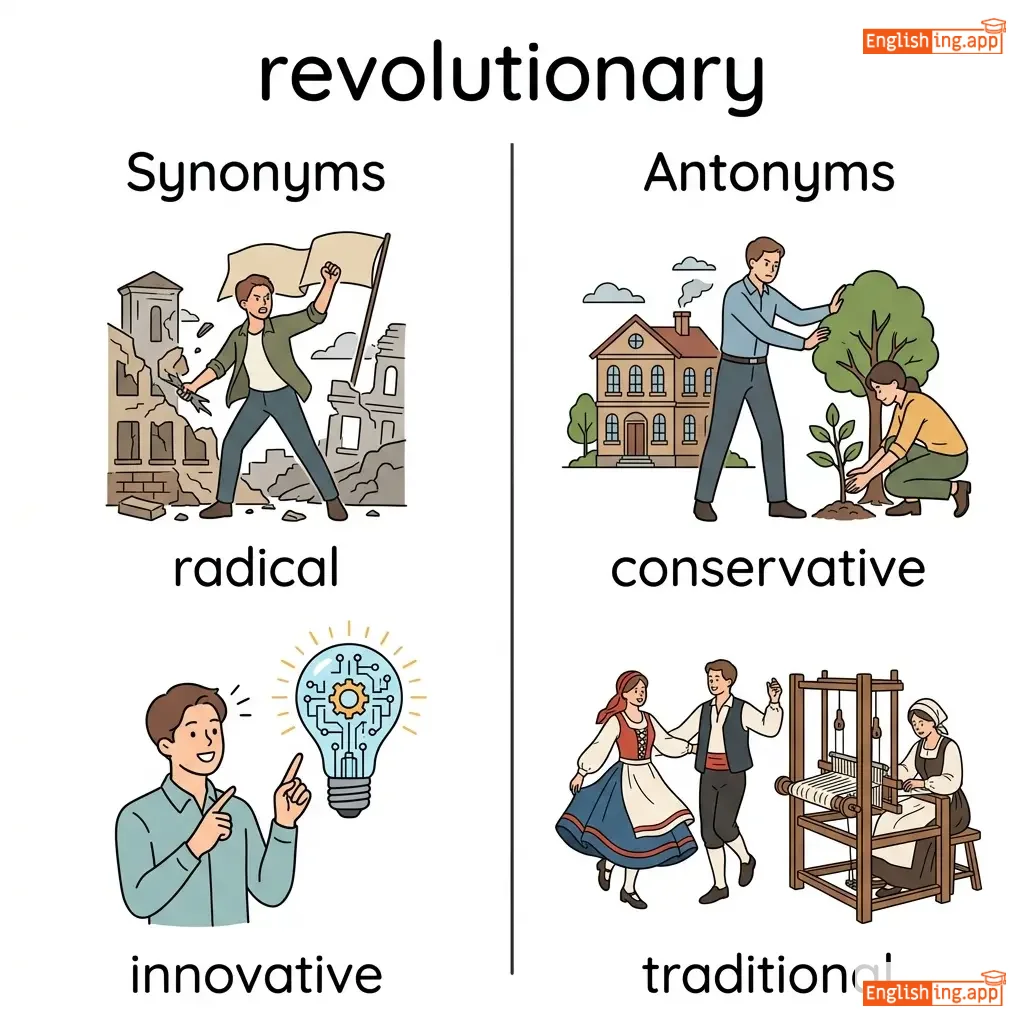
radical, groundbreaking, innovative, transformative
••••••
|
conservative, traditional, conventional, reactionary
••••••
|
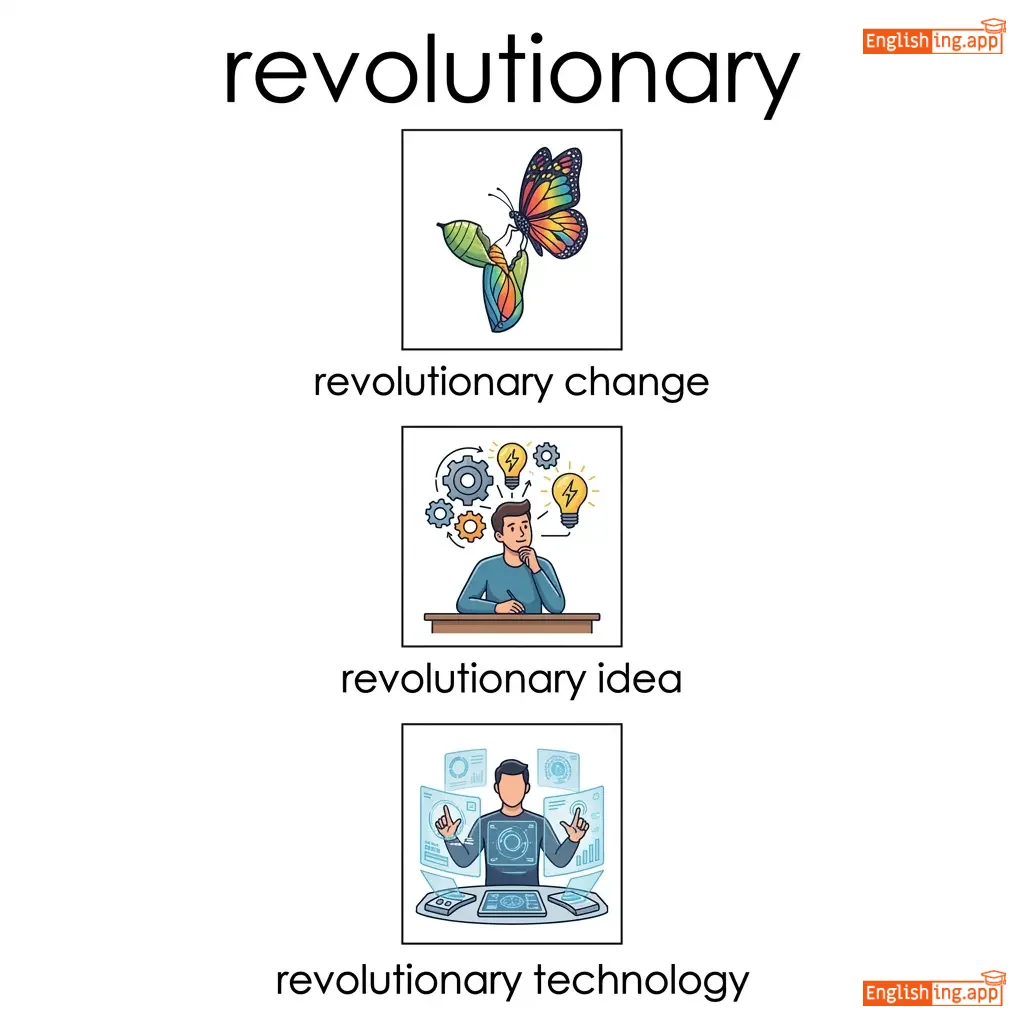
revolutionary idea, revolutionary change, revolutionary technology
••••••
|
革命的な意味はすべてを変えることです
••••••
|
|
#737
⚖️
|
/rɪˈspɒn.sə.bəl/
adjective
(レスポンシブル)
••••••
|
- •••••• |
責任がある; 任務を持っている; 信頼できる
sekinin ga aru; ninmu o motte iru; shinrai dekiru
••••••
|
accountable; having duties; reliable and trustworthy
••••••
|
Parents are responsible for their children's education and well-being. |
親は子供たちの教育と福祉に責任があります。
Oya wa kodomotachi no kyouiku to fukushi ni sekinin ga arimasu.
••••••
|
accountable, liable, answerable, trustworthy, reliable
••••••
|
irresponsible, unreliable, unaccountable, careless
••••••
|
responsible person, responsible behavior, responsible for, hold responsible
••••••
|
日本語で責任は、子供の教育を担う親のように信頼されることです。
••••••
|
|
#738
🤐
|
/rɪˈzɜːrvd/
adjective
(リザーブド)
••••••
|
- •••••• |
控えめな; 内向的な
hikaeme na; naiko-teki na
••••••
|
slow to reveal emotion or opinions; restrained in manner
••••••
|
She is quite reserved and doesn't talk much in meetings.
彼女はかなりリザーブドで、会議ではあまり話しません。
••••••
|
彼女はかなり控えめで、会議ではあまり話しません。
Kanojo wa kanari hikaeme de, kaigi dewa amari hanashimasen.
••••••
|
shy, quiet, introverted, restrained
••••••
|
outgoing, extroverted, talkative, expressive
••••••
|
reserved person, reserved manner, reserved behavior
••••••
|
Reserved in English sounds like 控えめな in Japanese, both quiet and reserved.
••••••
|
|
#739
🔙
|
/ˌret.rəˈspek.tɪv/
adjective
(レトロスペクティブ)
••••••
|
- •••••• |
回顧的な
retorospekutibu
••••••
|
looking back on or dealing with past events or situations
••••••
|
The museum held a retrospective exhibition of the artist's work.
美術館はその画家の作品の回顧展を開催した。
••••••
|
美術館はその画家の作品の回顧展を開催した。
Bijutsukan wa sono gaka no sakuhin no kaikoten o kaisai shita.
••••••
|
backward-looking, reflective, historical, reviewing
••••••
|
prospective, forward-looking, future-oriented
••••••
|
retrospective analysis, retrospective study, retrospective view
••••••
|
Retro plus kaikoteki na vibe: imagine a retro mirror looking back on past art.
••••••
|
|
#740
💰
|
/rɪtʃ/
adjective
(リッチ)
••••••
|
- •••••• |
裕福な; お金持ちの; 貴重な
yūfukuna; okanemochi no; kichōna
••••••
|
having a lot of money or valuable possessions; abundant in nutrients or flavor
••••••
|
The rich businessman donated money to the charity. |
裕福な実業家がチャリティーに寄付をしました。
yūfukuna jitsugyōka ga charitī ni kifu o shimashita.
••••••
|
wealthy, affluent, prosperous, well-off
••••••
|
poor, impoverished, needy, broke
••••••
|
rich person, rich flavor, rich history, rich culture
••••••
|
裕福な人々は他人を助けるためにお金を寄付します。
••••••
|
Vocabulary Quiz
Test your vocabulary by matching words with their translations or meanings.
Login to take the quiz
Comments (0)
Share your thoughts and join the discussion.
Join the discussion by logging in
Login to CommentNo comments yet
Be the first to share your thoughts!