

翻訳
過去
過去分詞
三人称単数
動名詞
意味
例文
例文の翻訳
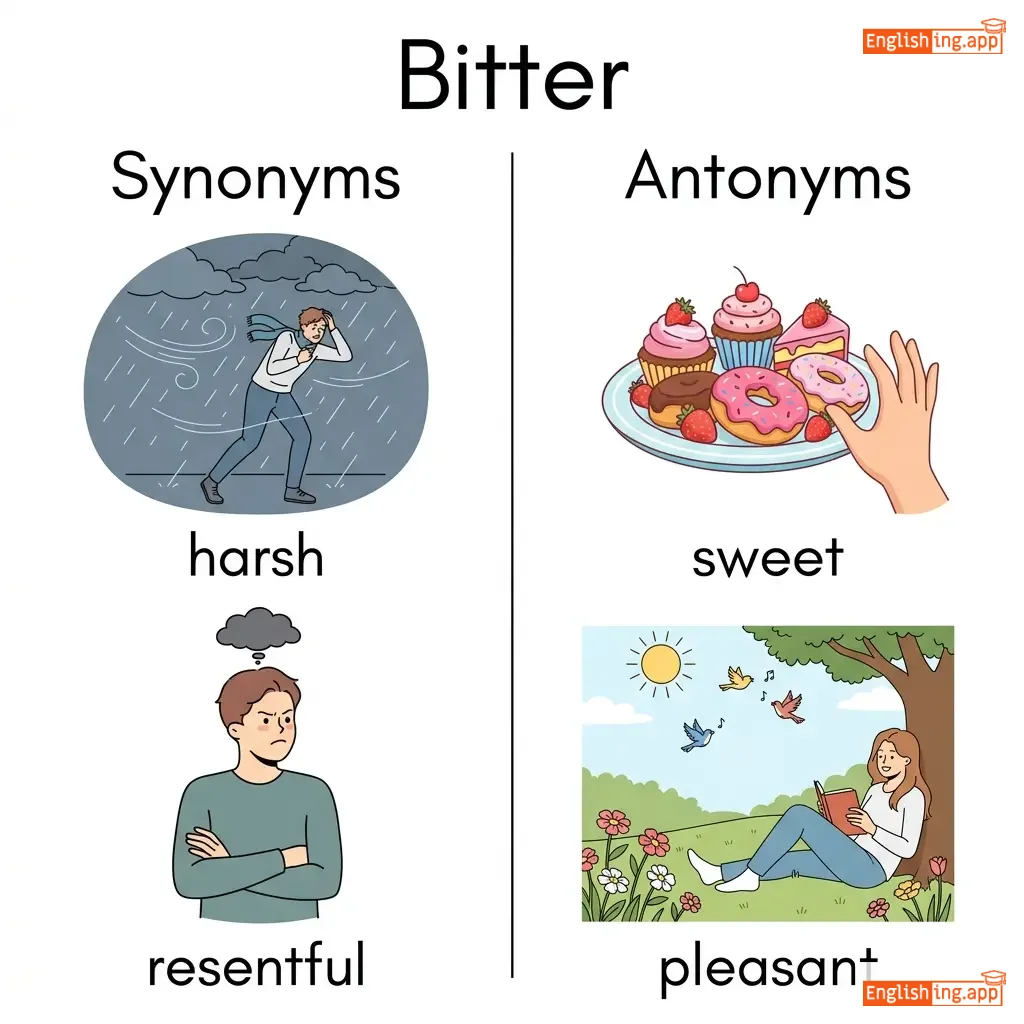
同義語
対義語
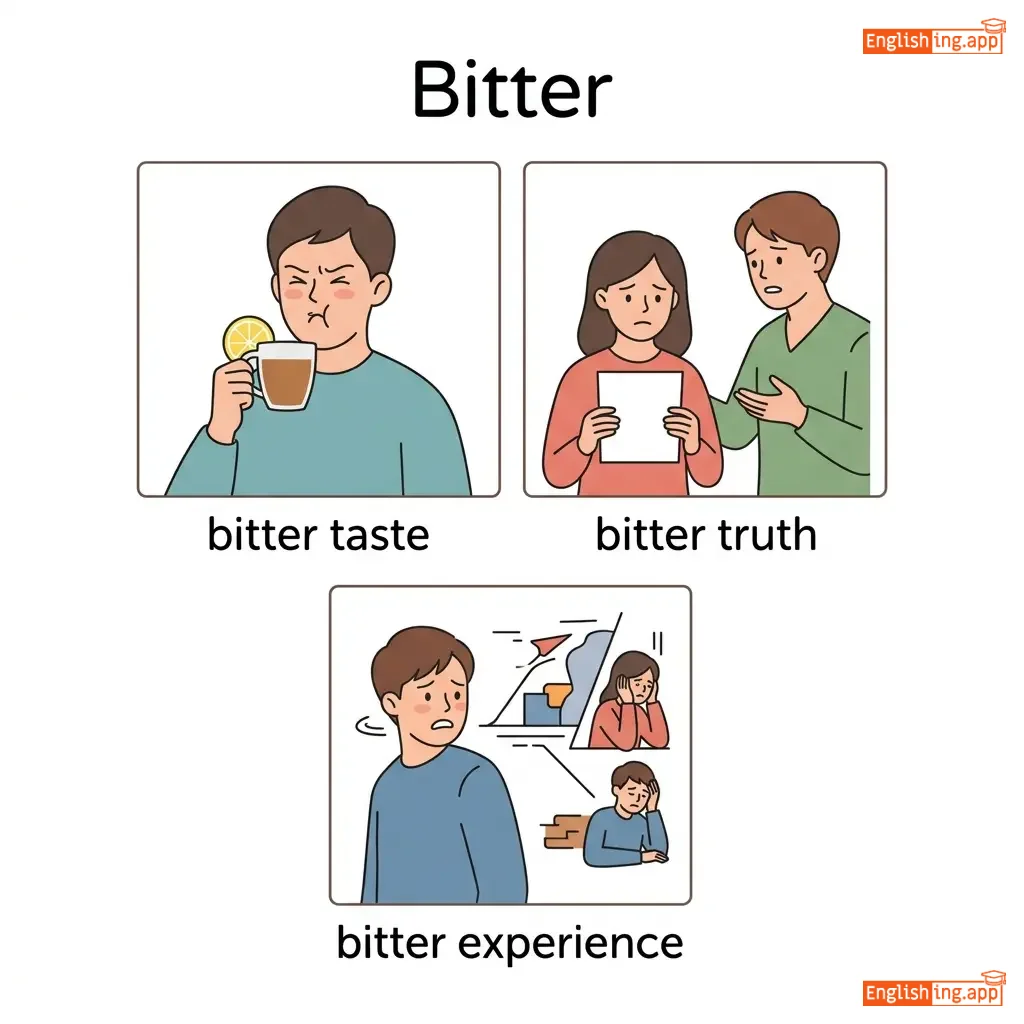
コロケーション
ニーモニック
Swipe left or right, or use the buttons. Tap image to zoom.
例文の翻訳
単語
Lesson 4Lesson 4 - マスクトグル
|
絵文字
|
単語 | Images | 翻訳 | 意味 | 例文 | 例文の翻訳 | 同義語 | 対義語 | コロケーション | ニーモニック |
|---|---|---|---|---|---|---|---|---|---|---|
|
#61
🏴☠️
|
/ˈbɑː.bər.əs/
adjective
(バーバラス)
••••••
|
- •••••• |
野蛮な; 残忍な; 未開の
yaban-na; zan-nin-na; mikai-no
••••••
|
extremely cruel; uncivilized; savage
••••••
|
The barbarous treatment of prisoners was condemned by human rights organizations.
囚人に対する野蛮な扱いは人権団体によって非難された。
••••••
|
囚人に対する野蛮な扱いは人権団体によって非難された。
Shūnin ni taisuru yaban-na atsukai wa jinken dantai ni yotte hinan sareta.
••••••
|
savage, brutal, cruel, uncivilized
••••••
|
civilized, humane, refined, cultured
••••••
|
barbarous act, barbarous treatment, barbarous behavior
••••••
|
野蛮な行為を想像しながらバーバラスを覚えよう
••••••
|
|
#62
🍳
|
/bɔɪld/
adjective
(boild)
••••••
|
- •••••• |
ゆでた
yudeta
••••••
|
cooked in boiling water
••••••
|
She served boiled eggs for breakfast.
彼女は朝食に茹で卵を出しました。
••••••
|
彼女は朝食に茹で卵を出しました。
Kanojo wa chōshoku ni yudetamago o dashimashita.
••••••
|
cooked, steamed, simmered
••••••
|
raw, uncooked, fresh
••••••
|
boiled eggs, boiled water, boiled vegetables
••••••
|
ゆでた – 卵が湯で煮える!
••••••
|
|
#63
📝
|
/ˈbeɪ.sɪk/
adjective
(ベーシック)
••••••
|
- •••••• |
基本的な; 基礎的な;
kihon-teki na; kisoteki na;
••••••
|
fundamental; essential; forming the foundation or starting point
••••••
|
Learning basic English grammar is essential for beginners.
基本的な英語の文法を学ぶことは初心者にとって不可欠です。
••••••
|
基本的な英語の文法を学ぶことは初心者にとって不可欠です。
Kihon-teki na eigo no bunpō o manabu koto wa shoshinsha ni totte fukaketsu desu.
••••••
|
fundamental, elementary, primary
••••••
|
advanced, complex, sophisticated
••••••
|
basic skills, basic knowledge, basic principles
••••••
|
Basic (基本的) は初心者にとって不可欠
••••••
|
|
#64
😢
|
/bɪˈriːvd/
adjective
(bɪˈriːvd)
••••••
|
- •••••• |
悲嘆に暮れる
hitan ni kureru
••••••
|
having lost a loved one through death
••••••
|
The bereaved family received many condolences.
その家族は多くの弔辞を受け取った。
••••••
|
悲嘆に暮れる家族は多くの弔辞を受け取った。
Hitan ni kureru kazoku wa ōku no chōji o uketotta.
••••••
|
grieving, mourning, sorrowing
••••••
|
joyful, celebrating, happy
••••••
|
bereaved family, bereaved parents, bereaved widow
••••••
|
悲嘆に暮れる家族は、慰められた心を持つ。
••••••
|
|
#65
🧱
|
/beər/
adjective
(ベア)
••••••
|
- •••••• |
裸; 未覆われた; 空; 最小限
bea
••••••
|
naked; uncovered; empty; minimal
••••••
|
The bare walls of the room needed some decoration.
部屋の裸の壁は何か飾りが必要だった。
••••••
|
部屋の裸の壁は何か飾りが必要だった。
Heya no hadaka no kabe wa nanika kazari ga hitsuyō datta.
••••••
|
naked, uncovered, empty, plain
••••••
|
covered, clothed, decorated, furnished
••••••
|
bare minimum, bare feet, bare bones, bare walls
••••••
|
In Japanese, '裸' (hadaka) is a great way to remember 'bare' as uncovered.
••••••
|
|
#66
💪
|
/boʊld/
adjective
(ボールド)
••••••
|
- •••••• |
大胆; 自信; 勇敢
daitan; jishin; yūkan
••••••
|
brave; confident; daring
••••••
|
He made a bold decision to start his own business. |
彼は自分のビジネスを始めるために大胆な決断を下しました。
Kare wa jibun no bijinesu o hajimeru tame ni daitan na ketsudan o kudashimashita.
••••••
|
brave, courageous, daring, fearless
••••••
|
timid, cowardly, shy, hesitant
••••••
|
bold move, bold decision, bold colors, bold statement
••••••
|
Bold= 大胆、ビジネスで大胆な決断を
••••••
|
|
#67
⚖️
|
/ˈbaɪəst/
adjective
(バイアスド)
••••••
|
- •••••• |
偏見
henken
••••••
|
showing prejudice for or against someone or something unfairly
••••••
|
The judge was accused of being biased against the defendant. |
裁判官は被告に対して偏見があると告発されました。
Saibankan wa hikoku ni taishite henken ga aru to kokuhatsu saremashita.
••••••
|
prejudiced, partial, unfair
••••••
|
unbiased, impartial, fair
••••••
|
biased opinion, biased judge, biased media
••••••
|
No •••••• |
|
#68
😌
|
/ˈbeə.rə.bəl/
adjective
(ベアラブル)
••••••
|
- •••••• |
耐えられる; 我慢できる; あまり不快で痛みのない
bearable
••••••
|
able to be endured; tolerable; not too unpleasant or painful
••••••
|
The pain became bearable after taking the medicine. |
薬を飲んだ後、痛みは耐えられるようになった。
Kusuri o nonda ato, itami wa taeraru you ni natta.
••••••
|
tolerable, endurable, manageable
••••••
|
unbearable, intolerable, excruciating
••••••
|
bearable pain, barely bearable, more bearable
••••••
|
No •••••• |
|
#69
😍
|
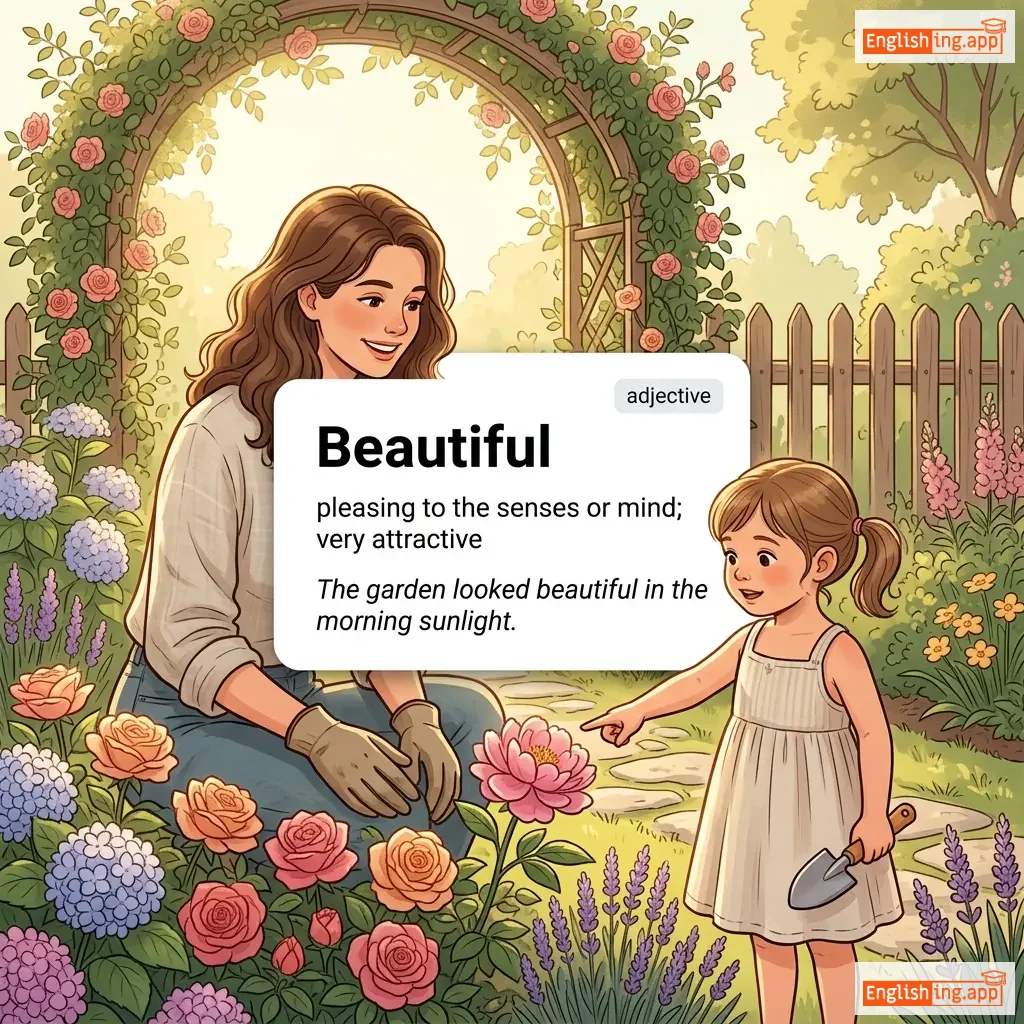
/ˈbjuː.tɪ.fəl/
adjective
(ビューティフル)
••••••
|
|
美しい; 魅力的な; 魅惑的な;
beautiful
••••••
|
pleasing to the senses; attractive; having qualities that give great pleasure
••••••
|
She has a beautiful voice that captivates everyone.
彼女はすべての人を魅了する美しい声を持っています。
••••••
|
彼女はすべての人を魅了する美しい声を持っています。
Kanojo wa subete no hito o miryō suru utsukushī koe o motteimasu.
••••••
|
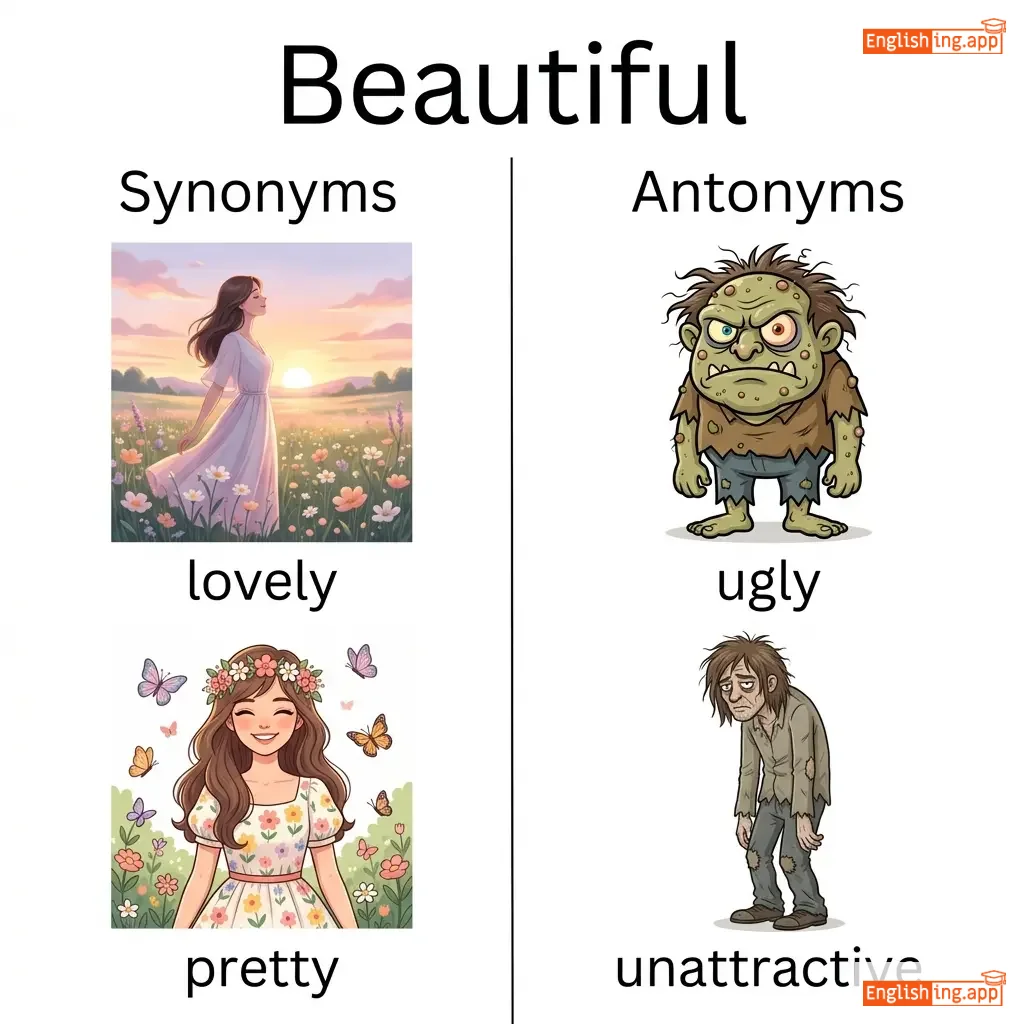
gorgeous, lovely, stunning, attractive
••••••
|
ugly, hideous, unattractive
••••••
|
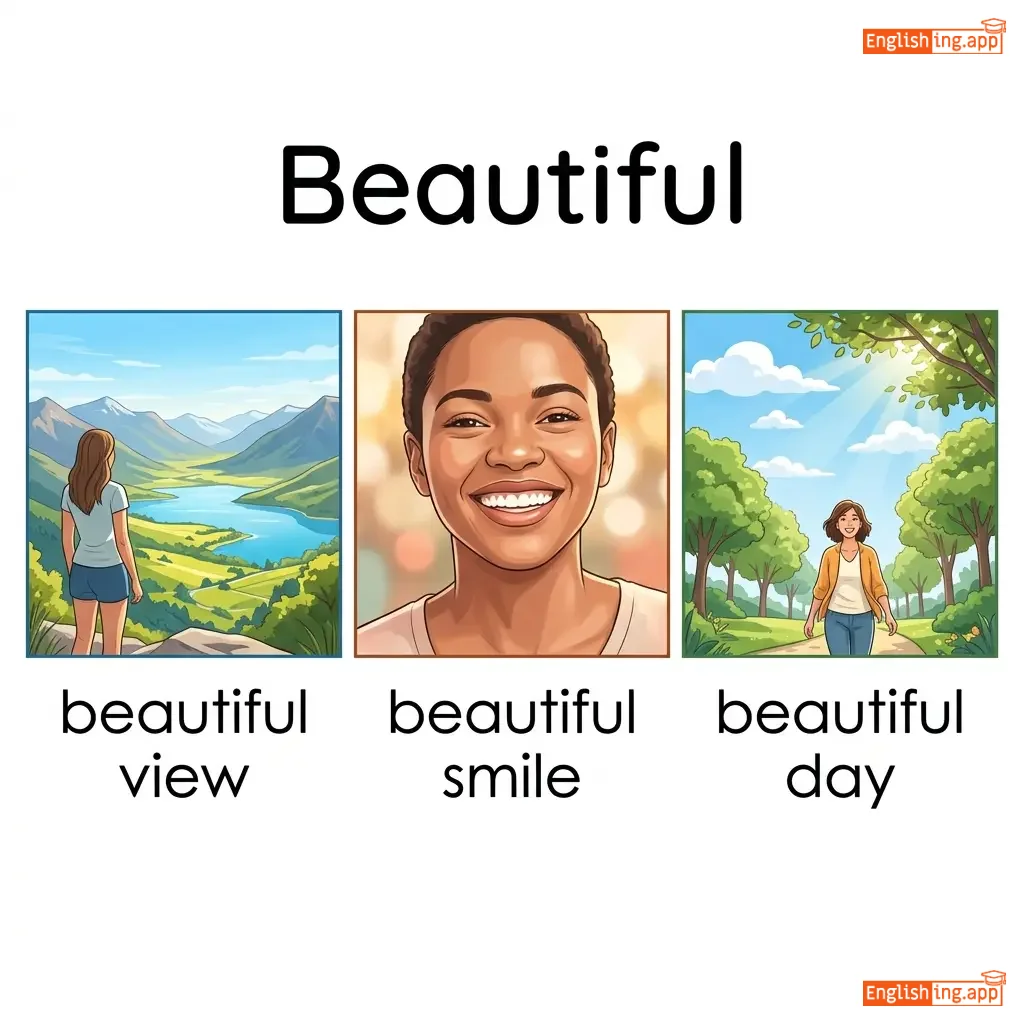
beautiful scenery, beautiful woman, beautiful music
••••••
|
Beautiful sounds like 'Utsukushii' in Japanese, which means beautiful.
••••••
|
|
#70
🥶
|
/ˈbaɪtɪŋ/
adjective
(バイティング)
••••••
|
- •••••• |
噛む; 鋭い寒さ; 厳しい批評
kamu; surudoi samusa; kibishii hihyou
••••••
|
extremely cold; sharply critical or harsh
••••••
|
The biting cold made everyone shiver. |
鋭い寒さで皆が震えた。
Surudoi samusa de mina ga furueta.
••••••
|
piercing, sharp, harsh
••••••
|
mild, gentle, warm
••••••
|
biting cold, biting wind, biting criticism
••••••
|
寒さを噛んで、厳しい批評
••••••
|
|
#71
🏜️
|
/ˈbær.ən/
adjective
(バレン)
••••••
|
- •••••• |
不毛の; 荒涼とした; 生産性がない; 不生産的
fumo no; kōryō to shita; seisan-sei ga nai; fuseisan-teki
••••••
|
sterile; unable to produce; desolate; unproductive
••••••
|
The barren desert stretched for miles without any vegetation.
荒れ果てた砂漠は何マイルも広がり、植物は一切なかった。
••••••
|
荒れ果てた砂漠は何マイルも広がり、植物は一切なかった。
Arehateta sabaku wa nan mairu mo hirogari, shokubutsu wa isse nakatta.
••••••
|
sterile, infertile, desolate, unproductive
••••••
|
fertile, productive, fruitful, lush
••••••
|
barren land, barren desert, barren landscape
••••••
|
A barren desert has nothing but sand and emptiness.
••••••
|
|
#72
✅
|
/ˌboʊnəˈfaɪdi/
adjective
(ボナファイド)
••••••
|
- •••••• |
本物の; 正当な; 合法の
honmono no; seitō na; gōhō no
••••••
|
genuine; authentic; legitimate
••••••
|
She is a bonafide expert in her field.
彼女はその分野の本物の専門家です。
••••••
|
彼女はその分野の本物の専門家です。
Kanojo wa sono bunya no honmono no senmonka desu.
••••••
|
genuine, authentic, legitimate, real
••••••
|
fake, fraudulent, counterfeit, false
••••••
|
bonafide member, bonafide offer, bonafide student
••••••
|
Japanese words 'honmono' (genuine) and 'gōhō' (legal) can help remember 'Bonafide'.
••••••
|
|
#73
🛏️
|
/ˈbed.rɪd.ən/
adjective
(ベッドリデン)
••••••
|
- •••••• |
寝たきり
netakiri
••••••
|
confined to bed; unable to leave one's bed due to illness or infirmity
••••••
|
The elderly man has been bedridden for several months. |
高齢の男性は数ヶ月間寝たきりになっています。
Kourei no dansei wa suukagetsukan netakiri ni natteimasu.
••••••
|
confined to bed, immobilized, incapacitated
••••••
|
mobile, active, ambulatory
••••••
|
bedridden patient, completely bedridden, bedridden for months
••••••
|
寝たきりになり、身体が動かせない
••••••
|
|
#74
😖
|
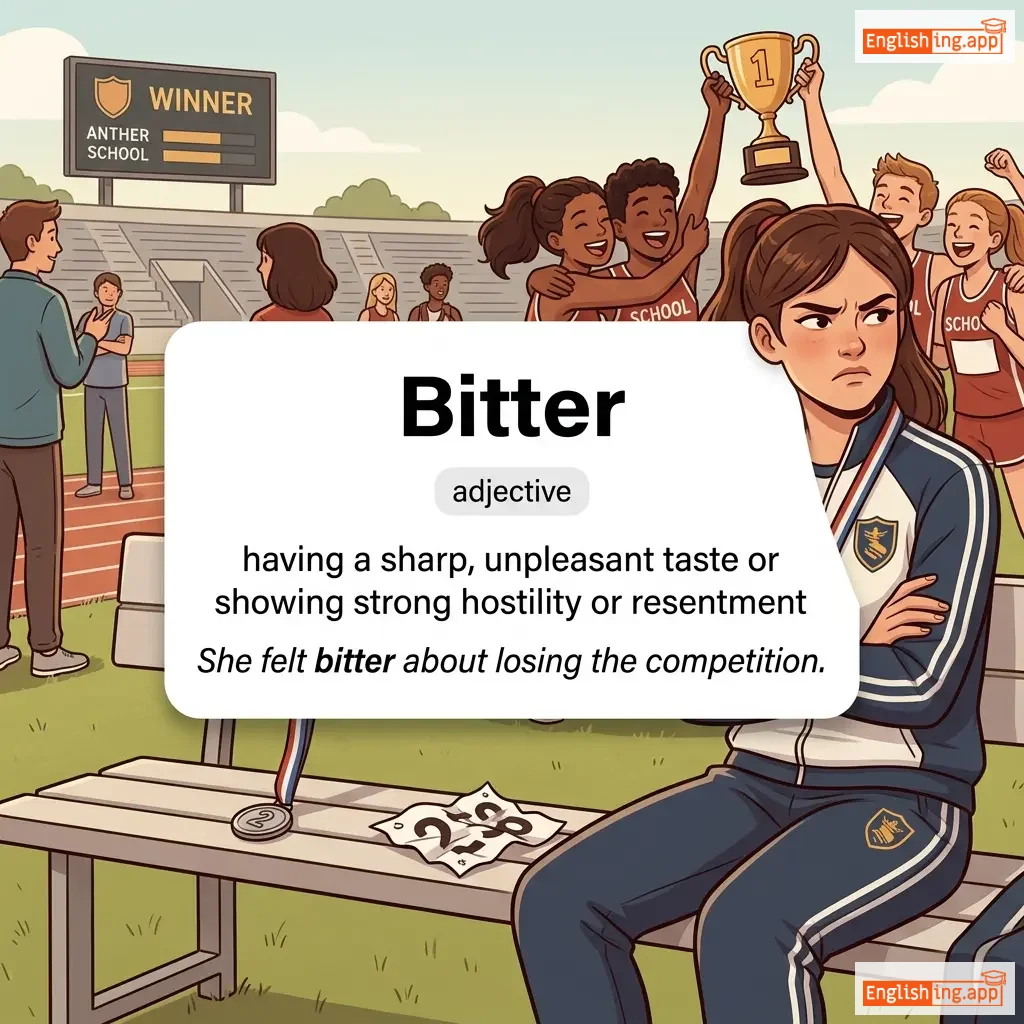
/ˈbɪtər/
adjective
(ビター)
••••••
|
|
苦い; 強い味; 怒りや失望を表す
nigai
••••••
|
having a sharp, pungent taste; feeling or showing anger and disappointment
••••••
|
The medicine had a bitter taste.
薬は苦い味がしました。
••••••
|
薬は苦い味がしました。
Kusuri wa nigai aji ga shimashita.
••••••
|
sour, harsh, resentful
••••••
|
sweet, pleasant, kind
••••••
|
bitter taste, bitter cold, bitter disappointment
••••••
|
‘苦い’の意味と‘bitter’が同じです。
••••••
|
|
#75
❌
|
/ˈbeɪs.ləs/
adjective
(ベイスレス)
••••••
|
- •••••• |
根拠のない; 事実無根の; 無根拠の
konkyo no nai; jijitsu mukon no; mukonkyo no
••••••
|
without foundation; groundless; unfounded
••••••
|
The accusations against him were completely baseless. |
彼に対する告発は完全に根拠のないものでした。
Kare ni taisuru kokuhatsu wa kanzen ni konkyo no nai mono deshita.
••••••
|
groundless, unfounded, without foundation, unsubstantiated
••••••
|
founded, substantiated, justified, valid
••••••
|
baseless accusation, baseless claim, baseless rumor
••••••
|
ベイスレスは根拠のないという意味です。
••••••
|
|
#76
😊
|
/ˈbɒni/
adjective
(ボニー)
••••••
|
- •••••• |
美しい; かわいい; 楽しい
utsukushii; kawaii; tanoshii
••••••
|
cheerful; pretty; attractive
••••••
|
The bonny child played happily in the garden.
ボニーな子供は庭で幸せに遊んでいました。
••••••
|
美しい子供は庭で幸せに遊んでいました。
Utsukushii kodomo wa niwa de shiawase ni asonde imashita.
••••••
|
pretty, beautiful, attractive, cheerful
••••••
|
ugly, unattractive, sad, gloomy
••••••
|
bonny baby, bonny lass, bonny smile
••••••
|
Imagine a cheerful, pretty child ('ボニー') playing happily in the garden. The word 'Bonny' sounds just like 'ボニー'!
••••••
|
|
#77
✅
|
/bɪˈfɪt.ɪŋ/
adjective
(ビフィティング)
••••••
|
- •••••• |
適切な; ふさわしい; 特定の状況や人に適している
bifiting
••••••
|
appropriate; suitable; proper for a particular situation or person
••••••
|
He wore formal attire befitting the important occasion. |
彼は重要な機会にふさわしい正式な服を着ていた。
Kare wa juuyou na kikai ni fusawashii seishiki na fuku o kiteita.
••••••
|
appropriate, suitable, proper, fitting
••••••
|
inappropriate, unsuitable, improper
••••••
|
befitting manner, befitting dignity, befitting status
••••••
|
適切は特別な場面にぴったりのものを意味します。
••••••
|
|
#78
😊
|
/ˈbæʃ.fəl/
adjective
(バッシュフル)
••••••
|
- •••••• |
恥ずかしがり屋; 内気な; 控えめな; 簡単に恥ずかしくなる
bashful
••••••
|
shy; timid; modest; easily embarrassed
••••••
|
The bashful child hid behind her mother when meeting strangers.
その恥ずかしがり屋の子供は、見知らぬ人と会うときに母親の後ろに隠れました。
••••••
|
その恥ずかしがり屋の子供は、見知らぬ人と会うときに母親の後ろに隠れました。
Sono hazukashigariya no kodomo wa, mishiranu hito to au toki ni hahaoya no ushiro ni kakuremashita.
••••••
|
shy, timid, modest, reserved
••••••
|
bold, confident, outgoing, assertive
••••••
|
bashful smile, bashful manner, bashful behavior
••••••
|
Japanese translation for bashful
••••••
|
|
#79
🔥
|
/ˈbleɪzɪŋ/
adjective
(ブレイジング)
••••••
|
- •••••• |
燃えるような; 激しい
moeru yōna; hageshī
••••••
|
burning fiercely; extremely hot; very bright
••••••
|
The blazing sun made the day extremely hot. |
燃えるような太陽はその日を非常に暑くした。
Moeru yōna taiyō wa sono hi o hijō ni atsuku shita
••••••
|
burning, fiery, intense
••••••
|
cool, cold, dim
••••••
|
blazing sun, blazing fire, blazing heat
••••••
|
Blazing sun makes you feel the heat burning all around.
••••••
|
|
#80
📚
|
/ˈbʊkɪʃ/
adjective
(ブキッシュ)
••••••
|
- •••••• |
本好きな; 学問的な
honzuki na; gakumonteki na
••••••
|
studious; scholarly; devoted to reading and studying
••••••
|
She was known for her bookish nature and love of literature. |
彼女は本好きな性格と文学への愛で知られていました。
Kanojo wa honzuki na seikaku to bungaku e no ai de shirarete imashita.
••••••
|
studious, scholarly, academic, intellectual
••••••
|
practical, worldly, unscholarly, illiterate
••••••
|
bookish person, bookish interests, bookish knowledge
••••••
|
Bookish = 本 (hon) + 学び (manabi)
••••••
|
Vocabulary Quiz
Test your vocabulary by matching words with their translations or meanings.
Login to take the quiz
Comments (0)
Share your thoughts and join the discussion.
Join the discussion by logging in
Login to CommentNo comments yet
Be the first to share your thoughts!