

翻訳
過去
過去分詞
三人称単数
動名詞
意味
例文
例文の翻訳
同義語
対義語
コロケーション
ニーモニック
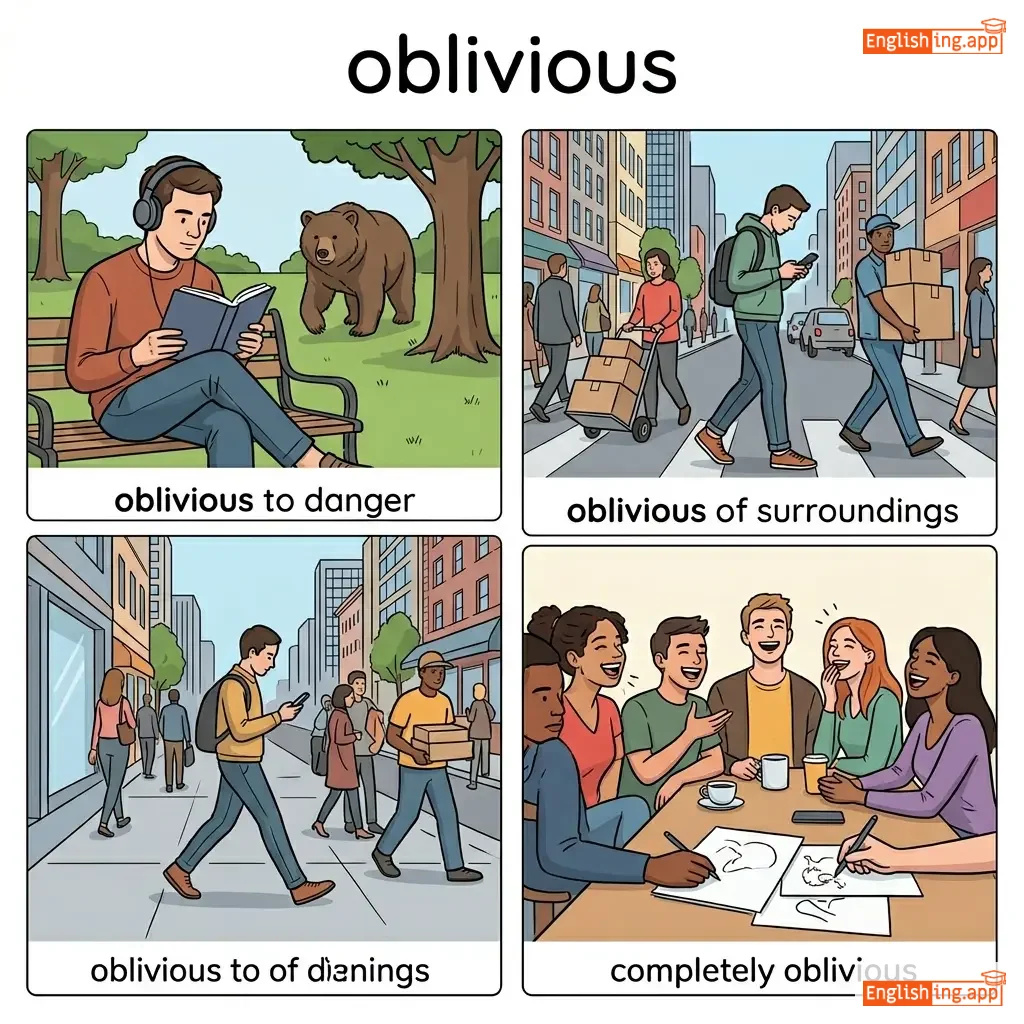
Swipe left or right, or use the buttons. Tap image to zoom.
例文の翻訳
単語
Lesson 29Lesson 29 - マスクトグル
|
絵文字
|
単語 | Images | 翻訳 | 意味 | 例文 | 例文の翻訳 | 同義語 | 対義語 | コロケーション | ニーモニック |
|---|---|---|---|---|---|---|---|---|---|---|
|
#561
🔢
|
/ˈnjuː.mər.ə.bəl/
adjective
(ニューメラブル)
••••••
|
- •••••• |
数えられる; 計算可能な
kazoerareru; keisannoukanou
••••••
|
capable of being counted; countable
••••••
|
The stars in the sky are not numerable.
空の星は数えられません。
••••••
|
空の星は数えられません。
Sora no hoshi wa kazoeraremasen.
••••••
|
countable, measurable, calculable
••••••
|
innumerable, countless, infinite
••••••
|
numerable items, numerable objects, numerable quantities
••••••
|
数えられる = 数えられるもの
••••••
|
|
#562
🤔
|
/ɒd/
adjective
(odd)
••••••
|
- •••••• |
奇妙な; 異常な; 正常または予想されるものとは異なる
kimyōna; ijōna; seijō matawa yosō sareru mono to wa kotonaru
••••••
|
strange; unusual; different from what is normal or expected
••••••
|
That's an odd way to solve the problem.
それは問題を解決する奇妙な方法です。
••••••
|
それは問題を解決する奇妙な方法です。
Sore wa mondai o kaiketsu suru kimyōna hōhō desu.
••••••
|
strange, unusual, weird, peculiar
••••••
|
normal, usual, ordinary, typical
••••••
|
odd number, odd behavior, odd feeling, odd situation
••••••
|
問題を解決する奇妙な方法は常に面白い。
••••••
|
|
#563
⚖️
|
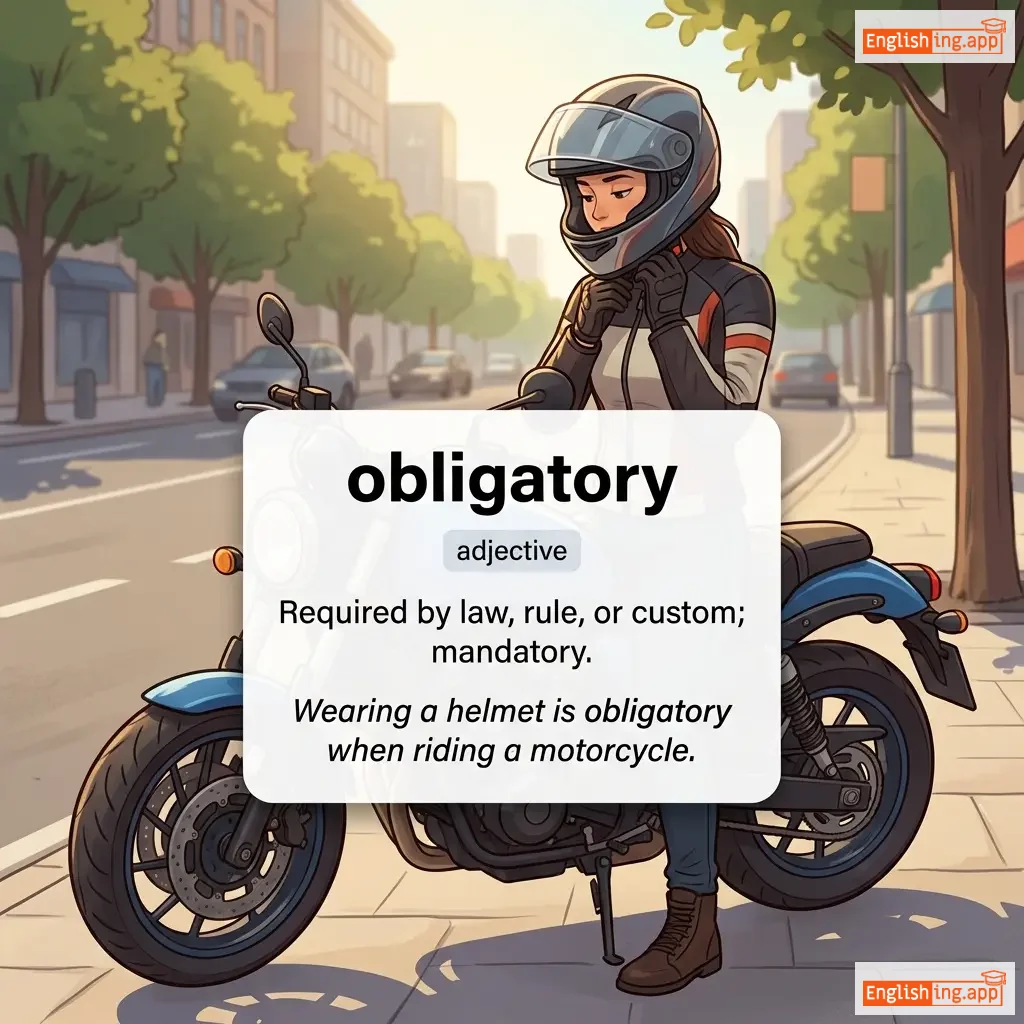
/əˈblɪɡətɔːri/
adjective
(オブリガトリー)
••••••
|
|
義務的
gimuteki
••••••
|
required by law or rules; compulsory; mandatory
••••••
|
Attendance at the meeting is obligatory for all employees.
会議への出席は全従業員にとって義務です。
••••••
|
会議への出席は全従業員にとって義務です。
Kaigi e no shusseki wa zen jūgyōin ni totte gimu desu.
••••••
|
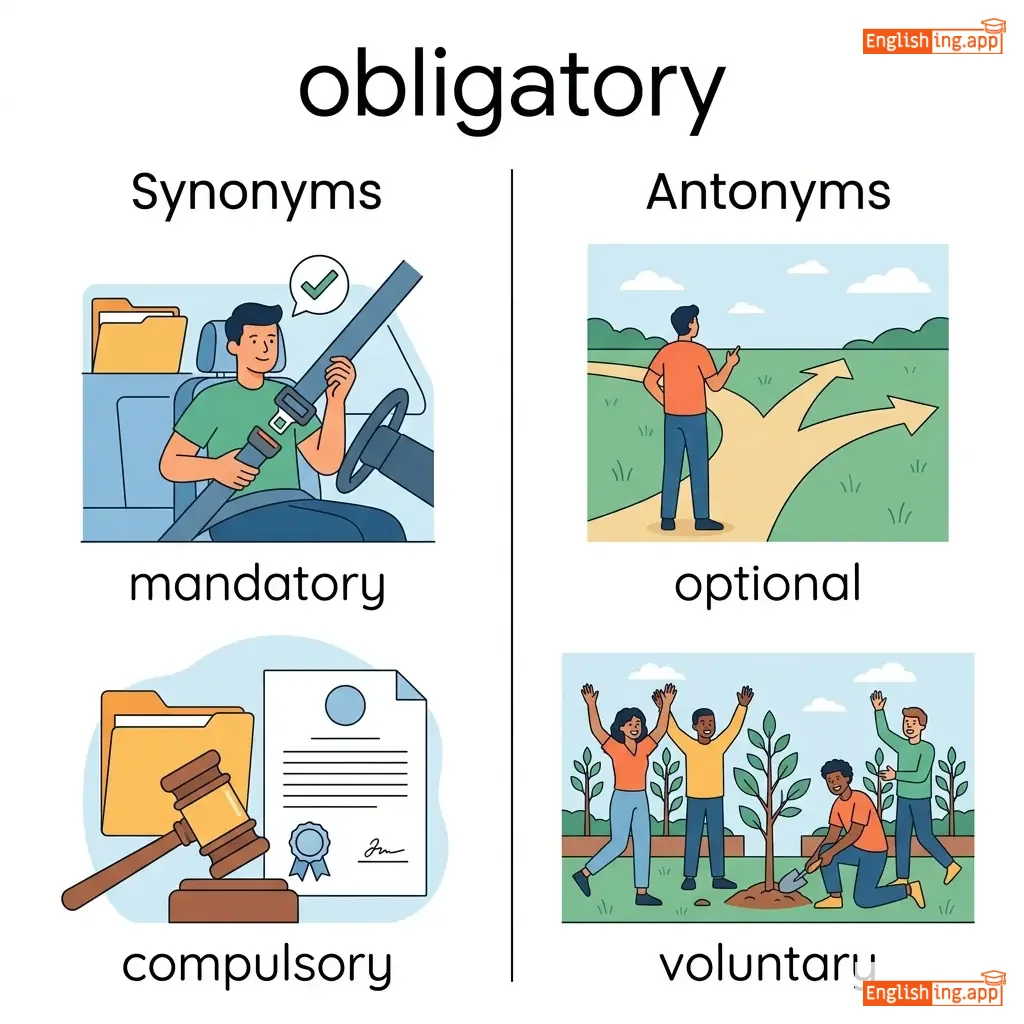
mandatory, compulsory, required, necessary
••••••
|
optional, voluntary, discretionary, elective
••••••
|
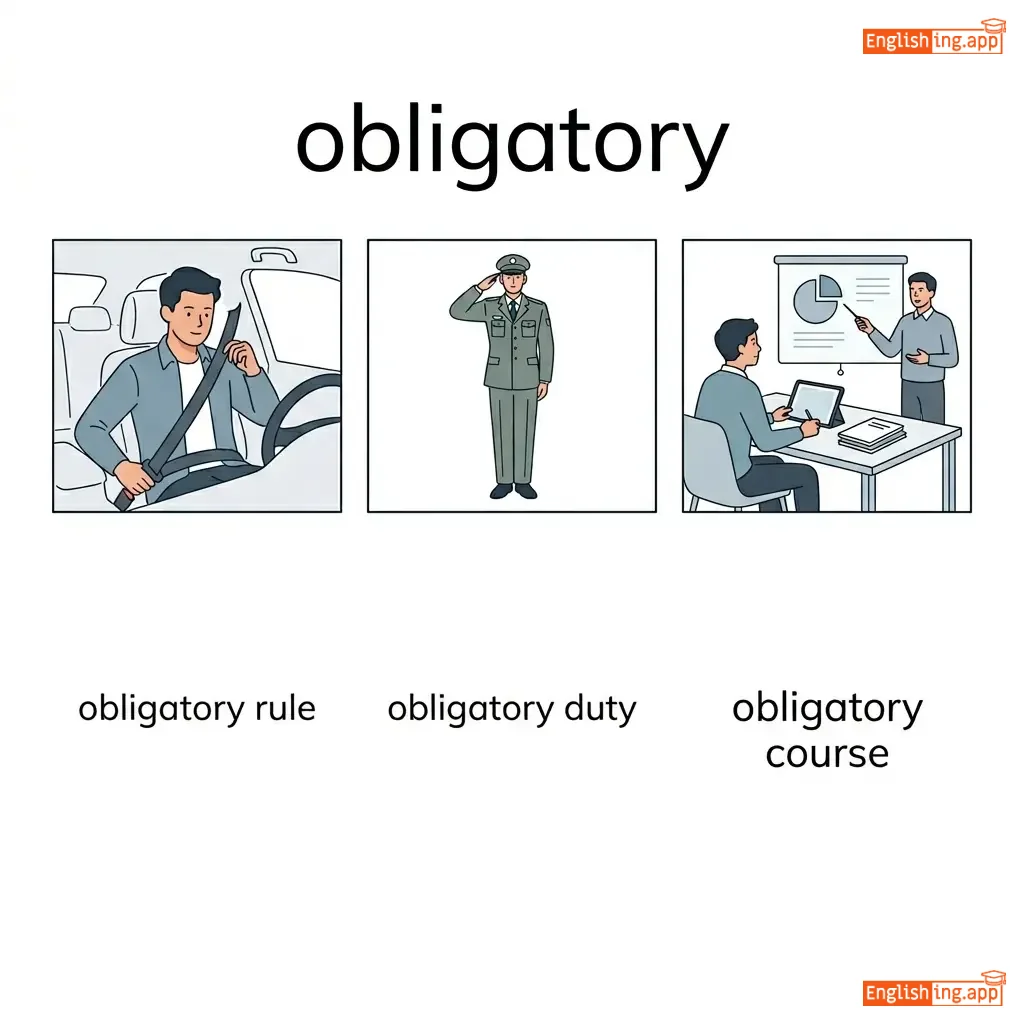
obligatory service, obligatory attendance, obligatory requirement
••••••
|
義務的というのは、全員が出席しなければならない会議のようなものです。
••••••
|
|
#564
😤
|
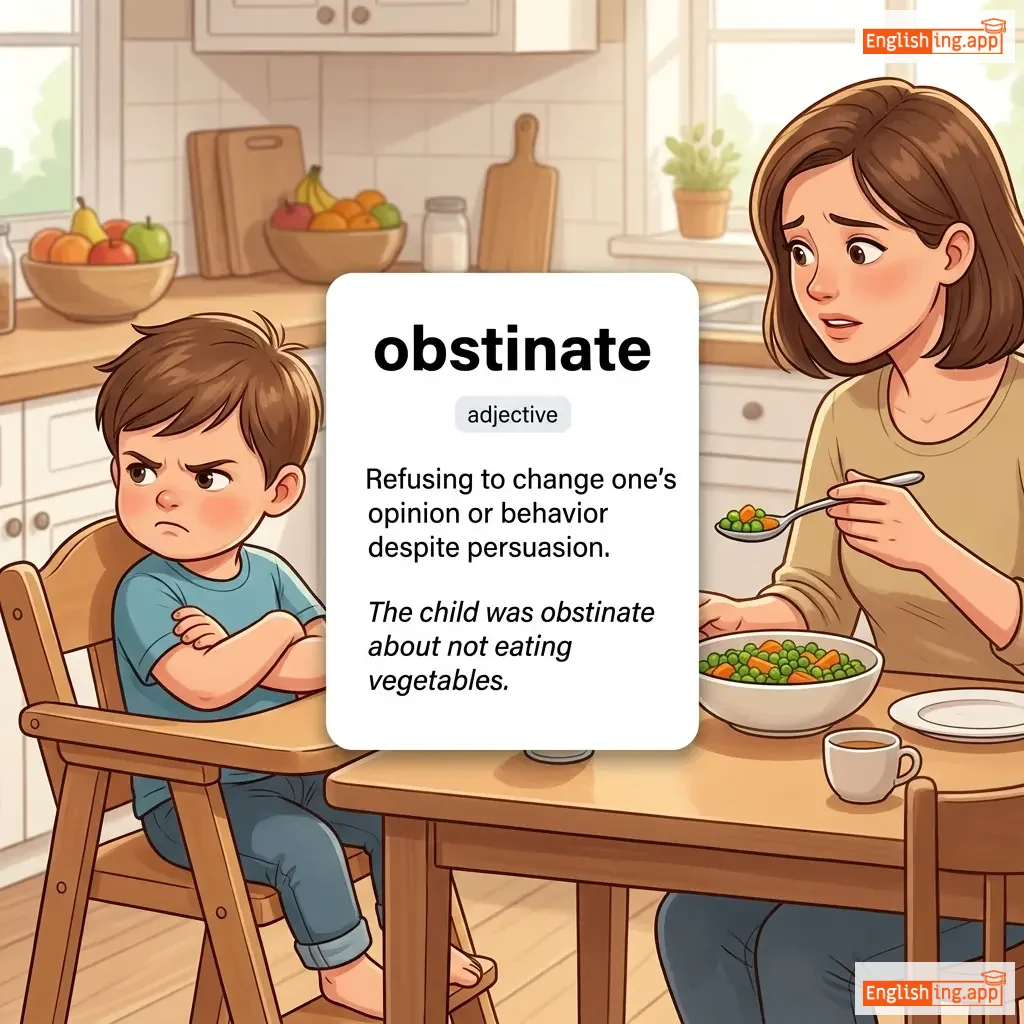
/ˈɒb.stɪ.nət/
adjective
(オブスティネート)
••••••
|
|
頑固
ganko
••••••
|
stubbornly refusing to change one's opinion or chosen course of action; persistent in maintaining a position despite opposition
••••••
|
He was obstinate and refused to change his mind. |
彼は頑固で、意見を変えようとしませんでした。
Kare wa ganko de, iken o kaeyō to shimasen deshita
••••••
|
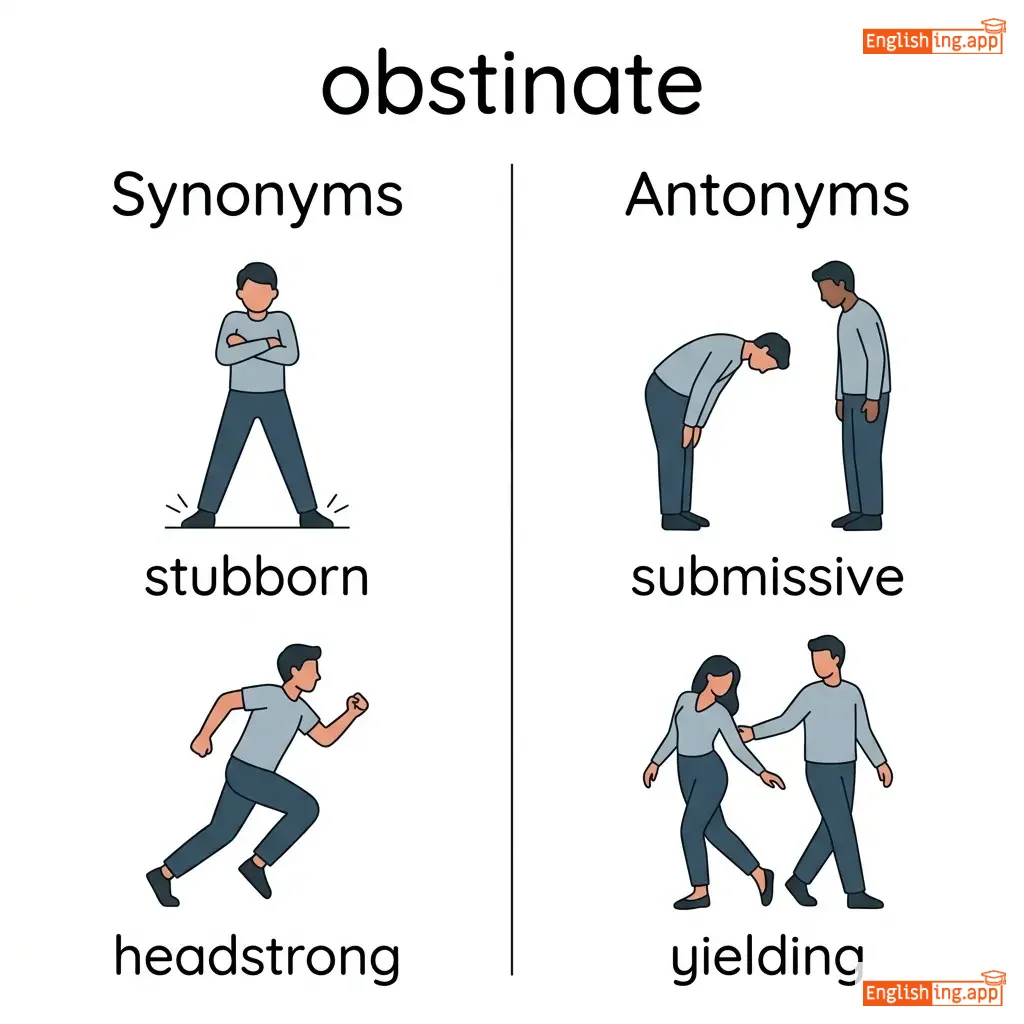
stubborn, headstrong, unyielding, inflexible
••••••
|
flexible, yielding, compliant, cooperative
••••••
|
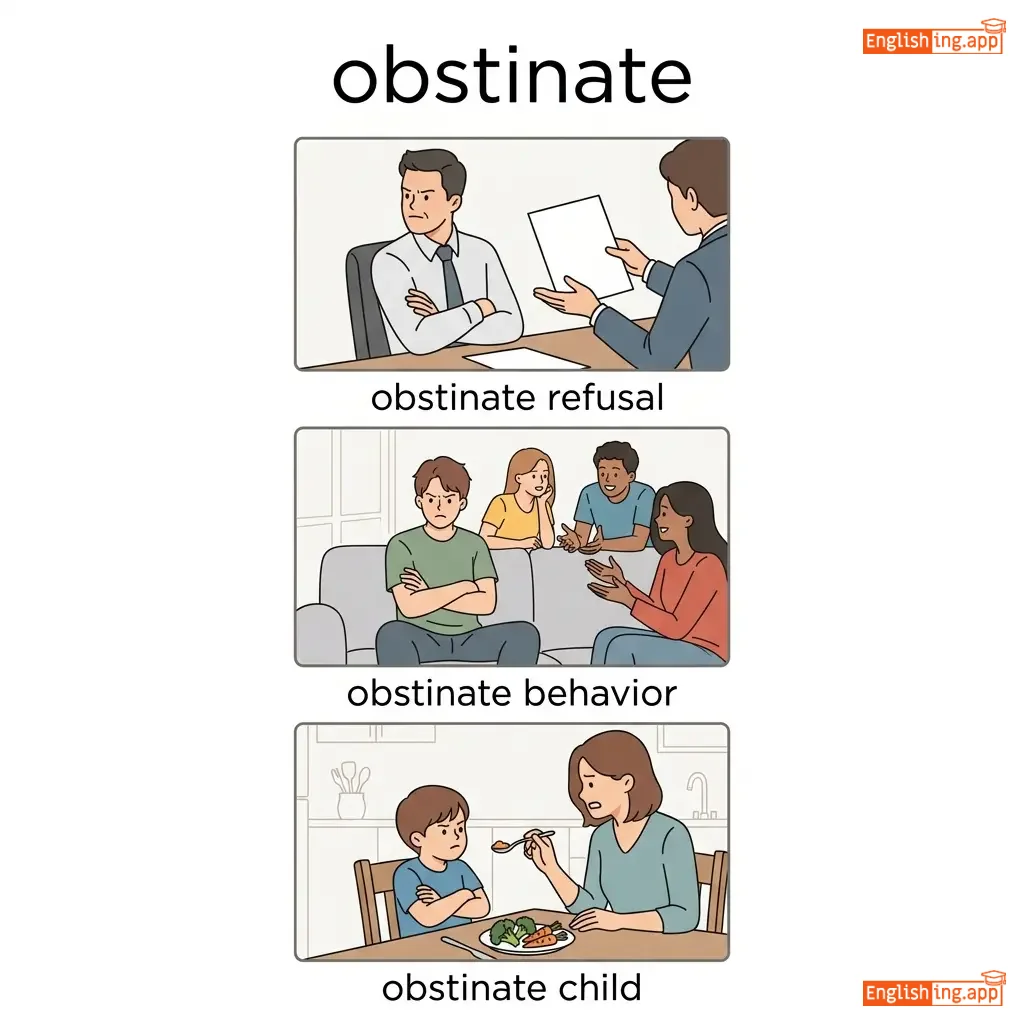
obstinate refusal, obstinate child, obstinate behavior
••••••
|
頑固な岩のように、動かない
••••••
|
|
#565
🔢
|
/ˈnjuː.mər.əs/
adjective
(ニューメラス)
••••••
|
- •••••• |
多数の; たくさんの; 豊富な
tasuu no; takusan no; hōfuna
••••••
|
existing in large numbers; many; abundant
••••••
|
There are numerous benefits to exercising regularly.
定期的な運動には数多くの利点があります。
••••••
|
定期的な運動には数多くの利点があります。
Teikiteki na undō ni wa kazu ōku no riten ga arimasu.
••••••
|
many, countless, abundant, plentiful
••••••
|
few, scarce, limited
••••••
|
numerous occasions, numerous benefits, numerous examples
••••••
|
運動は多くの利点をもたらす
••••••
|
|
#566
🌸
|
/ˈəʊ.dər.əs/
adjective
(オドラス)
••••••
|
- •••••• |
芳香のある; 香り高い
hōkō no aru; kaori takai
••••••
|
having a strong smell; fragrant; aromatic
••••••
|
The garden was filled with odorous flowers. |
庭は芳香のある花で満たされていた。
niwa wa hōkō no aru hana de mitasarete ita.
••••••
|
fragrant, aromatic, perfumed, scented
••••••
|
odorless, scentless, unscented
••••••
|
odorous plants, odorous substances, sweet odorous
••••••
|
芳香のある花
••••••
|
|
#567
🚧
|
/əbˈstrʌk.tɪv/
adjective
(オブストラクティブ)
••••••
|
- •••••• |
妨害的な
obstructive
••••••
|
deliberately creating difficulties or preventing progress; hindering or blocking something
••••••
|
The obstructive policies hindered economic growth.
妨害的な政策は経済成長を阻害した。
••••••
|
妨害的な政策は経済成長を阻害した。
bougaitekina seisaku wa keizai seicho o sogai shita
••••••
|
blocking, hindering, impeding, disruptive
••••••
|
helpful, supportive, cooperative, facilitating
••••••
|
obstructive behavior, obstructive tactics, obstructive sleep apnea
••••••
|
Roadblock blocks growth: imagine bougai teki na obstacles that hinder progress; Obstructive helps remember 妨害的な meaning
••••••
|
|
#568
↗️
|
/əˈbliːk/
adjective
(オブリーク)
••••••
|
- •••••• |
斜め; 対角線; 間接的または回避的
naname; taikakusen; kansetsuteki matawa kaihiteki
••••••
|
slanting; diagonal; indirect or evasive
••••••
|
The artist drew an oblique line across the canvas.
アーティストはキャンバスに斜めの線を描いた。
••••••
|
アーティストはキャンバスに斜めの線を描いた。
Aatisuto wa kyanbasu ni naname no sen o kaita.
••••••
|
diagonal, slanted, angled, inclined
••••••
|
straight, direct, perpendicular, vertical
••••••
|
oblique angle, oblique reference, oblique line
••••••
|
斜めに引かれた線、キャンバスに描かれたアート
••••••
|
|
#569
😵💫
|
/əˈblɪviəs/
adjective
(オブリヴィアス)
••••••
|
|
無意識の; 気づいていない
muishiki no; kizuite inai
••••••
|
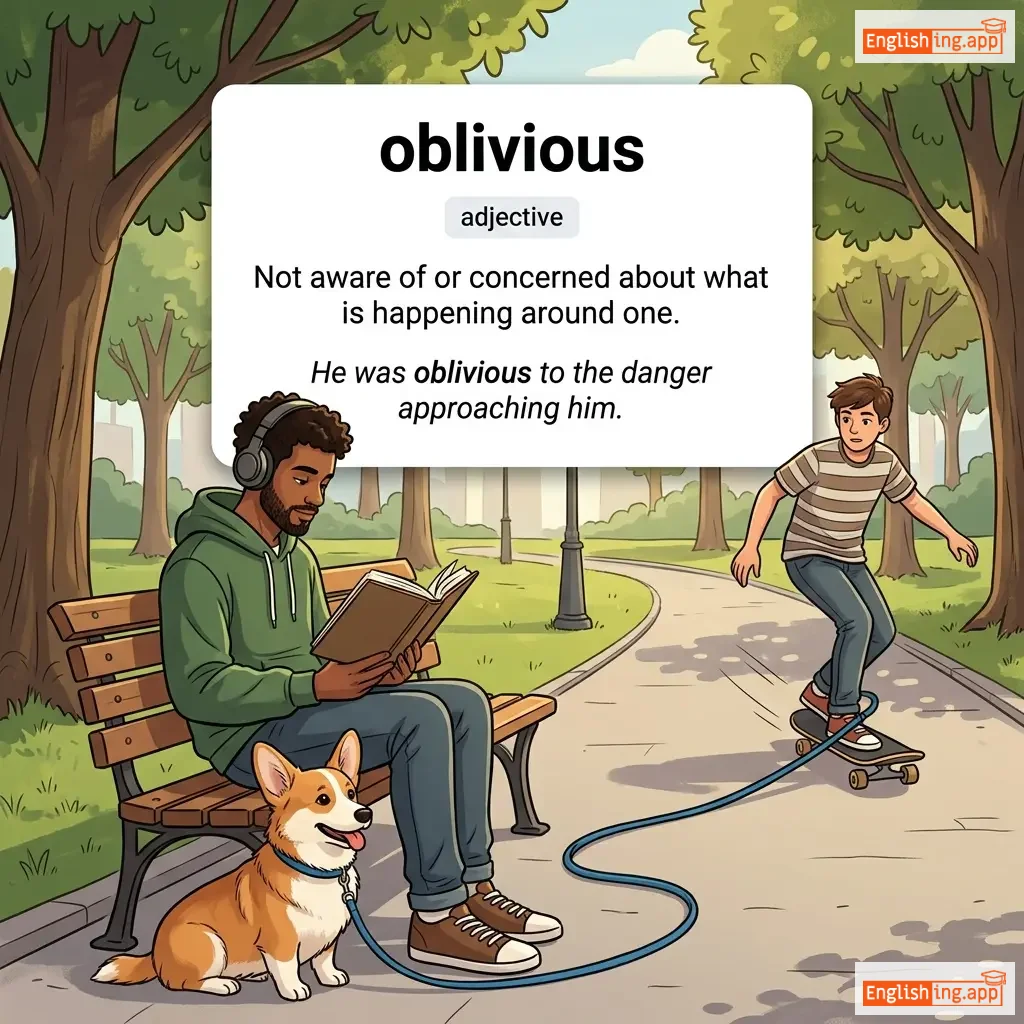
unaware; not conscious or concerned about something
••••••
|
She was oblivious to the danger surrounding her. |
彼女は自分の周りの危険に気づいていませんでした。
Kanojo wa jibun no mawari no kiken ni kizuiteimasen deshita.
••••••
|
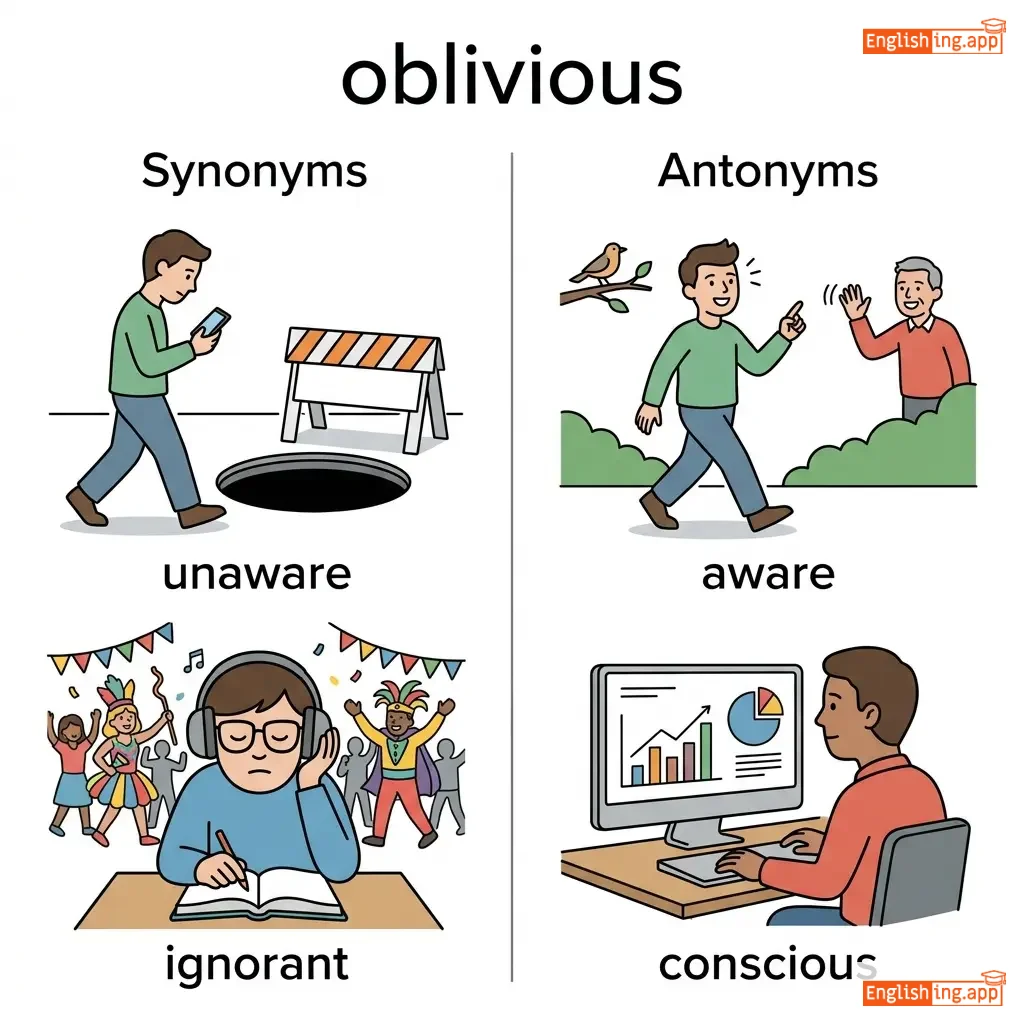
unaware, unconscious, ignorant, unmindful
••••••
|
aware, conscious, alert, attentive
••••••
|
oblivious to danger, completely oblivious, oblivious of consequences
••••••
|
無意識に周りの危険に気づかないとき、まるで目をつぶっているように。
••••••
|
|
#570
😕
|
/əbˈtjuːs/
adjective
(オブチューズ)
••••••
|
- •••••• |
鈍い; 理解が遅い; 愚か
nobui; rikai ga osoi; oroka
••••••
|
annoyingly insensitive or slow to understand; lacking in intelligence or perception
••••••
|
He was being deliberately obtuse about the instructions.
彼は指示に関して意図的に鈍かった。
••••••
|
彼は指示に関して意図的に鈍かった。
Kare wa shiji ni kanshite itoteki ni nobukatta.
••••••
|
stupid, dull, slow, dense
••••••
|
sharp, intelligent, clever, acute
••••••
|
obtuse angle, obtuse comment, deliberately obtuse
••••••
|
オブチューズは鈍く、何も理解できないような存在です。
••••••
|
|
#571
🥗
|
/njuːˈtrɪʃ.əs/
adjective
(ニュートリシャス)
••••••
|
- •••••• |
栄養価の高い
nyuutorishasu
••••••
|
containing substances that help the body grow and stay healthy; nourishing
••••••
|
Eating nutritious food helps maintain good health.
栄養価の高い食べ物を摂ることは、健康を保つのに役立ちます。
••••••
|
栄養価の高い食べ物を摂ることは、健康を保つのに役立ちます。
Eiyouka no takai tabemono o toru koto wa kenkou o tamotsu no ni yakudachimasu
••••••
|
healthy, nourishing, wholesome, beneficial
••••••
|
unhealthy, junk, harmful
••••••
|
nutritious food, nutritious diet, nutritious meal
••••••
|
New You To Ri Sha Su 栄養豊富な food を想像して覚える
••••••
|
|
#572
😡
|
/əˈfen.sɪv/
adjective
(オフェンシブ)
••••••
|
- •••••• |
攻撃的な; 侮辱的な; 攻撃的
kougekiteki na; buzokuteki na; kougekiteki
••••••
|
causing displeasure or resentment; insulting; aggressive
••••••
|
His offensive remarks hurt everyone's feelings.
彼の攻撃的な発言は、全員の気持ちを傷つけました。
••••••
|
彼の攻撃的な発言は、全員の気持ちを傷つけました。
Kare no kougekiteki na hatsugen wa, zen'in no kimochi o kizutsukemashita.
••••••
|
insulting, rude, hurtful, aggressive
••••••
|
polite, respectful, defensive, kind
••••••
|
offensive language, offensive behavior, offensive comment, offensive attack
••••••
|
攻撃的な発言が皆の気持ちを傷つけたことを思い出す。
••••••
|
|
#573
😤
|
/əbˈnɒkʃəs/
adjective
(オブノクシャス)
••••••
|
- •••••• |
不快な
obnoxious
••••••
|
extremely unpleasant; offensive; annoying
••••••
|
His obnoxious behavior at the party annoyed everyone.
彼のパーティーでの非常に不快な振る舞いは、皆を困らせた。
••••••
|
彼のパーティーでの非常に不快な振る舞いは、皆を困らせた。
Kare no paatii de no hijou ni fukai na furumai wa mina o komaraseseta
••••••
|
annoying, offensive, disgusting, repulsive
••••••
|
pleasant, agreeable, charming, delightful
••••••
|
obnoxious behavior, obnoxious smell, obnoxious person
••••••
|
Obnoxious = Obi no X ous visual image: 帯 (obi) の上に大きな X があり うるさい人が us to remember 不快な
••••••
|
|
#574
🔍
|
/ˈɒb.vi.əs/
adjective
(オブヴィアス)
••••••
|
- •••••• |
明白な; 簡単に理解できる
meihakuna; kantan ni rikai dekiru
••••••
|
easily perceived or understood; clear and apparent to the mind
••••••
|
It was obvious that she was upset about something.
それは彼女が何かについて不満を抱えていることが明らかでした。
••••••
|
それは彼女が何かについて不満を抱えていることが明らかでした。
sore wa kanojo ga nanika ni tsuite fuman wo kakaeteru koto ga meikaku deshita
••••••
|
clear, evident, apparent, plain
••••••
|
hidden, unclear, obscure, subtle
••••••
|
obvious reason, obvious choice, obvious mistake
••••••
|
Obviousを日本語で理解するのは、すぐにわかるような明確なものです。
••••••
|
|
#575
🙏
|
/əˈbiː.di.ənt/
adjective
(オベディエント)
••••••
|
- •••••• |
従順な
juujunna
••••••
|
willing to comply with orders or instructions; submissive
••••••
|
The obedient student always follows the teacher's instructions.
従順な生徒はいつも先生の指示に従います。
••••••
|
従順な生徒はいつも先生の指示に従う。
juujunna seito wa itsumo sensei no shiji ni shitagaimasu
••••••
|
compliant, dutiful, submissive, respectful
••••••
|
disobedient, rebellious, defiant
••••••
|
obedient child, obedient student, obedient servant
••••••
|
Obedient = obey + di + ent; オベディエントという響きを思い出そう。従順な性格 juujunna seikaku につながるイメージ
••••••
|
|
#576
🛢️
|
/ˈɔɪl.i/
adjective
(オイリー)
••••••
|
- •••••• |
油っぽい; 油で覆われた; 脂っこい
aburappoi; abura de ōwareta; aburakkoi
••••••
|
covered with oil; containing oil; greasy
••••••
|
Her oily skin needs special care.
彼女のオイリーな肌は特別なケアが必要です。
••••••
|
彼女の油っぽい肌は特別なケアが必要です。
Kanojo no aburappoi hada wa tokubetsu na kea ga hitsuyō desu.
••••••
|
greasy, fatty, slippery, slick
••••••
|
dry, clean, fresh, matte
••••••
|
oily skin, oily hair, oily food, oily surface
••••••
|
油っぽい肌は、オイルを塗ったような感じです。
••••••
|
|
#577
👁️
|
/əbˈzɜːrvənt/
adjective
(オブザーヴァント)
••••••
|
- •••••• |
観察力のある
kansatsuryoku no aru
••••••
|
quick to notice things; watchful; attentive
••••••
|
The observant detective noticed every small detail at the crime scene. |
観察力のある探偵は犯罪現場のあらゆる小さな詳細に気づきました。
Kansatsuryoku no aru tantei wa hanzai genba no arayuru chiisana shōsai ni kidzukimashita.
••••••
|
watchful, attentive, perceptive, alert
••••••
|
inattentive, careless, unobservant, oblivious
••••••
|
observant eye, observant nature, highly observant
••••••
|
観察力のある探偵はすべてを見逃しません。
••••••
|
|
#578
❌
|
/əbˈdʒek.ʃən.ə.bəl/
adjective
(objectionable)
••••••
|
- •••••• |
不快な
fukai na
••••••
|
arousing distaste or opposition; unpleasant or offensive
••••••
|
His objectionable behavior made everyone uncomfortable.
彼の反感を買うような行動は、皆を不快にさせた。
••••••
|
彼の不快な行動は、皆を不快にさせた。
Kare no fukai na kōdō wa, mina o fukai ni saseta.
••••••
|
offensive, unacceptable, inappropriate, disagreeable
••••••
|
acceptable, agreeable, pleasant
••••••
|
objectionable behavior, objectionable content, objectionable language
••••••
|
嫌な行動でみんなを不快にさせる。
••••••
|
|
#579
🔄
|
/əˈkeɪ.ʒən.əl/
adjective
(オケージョナル)
••••••
|
- •••••• |
偶然の
gūzen no
••••••
|
occurring infrequently or irregularly; happening from time to time
••••••
|
She enjoys occasional walks in the park. |
彼女は公園で偶然の散歩を楽しんでいます。
Kanojo wa kōen de gūzen no sanpo o tanoshindeimasu.
••••••
|
sporadic, infrequent, irregular, intermittent
••••••
|
frequent, regular, constant, continuous
••••••
|
occasional visit, occasional rain, occasional smoker
••••••
|
偶然の散歩は、運が良ければ楽しい!
••••••
|
|
#580
⚡
|
/ˈɒm.ɪ.nəs/
adjective
(オミナス)
••••••
|
- •••••• |
不吉な; 脅威の
fukitsuna; kyōi no
••••••
|
giving the impression that something bad will happen; threatening; foreboding
••••••
|
The dark clouds looked ominous before the storm.
嵐の前に、暗い雲は不吉に見えました。
••••••
|
嵐の前に、暗い雲は不吉に見えました。
Arashi no mae ni, kurai kumo wa fukitsuna miemashita.
••••••
|
threatening, menacing, foreboding, sinister
••••••
|
promising, hopeful, encouraging, auspicious
••••••
|
ominous clouds, ominous warning, ominous sign, ominous silence
••••••
|
Fukitsuna clouds mean danger is near.
••••••
|
Vocabulary Quiz
Test your vocabulary by matching words with their translations or meanings.
Login to take the quiz
Comments (0)
Share your thoughts and join the discussion.
Join the discussion by logging in
Login to CommentNo comments yet
Be the first to share your thoughts!