

翻訳
過去
過去分詞
三人称単数
動名詞
意味
例文
例文の翻訳
同義語
対義語
コロケーション
ニーモニック
Swipe left or right, or use the buttons. Tap image to zoom.
例文の翻訳
単語
Lesson 58Lesson 58 - マスクトグル
|
絵文字
|
単語 | Images | 翻訳 | 意味 | 例文 | 例文の翻訳 | 同義語 | 対義語 | コロケーション | ニーモニック |
|---|---|---|---|---|---|---|---|---|---|---|
|
#1141
🥴
|
/ˈwɒŋki/
adjective
(ウォンキー)
••••••
|
- •••••• |
不安定な; 信頼できない; 正常に動作しない
wonki
••••••
|
unstable; unreliable; not working properly
••••••
|
The old chair was wonky and wobbled every time someone sat on it. |
古い椅子は不安定で、誰かが座るたびに揺れていました。
Furui isu wa fuantei de, dareka ga suwaru tabi ni yurete imashita
••••••
|
unstable, shaky, unreliable, faulty
••••••
|
stable, reliable, sturdy, solid
••••••
|
wonky chair, wonky table, wonky system
••••••
|
思い出して、'wonky'は不安定なものを意味します。
••••••
|
|
#1142
🎯
|
/ˈwʊd biː/
adjective
(ウッド・ビー)
••••••
|
- •••••• |
見込みのある; 可能性のある;
mikomi no aru; kanōsei no aru;
••••••
|
prospective; intending to be; aspiring
••••••
|
The would-be actor practiced his lines every day.
その将来の俳優は毎日セリフを練習していた。
••••••
|
その見込みのある俳優は毎日セリフを練習していた。
Sono mikomi no aru haiyū wa mainichi serifu o renshū shite ita.
••••••
|
prospective, aspiring, potential, future
••••••
|
actual, current, existing, established
••••••
|
would-be actor, would-be politician, would-be writer
••••••
|
毎日練習する見込みのある俳優になるために。
••••••
|
|
#1143
🔥
|
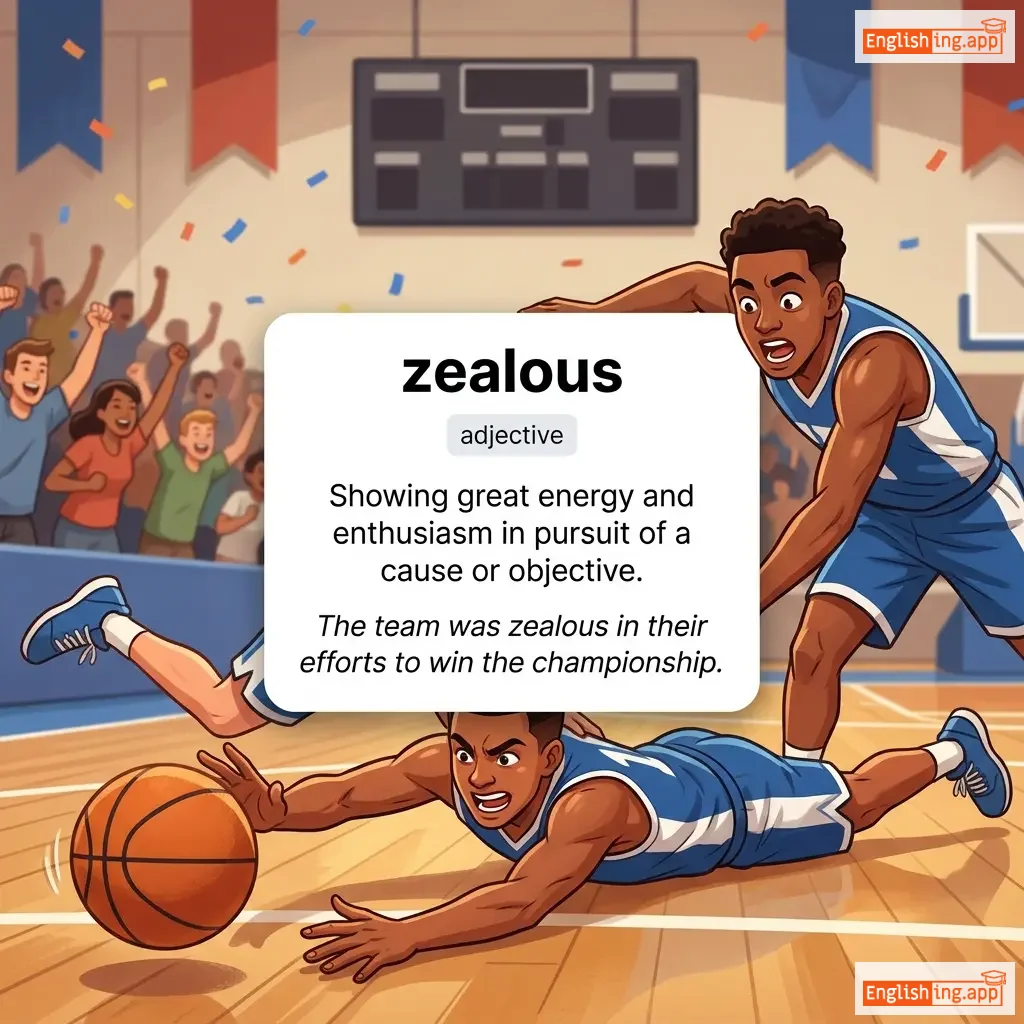
/ˈzel.əs/
adjective
(ゼラス)
••••••
|
|
熱心な; 情熱的な
nesshin na, jōnetsuteki na
••••••
|
showing great energy or passion in pursuit of something; enthusiastic
••••••
|
She was zealous about environmental protection and attended every rally. |
彼女は環境保護に熱心で、すべての集会に参加しました。
Kanojo wa kankyō hogo ni nesshin de, subete no shūkai ni sanka shimashita.
••••••
|
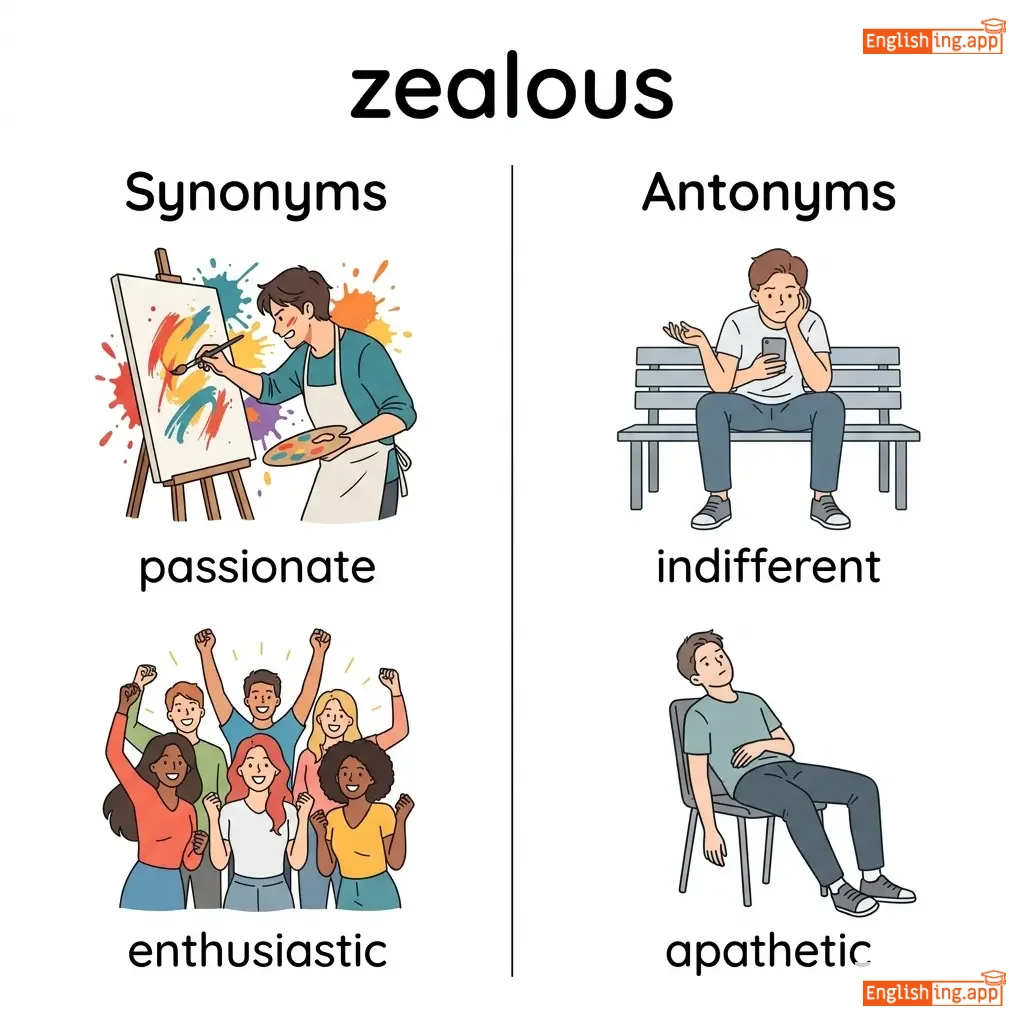
passionate, enthusiastic, fervent, ardent, devoted
••••••
|
apathetic, indifferent, unenthusiastic, lackadaisical
••••••
|
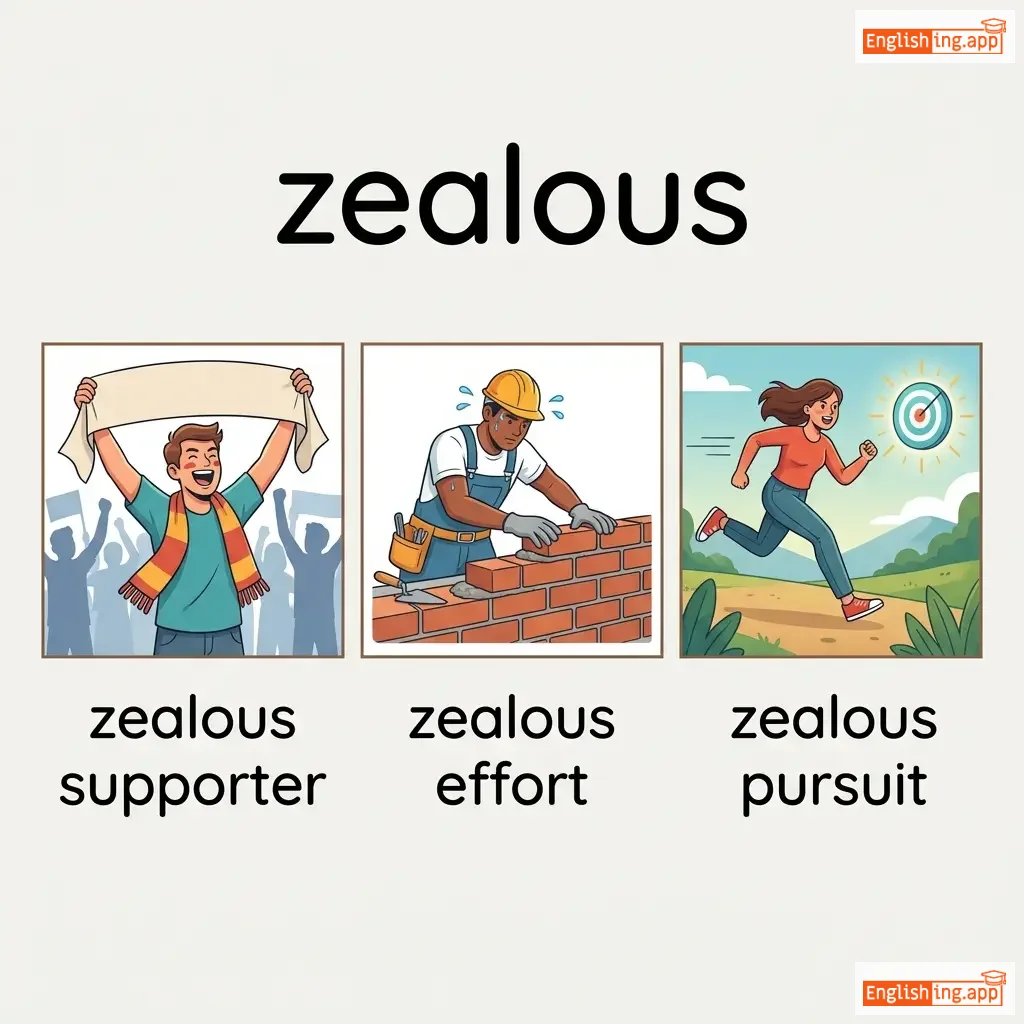
zealous advocate, zealous supporter, zealous pursuit, zealous defender
••••••
|
Zealous (熱心な) = エネルギーと情熱を注ぐ
••••••
|
|
#1144
✅
|
/ˈwɜːrkəbəl/
adjective
(ワーカブル)
••••••
|
- •••••• |
実行可能な; 実用的な
jikkou kanou na; jitsuyouteki na
••••••
|
capable of being done or put into effect; practical
••••••
|
We need a workable solution to solve this problem quickly. |
この問題を迅速に解決するために、実行可能な解決策が必要です。
Kono mondai o jinsoku ni kaiketsu suru tame ni, jikkou kanou na kaiketsu saku ga hitsuyou desu.
••••••
|
practical, feasible, viable, achievable
••••••
|
unworkable, impractical, impossible, unfeasible
••••••
|
workable solution, workable plan, workable agreement
••••••
|
Workable 解決策は実用的!
••••••
|
|
#1145
😢
|
/ˈretʃɪd/
adjective
(レッチッド)
••••••
|
- •••••• |
惨めな; みじめな; 品質の悪い
mijimena; mijimena; hinshitsu no warui
••••••
|
very unhappy; miserable; of poor quality
••••••
|
The refugees lived in wretched conditions. |
難民たちは惨めな状況で生活していた。
Nanmin-tachi wa mijime na jōkyō de seikatsu shite ita.
••••••
|
miserable, pitiful, pathetic, deplorable
••••••
|
happy, fortunate, excellent, wonderful
••••••
|
wretched conditions, wretched life, wretched state
••••••
|
No •••••• |
|
#1146
🌍
|
/ˈzoʊ.nəl/
adjective
(ゾーナル)
••••••
|
- •••••• |
ゾーン式
zōn-shiki
••••••
|
relating to or arranged in zones; of, relating to, or having the form of a zone
••••••
|
The city implemented a zonal parking system to manage traffic congestion.
都市は交通渋滞を管理するためにゾーン式駐車システムを導入しました。
••••••
|
都市は交通渋滞を管理するためにゾーン式駐車システムを導入しました。
Toshi wa kōtsū jūtai o kanri suru tame ni zōn-shiki chūsha shisutemu o dōnyū shimashita.
••••••
|
regional, territorial, sectional, area-based
••••••
|
global, universal, general, widespread
••••••
|
zonal system, zonal planning, zonal restrictions, zonal boundaries
••••••
|
Zonalは、ゾーンごとに分けられたシステムを意味します。
••••••
|
|
#1147
😔
|
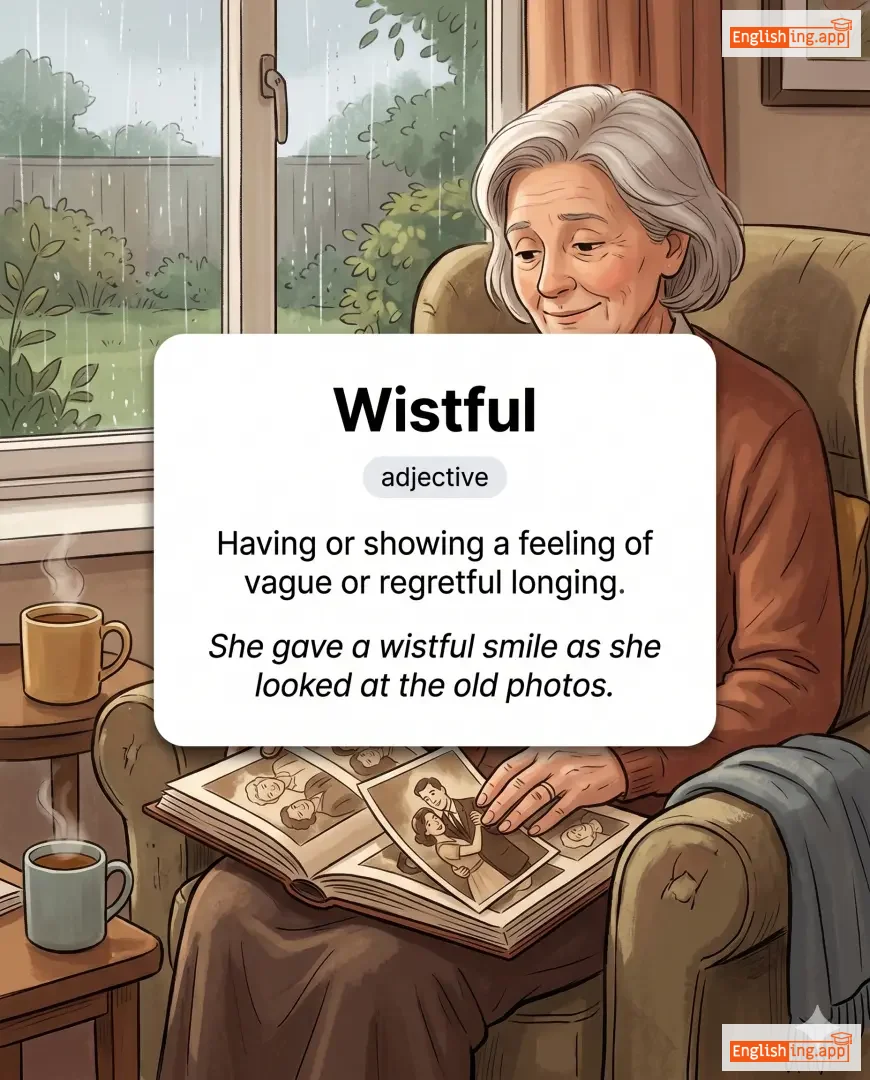
/ˈwɪst.fəl/
adjective
(ウィストフル)
••••••
|
|
物憂い; ノスタルジック
monourei; nosutarujikku
••••••
|
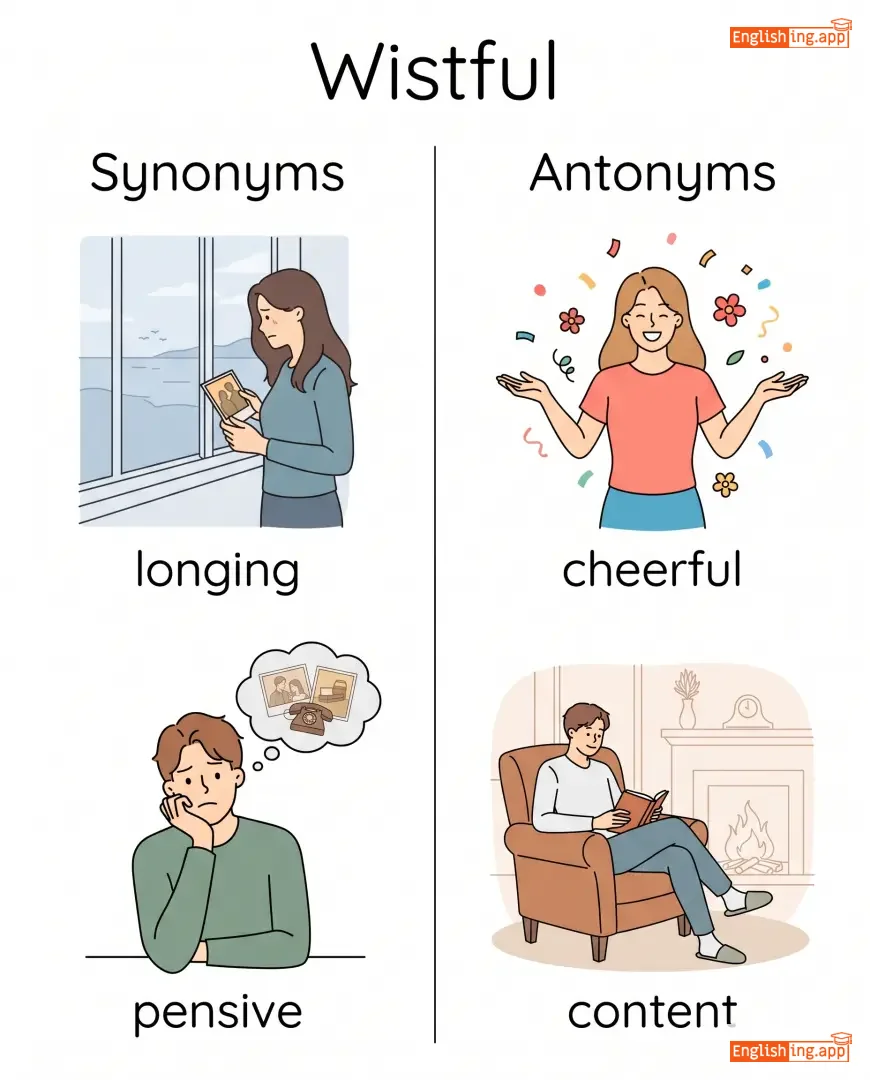
having a feeling of longing or yearning; melancholy
••••••
|
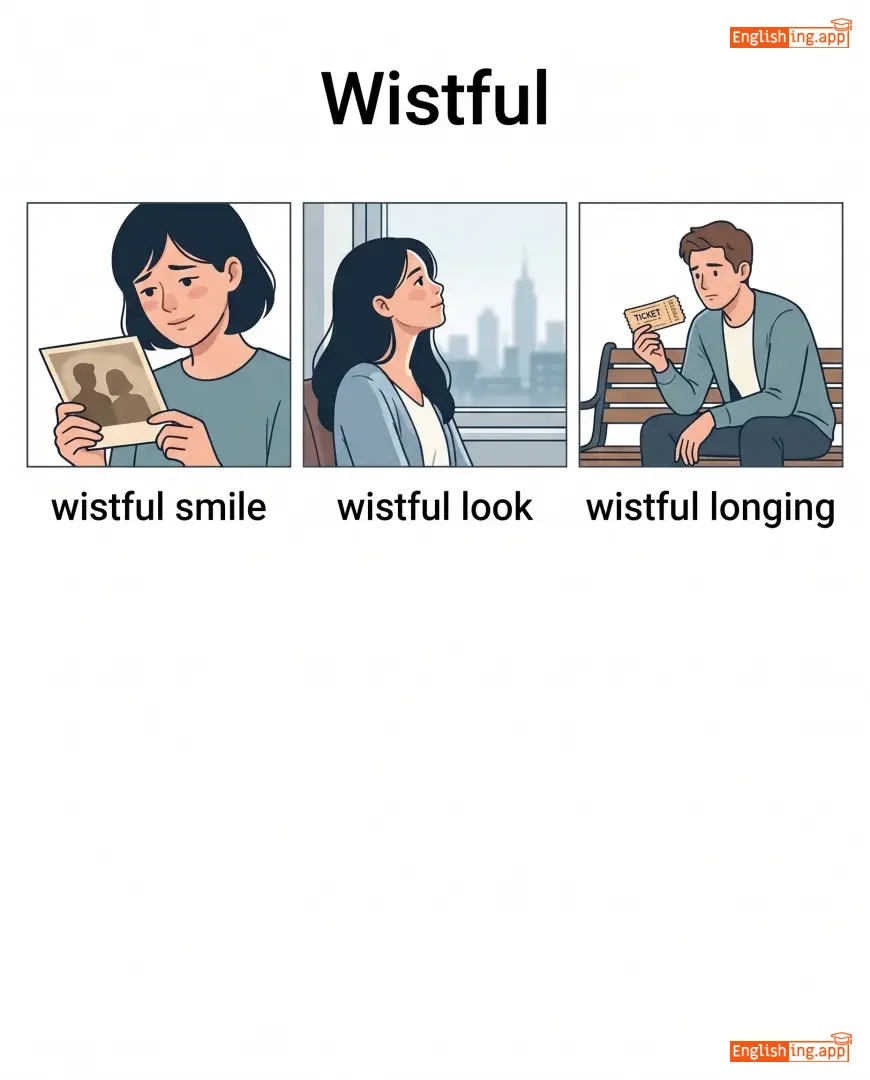
She gave a wistful smile when remembering her childhood days.
彼女は子供時代を思い出して、物憂げな笑みを浮かべました。
••••••
|
彼女は子供時代を思い出して、物憂げな笑みを浮かべました。
Kanojo wa kodomojidai wo omoidashite, mono urega na emi wo ukabemashita.
••••••
|
yearning, melancholy, nostalgic, pensive, longing
••••••
|
cheerful, content, satisfied, happy, joyful
••••••
|
wistful smile, wistful look, wistful expression, wistful mood
••••••
|
Wistful = 過去を懐かしむような微笑み。
••••••
|
|
#1148
😟
|
/ˈwʌrisəm/
adjective
(worīsamu)
••••••
|
- •••••• |
心配な; 面倒な
shinpai na; mendō na
••••••
|
causing anxiety or concern; troubling
••••••
|
The student's declining grades were worrisome to his parents. |
学生の成績が落ちていることは、親にとって心配でした。
Gakusei no seiseki ga ochite iru koto wa, oya ni totte shinpai deshita.
••••••
|
troubling, concerning, alarming, disturbing
••••••
|
reassuring, comforting, encouraging, relieving
••••••
|
worrisome trend, worrisome sign, worrisome behavior
••••••
|
心配な状況をworrisomeと言います。
••••••
|
|
#1149
🟡
|
/ˈjeloʊ/
adjective
(yero)
••••••
|
- •••••• |
黄色い; 臆病な
kiiroi; okubyōna
••••••
|
having the color of the sun or gold; cowardly
••••••
|
The yellow flowers bloomed in spring.
黄色い花が春に咲きました。
••••••
|
黄色い花が春に咲きました。
Kiiroi hana ga haru ni sakimashita.
••••••
|
golden, amber, lemon, canary
••••••
|
blue, purple, green, red
••••••
|
yellow light, yellow pages, yellow card
••••••
|
黄色は太陽の色で、臆病な人を表すこともあります (臆病な).
••••••
|
|
#1150
🤪
|
/ˈwɪt.ləs/
adjective
(ウィットレス)
••••••
|
- •••••• |
愚かな; 知恵がない; 頭の悪い
oroka na; chie ga nai; atama no warui
••••••
|
lacking intelligence or wisdom; foolish
••••••
|
His witless remarks during the meeting embarrassed everyone present. |
会議中の彼の愚かな発言は、出席者全員を困らせました。
Kaigi-chū no kare no orokana hatsugen wa, shusseki-sha zen'in o komarasemashita
••••••
|
foolish, stupid, mindless, senseless, brainless
••••••
|
intelligent, wise, clever, smart, brilliant
••••••
|
witless behavior, witless comment, witless person, witless action
••••••
|
ウィット(wit)がないから、ウィットレス!
••••••
|
|
#1151
🗑️
|
/ˈwɜːrθləs/
adjective
(ワースレス)
••••••
|
- •••••• |
無価値な; 役に立たない
mukachina; yaku ni tatanai
••••••
|
having no value; useless
••••••
|
The old computer became worthless after the new software updates. |
新しいソフトウェアのアップデート後、古いコンピュータは無価値になった。
Atarashī sofutowea no appudēto go, furui konpyūta wa mukachina ni natta.
••••••
|
valueless, useless, pointless, futile
••••••
|
valuable, useful, precious, worthwhile
••••••
|
worthless item, worthless currency, worthless effort
••••••
|
In Japanese, '無価値な' (without value) represents something worthless.
••••••
|
|
#1152
👶
|
/jʌŋ/
adjective
(ヤング)
••••••
|
- •••••• |
若い; 新しい
wakai; atarashii
••••••
|
having lived for a short time; not old; recent
••••••
|
The young tree needs more water to grow. |
若い木は成長するためにもっと水が必要です。
wakai ki wa seichō suru tame ni motto mizu ga hitsuyō desu.
••••••
|
youthful, juvenile, adolescent, new
••••••
|
old, elderly, aged, mature
••••••
|
young people, young age, young adult
••••••
|
Youngと若いは発音が似ている
••••••
|
|
#1153
😄
|
/ˈwɪt.i/
adjective
(ウィティ)
••••••
|
- •••••• |
機知に富んだ; 面白い
kichi ni tonda; omoshiroi
••••••
|
having or showing quick intelligence; amusing in a clever way
••••••
|
Her witty response to the critic's question impressed the entire audience. |
彼女の機知に富んだ答えは、批評家の質問に対して観客全体を感動させました。
Kanojo no kichi ni tonda kotae wa, hihyōka no shitsumon ni taishite kankyaku zentai o kandō sasemashita.
••••••
|
clever, humorous, funny, sharp, quick-witted
••••••
|
dull, boring, humorless, witless, stupid
••••••
|
witty remark, witty comment, witty person, witty response
••••••
|
Witty like a clever joke that makes everyone laugh!
••••••
|
|
#1154
🏆
|
/ˈwɜːrði/
adjective
(ワーディ)
••••••
|
- •••••• |
値する; ふさわしい; 尊敬すべき;
atarashī; fusawashī; sonkei subeki;
••••••
|
deserving respect or attention; having merit
••••••
|
Her charitable work made her worthy of the humanitarian award.
彼女の慈善活動は彼女を人道的賞に値するものにしました。
••••••
|
彼女の慈善活動は彼女を人道的賞に値するものにしました。
Kanojo no jizen katsudō wa kanojo o jindōteki shō ni ataisuru mono ni shimashita.
••••••
|
deserving, meritorious, commendable, admirable
••••••
|
unworthy, undeserving, contemptible, disgraceful
••••••
|
worthy cause, worthy opponent, worthy effort
••••••
|
worthy = 値する, ふさわしい人が賞を受ける
••••••
|
|
#1155
✨
|
/ˈjuːθfəl/
adjective
(ユースフル)
••••••
|
- •••••• |
若々しい; エネルギッシュで新鮮な
wakawakashii; enerugisshu de shinsen na
••••••
|
having the qualities of youth; energetic and fresh
••••••
|
Her youthful energy impressed everyone at work. |
彼女の若々しいエネルギーは職場の全員に感銘を与えました。
kanojo no wakawakashii enerugī wa shokuba no zen'in ni kanmei o ataemashita.
••••••
|
energetic, vigorous, fresh, spirited
••••••
|
aged, worn, tired, elderly
••••••
|
youthful appearance, youthful energy, youthful spirit
••••••
|
Youthful = 若々しい、まるで若者のようにエネルギッシュ。
••••••
|
Vocabulary Quiz
Test your vocabulary by matching words with their translations or meanings.
Login to take the quiz
Comments (0)
Share your thoughts and join the discussion.
Join the discussion by logging in
Login to CommentNo comments yet
Be the first to share your thoughts!