





Swipe left or right, or use the buttons. Tap image to zoom.
例句翻译
单词
Lesson 11Lesson 11 - 遮罩切换
|
表情符号
|
单词 | Images | 翻译 | 含义 | 例句 | 例句翻译 | 同义词 | 反义词 | 搭配词 | 助记符 |
|---|---|---|---|---|---|---|---|---|---|---|
|
#201
🍎
|
/ˈed.ɪ.bəl/
adjective
(èdí bù)
••••••
|
- •••••• |
可食用的
kě shí yòng de
••••••
|
safe to eat; suitable for consumption
••••••
|
Only edible mushrooms should be used in cooking. |
仅应使用可食用的蘑菇进行烹饪。
jǐn yīng shǐyòng kě shíyòng de mógū jìnxíng pēngrèn.
••••••
|
eatable, consumable, safe to eat
••••••
|
inedible, poisonous, toxic
••••••
|
edible plants, edible flowers, edible oil
••••••
|
可食用的 means edible, just like 'shí yòng' means for use in Chinese.
••••••
|
|
#202
♾️
|
/ˈɛnd.ləs/
adjective
(ɛndləs)
••••••
|
- •••••• |
无尽的; 无限的; 不受限制的
wújìn de; wúxiàn de; bù shòu xiànzhì de
••••••
|
having no end; infinite; limitless
••••••
|
The ocean seemed endless from the shore. |
从海岸看,海洋似乎是无尽的。
Cóng hǎi'àn kàn, hǎiyáng shìhū shì wújìn de.
••••••
|
infinite, limitless, boundless, eternal
••••••
|
finite, limited, bounded
••••••
|
endless possibilities, endless loop, endless cycle
••••••
|
Endless = 无尽的 (wújìn de) - 永远没有尽头
••••••
|
|
#203
👴
|
/ˈel.dər.li/
adjective
(艾尔德利)
••••••
|
- •••••• |
老年人; 年长的; 老年
aierdeli
••••••
|
aged; advanced in years; old
••••••
|
The elderly man walked slowly with his cane. |
那位年长的男人拿着拐杖慢慢走。
Na wei nian zhang de nan ren na zhe guai zhang man man zou.
••••••
|
aged, old, senior, ancient
••••••
|
young, youthful, juvenile
••••••
|
elderly people, elderly care, elderly population
••••••
|
Elderly - 'Elderli' 是老年人的代表,像是祖父母。
••••••
|
|
#204
⭐
|
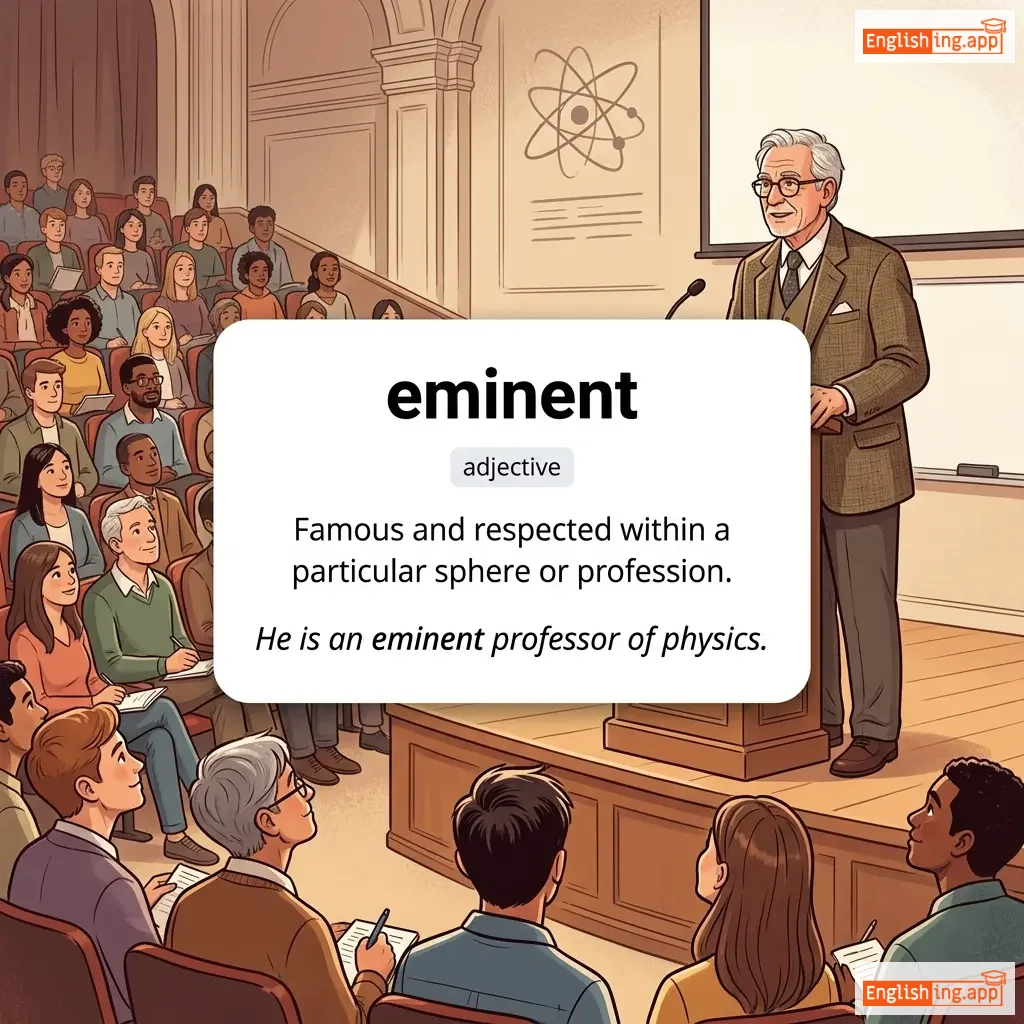
/ˈem.ɪ.nənt/
adjective
(著名)
••••••
|
|
著名的; 杰出的; 伟大的; 受尊敬的
zhùmíng de; jiéchū de; wěidà de; shòu zūnjìng de
••••••
|
famous; distinguished; great; respected
••••••
|
She is an eminent scientist in her field. |
她是她领域里一位著名的科学家。
tā shì tā lǐngyù lǐ yī wèi zhùmíng de kēxuéjiā
••••••
|
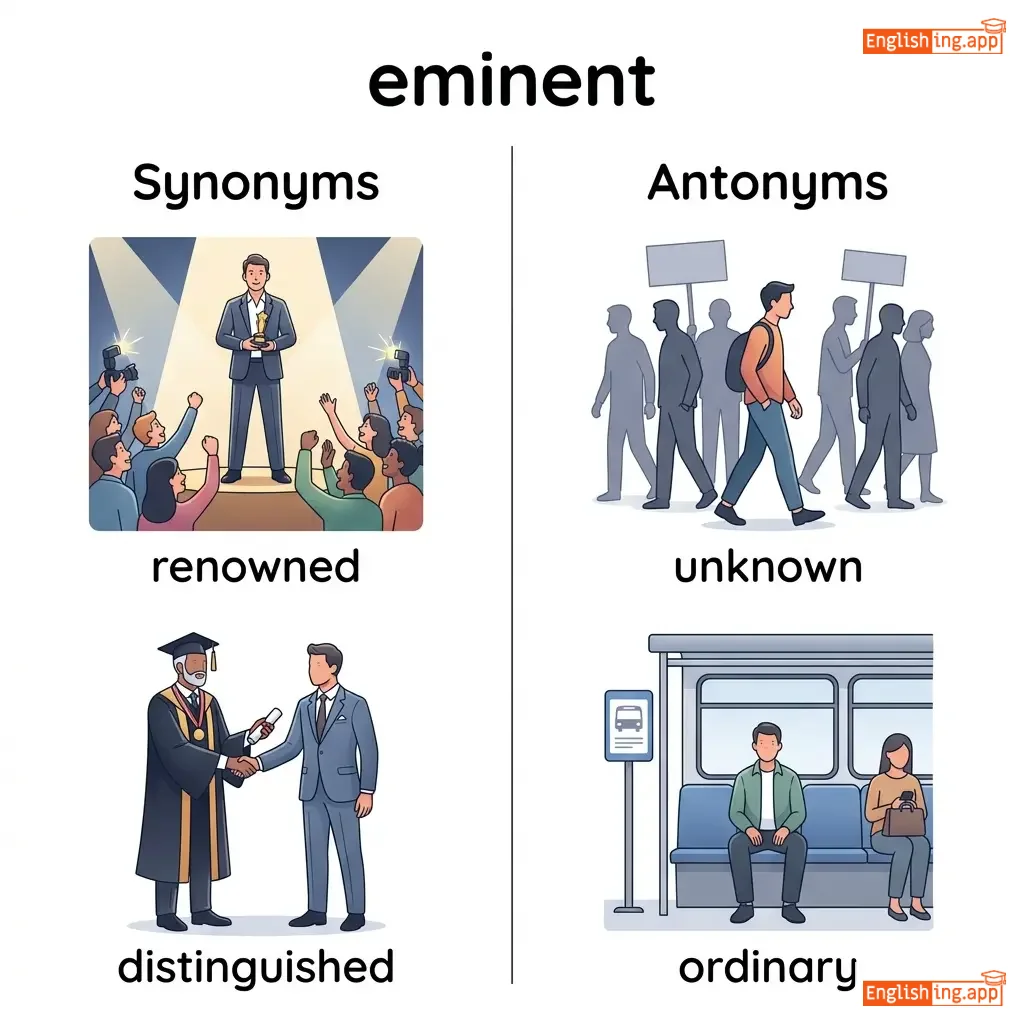
famous, distinguished, renowned, notable, prominent
••••••
|
unknown, obscure, insignificant, ordinary
••••••
|
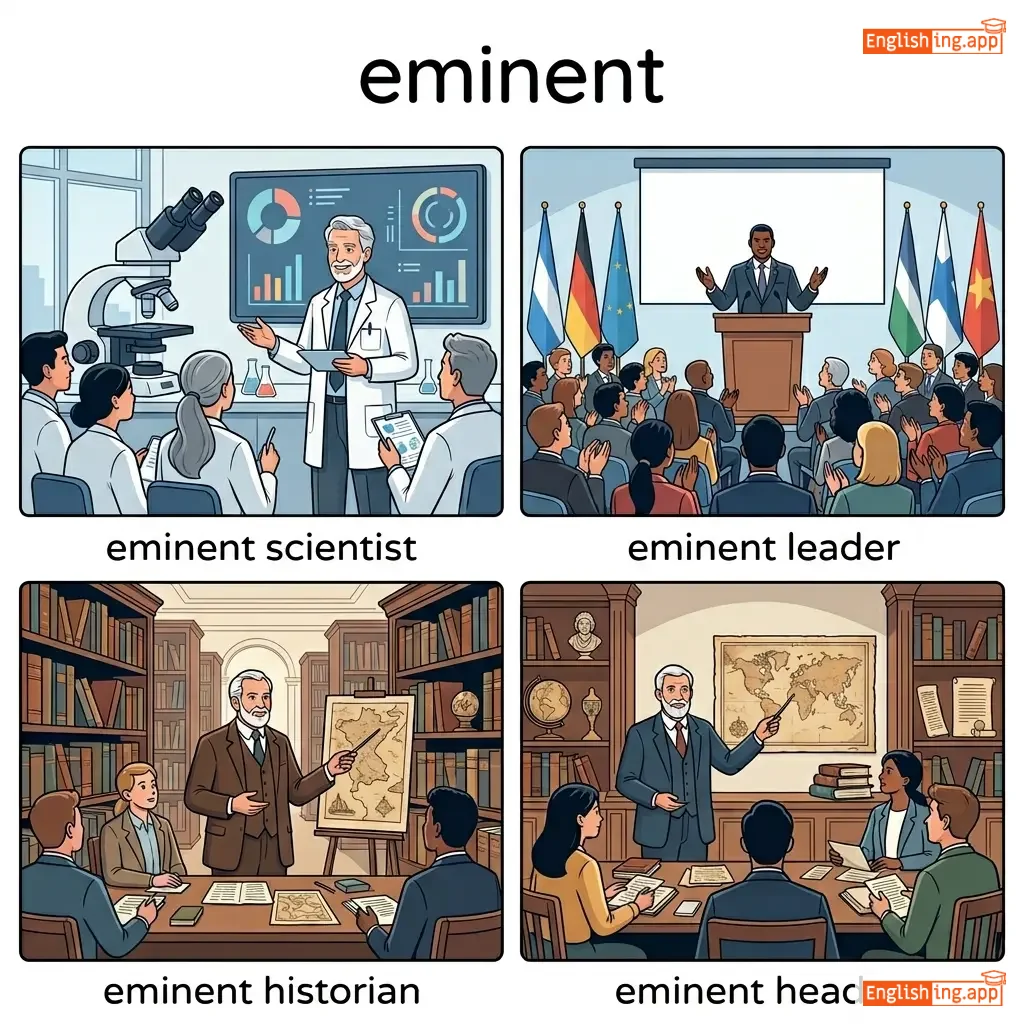
eminent scientist, eminent scholar, eminent person, eminent domain
••••••
|
No •••••• |
|
#205
📚
|
/ˈed.jʊ.keɪ.tɪv/
adjective
(èdùkètífu)
••••••
|
- •••••• |
教育性的; 启发性的; 信息丰富的
jiaoyu xing de; qihua xing de; xinxi fengfu de
••••••
|
providing education; instructive; informative
••••••
|
The documentary was highly educative and informative. |
这部纪录片非常具有教育意义且信息丰富。
Zhe bu jilu pian feichang juxu jiaoyu yiyi qie xinxi fengfu.
••••••
|
educational, instructive, informative
••••••
|
non-educational, uninstructive, useless
••••••
|
educative content, educative program, educative value
••••••
|
Educative在中文中,类似‘教育’的意思。
••••••
|
|
#206
💪
|
/ɪnˈdjʊər.ə.bəl/
adjective
(安德尤拉布)
••••••
|
- •••••• |
可忍受的
ke ren shou de
••••••
|
able to be endured; bearable; tolerable
••••••
|
The pain was endurable with proper medication. |
使用适当的药物,疼痛是可以忍受的。
Shiyong shidang de yaowu, tengtong shi keyi renshou de.
••••••
|
bearable, tolerable, sustainable
••••••
|
unbearable, intolerable, insufferable
••••••
|
endurable pain, endurable hardship, endurable conditions
••••••
|
当疼痛是可忍受的,你能继续下去。
••••••
|
|
#207
😢
|
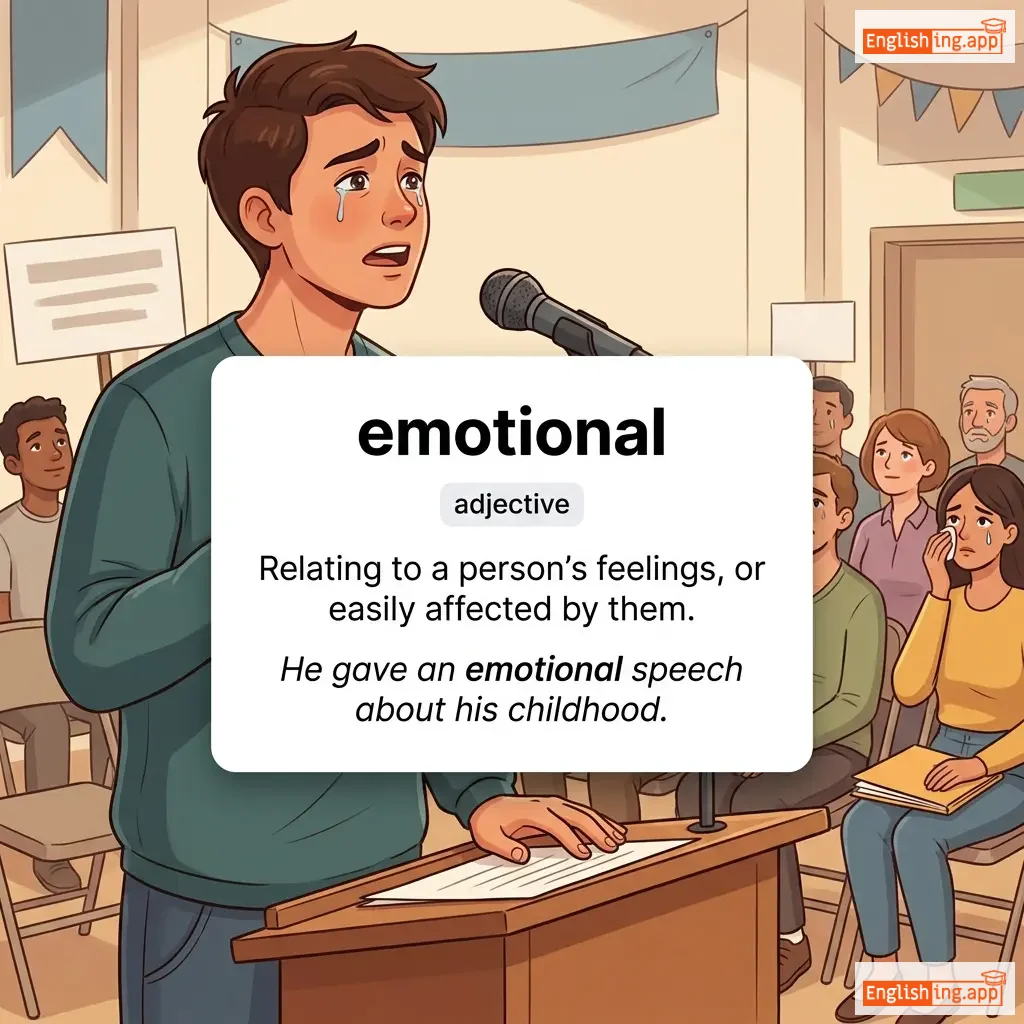
/ɪˈmoʊ.ʃən.əl/
adjective
(情感的)
••••••
|
|
情感的
qinggande
••••••
|
relating to feelings; showing strong feelings; based on emotion rather than reason
••••••
|
He became very emotional during the speech. |
他在演讲时变得非常情感化。
Ta zai yanjiang shi biande feichang qingganhua.
••••••
|
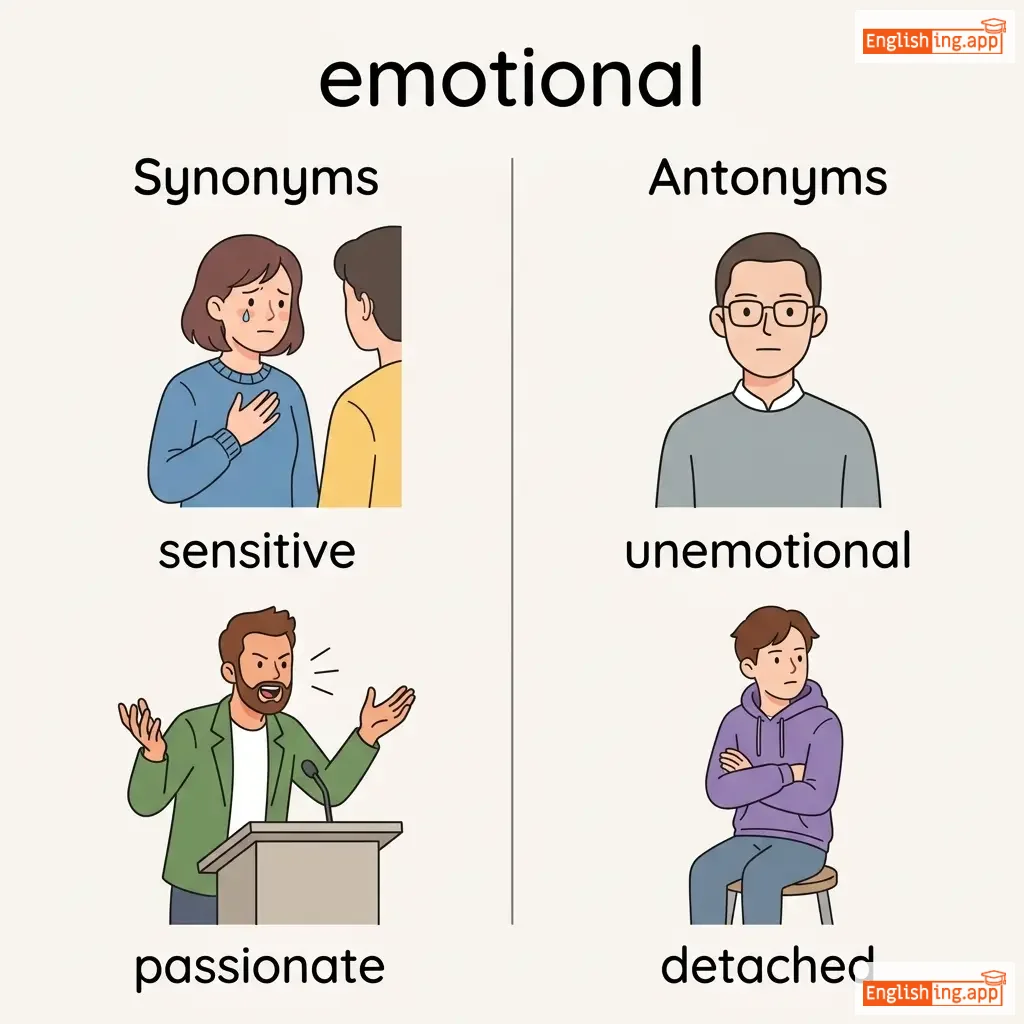
sentimental, passionate, sensitive, feeling, expressive
••••••
|
unemotional, rational, logical, cold, detached
••••••
|
emotional support, emotional intelligence, emotional response, emotional stability
••••••
|
Emotional = 情感 (情感充沛的人表现出强烈的情感)
••••••
|
|
#208
✨
|
/ˈel.ɪ.ɡənt/
adjective
(艾丽根特)
••••••
|
- •••••• |
优雅的
eluhgent
••••••
|
graceful and stylish; refined; sophisticated
••••••
|
She wore an elegant dress to the party.
她穿着一件优雅的连衣裙去参加聚会。
••••••
|
她穿着一件优雅的连衣裙去参加聚会。
ta chuan zhe yi jian you ya de lian yi qun qu can jia ju hui
••••••
|
graceful, stylish, refined, sophisticated
••••••
|
clumsy, awkward, crude, inelegant
••••••
|
elegant design, elegant solution, elegant style
••••••
|
Elegant 记忆法: E LE GANT 想象一个 E 字母穿着 LE 的礼服 成为 GANT 的绅士 大家 看到 就 说 它 very elegant
••••••
|
|
#209
📚
|
/ˌel.ɪˈmen.tər.i/
adjective
(基本的)
••••••
|
- •••••• |
基本的; 初级的
jī běn de; chū jí de
••••••
|
basic; fundamental; primary level
••••••
|
He learned elementary mathematics in school. |
他在学校学了基础数学。
Tā zài xuéxiào xuéle jīchǔ shùxué.
••••••
|
basic, fundamental, primary, simple
••••••
|
advanced, complex, sophisticated, difficult
••••••
|
elementary school, elementary level, elementary knowledge
••••••
|
Elementary = '基本的' means basic in Chinese!
••••••
|
|
#210
💪
|
/ɪmˈfæt.ɪk/
adjective
(强烈的)
••••••
|
- •••••• |
有力的; 强烈的; 表达具有力量和信念
yǒulì de; qiángliè de; biǎodá jùyǒu lìliàng hé xìnyǎng
••••••
|
forceful; strong; showing emphasis; expressed with force and conviction
••••••
|
She gave an emphatic 'no' to the proposal. |
她坚决地对提案说了'不'。
Tā jiānjué de duì tí'àn shuōle 'bù'.
••••••
|
forceful, strong, vigorous, definite, decisive
••••••
|
hesitant, weak, uncertain, mild, gentle
••••••
|
emphatic denial, emphatic response, emphatic gesture, emphatic statement
••••••
|
当我们强烈地表达自己时,我们变得非常有影响力。
••••••
|
|
#211
✅
|
/ɪˈfek.tɪv/
adjective
(éfèktív)
••••••
|
|
有效的
youxiao de
••••••
|
producing the intended result; successful; functional
••••••
|
This medicine is very effective against headaches.
这种药物对头痛非常有效。
••••••
|
这种药物对头痛非常有效。
zhè zhǒng yàowù duì tóutòng fēicháng yǒuxiào.
••••••
|
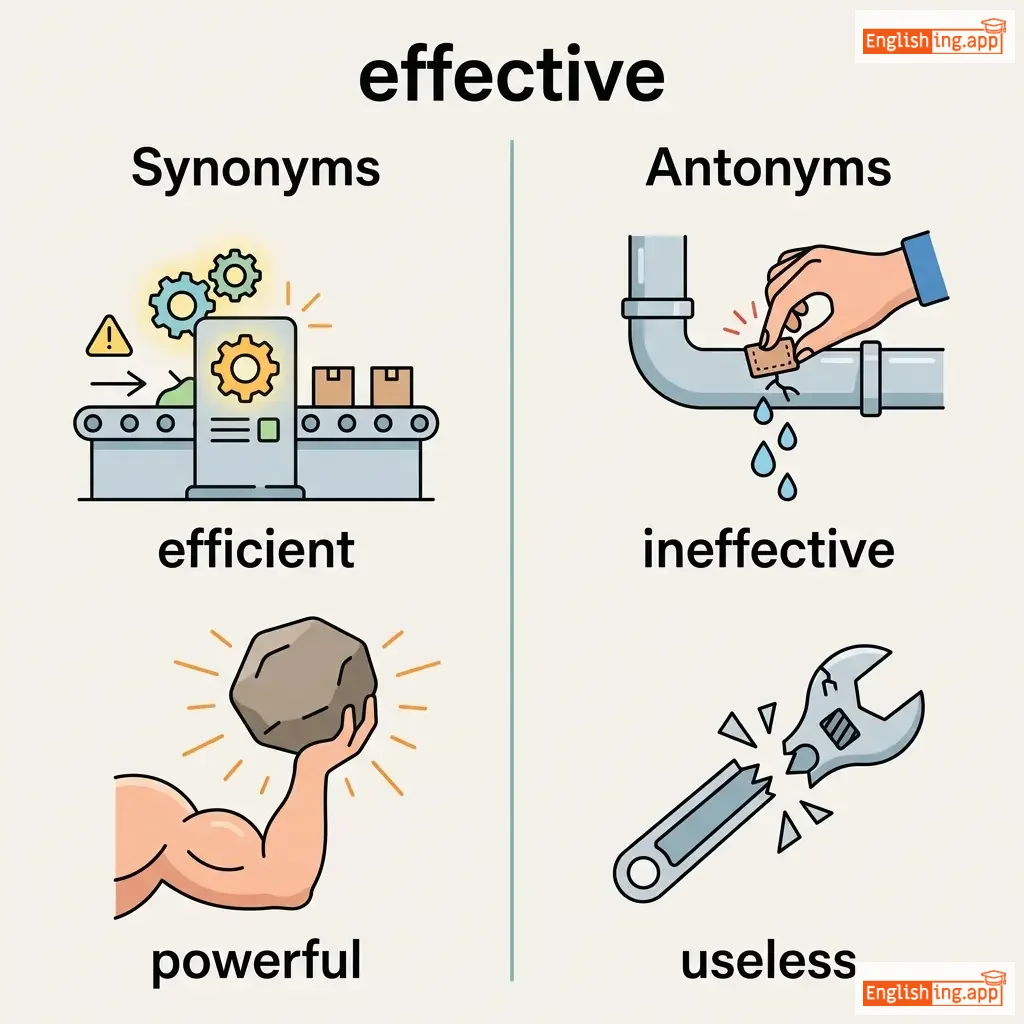
efficient, successful, productive
••••••
|
ineffective, useless, unsuccessful
••••••
|
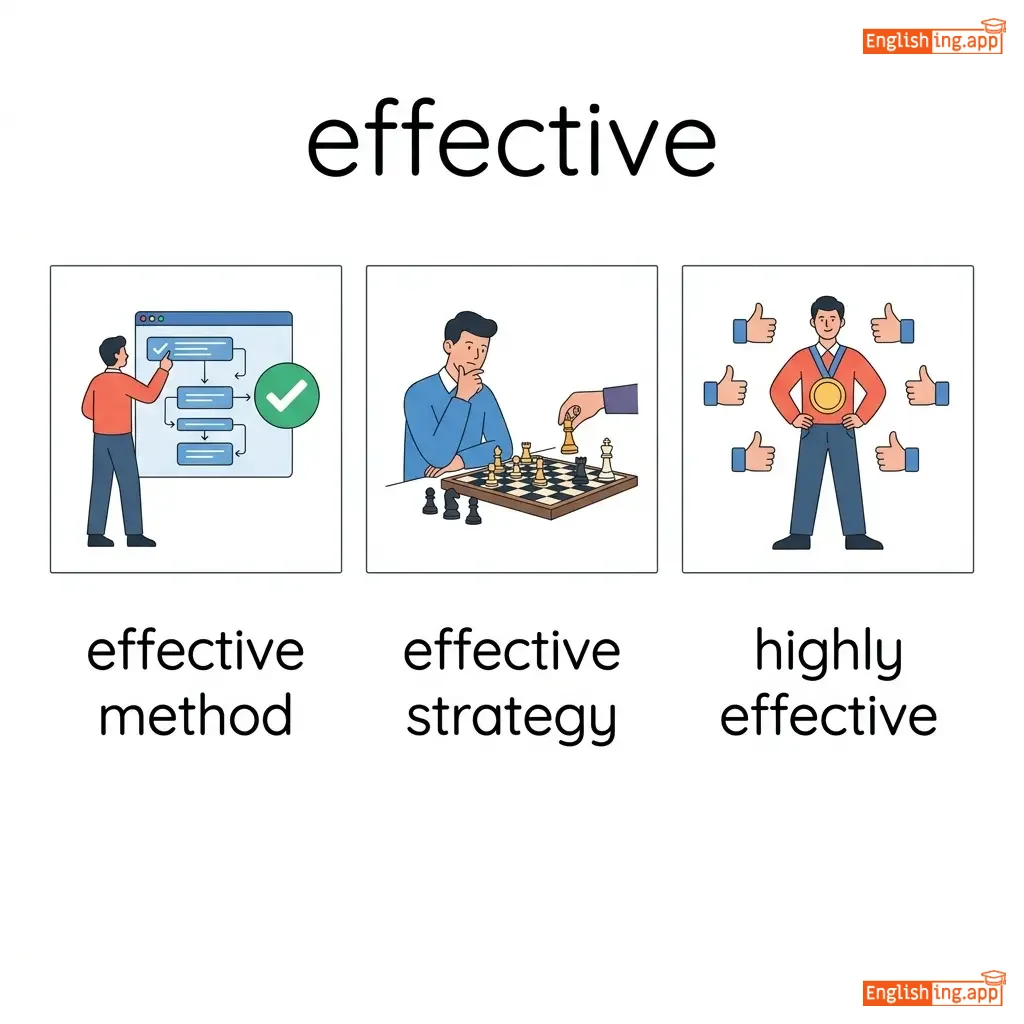
effective treatment, effective method, effective communication
••••••
|
Effective = 有效的, 就像这种药物对头痛有效。
••••••
|
|
#212
🏛️
|
/ɪnˈdjʊər.ɪŋ/
adjective
(恩杜林)
••••••
|
- •••••• |
持久的; 永恒的; 持续很长时间的
chíjiǔ de; yǒnghéng de; chíxù hěn cháng shíjiān de
••••••
|
lasting; permanent; continuing for a long time
••••••
|
Their enduring friendship lasted for decades.
他们持久的友谊持续了几十年。
••••••
|
他们持久的友谊持续了几十年。
Tāmen chíjiǔ de yǒuyì chíxù le jǐ shí nián.
••••••
|
lasting, permanent, persistent, durable
••••••
|
temporary, fleeting, short-lived
••••••
|
enduring love, enduring legacy, enduring memory
••••••
|
In Chinese, 'Enduring' translates to '持久的' (chíjiǔ de), like lasting forever.
••••••
|
|
#213
✅
|
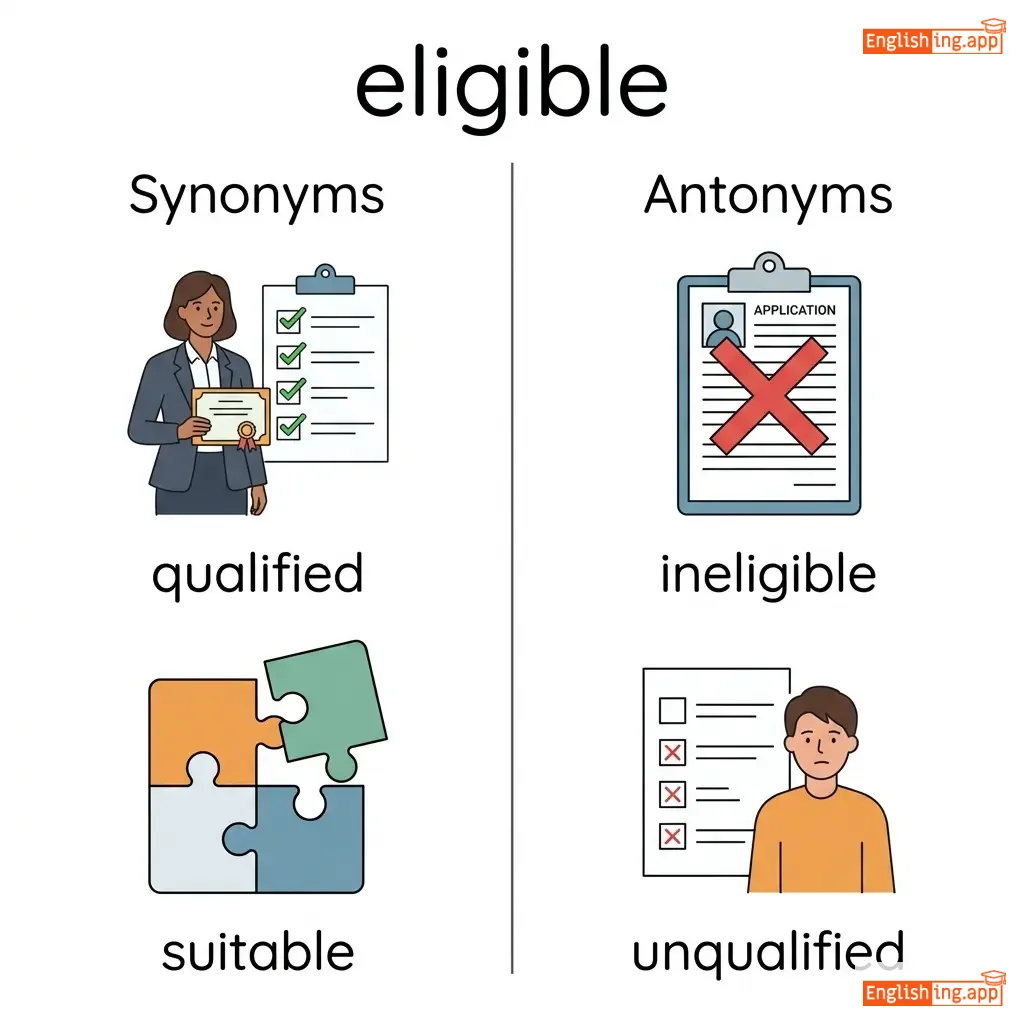
/ˈel.ɪ.dʒə.bəl/
adjective
(艾丽吉布尔)
••••••
|
|
有资格的; 合适的; 资格
eligible
••••••
|
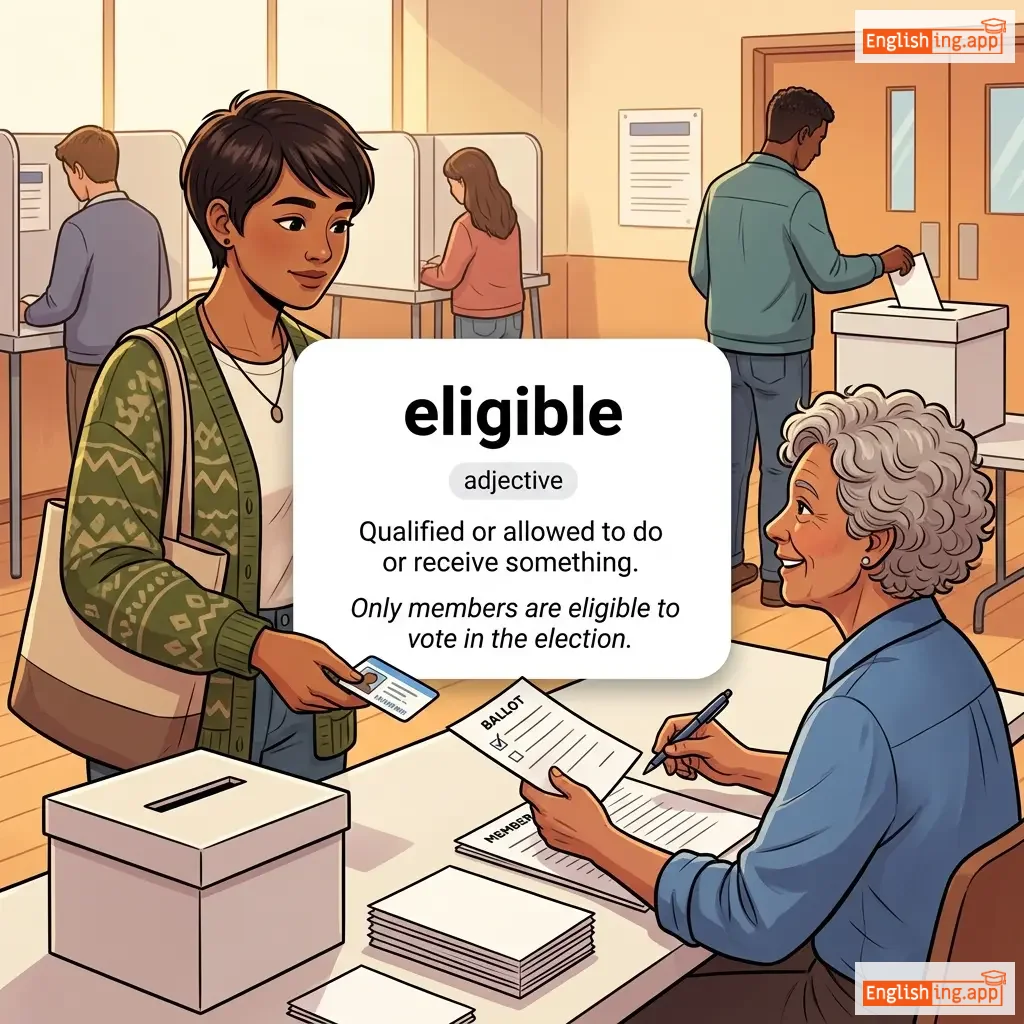
qualified; suitable; having the right to do something
••••••
|
She is eligible for the scholarship program. |
她有资格参加奖学金计划。
ta you zige canjia jiangxuejin jihua
••••••
|
qualified, suitable, entitled, worthy
••••••
|
ineligible, unqualified, unsuitable, unworthy
••••••
|
eligible candidate, eligible for benefits, eligible bachelor
••••••
|
Eligible = 有资格的 in Chinese
••••••
|
|
#214
📦
|
/ˈemp.ti/
adjective
(empti)
••••••
|
- •••••• |
空的; 无内容的
kong de; wu nei rong de
••••••
|
containing nothing; vacant; without contents
••••••
|
The glass is empty and needs to be refilled. |
玻璃杯是空的,需要重新填充。
bo li bei shi kong de, xu yao chong xin tian chong
••••••
|
vacant, hollow, void, blank, bare
••••••
|
full, filled, occupied, complete, loaded
••••••
|
empty bottle, empty room, empty stomach, empty promise
••••••
|
空的 (kong de) 就是没有内容。
••••••
|
|
#215
⚡
|
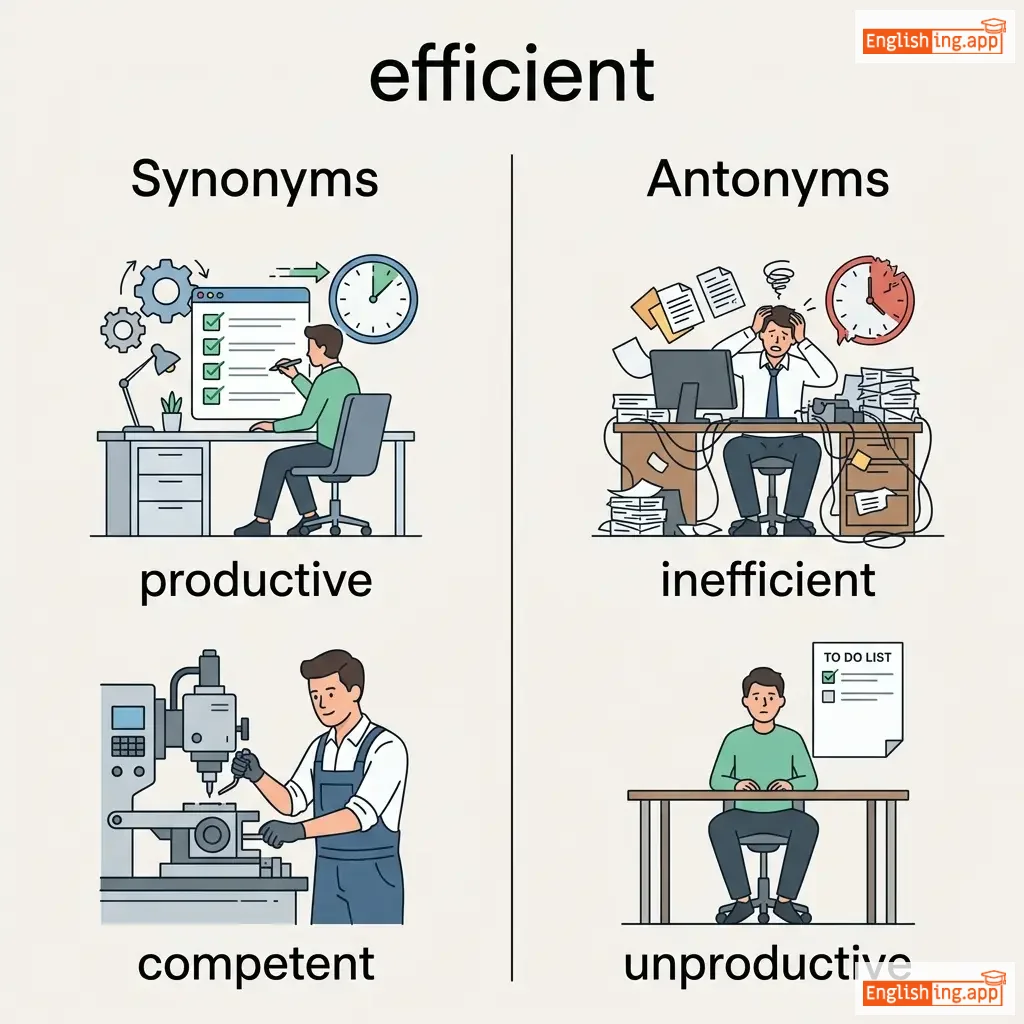
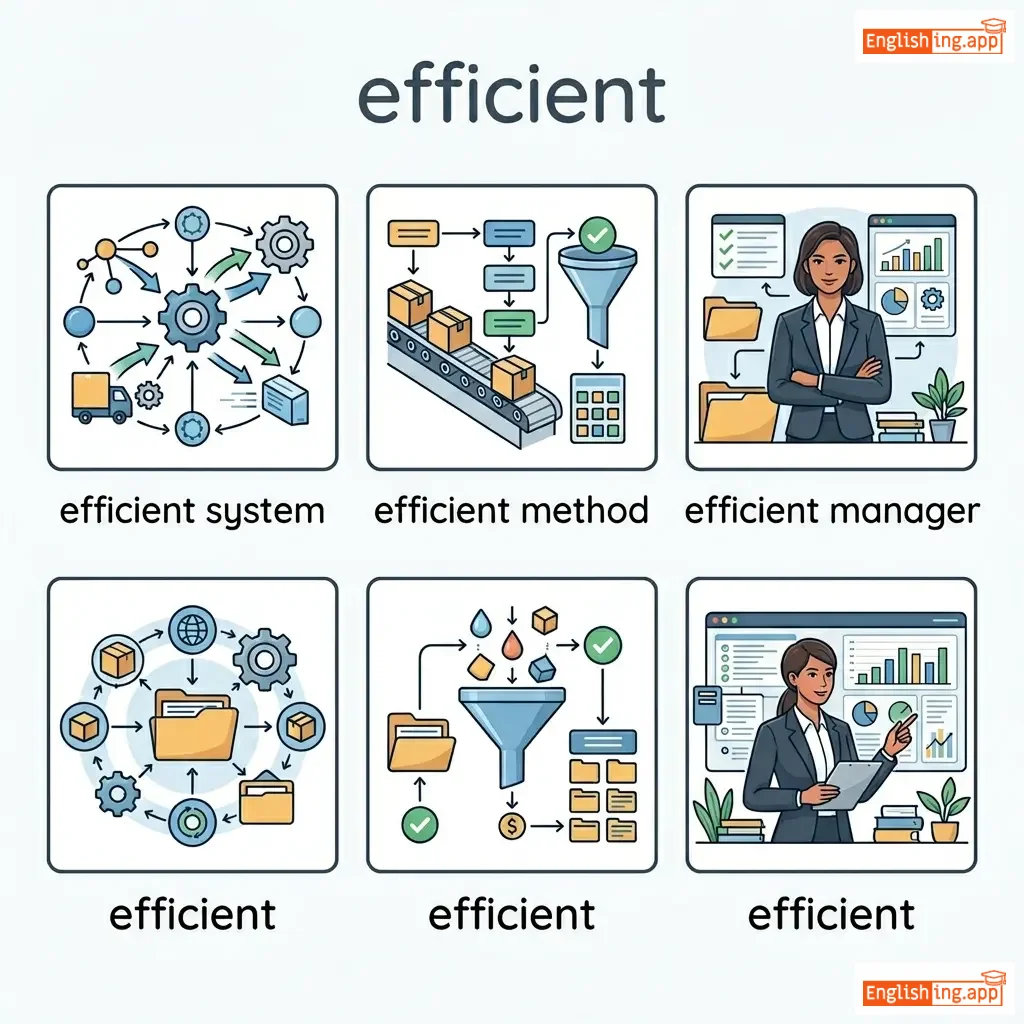
/ɪˈfɪʃ.ənt/
adjective
(yǐfíxiàn)
••••••
|
|
高效; 能干; 富有成效
gaoxiao
••••••
|
working well without waste; competent; productive
••••••
|
She is very efficient at managing her time.
她在管理时间方面非常高效。
••••••
|
她在管理时间方面非常高效。
Ta zai guanli shijian fangmian feichang gaoxiao.
••••••
|
competent, capable, skilled
••••••
|
inefficient, incompetent, wasteful
••••••
|
efficient system, efficient worker, efficient use
••••••
|
To be '高效' in Chinese is to work with efficiency.
••••••
|
|
#216
⚡
|
/ˌen.əˈdʒet.ɪk/
adjective
(能量充沛)
••••••
|
- •••••• |
充满活力的; 精力充沛的; 富有活力的
chongman huoli de; jingli chongpei de; fuyou huoli de
••••••
|
having or showing great activity; vigorous; full of energy
••••••
|
She is very energetic and loves outdoor activities. |
她非常充满活力,喜欢户外活动。
Ta feichang chongman huoli, xihuan huwai huodong.
••••••
|
dynamic, vigorous, active, lively
••••••
|
lethargic, sluggish, tired, inactive
••••••
|
energetic person, energetic exercise, energetic performance
••••••
|
充满活力 = 精力充沛!
••••••
|
|
#217
😳
|
/ɪmˈbær.ə.sɪŋ/
adjective
(embarrassing)
••••••
|
- •••••• |
尴尬的; 令人不安的; 使羞愧的
gan'ga de
••••••
|
causing shame or awkwardness; uncomfortable; humiliating
••••••
|
It was embarrassing when I forgot her name.
当我忘记她的名字时,那真是太尴尬了。
••••••
|
当我忘记她的名字时,那真是太尴尬了。
Dang wo wangji tade mingzi shi, na zhen shi tai gangan le.
••••••
|
humiliating, awkward, shameful, uncomfortable
••••••
|
comfortable, pleasant, dignified, proud
••••••
|
embarrassing moment, embarrassing situation, embarrassing mistake
••••••
|
Imagine how 'embarrassing' it is to forget someone's name in Chinese, '尴尬的'.
••••••
|
|
#218
🔄
|
/ɪˈlæs.tɪk/
adjective
(弹性)
••••••
|
- •••••• |
弹性
tanxing
••••••
|
able to stretch and return to original shape; flexible; adaptable
••••••
|
The elastic band can stretch and return to its original shape. |
弹性带可以拉伸并恢复到原来的形状。
Tanxing dai keyi lashen bing huifu dao yuanlai de xingzhuang.
••••••
|
flexible, stretchy, resilient
••••••
|
rigid, inflexible, brittle
••••••
|
elastic band, elastic material, elastic waistband
••••••
|
弹性 = 物体可以拉伸并恢复原状。
••••••
|
|
#219
👍
|
/ɪnˈkɝr.ɪ.dʒɪŋ/
adjective
(yin-ke-ri-jing)
••••••
|
- •••••• |
鼓励的; 激励的
gǔlì de; jīlì de
••••••
|
giving support or confidence; inspiring; motivating
••••••
|
The teacher's encouraging words motivated the students.
老师的鼓励性话语激励了学生。
••••••
|
老师的鼓励性话语激励了学生。
Lǎoshī de gǔlì xìng huàyǔ jīlì le xuéshēng.
••••••
|
supportive, inspiring, motivating, uplifting, positive
••••••
|
discouraging, demotivating, negative, disheartening, depressing
••••••
|
encouraging words, encouraging news, encouraging results, encouraging sign
••••••
|
鼓励 = 激励他人,带动前进。
••••••
|
|
#220
👷
|
/ɪnˈɡeɪdʒd/
adjective
(ɪnˈɡeɪdʒd)
••••••
|
- •••••• |
忙碌的; 参与的; 订婚的
mánglù de; cānyù de; dìnghūn de
••••••
|
busy; occupied; involved in activity; betrothed
••••••
|
He is engaged in important research work. |
他正在进行重要的研究工作。
Tā zhèngzài jìnxíng zhòngyào de yánjiū gōngzuò.
••••••
|
busy, occupied, involved, absorbed
••••••
|
idle, free, unoccupied, disengaged
••••••
|
engaged couple, engaged in work, engaged audience
••••••
|
When you're engaged, you're busy and involved in something important.
••••••
|
Vocabulary Quiz
Test your vocabulary by matching words with their translations or meanings.
Login to take the quiz
Comments (0)
Share your thoughts and join the discussion.
Join the discussion by logging in
Login to CommentNo comments yet
Be the first to share your thoughts!