



Swipe left or right, or use the buttons. Tap image to zoom.
例句翻译
单词
Lesson 40Lesson 40 - 遮罩切换
|
表情符号
|
单词 | Images | 翻译 | 含义 | 例句 | 例句翻译 | 同义词 | 反义词 | 搭配词 | 助记符 |
|---|---|---|---|---|---|---|---|---|---|---|
|
#781
🌲
|
/ˈʃeɪ.di/
adjective
(shēi-dī)
••••••
|
- •••••• |
有阴影的; 可疑的; 不诚实的;
yǒu yīnyǐng de; kěyí de; bù chéngshí de
••••••
|
providing shade; dishonest; suspicious
••••••
|
The shady businessman made a suspicious deal. |
那个有阴影的商人做了一笔可疑的交易。
Nàgè yǒu yīnyǐng de shāngrén zuòle yī bǐ kěyí de jiāoyì.
••••••
|
suspicious, dishonest, dubious, questionable
••••••
|
honest, trustworthy, reliable, sunny
••••••
|
shady business, shady character, shady deal
••••••
|
阴影商人 - 总是做可疑的交易!
••••••
|
|
#782
🗓️
|
/ˈsiː.z ə n.əl/
adjective
(季节性)
••••••
|
- •••••• |
季节性
jìjiéxìng
••••••
|
relating to or occurring in a particular season; changing according to the seasons
••••••
|
Many businesses hire seasonal workers during the holidays. |
许多公司在假期期间雇用季节性工人。
xǔduō gōngsī zài jiàqī qījiān gùyòng jìjiéxìng gōngrén.
••••••
|
periodic, cyclical, temporary, recurring
••••••
|
permanent, year-round, constant, steady
••••••
|
seasonal work, seasonal changes, seasonal depression, seasonal fruit
••••••
|
季节性工人像四季一样轮换。
••••••
|
|
#783
↔️
|
/ˈsep.ər.ət/
adjective
(sèpàlè)
••••••
|
- •••••• |
分开; 独立; 单独; 分离
fēnkāi; dúlì; dāndú; fēnlí
••••••
|
distinct; not connected; individual; apart
••••••
|
Please keep your personal and professional lives separate.
请保持您的个人和职业生活分开。
••••••
|
请保持您的个人和职业生活分开。
Qǐng bǎochí nín de gèrén hé zhíyè shēnghuó fēnkāi.
••••••
|
distinct, individual, independent, apart, detached
••••••
|
connected, joined, united, combined, together
••••••
|
separate rooms, separate ways, keep separate, completely separate
••••••
|
In Chinese, '分开' means separate, like dividing things apart.
••••••
|
|
#784
😤
|
/ˈselfɪʃ/
adjective
(selfish)
••••••
|
- •••••• |
自私
zì sī
••••••
|
caring only about oneself rather than others
••••••
|
He was too selfish to share his food with others.
他太自私了,不愿与他人分享他的食物。
••••••
|
他太自私了,不愿与他人分享他的食物。
Tā tài zìsīle, bù yuàn yǔ tārén fēnxiǎng tā de shíwù.
••••••
|
self-centered, egotistic, greedy, inconsiderate
••••••
|
selfless, generous, altruistic, considerate
••••••
|
selfish behavior, selfish person, selfish motives
••••••
|
自私的人的行为就像一个只顾自己的人,永远不与他人分享。
••••••
|
|
#785
🫨
|
/ˈʃeɪ.ki/
adjective
(shèikī)
••••••
|
- •••••• |
不稳定的; 发抖的; 不可靠的; 弱的
bù wěndìng de; fādǒu de; bù kěkào de; ruò de
••••••
|
unstable; trembling; unreliable; weak
••••••
|
His voice was shaky with nervousness. |
他的声音因紧张而颤抖。
Tā de shēngyīn yīn jǐnzhāng ér chàndǒu.
••••••
|
unstable, unsteady, trembling, wobbly
••••••
|
stable, steady, firm, solid
••••••
|
shaky hands, shaky foundation, shaky voice
••••••
|
紧张时,声音就像'不稳定'的shaky。
••••••
|
|
#786
🌍
|
/ˈsek.j ə.l ər/
adjective
(赛克鲁勒)
••••••
|
- •••••• |
世俗的
sekjuler
••••••
|
not connected with religious or spiritual matters; worldly
••••••
|
The country maintains a secular government that separates religion from politics.
这个国家维持一个世俗的政府,使宗教与政治分离。
••••••
|
这个国家维持一个世俗的政府,将宗教与政治分离。
zhe ge guo jia wei chi yi ge shi su de zheng fu, jiang zong jiao yu zheng zhi fen li.
••••••
|
worldly, non-religious, temporal, civil
••••••
|
religious, spiritual, sacred, clerical
••••••
|
secular education, secular society, secular government, secular music
••••••
|
Secular 世俗的: See You Law, 把 religion 与 politics 分开,世界更公正。
••••••
|
|
#787
🔢
|
/ˈsɪr.i.əl/
adjective
(序列)
••••••
|
- •••••• |
系列的; 连续的
xulie de; lianxu de
••••••
|
happening in a series; consecutive; arranged in order
••••••
|
The serial killer was finally caught after years of investigation.
连环杀手在多年的调查后终于被捕。
••••••
|
连环杀手在多年的调查后终于被捕。
Lianhuan shashou zai duonian de diaocha hou zhongyu bei bu.
••••••
|
consecutive, sequential, successive, continuous, ordered
••••••
|
random, scattered, disconnected, sporadic, isolated
••••••
|
serial number, serial killer, serial publication, serial drama
••••••
|
The serial killer's crimes happened one after another.
••••••
|
|
#788
💪
|
/self səˈfɪʃənt/
adjective
(自给自足)
••••••
|
- •••••• |
自给自足
ziji zizu
••••••
|
able to provide for oneself without depending on others
••••••
|
The farm is completely self-sufficient in producing vegetables. |
这个农场在蔬菜生产方面完全自给自足。
Zhege nongchang zai shucai shengchan fangmian wanquan ziji zizu.
••••••
|
independent, self-reliant, autonomous, self-supporting
••••••
|
dependent, reliant, needy, helpless
••••••
|
self-sufficient community, self-sufficient economy, self-sufficient lifestyle
••••••
|
就像一个完全依靠自己生长的农场,不依赖外界帮助。
••••••
|
|
#789
🤩
|
/senˈseɪʃənəl/
adjective
(震撼的)
••••••
|
- •••••• |
震撼的; 极其印象深刻的
zhènhàn de; jíqí yìnxiàng shēnkè de
••••••
|
causing great excitement or shock; extremely impressive
••••••
|
The sensational performance left the audience speechless.
这场震撼的表演让观众哑口无言。
••••••
|
这场震撼的表演让观众哑口无言。
zhè chǎng zhènhàn de biǎoyǎn ràng guānzhòng yǎkǒu wúyán.
••••••
|
spectacular, amazing, extraordinary, remarkable
••••••
|
ordinary, boring, dull, unremarkable
••••••
|
sensational news, sensational story, sensational performance
••••••
|
震撼的表演让观众震惊不已!
••••••
|
|
#790
😐
|
/ˈsɪr.i.əs/
adjective
(严肃)
••••••
|
- •••••• |
严肃的; 认真的; 重要的;
yánsù
••••••
|
thoughtful; grave; requiring careful consideration; not joking
••••••
|
This is a serious matter that needs immediate attention. |
这是一个需要立即注意的严肃问题。
Zhè shì yīgè xūyào lìjí zhùyì de yánsù wèntí.
••••••
|
grave, solemn, earnest, thoughtful, critical
••••••
|
funny, lighthearted, casual, playful, humorous
••••••
|
serious problem, serious consideration, serious injury, serious business
••••••
|
当问题很严肃时,我们需要认真对待。
••••••
|
|
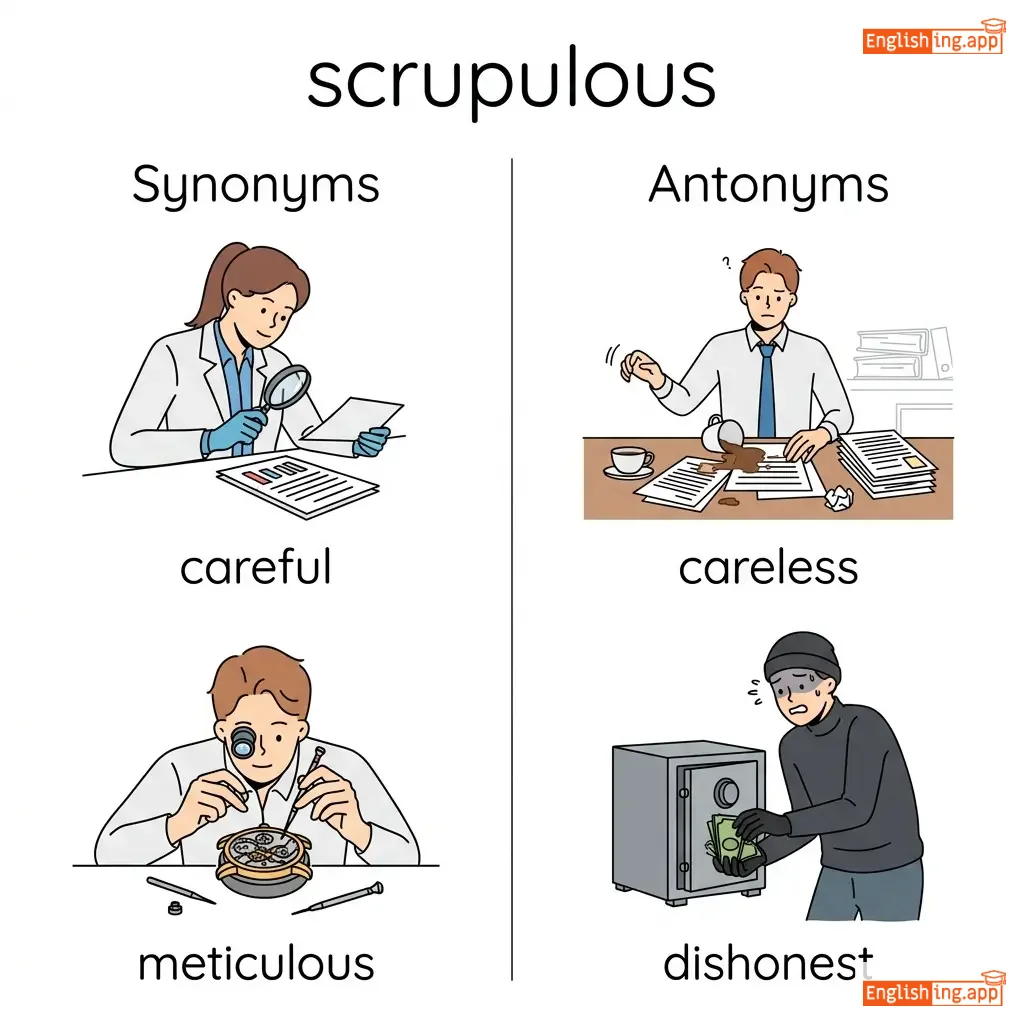
#791
🔍
|
/ˈskruːpjələs/
adjective
(sī kè pǔ yù lā sī)
••••••
|
|
一丝不苟; 有道德的; 认真
yī sī bù gǒu; yǒu dào dé de; rèn zhēn
••••••
|
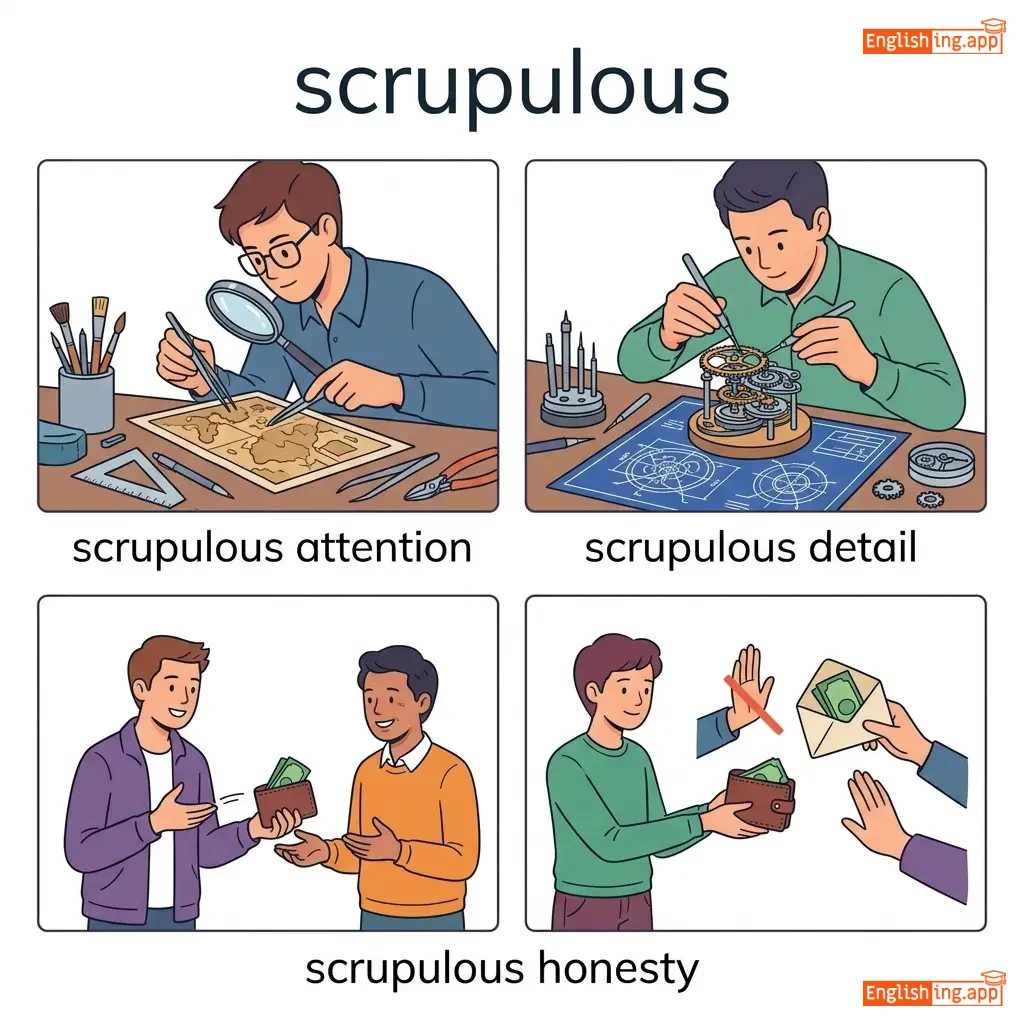
extremely careful and precise; having moral integrity; conscientious
••••••
|
She was scrupulous about checking every detail before submitting the report.
她在提交报告之前,仔细检查了每个细节。
••••••
|
她在提交报告之前,仔细检查了每个细节。
Tā zài tíjiāo bàogào zhīqián, zǐxì jiǎnchá le měi gè xìjié.
••••••
|
meticulous, thorough, careful, conscientious, precise
••••••
|
careless, sloppy, unscrupulous, negligent, reckless
••••••
|
scrupulous attention, scrupulous care, scrupulous honesty, scrupulous detail
••••••
|
Imagine a person checking every detail very carefully before submitting it.
••••••
|
|
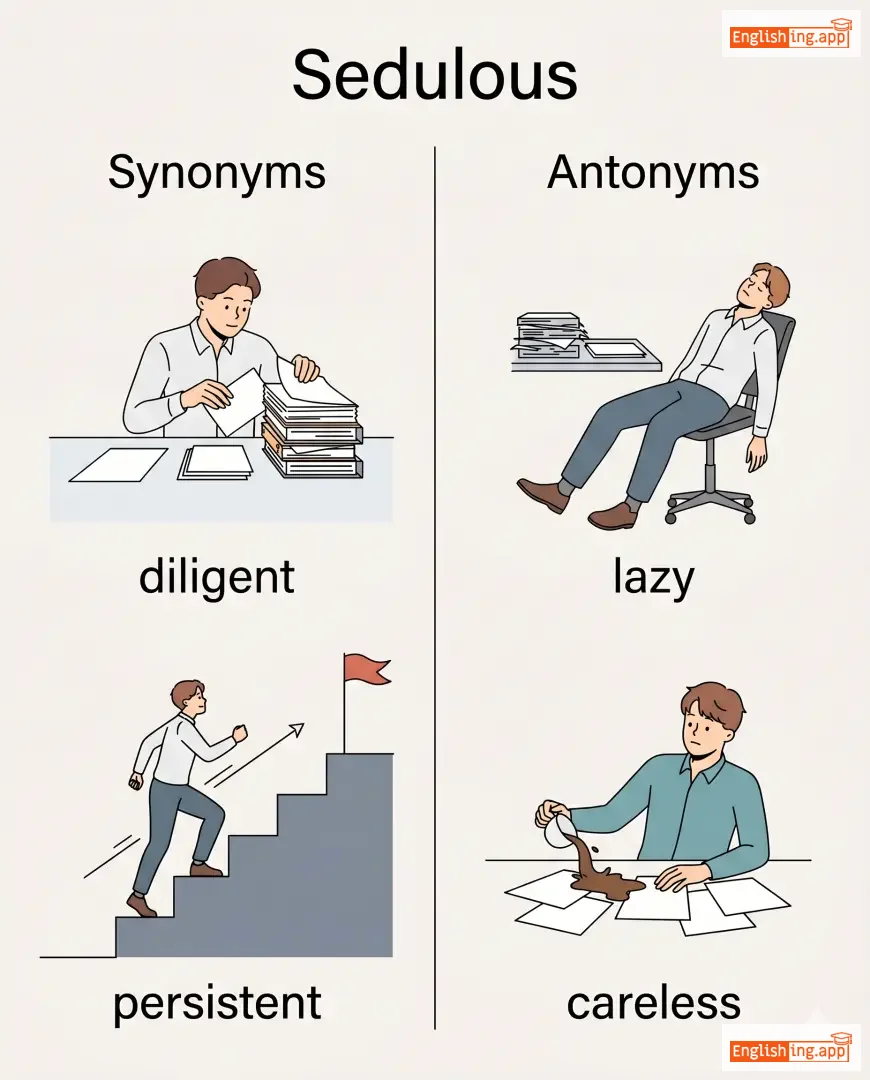
#792
💪
|
/ˈsed.j ə.l ə s/
adjective
(塞杜洛斯)
••••••
|
|
勤奋的; 努力的;
qínfèn de; nǔlì de;
••••••
|
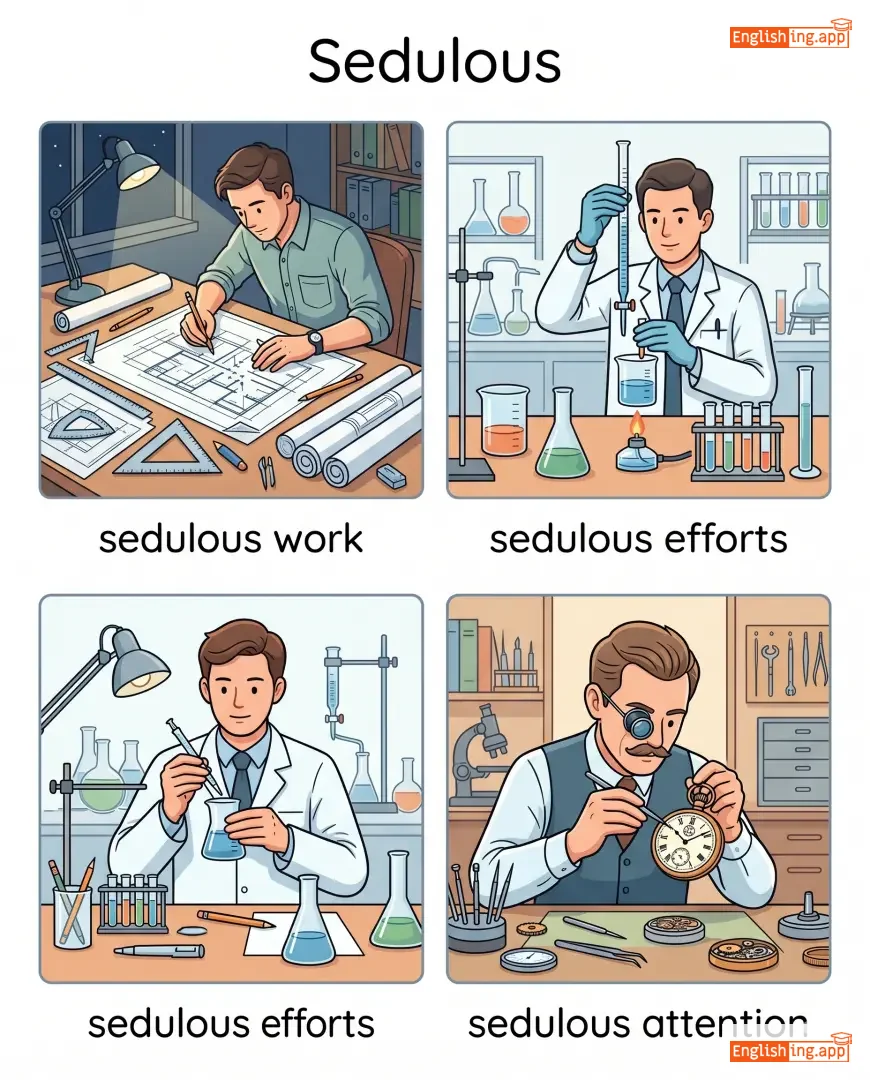
showing dedication and diligence; persistent and careful in work
••••••
|
She was sedulous in her research, spending hours in the library every day. |
她在研究中非常勤奋,每天都在图书馆度过数小时。
Tā zài yánjiū zhōng fēicháng qínfèn, měitiān dōu zài túshūguǎn dùguò shù xiǎoshí.
••••••
|
diligent, industrious, persistent, assiduous
••••••
|
lazy, careless, negligent, idle
••••••
|
sedulous effort, sedulous attention, sedulous work, sedulous care
••••••
|
通过持续的努力和献身实现成功
••••••
|
|
#793
🧐
|
/ˈsensəbəl/
adjective
(敏感)
••••••
|
- •••••• |
明智的; 实际的; 合理的
míngzhì de; shíjì de; hélǐ de
••••••
|
having or showing good sense; practical and reasonable
••••••
|
It would be sensible to take an umbrella because it might rain. |
带伞是明智的,因为可能会下雨。
Dài sǎn shì míngzhì de, yīnwèi kěnéng huì xià yǔ.
••••••
|
practical, reasonable, logical, wise
••••••
|
foolish, impractical, unreasonable, senseless
••••••
|
sensible decision, sensible choice, sensible person
••••••
|
明智的选择是躲避大雨的智慧。
••••••
|
|
#794
🏚️
|
/ˈsiː.di/
adjective
(希迪)
••••••
|
- •••••• |
充满种子; 肮脏且不名誉; 破败的
chōngmǎn zhǒngzi; āngzāng qiě bù míngyù; pòbài de
••••••
|
squalid and disreputable; shabby and run-down; full of seeds
••••••
|
They avoided walking through the seedy part of town at night.
他们避免在夜晚走过城市的贫民区。
••••••
|
他们避免在夜晚走过肮脏且不名誉的城市部分。
Tāmen bìmiǎn zài yèwǎn zǒuguò āngzāng qiě bù míngyù de chéngshì bùfen.
••••••
|
shabby, squalid, disreputable, run-down
••••••
|
respectable, clean, upscale, refined
••••••
|
seedy neighborhood, seedy hotel, seedy bar, seedy character
••••••
|
想象一个充满种子和肮脏的地方来记住这个词。
••••••
|
|
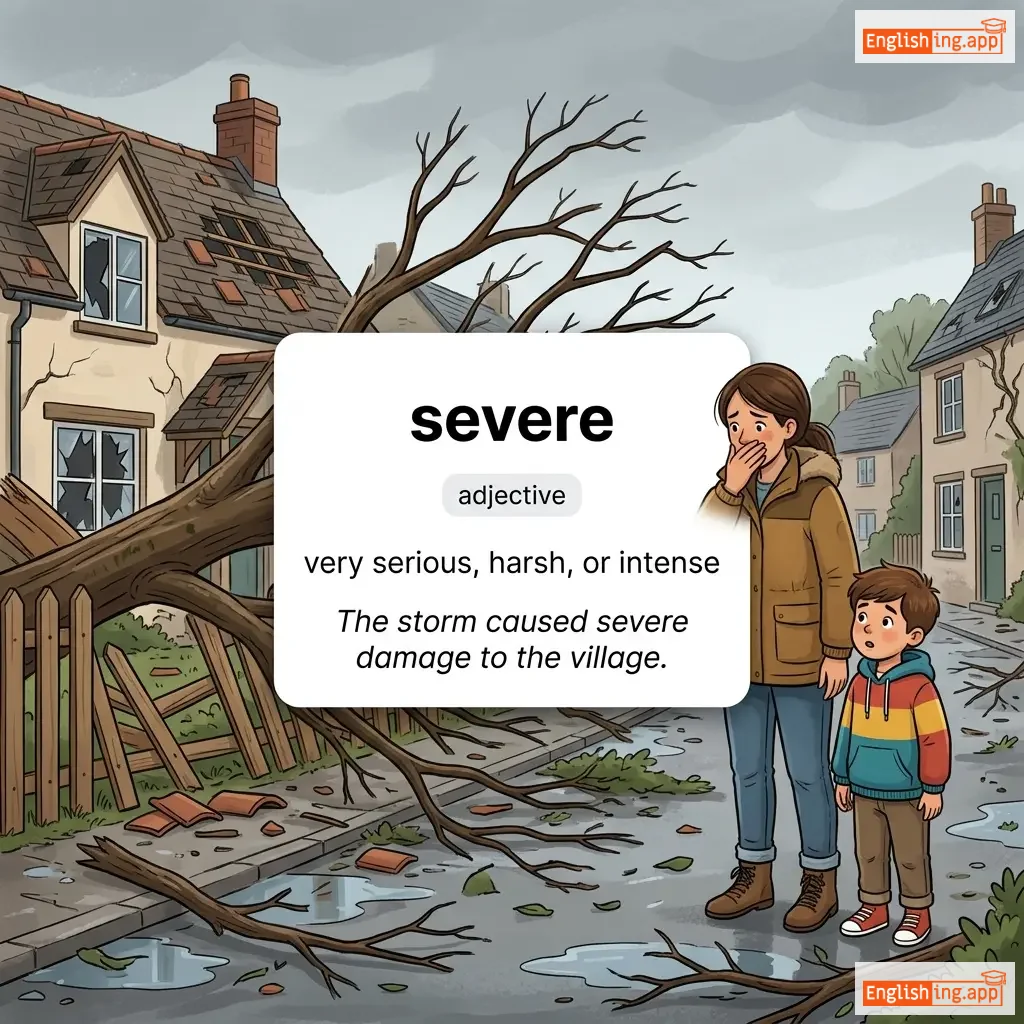
#795
⚡
|
/sɪˈvɪr/
adjective
(塞维尔)
••••••
|
|
严重的; 严格的; 极端的;
yánzhòng de; yángé de; jíduān de;
••••••
|
very harsh; strict; extreme; causing great pain or difficulty
••••••
|
The severe weather warning advised people to stay indoors. |
严重的天气预警建议人们呆在室内。
yánzhòng de tiāntíng yùjǐng jiànyì rénmen dāi zài shìnèi.
••••••
|
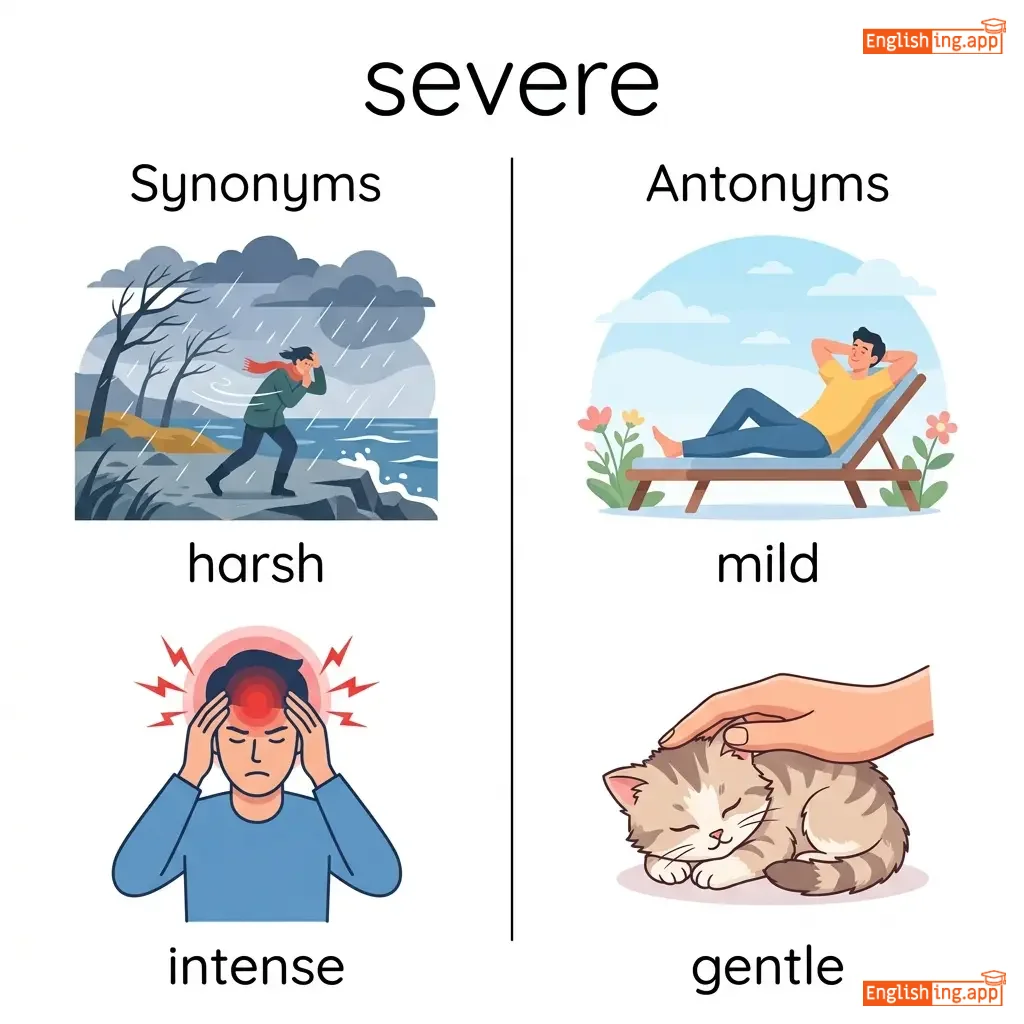
harsh, strict, extreme, intense, rigorous
••••••
|
mild, gentle, lenient, moderate, easy
••••••
|
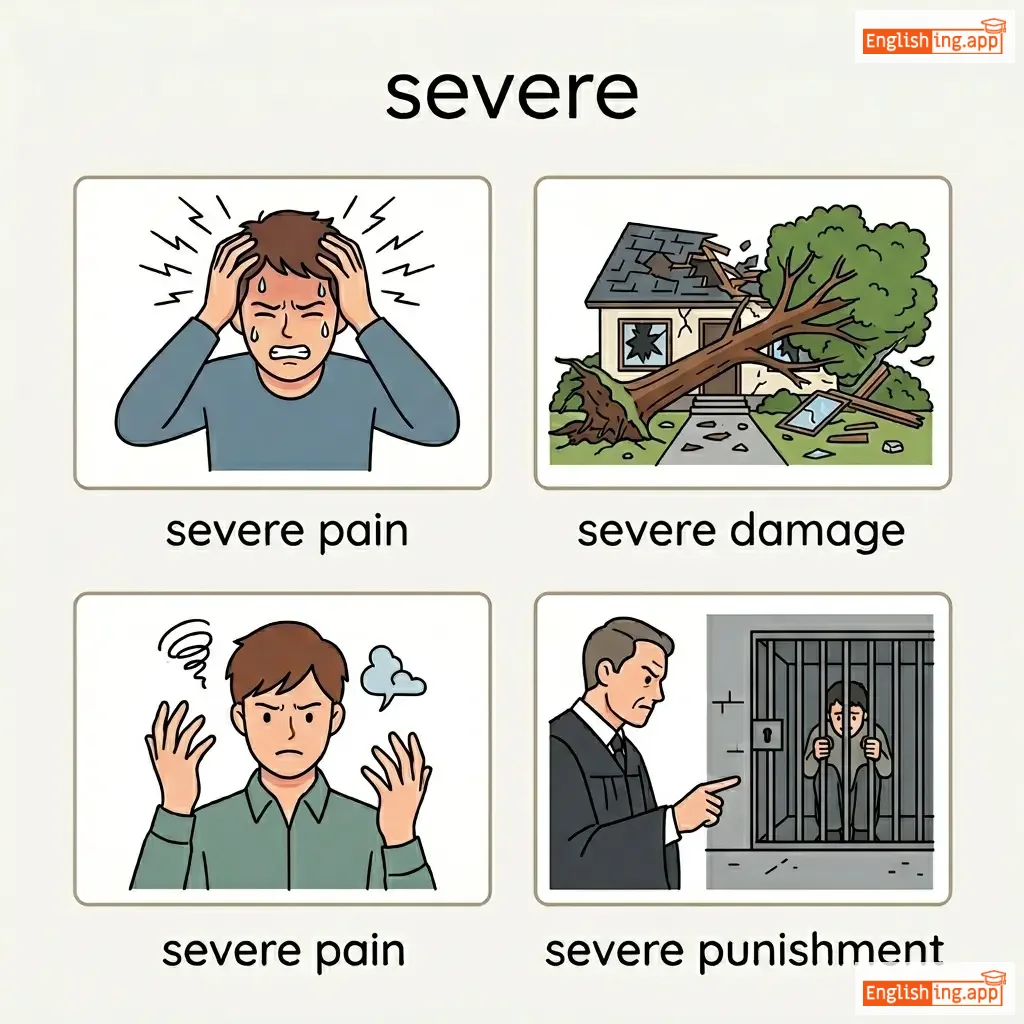
severe weather, severe punishment, severe pain, severe criticism
••••••
|
严峻的天气让我们感到极度的压力,就像一种严厉的警告。
••••••
|
|
#796
🔥
|
/sɪər/
adjective
(xiěr)
••••••
|
- •••••• |
枯萎的; 烧焦的; 干枯的
kūwěi de; shāojiāo de; gān kū de
••••••
|
withered; dried up; burned or scorched
••••••
|
The sear leaves fell from the trees in autumn.
秋天枯萎的叶子从树上掉下来。
••••••
|
秋天枯萎的叶子从树上掉下来。
Qiūtiān kūwěi de yèzi cóng shù shàng diào xiàlái.
••••••
|
withered, dried, scorched, burned, parched
••••••
|
fresh, green, moist, hydrated, lush
••••••
|
sear leaves, sear grass, sear heat, sear wind
••••••
|
像秋天的枯叶一样落下。
••••••
|
|
#797
😥
|
/ˌsen.tɪˈmen.təl/
adjective
(森提门塔尔)
••••••
|
- •••••• |
多愁善感的
sen ti men tal
••••••
|
having tender feelings; being emotional about memories or experiences
••••••
|
She became sentimental when looking at old family photographs.
她看着旧的家庭照片时变得多愁善感。
••••••
|
她看着旧的家庭照片时变得多愁善感。
ta kan zhe jiu de jiating zhaopian shi biande duo chou shan gan
••••••
|
emotional, nostalgic, romantic, tender
••••••
|
practical, unemotional, realistic, rational
••••••
|
sentimental value, sentimental journey, sentimental memories
••••••
|
Sentimental = sen ti men tal, 心境 soft as silk; memory 的灯亮起来, 多愁善感就来
••••••
|
|
#798
🎯
|
/sɪˈlek.tɪv/
adjective
(选择性)
••••••
|
- •••••• |
选择性的
xuanze xing de
••••••
|
relating to or involving careful selection; choosy about what to accept
••••••
|
The university has a selective admission process for new students.
大学对新生有选择性的录取过程。
••••••
|
大学对新生有选择性的录取过程。
Daxue dui xinsheng you xuanze xing de luqu guocheng.
••••••
|
choosy, particular, discriminating, exclusive
••••••
|
indiscriminate, random, inclusive, accepting
••••••
|
selective admission, selective memory, selective breeding, selective service
••••••
|
选择 (xuanze) 是精挑细选
••••••
|
|
#799
👕
|
/ˈʃæb.i/
adjective
(shabi)
••••••
|
- •••••• |
破旧的; 状况差的; 显示磨损迹象的; 不公平或残忍的
pojiu de; zhuangkuang cha de; xianshi moshun jixiang de; bu gongping huo canren de
••••••
|
worn out; in poor condition; showing signs of wear; unfair or mean
••••••
|
His shabby clothes showed that he had been traveling for days. |
他的破旧衣服显示他已经旅行了几天。
Tā de pòjiù yīfú xiǎnshì tā yǐjīng lǚxíng le jǐ tiān.
••••••
|
worn, tattered, ragged, dilapidated, threadbare
••••••
|
new, pristine, elegant, well-maintained, fresh
••••••
|
shabby clothes, shabby treatment, shabby appearance, shabby hotel
••••••
|
破旧衣服; 旅行中的疲惫者
••••••
|
|
#800
⏰
|
/ˈsiːzənəbəl/
adjective
(sī zhèng bō)
••••••
|
- •••••• |
季节性的
jì jié xìng de
••••••
|
occurring at the right time; appropriate for the season; timely
••••••
|
The seasonable rain helped the farmers with their crops. |
季节性的雨水帮助农民收获他们的作物。
Jìjié xìng de yǔshuǐ bāngzhù nóngmín shōuhuò tāmen de zuòwù
••••••
|
timely, appropriate, opportune, suitable, fitting
••••••
|
untimely, inappropriate, unseasonable, ill-timed, unsuitable
••••••
|
seasonable weather, seasonable advice, seasonable crops, seasonable temperature
••••••
|
No •••••• |
Vocabulary Quiz
Test your vocabulary by matching words with their translations or meanings.
Login to take the quiz
Comments (0)
Share your thoughts and join the discussion.
Join the discussion by logging in
Login to CommentNo comments yet
Be the first to share your thoughts!